COVID-19 reinfections are prevalent, necessitating an urgent understanding of their cumulative, long-term impact in highly vulnerable populations. Evidence suggests that reinfections are associated with worse health outcomes; causal artificial intelligence (AI) modeling may provide additional insights. Using longitudinal symptom, biometric, and exertion data from 1,167 people with Long COVID and/or myalgic encephalomyelitis/chronic fatigue syndrome (ME/CFS) in the Visible app, we investigated how cumulative COVID-19 infections may influence symptom trajectories. We evaluated five causal discovery algorithms with Non-combinatorial Optimization via Trace Exponential and Augmented lagRangian for Structure learning (NOTEARS) nonlinear emerging as optimal, showing strong predictive performance and structural validity. To evaluate pathways, we estimated interventional effects using the fitted structural causal model. Within our structural causal framework, our analysis suggests a 1.5% increase in post-infection symptom severity density and 4.9% increase in acute resting heart rate (RHR) across infections one to six. We estimate that pre-infection functional capacity (FUNCAP) may reduce post-infection symptom severity and symptom frequency by 27% and 21%, respectively, while pre-infection crashes may increase symptom severity by 8%. Due to symptom tracking requirements, this cohort was subject to a healthy user survivor bias, potentially underestimating true effects. These results indicate that reinfection count may exert measurable effects on symptoms and heart metrics, and pre-infection FUNCAP and symptom crashes may contribute strongly to post-infection outcomes. Therefore, managing FUNCAP and preventing crashes are possible strategies for people with Long COVID and/or ME/CFS. This study supports the utility of causal AI on patient-generated data to identify plausible causal pathways.
BACKGROUND:The symptomatic and immune responses to COVID-19 vaccination of people with Long COVID are poorly characterized. METHODS:In this prospective study, we evaluated changes in symptoms and immune responses after COVID-19 vaccination in 16 vaccine-naïve individuals with Long COVID. Surveys were administered before vaccination and at 2, 6, and 12 weeks after receiving the first vaccine dose of the primary series. Simultaneously, SARS-CoV-2-reactive TCR enrichment, SARS-CoV-2-specific antibody responses, antibody responses to other viral and self-antigens, and circulating cytokines were quantified before vaccination and at 6 and 12 weeks after vaccination. RESULTS:At 12 weeks post-vaccination, self-reported improved health is seen in 10 out of 16 participants, 3 have no change, and 3 have worse health although 2 report transient improvement after vaccination. One participant reporting worse health was hospitalized twice with chest pain (after each dose). Symptom outcomes are most associated with plasma biosignatures. Higher baseline sIL-6R is associated with symptom improvement, and stably elevated levels of IFN-β and CNTF are associated with no improvement. Significant elevation in SARS-CoV-2-specific TCRs and spike protein-specific IgG are observed at 6 and 12 weeks after vaccination. No changes in reactivities are observed against herpes viruses and self-antigens. CONCLUSIONS:In this study of 16 people with Long COVID, vaccination is associated with increased SARS-CoV-2 spike protein-specific IgG and T cell expansion in most participants. Specific immune features are associated with symptom change after vaccination and most participants experience improved health or no change following vaccination.
Background: COVID-19 reinfections are common worldwide. Long COVID is a serious infection-associated chronic condition and a major public health concern. Using a patient-centered approach, we characterized the association between reinfections and Long COVID. Methods: We developed and disseminated internationally a patient-centered online survey examining the outcomes of COVID-19 reinfections. The survey incorporated validated instruments on fatigue, post-exertional malaise, and physical function with questions about COVID-19 infection history, vaccination, and Long COVID symptoms, including symptoms related to immune and reproductive health. We tested whether the likelihood of Long COVID and related outcomes increases with COVID-19 infection numbers. Results: Here we show that reinfections increase the likelihood of reporting Long COVID, which increased 2.1-fold from one to two infections. Among 3,382 participants, 22% reported never having had COVID-19, 42% experienced it once, and 35% reported reinfections. Relative to those who did not report infections or experienced COVID-19 once, reinfections were associated with increased likelihood of severe fatigue, post-exertional malaise, decreased physical function, poorer immune health, symptom exacerbation before menstruation, and multiple other Long COVID symptoms. While vaccinations and boosters prior to infection are associated with lower likelihood of Long COVID, reinfections diminish their protective effect. The probability of reporting Long COVID remission is generally low (11.5%-6.5%). Conclusions: COVID-19 reinfections are associated with higher likelihood of Long COVID and related outcomes. These findings underscore the need for robust public health measures for COVID-19 infection prevention and the importance of considering reinfections in Long COVID research and clinical practice.
Post-Acute Sequelae of SARS-CoV-2 infection (PASC), also known as Long-COVID, encompasses a variety of complex and varied outcomes following COVID-19 infection that are still poorly understood. We clustered over 600 million condition diagnoses from 14 million patients available through the National COVID Cohort Collaborative (N3C), generating hundreds of highly detailed clinical phenotypes. Assessing patient clinical trajectories using these clusters allowed us to identify individual conditions and phenotypes strongly increased after acute infection. We found many conditions increased in COVID-19 patients compared to controls, and using a novel method to associate patients with clusters over time, we additionally found phenotypes specific to patient sex, age, wave of infection, and PASC diagnosis status. While many of these results reflect known PASC symptoms, the resolution provided by this unprecedented data scale suggests avenues for improved diagnostics and mechanistic understanding of this multifaceted disease.
Long COVID is a chronic and often disabling illness with long-term consequences. Although progress has been made in the clinical characterization of long COVID, no approved treatments exist and disconnects between patients and researchers threaten to hinder future progress. Incorporating patients as active collaborators in long COVID research can bridge the gap and accelerate progress toward treatments and cures.
A growing number of working individuals have developed long COVID (LC) after COVID-19 infection. Economic analyses indicate that workers' LC symptoms contribute to workforce shortages. However, factors that affect return-to-work from perspectives of people with LC remain largely underexplored. This qualitative study of people with LC conducted by researchers living with LC aimed to identify participants' return-to-work experiences using Total Worker Health® and Episodic Disability frameworks. 10% of participants who participated in a mixed-method global internet survey, had LC symptoms >3 months, and responded in English were randomly selected for thematic analysis using NVivo12. 15% of responses were independently double-coded to identify coding discrepancies. Participants (N = 510) were predominately white and had at least a baccalaureate degree. Four primary work-related themes emerged: 1) strong desire and need to return to work motivated by sense of purpose and financial precarity; 2) diverse and episodic LC symptoms intersect with organization of work and home life; 3) pervasiveness of LC disbelief and stigma at work and in medical settings; and 4) support of medical providers is key to successful return-to-work. Participants described how fluctuation of symptoms, exacerbated by work-related tasks, made returning to work challenging. Participants’ ability to work was often predicated on job accommodations and support. Non-work factors were also essential, especially being able to receive an LC medical diagnosis (key to accessing leave and accommodations) and help at home to manage non-work activities. Many participants described barriers accessing these supports, illuminating stigma and disbelief in LC as a medical condition. Qualitative findings indicate needs for workplace accommodations tailored to fluctuating symptoms, continuously re-evaluated by workers and supervisors together. Reductions in medical barriers to access work accommodations is also critical since many medical providers remain unaware of LC, and workers may lack a positive COVID test result.
The relationship between Long COVID (LC) and psychiatric outcomes, as well as factors associated with presence and absence of these, has so far been insufficiently studied. Here we evaluated psychiatric symptoms and coping among patients with LC and patients recovered from COVID-19 who participated in a large international survey. Given increased rates of psychiatric illness with chronic medical conditions and known immune-inflammatory contributors to psychiatric disease, we hypothesized that a subset, but not the entirety, of LC respondents may have comorbid psychopathology. A substantial minority of both groups experienced suicidality, depression and anxiety symptoms, with these symptoms being more common in the LC group. LC respondents used more adaptive coping styles. Psychiatric outcomes in LC were associated with younger age, greater reductions in overall health, higher symptom severity, limitations to physical capability, lower income, financial hardship, psychiatric history, employment impact, male sex, men and non-binary gender, and negative experiences with medical professionals, family, friends, partners and employers.
ABSTRACTAs more people are vaccinated against SARS-CoV-2, many of those already infected are still suffering from Post-Acute Sequelae (PASC). Although there is no current treatment for PASC, reports from patients that the vaccine itself improves, and in some reports, worsens, PASC symptoms may lead to a deeper understanding of the causes of PASC symptoms and viable treatments. As such, we are conducting a study that measures the changes in PASC symptoms after vaccination. We are collecting baseline self-report and biospecimens for immune assays and then are following up with participants to collect the same data at 2-weeks, 6-weeks, and 12-weeks post-vaccination (first dose). Immune assays using blood specimens will include B-cell, T-cell, and myeloid cell panels; evaluation of T-cell responsiveness to SARS-CoV-2 peptides and antigen specific response; autoantibody screening (of IgG, IgM, and IgA antibodies that attack human proteins); and TCR sequencing and antigen mapping of CD8+ T-cells. Mucosal immunity will be measured using saliva specimens. The study aims to provide answers for people with PASC, especially regarding the causes of their symptoms and how the vaccine may affect them, and clues for PASC treatment.
A large subset of patients with coronavirus disease 2019 (COVID-19) are experiencing symptoms well beyond the claimed 2-week recovery period for mild cases. These long-term sequelae have come to be known as Long COVID. Originating out of a dedicated online support group, a team of patients formed the Patient-Led Research Collaborative and conducted the first research on Long COVID experience and symptoms. This article discusses the history and value of patient-centric and patient-led research; the formation of Patient-Led Research Collaborative as well as key findings to date; and calls for the following: the acknowledgement of Long COVID as an illness, an accurate estimate of the prevalence of Long COVID, publicly available basic symptom management, care, and research to not be limited to those with positive polymerase chain reaction and antibody tests, and aggressive research and investigation into the pathophysiology of symptoms.
BACKGROUND:A significant number of patients with COVID-19 experience prolonged symptoms, known as Long COVID. Few systematic studies have investigated this population, particularly in outpatient settings. Hence, relatively little is known about symptom makeup and severity, expected clinical course, impact on daily functioning, and return to baseline health.METHODS:We conducted an online survey of people with suspected and confirmed COVID-19, distributed via COVID-19 support groups (e.g. Body Politic, Long COVID Support Group, Long Haul COVID Fighters) and social media (e.g. Twitter, Facebook). Data were collected from September 6, 2020 to November 25, 2020. We analyzed responses from 3762 participants with confirmed (diagnostic/antibody positive; 1020) or suspected (diagnostic/antibody negative or untested; 2742) COVID-19, from 56 countries, with illness lasting over 28 days and onset prior to June 2020. We estimated the prevalence of 203 symptoms in 10 organ systems and traced 66 symptoms over seven months. We measured the impact on life, work, and return to baseline health.FINDINGS:For the majority of respondents (>91%), the time to recovery exceeded 35 weeks. During their illness, participants experienced an average of 55.9+/- 25.5 (mean+/-STD) symptoms, across an average of 9.1 organ systems. The most frequent symptoms after month 6 were fatigue, post-exertional malaise, and cognitive dysfunction. Symptoms varied in their prevalence over time, and we identified three symptom clusters, each with a characteristic temporal profile. 85.9% of participants (95% CI, 84.8% to 87.0%) experienced relapses, primarily triggered by exercise, physical or mental activity, and stress. 86.7% (85.6% to 92.5%) of unrecovered respondents were experiencing fatigue at the time of survey, compared to 44.7% (38.5% to 50.5%) of recovered respondents. 1700 respondents (45.2%) required a reduced work schedule compared to pre-illness, and an additional 839 (22.3%) were not working at the time of survey due to illness. Cognitive dysfunction or memory issues were common across all age groups (~88%). Except for loss of smell and taste, the prevalence and trajectory of all symptoms were similar between groups with confirmed and suspected COVID-19.INTERPRETATION:Patients with Long COVID report prolonged, multisystem involvement and significant disability. By seven months, many patients have not yet recovered (mainly from systemic and neurological/cognitive symptoms), have not returned to previous levels of work, and continue to experience significant symptom burden.FUNDING:All authors contributed to this work in a voluntary capacity. The cost of survey hosting (on Qualtrics) and publication fee was covered by AA's research grant (Wellcome Trust/Gatsby Charity via Sainsbury Wellcome center, UCL).
A large subset of COVID-19 patients are experiencing symptoms well beyond the claimed two- week recovery period for mild cases. This long-term sequelae has come to be known as Long COVID. Originating out of a dedicated online support group, a team of patients formed Patient- Led Research for COVID-19 and conducted the first research on Long COVID experience and symptoms. This article discusses the history and value of patient-centric and patient-led research; the formation of Patient-Led Research for COVID-19 as well as key findings to date; and calls for the following: the acknowledgement of Long COVID as an illness, an accurate estimate of the prevalence of Long COVID, publically-available basic symptom management, care and research to not be limited to those with positive PCR and antibody tests, and aggressive research and investigation into the pathophysiology of symptoms.
 Lisa McCorkell合作论文数9Hannah Wei合作论文数9Hannah E. Davis合作论文数9
 Athena Akrami合作论文数Sainsbury Wellcome Centre, Faculty of Life Sciences, University College London5Yochai Re'em合作论文数3Signe Redfield合作论文数2Daisy Massey合作论文数2Elisabeth A Stelson合作论文数TH Chan Sch Publ Hlth, Harvard Univ2
 Aaron Ring合作论文数Translational Science and Therapeutics Division, Fred Hutch;Immunotherapy Integrated Research Center, Fred Hutch;Ariax Bio;Stipple Bio;Seranova Bio;Simcha Therapeutics2
 Chris McWilliams合作论文数School of Mathematics and2
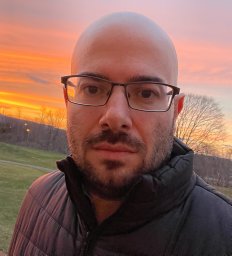 Schulz Wade L合作论文数2
 Akiko Iwasaki合作论文数Iwasaki Lab, School of Medicine, Yale University;Howard Hughes Medical Institute2
 Soares Letícia合作论文数Biological Dynamics of Forest Fragments Project, Smithsonian Tropical Research Institute &Instituto Nacional de Pesquisas da Amazônia;Graduate Program in Ecology, Instituto Nacional de Pesquisas da Amazônia;Department of Biology, University of Missouri St Louis2Robert F. Chew合作论文数1Cali Wilson合作论文数1Andrea Zhou合作论文数1Peter Leese合作论文数1Ryan J. Low合作论文数1
 Brenda M McGrath合作论文数1
 Kenneth Wilkins合作论文数1Lik Wee Lee合作论文数1Michael Lieberman合作论文数1Tiffany J Tzeng合作论文数1Megan L. Fitzgerald合作论文数1Jillian R. Jaycox合作论文数1Alison K Cohen合作论文数1Lucia Santos合作论文数1Diana Zicklin Berrent合作论文数1Julio Silva合作论文数1Yun Jae Yoo合作论文数Dept Biomed Informat, SUNY Stony Brook1Mario A Peña-Hernández合作论文数Dept Biol & Biomed Sci, Yale Univ1
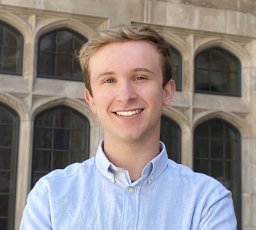 Connor Grady合作论文数Penn Med, Univ Penn1
 Carolina Lucas合作论文数Center for Infection and Immunity, Yale University1
 Evan French合作论文数School of Medicine, Virginia Commonwealth University1Charisse Madlock-Brown合作论文数Health Science Center, University of Tennessee1Alexandra Tabachnikova合作论文数Icahn Sch Med Mt Sinai, Precis Immunol Inst, New York, NY 10029 USA1Tianyang Mao合作论文数1
 Cesar Caraballo-Cordovez合作论文数Department of Internal Medicine, Yale School of Medicine1
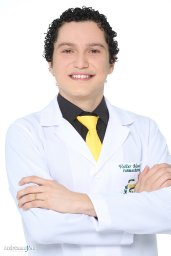 Valter Vinicius Silva Monteiro合作论文数Ribeirão Preto Medical School, University of São Paulo1
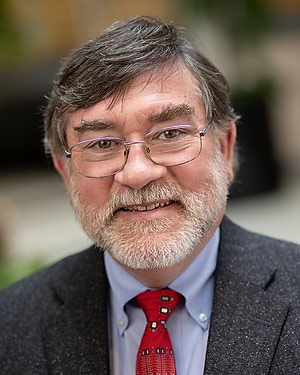 Christopher G. Chute合作论文数Department of Medicine, School of Medicine, Johns Hopkins University;Institute for Clinical Translational Research, Johns Hopkins1Leying (Lexi) Guan合作论文数1Jeph Herrin合作论文数Cardiovascular Medicine, Internal Medicine, Yale School of Medicine, Yale University1
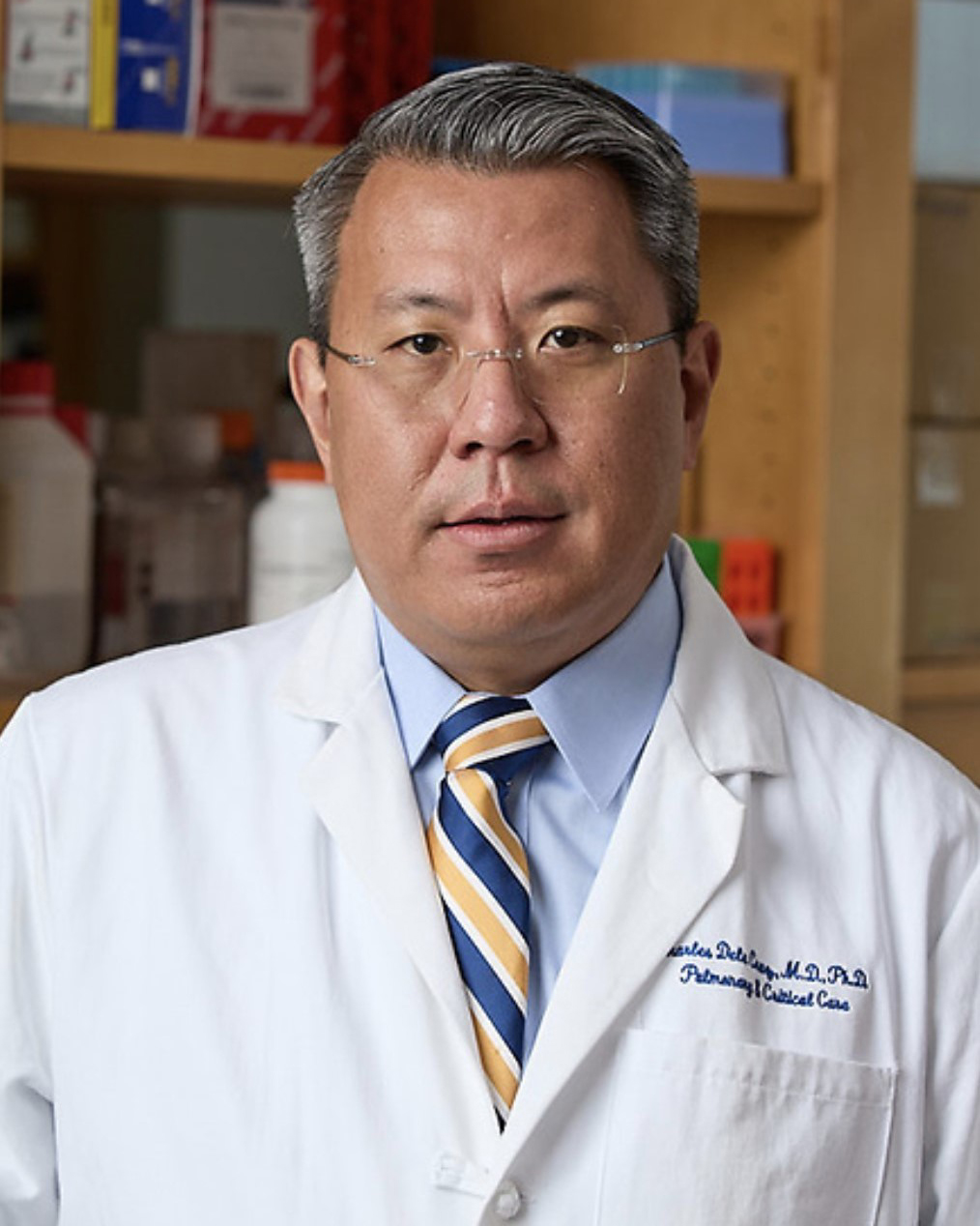 Charles S. Dela Cruz合作论文数Division of Pulmonary, Allergy, Critical Care, and Sleep Medicine, Department of Medicine, University of Pittsburgh School of Medicine1Lan Xu合作论文数1O'Neil Shawn T合作论文数Department of Computer Science and Engineering, University of Notre Dame1Pfaff Emily R合作论文数1Takahashi Takehiro合作论文数1Austin Jared合作论文数1
 Sawano Mitsuaki合作论文数From the Department of Cardiology, Keio University School of Medicine;Department of Cardiology, St. Luke's International Hospital;Second Department of Internal Medicine, Kyorin University School of Medicine;and Department of Cardiology, Sakakibara Heart Institute;Kyorin University School of Medicine, Keio University School of Medicine1




