INTRODUCTION:Military service represents a unique life transition occurring during early adulthood. Limited existing work suggests that military service delays childbearing for service members compared to civilians at a similar point in the life course and that this effect is stronger for women. The Cognitive-Social Model of Fertility Intentions posits that women form clearly defined fertility intentions when encountering situations across the life course that motivate cognitive attention toward childbearing enough that women form a conscious, actionable family-building plan. We aimed to qualitatively investigate factors influencing U.S. military veterans' fertility planning before and after military service using the Cognitive-Social Model of Fertility Intentions. To our knowledge, no previous study has qualitatively investigated U.S. military veterans' fertility intentions, nor those of men generally, using this model. MATERIALS AND METHODS:Among participants who had previously completed computer-assisted telephone interviews as part of a national U.S. study investigating infertility and trauma experiences in this population, a total of 60 U.S. military veterans who had been diagnosed with combat-related Post-Traumatic Stress Disorder (PTSD) or who had experienced attempted or completed military sexual assault; a toxin exposure; or a combat injury including pelvic, head, or spinal cord injury were recruited by fertility status: infertile (n = 20), not infertile has biological children (n = 20), not infertile and no biological children (n = 20). We performed thematic analysis of 60 semi-structured interviews with these U.S. military veteran women and men in relation to Cognitive-Social Model of Fertility Intentions constructs. Interviews assessed socio-structural factors veterans considered important when planning their families before, during, and after military service. RESULTS:Before military service, veterans expressed expectations of forming a future nuclear family or expressed no childbearing expectations. Several situations emerging during and after military service motivated attention to childbearing plans, including suitable partnership, fears of deployment, age benchmarks to conclude childbearing, and military trauma. Veteran women and men reported similar fertility-relevant factors motivating attention to childbearing unique to military service, including service-related demands and military trauma. CONCLUSIONS:Our qualitative findings can help support Veterans Health Administration (VHA)'s efforts to anticipate reproductive healthcare services needed for both men and women. A better understanding of the contextual factors impacting post-military fertility intentions can support VHA's Whole Health approach-understanding what matters to the person, not what's the matter with the person-and potentially improve clinician-veteran communication and inform reproductive healthcare policy development.
OBJECTIVE:To examine associations of traditional healthy and fertility-focused preconception dietary patterns in female and male partners, individually and combined, with clinical fertility outcomes. DESIGN:Prospective cohort study. SUBJECTS:Heterosexual couples planning infertility treatment at four United States reproductive endocrinology and infertility care centers, June 2013-April 2019. EXPOSURE:Four a priori dietary patterns: two traditional healthy patterns (Healthy Eating Index-2015 and Mediterranean Diet) and two fertility-focused patterns (Fertility Diet and Pro-fertility Diet). Preconception dietary intake of each partner was assessed by a validated food frequency questionnaire. Each partner's score was calculated for all four patterns; a combined score for each pattern was the sum of the partners' individual scores. MAIN OUTCOME MEASURES:Live birth and pregnancy loss before 20 weeks' gestation. Log-binomial models estimated crude and adjusted risk ratios per SD increase in dietary pattern score of female partners, male partners, and couples combined. RESULTS:Of 2,370 couples, 1,054 experienced a pregnancy, 287 a pregnancy loss, and 821 a live birth. Greater alignment of reported dietary intake with traditional healthy patterns, as reflected by increases in Healthy Eating Index-2015 (females, adjusted risk ratio = 1.06 [95% confidence interval, 1.00-1.13]; males, 1.05 [0.99-1.11]; combined, 1.05 [ 0.99-1.12]) and Mediterranean Diet scores (females, 1.05 [0.99-1.12]; males, 1.05 [0.99-1.11]; combined, 1.06 [1.00-1.12]), by females, males, or couples combined was associated with a higher likelihood of live birth. For female partners only, alignment of reported dietary intake with a Fertility Diet showed a similar association (1.05 [0.99-1.12]). Alignment of reported intake with a Pro-fertility Diet was not associated with live birth. None of the dietary patterns was associated with pregnancy loss. CONCLUSION:Among couples experiencing infertility, following established, broadly recommended dietary patterns known to improve overall health also may offer modest benefits for fertility. In contrast, fertility-focused patterns may offer little or no fertility benefits and likely are more difficult to follow than traditional healthy dietary patterns.
Objective:To examine the associations between social and economic determinants of health with receipt of infertility diagnoses and care among Veterans. In the non-Veteran population, socially and economically marginalized individuals are less likely to receive infertility care. Little is known about these associations in the population of United States military Veterans, who may have unique fertility care needs and healthcare access experiences. Design:We analyzed cross-sectional survey data collected from the Impact of Sexual Assault and Combat-Related Trauma on Fertility in Veterans study conducted from 2016 to 2020. Subjects:Our analytic sample includes the subset of Veterans aged 20-45 years who were assigned female sex at birth and experienced infertility, defined as a self-reported history of unprotected sex for 12 or more months without pregnancy. Exposure:Variables of interest included social and economic determinants, including income, Veterans Health Administration (VA) benefits and insurance status, marital status, race and ethnicity, and sexual orientation. Main Outcome Measures:Outcomes included self-reported receipt of an infertility diagnosis and fertility treatment. Associations between social and economic determinants and the outcomes were evaluated using multivariable logistic regression. Age and lifetime diagnoses of mental health conditions were included as potential confounders of these associations. Results:Among the 589 female Veterans with self-reported infertility, 22.8% reported receiving an infertility diagnosis and 19.5% reported receiving fertility treatment. Having a household income of greater than $110,000 (odds ratio [OR] = 5.33, 95% confidence interval [CI], 2.06-13.77) was positively associated with receipt of an infertility diagnosis in adjusted models. Being married or currently living with a partner (OR = 2.32, 95% CI, 1.22-4.41) and having a household income of greater than $110,000 (OR = 3.89, 95% CI, 1.38-10.98) were positively associated with receiving fertility treatment in adjusted models. Neither race nor VA benefits and insurance status were associated with either outcome. Conclusion:Similar to the non-Veteran population, income remains an important economic determinant of care receipt among Veterans. Our finding that only a minority of those with self-reported infertility received a diagnosis or treatment highlights the need for efforts to improve Veterans' access to fertility care and thus their ability to achieve the families they desire.
Objective: To evaluate associations between preconception 25-hydroxyvitamin D (25(OH)D) levels and biomarkers in female and male partners on live birth (LB), pregnancy loss, and semen quality. Design: Secondary analysis using the folic acid and zinc supplementation trial of couples seeking infertility treatment at four US centers (2013-2017). A target trial emulation framework was applied to estimate associations. Couples were observed for 9 months or through pregnancy. Subjects: Couples seeking infertility treatment. Intervention(s): Preconception concentrations of 25(OH)D (primary) and associated biomarkers: vitamin D binding protein, calcium, free vitamin D, bioavailable vitamin D. Main Outcome Measure(s): Live birth and pregnancy loss were ascertained via self-report and medical records. Semen quality was ascertained 6 months after enrollment. Log-binomial regression estimated risk ratios and 95% confidence intervals (CIs). Individual and joint models and effect measure modification by preconception body mass index were considered. Result(s): Among 2,370 couples, 19.5% of females and 29.9% of males were 25(OH)D deficient. Females with sufficient status had a 28%-higher likelihood of LB than deficient females (95% CI, 1.05-1.56). Female and male 25(OH)D status were associated with LB among those with normal body mass index (sufficient vs. deficient: female adjusted risk ratio [aRR], 1.39; 95% CI, 1.00-1.99; male aRR, 1.51; 95% CI, 1.01-2.25) and among obese female partners (sufficient vs. deficient: aRR, 1.33; 95% CI, 0.95-1.85). Couples whose both partners had higher 25(OH)D status had increased likelihood of LB (both not deficient vs. both deficient aRR, 1.26; 95% CI, 1.00- 1.58). No associations were observed with pregnancy loss or semen quality. Similar results were found for all biomarkers except calcium. Conclusion(s): Preconception vitamin D status and bioavailability impact fertility among couples seeking infertility therapy, likely unrelated to semen quality. Body mass index stratified analyses demonstrated heterogeneous associations. Clinical Trial Registration Number: NCT01857310. (Fertil Steril (R) 2025;123:300-12. (c) 2024 by American Society for Reproductive Medicine.)
STUDY QUESTION:Beyond BMI, are there better predictors of the impact of high female adiposity on reproductive outcomes in patients undergoing fertility treatment or attempting unassisted conception? SUMMARY ANSWER:Though BMI remains a predictor of fertility outcomes, alternative markers of adiposity, such as percent body fat, provide distinct information and may be more strongly associated with outcomes than BMI. WHAT IS KNOWN ALREADY:Elevated BMI is associated with a lower probability of live birth, though randomized trials have not consistently demonstrated the efficacy of weight loss for increasing live birth among patients utilizing infertility treatment. STUDY DESIGN, SIZE, DURATION:This was a secondary analysis of data gathered from 2013 to 2017 during the Folic Acid and Zinc Supplementation Trial (FAZST). Participants in FAZST included 2370 heterosexual couples seeking infertility care at four US fertility centers. Couples were followed for 9 months while undergoing fertility treatments or attempting unassisted conception, with up to 9 additional months of follow-up if pregnancy occurred. PARTICIPANTS/MATERIALS, SETTING, METHODS:For inclusion in the present study, female participants must have had at least one marker of adiposity measured at their baseline visit for FAZST. The primary exposure was high adiposity (defined by commonly used cutoffs in the literature) by each of five markers: BMI, percent body fat measured by dual-energy X-ray absorptiometry (DXA), serum leptin, serum adiponectin/leptin ratio, and waist circumference. Of the participants in FAZST, BMI was available for 99.6%, percent body fat for 7.3% (DXA only offered to 218 participants at two study sites between 2016 and 2017), leptin for 89.7%, adiponectin/leptin ratio for 89.7%, and waist circumference for 90.9%. Generalized linear models including age, race, parity, education, physical activity, male partner BMI ≥30 kg/m2, and Healthy Eating Index were used to estimate the relative risk of live birth. MAIN RESULTS AND THE ROLE OF CHANCE:High adiposity by BMI was associated with decreased probability of live birth (adjusted relative risk [aRR] 0.85, 95% CI 0.74-0.98). The other markers demonstrated similar associations, though a stronger effect size was seen with percent body fat (aRR 0.34, 95% CI 0.22-0.55). In an analysis by tertile, even moderately elevated percent body fat was associated with a decrease in live birth. When stratifying by infertility treatment status, associations were attenuated for most markers in the group utilizing infertility treatment, though percent body fat remained significantly associated with live birth. However, this marker was only available in a subset of participants. LIMITATIONS, REASONS FOR CAUTION:Only a subset of participants underwent DXA scans and had data on percent body fat, limiting the generalizability of the finding that this marker was most strongly associated with live birth. There were few participants with low BMIs, limiting the ability to draw conclusions on how low adiposity may affect reproductive outcomes. Findings may not be generalizable to the non-infertility population. WIDER IMPLICATIONS OF THE FINDINGS:The findings support prior data that high adiposity is associated with a lower probability of live birth. While most markers of adiposity performed similarly to BMI, there may be a role for percent body fat as an alternative assessment of adiposity, particularly among patients utilizing infertility treatment. STUDY FUNDING/COMPETING INTEREST(S):The FAZST and Impact of Diet, Exercise, and Lifestyle studies were supported by the Intramural Research Program of the Eunice Kennedy Shriver National Institute of Child Health and Human Development, National Institutes of Health, Bethesda, Maryland (contracts HHSN275201200007C, HHSN275201500001C, HHSN275201300026I/HHSN27500008, and HHSN275201300026I/HHSN27500018). There are no conflicts of interest to declare. TRIAL REGISTRATION NUMBER:NCT00467363 (secondary analysis).
Obesity rates are increasing, and patients with obesity may disproportionately seek fertility preservation and fertility treatment because of a higher risk of related disease. At the same time, in vitro fertilization centers across the United States are increasingly setting body mass index (BMI) cutoffs above which treatment will not be provided. Patients experience these limits as another example of stigma in healthcare as well as an access challenge, exacerbating the distress of infertility. A healthy lifestyle in the long term should be the focus rather than an arbitrary BMI, which is a flawed measure of health. Tailoring in vitro fertilization treatment to patients with larger bodies, including patient-specific medication dosing, approach to oocyte retrieval, and anesthesia support for optimal safety, has demonstrated equal success and complication rates to patients who fall under typical BMI cutoffs. Many infertility treatment programs can and should access the resources needed to safely and effectively treat patients across the full range of BMIs.
CONTEXT:Dyslipidemia is common, and resultant endothelial dysfunction may impact reproductive outcomes. No prospective study has examined the effect of preconception lipid parameters in both female and male partners or their interaction on live birth. OBJECTIVE:To determine whether live birth is associated with preconception lipids in both partners by planned fertility treatment. DESIGN:Secondary analysis of the Folic Acid and Zinc Supplementation Trial, conducted between June 2013 and December 2017. Couples were followed for 9 months after randomization and until delivery. SETTING:Multicenter study. PARTICIPANTS:Couples seeking fertility treatment (n = 2370; females 18-45 years, males ≥18 years). EXPOSURES:Female, male, and couple abnormal vs normal preconception lipid concentrations [total cholesterol (TC), low-density lipoprotein (LDL), high-density lipoprotein, triglycerides]. MAIN OUTCOME MEASURES:Live birth. RESULTS:Among 2370 couples, most males (84%) and females (76%) had at least 1 abnormal lipid parameter. Males planning in vitro fertilization (IVF, n = 373) with elevated LDL had lower probability of live birth than those with normal levels [47.4% vs 59.7%, adjusted relative risk (aRR) 0.79, 95% confidence interval (CI) 0.65-0.98]. In couples planning IVF where both partners had elevated TC or LDL, live birth was lower than those with normal levels (TC: 32.4% vs 58.0%, aRR 0.53, 95% CI 0.36-0.79; and LDL: 41.9% vs 63.8%, aRR 0.69, 95% CI 0.55-0.85). Lipid parameters were not associated with live birth for couples planning non-IVF treatments. CONCLUSION:Couples planning IVF where both partners had elevated TC or LDL and males planning IVF with elevated LDL had decreased probability of live birth. These findings may support lipid screening in patients seeking fertility treatment for prognostic information for reproductive outcomes.
Background: Our aim was to determine rates of postpartum mood and anxiety disorders (PMADs) among U.S. women Veterans and the overlap among PMADs. We further sought to identify PMAD risk factors, including those unique to military service.Methods: A national sample of women Veterans completed a computer-assisted telephone interview (N = 1414). Eligible participants were aged 20-45 and had separated from service within the last 10 years. Self-report measures included demographics, general health, reproductive health, military exposures, sexual assault, childhood trauma, and posttraumatic stress disorder (PTSD). The PMADs of interest were postpartum depression (PPD), postpartum anxiety (PPA) and postpartum PTSD (PPPTSD). This analysis included 1039 women Veterans who had ever been pregnant and who answered questions about PPMDs related to their most recent pregnancy.Results: A third (340/1039, 32.7%) of participants were diagnosed with at least one PMAD and one-fifth (215/ 1039, 20.7%) with two or more. Risk factors common for developing a PMAD included: a mental health diagnosis prior to pregnancy, a self-report of ever having had a traumatic birth experience, and most recent pregnancy occurring during military service. Additional risk factors were found for PPD and PPPTSD.Conclusion: Women Veterans may be at an increased risk for developing PMADs due to high rates of lifetime sexual assault, mental health disorders, and military-specific factors including giving birth during military service and military combat deployment exposures.
PurposeTo investigate if infertility patients and physicians apply a traditional biomedical model of disease in their conceptualisation of infertility, examine any contradictions and conflicts in conceptualisations, and examine areas of concordance and discordance between physicians and patients.MethodsSemi-structured interviews were conducted with 20 infertility patients and 18 infertility physicians between September 2010 and April 2012. Interviews were analysed qualitatively to determine physician and patient conceptualisations of infertility, reactions to the definition of infertility as a disease, and potential benefits and concerns related to application of a disease label to the condition.ResultsMost physicians (n = 14/18) and a minority of patients (n = 6/20) were supportive of defining infertility as a disease. Many of the patients who agreed with classifying infertility as a disease expressed that they had not personally defined it as such previously. Physicians (n = 14) and patients (n = 13) described potential benefits of a disease label, including increases in research funding, insurance coverage, and social acceptability. Some patients (n = 10) described potential stigma as a negative consequence. When describing appraisals of infertility, both physicians (n = 7) and patients (n = 8) invoked religious/spiritual concepts. The potential for religious/spiritual appraisal to contribute to stigmatising or de-stigmatising infertility was discussed.ConclusionOur findings contradict the assumption that infertility physicians and patients are fully supportive of defining infertility as a disease. While potential benefits of the disease label were recognised by both groups, caution against potential for stigmatisation and unsolicited invocation of religion/spirituality suggest a more holistic model may be appropriate.
Normal fertilization is routinely assessed as the presence of 2 pronuclei (2PN) in the oocyte with fixed-point observation between 17-20 h after insemination. Oocytes that fail to show pronuclei (0PN) at the time of assessment are considered unfertilized and in most IVF settings discarded. Time-lapse studies have shown that oocytes can undergo early PN fading which likely contributes to their misidentification as 0PN [1].
Absolute uterine factor infertility (AUFI), because of congenital/surgical uterine absence or any uterine abnormality (anatomic/functional) that obstructs pregnancy, was for many years regarded as the last frontier to conquer female infertility treatments. However, after extensive animal-based research, starting 25 years ago (1Brännström M. Diaz-Garcia C. Hanafy A. Olausson M. Tzakis A. Uterus transplantation: animal research and human possibilities.Fertil Steril. 2012; 97: 1269-1276Abstract Full Text Full Text PDF PubMed Scopus (100) Google Scholar, 2Brännström M. The Swedish uterus transplantation project: the story behind the Swedish uterus transplantation project.Acta Obstet Gynecol Scand. 2015; 94: 675-679Crossref PubMed Scopus (25) Google Scholar), the feasibility of uterus transplantation (UTx) as a treatment for AUFI was demonstrated in 2014 by the first live birth after UTx (3Brännström M. Johannesson L. Bokström H. Kvarnström N. Mölne J. Dahm-Kähler P. et al.Livebirth after uterus transplantation.Lancet. 2015; 385: 607-616Abstract Full Text Full Text PDF PubMed Scopus (591) Google Scholar). To date, 70 UTx procedures resulting in 34 live births have been published (4Brännström M. Tullius S.G. Brucker S. Dahm-Kähler P. Flyckt R. Kisu I. et al.Registry of the International Society of Uterus Transplantation: first report.Transplantation. 2023; 107: 10-17Crossref PubMed Scopus (19) Google Scholar, 5Ayoubi J.M. Carbonnel M. Racowsky C. de Ziegler D. Gargiulo A. Kvarnström N. et al.Evolving clinical challenges in uterus transplantation.Reprod Biomed Online. 2022; 45: 947-960Abstract Full Text Full Text PDF PubMed Scopus (10) Google Scholar), with a further 22 UTx procedures and 15 births reported in the unpublished domain (JM Ayoubi, personal communication, at the International Society of Uterus Transplantation [ISUTx] meeting, Paris, 2022). Uterus transplantation has provided women with AUFI the first true fertility treatment. With this procedure, unlike the use of gestational surrogacy, they can experience all aspects of natural motherhood, including not only the genetic tie but also the experience of pregnancy and childbirth. Moreover, although gestational surrogacy is an established option for women with AUFI to achieve genetic motherhood (and legal motherhood after adoption), this option is not available for most women in the world, because most countries or societies do not allow gestational surrogacy for ethical, legal, and/or religious reasons (6Frati P. La Russa R. Santurro A. Fineschi B. Di Paolo M. Scopetti M. et al.Bioethical issues and legal frameworks of surrogacy: a global perspective about the right to health and dignity.Eur J Obstet Gynecol Reprod Biol. 2021; 258: 1-8Abstract Full Text Full Text PDF PubMed Scopus (16) Google Scholar). Furthermore, in many of those countries that do permit gestational surrogacy, the practice is unregulated and has associated risks of carrier exploitation. Of note, surveys among women with AUFI have shown that UTx would be preferred over gestational surrogacy (7Jones B.P. Rajamanoharan A. Williams N.J. Vali S. Saso S. Mantrali I. et al.Uterine transplantation using living donation: a cross-sectional study assessing perceptions; acceptability, and suitability.Transplant Direct. 2021; 7: e673Crossref PubMed Scopus (5) Google Scholar, 8Kisu I. Banno K. Soeda E. Kurihara Y. Okushima M. Yamaguchi A. et al.Survey of attitudes toward uterus transplantation among Japanese women of reproductive age: a cross-sectional study.PLoS One. 2016; 11e0156179Crossref Scopus (27) Google Scholar). Clearly, to many women, childbearing is considered important to motherhood. It is predicted that AUFI affects approximately 1:500 women of fertile age, with the most common causes being previous hysterectomy (cervical/uterine cancer, emergency peripartum procedure, and myoma); congenital absence; severe Asherman syndrome; and congenital uterine malformations, such as the unicornuate and didelphic uteri (9Hur C. Rehmer J. Flyckt R. Facone T. Uterine factor infertility: a clinical review.Clin Obstet Gynecol. 2019; 62: 257-270Crossref PubMed Scopus (36) Google Scholar). Today, modern infertility treatments, such as in vitro fertilization (IVF) and intracytoplasmic sperm injections are considered routine clinical procedures, and in many countries, they are included in the public health care systems. For reasons of equity, it would be reasonable for UTx to become a covered treatment after proven success with acceptable complication rates in a country's initial clinical trial(s). We emphasize that this would provide women with AUFI rights similar to infertility treatment as for those with other causes of infertility, such as tubal damage and endometriosis. It should be acknowledged that UTx is a complex infertility treatment that entails major investigations and procedures before and after surgical interventions. Whether involving either a live or a deceased donor, the surgical procedures are preceded by multiple laboratory tests, imaging, and multidisciplinary investigations of recipients and donors for purposes of exclusion of cases with a low chance of success. The live-donor hysterectomy, to isolate the uterus with long vascular pedicles, is probably the most complex existing gynecological surgery, and it typically has a duration of 8–12 hours (4Brännström M. Tullius S.G. Brucker S. Dahm-Kähler P. Flyckt R. Kisu I. et al.Registry of the International Society of Uterus Transplantation: first report.Transplantation. 2023; 107: 10-17Crossref PubMed Scopus (19) Google Scholar, 5Ayoubi J.M. Carbonnel M. Racowsky C. de Ziegler D. Gargiulo A. Kvarnström N. et al.Evolving clinical challenges in uterus transplantation.Reprod Biomed Online. 2022; 45: 947-960Abstract Full Text Full Text PDF PubMed Scopus (10) Google Scholar). Transplantation in the recipient is a fast procedure with a typical duration of 4–6 hours (4Brännström M. Tullius S.G. Brucker S. Dahm-Kähler P. Flyckt R. Kisu I. et al.Registry of the International Society of Uterus Transplantation: first report.Transplantation. 2023; 107: 10-17Crossref PubMed Scopus (19) Google Scholar, 5Ayoubi J.M. Carbonnel M. Racowsky C. de Ziegler D. Gargiulo A. Kvarnström N. et al.Evolving clinical challenges in uterus transplantation.Reprod Biomed Online. 2022; 45: 947-960Abstract Full Text Full Text PDF PubMed Scopus (10) Google Scholar). Postoperative in-hospital care typically lasts 4–7 days for live donors and recipients. The recipients are then observed by regular outpatient visits for gynecological examination, including cervical biopsies to detect rejection, and with an assessment of laboratory parameters, including concentrations of immunosuppressants. We also acknowledge that the surgical interventions and associated procedures required before, and for many years after UTx, can only be mastered by a very competent multidisciplinary team at a tertiary center with advanced gynecology, reproductive medicine, transplantation surgery, and obstetrics. However, such a multidisciplinary approach with institutional stability to maintain long-term care is not specific to UTx but is essential for any major surgical innovations, according to the Moore criteria (10Moore F.D. Ethical problems special to surgery: surgical teaching, surgical innovation, and the surgeon in managed care.Arch Surg. 2000; 135: 14-16Crossref PubMed Scopus (81) Google Scholar). Of note, the use of a gestational surrogate (GS) likewise requires a multidisciplinary team approach as well as the obvious requirement to find a woman willing, and medically cleared, to gestate another's child. It should be noted that there is a clear upward trend in the number of UTx cases performed worldwide, and with optimization of surgical techniques as well as standardization of screening for inclusion/exclusion of donors and recipients, it is likely that the technique will spread rapidly with the initiation of scientific and clinical feasibility studies of UTx in each specific setting/nation. Uterus transplantation, unlike all other types of organ transplantation, has a considerable lag phase of over a year from the transplant until procedural success can be determined. Thus, a UTx procedure can only be regarded as truly successful when the grafted uterus has carried a pregnancy with the delivery of a live birth. The time from UTx until the first live birth may take several years, as illustrated by the world's first deceased donor UTx procedure, which resulted in its first live birth 9 years later (11Özkan O. Özkan O. Dogan N.U. Bahceci M. Mendilcioglu I. Boynukalin K. et al.Birth of a healthy baby 9 years after a surgically successful deceased donor uterus transplant.Ann Surg. 2022; 275: 825-832Crossref PubMed Scopus (15) Google Scholar). In UTx, the term surgical success is also used, which refers to a graft showing normal blood flow after transplantation and with regular menstruation, typically assessed around 3–4 months after surgery. A surgically successful UTx procedure will undergo the first embryo transfer (ET) from around 4–10 months after UTx, but naturally not all will achieve a live birth after multiple ET attempts. In the most updated comprehensive review article of 70 UTx cases (5Ayoubi J.M. Carbonnel M. Racowsky C. de Ziegler D. Gargiulo A. Kvarnström N. et al.Evolving clinical challenges in uterus transplantation.Reprod Biomed Online. 2022; 45: 947-960Abstract Full Text Full Text PDF PubMed Scopus (10) Google Scholar), the total surgical success of approximately 74% was reported, with success rates of 70% for live-donor UTx by laparotomy in both donor and recipient, 90% for live donor by minimal-invasive surgery (robotics/laparoscopy) in donor and laparotomy in recipients, and 58% for the deceased donor by laparotomy in donor and recipient. The high success rate for live-donor UTx by minimal-invasive surgery during donor hysterectomy is likely because the teams had previously acquired specific surgical skills with the use of conventional laparotomy methods. The reproductive efficacy of surgically successful grafts having ETs is typically assessed by the clinical pregnancy rate per ET and live birth rate per ET. Because the uterine graft will only be carried for a finite time (typically up to 5–6 years), the cumulative live birth rate resulting from the total number of ETs performed per attempted UTx procedure and surgically successful UTx procedure should be reported after uterine removal. There is only one trial with completed results and therefore the possibility to calculate the true key performance indices of IVF after UTx. In that trial, with 9 live-donor UTx procedures by laparotomy in 2012–2013, the overall clinical pregnancy rate per ET was 32.6%, and the livebirth rate per ET was 19.6% (12Brännström M. Dahm-Kähler P. Kvarnström N. Enskog A. Olofsson J.I. Olausson M. et al.Reproductive, obstetric and long-term health outcome after uterus transplantation: results of the first clinical trial.Fertil Steril. 2022; 118: 576-585Abstract Full Text Full Text PDF PubMed Scopus (15) Google Scholar). Although one could argue that these rates are low, it is to be noted that most ETs involved cleavage-stage embryos and that one patient had as many as 16 ETs but no live birth. The cumulative live birth rates in the trial were 67% of performed UTx surgeries and 86% of surgically successful UTx procedures (12Brännström M. Dahm-Kähler P. Kvarnström N. Enskog A. Olofsson J.I. Olausson M. et al.Reproductive, obstetric and long-term health outcome after uterus transplantation: results of the first clinical trial.Fertil Steril. 2022; 118: 576-585Abstract Full Text Full Text PDF PubMed Scopus (15) Google Scholar). Taken together, although these results are encouraging and highlight the value of UTx in the treatment of AUFI, it is likely that success will further increase. Several procedural modifications are currently being performed or are under development, including refinements of inclusion criteria for donors and recipients, the introduction of minimally invasive surgery for donor hysterectomy, advancements in both noninvasive rejection diagnosis and immunosuppression protocols, and, in select cases, the use of blastocyst transfer with or without preimplantation genetic testing for aneuploidy. Most centers worldwide now performing clinical UTx do so within registered clinical trials and most of the results are published as case reports, interim analyses reporting surgical and reproductive outcomes, or are collated in reviews (5Ayoubi J.M. Carbonnel M. Racowsky C. de Ziegler D. Gargiulo A. Kvarnström N. et al.Evolving clinical challenges in uterus transplantation.Reprod Biomed Online. 2022; 45: 947-960Abstract Full Text Full Text PDF PubMed Scopus (10) Google Scholar). However, we have reached a time when results of single cases or small case series of UTx are uninformative because the novelty and scientific information gained from those are now so low. Moreover, even if these types of reports find their way to publication, there will be a risk of bias toward the publication of only successful cases resulting in live births. Thus, the time is now passed for reviews or systematic reviews to provide reliable metrics on UTx. The ISUTx was formed in 2017 as a society with a vision dedicated to scientific scrutiny and clinical innovation and advances in the field of UTx. One major mission of the ISUTx, which is now a section in the globally spanning society, the Transplantation Society, is to establish and maintain an international registry of UTx cases. The first report of the ISUTx registry was recently published and includes data up until January 1, 2021, from all centers worldwide, except those of the United States (3 centers) and India (1 center). This report (4Brännström M. Tullius S.G. Brucker S. Dahm-Kähler P. Flyckt R. Kisu I. et al.Registry of the International Society of Uterus Transplantation: first report.Transplantation. 2023; 107: 10-17Crossref PubMed Scopus (19) Google Scholar) was purely descriptive, providing valuable data on donors, recipients, surgery, immunosuppression, rejection, and live birth(s). With further expansion of data collected and with the regular publication of registry reports, the ISUTx is poised to provide current, reliable information, not only to teams performing or planning UTx but also to other stakeholders, such as patients, health politicians, and health insurance providers. Importantly, the prospective data entry and absence of identifiers linked to single UTx centers will minimize the risk of exclusion of cases with poor outcomes. The ISUTx is actively working toward achieving near-full coverage of all centers performing UTx, which will be instrumental in future developments of the registry and advancements in the field. With more cases entered, analyses will not only be descriptive but will be quantitative and allow investigators to involve multivariate and logistic regression analyses to identify variables that either positively or negatively impact UTx surgical and clinical success. With >45 children born from approximately 90 transplantations, the feasibility of UTx has been proven. The establishment of the ISUTx registry and prospective reporting for most cases worldwide will enable more robust analyses of reliable data and is expected to increase the awareness of UTx as a real alternative to gestational surrogacy. Together with increasing standardization of the procedure, we believe that access will increase and that UTx will become part of the armamentarium of reproductive specialists when counseling patients regarding their alternatives. As such, it will represent a realistic option for patients experiencing uterine infertility, and so will be consistent with survey results indicating that this is a woman's preferred option to gestational surrogacy.
Evaluate genetic concordance between trophectoderm biopsy (TE) and noninvasive PGT-A (niPGT-A) using spent culture media (SCM) in human embryos. Blastocysts were identified from patients consenting to research (Feb-Mar 2019, Phase 1 (P1) and Jun 2020-Aug 2021, Phase 2 (P2)). Embryos were individually cultured from Day 5-7 (P1&2) or Day 3-7 (P2). TE was performed as per protocol and analyzed by next generation sequencing. SCM was collected after TE. SCM was analyzed using the PerkinElmer PG-Seq™ Rapid Non-Invasive PGT kit. Samples were whole genome amplified (WGA), purified, pooled and, sequenced on Illumina MiniSeq® and aligned to hg19. Copy number variations were analyzed with PerkinElmer PG-Find™ software. Statistical analysis was performed using ANOVA. TE and SCM complete concordance (CC: euploid or aneuploid with the same gain/loss), partial concordance (PC: aneuploidy with intersections) and full discordance defined as either False Negative (FN: TEAneuploid/SCMEuploid) or False Positive (FP: TEEuploid/SCMAneuploid) were assessed. 54 SCM samples from euploid or aneuploid embryos were collected from 13 IVF cycles (P1) and 96 SCM samples from euploid embryos were analyzed from 52 IVF cycles (P2). In P1, 12 euploid (22.2%) and 42 aneuploid (77.8%) embryos were identified by TE. After WGA, 144/150 (96%) SCM samples were successfully amplified with 107 (74.3%) having usable reads and interpretable results. Uninterpretable results were due to significantly lower DNA concentration compared to usable reads (5.03 ± 1.03 vs 18.1 ± 3.17 ng/μl, p<0.05) and removed from analysis. CC was observed in 72/107 (67.3%) samples. In P1, 9/37 (24.3%) SCM samples were PC and 5/37 (13.5%) were FN. Table 1 shows rates and clinical outcome (live birth: LB, biochemical: BC, early pregnancy loss: EL) for full discordant samples. All LBs from sex mismatch (MM) matched to the TE outcome.Tabled 1Table 1. TEEuploid concordance and clinical outcomeTE-SCM RESULTTotalTransferredOutcomesCONCORDANT54/75 (72%)107 LB, 1 BC, 2 ELFULL DISCORDANT21/75 (28%)Sex Mismatch (MM)1043 LB, 1 BCFalse Positive (FP)1141 LB, 1 BC, 2 EL Open table in a new tab Both sex MM and FP contribute to high rates of full discordance from niPGT-A. In most instances, sex MM could be attributed to maternal contamination although TEFEMALE to SCMMALE was also noted (n=3). The transfer of FP embryos resulted in most patients experiencing a negative outcome suggesting that SCM results may be more representative of embryo viability compared to TE alone.
Objective:Determine if group psychoeducational support can improve in vitro fertilization (IVF) patients' quality of life (QoL). Design:Randomized controlled trial (NCT04048772). Setting:University-affiliated IVF clinic. Patients:Women (n = 76) and male partners undergoing initial autologous IVF cycle from August 2019, to December 2020. Interventions:Couples were assigned to groups based on projected oocyte retrieval date. Groups were randomly assigned to the control or intervention arm. Clinic closures because of the COVID-19 pandemic delayed treatment for a portion of participants. Groups were conducted in person before and virtually during the pandemic. Main Outcome Measures:The primary outcome was a change in fertility quality of life (FertiQoL) from baseline to 3 days after retrieval. Secondary outcomes were changes in depression (Patient Health Questionnaire 9), anxiety (Generalized Anxiety Disorder 7), resilience (Connor-Davidson Resilience scale), IVF knowledge scores, and the likelihood of return to treatment. Results:Knowledge scores among women in Creating Affiliations, Learning, and Mindfulness (CALM) for IVF groups significantly increased compared with control (mean difference 13.19 [3.53 - 22.84]) before the pandemic. During the pandemic, women in CALM IVF had significant improvement in the social FertiQoL score compared with controls (10.42 [1.79 - 19.04]). Compared with controls, male CALM IVF participants had significantly greater improvement in total FertiQoL (mean difference 6.68 [0.39 - 12.98]), treatment FertiQoL (8.26 [0.69 - 15.82]), and resilience (Connor-Davidson 1.13 [0.54 - 1.72]). Immediate return to care did not significantly differ between arms. Conclusions:For women undergoing IVF, group psychoeducational programs can improve IVF knowledge and social QoL during a pandemic. Participation in a group psychoeducational program can improve QoL and resilience in IVF dyad male partners. Clinical Trial Registration Number:Trial registration NCT04048772.
Evidence-based medicine (EBM) is a term coined by Gordon Guyatt, Professor of Clinical Epidemiology and Biostatistics, McMaster University, in 1991 to describe a movement that had been building in the previous decades away from expert opinion and toward a more structured epistemological approach to evaluating, grading, and applying empirical evidence to the clinical practice of medicine (1Djulbegovic B. Guyatt G.H. Progress in evidence-based medicine: a quarter century on.Lancet. 2017; 390: 415-423Abstract Full Text Full Text PDF PubMed Scopus (355) Google Scholar). Over the 3 decades since its official birth, EBM has faced its share of criticism from scientists and clinicians for being overly prescriptive, inappropriately hierarchical, and out of touch with individual patient needs. Nevertheless, thanks to a solid foundation and evolution and maturation over the years, it has become a core component of undergraduate and graduate medical education and has led to a shared language in the scientific literature. An international group of experts in polycystic ovary syndrome (PCOS) met 20 times over 15 months leading up to 2018 to consider the available data on PCOS, rate the strength of the science, and develop clinical guidelines for the diagnosis, management of symptoms, and screening for long-term morbidities. These guidelines were ultimately published in several journals in 2018 (2Teede H.J. Misso M.L. Costello M.F. Dokras A. Laven J. Moran L. et al.Recommendations from the international evidence-based guideline for the assessment and management of polycystic ovary syndrome.Fertil Steril. 2018; 110: 364-379Abstract Full Text Full Text PDF PubMed Scopus (353) Google Scholar). The experts used Appraisal of Guidelines for Research and Evaluation II-compliant processes and the Grading of Recommendations, Assessment, Development, and Evaluation framework, following best evidence-based medicine practices. Indeed, this publication is the first thing listed in PubMed when one searches for “evidence-based medicine and gynecology.” Despite this herculean accomplishment, the authors of “Implementation of International Guidelines for Polycystic Ovary Syndrome: Barriers and Facilitators Among Gynecologists and Primary Care Providers” in this issue of F&S Reports identified in their study a lack of awareness and implementation of these guidelines in a group of primary care providers and general gynecologists interviewed in the months after the publication of the guideline (3Lee ITL, Sansone S, Irfan M, Copp T, Beidas R, Dokras A. Implementation of international guidelines for polycystic ovary syndrome: barriers and facilitators among gynecologists and primary care providers. FS Rep. In press.Google Scholar). This was a qualitative, thematic analysis of interviews with a small number of physicians from one academic medical center; nevertheless, the results are consistent with others, suggesting that lack of time and knowledge are barriers to incorporating the new best clinical practices into patient care. As one of the named experts and authors of the 2018 international guidelines, the senior author of this interview study must be greatly concerned with the lack of implementation of these guidelines. In their discussion, the authors encourage a multidisciplinary approach to manage PCOS, as also recommended in the international guidelines, to capitalize on the strengths and focus of different specialties. They also suggest that it is time for the next stage of research to draw on principles of implementation science (3Lee ITL, Sansone S, Irfan M, Copp T, Beidas R, Dokras A. Implementation of international guidelines for polycystic ovary syndrome: barriers and facilitators among gynecologists and primary care providers. FS Rep. In press.Google Scholar). Implementation science is a relatively new branch of biomedical inquiry that aims to improve the uptake of evidence-based medical practices to optimize patient and community impact and facilitate policy development. In fact, the authors’ own work here using qualitative methods to identify specific facilitators and barriers to the utilization of these guidelines can be considered the first step in implementation science. In 1995, Dr. David Grimes, an early adopter and prolific educator of EBM in obstetrics and gynecology, wrote, “No human endeavor relies more heavily on information than does the practice of medicine, yet few others manage data so clumsily… Regrettably, the daily practice of medicine lags far behind what we know (4Grimes D.A. Introducing evidence-based medicine into a department of obstetrics and gynecology.Obstet Gynecol. 1995; 86: 451-457Crossref PubMed Scopus (82) Google Scholar).” Although EBM has since established a foothold in medicine, albeit incompletely, implementation science must also now be embraced and expanded in our field to close the “know-do” gap identified by Dr. Grimes. This cannot be done by biomedical researchers and clinicians alone but requires transdisciplinary collaboration to identify barriers, match these with effective implementation strategies, and see these to the finish line. Implementation of international guidelines for polycystic ovary syndrome: barriers and facilitators among gynecologists and primary care providersF&S ReportsVol. 3Issue 2PreviewTo identify barriers and facilitators to the implementation of evidence-based guidelines among gynecologists and primary care physicians (PCPs) caring for women with polycystic ovary syndrome (PCOS). Full-Text PDF Open Access
BACKGROUND:Veterans experience many potentially hazardous exposures during their service, but little is known about the possible effect of these exposures on reproductive health.OBJECTIVE:This study aimed to assess the association between infertility and environmental, chemical, or hazardous material exposures among US veterans.STUDY DESIGN:This study examined self-reported cross-sectional data from a national sample of female and male US veterans aged 20 to 45 years separated from service for ≤10 years. Data were obtained via a computer-assisted telephone interview lasting an average of 1 hour and 27 minutes that assessed demographics, general and reproductive health, and lifetime and military exposures. Logistic regression models were used to evaluate associations between exposures to environmental, chemical, and hazardous materials and infertility as defined by 2 different definitions: unprotected intercourse for ≥12 months without conception and trying to conceive for ≥12 months without conception.RESULTS:Of the veterans included in this study, 592 of 1194 women (49.6%) and 727 of 1407 men (51.7%) met the unprotected intercourse definition for infertility, and 314 of 781 women (40.2%) and 270 of 775 men (34.8%) met the trying to conceive definition for infertility. Multiple individual exposure rates were found to be higher in women and men veterans with self-reported infertility, including petrochemicals and polychlorinated biphenyls, which were higher in both the men and women groups reporting infertility by either definition. Importantly, there was no queried exposure self-reported at higher rates in the noninfertile groups. Moreover, veterans reporting infertility reported a higher number of total exposures with a mean±standard deviation of 7.61±3.87 exposures for the women with infertility vs 7.13±3.67 for the noninfertile group (P=.030) and 13.17±4.19 for veteran men with infertility vs 12.54±4.10 for the noninfertile group (P=.005) using the unprotected intercourse definition and 7.69±3.79 for the women with infertility vs 7.02±3.57 for the noninfertile group (P=.013) and 13.77±4.17 for the veteran men with infertility vs 12.89±4.08 for the noninfertile group (P=.005) using the trying to conceive definition.CONCLUSION:The data identified an association between infertility and environmental, chemical, and hazardous materials that the veterans were exposed to during military service. Although this study was limited by the self-reported and unblinded data collection from a survey, and causation between exposures and infertility cannot be proven, it does show that veterans encounter many exposures during their service and calls for further research into the possible link between veteran exposures and reproductive health.
Objective: To examine whether semen parameters are associated with live birth among couples seeking infertility treatment after ac-counting for semen parameter variability.Design: Folic Acid and Zinc Supplementation Trial (FAZST) prospective cohort.Setting: Four US reproductive endocrinology and infertility care study centers, 2013-2017.Patient(s): Couples (n = 2,369) seeking fertility consultations at 4 US infertility care study centers.Intervention(s): Semen volume, pH, sperm viability, morphology, progressive and total motility, concentration, count, and total and progressive motile count assessed at baseline and at 2, 4, and 6 months after enrollment.Main Outcome Measure(s): Log-binomial models stratified by fertility treatment received (in vitro fertilization [IVF], intrauterine insemination [IUI], ovulation induction [OI], or no treatment) estimated risk differences (RDs) between semen parameter quartiles and live birth and accounted for multiple semen assessments per person. We accounted for abstinence time, the biological interdepen-dence of semen parameters, and potential selection bias because of loss to follow-up.Result(s): Among couples using OI only or no treatment, 39% had a live birth, and relative to the highest quartile, the lowest quartiles of morphology (RD, -19 [95% CI, -23 to -15] per 100 couples), motility (RD, -13 [95% CI, -17 to -9]), concentration (RD, -22 [95% CI, -26 to -19]), and total motile count (RD, -18 [95% CI, -22 to -14]) were associated with fewer live births. For IUI, 26% had a live birth, and the lowest quartiles of volume (RD, -6 [95% CI, -11 to -0.4]), concentration (RD, -6 [95% CI, -11 to -0.1]), count (RD, -10 [95% CI, -15 to -4]), and total motile count (RD, -7 [95% CI, -13 to -1]) were associated with fewer live births. For IVF, 61% had a live birth, and only morphology (Q1 RD, -7 [95% CI, -14 to 0.2]; Q2 RD, -10 [95% CI, -17 to -2.2]) was associated with live birth.Conclusion(s): Semen parameters are critical in couples undergoing OI/IUI. Only low morphology was important for live birth after IVF. Although data supporting the use of semen parameters are fragmented across differing populations, current findings are generaliz-able across the range of male fertility and couple fertility treatments, providing evidence about which semen parameters are most rele-vant in which settings.
The endometrium coordinates multiple exceedingly complex and dynamic functions, including the vital process of implantation. Identifying well-validated clinical tools for diagnosis and management of implantation disorders within the endometrium has long proven to be challenging. In the article by Klimczak et al. (1Klimczak A.M. Herlihy N.S. Scott C.S. Hanson B.M. Kim J.G. Titus S. et al.B-cell lymphoma 6 expression is not associated with live birth in a normal responder in vitro fertilization population.Fertil Steril. 2022; 117: 351-358Google Scholar) in this issue of Fertility and Sterility, the investigators comment that “as providers we are often quick to implement any tests proposed to explain prior failures or improve outcomes in the future.” Certainly, clinicians’ desire to use available clinical tests to guide management and optimize outcomes for their patients with infertility is understandable, especially for those experiencing the frustration of an implantation disorder. It is worth remembering, however, that luteal phase endometrial histologies were once widely used in the field until well-designed clinical trials demonstrated these were neither reliable nor predictive (2Murray M.J. Meyer W.R. Zaino R.J. Lessey B.A. Novotny D.B. Ireland K. et al.A critical analysis of the accuracy, reproducibility, and clinical utility of histologic endometrial dating in fertile women.Fertil Steril. 2004; 81: 1333-1343Google Scholar). Clinical endometrial tests that have become available in recent years include histologic tests of B-cell lymphoma 6 (BCL6) protein expression and microarray-based assays of gene expression during the window of receptivity. B-cell lymphoma 6 protein emerged as a potential candidate marker for endometrial receptivity after studies suggested significant overexpression in patients with endometriosis (3Evans-Hoeker E. Lessey B.A. Jeong J.W. Savaris R.F. Palomino W.A. Yuan L. et al.Endometrial BCL6 overexpression in eutopic endometrium of women with endometriosis.Reprod Sci. 2016; 23: 1234-1241Google Scholar) and in those with unexplained infertility (UI) (4Almquist L.D. Likes C.E. Stone B. Brown K.R. Savaris R. Forstein D.A. et al.Endometrial BCL6 testing for the prediction of in vitro fertilization outcomes: a cohort study.Fertil Steril. 2017; 108: 1063-1069Google Scholar). The latter study concluded that a high BCL6 expression level is a proxy marker for endometriosis in a population with UI because 98% of study patients with a high BCL6 expression level were found to have endometriosis on diagnostic laparoscopy (4Almquist L.D. Likes C.E. Stone B. Brown K.R. Savaris R. Forstein D.A. et al.Endometrial BCL6 testing for the prediction of in vitro fertilization outcomes: a cohort study.Fertil Steril. 2017; 108: 1063-1069Google Scholar). This study also linked BCL6 to impairment of implantation through correlating endometrial overexpression of BCL6 with diminished live birth rates in the population with UI undergoing in vitro fertilization (IVF). However, the purported role of BCL6 in endometrial dysfunction is unclear. There is evidence to support a role for BCL6 in progesterone resistance pathways that may impair implantation. Alternatively, BCL6 may have a role primarily as a marker of endometriosis and/or endometrial inflammation and not as a direct cause of endometrial dysfunction. Klimczak et al. (1Klimczak A.M. Herlihy N.S. Scott C.S. Hanson B.M. Kim J.G. Titus S. et al.B-cell lymphoma 6 expression is not associated with live birth in a normal responder in vitro fertilization population.Fertil Steril. 2022; 117: 351-358Google Scholar) examine the broader application of BCL6 testing to a general population with infertility. In their case-control study, the investigators found no significant difference in live birth outcomes after transfer of rewarmed single euploid embryos among patients with an elevated endometrial BCL6 expression level (in biopsies performed during their stimulated cycles) compared with patients with normal levels of BCL6 expression. The investigators offer several hypotheses to reconcile the differences between their findings and prior data. Most notably, the study population was different from prior published studies in that it comprised a general population with infertility not specifically evaluated for endometriosis. The study’s reported prevalence of BCL6 overexpression in 30% of endometrial samples could be interpreted as concordant with the historically reported rates of laparoscopically confirmed endometriosis in a general population with infertility. Regardless of a possible correlation between BCL6 and endometriosis, outcomes were not different, and thus, BCL6 expression did not seem to be clinically relevant. Indeed, the investigators conclude that routine BCL6 endometrial screening before first embryo transfer has limited utility in predicting IVF outcomes in a general infertility population. This finding is particularly interesting in the context of a study published recently in this journal showing that endometriosis did not impact live birth rates in frozen embryo transfers of euploid blastocysts (5Bishop L.A. Gunn J. Jahandideh S. Devine K. Decherney A.H. Hill M.J. Endometriosis does not impact live-birth rates in frozen embryo transfers of euploid blastocysts.Fertil Steril. 2021; 115: 416-422Google Scholar). Compared with fresh embryo transfers, frozen embryo transfer cycles may confer more control over the endometrial synchrony and embryo quality, both issues that may have confounded earlier studies. It is also worth noting that none of the limited studies investigating treatment of BCL6 overexpression, either through prolonged GnRH-a suppression or surgical ablation of endometriosis, have attempted to correlate outcomes with histologic normalization of BCL6 expression. In our view, the findings of this study call into question the role of BCL6 overexpression not only as a predictor of outcomes in a general IVF population but also as a clinical marker of impaired implantation and IVF outcomes in any population. Endometrial tests such as those for BCL6 expression have biologic plausibility and hold promise, but large well-designed trials are lacking. These tests come at a not insignificant cost of time and money to patients and necessitate, by their nature, a biopsy to access the tissue. Further studies are needed to unlock the black box of implantation disorders and validate which endometrial tools are helpful and for which group of patients. B-cell lymphoma 6 expression is not associated with live birth in a normal responder in vitro fertilization populationFertility and SterilityVol. 117Issue 2PreviewTo determine whether increased endometrial B-cell lymphoma 6 (BCL6) expression is associated with live birth in a normal responder in vitro fertilization (IVF) population. Full-Text PDF Open Archive
Meeting the ethical obligations of informed consent requires that an obstetrician-gynecologist gives the patient adequate, accurate, and understandable information and requires that the patient has the ability to understand and reason through this information and is free to ask questions and to make an intentional and voluntary choice, which may include refusal of care or treatment. Shared decision making is a patient-centered, individualized approach to the informed consent process that involves discussion of the benefits and risks of available treatment options in the context of a patient's values and priorities. Some informed consent challenges are universal to medicine, whereas other challenges arise more commonly in the practice of obstetrics and gynecology than in other specialty areas. This Committee Opinion focuses on informed consent for adult patients in clinical practice and provides new guidance on the practical application of informed consent through shared decision making. The principles outlined in this Committee Opinion will help support the obstetrician-gynecologist in the patient-centered informed consent process.
To identify the prevalence of women Veterans reporting receipt of counseling about health optimization prior to pregnancy, topics most frequently discussed, and factors associated with receipt of this care. We analyzed data from a nationally representative, cross-sectional telephone survey of women Veterans (n = 2302) ages 18–45 who used VA for primary care in the previous year. Our sample included women who were (1) currently pregnant or trying to become pregnant, (2) not currently trying but planning for pregnancy in the future, or (3) unsure of pregnancy intention. Multivariable logistic regression was used to examine adjusted associations of patient- and provider-level factors with receipt of any counseling about health optimization prior to pregnancy (prepregnancy counseling) and with counseling on specific topics. Among 512 women who were considering or unsure about pregnancy, fewer than half (49%) reported receiving any prepregnancy counseling from a VA provider in the past year. For those who did, the most frequently discussed topics included healthy weight (29%), medication safety (27%), smoking (27%), and folic acid use before pregnancy (27%). Factors positively associated with receipt of prepregnancy counseling include history of mental health conditions (aOR = 1.96, 95% CI: 1.28, 3.00) and receipt of primary care within a dedicated women’s health clinic (aOR = 2.07, 95% CI: 1.35, 3.18), whereas factors negatively associated include far-future and unsure pregnancy intentions (aOR = 0.35, 95% CI: 0.17, 0.71 and aOR = 0.33, 95% CI: 0.16, 0.70, respectively). Routine assessment of pregnancy preferences in primary care could identify individuals to whom counseling about health optimization prior to pregnancy can be offered to promote patient-centered family planning care.
 Bradley Van Voorhis合作论文数Department of Obstetrics and Gynecology, Carver College of Medicine, University of Iowa52
 Craig Syrop合作论文数21
 Mengeling Michelle A合作论文数Ctr Comprehens Access & Delivery Res & Evaluat CA, Iowa City VA Hlth Care Syst17
 Anuja Dokras合作论文数Reproductive Endocrinology and Infertility, Department of Obstetrics and Gynecology, Perelman School of Medicine, University of Pennsylvania16
 Karen M. Summers合作论文数14Anne G. Sadler合作论文数12Lee Collins合作论文数11Sean Tipton合作论文数11Richard Reindollar合作论文数11Joseph Davis合作论文数11
 Sigal Klipstein合作论文数11Lynn M. Westphal合作论文数11
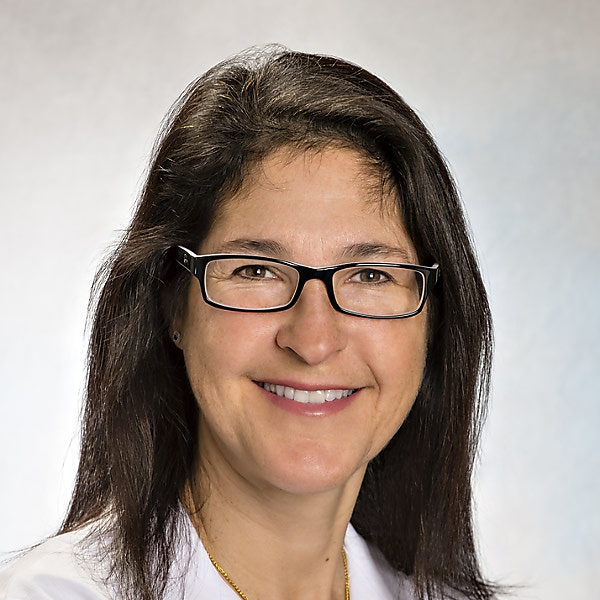 Elizabeth Sarah Ginsburg合作论文数Brigham and Women's Hospital;Harvard Medical School11Judith Daar合作论文数11A. E. Sparks合作论文数11Julianne Zweifel合作论文数10Mancuso Abigail C合作论文数10
 Mark V. Sauer合作论文数Department of Obstetrics, Gynecology and Reproductive Sciences, Rutgers Robert Wood Johnson Medical School9Andrea Holcombe合作论文数8Mumford Sunni L合作论文数Div Intramural Populat Hlth Res, Eunice Kennedy Shriver Natl Inst Child Hlth & Hum8C.S. Sipe合作论文数8
 Erica Boiman Johnstone合作论文数Obstetrics, Gynecology, & Reproductive Sciences, University of California;Division of Research, Kaiser Permanente;Division of Research, University of California8
 Leslie P. Francis合作论文数University of Utah USA8
 Elena A Gates合作论文数8K. M. Summers合作论文数7Jessica D. Kresowik合作论文数7
 Owen K. Davis合作论文数Ronald O. Perelman and Claudia Cohen Center for Reproductive Medicine, Weill Cornell Medicine, Cornell University7Gitlin Susan A合作论文数7
 Enrique F. Schisterman合作论文数Department of Biostatistics, Epidemiology and Informatics, Perelman School of Medicine, University of Pennsylvania7
 Pauline Mendola合作论文数Centers for Disease Control and Prevention, National Center for Health Statistics7
 Laurence McCullough合作论文数Center for Medical Ethics and Health Policy, Baylor College of Midicine7Amy Sparks合作论文数7
 Jean Benward合作论文数7
 James C. Torner合作论文数Department of Epidemiology, The University of Iowa7
 Richard J Paulson合作论文数Keck School of Medicine, University of Southern California;Department of Obstetrics and Gynecology, University of Southern California6C. Matthew Peterson合作论文数6Deborah L. Segaloff合作论文数Department of Physiology;University of Iowa;Department of Physiology, University of Iowa6Michael Thomas合作论文数6J.D. Kapfhamer合作论文数5E. M. Munch合作论文数5James L Mills合作论文数5B Collura合作论文数5Adamson G David合作论文数5
 James M. Hotaling合作论文数University of Utah Health;Paterna Biosciences;Stream Dx - Home Uroflow Service5Alicia Y Christy合作论文数4William A. Davis合作论文数4
 Zhen Chen合作论文数Eunice Kennedy Shriver National Institute of Child Health and Human Development, National Institutes of Health4Coutifaris Christos合作论文数4Samplaski Mary K合作论文数4




