In vitro evolution and whole genome analysis were used to comprehensively identify the genetic determinants of chemical resistance in Saccharomyces cerevisiae . Sequence analysis identified many genes contributing to the resistance phenotype as well as numerous amino acids in potential targets that may play a role in compound binding. Our work shows that compound-target pairs can be conserved across multiple species. The set of 25 most frequently mutated genes was enriched for transcription factors, and for almost 25 percent of the compounds, resistance was mediated by one of 100 independently derived, gain-of-function SNVs found in a 170 amino acid domain in the two Zn 2 C 6 transcription factors YRR1 and YRM1 ( p < 1 × 10 −100 ). This remarkable enrichment for transcription factors as drug resistance genes highlights their important role in the evolution of antifungal xenobiotic resistance and underscores the challenge to develop antifungal treatments that maintain potency.
SummaryIn vitroevolution and whole genome analysis were used to comprehensively identify the genetic determinants of chemical resistance in the model microbe,Saccharomyces cerevisiae. Analysis of 355 curated, laboratory-evolved clones, resistant to 80 different compounds, demonstrates differences in the types of mutations that are identified in selected versus neutral evolution and reveals numerous new, compound-target interactions. Through enrichment analysis we further identify a set of 137 genes strongly associated with or conferring drug resistance as indicated by CRISPR-Cas9 engineering. The set of 25 most frequently mutated genes was enriched for transcription factors and for almost 25 percent of the compounds, resistance was mediated by one of 100 independently derived, gain-of-function, single nucleotide variants found in 170-amino-acid domains in two Zn2C6transcription factors,YRR1andYRM1(p < 1x 10−100). This remarkable enrichment for transcription factors as drug resistance genes may explain why it is challenging to develop effective antifungal killing agents and highlights their important role in evolution.
 Eddy Vigil合作论文数2Reysha Patel合作论文数2Felicia Gunawan合作论文数2Jake Schenken合作论文数2Miranda Song合作论文数2Karla P Godinez-Macias合作论文数Dept Pediat, Univ Calif San Diego2Krypton Carolino合作论文数2
 Elizabeth Winzeler合作论文数Department of Pediatrics, School of Medicine, University of California, San Diego;Skaggs School of Pharmacy & Pharmaceutical Sciences, University of California, San Diego;Laboratory for Eukaryotic Pathogenesis, Drug Discovery and Chemical Biology, University of California, San Diego2Prianka Kumar合作论文数2Matthew Abraham合作论文数Univ Calif San Diego, Sch Med, 9500 Gilman Dr 0760, La Jolla, CA 92093 USA2Andrea L Cheung合作论文数2Emmanuelle V LeBlanc合作论文数Univ Toronto, Dept Mol Genet, Toronto, ON M5G 1M1, Canada2
 Madeline R Luth合作论文数Department of Environmental SciencesUniversity of CaliforniaRiversideCA92521USA2
 Erich Hellemann合作论文数Dept Biol Sci, Univ Pittsburgh2
 Roy Williams合作论文数Signal Transduction Program, Sanford-Burnham Medical Research Institute, La Jolla, CA 92037, USA2
 Leah E. Cowen合作论文数Department of Molecular Genetics, Temerty Faculty of Medicine, University of Toronto2Amanda Lukens合作论文数Broad Institute of MIT and Harvard, Cambridge, MA 02142;Department of Imunology and Infectious Diseases, Harvard School of Public Health2Tarsio Maureen合作论文数2
 Goldgof Gregory M合作论文数Synthetic Biology Group, J. Craig Venter Institute;School of Medicine, University of California, San Diego;J. Craig Venter Institute, University of California, San Diego2Suzuki Yo合作论文数2Smith Joshua N合作论文数2Jennifer Yang合作论文数2Love Melissa S合作论文数2
 Dyann F. Wirth合作论文数Department of Immunology and Infectious Diseases, Harvard T.H. Chan School of Public Health, Harvard University2
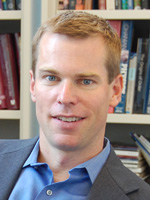 Trey Ideker合作论文数Department of Medicine, University of California, San Diego2Case W. Mcnamara合作论文数2
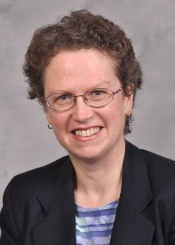 Patricia Kane合作论文数Department of Biochemistry and Molecular Biology, State University of New York Upstate Medical University2
 Jacob Durrant合作论文数Dept Chem & Biochem, Univ Calif San Diego2
 Sabine Ottilie合作论文数Dept Pediat, Univ Calif San Diego2Luke Whitesell合作论文数2
 William Gerwick合作论文数Scripps Institution of Oceanography, UC San Diego;Skaggs School of Pharmacy, UC San Diego1




