In development, lineage segregation is coordinated in time and space. An important example is the mammalian inner cell mass, in which the primitive endoderm (PrE, founder of the yolk sac) physically segregates from the epiblast (EPI, founder of the fetus). While the molecular requirements have been well studied, the physical mechanisms determining spatial segregation between EPI and PrE remain elusive. Here, we investigate the mechanical basis of EPI and PrE sorting. We find that rather than the differences in static cell surface mechanical parameters as in classical sorting models, it is the differences in surface fluctuations that robustly ensure physical lineage sorting. These differential surface fluctuations systematically correlate with differential cellular fluidity, which we propose together constitute a non-equilibrium sorting mechanism for EPI and PrE lineages. By combining experiments and modeling, we identify cell surface dynamics as a key factor orchestrating the correct spatial segregation of the founder embryonic lineages.
OCT4 is a fundamental component of the molecular circuitry governing pluripotency in vivo and in vitro. To determine how OCT4 establishes and protects the pluripotent lineage in the embryo, we used comparative single-cell transcriptomics and quantitative immunofluorescence on control and OCT4 null blastocyst inner cell masses at two developmental stages. Surprisingly, activation of most pluripotency-associated transcription factors in the early mouse embryo occurs independently of OCT4, with the exception of the JAK/STAT signaling machinery. Concurrently, OCT4 null inner cell masses ectopically activate a subset of trophectoderm-associated genes. Inspection of metabolic pathways implicates the regulation of rate-limiting glycolytic enzymes by OCT4, consistent with a role in sustaining glycolysis. Furthermore, up-regulation of the lysosomal pathway was specifically detected in OCT4 null embryos. This finding implicates a requirement for OCT4 in the production of normal trophectoderm. Collectively, our findings uncover regulation of cellular metabolism and biophysical properties as mechanisms by which OCT4 instructs pluripotency.
Classic embryological experiments have established that the early mouse embryo develops via sequential lineage bifurcations. The first segregated lineage is the trophectoderm, essential for blastocyst formation. Mouse naive epiblast and derivative embryonic stem cells are restricted accordingly from producing trophectoderm. Here we show, in contrast, that human naive embryonic stem cells readily make blastocyst trophectoderm and descendant trophoblast cell types. Trophectoderm was induced rapidly and efficiently by inhibition of ERK/mitogen-activated protein kinase (MAPK) and Nodal signaling. Transcriptome comparison with the human embryo substantiated direct formation of trophectoderm with subsequent differentiation into syncytiotrophoblast, cytotrophoblast, and downstream trophoblast stem cells. During pluripotency progression lineage potential switches from trophectoderm to amnion. Live-cell tracking revealed that epiblast cells in the human blastocyst are also able to produce trophectoderm. Thus, the paradigm of developmental specification coupled to lineage restriction does not apply to humans. Instead, epiblast plasticity and the potential for blastocyst regeneration are retained until implantation.
Naive epiblast and embryonic stem cells (ESCs) give rise to all cells of adults. Such developmental plasticity is associated with genome hypomethylation. Here, we show that LIF–Stat3 signaling induces genomic hypomethylation via metabolic reconfiguration. Stat3−/− ESCs show decreased α-ketoglutarate production from glutamine, leading to increased Dnmt3a and Dnmt3b expression and DNA methylation. Notably, genome methylation is dynamically controlled through modulation of α-ketoglutarate availability or Stat3 activation in mitochondria. Alpha-ketoglutarate links metabolism to the epigenome by reducing the expression of Otx2 and its targets Dnmt3a and Dnmt3b. Genetic inactivation of Otx2 or Dnmt3a and Dnmt3b results in genomic hypomethylation even in the absence of active LIF–Stat3. Stat3−/− ESCs show increased methylation at imprinting control regions and altered expression of cognate transcripts. Single-cell analyses of Stat3−/− embryos confirmed the dysregulated expression of Otx2, Dnmt3a and Dnmt3b as well as imprinted genes. Several cancers display Stat3 overactivation and abnormal DNA methylation; therefore, the molecular module that we describe might be exploited under pathological conditions. Stat3 depletion in pluripotent cells decreases α-ketoglutarate and increases the expression of Otx2 and its targets Dnmt3a and Dnmt3b, leading to global DNA hypermethylation.
Studies of mechanical signalling are typically performed by comparing cells cultured on soft and stiff hydrogel-based substrates. However, it is challenging to independently and robustly control both substrate stiffness and extracellular matrix tethering to substrates, making matrix tethering a potentially confounding variable in mechanical signalling investigations. Moreover, unstable matrix tethering can lead to poor cell attachment and weak engagement of cell adhesions. To address this, we developed StemBond hydrogels, a hydrogel in which matrix tethering is robust and can be varied independently of stiffness. We validate StemBond hydrogels by showing that they provide an optimal system for culturing mouse and human pluripotent stem cells. We further show how soft StemBond hydrogels modulate stem cell function, partly through stiffness-sensitive ERK signalling. Our findings underline how substrate mechanics impact mechanosensitive signalling pathways regulating self-renewal and differentiation, indicating that optimising the complete mechanical microenvironment will offer greater control over stem cell fate specification.
Induced pluripotency provides a tool to explore mechanisms underlying establishment, maintenance, and differentiation of naive pluripotent stem cells (nPSCs). Here, we report that self-renewal of nPSCs requires minimal Sox2 expression (Sox2-low). Sox2-low nPSCs do not show impaired neuroectoderm specification and differentiate efficiently in vitro into all embryonic germ lineages. Strikingly, upon the removal of self-renewing cues Sox2-low nPSCs differentiate into both embryonic and extraembryonic cell fates in vitro and in vivo. This differs from previous studies which only identified conditions that allowed cells to differentiate to one fate or the other. At the single-cell level self-renewing Sox2-low nPSCs exhibit a naive molecular signature. However, they display a nearer trophoblast identity than controls and decreased ability of Oct4 to bind naïve-associated regulatory sequences. In sum, this work defines wild-type levels of Sox2 as a restrictor of developmental potential and suggests perturbation of naive network as a mechanism to increase cell plasticity.
ABSTRACT Despite four decades of effort, robust propagation of pluripotent stem cells from livestock animals remains challenging. The requirements for self-renewal are unclear and the relationship of cultured stem cells to pluripotent cells resident in the embryo uncertain. Here, we avoided using feeder cells or serum factors to provide a defined culture microenvironment. We show that the combination of activin A, fibroblast growth factor and the Wnt inhibitor XAV939 (AFX) supports establishment and continuous expansion of pluripotent stem cell lines from porcine, ovine and bovine embryos. Germ layer differentiation was evident in teratomas and readily induced in vitro. Global transcriptome analyses highlighted commonality in transcription factor expression across the three species, while global comparison with porcine embryo stages showed proximity to bilaminar disc epiblast. Clonal genetic manipulation and gene targeting were exemplified in porcine stem cells. We further demonstrated that genetically modified AFX stem cells gave rise to cloned porcine foetuses by nuclear transfer. In summary, for major livestock mammals, pluripotent stem cells related to the formative embryonic disc are reliably established using a common and defined signalling environment. This article has an associated ‘The people behind the papers’ interview.
Pluripotent cells emerge as a naive founder population in the blastocyst, acquire capacity for germline and soma formation, and then undergo lineage priming. Mouse embryonic stem cells (ESCs) and epiblast-derived stem cells (EpiSCs) represent the initial naive and final primed phases of pluripotency, respectively. Here, we investigate the intermediate formative stage. Using minimal exposure to specification cues, we derive stem cells from formative mouse epiblast. Unlike ESCs or EpiSCs, formative stem (FS) cells respond directly to germ cell induction. They colonize somatic tissues and germline in chimeras. Whole-transcriptome analyses show similarity to pre-gastrulation formative epiblast. Signal responsiveness and chromatin accessibility features reflect lineage capacitation. Furthermore, FS cells show distinct transcription factor dependencies, relying critically on Otx2. Finally, FS cell culture conditions applied to human naive cells or embryos support expansion of similar stem cells, consistent with a conserved staging post on the trajectory of mammalian pluripotency.
In the mammalian embryo, epiblast cells must exit the naïve state and acquire formative pluripotency. This cell state transition is recapitulated by mouse embryonic stem cells (ESCs), which undergo pluripotency progression in defined conditions in vitro. However, our understanding of the molecular cascades and gene networks involved in the exit from naïve pluripotency remains fragmentary. Here, we employed a combination of genetic screens in haploid ESCs, CRISPR/Cas9 gene disruption, large‐scale transcriptomics and computational systems biology to delineate the regulatory circuits governing naïve state exit. Transcriptome profiles for 73 ESC lines deficient for regulators of the exit from naïve pluripotency predominantly manifest delays on the trajectory from naïve to formative epiblast. We find that gene networks operative in ESCs are also active during transition from pre‐ to post‐implantation epiblast in utero. We identified 496 naïve state‐associated genes tightly connected to the in vivo epiblast state transition and largely conserved in primate embryos. Integrated analysis of mutant transcriptomes revealed funnelling of multiple gene activities into discrete regulatory modules. Finally, we delineate how intersections with signalling pathways direct this pivotal mammalian cell state transition. Combining a haploid transposon‐based screen and systems biology, this resource work identifies gene networks controlling the exit of mouse embryonic stem cells (ESC) from naïve pluripotency, and delineates signalling intersections involved. An extensive mutagenesis screen identifies regulatory gene modules governing exit from naïve mammalian pluripotency.
Previous analysis of RNA sequencing (RNA-seq) data from human naive pluripotent stem cells reported multiple point "mutations" in cancer-related genes and implicated selective culture conditions. We observed, however, that those mutations were only present in co-cultures with mouse feeder cells. Inspection of reads containing the polymorphisms revealed complete identity to the mouse reference genome. After we filtered reads to remove sequences of mouse origin, the actual incidence of oncogenic polymorphisms arising in naive pluripotent stem cells is close to zero.
AbstractIn the mammalian embryo, epiblast cells must exit their naïve state and acquire formative pluripotency. This cell state transition is recapitulated by mouse embryonic stem cells (ESCs), which undergo pluripotency progression in defined conditionsin vitro. However, our understanding of the molecular cascades and gene-networks involved in the exit from naïve pluripotency remains fragmented. Here we employed a combination of genetic screens in haploid ESCs, CRISPR/Cas9 gene disruption, large-scale transcriptomics and computational systems-biology to delineate the regulatory circuits governing naïve state exit. Transcriptome profiles for 73 knockout ESC lines predominantly manifest delays on the trajectory from naive to formative epiblast. We find that gene networks operative in ESCs are active during transition from pre- to post-implantation epiblastin utero. We identified 374 naïve-associated genes tightly connected to epiblast state and largely conserved in human ESCs and primate embryos. Integrated analysis of mutant transcriptomes revealed funneling of multiple gene activities into discrete regulatory modules. Finally, we delineate how intersections with signaling pathways direct this pivotal mammalian cell state transition.
Classical mouse embryology has established a sequence of lineage bifurcations underpinning early mammalian development. Consistent with this paradigm, mouse embryonic stem cells have lost the capacity to generate extraembryonic trophectoderm. We show here, however, that human naive epiblast stem cells readily produce this lineage. Inhibition of ERK signalling, fundamental to naive cell propagation, is unexpectedly instrumental in trophectoderm induction. Transcriptome analyses authenticate trophoblast fate and expose a trajectory via reversion to inner cell mass (ICM). Nodal inhibition enhances differentiation and BMP signalling is not engaged. Strikingly, after formative transition primed stem cells cannot make trophectoderm but respond to BMP and form amnion. Gene perturbations in naive cells reveal that YAP and TFAP2C promote trophectoderm as in mouse, while NANOG suppresses distinctively in human. Finally, ICMs from expanded human blastocysts efficiently regenerate trophectoderm. Thus in human, retained trophectoderm potential is an integral feature of emergent pluripotency that confers higher regulative plasticity.
In contrast to conventional human pluripotent stem cells (hPSC) that are related to post-implantation embryo stages, naïve hPSC exhibit features of pre-implantation epiblast. Naïve hPSC are established by resetting conventional hPSC, or are derived from dissociated embryo inner cell masses. Here we investigate conditions for transgene-free reprogramming of human somatic cells to naïve pluripotency. We find that tankyrase inhibition promotes RNA-mediated induction of naïve pluripotency. We demonstrate application to independent human fibroblast cultures and endothelial progenitor cells. We show that induced naïve hPSC can be clonally expanded with a diploid karyotype and undergo somatic lineage differentiation following formative transition. Induced naïve hPSC lines exhibit distinctive surface marker, transcriptome, and methylome properties of naïve epiblast identity. This system for efficient, facile, and reliable induction of transgene free naïve hPSC offers a robust platform, both for delineation of human reprogramming trajectories and for evaluating the attributes of isogenic naïve versus conventional hPSC.
ABSTRACT Studies of mechanical signalling are typically performed by comparing cells cultured on soft and stiff hydrogel-based substrates. However, it is challenging to independently and robustly control both substrate stiffness and tethering of extracellular matrix (ECM) to substrates, making ECM tethering a potentially confounding variable in mechanical signalling investigations. Moreover, poor ECM tethering can lead to weak cell attachment. To address this, we developed StemBond hydrogels, a hydrogel formulation in which ECM tethering is stable and can be varied independently of stiffness. We show that soft StemBond hydrogels provide an optimal format for culturing embryonic stem (ES) cells. We find that soft StemBond substrates improve the homogeneity of ES cell populations, boost their self-renewal, and increase the efficiency of cellular reprogramming. Our findings underline how soft microenvironments impact mechanosensitive signalling pathways regulating self-renewal and differentiation, indicating that optimising the complete mechanical microenvironment will offer greater control over stem cell fate specification.
Understanding how cell identity transitions occur and whether there are multiple paths between the same beginning and end states are questions of wide interest. Here we show that acquisition of naive pluripotency can follow transcriptionally and mechanistically distinct routes. Starting from post-implantation epiblast stem cells (EpiSCs), one route advances through a mesodermal state prior to naive pluripotency induction, whereas another transiently resembles the early inner cell mass and correspondingly gains greater developmental potency. These routes utilize distinct signaling networks and transcription factors but subsequently converge on the same naive endpoint, showing surprising flexibility in mechanisms underlying identity transitions and suggesting that naive pluripotency is a multidimensional attractor state. These route differences are reconciled by precise expression of Oct4 as a unifying, essential, and sufficient feature. We propose that fine-tuned regulation of this "transition factor" underpins multidimensional access to naive pluripotency, offering a conceptual framework for understanding cell identity transitions.
Recently naive human pluripotent stem cells (hPSCs) have been described that relate to an earlier stage of development than conventional hPSCs. Naive hPSCs remain challenging to generate and authenticate, however. Here we report that Sushi Containing Domain 2 (SUSD2) is a robust cell-surface marker of naive hPSCs in the embryo and in vitro. SUSD2 transcripts are enriched in the pre-implantation epiblast of human blastocysts and immunostaining shows localization of SUSD2 to KLF17-positive epiblast cells. SUSD2 mRNA is strongly expressed in naive hPSCs but is negligible in other hPSCs. SUSD2 immunostaining of live or fixed cells provides unambiguous discrimination of naive versus conventional hPSCs. SUSD2 staining or flow cytometry enable monitoring of naive hPSCs in maintenance culture, and their isolation and quantification during resetting of conventional hPSCs or somatic cell reprogramming. Thus SUSD2 is a powerful non-invasive tool for reliable identification and purification of the naive hPSC phenotype.
In contrast to conventional human pluripotent stem cells (hPSCs) that are related to post-implantation embryo stages, naive hPSCs exhibit features of pre-implantation epiblast. Naive hPSCs are established by resetting conventional hPSCs, or are derived from dissociated embryo inner cell masses. Here we investigate conditions for transgene-free reprogramming of human somatic cells to naive pluripotency. We find that Wnt inhibition promotes RNA-mediated induction of naive pluripotency. We demonstrate application to independent human fibroblast cultures and endothelial progenitor cells. We show that induced naive hPSCs can be clonally expanded with a diploid karyotype and undergo somatic lineage differentiation following formative transition. Induced naive hPSC lines exhibit distinctive surface marker, transcriptome, and methylome properties of naive epiblast identity. This system for efficient, facile, and reliable induction of transgene-free naive hPSCs offers a robust platform, both for delineation of human reprogramming trajectories and for evaluating the attributes of isogenic naive versus conventional hPSCs.
Human naïve pluripotent stem cells (PSCs) share features with the pre-implantation epiblast. They therefore provide an unmatched opportunity for characterising the developmental programme of pluripotency in Homo sapiens Here, we confirm that naïve PSCs do not respond directly to germ layer induction, but must first acquire competence. Capacitation for multi-lineage differentiation occurs without exogenous growth factor stimulation and is facilitated by inhibition of Wnt signalling. Whole-transcriptome profiling during this formative transition highlights dynamic changes in gene expression, which affect many cellular properties including metabolism and epithelial features. Notably, naïve pluripotency factors are exchanged for postimplantation factors, but competent cells remain devoid of lineage-specific transcription. The gradual pace of transition for human naïve PSCs is consistent with the timespan of primate development from blastocyst to gastrulation. Transcriptome trajectory during in vitro capacitation of human naïve cells tracks the progression of the epiblast during embryogenesis in Macaca fascicularis, but shows greater divergence from mouse development. Thus, the formative transition of naïve PSCs in a simple culture system may recapitulate essential and specific features of pluripotency dynamics during an inaccessible period of human embryogenesis.
 Austin Smith合作论文数Living Systems Institute, University of Exeter17
 Jennifer Nichols合作论文数Wellcome - MRC Cambridge Stem Cell Institute, University of Cambridge16
 Gianluigi Condorelli合作论文数Department of Cardiovascular Diseases, Humanitas Research Hospital;Post-Graduate School of Cardiology, Humanitas University8
 Paul Bertone合作论文数Division of Biology and Medicine, Brown University8
 Ge Guo合作论文数8
 Paolo Kunderfranco合作论文数7
 Roberto Papait合作论文数Department of Biotechnology and Life Sciences, University of Insubria6
 Thorsten Edwin Boroviak合作论文数Wellcome - MRC Cambridge Stem Cell Institute, University of Cambridge6
 Pierluigi Carullo合作论文数Humanitas Clin & Res Ctr6Daniel Spindlow合作论文数5
 Stuart Hannah合作论文数Wellcome Trust-Medical Research Council Cambridge Stem Cell Institute, University of Cambridge;Department of Biochemistry, University of Cambridge;University of Cambridge, University of Cambridge5M. Kinoshita合作论文数5
 Sabine Dietmann合作论文数Institute for Informatics, Data Science and Biostatistics, School of Medicine, Washington University in St. Louis;Department of Developmental Biology, School of Medicine, Washington University in St. Louis5Jian Yang合作论文数Wellcome Trust Sanger Inst4William Mansfield合作论文数Wellcome Trust Centre for Stem Cell Research, University of Cambridge, Tennis Court Road, Cambridge CB2 1QR, UK4James Clarke合作论文数Dept Vasc Surg, Mercy Univ Hosp4
 José Silva合作论文数Guangzhou Laboratory;Guangzhou Medical University4Carmelo Carlo-Stella合作论文数3Alexander Winkel合作论文数3Nicholas Bredenkamp合作论文数3
 Giovanni Esposito合作论文数3Marco Mongillo合作论文数3Giacomo Viggiani合作论文数3Lawrence E Bates合作论文数Wellcome Trust Medical Research Council Cambridge Stem Cell Institute and Department of Biochemistry, University of CambridgeTennis Court RoadCambridgeCB2 1QRUK3Stanley E Strawbridge合作论文数Department of Physiology, Development and Neuroscience, University of Cambridge3
 Gabriele Schiattarella合作论文数University of Texas Southwestern Medical Center3
 Carolina Greco合作论文数Circadian Metabolism Lab, Humanitas Research Hospital;Humanitas University3
 Ayaka Yanagida合作论文数3Gualazzi Maria Giovanna合作论文数3
 Gianluigi Pironti合作论文数3Colorito Maria Luisa合作论文数3Luca Castagna合作论文数3
 SL Locatelli合作论文数Department of Oncology and Hematology, Humanitas Cancer Center3
 Giulia Borile合作论文数From the Humanitas Clinical and Research Center;Multimedica;University of Milan Bicocca;Venetian Institute of Molecular Medicine;University of Padova;Institute of Genetic and Biomedical Research-Milan Unit, Milan, Italy (P.C., M.-L.B., G.C., D.C.);University "Federico II,"Naples;University of Milan;Duke University Medical Center;and University of Palermo;Duke University Medical Center, University of Palermo3
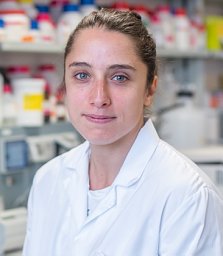 Di Mauro Vittoria合作论文数From the Humanitas Clinical and Research Center;Multimedica;University of Milan Bicocca;Venetian Institute of Molecular Medicine;University of Padova;Institute of Genetic and Biomedical Research-Milan Unit, Milan, Italy (P.C., M.-L.B., G.C., D.C.);University "Federico II,"Naples;University of Milan;Duke University Medical Center;and University of Palermo;Duke University Medical Center, University of Palermo3
 Alessandra Castaldi合作论文数From the Humanitas Clinical and Research Center;Multimedica;University of Milan Bicocca;Venetian Institute of Molecular Medicine;University of Padova;Institute of Genetic and Biomedical Research-Milan Unit, Milan, Italy (P.C., M.-L.B., G.C., D.C.);University "Federico II,"Naples;University of Milan;Duke University Medical Center;and University of Palermo3Rostovskaya Maria合作论文数3
 Armando Santoro合作论文数Cancer Center, Humanitas Research Hospital;Humanitas University;Department of Medical Oncology and Haematology, Istituto Clinico Humanitas3
 Wolf Reik合作论文数Wellcome Sanger Institute;Babraham Institute;University of Cambridge3
 Kevin J. Chalut合作论文数Wellcome - MRC Cambridge Stem Cell Institute, University of Cambridge3
 A.B. Di Stefano合作论文数3
 Daniele Catalucci合作论文数Medizinische Klinik und Poliklinik I;Nachwuchsgruppe Cardiac Wounding and Healing;Istituto di Ricovero e Cura a Carattere Scientifico;Medizinische Klinik und Poliklinik I, Istituto di Ricovero e Cura a Carattere Scientifico3
 Marie-Louise Bang合作论文数European Molecular Biology Laboratory, D-69117 Heidelberg, Germany3Tania Zaglia合作论文数3
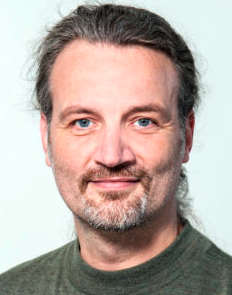 Kristian Franze合作论文数Institute of Medical Physics and Microtissue Engineering, Medizinische Fakultät, Friedrich-Alexander-Universität;Max-Planck-Zentrum für Physik und Medizin;University of Cambridge3
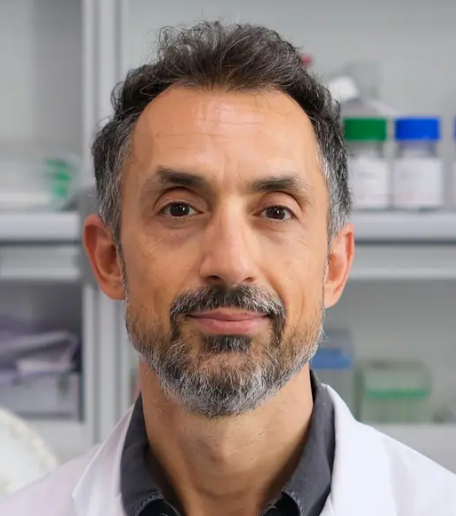 Leonardo Elia合作论文数Dipartimento di Medicina Molecolare e Traslazionale, Università degli Studi di Brescia;Humanitas Research Hospital3
 Bao Xiu Tan合作论文数2Michelle Huth合作论文数2Buse Nurten Özel合作论文数2




