Background:Primary hyperparathyroidism (pHPT) is an endocrine disorder typically characterized by elevated serum calcium and elevated parathyroid hormone (PTH). While parathyroidectomy is the standard treatment, non-operative intervention such as radiofrequency ablation (RFA) has been adopted as an alternative for the management of pHPT, as it has been utilized in other endocrine glands such as thyroid and adrenal. In this literature review, we aim to evaluate the current practice of RFA for pHPT.Methods:A systematic literature search using PubMed, Web of Science, and Embase through June 2022 was conducted. Studies included in the review consisted of patient cohorts who had an unequivocal diagnosis of pHPT and underwent the treatment of pHPT with RFA. When more than one study was published from a similar cohort of patients, only the study with the most number of patients was considered. Studies included were assessed for bias using the critical appraisal instruments from the Joanna Briggs Institute (JBI) System.Results:A total of 14 studies describing 167 parathyroid glands treated in 163 patients were reviewed. The overall cure rate was 91.2%, with 5 patients undergoing more than one ablation. The most common adverse effect encountered was temporary dysphonia. Incomplete ablation and missed multiglandular disease were the most common reasons for RFA treatment failure.Conclusions:RFA may be an effective and safe alternative to parathyroidectomy in select patients with a well-localized, well-located parathyroid adenoma. Additional long-term data are needed to refine its role in the pHPT treatment algorithm.
Thyroid nodules can be classified as benign, malignant, or indeterminate, the latter of which make up 10–30% of nodules. Radiofrequency ablation (RFA) has become an attractive and promising therapy for the treatment of benign thyroid nodules. However, few studies have investigated the safety and efficacy of RFA for the management of indeterminate thyroid nodules. In this study, 178 patients with thyroid nodules diagnosed as benign (Bethesda II) or indeterminate (Bethesda III/IV) by preoperative cytopathological analysis were included. Patients in the benign and indeterminate cohorts had similar thyroid nodule volume reduction rates at 65.60% and 64.20%, respectively (p = 0.68). The two groups had similar nodular regrowth rates, at 11.2% for benign nodules and 9.40% for indeterminate nodules (p = 0.72). A total of three cases of transient dysphonia were reported. RFA of indeterminate thyroid nodules was comparable to that of benign thyroid nodules in all parameters of interest, including volume reduction rate. To our best knowledge, our work is the first North American analysis comparing benign and indeterminate thyroid nodules and suggests RFA to be a promising modality for the management of indeterminate thyroid nodules.
Introduction: Normocalcemic (NC) and normohormonal (NH) variants of primary hyperparathyroidism (PHPT) are more recently recognized phenotypes that pose diagnostic challenges due to their atypical laboratory profiles. We hypothesized that addition of a fragment-specific, mid-molecule PTH (mm-PTH) assay could improve preoperative diagnosis of NCPHPT and NHPHPT. Methods: We performed a retrospective cohort study of patients who had an mm-PTH level measured before parathyroidectomy between February 2013 and June 2021 at a tertiary referral center. Patients with incomplete preoperative records, syndromic, or recurrent disease were excluded. Biochemical and pathology results were compared between the 3 groups. Multivariable logistic regression was used to investigate factors associated with multiglandular disease (MGD). Results: A total of 478 patients were assigned into 3 subgroups: classic PHPT (n = 223), NHPHPT (n = 154), and NCPHPT (n = 101). All except 3 patients had at least 1 cellular parathyroid gland resected. mm-PTH was elevated in 94.2% of surgically confirmed patients with classic PHPT, 68.2% with NHPHPT, and 93.1% with NCPHPT (p < 0.001). mm-PTH in the upper quartile of the reference range was noted in 99.1%, 92.2%, and 97.0%, respectively (p = 0.002). The correlation of mm-PTH to preoperative calcium was 0.25 (p < 0.001) while the correlation to PTH was 0.63 (p < 0.001). MGD was more prevalent in NCPHPT at 77.2%, compared with 41.7% and 57.1% in classic PHPT and NHPHPT (p < 0.001); however, MGD was not significantly associated with elevated mm-PTH (p = 0.08). Conclusion: The mm-PTH assay may be a useful diagnostic adjunct in confirming pathology of parathyroid origin. Further studies are warranted to incorporate the mm-PTH assay in the diagnostic algorithm of PHPT.
Background: Radiofrequency ablation (RFA) has been recently adopted into the practice of thyroidology in the United States, although its use as an alternative to traditional thyroid surgery in Asia and Europe came near the turn of the 21st century. In the United States, only a few studies with small sample sizes have been published to date. We examined outcomes of benign thyroid nodules treated with RFA from 2 North American institutions. Methods: We performed a prospective, multi-institutional cohort study of thyroid nodules treated with RFA between July 2019 and January 2022. Demographics, sonographic characteristics of thyroid nodules, thyroid function profiles, procedural details, complications, and nodule volume measurements at 1, 3, 6, and 12 months follow-up were evaluated. Adjusted multivariate logistic regression analysis was performed to identify sonographic features associated with treatment failure. Results: A total of 233 nodules were included. The median and interquartile range of volume reduction rate (VRR) at 1, 3, 6, and 12 months were 54% [interquartile range (IQR): 36%–73%], 58% (IQR: 37%–80%), 73% (IQR: 51%–90%), and 76% (IQR: 52%–90%), respectively (P<0.001). Four patients presented with toxic adenomas. All patients were confirmed euthyroid at 3-month postprocedure follow-up. Two patients developed temporary hoarseness of voice, but no hematoma or nodular rupture occurred postprocedure. Elastography was significantly associated with VRR. Compared with soft nodules, stiff nodules were more likely to have a lower VRR (odds ratio: 11.64, 95% confidence interval: 3.81–35.53, P<0.05), and mixed elasticity was also more likely to have a lower VRR (odds ratio: 4.9; 95% confidence interval: 1.62–14.85, P<0.05). Conclusions: This is the largest multi-institutional North American study examining thyroid nodule treatment response to RFA. RFA is a safe and effective treatment option that allows preservation of thyroid function with minimal risk of procedural complications.
Background Undifferentiated thyroid cancer (UTC) accounts for only 1-2% of all thyroid cancers. UTC is one of the most aggressive solid tumors with high metastatic rates and mortality. The objectives of this study are to examine the characteristics of patients with UTC and their overall survival. Methods Retrospective analysis utilizing the National Cancer Database, 2004-2014 is performed. The study population included adults (≥18 years) patients with UTC or differentiated thyroid carcinoma (DTC), which served as a reference group. Results A total of 1,870 UTC and 209,707 DTC patients were identified. The median follow-up time of UTC patients was 3.9 months (interquartile range: 1.6-9.0 months). When compared to DTC patients, patients with UTC were more likely to be ≥45-year-old [OR: 48.62, 95% CI: (35.75, 66.14), P<0.001], male [OR: 2.02, 95% CI: (1.84, 2.22), P<0.001], and/or black [OR: 1.27, 95% CI: (1.08, 1.49), P=0.004]. UTC patients were more likely to have Medicaid/Medicare or no insurance and treated in low-volume hospitals (P<0.001). Overall survival in patients with UTC was lower in patients older than 65 years [OR: 1.63, 95% CI: (1.12, 2.38), P=0.011], with multiple comorbidities [OR: 1.65, 95% CI: (1.02, 2.67), P=0.040] and/or presented with metastatic disease [OR: 1.93, 95% CI: (1.71, 2.17), P<0.001]. Compared to thyroidectomy alone, patients without metastasis who received adjuvant radiotherapy and/or chemotherapy had a better overall survival (P<0.001 each). In patients with metastatic disease, any intervention or combination of interventions other than thyroidectomy alone improved survival (P<0.05). Conclusions Older age, male, and/or black are associated with a higher prevalence of UTC compared to DTC. Although overall survival is poor in UTC, utilization of multi-modal treatment may improve survival.
Background Patients and physicians are increasingly utilizing online video sharing sites such as YouTube for obtaining and disseminating health-related information in multimedia format; however, due to its free, open-access platform, YouTube videos fall short in providing validated, up-to-date medical information, and may even convey unintended messages to patients who are seeking additional information on surgeries. We evaluated the relevance, reliability, and quality of YouTube videos on novel surgical techniques in thyroid surgery. Methods The top 50 indexed YouTube videos for the queries, "robotic thyroid surgery" and "transoral thyroid surgery", were assessed by two independent reviewers for video quality and reliability for patient understanding. Videos were scored using Global Quality Score (GQS), a scale for video quality, and DISCERN Scoring, a questionnaire for reliability and quality measures of information presented. Results The mean ± standard deviation (SD) duration of the videos (n=50) was 8.1±3.7 minutes. Total views were 261,440 and the mean ± SD time since upload was 3.6±2.6 years. The median and interquartile range of video power index (VPI) was 1.9 (0.5-3.7), GQS was 3.0 (2.0-4.0), and DISCERN score was 2.8 (2.3-3.2). Most videos were uploaded by physicians (75.8%) and the highest number of videos (63.6%) uploaded were from the United States (US). Videos with higher quality and reliability scores were uploaded by academic professionals, and included videos of physicians who described procedural information, perioperative instructions, and possible postoperative complications (P<0.05). Adequate medical information on the procedure and discussion of complications in YouTube videos were independent predictors of advanced educational quality and reliability. Conclusions Clinical information on new surgical techniques such as transoral and robotic thyroid surgeries in YouTube videos scored low on quality and reliability as a source of patient education. Physicians should provide supplemental educational material online and offline to aid patient understanding of novel procedures.
Continuous glucose monitoring system is a convenient wearable device that provides glucose readings from the interstitial fluid every few minutes. Continuous glucose monitoring has revolutionized diabetes care. Patients with type 1 diabetes mellitus and type 2 diabetes mellitus, regardless of the type of treatment regimen, can benefit from continuous glucose monitoring. Continuous glucose monitoring systems provide patients with diabetes and their providers with an ambulatory glucose report that summarizes and also gives graphical representations of the glucose data. This wealth of information helps to better understand patients' glycemic patterns, and thereby reduces hemoglobin A1c and hypoglycemia.
Objectives Examine the prevalence and risk of metastasis in thyroid cancers and management outcomes. Study design Retrospective analysis of the National Cancer Database, 2004–2014. Methods The study population included adult (≥ 18 years) patients with thyroid cancer. Analysis included multivariate logistic regression and Cox hazard ratio modeling. Results A total of 152,979 patients were included. Distant metastasis was reported in 1,867 (1.22%) patients. The distribution of metastatic cases based on pathology and tumor size were as follows in descending order: papillary thyroid carcinoma (PTC) 1 to 4 cm (30.53%), PTC > 4 cm (19.34%), undifferentiated (UTC) > 4 cm (14.14%), PTC < 1 cm (8.46%), follicular thyroid carcinoma (FTC) > 4 cm (7.28%), FTC 1 to 4 cm (5.52%), medullary thyroid cancer (MTC) ≤ 4 cm (3.96%), MTC > 4 cm (3.91%), UTC ≤ 4 cm (3.32%), Hürthle (HCC ) > 4 cm (2.09%), and HCC 1 to 4 cm (1.45%). Significant predictors of distant metastasis, while controlling for tumor pathology and size, included older age, male gender, non‐White minorities, presence of multiple comorbidities, minimal, gross extrathyroidal extension (ETE), lymphovascular invasion (LVI), and concomitant central and lateral lymph node metastasis (LNM) ( P < .05 each). The risk of distant metastasis in the absence of nodal metastasis, ETE, and LVI was highest for FTC > 4 cm. Conclusion Although the risk of metastasis in well‐differentiated thyroid carcinoma (WDTC) is low, the prevalence of metastatic thyroid cancer is highest in WDTC population because it is the most common type of thyroid cancer. Certain pathological features, including minimal ETE and central LNM, are associated with a higher prevalence of metastatic disease. Level of Evidence NA Laryngoscope , 131:237–244, 2021
Background The 2015 American Thyroid Association Management Guidelines for patients with thyroid nodules recommended a comprehensive sonographic evaluation of thyroid nodules’ characteristics and the presence of any suspicious cervical lymph nodes (LNs) in the central and lateral compartments. This detailed sonographic assessment is still not routinely performed. We hypothesized that an endocrine surgeon-performed ultrasound (SUS) significantly enhances the management of thyroid cancer patients when compared with referral ultrasound (RUS). Methods We conducted a retrospective review of 267 consecutive thyroid surgery patients who were diagnosed with thyroid cancer on final pathology. All patients had undergone a SUS, but only 130 cohorts with both RUS and SUS were included. Features of thyroid nodules and LN and changes in the management plan were recorded. Results Based on SUS assessment, 26 patients (20%) were noted to have suspicious thyroid nodules which warranted a fine-needle aspiration (FNA) and were missed in RUS. On FNA, there were 12 patients with Bethesda categories III/IV and 14 patients with Bethesda V/VI. Those 26 patients were found to have a malignancy in the final pathology assessment. Thirty-eight patients (29.2%) were noted to have suspicious central/lateral neck findings on SUS but were not reported in RUS. Additionally, 8 patients (6.1%) were found to have a parathyroid adenoma by SUS and required concurrent parathyroidectomy. Discussion A comprehensive neck ultrasound in thyroid cancer patients, performed by their endocrine surgeon, could enhance management planning and outcomes. This finding highlights the critical need for education and improvement of routine neck ultrasonographic examination performed in the community.
Background Thyroid tumor size is an important prognostic factor. The aim of this study is to examine the histological subtypes and management of thyroid cancer based on tumor size (<= 4 cm vs >4 cm). Methods Retrospective cohort study utilizing the National Cancer Database, 2004-2014. Results A total of 152 387 patients were included, 13 614 (8.9%) of whom had a tumor size >4 cm. Histological subtypes of tumors >4 cm were: 69.6% papillary thyroid carcinoma, 17.5% FTC, 7.9% HCC, and 2.8% medullary thyroid carcinoma (MTC). High-volume hospitals for thyroid surgery were less likely to perform two-stage thyroidectomy, particularly for tumors <= 4 cm. Low-volume hospitals had a higher risk of staged thyroidectomy for MTC <= 4 cm (19.8%) compared with high-volume hospitals (8.7%) (P< .001). Conclusions This study describes the prevalence of thyroid cancer subtypes. In the era of a conservative approach to differentiated thyroid carcinoma, there could be a potential increase in the risk of staged thyroidectomy.
ObjectiveThe objective of this report is to emphasize the importance of considering thyroid cancer in the differential diagnosis, when the origin of a metastatic boney lesion is indeterminate.MethodsDiagnostic studies performed included a thyroid function test, an ultrasound, and a computed tomography (CT) scan of the neck, biopsies of the bone, and thyroid lesions.ResultsA 61-year-old man was found to have incidental sclerotic bone lesions in the lumbar region on CT scan performed in the setting of a prostate abscess induced sepsis. The bone biopsy suggested metastatic follicular thyroid carcinoma. Imaging studies of the neck showed markedly enlarged left greater than right thyroid nodules. A surgical specimen from the staged total thyroidectomy showed no evidence of thyroid malignancy, despite a thorough review of microscopic tissue sections at 5 μm. A whole body scan 2-months after radioactive iodine therapy demonstrated persistent uptake in the metastatic lesion at L4 and interval progression of widely metastatic disease.ConclusionMetastatic thyroid cancer may be present without a histopathologic evidence of thyroid malignancy, albeit rarely. When the origin of a metastatic boney lesion is unclear, thyroid cancer should be included in the differential diagnosis.
BACKGROUND:Up to 30% of thyroid nodules undergoing fine needle aspiration (FNA) yield an indeterminate result. Recent research efforts have suggested that nuclear morphometry and morphology may enhance the diagnostic accuracy of FNA as an objective adjunct. We applied nuclear morphometric analysis on a diverse cohort of patients to evaluate the association between nuclear morphometry and malignancy.METHODS:Forty-five randomly selected patients, who underwent thyroid surgery after an indeterminate FNA result (Bethesda III & IV) between 2012-2015, were reviewed. One hundred representative nuclei per FNA of a thyroid nodule were analyzed using ImageJ. Seven validated morphometric parameters were collected: nuclear area, perimeter, circularity, aspect ratio, roundness, and maximum/minimum Feret's diameter. L/S ratio was subsequently calculated. All 8 nuclear parameters were reported as averages with standard errors of the mean (SEM). A Student's t-test was used to assess the association of nuclear parameters with final surgical pathology.RESULTS:The mean age of all patients was 56.31±15.39 years, with female patients comprising 68.9% of the cohort. Twenty-two patients had malignant thyroid nodules. The mean perimeter of nuclei for the cohort was 18.48±0.45 µm, the mean area was 22.19±0.93 µm, and the mean maximum Feret's diameter was 6.67±0.13 µm. No significant differences in the 8 nuclear parameters were observed between the malignant and non-malignant groups.CONCLUSIONS:In the population examined, our results suggest that nuclear morphometry is not yet a tool of reliable diagnostic value in accessing malignant and non-malignant thyroid nodules. Further investigation is necessary to identify objective parameters that will enhance diagnostic accuracy of indeterminate FNA cytology to minimize the number of diagnostic thyroid surgery.
Technological advances have brought about robotic single-site (RSS) cholecystectomy and hysterectomy. The application of RSS to additional procedures requires careful assessment of the surgeon learning curve, the technological limitations, patient selection criteria and associated outcomes.
Focused parathyroidectomy in primary hyperparathyroidism (1°HPT) is possible with accurate preoperative localization and intraoperative PTH monitoring (IOPTH). The added benefit of multimodal imaging techniques for operative success is unknown.
Traditional neuropsychological batteries may not distinguish early behavioral variant frontotemporal dementia (bvFTD) from Alzheimer’s disease (AD) without the inclusion of a social behavioral measure. We compared 33 participants, 15 bvFTD, and 18 matched patients with early-onset AD (eAD), on the Social Norms Questionnaire (SNQ), neuropsychological tests and 3-dimensional T1-weighted magnetic resonance imaging (MRI). The analyses included correlations of SNQ results (total score, overendorsement or “overadhere” errors, and violations or “break” errors) with neuropsychological results and tensor-based morphometry regions of interest. Patients with BvFTD had significantly lower SNQ total scores and higher overadhere errors than patients with eAD. On neuropsychological measures, the SNQ total scores correlated significantly with semantic knowledge and the overadhere subscores with executive dysfunction. On MRI analysis, the break subscores significantly correlated with lower volume of lateral anterior temporal lobes (aTL). The results also suggest that endorsement of social norm violations corresponds to the role of the right aTL in social semantic knowledge.
ABSTRACT It has recently been suggested that the low-density lipoprotein receptor-related protein 5 (LRP5) regulates bone mass by suppressing secretion of serotonin from duodenal enterochromaffin cells. In mice with targeted expression of a high bone mass–causing (HBM-causing) LRP5 mutation and in humans with HBM LRP5 mutations, circulating serotonin levels have been reported to be lower than in controls whereas individuals with loss-of-function mutations in LRP5 have high blood serotonin. In contrast, others have reported that conditionally activating a knock-in allele of an HBM-causing LRP5 mutation in several tissues, or genetic deletion of LRP5 in mice has no effect on serum serotonin levels. To further explore the possible association between HBM-causing LRP5 mutations and circulating serotonin, levels of the hormone were measured in the platelet poor plasma (PPP), serum, and platelet pellet (PP) of 16 affected individuals from 2 kindreds with HBM-causing LRP5 mutations (G171V and N198S) and 16 age-matched controls. When analyzed by HPLC, there were no differences in levels of serotonin in PPP and PP between affected individuals and age-matched controls. Similarly, when analyzed by ELISA, there were no differences in PPP or PP between these two groups. By ELISA, serum levels of serotonin were higher in the affected individuals when compared to age-matched controls. A subgroup analysis of only the G171V subjects (n = 14) demonstrated that there were no differences in PPP and PP serotonin between affected individuals and controls when analyzed by HPLC. PP serotonin was lower in the affected individuals when measured by ELISA but serum serotonin levels were not different. We conclude that there is no change in PPP serotonin in individuals with HBM-causing mutations in LRP5. © 2014 American Society for Bone and Mineral Research.
Background: Previous cross-sectional studies suggest that assessments of instrumental activities of daily living (IADLs) may be useful for operationalizing the differences in functional deficits seen in mild cognitive impairment (MCI) and dementia. However, their utility for longitudinal changes in IADLs in the transition between MCI and dementia remains unclear. Methods: We analyzed longitudinal IADL data with the Functional Activities Questionnaire (FAQ) in stable (MCI-S; n = 1,318) or progressive (MCI-P; n = 1,108) MCI patients. Results: Larger increases in FAQ scores were seen in the MCI-P group across a 14.5-month interval, but overlapping distributions in the two groups yielded poorer discriminatory power than prior cross-sectional reports. Conclusion: Our findings emphasize the difficulties in operationalizing the criterion of ‘essentially intact' IADLs in MCI, which may complicate the interpretation of disease progression in MCI treatment trials. © 2014 S. Karger AG, Basel
OBJECTIVE: To examine neuroanatomical correlates of social dysfunction in patients with behavioral variant frontotemporal dementia (bvFTD) and early-onset Alzheimer's disease (EOAD).
 Emad Kandil合作论文数Department of Surgery, Tulane Medical Center9
 Mahmoud Shalaby合作论文数Department of Surgery, Tulane University School of Medicine3
 Eman A Toraih合作论文数Faculty of Medicine, Suez Canal University3Jimenez Elvira合作论文数3
 Al-Qurayshi Zaid合作论文数Department of Surgery, Tulane University School of Medicine3
 Mohamed Shama合作论文数3Melanie L. Richards合作论文数3Michelle J Mather合作论文数2Mounika Akkera合作论文数2Ehab Alameer合作论文数Dept Surg, Jazan Univ2
 Peter P Issa合作论文数School of Medicine, Louisiana State University2
 Christopher Blake Sullivan合作论文数Dept Otolaryngol, Cleveland Clin, Head & Neck Inst2Mahmoud Gouda Omar合作论文数2
 Mario F. Mendez合作论文数David Geffen School of Medicine, University of California, Los Angeles2
 Karl Insogna合作论文数Endocrinology, Internal Medicine, Yale School of Medicine, Yale University2
 Pagedar Nitin A合作论文数Department of Otolaryngology-Head and Neck Surgery, Case Western Reserve University and University Hospitals of Cleveland2Shapira Jill S合作论文数2
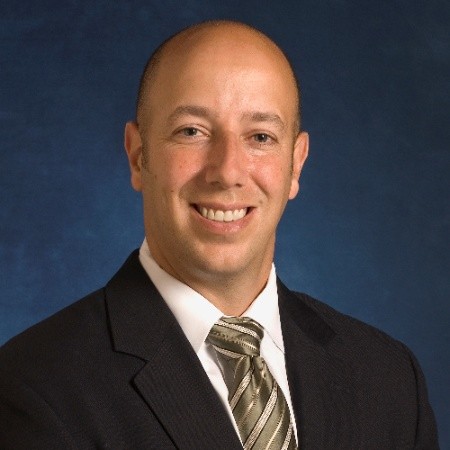 Ralph Tufano合作论文数College of Medicine, Florida State University;Head and Neck Endocrine Surgery, Sarasota Memorial Health Care System;SMH Thyroid and Parathyroid Center, Surgery Sarasota Memorial Health Care System2
 Benzon M Dy合作论文数2
 Paul M. Thompson合作论文数Imaging Genetics Center, Lab of Neuro Imaging, Institute for Neuroimaging and Informatics, Keck School of Medicine, University of Southern California2Geoffrey B. Thompson合作论文数2Po H. Lu合作论文数2Travis J. Mckenzie合作论文数2Stephanie Melchor合作论文数1Preeti Behl合作论文数1
 Hemali Panchal合作论文数1Yusef Buti合作论文数1Chad P Issa合作论文数1
 Hosam Shalaby合作论文数1
 Deena Hadedeya合作论文数1
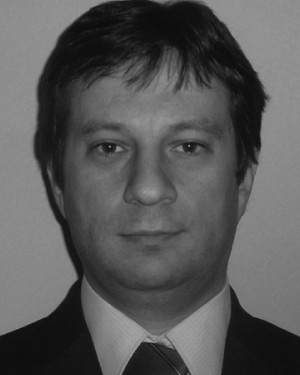 Nenad Filipovic合作论文数1Chen Yao合作论文数1
 Ruhul Munshi合作论文数Department of Surgery School of Medicine, Tulane University1Megan J Foggia合作论文数1A Tsuda合作论文数1
 Mohammad Hussein合作论文数Department of Surgery, Tulane University School of Medicine1
 Michael A. Razavi合作论文数1Spenser Souza合作论文数1Mohamed Aboueisha合作论文数1
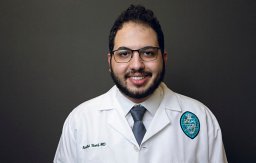 Abdallah S. Attia合作论文数Dept Surg, Tulane Univ1
 Dinee C Simpson合作论文数Department of Surgery, Feinberg School of Medicine, Northwestern University1Eric B. Schneider合作论文数Epidemiology, Bloomberg School of Public Health, Johns Hopkins University1
 Courtney Elizabeth Gibson合作论文数Yale Department of Surgery, Yale School of Medicine, Yale University1Joseph Belsky合作论文数Endocrinology, Internal Medicine, Yale School of Medicine, Yale University1Mendez M F合作论文数1Khoo Theresa合作论文数1Gibney Barry C合作论文数1
 David R. Farley合作论文数1




