CONTEXT:Little data exist on early and late gestational diabetes (GDM) in sub-Saharan Africa. OBJECTIVE:We assessed the prevalence of GDM in South Africa, including early and late GDM, and investigated insulin sensitivity, 1st phase insulin secretion, and beta cell function to understand the underlying pathophysiology of glucose metabolism in early and late pregnancy. METHODS:We enrolled women with HIV (WWH) and HIV-seronegative women at ≤18 weeks' gestation. A 75 g oral glucose tolerance test was administered at enrollment (early) and 32-36 weeks' gestation (late) to diagnose GDM using WHO criteria. Matsuda, Stumvoll, oral disposition index, and glucose sensitivity from Mari models were calculated. Logistic regression models were used to assess the association of HIV with GDM. RESULTS:Among 1573 (n = 668 WWH) participants, median age was 28 years, gestation 13 weeks. Overall, 7.9% had GDM (6.7% WWH, 9.1% HIV-seronegative); of these, 65% had early GDM. Women with early GDM had the lowest Matsuda, Stumvoll, oral disposition index, and glucose sensitivity at enrollment compared to those with late GDM and those without GDM. In adjusted analyses, WWH had lower odds of GDM than HIV-seronegative women (adjusted odds ratio: 0.57, 95% Confidence Interval: 0.38-0.85). CONCLUSION:GDM prevalence in South Africa is similar to North America/Europe. Early GDM was diagnosed in a large majority of women who also exhibited features of poorer insulin sensitivity and beta cell function than those diagnosed late in pregnancy or without GDM. WWH had lower GDM risk than HIV-seronegative women. Future studies to understand the implications of early GDM in African populations are warranted.
BACKGROUND:People with human immunodeficiency virus (HIV, PWH) are at higher risk for visceral adiposity, enhanced inflammation, and cognitive decline than controls who do not have HIV. We previously demonstrated that PWH with lipohypertrophy had a decrease in weight, visceral adipose tissue, and several inflammatory markers after receiving semaglutide, a glucagon-like peptide-1 receptor agonist. Our aim was to investigate the effect of semaglutide on cognitive function in PWH and the possible mediation of this effect by changes in adiposity or inflammation. METHODS:In this randomized, double-blind, placebo-controlled phase 2b clinical trial, PWH on antiretroviral therapy were randomized 1:1 to receive 32 weeks of subcutaneous semaglutide or placebo. The primary outcome was the change in cognitive function at 32 weeks. Secondary measures included changes in body composition and inflammatory markers. Causal mediation analysis assessed semaglutide's direct and indirect effects on Cognivue scores through changes in adiposity and inflammation. RESULTS:108 participants were included (54 per arm); 65% were non-White, 40% were female, and median age was 53 years. Compared with placebo, PWH on semaglutide significantly increased visuospatial, naming/language, and delayed recall scores at 32 weeks (P = .01, .05, and .04, respectively). After adjusting for sex and absolute CD4 count, only visuospatial score remained statistically significant (P = .05). Semaglutide's total natural direct effect maintained a positive effect on the visuospatial score while accounting for potential changes in high-sensitivity C-reactive protein and soluble CD163 levels (P = .04). CONCLUSIONS:Semaglutide may have a beneficial impact on visuospatial cognitive function in PWH through its effect on inflammation. Clinical Trials Registration . NCT04019197.
The post-acute sequelae of SARS-CoV-2 (PASC), also known as long COVID, remain a significant health issue that is incompletely understood. Predicting which acutely infected individuals will develop long COVID is challenging due to the absence of established biomarkers, clear disease mechanisms, or well-defined sub-phenotypes. Machine learning (ML) models may address this gap by leveraging clinical data to enhance diagnostic precision. Clinical data, including antibody titers and viral load measurements collected at the time of hospital admission, are used to predict the likelihood of acute COVID-19 progressing to long COVID. Machine learning models are trained and evaluated for predictive performance. Feature importance analysis is performed to identify the most influential predictors. The machine learning models achieve median AUROC values ranging from 0.64 to 0.66 and AUPRC values between 0.51 and 0.54, demonstrating predictive capabilities. Low antibody titers and high viral loads at hospital admission emerge as the strongest predictors of long COVID outcomes. Comorbidities—such as chronic respiratory, cardiac, and neurologic diseases—and female sex are also identified as significant risk factors. Machine learning models identify patients at risk for developing long COVID based on baseline clinical characteristics. These models guide early interventions, improve patient outcomes, and mitigate the long-term public health impacts of SARS-CoV-2. Long COVID, or post-acute sequelae of SARS-CoV-2, is a prolonged health condition that can occur after acute COVID-19 infection. However, the ability to predict who will develop long COVID remains limited due to the absence of clear tests or biomarkers. We looked at patients’ medical information, including the amount of virus in their body at hospital admission, and how strong their immune response was. Using computer programs that can find hidden patterns in large sets of data, we discovered that people with a weaker immune response, higher amounts of virus, certain long term health problems and women are more likely to develop long COVID. This study highlights that computer-based tools could help doctors identify high-risk patients early and provide care that may prevent long-term complications. Jayavelu, Samaha et al., apply machine learning models on hospital admission data, including antibody titers and viral load, to identify patients at high risk for Long COVID. Low antibody levels, high viral loads, chronic diseases, and female sex are key predictors, supporting early, targeted interventions.
Background: Weight gain in people with HIV (PWH) has generated concern regarding metabolic consequences of antiretroviral therapy (ART). It is unclear whether weight gain differs between virally suppressed (VS) PWH and people without HIV (PWoH) when accounting for key characteristics, or which clinical and demographic factors drive weight gain in VS PWH. Methods: This retrospective observational cohort study utilized electronic records from 12 US federally qualified health centers (January 2015-August 2023). Part A employed multi-stage propensity score matching (4:1 ratio) to compare 3-year weight trajectories adjusting for demographics, comorbidities, and medications. Part B used classification and regression trees (CART), logistic regression to identify predictors of weight gain (≥10% gain with BMI shift or baseline obesity) vs minimal gain (>0% to <5%) among 10,413 suppressed PWH. Results: In matched, adjusted analyses (1,296 VS PWH; 4,168 matched PWoH), no significant difference in mean 3-year weight change was observed between VS PWH and PWoH (0.4 kg, 95% CI: -0.1 to +0.9). A higher proportion of VS PWH gained ≥10% of baseline weight compared to PWoH (15% vs. 11%, p<0.001) and increased BMI shifts (13% vs. 11%, p=0.02). Among virally suppressed PWH, significant gain correlated with younger age (median 44 vs. 51 years), female sex (28% vs. 16%), Black race (49% vs. 37%), and lower baseline BMI. No ART regimen were associated with significant weight gain . Conclusion: Weight change in suppressed PWH are similar to those of matched PWoH. Clinical and sociodemographic characteristics, not ART regimens, correlated with 3-year gain in VS PWH.
Long COVID (LC) or Post-Acute Sequelae of SARS-CoV-2 infection (PASC) syndrome represents a widespread health challenge that necessitates the development of novel diagnostic approaches and targeted therapies that can be readily deployed. Immune dysregulation has been reported as one of the hallmarks of LC, but the extent of LC immune dysregulation in patients over time remains unclear. We therefore assessed SARS-CoV-2-specific antibody responses, peripheral immune cell profiles, autoantibody profiles and circulating cytokines for up to 6 months in participants with a SARS-CoV-2 infection who either convalesced or developed LC. Compared to convalescent, LC participants with a broad range of LC phenotypes exhibited persistently elevated IgG titers for SARS-CoV-2 Envelope and Nucleocapsid proteins over the 6 months of study duration. In contrast, the IgG responses to Spike protein were significantly lower in the LC cohort with predominantly IgG1 and IgG3 class-switched bias. Using CyTOF analysis we show elevated numbers of circulating T follicular helper cells (cTFH) and mucosa-associated invariant T cells (MAIT), which also correlated with high anti-Envelope IgG titers. Persistent immune activation was accompanied by augmented serum cytokine profiles with LIF, IL-11, Eotaxin-3, and HMGB-1 in LC participants, who also demonstrated significantly higher rates of autoantibodies. These findings highlight the persistence of immune dysregulation in LC, underscoring the need to explore targeted therapies addressing viral persistence, dysregulated antibody production, and autoimmunity.
BACKGROUND:Mitochondrial dysfunction in adipose tissue is associated with diabetes pathophysiology. We examined this relationship in pregnant women with HIV (WWH) receiving tenofovir/lamivudine/dolutegravir (TLD). METHODS:South African WWH (n = 67) and HIV-seronegative women (n = 31) underwent a gluteal subcutaneous adipose tissue biopsy at ≤ 14 weeks' gestational age (GA) (trimester 1, T1) and 28-37 weeks' GA (T3). High-resolution respirometry was employed to measure mitochondrial respiration. Insulin sensitivity was calculated using the Matsuda index. Linear regression models were fit to examine effect modification by HIV status and TLD duration of the association between mitochondrial respiration and log-Matsuda. RESULTS:At enrolment, WWH and HIV-seronegative women were similar in median age (28 years), GA (12 weeks), and body mass index (28 kg/m 2 ). At T3, HIV infection was associated with higher complex I-linked mitochondrial respiration (β = 0.13, P = 0.02). This association was more pronounced among WWH on TLD for ≤ 6 months (β = 0.16, P = 0.02) who also had higher complex I+II-linked respiration (β = 0.13, P = 0.04) compared with HIV-seronegative women. At T1, WWH with > 6 months' TLD duration had a stronger association between electron transport system capacity and log-Matsuda (β = 0.55, P = 0.04) compared with HIV-seronegative women. Similar results were observed at T3 for electron transport system (β = 1.05, P = 0.03) and for a change score for leak (β = 87.80, P = 0.03) for > 6 months' TLD duration compared with ≤ 6 months' TLD duration. CONCLUSIONS:HIV infection and longer TLD duration appear to be associated with stronger associations between mitochondrial respiration and insulin sensitivity, warranting further investigation into how HIV/TLD may influence glucose metabolism in adipose tissue.
Background:While emerging evidence suggests a potential link between COVID-19 and cognitive impairment, there is a lack of prospective longitudinal research that objectively assesses cognitive outcomes after SARS-CoV-2 infection. This study aims to evaluate changes in cognitive function following COVID-19 in a group of individuals with baseline pre-infectious cognitive assessments. Methods:In this cohort study, cognitive function was objectively measured using the computerized Cognivue Clarity® device. All participants who had available Cognivue® testing were followed with a second Cognivue® assessment ∼1 year later. Based on whether they contracted COVID-19 during this period, participants were categorized into 2 groups according to COVID status. Results:We enrolled 110 participants with a median age of 45 years, 35% females and 46% white; 55 (50%) participants experienced a documented COVID-19 infection during the follow-up period (COVID + group), and the rest remained free of COVID infection (COVID- group). COVID- and COVID + groups were balanced for demographics and duration of follow-up. In the COVID + group, only memory scores changed during follow-up (+3.9; P = .03). The COVID- group showed improvements in the overall Cognivue® score (+2; P = .03), as well as in visuospatial (+1.9; P = .04), executive function (+2.2; P = .02), and naming language (+2.2; P = .01) scores. No statistically significant differences were observed in the overall cognitive score or its subdomains between the 2 groups. Conclusions:In a 45-year-old average population, no decrease in cognitive function was observed 1 year after COVID-19 infection.
Importance Classification of persons with long COVID (LC) or post-COVID-19 condition must encompass the complexity and heterogeneity of the condition. Iterative refinement of the classification index for research is needed to incorporate newly available data as the field rapidly evolves. Objective To update the 2023 research index for adults with LC using additional participant data from the Researching COVID to Enhance Recovery (RECOVER-Adult) study and an expanded symptom list based on input from patient communities. Design, Setting, and Participants Prospective, observational cohort study including adults 18 years or older with or without known prior SARS-CoV-2 infection who were enrolled at 83 sites in the US and Puerto Rico. Included participants had at least 1 study visit taking place 4.5 months after first SARS-CoV-2 infection or later, and not within 30 days of a reinfection. The study visits took place between October 2021 and March 2024. Exposure SARS-CoV-2 infection. Main Outcomes and Measures Presence of LC and participant-reported symptoms. Results A total of 13 647 participants (11 743 with known SARS-CoV-2 infection and 1904 without known prior SARS-CoV-2 infection; median age, 45 years [IQR, 34-69 years]; and 73% were female) were included. Using the least absolute shrinkage and selection operator analysis regression approach from the 2023 model, symptoms contributing to the updated 2024 index included postexertional malaise, fatigue, brain fog, dizziness, palpitations, change in smell or taste, thirst, chronic cough, chest pain, shortness of breath, and sleep apnea. For the 2024 LC research index, the optimal threshold to identify participants with highly symptomatic LC was a score of 11 or greater. The 2024 index classified 20% of participants with known prior SARS-CoV-2 infection and 4% of those without known prior SARS-CoV-2 infection as having likely LC (vs 21% and 5%, respectively, using the 2023 index) and 39% of participants with known prior SARS-CoV-2 infection as having possible LC, which is a new category for the 2024 model. Cluster analysis identified 5 LC subtypes that tracked quality-of-life measures. Conclusions and Relevance The 2024 LC research index for adults builds on the 2023 index with additional data and symptoms to help researchers classify symptomatic LC and its symptom subtypes. Continued future refinement of the index will be needed as the understanding of LC evolves.
Description: REPRIEVE (Randomized Trial to Prevent Vascular Events in HIV) showed benefits of pitavastatin as preventive therapy for atherosclerotic cardiovascular disease (ASCVD) in people with HIV (PWH). In February 2024, the U.S. Department of Health and Human Services Panel for the Use of Antiretroviral Agents in Adults and Adolescents with HIV (ARV Guidelines Panel) developed statin therapy recommendations for PWH. These recommendations were issued in collaboration with representatives from the American College of Cardiology (ACC), the American Heart Association (AHA), and the HIV Medicine Association (HIVMA). This synopsis summarizes the development process, the recommendations, and how they supplement the AHA/ACC/multisociety cholesterol guidelines and outlines gaps in primary prevention of ASCVD for PWH. Methods: The ARV Guidelines Panel convened a writing group of 10 members (6 members of the Panel with expertise in HIV-related comorbid conditions, biostatistics, and pharmacology and 4 consultants representing ACC, AHA, and HIVMA with cardiometabolic and HIV management expertise). The writing group reviewed REPRIEVE trial data, other studies evaluating the use of statins in PWH, and the AHA/ACC/multisociety cholesterol guidelines to devise recommendations. Recommendations were based on scientific evidence with a rating scheme developed since the 1998 inception of the ARV guidelines. Proposed recommendations were presented to the full ARV Guidelines Panel, rated via vote, and approved by the Panel's voting members. These recommendations were then endorsed by ACC, AHA, and HIVMA. Recommendations: The ARV Guidelines Panel issued a strong recommendation for initiating statin therapy among PWH with a 10-year ASCVD risk score of 5% or higher, whose absolute benefit from statins in REPRIEVE was greatest. For patients with a 10-year ASCVD risk score below 5%, the Panel favored statins but recommended patient-clinician risk discussions considering additional HIV-related factors that can increase ASCVD risk.
Introduction:The coronavirus disease 2019 (COVID-19) pandemic threatened public health and placed a significant burden on medical resources. The Immunophenotyping Assessment in a COVID-19 Cohort (IMPACC) study collected clinical, demographic, blood cytometry, serum receptor-binding domain (RBD) antibody titers, metabolomics, targeted proteomics, nasal metagenomics, Olink, nasal viral load, autoantibody, SARS-CoV-2 antibody titers, and nasal and peripheral blood mononuclear cell (PBMC) transcriptomics data from patients hospitalized with COVID-19. The aim of this study is to select baseline biomarkers and build predictive models for 28-day in-hospital COVID-19 severity and mortality with most predictive variables while prioritizing routinely collected variables. Methods:We analyzed 1102 hospitalized COVID-19 participants. We used the lasso and forward selection to select top predictors for severity and mortality, and built predictive models based on balanced training data. We then validated the models on testing data. Results:Severity was best predicted by the baseline SpO2/FiO2 ratio obtained from COVID-19 patients (test AUC: 0.874). Adding patient age, BMI, FGF23, IL-6, and LTA to the disease severity prediction model improves the test AUC by an additional 3%. The clinical mortality prediction model using SpO2/FiO2 ratio, age, and BMI resulted in a test AUC of 0.83. Adding laboratory results such as TNFRSF11B and plasma ribitol count increased the prediction model by 3.5%. The severity and mortality prediction models developed outperform the Sequential Organ Failure Assessment (SOFA) score among inpatients and perform similarly to the SOFA score among ICU patients. Conclusion:This study identifies clinical data and laboratory biomarkers of COVID-19 severity and mortality using machine learning models. The study identifies SpO2/FiO2 ratio to be the most important predictor for both severity and mortality. Several biomarkers were identified to modestly improve the predictions. The results also provide a baseline of SARS-CoV-2 infection during the early stages of the coronavirus emergence and can serve as a baseline for future studies that inform how the genetic evolution of the coronavirus affects the host response to new variants.
Elevated circulating endothelial cells (CECs), released from monolayers after insult, have been implicated in worse outcomes in ARDS and COVID-19, however there is no consensus proteomic phenotype that define CECs. We queried whether a transcriptomic approach would alternatively support the presence of endothelial cells in circulation and correlate with worsening respiratory failure. To test whether elevated endothelial cell signatures (ECS) in circulation plays a role in worse respiratory outcomes, we used unsupervised bulk-transcriptome deconvolution to quantify ECS
Importance Olfactory dysfunction is common after SARS-CoV-2 infection and has been associated with cognitive loss in other conditions. Formal testing is needed to characterize the presence, severity, and patterns of olfactory dysfunction. ObjectiveTo characterize long-term olfactory dysfunction after SARS-CoV-2 infection. Design, Setting, and Participants This prospective cohort study included adults enrolled in the Researching COVID to Enhance Recovery (RECOVER)-Adult study. All those with and a random sample of those without self-reported change or loss in smell or taste were offered olfactory testing, performed at 83 sites in 35 US states and territories. Participants included 2956 enrollees with prior infection (1393 with and 1563 without self-reported change or loss) and 569 without prior infection (9 with and 560 without self-reported change or loss in taste) who underwent olfactory testing a mean (SD) of 671.6 (417.8) days after the index date. Data were collected from October 29, 2021, to June 6, 2025.ExposureSARS-CoV-2 infection.Main Outcomes and Measures Olfactory function, as defined by age- and sex-standardized performance on the University of Pennsylvania Smell Identification Test (UPSIT), a well-validated test comprising 40 unique odors. ResultsThe study included 3525 participants with a mean (SD) age of 47.6 (15.2) years; of 3520 with data available, 2548 (72.4%) were female or intersex. Among 1393 infected participants with self-reported change or loss, 1111 (79.8%) had hyposmia on the UPSIT, including 321 (23.0%) with severe microsmia or anosmia. Among 1563 infected participants without self-reported change or loss, 1031 (66.0%) had hyposmia, including 128 (8.2%) with severe microsmia or anosmia. Participants with prior infection and self-reported change or loss scored at the 16th age- and sex-standardized UPSIT percentile, compared with the 23rd and 28th percentiles for those without self-reported change or loss with and without prior known infection, respectively. Younger women had scores corresponding to lower mean age- and sex-standardized percentiles. Among participants who self-reported change or loss in smell, those with abnormal UPSIT scores more often reported cognitive problems (742 of 1111 [66.8%]) than those with normal UPSIT scores (179 of 282 [63.5%]).Conclusions and RelevanceIn this cohort study of RECOVER-Adult participants, self-reported change or loss in smell or taste was an accurate signal of verified hyposmia, but a high rate of hyposmia among those with no reported change or loss was also observed. Formal smell testing may be considered in those with prior SARS-CoV-2 infection to diagnose occult hyposmia and counsel patients about risks.
Semaglutide is a once-weekly GLP-1 receptor agonist that has been proposed as a gerotherapeutic, yet no data exist on its effects on epigenetic aging. We therefore conducted a post-hoc epigenetic analysis of a 32-week, double-blind, placebo-controlled phase 2b trial in adults with HIV-associated lipohypertrophy (semaglutide n = 45; placebo n = 39). Paired peripheral-blood methylomes were profiled to evaluate semaglutide's impact across multiple generations of DNA-methylation clocks. After adjustment for sex, BMI, hsCRP, and sCD163, semaglutide significantly decreased epigenetic aging: PCGrimAge (-3.1 years, P = 0.007), GrimAge V1 (-1.4 years, P = 0.02), GrimAge V2 (-2.3 years, P = 0.009), PhenoAge (-4.9 years, P = 0.004), and DunedinPACE (-0.09 units, ≈9 % slower pace, P = 0.01). Semaglutide also lowered the multi-omic OMICmAge clock (-2.2 years, P = 0.009) and the transposable element-focused RetroAge clock (-2.2 years, P = 0.030). Eleven organ-system clocks showed concordant decreased with semaglutide, most prominently inflammation, brain and heart, whereas an Intrinsic Capacity epigenetic clock was unchanged (P = 0.31). These findings provide, to our knowledge, the first clinical-trial evidence that semaglutide modulates validated epigenetic biomarkers of aging, justifying further evaluation of GLP-1 receptor agonists for health-span extension.
Background:Cardiovascular and metabolic comorbidities are common in people with HIV (PWH) and are linked to chronic inflammation and immune activation. We assessed the effects of semaglutide on plasma markers of immune activation/inflammation that are known to be increased in PWH and are associated with morbidity and mortality in this population. Methods:We conducted a single-site, randomized, double-blinded, placebo-controlled trial of virologically suppressed, nondiabetic PWH ≥18 years of age on stable antiretroviral therapy with body mass index ≥ 25 kg/m2, increased waist circumference/waist-to-hip ratio, and subjective increased abdominal girth after antiretroviral therapy initiation (clinicaltrials.gov: NCT04019197). Participants were randomized 1:1 to 32 weeks of semaglutide (8-week titration + 24 weeks of 1.0 mg weekly subcutaneous injection) or matching placebo. Signed-rank tests were used to determine changes over 32 weeks in soluble markers and cellular phenotypes of inflammation/immune activation within groups; semaglutide effects were assessed using linear or quantile regression analyses. Results:A total of 108 participants were enrolled and evenly randomized to semaglutide versus placebo. Eight (15%) in each group withdrew prematurely. Thirty-two weeks of semaglutide treatment reduced baseline levels of C-reactive protein, interleukin-6, and soluble CD163 (all P < .02) and trended to reduce levels of sCD14 (P = .08). Circulating monocyte proportions and T-cell phenotypes were not altered by semaglutide. Conclusions:In this randomized controlled trial of semaglutide in PWH, we report significant decreases in markers of inflammation that are associated with morbidity and mortality in this population. These results add to the growing literature demonstrating the anti-inflammatory effects of semaglutide. Further studies in PWH are warranted.
We sought to identify the immunobiologic underpinnings of cardiac involvement as a postacute sequela of coronavirus disease 2019 (COVID-19) by comparing acute and convalescent populations. For the latter, an integrated analysis of cytokine levels, cardiac magnetic resonance imaging, and cardiopulmonary exercise capacity was performed. Unlike acute cardiac injury, which was associated with heightened tumor necrosis factor alpha (TNF-α) but not interleukin 18 (IL-18), convalescent myocardial inflammation/edema correlated with IL-18 but not TNF-α. Thus, inflammation is not a monolith in relation to cardiac involvement in the setting of COVID-19. Instead, convalescent cardiac involvement may emerge from mechanisms distinct from acute injury, and appropriately targeted therapies may prevent postacute sequalae of COVID-19.
Wearables yield a wide array of sleep-related measures that are relevant to Long COVID. We leveraged wearables-derived sleep measures (WDSM) to identify differences between individuals with Long COVID (LC) versus individuals with possible or no LC in the RECOVER adult cohort. We found significant associations between LC and reduced heart rate variability measured during sleep and increased nightly variability in sleep duration after adjusting for confounders. Moreover, LC was independently associated with lower sleep efficiency, greater variability of nighttime sleep timing, higher resting heart rate, lower respiratory rate during rapid eye movement (REM) sleep, prolonged REM sleep onset latency, worse global physical and mental health. Cluster analysis identified distinct multidimensional patterns of WDSM that are associated with LC and quality of life. Together, the strong association between WDSM, or WDSM clusters, with LC provides a potential biomarker for future validation efforts to detect LC and monitor treatment effectiveness.
BACKGROUNDFollowing SARS-CoV-2 infection, approximately 10%-35% of patients with COVID-19 experience long COVID (LC), in which debilitating symptoms persist for at least 3 months. Elucidating the biologic underpinnings of LC could identify therapeutic opportunities.METHODSWe utilized machine learning methods on biologic analytes provided over 12 months after hospital discharge from more than 500 patients with COVID-19 in the IMPACC cohort to identify a multiomics "recovery factor," trained on patient-reported physical function survey scores. Immune profiling data included PBMC transcriptomics, serum O-link and plasma proteomics, plasma metabolomics, and blood mass cytometry by time of flight (CyTOF) protein levels. Recovery factor scores were tested for association with LC, disease severity, clinical parameters, and immune subset frequencies. Enrichment analyses identified biologic pathways associated with recovery factor scores.RESULTSParticipants with LC had lower recovery factor scores compared with recovered participants. Recovery factor scores predicted LC as early as hospital admission, irrespective of acute COVID-19 severity. Biologic characterization revealed increased inflammatory mediators, elevated signatures of heme metabolism, and decreased androgenic steroids as predictive and ongoing biomarkers of LC. Lower recovery factor scores were associated with reduced lymphocyte and increased myeloid cell frequencies. The observed signatures are consistent with persistent inflammation driving anemia and stress erythropoiesis as major biologic underpinnings of LC.CONCLUSIONThe multiomics recovery factor identifies patients at risk of LC early after SARS-CoV-2 infection and reveals LC biomarkers and potential treatment targets.TRIAL REGISTRATIONClinicalTrials.gov NCT04378777.FUNDINGNational Institute of Allergy and Infectious Diseases (NIAID), NIH (3U01AI167892-03S2, 3U01AI167892-01S2, 5R01AI135803-03, 5U19AI118608-04, 5U19AI128910-04, 4U19AI090023-11, 4U19AI118610-06, R01AI145835-01A1S1, 5U19AI062629-17, 5U19AI057229-17, 5U19AI057229-18, 5U19AI125357-05, 5U19AI128913-03, 3U19AI077439-13, 5U54AI142766-03, 5R01AI104870-07S1, 3U19AI089992-09, 3U19AI128913-03, and 5T32DA018926-1, 3U19AI1289130, U19AI128913-04S1, R01AI122220); NIH (UM1TR004528); and National Science Foundation (NSF) (DMS2310836).
 Labbato Danielle合作论文数57Nicholas T Funderburg合作论文数55Todd T. Brown合作论文数Epidemiology, Bloomberg School of Public Health, Johns Hopkins University49
 Judith Silverstein Currier合作论文数Division of Infectious Diseases, Department of Medicine, University of California, Los Angeles;Center for Clinical AIDS Research and Education, University of California, Los Angeles47
 Sahera Dirajlal-Fargo合作论文数Case Western Reserve University, University Hospitals dMetroHealth Medical Center44
 Abdus Sattar合作论文数Punjab Agricultural College and Research Institute Lyallpur41Corrilynn Olesky Hileman合作论文数MetroHealth Medical Center40Norma Storer合作论文数39
 Chris T Longenecker合作论文数36
 Allison Ross Eckard合作论文数Emory University School of Medicine and Children's Healthcare of Atlanta36
 James H. Stein合作论文数Clinical Science Center, Cardiovascular Medicine Faculty, University of Wisconsin-Madison;Department of Medicine, School of Medicine and Public Health, University of Wisconsin-Madison27
 Michael Lederman合作论文数Department of Pathology, School of Medicine, Case Western Reserve University;Center for Global Health and Diseases, School of Medicine, Case Western Reserve University26
 Kristine Erlandson合作论文数Division of Infectious Diseases, School of Medicine, University of Colorado;University of Colorado Hospital26
 Moser Carlee合作论文数Harvard T.H. Chan School of Public Health, Harvard University26
 Vin Tangpricha合作论文数23
 Paul Edward Sax合作论文数Infectious Disease Clinic, Brigham and Women's Hospital;Harvard Medical School;Division of Infectious Diseases, Brigham and Women's Hospital22
 Heather J. Ribaudo合作论文数Harvard T.H. Chan School of Public Health, Harvard University21Kathleen Melbourne合作论文数21
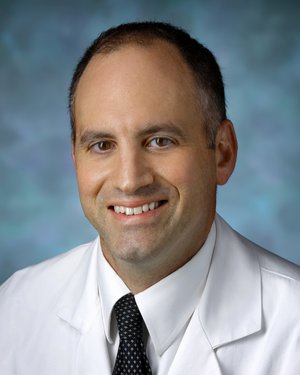 Todd Tarquin Brown合作论文数Department of Medicine, Johns Hopkins School of Medicine21Douglas W. Kitch合作论文数21O'Riordan Mary Ann合作论文数20
 Jared Durieux合作论文数Department of Medicine and Pediatrics, University Hospitals Cleveland Medical Center19
 Esther Melamed合作论文数Department of Neurology, Dell Medical School, University of Texas at Austin17
 Lauren I. R. Ehrlich合作论文数Department of Molecular Biosciences, The University of Texas at Austin;LaMontagne Center for Infectious Disease, The University of Texas at Austin;Livestrong Cancer Institutes, Dell Medical School, The University of Texas at Austin17
 Joann Diray-Arce合作论文数Boston Childrens Hosp, Div Infect Dis, Precis Vaccines Program, Boston, MA 02115 USA17
 Victor Musiime合作论文数17
 Ruth R Montgomery合作论文数Department of Pathology, Yale School of Medicine, Yale University17
 Florian Krammer合作论文数Department of Microbiology, Icahn School of Medicine at Mount Sinai17
 Kulkarni Manjusha M合作论文数Center for Microbial Interface Biology, The Ohio State University Medical Center;Department of Microbial Infection and Immunity, The Ohio State University Medical Center;The Ohio State University Medical Center, The Ohio State University Medical Center17
 Ofer Levy合作论文数Division of Infectious Diseases, Boston Children's Hospital17Monica Kraft合作论文数17
 Bali Pulendran合作论文数Department of Pathology, Stanford University;Department of Microbiology & Immunology, Stanford University;Institute for Immunology, Transplantation and Infection, Stanford University;School of Medicine, Stanford University17
 Nadine Rouphael合作论文数Department of Medicine, Emory University School of Medicine17
 Cissy Kityo合作论文数17Kelesidis Theodoros合作论文数David Geffen Sch Med, Univ Calif Los Angeles16
 Elaine Reed合作论文数Department of Pathology, David Geffen School of Medicine, University of California, Los Angeles;Department of Laboratory Medicine, David Geffen School of Medicine, University of California, Los Angeles16Ha Belinda合作论文数16Charles B. Cairns合作论文数16Eric S. Daar合作论文数16
 Bjoern Peters合作论文数Center for Cancer Immunotherapy, La Jolla Institute for Immunology;Center for Vaccine Innovation, La Jolla Institute for Immunology;Center for Infectious Disease and Vaccine Research, La Jolla Institute for Immunology;Prepare Institute, University of California, San Diego16
 Sara Debanne合作论文数16Jordan P. Metcalf合作论文数16
 Elias K Haddad合作论文数16Allison C. Ross合作论文数16
 Albert Shaw合作论文数Infectious Diseases, Internal Medicine, Yale School of Medicine, Yale University15
 Steven Kleinstein合作论文数Department of Pathology, Yale School of Medicine, Yale University;Center for Biomedical Data Science, Yale University;Center for Infection and Immunity, Yale University15Bowman Emily R合作论文数15
 Jordan E. Lake合作论文数Department of Internal Medicine, McGovern Medical School, The University of Texas Health Science Center at Houston15
 Pablo Tebas合作论文数Department of Medicine, Perelman School of Medicine, University of Pennsylvania15




