Young migrants encounter heightened challenges as the intersection of their youth and migrant identities magnifies the influence of risk factors for suicide. Social media offers a platform for young migrants to express emotions, seek support and connect with others, often anonymously. However, how they communicate about self-harm and suicide online remains underexplored. This qualitative study involved 17 online interviews with young migrants aged 15-25 years. Transcribed data were coded and thematically explored using Braun and Clarke's reflexive thematic analysis methodology. Four key themes were identified: (1) Exposed and isolated: The emotional toll of viewing self-harm and suicide-related content on young migrants; (2) Connected but at-risk: The dual role of social media in migrant belonging; (3) Digital belonging across borders: Benefits and strains of staying connected; and (4) Helpful and harmful: The dual nature of support on social media. Social media has a complex impact on young migrants, offering both protective and harmful effects. While exposure to distressing or discriminatory content may exacerbate feelings of isolation and disconnection, social media can also promote belonging, cultural understanding and resilience. It also provides accessible support, though poor-quality advice and stigma may deter help-seeking. These insights can inform culturally responsive mental health interventions.
Background Suicide is a major public health concern in India, which accounts for a substantial share of global suicides. Long-term declines in suicide rates appear to have reversed after 2017, but it is unclear whether this increase has persisted and how it varies by sex, age, and development level. Methods Annual suicide counts (2013–2023) from the National Crime Records Bureau (NCRB) were combined with population estimates to calculate crude suicide rates per 100,000 by sex and state. Age-specific rates were estimated nationally for five age groups (0–17, 18–29, 30–44, 45–59, ≥ 60 years) for 2019–2023. States were grouped into low, middle, and high Sociodemographic Index (SDI) categories. Rate ratios (RRs) and rate differences (RDs) for 2018–2023 were calculated using 2017 as the reference year, with 95% uncertainty and confidence intervals. Results Between 2013 and 2023, the national suicide rate increased by ~ 14% (10.84 to 12.36 per 100,000), driven by a ~ 24% rise in male suicide rates (14.16 to 17.53 per 100,000) and a ~ 6% decline in female rates (7.33 to 6.91 per 100,000). Rates declined to 2017, then increased, with the highest male rate in 2023, while female rates were more variable and peaked in 2022. Relative post-2017 increases were largest among males in low SDI states, but absolute increases were often greater in high SDI states. The steepest rises (2019–2023) occurred among middle-aged men and adults aged ≥ 60 years. Limitations: NCRB data likely underestimate the true suicide burden and are available only as aggregate state-level counts, precluding individual-level analyses and limiting age-specific analyses to the national level. Conclusion Police-recorded suicide rates in India have increased since 2017, largely due to rising male suicides. Findings highlight the need for India’s suicide prevention efforts to more explicitly address suicide among men, particularly middle-aged and older men.
BACKGROUND:Male suicide is a long-standing, inequitable health issue in Australia, with key prevention strategies based on increasing mental health services use. There is little research of the intersection of service use and men exhibiting suicidal thoughts and behaviours (STBs); we examined patterns and factors influencing service use amongst males with STBs. METHODS:Data from the Australian Longitudinal Study on Male Health was used. Our sample was males who responded to questionnaires regarding STBs and consented with sharing linked service use records (N = 8793). Chi-square tests analysed prevalence of mental health service use between males with/without experiences of lifetime STBs. Multivariate Poisson regression models analysed associations between no STBs/suicidal thoughts/suicide attempts and use/predictors of services. RESULTS:1749 (19.7 %) and 492 (5.5 %) males reported lifetime suicidal thoughts and suicide attempts respectively. Males with STBs had higher prevalences of mental health service use for 'at least once' and median number of service uses. Approximately half of males with lifetime STBs had never accessed mental health services. Males with suicidal thoughts versus attempts access services at similar rates. Factors associated with decreased service use were regional/rural locations, sexual minorities, disability, depressive symptoms and older age. LIMITATIONS:We utilised a cross-sectional analysis; further study would benefit from analysing longitudinal service use patterns. CONCLUSIONS:Males with lifetime STBs demonstrate increased mental health service use in the Australian adult male population. Large numbers of males with STBs have not engaged with mental health services. Targeted interventions should be considered to increase ensure engagement and equity of access.
INTRODUCTION:While Australian studies explore suicidal thoughts' prevalence and correlates, little is known about their first onset in unaffected individuals or the predictors and rates of remission in the general population. OBJECTIVE:The objective of the study is to determine the rates of first-onset suicidal thought and remission of suicidal thoughts among Australian males over a 9-year period and to identify predictors of these rates. METHODS:This retrospective cohort study analysed 6035 participants from the Ten to Men study over four waves spanning 9 years. Outcomes included the first onset and remission of suicidal thoughts, with predictors encompassing sociodemographic, lifestyle, substance use, mental health and social factors. Modified Poisson regression with robust errors was used to identify predictors. RESULTS:The rate of first-onset suicidal thoughts over the 9-year study period was 19.2% (95% confidence interval = [18.1%, 20.4%]). The remission rate for suicidal thoughts over the same period was 65.5% (95% confidence interval = [62.5%, 68.4%]). The onset of suicidal thoughts was linked to lower education, depressive symptoms, disability, financial stress, homosexual orientation and history of partner violence. Depressive symptoms and disability were also associated with reduced remission rates. CONCLUSION:One-fifth of males reported a first onset of suicidal thoughts, while nearly two-thirds with a history of such thoughts experienced remission over the 9-year period. Suicide prevention interventions need to prioritize males with a disability and mental health problems, as these factors both predict the first onset of suicidal ideation and reduce the rate of remission.
Background: Suicide is a growing public health concern in India, with Kerala being one of the states with the highest suicide rates. Responsible media reporting is a crucial population-level suicide prevention strategy. However, the quality of suicide reporting in newspapers remains a concern. Aim: To assess the quality of newspaper reports of suicide in Kerala, India, against the World Health Organization (WHO) media guidelines for reporting suicide. Method: Content analysis of suicide reports published by the 11 most widely circulated Malayalam daily newspapers in Kerala, between June and November 2023. Results: A total of 1,068 suicide news reports were analyzed. Harmful reporting practices, such as reporting the method used (90.9%), mentioning negative life events (36.8%), stating the method in headlines (46.7%), and using photographs of the deceased (69.9%), were common, while helpful practices, such as providing contact details of helplines (0.7%), were rare. Limitations: The study is limited to print newspaper reports and does not examine suicide reporting in other media formats. Additionally, it focuses only on Malayalam newspapers in Kerala. Conclusion: The study highlights a low level of adherence to WHO guidelines indicating the need for effective dissemination of the guidelines and training of media professionals.
Objectives:Suicide research and prevention are complex. Many practical, methodological and ethical challenges must be overcome to implement effective suicide prevention interventions. Implementation science can offer insights into what works, why and in what context. Yet, there are limited real-world examples of the application of implementation science in suicide prevention. This study aimed to identify approaches to employ principles of implementation science to tackle important challenges in suicide prevention. Methods:A questionnaire about promoting implementation science for suicide prevention was developed through thematic analysis of stakeholder narratives. Statements were categorised into six domains: research priorities, practical considerations, approach to intervention design and delivery, lived experience engagement, dissemination and the way forward. The questionnaire (n=52 statements-round 1; n=44 statements-round 2; n=9 statements-round 3) was administered electronically to a panel (n=62-round 1, n=48-round 2; n=45-round 3) of international experts (suicide researchers, leaders, project team members, lived experience advocates). Statements were rated on a Likert scale based on an understanding of importance and priority of each item. Statements endorsed by at least 85% of the panel would be included in the final guidelines. Results:Eighty-two of the 90 statements were endorsed. Recommendations included broadening research inquiries to understand overall programme impact; accounting for resources in the translation of evidence into practice; embedding implementation science in intervention delivery and design; meaningfully engaging lived experience; considering channels for dissemination of implementation-related findings and focusing on next steps needed to routinely harness the strengths of implementation science in suicide prevention research, practice and training. Conclusion:An interdisciplinary panel of suicide prevention experts reached a consensus on optimal strategies for using implementation science to enhance the effectiveness of policies and programmes aimed at reducing suicide.
Background: Men who have sex with men (MSM) in Japan, and globally, face disparities in mental health and well-being, driven by stigma, exclusion, and minority stress. While social capital is known to enhance well-being, no previous research has examined the distinct roles of gay versus heterosexual social capital in relation to subjective happiness. Methods: We conducted a cross-sectional online survey of 1564 MSM in Greater Tokyo, using geosocial networking applications. Social capital was measured using an adapted Resource Generator to assess access to resources from MSM and heterosexual network members. Subjective happiness was assessed using the Japanese version of the Subjective Happiness Scale. Multivariable linear regression identified correlates of happiness. Results: Gay social capital was the strongest predictor of subjective happiness, exceeding the effects of self-rated health, education, employment, and age. High levels of heterosexual social capital were also associated with greater happiness but to a lesser extent. Unemployment, poor health, and attendance at gay cruising venues were negatively associated with happiness. Conclusions: These findings provide the first global evidence of the differential associations between gay and heterosexual social capital on subjective happiness. Community-based interventions that affirm identity and build peer connection may substantially improve well-being among MSM in Japan.
Public disclosures of mental health problems on social media represent a potentially powerful informal avenue for increasing mental health literacy and reducing public stigma in relation to people with mental health problems. We investigated whether the audience reported any reduction in their own stigma toward people with mental health problems after exposure to disclosures. We also examined whether self-reported stigma reduction was associated with the characteristics of audience members, the disclosers and the disclosure messages. We used Prolific to obtain a convenience sample (N = 803) of adults who had been exposed to a disclosure. We administered an online survey to participants and conducted a series of logistic regressions to identify any associations between disclosure-related characteristics and audience self-reported stigma reduction. Our findings showed that certain aspects of the messaging process appeared to be associated with stigma reduction. These included explicit diagnoses from disclosers, particular message themes such as psychosocial causes of mental ill health, and positive and echoing comments from other users. In addition, audience members who reported greater levels of empathy toward, perceived similarity to and identification with disclosers tended to report reduced stigma. These findings contribute to the evidence base underpinning how, when and which public disclosures of mental health problems on social media have the potential for stigma reduction. They can further help inform future health promotion practices on social media aiming to mitigate mental health-related stigma at the population level. Future research may focus more on the dynamics and match between disclosers and audiences and their effects on stigma.
Significant health disparities exist between gay and bisexual men (GBM) and the general population in Japan and internationally. Social capital is recognized as a key factor for positive health and well-being outcomes, including HIV prevention behaviors, among GBM. However, limited research examines how the sexual orientation of alters (i.e., possessors of resources within social capital networks) impacts access to these resources. In this study, a cross-sectional online survey of 1564 gay and bisexual men in Tokyo was conducted to investigate how social capital access varies by GBM and heterosexual alters, independent of socioeconomic factors. Multivariable logistic regression indicated that access to heterosexual social capital was positively correlated with younger age, higher education, full-time employment, good self-rated health, and bisexual behavior. In contrast, gay social capital access was positively associated with being out to close friends, identifying as gay, and attending gay venues, and negatively associated with student status, living outside central Tokyo, bisexual behavior, and using gay mobile apps predominantly for sex. These findings highlight differences in the distribution and determinants of gay versus heterosexual social capital among GBM in Greater Tokyo. To close health disparities for Tokyo GBM, policy interventions should consider groups deprived of gay social capital, such as those who avoid gay venues, live outside central Tokyo, or engage in bisexual behaviors, as these individuals may benefit most from targeted support.
Self-healing practices in suicide bereavement remain underexplored, despite their potential to complement professional support. This phenomenological study investigated factors perceived by Indonesian suicide loss survivors (SLS) and grief support providers (GSP) to influence choice of self-healing strategy as well as the facilitators and barriers to implementation. In-depth interviews were conducted with 16 SLS and 15 GSP, with data analyzed using reflexive thematic analysis. Our findings reveal: (1) SLS attitudes, subjective norms, and perceived behavioral control shaped their strategy choices, (2) self-reflection, connectedness, and professional guidance facilitated effective implementation, and (3) perceived lack of capacity, poor treatment adherence, and stigma were significant barriers. Our findings emphasize the need for tailored interventions that integrate self-healing with professional support, addressing key barriers like stigma and capacity limitations. By fostering self-reflection, social and spiritual connectedness, and enhancing professional guidance, mental health providers can develop more holistic, culturally-sensitive approaches to improve recovery and well-being among SLS.
IntroductionAlthough there has been some investigation into what works in suicide prevention, exploration into the mechanisms by which implementation strategies impact outcomes or how and why strategies work remains largely under-studied. Consequently, implementation efforts often lack a clear strategy, and may contribute little toward the desired outcomes. This study aims to explore and examine the role of context and mechanisms involved in the implementation of complex suicide prevention interventions.Methods and materialsIn-depth qualitative interviews were used to explore relevant stakeholder experiences of implementing complex suicide prevention interventions. Stakeholders (nine intervention leaders, five implementors and two lived experience advocates) from six interventions were purposively recruited for their experiences involved in implementing complex interventions in real-world settings. The Normalisation Process Theory translational coding manual was used to map data related to the primary and secondary constructs defined in the theory and its extensions.ResultsThree domains pertaining to implementation context, mechanisms, and outcomes (CMO) were explored. Participants expressed their agency by: using contextual influences to modify the design and plan for delivery; making adaptations to the form and function of interventions and characteristics of the implementation environment to suit intervention needs; and, leveraging the intervention environment to integrate the intervention into existing systems and practices. Activities and strategies served multiple mechanisms involved in: understanding what the work entails; who does the work; developing the capacity to implement the work; and, understanding the work. An interdependent and interacting relationship between mechanisms emerged. Outcomes related to: change in existing practices; the ways in which people are organised; changes in existing norms; and, incorporation of the intervention into daily practice were observed.ConclusionThis study is notable in its exploration of mechanisms underlying implementation of complex suicide prevention interventions. Data from this study can help inform the development, refinement and use of specific implementation strategies and understand the applicability of strategies across varied contexts. The study also demonstrates the use of an implementation theory to inform practice and potentially contributes to an understanding of what works, why, for whom and in what context. There is a need for a paradigm shift towards the use of more theory based and informed approaches to understand causal links between implementation strategies, context, mechanisms, and outcomes.
INTRODUCTION:Prevention of suicidal behaviour is complex, and a host of effective interventions have now been recognised in addressing this concern. However, adoption, delivery, and sustainment of these interventions within real-life settings is challenging; and the translation process, often overlooked. Examining the impact of context is necessary to explain how implementation outcomes are achieved and aid generalisability of findings. This study aims to explore factors influencing implementation outcomes (contextual determinants) across the implementation lifecycle of complex suicide prevention interventions. METHODS:A qualitative design was adopted. Semi structured interviews were conducted with 16 stakeholders (leaders, project managers/implementors, lived experience advocates) involved in implementation of complex suicide prevention interventions across the world. A purposive and snowball sampling approach was used to identify participants with requisite experiences. An understanding of determinants was deduced from participant narratives. These were mapped using the Exploration, Preparation, Implementation and Sustainment (EPIS) framework. RESULTS:Across different phases of implementation, outer context barriers were predominantly reported and pertained to service environmental factors, pre-existing dynamics, and engaging leadership. Several inner context barriers including individual characteristics, staffing and resources, and challenges in maintaining fidelity were reported during the implementation phase. Bridging factors (such as interrelationships and partnerships) were identified as important facilitators throughout different phases of implementation and levels of context. Implementation strategies related to stakeholder relationship building were prioritised across different phases of implementation. CONCLUSION:This study helps expand the notion of an evidence-base for complex suicide prevention interventions. Determinants salient across different levels of the social-ecology and phases of implementation address questions related to what works and under what circumstances.
PURPOSE:This study examines correlates of suicidal ideation and attempts in the past 12 months among lesbian, gay, bisexual, pansexual, queer, asexual and questioning (LGB+) youth in Japan, where youth suicide rates are among the highest globally. METHODS:Data were drawn from a 2024 national cross-sectional online survey in Japan, analysing 3380 cisgender LGB+ individuals aged 15-25 years. Multivariable logistic regressions were conducted to identify significant correlates regarding suicidal ideation and suicide attempts in the past 12 months. RESULTS:In total, 30.6 % of participants reported suicidal ideation, and 8.3 % reported suicide attempts in the past 12 months. In the multivariable regression analyses, bisexual and heterosexual-identifying participants had lower odds of experiencing suicidal ideation compared to their gay-identifying peers. Cisgender women showed higher odds of suicidal ideation than cisgender men. Living in rural or remote areas, experiencing verbal, physical or sexual harassment or being socially excluded based on sexuality or gender identity, and homelessness were all associated with increased odds of suicidal ideation. Cisgender women had higher odds of a suicide attempt compared to cisgender men. Harassment and social exclusion based on sexuality or gender identity, and recent homelessness were strongly associated with higher odds of suicide attempts. CONCLUSION:This study underscores the need for targeted suicide prevention policies for LGB+ youth in Japan, focusing on anti-harassment measures, LGB+-affirming rural support services, and homelessness prevention. Moreover, these findings highlight the need for LGB+ youth to be explicitly identified as a priority population for suicide prevention in Japan when youth suicide is at record highs.
Background Sexual violence is a serious public health and human rights problem with both short-term and long-term consequences. This review aims to systematically assess the link between sexual violence and poor mental health among sub-Saharan African women.Methods Systematic review and meta-analyses of observational studies were performed. MEDLINE, CINAHL, EMBASE, PsycINFO, Cochrane, Global Health and the University of Melbourne library electronic databases were used to find relevant published literature over 12 years from 2012 to 2024 in sub-Saharan Africa with stringent eligibility criteria. Random effects meta-analyses were used to pool estimates of ORs and 95% CIs. The I2 statistic was used to assess heterogeneity.Results This systematic review and meta-analysis of 76 observational studies included a total of 80 313 participants and found a consistent small-to-medium association between lifetime sexual violence and experiences of poor mental health. The pooled ORs suggest that women who were exposed to sexual violence were more than twice as likely to experience post-traumatic stress disorder (OR 2.75; 95% CI 1.96 to 3.86; I2=73.4%), depression (OR 2.38; 95% CI 2.04 to 2.77; I2=56.6%), anxiety (OR 2.81; 95% CI 1.67 to 4.72; I2=77.2%), common mental disorders (OR 2.12; 95% CI 1.70 to 2.64; I2=0.0%), suicidal behaviour (OR 2.44; 95% CI 1.92 to 3.10; I2=68.0%) and emotional distress (OR 3.14; 95% CI 1.73 to 5.69; I2=79.6%) compared with women who have not experienced sexual violence.Conclusions Exposure to lifetime sexual violence was consistently associated with small to medium effects on poor mental health among women in sub-Saharan Africa. Thus, policy-makers should develop response strategies as well as mental health screening tools for all violence response service delivery points. In addition, health practitioners must prioritise screening for mental health conditions in patients who present with a history of sexual violence.
The Suicide Stigma Assessment Scale is a 44-item measure of three components of public suicide stigma: stereotypes, prejudice, and discrimination. We examined the validity and reliability of the Suicide Stigma Assessment Scale for use with young adults in the Indian context. The study comprised translation and back-translation, cognitive interviews, and assessments of content validity. Scale reliability and confirmatory factor analyses were undertaken using a sample of 375 participants aged 18-29 years drawn from the general population in Chennai, India. Cronbach alpha scores indicated that the three scales (stereotypes [.76], prejudice [.71], and discrimination [.88]) each had acceptable internal consistency. All three scales had acceptable scale-level content validity ratings, and the majority of individual items (n = 33, 75%) were rated as "quite relevant" or "very relevant" by at least four of the five panel members. However, 11 items had poor item-level content validity ratings. Confirmatory factor analyses yielded mediocre model fit parameters for each of the three scales, indicating a poor fit. Further examination of internal consistency and confirmatory factor analyses at the subscale level indicated that the most promising subscales were the Weak, Distressed, Anger, and Avoidance subscales. The Suicide Stigma Assessment Scale is a novel scale developed in the United States for measuring public suicide stigma. While some of the subscales were promising, our results suggest the current full scale in its current form requires further investigation and adaptation to be a good cultural fit for use in India.
Background: Youth suicide represents a significant public health problem in India. This paper reports on the results of a large survey examining the correlates of suicidal ideation and attempts among college students in India, adopting an ideation-to-action framework. Methods: Participants (n = 8,542) were recruited from 30 universities spanning nine states of India, and they completed a self-administered questionnaire assessing the 12-month prevalence of suicidal thoughts and attempts, symptoms of depression and anxiety, non-suicidal self-injury, exposure to suicidality in others, as well as a suite of other health and social indicators. Generalised linear models were used to examine the correlates of suicidal ideation, and the correlates of suicide attempts among ideators. Results: Just over one-in-ten (12.3 %) reported suicidal ideation in the preceding 12 months, 5.2 % reported a suicide attempt and 12.2 % reported non-suicidal self-injury. Just over one-third (34.8 %) of ideators reported a suicide attempt in the past 12 months. Higher odds of a suicide attempt among ideators were observed among those who: had bad/very bad quality family relationships, were consuming greater amounts of alcohol, had used cannabis, had been exposed to suicidal ideation in others, had been exposed to the suicide death of people they had personally known, and those who had been engaging in non-suicidal self-injury. Conclusions: Our study revealed a suite of important factors that correlate with suicidality among college students in India, and our analytical approach highlights those factors that are associated with the progression from suicidal ideation to suicide attempts.
Suicide in India is complex and stigmatized, with limited research on cultural influences on bereavement. This study examines the role of narratives in suicide bereavement, highlighting cultural influences that can inform effective postvention strategies in India. We adopted a phenomenological approach and conducted in depth interviews with a purposive sample of suicide loss survivors (N = 15, 11 females and 4 males), who were recruited through suicide support groups as well through snowball sampling. The inductive thematic analysis of the data yielded four main themes (1) impact of suicide loss, (2) support systems and strategies, (3) role of cultural narratives, and (4) interplay of societal norms, language and media. Our findings highlight the role of narratives in suicide bereavement, shaping grief, support access and coping amid stigma. Participants discussed cultural, religious, and media influences, advocating for lived experiences in India's suicide prevention and postvention efforts.
BACKGROUND:Mental health problems are the leading cause of disease burden among young people in India. While evidence shows that youth mental health and resilience can be improved with group interventions in school settings, such an intervention has not been robustly evaluated in informal urban settings. OBJECTIVE:This study aimed to evaluate whether the Nae Disha 3 group intervention could improve youth resilience, mental health and gender equal attitudes among disadvantaged young people from low-income urban communities in India. METHODS:This cluster randomised controlled trial used an analytic sample of 476 adolescents and young adults aged 11-25 years from randomised clusters in urban Dehradun, India. The 251 intervention group participants were 112 boys and 139 girls, and the 225 young people in the wait-control group were 101 boys and 124 girls. Five validated tools measuring resilience gender equity and mental health were filled by participants at three different points in time. RESULTS:Difference in difference (DiD) analysis at T2 showed that scores improved among girls in intervention group, for adjusted model, resilience (DiD = 4.12; 95% CI: 2.14, 6.09) and among boys, for resilience (DiD = 5.82; 95% CI: 1.57, 9.74). CONCLUSIONS:The Nae Disha 3 intervention among disadvantaged urban youth moderately improved resilience for both young men and women, though it did not significantly impact mental health, self-efficacy, or gender-equal attitudes. We establish potential merit for this approach to youth mental health but recommend further research to examine active ingredients and the ideal duration of such group interventions.
Background: The prevalence of mental health issues among youth is significantly high globally. This article presents findings from a survey that examined psychological distress, suicidal thoughts and behaviors, and health and social indicators among college students in India. Methods: The study recruited 8,542 students from 30 universities spanning nine Indian states, utilizing a questionnaire that included the Patient Health Questionnaire-9 (PHQ-9) and Generalized Anxiety Disorder-7 (GAD-7) to measure depression and anxiety symptoms. It also examined the prevalence of suicidal thoughts, attempts, non-suicidal self-injury, and other health and social factors. Results: Findings indicate that 18.8% and 12.4% of students had considered suicide over their lifetime and in the past year, respectively, with 6.7% having attempted it at some point in their lives. Among those with lifetime suicidal thoughts, more than one-third (38.1%) reported having previously disclosed these thoughts to someone, with friends being the most common confidants. Furthermore, one-third (33.6%) of participants reported moderate to severe symptoms of depression, and one-quarter (23.2%) reported moderate to severe symptoms of anxiety. Conclusions: The study revealed a significant prevalence of depressive and anxiety symptoms, as well as suicidal thoughts and attempts among college students in India. The study underscores the critical need for interventions aimed at improving mental health and supporting this demographic.
Introduction Suicide loss survivors often find it challenging to access professional help due to social stigma despite being at a higher risk of developing suicidal behaviour and mental health problems. Most available grief interventions are professional-led and heavily rely on help-seeking behaviour. Self-healing is a growing alternative intervention that is still relatively under-researched for suicide-bereaved individuals. This scoping review aims to determine the extent to which self-healing research has been undertaken, how well all subpopulations and geographical areas are represented, the methodologies used and outcomes associated with self-healing practices in suicide-related grief. The research gap in this area will be highlighted to inform future study direction.Method and analysis The proposed review will be guided by the methodological framework proposed by Arksey and O’Malley in 2015. Articles will be retrieved from CINAHL, Embase, MEDLINE, PsycINFO and Web of Science. Peer-reviewed publications that provide data on self-healing practices within the context of suicide loss survivors will be included. The research team will screen the retrieved articles through a two-step screening process: (1) Title and abstract screening and (2) full-text screening. The reporting of the scoping review will be done following the Preferred Reporting Items for Systematic Reviews and Meta-Analyses extension for scoping reviews guideline.Ethics and dissemination This study does not require ethical approval because it will synthesise information from available publications. Results of this scoping review will be submitted for publication to a peer-reviewed journal and potentially be presented at relevant conferences.
 Michelle Kermode合作论文数Nossal Institute for Global Health, University of Melbourne18lakshmi vijayakumar合作论文数17Tilahun Haregu合作论文数Nossal Institute for Global Health, Melbourne School of Population and Global Health, Faculty of Medicine, Dentistry and Health Sciences, The University of Melbourne17
 Anthony Jorm合作论文数Melbourne School of Population and Global Health, University of Melbourne16
 vikas arya合作论文数Rabat Business Sch, Int Univ Rabat12
 Anish Cherian合作论文数National Institute of Mental Health and Neurosciences10
 Wendy Leisenring合作论文数Clinical Research Division, Fred Hutchinson Cancer Center;Public Health Sciences Division, Fred Hutchinson Cancer Center10
 Matthew Spittal合作论文数Faculty of Medicine, Dentistry and Health Sciences, The University of Melbourne;Melbourne School of Population and Global Health, The University of Melbourne9
 Andrew C Page合作论文数School of Science and Health, University of Western Sydney9
 Medhi Gajendra Kumar合作论文数N.E. Region, Regional Medical Research Centre8
 Leslie L. Robison合作论文数Department of Epidemiology and Cancer Control, St. Jude Children’s Research Hospital;St. Jude Comprehensive Cancer Center, St. Jude Children’s Research Hospital8Adam O. Hill合作论文数7
 Sharna Mathieu合作论文数Australian Institute for Suicide Research and Prevention, Griffith University7
 Jesse Young合作论文数Centre for Health Equity, Melbourne School of Population and Global Health, Faculty of Medicine, Dentistry and Health Sciences, The University of Melbourne7Rohan Borschmann合作论文数Centre for Health Equity, Melbourne School of Population and Global Health, Faculty of Medicine, Dentistry and Health Sciences, The University of Melbourne7
 Jane Pirkis合作论文数Centre for Mental Health, Melbourne School of Population and Global Health, The University of Melbourne;Faculty of Medicine, Dentistry and Health Sciences, The University of Melbourne7
 Kairi Kolves合作论文数Australian Institute for Suicide Research and Prevention, Griffith University7
 Ross Victoria L合作论文数Smart Water Research Centre, Griffith University7
 Rakhi Dandona合作论文数Department of Health Metrics Sciences, University of Washington;Institute for Health Metrics and Evaluation, University of Washington;Public Health Foundation of India7
 Yutaka Yasui合作论文数Department of Epidemiology and Cancer Control, St. Jude Children's Research Hospital;School of Public Health, University of Alberta6
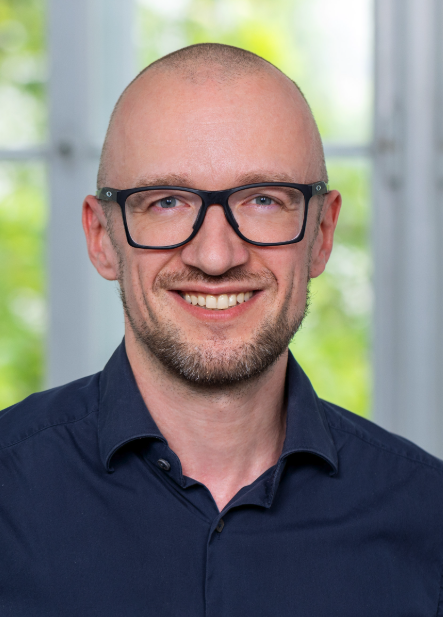 Thomas Niederkrotenthaler合作论文数Department of Social and Preventive Medicine, Medical University of Vienna;Center for Public Health, Medical University of Vienna6Luke Samson合作论文数6
 Jagadish Mahanta合作论文数6
 Sadhvi Krishnamoorthy合作论文数World Hlth Org Collaborating Ctr Res & Training Su, Griffith Univ5
 Kyli Hedrick合作论文数Sch Hlth & Biomed Sci, RMIT Univ5
 Kevin Charles Oeffinger合作论文数Department of Community and Family Medicine, School of Medicine, Duke University;Department of Medicine, School of Medicine, Duke University;Center For Onco-Primary Care, Duke Cancer Institute, Duke University;Supportive Care and Survivorship Center, Duke Cancer Institute, Duke University5
 Reavley Nicola J合作论文数Melbourne School of Population and Global Health5
 Bavinton Benjamin R合作论文数The Kirby Institute, University of New South Wales5
 Kevin R. Krull合作论文数Department of Psychology and Biobehavioral Sciences, St. Jude Children's Research Hospital;Comprehensive Cancer Center, St. Jude Children's Research Hospital5
 Stuart Gilmour合作论文数5
 David Gunnell合作论文数University of Bristol5Guy Coffey合作论文数4
 Shalini Singh合作论文数4
 John Tayu Lee合作论文数Nossal Institute for Global Health, Melbourne School of Population and Global Health, The University of Melbourne4
 Karl Andriessen合作论文数Centre for Mental Health, Melbourne School of Population and Global Health, Faculty of Medicine, Dentistry and Health Sciences, The University of Melbourne4
 Lynette Joubert合作论文数Department of Social Work, Melbourne School of Health Sciences, Faculty of Medicine, Dentistry and Health Sciences, The University of Melbourne4
 Kirsten K. Ness合作论文数Human Performance Lab, St. Jude Children's Research Hospital;Department of Epidemiology and Cancer Control, St. Jude Children's Research Hospital;Department of Physical Therapy, College of Health Professions, University of Tennessee Health Science Center;College of Graduate Health Sciences, University of Tennessee Health Science Center4Humtsoe Chumben合作论文数4Arabena Kerry合作论文数4Kaneko Noriyo合作论文数4
 Yin Paradies合作论文数Faculty of Arts and Education, Deakin University4
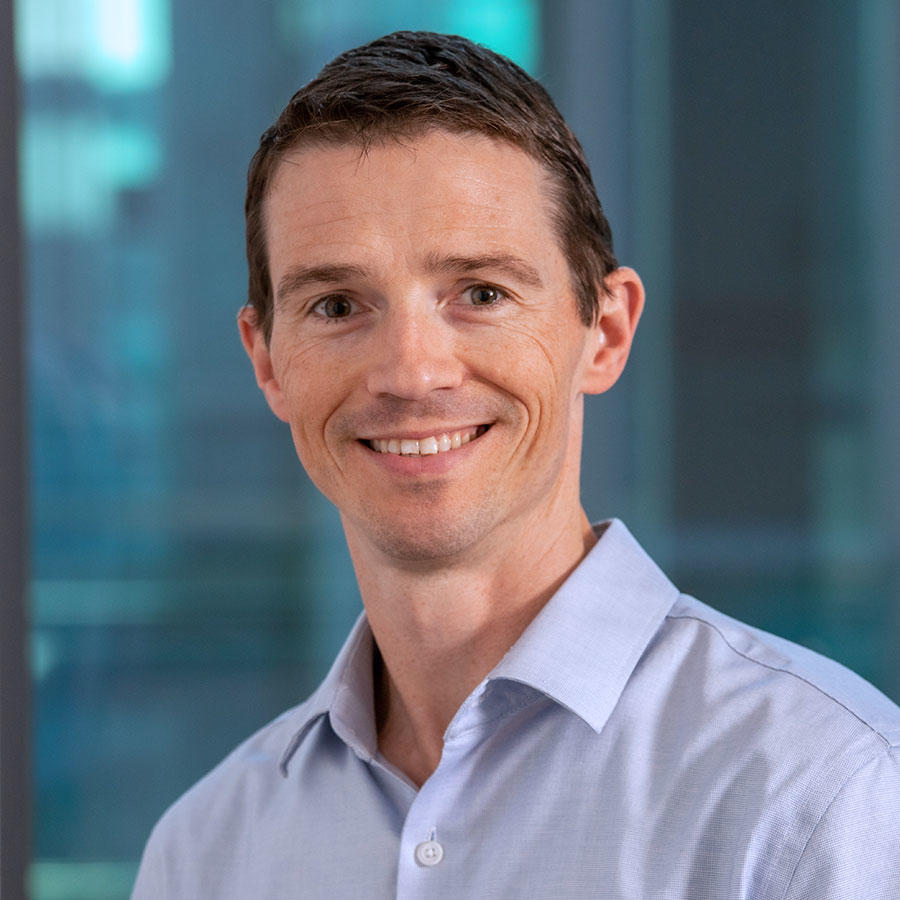 Todd Gibson合作论文数Radiation Epidemiology Branch, Division of Cancer Epidemiology and Genetics, National Cancer Institute, National Institutes of Health4Nuken Amenla合作论文数4
 Marilyn Stovall合作论文数Department of Radiation Physics, University of Texas MD Anderson Cancer Center4
 Melissa M. Hudson合作论文数Cancer Survivorship Division, Department of Oncology, St. Jude Children's Research Hospital;Department of Epidemiology and Cancer Control, St. Jude Children's Research Hospital;Comprehensive Cancer Center, St. Jude Children's Research Hospital4
 Adam Bourne合作论文数Sigma Research;University of Portsmouth;National Centre for Social Research;National Centre for Social Research, University of Portsmouth4
 Rebecca M. Howell合作论文数Department of Radiation Physics, Division of Radiation Oncology, The University of Texas MD Anderson Cancer Center4
 S. M. Yasir Arafat合作论文数Bangladesh Academy of Sciences;Department of Public and Community Health, Faculty of Medicine and Health Sciences, Frontier University Garowe3Marie Ishida合作论文数3




