Aim: To describe the findings of implementing May Measurement Month 2017 in the adult Colombian population to raise awareness of the importance of blood pressure measuring, monitoring, and awareness. Materials and methods: May Measurement Month is a cross-sectional survey that follows the directives of the International Society of Hypertension and the World Hypertension League, which gathers information on cardiovascular risk factors and blood pressure readings. Its implementation in Colombia was lead by the Santander Ophthalmological Foundation (FOSCAL) and the Latin American Society of Hypertension (LASH) with the support of the Colombian Network for the Prevention of Cardiovascular Diseases and Diabetes (RECARDI). Results: Data was collected from 11 departments on 21,797 people, 58.7% of whom were female, with an average age of 40.5 +/- 17.7 years. The overall prevalence of high blood pressure (HBP) was 20.8% (self-reported antihypertensive treatment or systolic blood pressure reading [systolic blood pressure >= 140 mmHg)). Of the total number of hypertensives, 46.5% had systolic blood pressure readings classified as uncontrolled (systolic blood pressure < 140 mmHg), and 26.4% were unaware that they were hypertensive who, in this report, we consider to be new cases of HBP. Conclusion: The prevalence of (elevated) blood pressure is high in this young adult population, whose lack of awareness of HBP is also high, and HBP in those aware of their condition is poorly controlled. These results highlight the need to implement effective detection programmes for hypertensive patients and to establish standardised treatments to improve HBP control as a strategy to reduce cardiovascular events. (C) 2019 SEH-LELHA. Published by Elsevier Espana, S.L.U. All rights reserved.
Solid state transformations of PdCl2, [PdCl2(PPh3)(2)], [Pd(PPh3)(4)], RuCl3 center dot H2O, [RuCl2(p-cymene)](2) and [RuCl2(PPh3)(3)] in three different atmospheres (N-2, air and O-2) have been studied by heating to 1000 degrees C/1400 degrees C these palladium/ruthenium compounds. The products obtained this way have been characterized by X-ray diffraction and its specific formulation has shown a strong dependence on the precursor complex, the atmosphere used and the temperature. Thus it is possible to obtain different materials xPd(1-x)PdO and xRu(1-x)RuO2 with a variable x value ranging between 0 and 1 from complexes without PPh3 ligand. The decomposition pattern displayed by complexes containing PPh3 is clearly different, as metal phosphate is generated during the process.
Background In the recent years, there has been an increased incorporation of research biopsies in clinical trials and translational research. However, limited information is available on the determinants of sample quality, which could help identifying parameters for successful biopsy ascertainment. Methods Data from all consecutive patients who had one or more research biopsies at our institution as part of a phase I-III trials and/or translational research projects approved by Ethics Committee from January 2017 to December 2018 were extracted and analyzed. Results A total of 1517 procedures were performed in 979 consenting patients, reaching in total 3811 tissue samples (71% at screening and 29% on-treatment or at progression) with an average of 2.5 samples per procedure. Tumor biopsies were obtained under ultrasound (60%), computed tomography (12%) guidance or non-guided (28%). Samples were formalin-fixed and paraffin embedded (FFPE, 48%), snap frozen (20%) or alternatively stabilized (32%) according to study protocol. Tumor content (TC) was determined in 1514 FFPE samples: 90% of them had tumor cells, 81% showed more than 10% TC and 59% more than 50% TC. No significant difference in TC was found between screening and on-treatment biopsies (p = 0.12). Sample quality was negatively affected by biopsy site ( 50 biopsies x year, 31% vs 16.5%, p Conclusions Our experience provides important information to improve research biopsy effectiveness in a biomarker program linked to clinical trials. Legal entity responsible for the study The authors. Funding Has not received any funding. Disclosure P.G. Nuciforo: Honoraria (self): Bayer; Honoraria (self): Novartis; Honoraria (self): MSD. C. Saura: Advisory / Consultancy: AstraZeneca, Celgene, Daiichi Sankyo, Eisai, Roche, Genomic health, Novartis, Pfizer, Pierre Fabre, Puma, Synthon and Sanofi; Travel / Accommodation / Expenses: AstraZeneca, Celgene, Daiichi Sankyo, Eisai, Roche, Genomic health, Novartis, Pfizer, Pierre Fabre, Puma, Synthon and Sanofi. E. Elez: Honoraria (self): Hoffman La-Roche, Bristol Myers Squibb, Servier, Amgen, Merck Serono, Array, Sanofi; Advisory / Consultancy: Hoffman La-Roche, Bristol Myers Squibb, Servier, Amgen, Merck Serono, Array, Sanofi; Research grant / Funding (self): Hoffman La-Roche, Bristol Myers Squibb, Servier, Amgen, Merck Serono, Array, Sanofi; Honoraria (institution): Array, MSD, Abbvie, Amgen, GSK, AstraZeneca, Bristol Myers Squibb, Novartis, Boehringer, Ingelheim, Hoffman La-Roche.. E. Felip: Speaker Bureau / Expert testimony: AbbVie, AstraZeneca, Blueprint medicines, Boehringer Ingelheim, Bristol-Myers Squibb, Celgene, Eli Lilly, Guardant Health, Janssen, Medscape, Merck KGaA, Merck Sharp & Dohme, Novartis, Pfizer, Roche, Takeda, Touchtime.; Advisory / Consultancy: AbbVie, AstraZeneca, Blueprint medicines, Boehringer Ingelheim, Bristol-Myers Squibb, Celgene, Eli Lilly, Guardant Health, Janssen, Medscape, Merck KGaA, Merck Sharp & Dohme, Novartis, Pfizer, Roche, Takeda, Touchtime.; Research grant / Funding (institution): Fundacion Merck Salud, Grant for Oncology Innovation EMD Serono. A. Oaknin: Advisory / Consultancy: Roche, AstraZeneca, PharmaMar, Clovis Oncology, Tesaro, Inmunogen and Genmab; Travel / Accommodation / Expenses: Roche, AstraZeneca, and PharmaMar. E. Munoz-Couselo: Advisory / Consultancy: Amgen, Bristol-Myers Squibb, Merck, Sharp & Dohme, Novartis, Pierre Fabre, and Roche; Honoraria (self): Amgen, Bristol-Myers Squibb, Merck, Sharp & Dohme, Novartis, Pierre Fabre, Sanofi and Roche ; Leadership role, Clinical trial participation (principal investigator): Amgen, Bristol-Myers Squibb, GlaxoSmithKline, Merck, Sharp & Dohme, Novartis, Pierre Fabre, and Roche. T. Macarulla Mercade: Advisory / Consultancy: Shire Pharmaceuticals, Roche, Tesaro, Batxer, Sanofi, Celgene, QED Therapeutics, Genzyme Europe, Baxalta, Bayer, Incyte, Genzyme ; Travel / Accommodation / Expenses: from Merck, H3 Biomedicine, Bayer, Sanofi. M. Alsina Maqueda: Advisory / Consultancy: Servier, Lilly, BMS and MS. Honoraria for speaking issues from Servier, BMS, MSD, Lilly, Roche and Amge; Travel / Accommodation / Expenses: Servier, Roche, Amgen and Lilly. J. Carles: Advisory / Consultancy: Bayer / Johnson & Johnson / Bristol-Myers Squibb / Astellas Pharma / Pfizer / Sanofi / MSD Oncology / Roche/ AstraZeneca; Speaker Bureau / Expert testimony: Bayer / Johnson & Johnson / Asofarma / Astellas Pharma; Research grant / Funding (institution): AB Science, Aragon Pharmaceuticals, Arog Pharmaceuticals, INC, Astellas Pharma., AstraZeneca AB, Aveo Pharmaceuticals INC, Bayer AG, Blueprint Medicines Corporation, BN Immunotherapeutics INC, Boehringer Ingelheim Espana, S.A., Bristol-Myers Squibb Inter. R. Dienstmann: Advisory / Consultancy: Roche; Research grant / Funding (self): Merck. J. Tabernero: Advisory / Consultancy: Array Biopharma, AstraZeneca, Bayer, BeiGene, Boehringer Ingelheim, Chugai, Genentech, Inc., Genmab A/S, Halozyme, Imugene Limited, Inflection Biosciences Limited, Ipsen, Kura Oncology, Lilly, MSD, Menarini, Merck Serono, Merrimack, Merus, Molecular Part. E. Garralda: Advisory / Consultancy: F.Hoffmann-La Roche, Ellipses Pharma, Neomed Therapeutics1 Inc, Boehringer Ingelheim, Janssen Global Services, ; Speaker Bureau / Expert testimony: Bristol-Mayers Squibb ; Travel / Accommodation / Expenses: Merck Sharp & Dohme, Glycotope, Menarini; Research grant / Funding (self), Scitron Project - VHIO Technology : Novartis; Research grant / Funding (institution), Clinical Trial Principal Investigator: Principia Biopharma Inc, Lilly, S.A, Novartis, Genentech, Loxo Oncologi Inc, F.Hoffmann-La Roche Ltd, Symphogen A/S, Merck, Sharp & Dohme de Espana, S.A, Incyte Biosciences International, Pharma Mar, S.A.U, Kura Oncology Inc, Macrogenics Inc, Glycotope G; Leadership role: ESMO Women for Oncology - W4O. All other authors have declared no conflicts of interest.
Introduction. Switching from polluting (e.g. wood, crop waste, coal) to clean (e.g. gas, electricity) cooking fuels can reduce household air pollution exposures and climate-forcing emissions. While studies have evaluated specific interventions and assessed fuel-switching in repeated cross-sectional surveys, the role of different multilevel factors in household fuel switching, outside of interventions and across diverse community settings, is not well understood. Methods. We examined longitudinal survey data from 24 172 households in 177 rural communities across nine countries within the Prospective Urban and Rural Epidemiology study. We assessed household-level primary cooking fuel switching during a median of 10 years of follow up (similar to 2005-2015). We used hierarchical logistic regression models to examine the relative importance of household, community, sub-national and national-level factors contributing to primary fuel switching. Results. One-half of study households (12 369) reported changing their primary cooking fuels between baseline and follow up surveys. Of these, 61%(7582) switched from polluting (wood, dung, agricultural waste, charcoal, coal, kerosene) to clean (gas, electricity) fuels, 26%(3109) switched between different polluting fuels, 10%(1164) switched from clean to polluting fuels and 3%(522) switched between different clean fuels. Among the 17 830 households using polluting cooking fuels at baseline, household-level factors (e.g. larger household size, higher wealth, higher education level) were most strongly associated with switching from polluting to clean fuels in India; in all other countries, community-level factors (e.g. larger population density in 2010, larger increase in population density between 2005 and 2015) were the strongest predictors of polluting-to-clean fuel switching. Conclusions. The importance of community and sub-national factors relative to household characteristics in determining polluting-to-clean fuel switching varied dramatically across the nine countries examined. This highlights the potential importance of national and other contextual factors in shaping large-scale clean cooking transitions among rural communities in low- and middle-income countries.
Monoacylglycerides are biocatalytically synthesized by direct esterification in sponge-like ionic liquids with high selectivity (e.g. up to 100% monolaurin in [C12mim][BF4]).
Background: Biocatalysis has many attractive features in the context of green chemistry, due to the high efficiency of chemical transformations and the renewable character of the enzymes used. Since the beginning of this century, ILs have emerged as exceptionally interesting non-aqueous reaction media for biotransformations because of their unique solvent properties, headed by their negligible vapour pressure and their exceptional ability to maintain enzymes in active and stable conformations. However, the goal of green chemistry is much more than simply replacing hazardous solvents with environmentally benign ones, and it is necessary to devise new clean methodologies that will fulfil the sustainable requirements for efficient transformations of substrates, product recovery and the reuse of all the elements of the reaction system. Results: The use biocatalyst in IL/scCO(2) biphasic systems was the first approach forward to develop integral green chemical processes in non-aqueous environments. The combination of these sustainable tools provides synergies in both biocatalyst performance (i.e. improved activity and enantioselectivity, enhanced stability, etc.), and the genuine separation technologies of nearly pure products. Sponge-Like Ionic Liquids (SLILs) were recently reported as a new platform for green biocatalytic chemical processes using straightforward technologies. These SLILs are a new class of hydrophobic ILs based on cations with long alkyl side-chains (e.g. 1-octadecyl-3-methylimidazolium bis(trifluoromethylsulfonyl) imide, ([C(18)mim][NTf2], etc.), which behaves as a sponge-like system by switching from liquid to solid phase as the temperature changes. Thus, such ILs are able to dissolve ("soak up") hydrophobic compounds as a liquid phase, and products can then be "wrung out" by centrifugation of the resulting solid phase after cooling. Based on this property, clean biocatalytic processes for the production of nearly pure compounds of high added value (e.g. geranyl acetate, anisyl acetate, biodiesel, monolaurin, etc.) can be easily designed by the coupling of both biotransformation and separation steps, in a sustainable approach of high potential for practical applications at industrial level. Conclusions: The use of biocatalytic approaches in green non-conventional reaction media holds much promise for the development of a sustainable chemical manufacturing industry. The combination of enzymes with multiphase neoteric systems (SLILs, ILs and/or scCO2) should be explored in the near future, as a clear strategy for developing integral new green multi-catalytic synthetic processes of industrial interest (e.g. pharmaceutical drugs).
The use of ionic liquids (ILs) and supercritical fluids (SCFs), as alternative non-aqueous reaction media for carrying out selective biocatalytic transformations, has substantially increased the opportunities for developing clean and sustainable chemical processes with industrial interest, which were enhanced by combination with continuous flow systems. The excellent suitability of ILs to over-stabilize enzymes, combined with the excellences of supercritical carbon dioxide (scCO2) to dissolve and transport chemicals, provides useful synergies for designing continuous clean synthetic approaches, that directly provide pure products by using appropriate reactor (e. g. membrane reactors). Several examples (i.e. DKR of sec-alcohols, synthesis of biodiesel, etc.), where the use of continuous flow techniques with multi-catalytic synthesis are combined into a single continuous operation, are provided in this paper.
Los liquidos ionicos tipo esponja (SLILs) son liquidos ionicos hidrofobos basados en cationes alquilo con largas cadenas laterales, por ejemplo el octadeciltrimetilamonio bis(trifluorometilsulfonilo)imida, ([C18tma] [NTF2]), que cambian de estado liquido a solido con la temperatura. Los SLILs se han utilizado para desarrollar procesos mas simples y limpios para la extraccion y sintesis de compuestos de alto valor anadido [1]. En fase liquida, los SLILs han demostrado ser excelentes disolventes de trioleina y metanol, generando medios liquidos monofasicos a temperaturas compatibles con la catalisis enzimatica. Esto esta permitiendo el desarrollo de procesos para la sintesis de biodiesel de manera rapida y mas eficiente a traves de metanolisis de trioleina catalizada por lipasa en medio SLIL-[C18mim][NTF2] a 60oC con 100% de rendimiento en FAMEs tras solo 8h de reaccion, y excepcional estabilidad de la enzima (hasta 1.370 d de tiempo medio de vida a 60oC) [2].
A broadly applicable catalyst system consisting of water-soluble Pd--imidate complexes has been enployed for the Suzuki-Miyaura cross-coupling of four different nucleosides in water under mild conditions. The efficient nature of the catalyst system also allowed its application in developing a microwave-assisted protocol with the purpose of expediting the catalytic reaction. Preliminary mechanistic studies, assisted by catalyst poison tests and stoichiometric tests performed using an electrospray ionization spectrometer, revealed the possible presence of a homotopic catalyst system.
The solution/solid state luminescence properties of selected orthometalated palladium complexes have been investigated in parallel with the relevant structural information provided by their X-ray crystal structures and theoretical calculations. Two cyclometalated backbones with different stacking abilities and a selection of bridging O^O, O^N or N^S ligands comprise the series under study, [{Pd(μ-L) (C^N)}2] (C^N = N-phenylpyrazole (Phpz) ; N-benzylideneaniline (Bza) ; L = acetate (Aco) , succinimidate (succ) , phthalimidate (phthal) , 1-methylimidazoline-2 thionate (Smeimid) ), completed with mononuclear [Pd(C^N)(N-pClPhsal)] (N-pClPhsal = chlorophenylsalycilaldiminate) complexes. New compounds , and were synthesized and the X-ray structures of , , , and have been elucidated in order to examine and compare solid-state Pd(C^N)-Pd(C^N) and ligand-ligand interactions with the rest of the series. The molecular structures of the complexes reveal intramolecular PdPd distances between 2.842 and 2.999 Å and π-π and C-Hπ interactions. All complexes studied show emission in the solid state at room temperature and a relationship is observed between emission energy, the nature of the lowest energy excited state, and metal-metal interactions. DFT calculations are undertaken to gain insight into the relationship between the structure and photophysical properties of the complexes.
New dinuclear cyclometallated palladium complexes of general formula [{Pd(mu-NCO)(C boolean AND N)}(2)] (C boolean AND N = 2-benzoylpyridine (bzpy) I; -NCO- = saccharinate (sacc) a, Phthalimidate (phthal) b or 4,5-dichlorophthalimidate (DiClphthal) c have been synthesized by a simple acid-base reaction involving the di-mu-hydroxo-precursor [{Pd(mu-OH)(bzpy)}(2)] recently reported. Analogous to Ic, complex IIc with C boolean AND N = 2-phenylpyridine (phpy) II has also been prepared, meaning the first examples reported to date of complexes including 4,5-dichlorophthalimidate as ligand coordinating a metal centre. The reaction of bridged imidato precursors against triphenylphosphine to form the mononuclear N-bonded imidato derivatives of general formula [Pd(C boolean AND N)(N-imidate)(PPh3)] IaP, IbP, IcP and IIcP has been achieved under mild conditions. The new complexes were characterized by partial elemental analyses and spectroscopic methods. Structural characterization by X-ray diffraction of Ib and IIcP, the first crystal structure of a complex containing 4,5-diClphthal that has been deposited to date on the Cambridge Structural Database, have confirmed the proposed formulae. (C) 2016 Elsevier B.V. All rights reserved.
 Gregorio Lopez合作论文数72
 José Luis Serrano合作论文数Department of Organic Chemistry;Institute of Materials Science of Aragón, University of Zaragoza;Institute of Materials Science of Aragón, University of Zaragoza56José Pérez合作论文数51Luis Garcia合作论文数34Joaquín García合作论文数31
 Pedro Lozano Rodríguez合作论文数Department of Biochemistry and Molecular Biology “B” and Immunology, Faculty of Chemistry, University of Murcia21
 M. Dolores Santana合作论文数19Elies Molins合作论文数Institut de Ci?ncia de Materials - C.S.I.C. Campus14
 Eduardo Perez Velilla合作论文数13
 Jose Ruiz合作论文数11E. Villanueva合作论文数10
 Eduardo Garcia-Verdugo合作论文数School of Chemistry, University of Nottingham10
 Anant R. Kapdi合作论文数Department of Chemistry, University of York10J. Acebo合作论文数9
 Juana M. Bernal合作论文数9Santiago V. Luis合作论文数9
 Juan A. Hermoso合作论文数Departamento de Química Inorgánica, Universidad de Murcia9
 Martín Martínez-Ripoll合作论文数Department of Crystallography and Structural Biology, Institute of Physical-Chemistry Rocasolano, Spanish National Research Council9Jaume Casabó合作论文数9C. Vicuna合作论文数8
 Carlos Miravitlles Torras合作论文数8E Perez合作论文数8
 Gabriel Garcia合作论文数Division of Gastroenterology and Hepatology, Department of Medicine, School of Medicine, Stanford University7
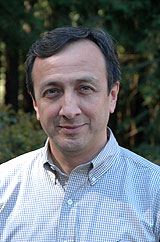 Joaquin Garcia合作论文数Computer Engineering Department
399 Baskin Engineering Bldg7Susana Nieto合作论文数6D. Meseguer合作论文数5J. Eguiguren合作论文数5
Joaquin Garcia合作论文数Computer Engineering Department
399 Baskin Engineering Bldg7Susana Nieto合作论文数6D. Meseguer合作论文数5J. Eguiguren合作论文数5 Maria Isabel Burguete合作论文数5Rocío García-Bueno合作论文数5
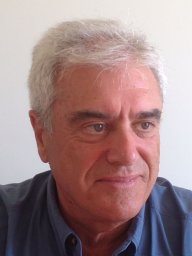 Angel Vegas合作论文数Departamento de Ingenieria de Comunicaciones, Universidad de Cantabria5Jorge Vives合作论文数5
 Michel Vaultier合作论文数Groupe de Physicochimie Structurale associé au C.N.R.S., Université de Rennes5Malva Liu合作论文数5M. Eguiguren合作论文数4Celia Gómez García合作论文数4F Momblona合作论文数4Mcr De Arellano合作论文数4C DEHARO合作论文数4
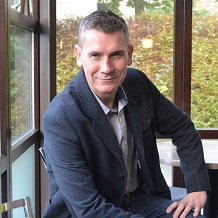 Ian Fairlamb合作论文数Department of Chemistry, University of York4
 Celia Gomez合作论文数4J. Gálvez合作论文数4Isabel Solano合作论文数4María J. Vidal合作论文数3E. Arcos合作论文数3Marina Martínez合作论文数3Ijs Fairlamb合作论文数3
 Ajay Ardhapure合作论文数Dept Chem, Inst Chem Technol3Iván Da Silva合作论文数Instituto de Química Organometálica “Enrique Moles”,, Universidad de Oviedo-CSIC3




