Long-chain omega-3 fatty acids docosahexaenoic acid (DHA) and eicosapentaenoic acid (EPA) support cardiovascular health; however, athletes often exhibit Omega-3 Index (O3I) levels below 8
This study investigated the effects of docosahexaenoic acid (DHA) supplementation on delayed onset muscle soreness (DOMS), physical function, and inflammation following eccentric exercise-induced muscle damage in physically trained male and female adults (training ≥ 5d/wk). Thirty-eight participants (12 Control, 26 DHA) completed a 12-week double-blind, placebo-controlled matched-pair trial. The Control group received high-oleic acid tablets. The DHA group received 715 mg/d of microencapsulated DHA tablets. Participants performed eccentric cycling at weeks 0 and 12, with assessments conducted pre-exercise, 0-h, 24-h, and 48-h post-exercise. The primary outcomes were DOMS (visual analogue scale) and the Omega-3 Index (O3I) (estimated by finger-stick dry blood spot). Secondary outcomes included neuromuscular function and inflammatory cytokines. O3I was not different between groups at week 0 but was elevated in the DHA group (∆2.43
INTRODUCTION:Long-chain n-3 polyunsaturated fatty acids (LC n-3 PUFA), primarily eicosapentaenoic acid (EPA) and docosahexaenoic acid (DHA), have received considerable interest from the scientific community as a dietary strategy to enhance physical performance, recovery, and neuroprotection in addition to the well-established role of supporting cardiovascular health. Given that military personnel are routinely subjected to psychologically and physiologically (e.g., cardiovascular, musculoskeletal) stressful environments, LC n-3 PUFA intake may represent a simple, yet meaningful, nutritional intervention to support Warfighter health and fitness. Dietary EPA + DHA, via fish or supplement, can be reliably tracked using the omega-3 index (O3i), which is the relative amount of EPA + DHA in red blood cells (RBC) expressed as a percentage of total fatty acids. The purpose of this systematic review was to establish a baseline O3i status in active duty military personnel with the intent of providing actionable evidence-based nutrition recommendations. MATERIALS AND METHODS:Three databases (PubMed, Google Scholar, and the Omega-3 Clinical Study Database) were searched systematically. A total of 645 articles were screened, of which 11 studies (13 observations) were eligible for inclusion. Non-RBC EPA + DHA (e.g., plasma) was converted to the O3i via validated equations. Data were reported as pooled mean O3i and analyzed based on service type (e.g., Army, Air Force). RESULTS:Based on 11 studies (13 total observations) composed of 3,615 military personnel, the average O3i was 3.18% (95% CI: 3.15, 3.21) and ranged from 2.47% and 4.62%. Most observations reported an average O3i <4% (76.9%). The Army (combined), U.S. Army only, and Special Forces personnel had O3i <4%, whereas Austrian Army and Air Force personnel had an O3i between 4% and 5%. CONCLUSIONS:Military personnel, without exception, exhibit suboptimal O3i. Achieving optimal O3i is a low cost, modifiable risk factor that can be used in conjunction with traditional medicine and appropriate training to support the military mission and the health and performance of military personnel. Given what we know about LC n-3 PUFAs and the present suboptimal O3i in military personnel, it is paramount that Defense organizations acknowledge the supporting evidence and implement policies and strategies to promote change. CLINICAL TRIAL REGISTRATION:None, but systematic review registration (PROSPERO): CRD42023410361.
Exercise triggers a proportional inflammatory response that is crucial for muscle fiber repair and adaptation. However, excessive or chronic inflammation can delay recovery and increase injury risk. Biomarkers such as creatine kinase and interleukins are commonly used to assess muscle damage and inflammation, respectively, but they have limitations in specificity and sensitivity. However, lipid mediators that signal all inflammatory events with distinct roles in pro-inflammatory, anti-inflammatory, and pro-resolving phases could provide a more complete understanding of the inflammatory response to exercise. In this review, we discuss the limitations of current biomarkers and the potential of lipid mediators to theoretically offer more precise insights into the inflammatory processes following exercise. Further research is needed to establish standardized protocols for measuring lipid mediators and to understand their temporal dynamics in relation to inflammation and recovery. This knowledge could lead to improved strategies for monitoring and enhancing recovery in athletes.
Background/Objectives: Ultramarathon runners exceed the physical activity guidelines and in doing so are constantly exposed to physical and metabolic demands, requiring strategic dietary practices to support training, performance, and recovery. This study aimed to assess the diet quality and nutrient intake in runners enrolled in an Australian-based ultramarathon. Methods: A 3-day food diary was collected using the Australian smartphone application ‘Easy Diet Diary’ during both peak and taper periods. Macronutrient and micronutrient intakes were analysed using the AUSNUT 2011–2013 food composition database within the Foodworks professional software, and diet quality was evaluated using the Healthy Eating Index for Australians (HEIFA-2013). Results: A total of 26 runners participated in the study. The results revealed that, although runners met or exceeded protein recommendations, their carbohydrate intake fell short of endurance-specific guidelines, whilst total dietary fat intake exceeded recommendations (excluding long-chain polyunsaturated fatty acids). Diet quality scores averaged 63.1 out of 100, reflecting moderate alignment with dietary recommendations. Fruit, vegetable, and wholegrain food groups were inadequately consumed. Conclusions: The findings indicate that ultramarathon runners who easily exceed physical activity recommendations, may paradoxically consume suboptimal diets, characterized by insufficient intake of core food groups such as whole grains and fruits, alongside excessive consumption of discretionary items. This dietary pattern may not only elevate their risk of chronic disease but also impair optimal performance by compromising recovery and adaptation to training. Further research is warranted to better understand the dietary behaviors and nutritional needs of this population.
This study investigated body composition and time-course changes in the Omega-3 Index (O3I;
Long-chain omega-3 fatty acids (LCn-3PUFA), including eicosapentaenoic acid (EPA) and docosahexaenoic acid (DHA), support heart function during exercise and recovery by incorporating into the cardiac cell membranes. Traditionally sourced from fish and fish oil, algae-derived LCn-3PUFA have become alternative in supplemental forms. This study evaluated whether 12 weeks supplementation of a microencapsulated algal oil, delivered as chewable tablets, would perform equivalently to fish-derived LCn-3PUFA in boosting the Omega-3 Index (O3I; erythrocyte membrane EPA + DHA%) of endurance athletes. Sixteen endurance-training adults (13 males, 3 females) supplemented daily microencapsulated chewable tablets (6/d) with fish-oil (FO; 142 mg/d EPA + 631 mg/d DHA) or algal-oil (AO; 21 mg/d EPA + 595 mg/d DHA) for 12 weeks. Baseline body composition was assessed using bioelectrical impedance, and whole blood fatty acid profiles were evaluated before and after supplementation. Additionally, participants maintained a self-recorded weekly training diary. Fat mass (%) was equivalent between the groups (FO: 9.18 ± 4.78%; AO: 9.94 ± 5.09%; P > 0.05). Weekly training times were also comparable (FO: 568 ± 242 minutes; AO: 579 ± 208 minutes; P > 0.05), and initial O3I were comparable between groups. Both groups showed significant post-supplementation increases in O3I (FO: pre, 4.85 ± 0.42%, post, 6.48 ± 0.52%; AO: pre, 4.30 ± 0.54%, post, 6.06 ± 0.70%; P < 0.01 within each group) and there was no significant difference in post-supplementation O3I levels between the groups (P = 0.467). In the context of endurance exercise training, algal-derived LCn-3PUFA (~600 mg/d EPA + DHA delivered as a chewable tablet) were equally as effective as those derived from fish in terms of elevating the body’s O3I over 3 months. Athletes following a plant-based diet may indeed consider an algal source of LCn-3PUFA as part of their whole diet quality and the attainment of EPA and DHA.
Accumulating evidence has highlighted the acute and chronic impact of repetitive subconcussive head impacts (rSHI) in contact sports. Neurofilament-light (Nf-L), a brain-derived biomarker of neuroaxonal injury, elevates in concert with rSHI. Recently, long-chain ω-3 polyunsaturated fatty acids (LC ω-3 PUFA) supplementation has been suggested to mitigate brain injury from rSHI as reflected by attenuation of Nf-L concentrations within contact sport athletes. Using a systematic review with a meta-analysis, our aim was to determine the effect of LC ω-3 PUFA supplementation on Nf-L concentrations in athletes routinely exposed to rSHI. Electronic databases (PubMed and CINAHL) were searched from inception through January 2024. One-stage meta-analysis of individual participant level data was used to detect changes in Nf-L concentrations between LC ω-3 PUFA and control/placebo (PL) groups from baseline to midseason (MS) and postseason (PS). Least square means (±SE) for Nf-L change from baseline were compared by treatment group for MS/PS using contrast t-tests. Significance was set a priori at adjusted p ≤ .05. Of 460 records identified, three studies in collegiate American football players (n = 179; LC ω-3 PUFA = 105, PL = 71) were included in the meta-analysis. Compared to PL, the change in Nf-L concentrations was statistically similar at MS (mean difference [MD] = -1.66 ± 0.82 pg·mL-1, adjusted p = 0.09) and significantly lower at PS (MD = -2.23 ± 0.83 pg·mL-1, adjusted p = 0.02) in athletes following LC ω-3 PUFA supplementation. Our findings demonstrate preliminary support for the prophylactic administration of LC ω-3 PUFA in contact sport athletes exposed to rSHI, however, further research is required to determine the effective dosage required.Registry and registry number for systematic reviews or meta-analyses. Registered in OSF (DOI: https://doi.org/10.17605/OSF.IO/EY5QW)
INTRODUCTION:Resistance exercise training (RET) can increase muscle mass and strength, and this adaptation is optimized when dietary protein is consumed to enhance muscle protein synthesis. Dairy milk has been endorsed for this purpose; however, allergy and lactose intolerance affect two-thirds of the global population making dairy milk unsuitable for many. Plant-based alternatives such as soy milk have gained popularity and exhibit comparable protein content. However, concerns regarding soy phytoestrogens potentially influencing circulating sex hormones and diminishing the anabolic response to RET have been raised. This study therefore aimed to assess the acute effects of dairy and soy milk consumption on circulating sex hormones (total, free testosterone, free testosterone percentage, total estrogen, progesterone, and sex hormone binding globulin) after RET.MATERIALS AND METHODS:Six male participants were recruited for a double-blinded, randomized crossover study with either dairy or soy milk provided post RET. Venous samples were collected before and after milk consumption across seven timepoints (0-120 minutes) where circulating sex hormones were analyzed. Two-way ANOVA analyses were applied for repeated measures for each hormone. The area under the curve (AUC) was also calculated between dairy and soy milk. Significance was set at p<0.05.RESULTS:No significant differences were observed in acute circulating serum for free (p=0.95), % free (p=0.56), and total testosterone (p=0.88), progesterone (p=0.67), or estrogen (p=0.21) between milk conditions. Likewise, no significant differences in AUC were observed between any hormones.CONCLUSION:These findings suggest that consumption of dairy milk and soy milk have comparable acute effects on circulating sex hormones following RET. Further investigations with expanded sample sizes are needed to strengthen and broaden these initial findings.
Purpose Many athletes are deficient in long chain omega-3 polyunsaturated fatty acids (LC n-3 PUFA). A consequent low Omega-3 Index (O3I) and high arachidonic acid/eicosapentaenoic acid (AA/EPA) ratio increase cardiovascular disease risk and inflammation. Algae oil is a plant-based, sustainable source of LC n-3 PUFA, suitable for vegans and vegetarians. Effects of algae oil supplementation on whole blood fatty acids among athletes has not been previously reported. This study evaluated the effects of 5 weeks of DHA-rich algae oil supplementation on the whole blood fatty acid profile, O3I and AA/EPA ratio of omnivorous Division I American College Football (ACF) players. Methods: Data, including a spot blood sample, were collected at baseline for all participants ( n = 47), then for a subset of players ( n = 22) following a 5-week control period (usual diet) and 5 weeks of algae oil supplementation (usual diet + 1575 mg docosahexaenoic acid (DHA) + eicosapentaenoic acid (EPA) 5 days/week; average 1125 mg/day). Results: Baseline O3I was 4.3% ± 0.1% and AA/EPA ratio was 45.6 ± 23.8. After 5 weeks of algae oil supplementation, the O3I was 6.1% ± 1.0% and the AA/EPA ratio was 25.1 ± 11.6. The O3I was significantly higher and the AA/EPA ratio was significantly lower ( P < 0.0001 for both) compared with both baseline and the end of the control period. The increase in O3I from baseline was correlated with calculated DHA + EPA dose per unit body mass ( R = 0.641, P = 0.001). Conclusions: Algae oil supplementation for 5 weeks improved both the low baseline O3I and high AA/EPA ratio among ACF players, with body mass specific dose effects.
Optimal omega-3 status, influenced by increased intake of eicosapentaenoic acid (EPA) and docosahexaenoic acid (DHA), is vital for physiological health. This study investigated the impact of ad libitum fish oil supplementation on the omega-3 status of female athletes in a professional rugby league team during a competitive season. Twenty-four (n = 24) athletes participated, and their omega-3 status was assessed using the Omega-3 Index (O3I) and arachidonic acid (AA) to EPA ratio through finger-prick blood samples taken at the start and end of the season. They were given access to a fish oil supplement (PILLAR Performance, Australia) with a recommended daily dose of four capsules per day (2,160 mg EPA and 1,440 mg docosahexaenoic acid). At the beginning of the season, the group mean O3I was 4.77% (95% confidence interval [CI: 4.50, 5.04]) and the AA to EPA ratio was 14.89 (95% CI [13.22, 16.55]). None of the athletes had an O3I exceeding 8%. By the season's end, the O3I was a significantly increased to 7.28% (95% CI [6.64, 7.93], p <.0001) and AA to EPA ratio significantly decreased to a mean of 6.67 (95% CI [5.02, 8.31], p <.0001), driven primarily by the significant increase in EPA of +1.14% (95% CI [0.77, 1.51], p < .0001). However, these changes were varied between the athletes and most likely due to compliance. This study has demonstrated that using the objective O3I feedback scale is possible with elite female rugby athletes, but individual strategies will be required to achieve daily intake targets of EPA + DHA.
ABSTRACT Background: Overall health and fitness contribute to surgical experience and recovery. The aim of this study was to describe an array of physiological characteristics in a presurgical patient cohort with obesity as a function of their sustained walking speed. Methods: We performed a prospective single-center cohort study in Wollongong Hospital, Australia from 2016 to 2018. Patients (N = 293) with severe obesity completed a 6-min walk test and were classified as either slow or fast walkers according to the cut point of 0.9 m·s−1 (2 mph). These groups were compared for anthropometry, comorbidities, respiratory and cardiovascular physiology, blood biomarkers, patient-centered outcomes, and perception of effort. Results: Slow walkers (n = 115; age 65 [63 to 67] years; mean [95% confidence interval]) and fast walkers (n = 178; age 54 [52 to 56]; P < 0.05) were not different in body weight but were different for body mass index (slow 43.2 [42.0 to 44.4] versus fast 41.1 [40.5 to 41.8]; P < 0.05). Cardiovascular disease and renal disease were more prevalent in slow walkers. Respiratory physiology reflective of restrictive lung disease (force vial capacity [L] slow 2.61 [2.45 to 2.77] versus fast 3.34 [3.19 to 3.47]; P < 0.05) was more common in slow walkers, who also reported higher dyspnea ratings. Resting cardiovascular characteristics were not different, although N-terminal pro-B-type natriuretic peptide levels were higher in the slow group (P < 0.05). Quality of recovery at postoperative day 30 was higher in the fast walking group. Conclusion: In this Australian cohort, patients with obesity undergoing nonbariatric surgery differed in their physiological profiles according to walking speed. This study supports the need to appreciate the physical fitness of patients beyond simplified body weight and classification of obesity in the perioperative period.
Objectives To describe the incidence, location, mechanism and burden of injury in community male adolescent rugby. Methods A prospective cohort injury surveillance study using sports trainers to record 'any physical complaint' over three seasons (2018/2019/2021) in 979 U13-U17 community male rugby union players. Results One hundred and fifty-two time-loss injuries (27.6/1000 hours) with an associated burden of 2313 days (419.7 days/1000 hours), 169 non-time loss medical attention (30.1/1000 hours) and 813 physical complaints (147.5/1000 hours) were recorded from 5511.7 exposure hours (matches 3932.5 hours, training 1579.2 hours). Time-loss injury incidence was highest in U16 (45/1000 hours) and lowest in U17 (16.6/1000 hours), with U17 significantly lower than U16 and U15 age-grades (p < 0.05). Injury burden was greatest in U13 (561.4 days/1000 hours), and significantly higher than U15 and U17 (p < 0.05). Collectively, injury incidence was greatest for the head/neck (11.8/1000 hours), bruise/contusions were most common (8.7/1000 hours) and concussion (4.5/1000 hours) accounted for the greatest injury burden (102 days/1000 hours). Being tackled was the most observed injury mechanism (10.0/1000 hours). Forwards had significantly higher incidence in mild injury (p < 0.01). The total burden (p < 0.001) associated with mild (p < 0.001) and moderate injuries (p < 0.001) was significantly higher in forwards, as was the burden of being tackled (p < 0.001), collisions (p < 0.001), trunk (p < 0.001) and lower limb (p < 0.01) injury locations. In contrast, ruck-related injury burden was greater in backs (p < 0.001). Conclusion This study showed age-grade and positional differences in incidence and burden of injury in community adolescent rugby union. The rate of non-time loss relative to time-loss injury and muscle strain injury in U13-U14s suggests further research into injury risk and maturation in rugby is needed.
Vegan dietary patterns are increasingly being adopted by endurance athletes, yet research examining the influence of this dietary pattern on exercise-related physiology is limited. This pilot study, therefore, aimed to explore nutrient status, diet quality and cardiovascular and inflammatory responses in aerobically trained adult males following vegan and omnivorous dietary patterns during aerobic exercise. An incremental ramp running test was used to assess peak oxygen consumption (VO2peak ) in males aged 18-55 years, engaging in >4 h training/week. Exercise testing was performed during walking and steady-state running conditions (60% and 90% of VO2peak ). Participants were grouped by dietary pattern type and were equivalent for age, training volume and VO2peak . When compared to the omnivorous group (n = 8, age 35.6 years, VO2peak 55.7 mL/kg/min), the vegan group (n = 12, age 33.4 years, VO2peak 56.4 m/kg/min) consumed more energy from carbohydrates (p = 0.007), and less energy from protein (p = 0.001) while exhibiting a higher overall diet quality score (p = 0.008). No differences in inflammatory biomarkers were observed before or after running. Total red blood cell count, haemoglobin and haematocrit levels were lower in the vegan dietary group. In summary, aerobically trained males, following a long-term vegan diet, can tolerate a short bout of running broadly comparatively to their omnivore counterparts. More arduous endurance exercise conditions should be explored to further uncover potential outcomes of consuming a vegan dietary pattern and exercise-related physiology.
Long-chain omega-3 polyunsaturated fatty acid (LC n-3 PUFA) supplements, rich in eicosapentaenoic acid and/or docosahexaenoic acid, are increasingly being recommended within athletic institutions. However, the wide range of doses, durations and study designs implemented across trials makes it difficult to provide clear recommendations. The importance of study design characteristics in LC n-3 PUFA trials has been detailed in cardiovascular disease research, and these considerations may guide LC n-3 PUFA study design in healthy cohorts. This systematic review examined the quality of studies and study design considerations used in evaluating the evidence for LC n-3 PUFA improving performance in physically trained adults. SCOPUS, PubMed and Web of Science electronic databases were searched to identify studies that supplemented LC n-3 PUFA in physically trained participants. Forty-six (n = 46) studies met inclusion. Most studies used a randomised control design. Risk of bias, assessed using the design-appropriate Cochrane Collaboration tool, revealed that studies had a predominant judgment of 'some concerns', 'high risk' or 'moderate risk' in randomised controlled, randomised crossover or non-randomised studies, respectively. A custom five-point quality assessment scale demonstrated that no study satisfied all recommendations for LC n-3 PUFA study design. This review has highlighted that the disparate range of study designs is likely contributing to the inconclusive state of outcomes pertaining to LC n-3 PUFA as a potential ergogenic aid. Further research must adequately account for the specific LC n-3 PUFA study design considerations, underpinned by a clear hypothesis, to achieve evidence-based dose, duration and composition recommendations for physically trained individuals.
An optimal omega-3 status, which is modified by increased consumption of long chain omega-3 eicosapentaenoic acid (EPA) and docosahexaenoic acid (DHA), supports cardiovascular and anti-inflammatory physiology.This study described the omega-3 status of riders in a professional cycling team and following ad libitum provision of a fish oil supplement over the course of a competitive season.The omega-3 status of professional riders (n = 23) was assessed via measurement of the Omega-3 Index (O3I), the omega-6/omega-3 (n-6/n-3), and Arachidonic Acid/EPA ratio (AA/EPA) using a finger prick blood sample at the start of the season.A quasi-experimental design provided riders ad libitum access to a fish oil supplement (NAMEDSport, Italy) with advice to consume two capsules per day (1,118 mg EPA + 458 mg DHA).Follow up blood samples were collected (n = 13) at the end of the season (16 -18 weeks) and expressed according to self-reported achievement of the advised dose.At pre-season, five of the riders returned an O3I > 8% (mean = 7.07%, 95% CI [6.51, 7.63]).The mean n-6/n-3 ratio was greater than 5 (mean = 5.38, 95% CI [4.81, 5.96]), and the AA/EPA was less than 11 (mean = 8.41, 95% CI [6.35, 10.47]).By the end of the season, seven riders self-reported meeting the daily dose recommendations and increased their O3I (pre-season mean = 6.81%,SD = 1.97; postseason mean = 9.06%, SD = 1.06, p < 0.01, Bonferroni adjusted), compared to six riders who reported sub-optimal (inconsistent) intake and the O3I remained unchanged (preseason mean = 7.11%, SD = 0.75; post-season mean = 7.09%, SD = 0.47, p = 0.97, Bonferroni adjusted).Optimising the omega-3 status of elite cyclists is possible when ad libitum provision of supplemental fish oil enables daily achievement of EPA + DHA intake.Riders consistently consuming two capsules per day elevated and/or maintained optimal omega-3 status alongside the arduous nature of training and competition.
Inpatient cardiac rehabilitation (CR) aims to address skeletal muscle dysfunction following coronary artery bypass grafting (CABG). Muscle lengthening (eccentric) contractions have a lower metabolic demand than concentric contractions and are advantageous for patients with reduced physiological reserve. This study aimed to assess the feasibility of incremental eccentric cycling during inpatient CR following CABG, utilising a custom-built eccentric cycle ergometer.
The adoption of vegetarian-based dietary patterns among athletes has been gaining popularity. However, limited research examines the dietary behaviours within this group. Therefore, the aim of this study was to examine self-reported dietary behaviours in a cohort of physically active individuals following vegetarian-based dietary patterns, recruited via social media. A 52-item online survey was created with questions related to demographics, physical activity, eating patterns and supplementation use. An external link to the Australian Automated Self-Administered 24-h (ASA24-AU) recall was included to examine nutrient intakes. Dietary quality was assessed using the Alternate Healthy Eating Index-2010 (AHEI-2010) and the Dietary Phytochemical Index (DPI) tools. A total of 781 (84.8%) respondents completed the survey in 2018. Principal motives for adhering to a vegetarian-based dietary pattern included animal rights (86.5%), environmental concerns (75.4%), health reasons (69.6%) and improving physical performance (24.1%). Vitamin B12 was the most commonly reported supplement (58.1%) followed by protein powder (36.3%) and vitamin D (35.9%). A total of 133 respondents completed the ASA24-AU dietary recall with generally adequate nutrient intakes and a high-quality diet as assessed by the AHEI-2010 and DPI. A significant minority of physically active individuals following vegetarian-based diets do so with the aspiration of improving their exercise performance. Dietary quality was considered high in this group for recreational physical activity, although intakes of vitamin B12 and LC n-3 PUFA were low.
In older adults with type 2 diabetes (T2D) and hypertension (HTN), cardiac autonomic modulation is markedly attenuated during exercise-heat stress. However, the extent to which this impairment is evident under increasing levels of heat stress remains unknown. We examined heart rate variability (HRV), a surrogate of cardiac autonomic modulation, during incremental exercise-heat stress exposures in young (20–30 years) and middle-aged-to-older individuals (50–70 years) without and with T2D and HTN. Thirteen young and healthy (Young, n = 13) and 37 older men without (Older, n = 14) and with HTN (n = 13) or T2D (n = 10) performed 180-min treadmill walking at a fixed metabolic rate (~ 200 W/m2; ~ 3.5 METs) in a differing wet-bulb globe temperature (WBGT; 16 °C, 24 °C, 28 °C, and 32 °C). Electrocardiogram (ECG) and core temperature measurements were recorded throughout. Data were analysed using 5-min averaged epochs following 60-min exercise, which represented the last common timepoint across groups and conditions. Ageing did not significantly reduce HRV during increasing exercise-heat stress (all p > 0.050). However, T2D and HTN modified HRV during exercise-heat stress such that Detrended Fluctuation Analysis (DFA) α1 (p = 0.012) and the cardiac sympathetic index (p = 0.037) were decreased compared to Older in all except the warmest WBGT condition (32 °C). Our unique observations indicate that, relative to their younger counterparts, HRV in healthy older individuals is not perturbed during exercise heat-stress. However, relative to their age-matched healthy counterparts, HRV is reduced during exercise-heat stress in individuals with age-associated chronic conditions, indicative of cardiac autonomic dysfunction.
 Peter L Mclennan合作论文数Graduate Medicine, School of Medicine, University of Wollongong35
 Nigel A. S. Taylor合作论文数Centre for Medical and Exercise Physiology, School of Medicine, University of Wollongong32
 Michael J. Macartney合作论文数Grad Sch Med, Univ Wollongong17
 Sean R. Notley合作论文数a School of Medicine, University of Wollongong16
 Anne M. J. Van Den Heuvel合作论文数15
 Marc A. Brown合作论文数Metabolic Research Centre;Faculty of Health and Behavioural Sciences;University of Wollongong;Faculty of Health and Behavioural Sciences, University of Wollongong14Neale Elizabeth P合作论文数12
 Ryan Anthony合作论文数11Joel C Craddock合作论文数Illawarra Hlth & Med Res Inst11
 Herbert Groeller合作论文数Human Performance Laboratories, University of Wollongong11
 Yasmine C Probst合作论文数Sch Med, Univ Wollongong10
 Joanne N. Caldwell合作论文数School of Health Sciences;University of Wollongong;School of Health Sciences, University of Wollongong10Daniel S Lee合作论文数8
 Marijka Batterham合作论文数Smart Foods Centre, University of Wollongong8
 Lachlan Hingley合作论文数7
 Mark Patterson合作论文数7
 Jace Drain合作论文数6
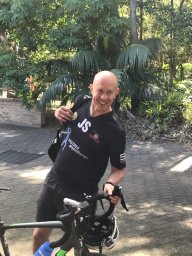 John A Sampson合作论文数School of Medicine, University of Wollongong6Mathew Doyle合作论文数Cardiothoracic Surgical Unit, St George Hospital6
 Linda C Tapsell合作论文数Smart Foods Centre, University of Wollongong6Michael C Lewis合作论文数5Henry Renee合作论文数5
 Dylan Cliff合作论文数Faculty of the Arts, Social Sciences and Humanities, School of Education, University of Wollongong5Catriona A. Burdon合作论文数5Christiano A. Machado-Moreira合作论文数5
 Jeffery Heileson合作论文数Hlth Human Performance & Recreat, Baylor Univ4
 Aaron Silk合作论文数4
 Rachel Ann Jones合作论文数School of Chemistry, University of Bristol4Christiana M. T. van Loo合作论文数3Daniel C. Billing合作论文数3Åsa Nykvist合作论文数3Mayumi Matsuda-Nakamura合作论文数3Benjamin J. Haberley合作论文数3nicholas powers合作论文数3Natalie A Smith合作论文数3
 Penelope Larsen合作论文数3
 Andrew Hoy合作论文数School of Medicine Sciences, Faculty of Medicine and Health, The University of Sydney3Anthony D Okely合作论文数3Peeceeyen Sheen合作论文数3
 John Reilly合作论文数University of Strathclyde3
 Xanne Janssen合作论文数Sch Psychol Sci & Hlth, Univ Strathclyde3Indraratna Praveen合作论文数Collaborative Research (CORE) Group, Macquarie University3
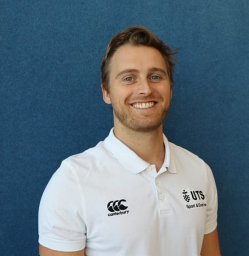 Hugh Fullagar合作论文数Institute of Sport and Preventive Medicine, Saarland University3
 Ulf Ekelund合作论文数Department of Sports Medicine, Norwegian School of Sport Sciences;Norwegian Institute of Public Health3
 Stamenkovic Alexander合作论文数Faculty of Science, Medicine and Health, University of Wollongong;Faculty of Science, Medicine and Health, University of Wollongong;Faculty of Science, Medicine and Health, University of Wollongong;University of Wollongong, University of Wollongong3Tardo Daniel T合作论文数3
 Frank Deane合作论文数School of Psychology, University of Wollongong3Mitchell J. Clark合作论文数3
 Soren Brage合作论文数MRC Epidemiology Unit, University of Cambridge;Yonsei University3




