Background: Vietnam is a top 20 burden country for multi-drug resistant/rifampicin-resistant tuberculosis (MDR/RR-TB), with nearly 10,000 cases a year. With the emergence of new diagnostic assays for M. tuberculosis and resistance, along with new drugs for both treatment and prevention, we sought to better understand the molecular epidemiology of RR-TB in this high-burden setting, through the study of clinical trial isolates from the VQUIN MDR trial. Methods: We assembled a sample of cultured isolates, collected from patients with confirmed RR-M. tuberculosis within 10 provinces, enriching for isolates from outside of the 2 major cities, Hanoi and Ho Chi Minh City. We subjected these isolates whole genome sequencing (WGS) and bioinformatic analysis, with a subset subject to phenotypic drug susceptibility testing to evaluate phenotypic/genotypic concordance. New genome sequences were phylogenetically contextualised to publicly-available M. tuberculosis genome sequences sampled in Vietnam from National Center for Biotechnology Information (NCBI) Sequence Read Archives (SRA). Results: Isolates from 252 RR-TB cases passed quality controls and were available for analysis. Xpert MTB/RIF had a high concordance with WGS-based rifampicin-resistance prediction (PPV=96.8%). Of the 244 isolates confirmed to be rifampicin resistant, a high proportion (235/244 = 96.3%) had mutations associated with resistance to at least one other first- or second-line antibiotic. Phenotypic drug susceptibility testing (DST) for rifampicin, isoniazid, and levofloxacin was completed for 77 isolates with a high concordance demonstrated between DST and genomic-based resistance predictions (67/77, 87.0% RIF; 76/77, 98.7% INH; 73/77, 94.8%LFX). High concordance was also observed with new and repurposed antibiotics linezolid (100%, 60/60), pretomanid (100%, 60/60), and bedaquiline (56/60, 93.3%). Rifampicin-resistant strains were more likely to be lineage 2.2.1, compared to rifampicin-susceptible M. tuberculosis strains in Vietnam, particularly in the major cities. Conclusions: The high prevalence of secondary drug-resistance beyond RIF and INH, along with the dominance of one major lineage across geographic regions, provides insights on the spread of MDR/RR-TB in Vietnam and reinforces the importance of prompt and broad detection of drug-resistance to inform the timely initiation of effective drug regimens. ### Competing Interest Statement The authors have declared no competing interest. ### Clinical Trial CTRN12616000215426 ### Funding Statement This project was funded by a National Health and Medical Research Council (NHMRC) Project Grant (1081443) to GJF and a Foundation Grant from the Canadian Institutes for Health research (CIHR) to MAB (FDN 148362). GJF was supported by a NHMRC Leadership Fellowship (2007920). ELM was supported by a CIHR Fellowship (472823). MAB was supported by a Tier 1 Canada Research Chair. ### Author Declarations I confirm all relevant ethical guidelines have been followed, and any necessary IRB and/or ethics committee approvals have been obtained. Yes The details of the IRB/oversight body that provided approval or exemption for the research described are given below: Ethics for our study was provided by the research institute of the McGill University Health Centre Institutional Review Board (2021-7242) Ethics for the VQUIN clinical trial was provided by Australia New Zealand Clinical Trials Registry number (CTRN12616000215426). HREC approval was from Human Research Ethics Committee of the University of Sydney (2014/929) Institutional Review Board at the Ministry of Health Vietnam (4040/QD-BYT). The VQUIN follow-up study was added as an amendment to USYD HREC (2014/929), as well as Institutional Review Board at the Ministry of Health of Vietnam (4640/QD-BYT and 94/CN-HDDD). I confirm that all necessary patient/participant consent has been obtained and the appropriate institutional forms have been archived, and that any patient/participant/sample identifiers included were not known to anyone (e.g., hospital staff, patients or participants themselves) outside the research group so cannot be used to identify individuals. Yes I understand that all clinical trials and any other prospective interventional studies must be registered with an ICMJE-approved registry, such as ClinicalTrials.gov. I confirm that any such study reported in the manuscript has been registered and the trial registration ID is provided (note: if posting a prospective study registered retrospectively, please provide a statement in the trial ID field explaining why the study was not registered in advance). Yes I have followed all appropriate research reporting guidelines, such as any relevant EQUATOR Network research reporting checklist(s) and other pertinent material, if applicable. Yes All data produced in the present study are available upon reasonable request to the authors
Introduction:Current tuberculosis (TB) screening tools, such as the WHO four-symptom screen (W4SS), lack sufficient sensitivity and specificity for effective community-based active case finding, contributing to both missed diagnoses and unnecessary diagnostic evaluations. This study aimed to develop and validate a machine learning (ML) model to improve TB risk prediction among persons aged ≥15 years in community settings of Zambia and South Africa. Methods:A large, harmonized dataset was created from four community-based TB prevalence surveys in South Africa and Zambia (N=169,813), restricted to individuals not under treatment at the time of survey. A binary reference outcome was defined based on available microbiological and radiographic data, grouping individuals as either 'Possible TB' or 'Unlikely TB'. An XGBoost model was trained on 80% (N=135,854) of the data using demographic, clinical, and socio-economic variables, and model interpretability was assessed using SHapley Additive exPlanations (SHAP) values. Internal validation was performed using a 20% hold-out test set (N=33,959). Model performance was assessed using discrimination, calibration, and clinical utility measures compared to the W4SS and against WHO's 2025 Target Product Profile (TPP) for a tool in a two-step screening algorithm. Results:Overall, 16,413 (9.7%) of individuals were labelled as 'Possible TB'. On the test set, the XGBoost model yielded an area under the curve (AUC) of 79.7% (95% CI: 78.7, 80.7), outperforming the W4SS (AUC 57.0%; 95% CI: 56.1, 57.8). The XGBoost model achieved 81.5% sensitivity (95% CI: 77.6, 84.9) at a 60% specificity threshold. This exceeded the W4SS, which achieved only 38.2% sensitivity (95% CI: 36.5, 39.9) on the same dataset. SHAP analysis identified age, previous TB treatment, times treated for TB and unemployment as the primary contributors to risk. Conclusion:The ML XGBoost model shows promise as a screening tool to support community-based active case finding activities prior to diagnostic testing. However, as performance remained below TPP targets, and adding variables, e.g. on geolocation, could be considered. Registration:The study was not registered.
The paucity of diagnostic tests for isoniazid-resistant tuberculosis is concerning, given its status as the most common form of drug-resistant tuberculosis and a gateway to multidrug-resistant diseases. Molecular drug-susceptibility testing has improved access to timely diagnosis of rifampicin-resistant tuberculosis, but testing for isoniazid-resistant tuberculosis still remains rare. In this Review, we assessed the characteristics of molecular drug-susceptibility testing for detection of isoniazid-resistant tuberculosis, referencing the WHO target product profiles. 9243 citations were screened to select 238 studies published between 2000 and 2024. The diagnostics options have expanded rapidly since 2020, with 27 nucleic acid amplification tests, eight line probe assays, five DNA microarrays, two targeted next-generation sequencing platforms, and two whole-genome sequencing platforms. Most of the evaluated molecular drug-susceptibility tests met diagnostic performance targets but were often complex and costly. Although a few low-complexity nucleic acid amplification tests met key target product profile criteria, additional field validation and greater efforts are needed to ensure optimal feasibility and affordability for low-resource settings.
Antimicrobial resistance is a critical global health challenge, with Southeast Asia identified as a hotspot of multidrug-resistant organism (MRO) carriage in hospitalised patients and the general population. This study aimed to estimate the prevalence of gastrointestinal and nasal MRO carriage among district hospital inpatients in Vietnam and assess changes following an antimicrobial stewardship (AMS) intervention. Two repeated cross-sectional prevalence surveys were conducted among inpatients at four district hospitals in Vietnam (two urban hospitals in Hanoi and two rural hospitals in Ca Mau). The baseline survey was undertaken immediately prior to implementation of a 6-month AMS intervention (March 2022), and the post-intervention survey was conducted during the final 2 weeks of the intervention (August 2022). The intervention bundle comprised establishing hospital AMS committees and teams, implementing antimicrobial prescribing guidelines, healthcare worker education, and regular antimicrobial prescribing audits with feedback to clinicians. Carriage of extended spectrum β-lactamase (ESBL)-producing Enterobacterales and carbapenemase-producing Enterobacterales (CPE) was determined from stool or rectal swabs, and methicillin-resistant Staphylococcus aureus (MRSA) carriage using nasal swabs. MROs were characterised using phenotypic antimicrobial susceptibility testing and molecular analyses. A participant questionnaire assessed demographic, behavioural and healthcare-related risk factors. Pre- and post-intervention prevalence estimates were compared using two-proportion tests. Mixed-effects binary regression models were used to identify risk factors for ESBL-producing Enterobacterales carriage. A total of 402 participants (ages 18–99 years, M:F 176:226) provided nasal swabs and rectal or stool samples across both surveys. Participant demographics differed modestly between surveys. Overall, 76.1
BACKGROUND:High-dose rifampicin could potentially shorten tuberculosis preventive therapy (TPT) and improve outcomes. We aimed to characterize population pharmacokinetics of standard- and high-dose rifampicin for TPT among individuals with tuberculosis infection. METHODS:Intensive and sparse pharmacokinetic substudies were conducted in Indonesia, Canada, and Vietnam within the 2R2 randomized trial, which compared 2 months of high-dose rifampicin at 20 mg/kg/day (2R20) or 30 mg/kg/day (2R30) with 4 months of standard-dose rifampicin at 10 mg/kg/day (4R10) in adults and adolescents aged ≥ 10 years. Venous blood samples were collected after 4 weeks of treatment. Rifampicin pharmacokinetics were analyzed using nonlinear mixed-effects modeling in NONMEM. RESULTS:Among 1368 trial participants, 440 were included in model development (51 intensive and 389 sparse sampling), with 191 (43%) assigned to 4R10, 159 (36%) to 2R20, and 90 (20%) to 2R30. A 1-compartment model with saturable hepatic extraction and transit-compartment absorption best described rifampicin pharmacokinetics. All disposition parameters were allometrically scaled using fat-free mass. Country-specific differences, particularly variation in drug formulation, were associated with lower bioavailability in Canada {-21.8% (95% confidence interval [CI] -27.9 to -18.0%)} and Vietnam (-12.3% [95% CI -17.7 to -7.9%]) compared with Indonesia. The 24-hour area under the concentration-time curve increased more than proportionally with dose and was higher across treatment arms in Indonesia, followed by Vietnam and Canada. CONCLUSIONS:High-dose rifampicin for TPT resulted in greater-than-proportional increases in exposure due to nonlinear clearance at higher doses. Substantial between-country variability in exposure was observed, which may have been due to multiple factors, including differences in country-specific formulations, fat-free mass, and unmeasured confounders.
The health-related quality of life (QoL) assessed by the 12-item Short Form (SF-12) offers a time-efficient alternative to the 36-item version 2 (SF-36 v2). This study aimed to compare the performance of SF-12 and SF-36 v2 among patients with rifampicin-resistant/multidrug-resistant tuberculosis (RR/MDR-TB) in Vietnam. A cross-sectional survey was conducted among RR/MDR-TB patients treated in seven provinces between October 2020 and March 2023. Participants completed the SF-36 v2 questionnaire at enrollment. Physical (PCS) and mental component summary (MCS) scores were compared between SF-12 and SF-36 v2. Linear regression assessed the ability of PCS-12 and MCS-12 to predict PCS-36 and MCS-36. Discriminative ability was assessed via receiver operating characteristic (ROC) curves. This study included 565 participants with a median age of 45.4 years (IQR 44.2–46.5) and a male proportion of 71.7
Levofloxacin is an essential drug in multidrug-resistant tuberculosis (MDR-TB) treatment, but high pharmacokinetic variability necessitates therapeutic drug monitoring (TDM) to optimise exposure and improve outcomes. Traditional TDM requires invasive blood sampling, limiting feasibility. Saliva sampling, a non-invasive matrix may simplify implementation. We aimed to develop a levofloxacin population pharmacokinetic (popPK) model integrating plasma and saliva data, and to evaluate saliva-based limited sampling strategies to support model-informed TDM for levofloxacin in practice. Adults receiving oral levofloxacin for ≥ 7 days had plasma and saliva samples collected at 0, 2, and 5 h post-dose. A plasma-and-saliva popPK model was developed using NONMEM, including covariate evaluation. Predictive performance of saliva-based limited sampling strategies for estimating plasma AUC24 was assessed using Bayesian estimation and Monte Carlo simulations. A total of 57 patients with 342 paired plasma-saliva samples were evaluated. One-compartment model incorporating saliva bio-compartment with first-order absorption (with a lag time) and elimination best described the data. No significant covariates were identified. Simulations showed that the three-point saliva strategy (0, 2, 5 h) predicted plasma AUC24 within clinically acceptable limit (< 15
Therapeutic drug monitoring (TDM) of linezolid for treating multidrug-resistant tuberculosis (MDR-TB) is recommended but is hindered by the invasive and logistical challenges of plasma sampling. Saliva is a promising alternative, but a saliva pharmacokinetic model to inform dosing is lacking. This study aimed to develop a saliva-based population pharmacokinetic (popPK) model and evaluate limited sampling strategies for linezolid in MDR-TB. Plasma and saliva samples were collected at pre-dose, 2-, and 5-h post-dose from adults treated with linezolid for ≥ 7 days. A saliva-plasma popPK model was developed in NONMEM with covariate analysis. Bayesian estimation and Monte Carlo simulations were used to evaluate the predictive performance of saliva limited sampling strategies for predicting plasma AUC0–24. A ±20
BACKGROUND:Existing rates of death and recurrent tuberculosis (TB) among people treated for rifampicin- or multidrug-resistant tuberculosis (RR/MDR-TB) are likely underestimates. We determined long-term disease outcomes among a cohort of people treated for RR/MDR-TB. METHODS:We conducted a prospective cohort study among patients treated by the National TB Program (NTP) in 10 provinces of Vietnam. Individuals with confirmed RR/MDR-TB starting World Health Organization-recommended regimens were followed up for ≥32 months. After this period, we surveyed the cohort to measure vital status and subsequent TB episodes. Family members completed verbal autopsies for deceased participants. We calculated rates of mortality and TB re-occurrence, and standardized mortality ratio (SMR) using participants' household contacts as a reference population. RESULTS:Between March 2016 and July 2020, 1755 patients were enrolled, of whom we assessed 1364 (77.7%) at final follow-up. Median follow-up time was 4.3 years. Successful treatment outcomes were reported for 1357/1755 (77.3%) individuals. From enrollment until end of follow-up, 289 participants died (16.5%; mortality rate, 42.6/1000 person-years); overall SMR was 5.6 and post-treatment SMR was 3.0. Tuberculosis was the probable or confirmed cause of death in 96 deceased participants. Many (71/165; 43.0%) deaths occurring on-treatment were not reported to the NTP. The rate of subsequent TB episodes among all participants, regardless of treatment outcome, was 10.3/1000 person-years. CONCLUSIONS:RR/MDR-TB survivors have high risks of mortality and re-occurring TB. Programmatic reports underestimate the true mortality rate both during and after treatment. Interventions are urgently needed to strengthen programmatic follow-up, improve treatment outcomes, and monitor for TB recurrence.
Background: Chronic airways diseases impose substantial clinical and economic burdens in Vietnam. Established treatment algorithms for these conditions require differentiation between asthma and chronic obstructive pulmonary disease (COPD), which can impede timely treatment at the primary care level. The VCAPS4 trial evaluated a simplified anti-inflammatory reliever algorithm using a single inhaler (budesonide-formoterol 160/4.5 mcg) for adults presenting with undifferentiated chronic airways disease. Methods: We conducted a cost-effectiveness analysis of the VCAPS4 trial over 12 months compared to usual care from the Vietnamese health system perspective. A total of 3,095 participants were included (control: 1,421; intervention: 1,674). Health outcomes were expressed as exacerbations avoided and quality‑adjusted life‑years (QALYs), calculated using COPD‑specific cost and utility inputs to reflect the dominant pattern of disease severity in the trial population. Sensitivity (deterministic and probabilistic) and scenario analyses were performed. Findings: Compared with usual care, participants receiving the intervention experienced fewer exacerbations and gained an additional 0.019 QALYs (95% CI: 0.012 to 0.025) over 12 months. The intervention cost INT$210 per exacerbation avoided and was found to be cost saving when taking into the account costs of hospitalisations (INT$-2,342 per QALY). Cost savings were greatest among participants with variable or mixed airflow limitation. Results were robust across sensitivity and scenario analyses. Interpretation: A simplified single-inhaler approach using budesonide–formoterol was cost-effective for managing undifferentiated chronic airways disease in a resource‑limited primary care setting.
BACKGROUND:This study aimed to describe the yield of tuberculosis (TB) disease among household contacts (HHC) of individuals with bacteriologically confirmed and unconfirmed pulmonary TB, to estimate the prevalence of TB infection using Interferon Gamma Release Assay (IGRA), and to identify factors associated with IGRA positivity. METHODS:We conducted a pragmatic, cross-sectional study in five operational districts between February 2023 and April 2024. HHC of persons with pulmonary TB in the preceding two years were screened for TB. Among eligible contacts (aged ≥5 years and HIV negative) at two purposively selected sites (one urban and one rural), blood samples were collected for IGRA using QuantiFERON®-TB Gold Plus. Modified Poisson regression with robust variance estimation was used to identify factors independently associated with IGRA positivity. RESULTS:Among 864 HHC, 26 were diagnosed with TB disease: 2.7 per 100 (95% CI 1.4-4.6) among contacts of bacteriologically confirmed TB and 3.4 per 100 (95% CI 1.9-5.6) among contacts of bacteriologically unconfirmed TB. More than half were asymptomatic (37.5% bacteriologically confirmed, 66.7% bacteriologically unconfirmed). Of 453 valid IGRA results, 21.2% (95% CI 17.5-25.2) were positive. IGRA positivity was associated with older age, urban residence, and being contacts of bacteriologically confirmed TB. CONCLUSION:In these selected programmatic settings, limiting contact investigation to bacteriologically confirmed TB and relying on symptom screening may result in missed cases. Without infection testing, most HHC offered TPT may not require it, while others with asymptomatic TB disease may inappropriately receive preventive treatment.
Multidrug-resistant tuberculosis (MDR-TB) remains a global health threat and accounts for a quarter of deaths due to antimicrobial resistance. Individuals infected with MDR-TB are at risk of progressing to TB disease. Treatment of drug-resistant TB infection to prevent progression to disease and avert the associated morbidity and mortality is a global priority. Randomized evidence to inform TB preventive treatment (TPT) guidelines has been lacking. Two recently completed trials provide the first randomized evidence that treatment of household contacts exposed to people with MDR-TB with daily levofloxacin for 6 months is safe and efficacious in preventing TB. Based on these results, the World Health Organization updated its TPT guidelines to make a strong recommendation for use of levofloxacin for 6 months in MDR-TB exposed contacts. Novel, shorter regimens in development will usher in a new era for the treatment of MDR-TB infection if shown to be safe and efficacious.
BACKGROUND:Therapeutic drug monitoring may optimise treatment outcomes in patients with multidrug-resistant tuberculosis, yet current methods are invasive and resource intensive. This study evaluated the feasibility of using saliva point-of-care testing to screen for suboptimal exposure to levofloxacin and linezolid. METHODS:We conducted a community-based cross-sectional study in Vietnam (2021-2023). Drug concentrations were measured in paired plasma and saliva samples at 0, 2 and 5 h post-dose, using a point-of-care test (NanoPhotometer NP80) in comparison with liquid chromatography-mass spectrometry. Drug exposure (area under the drug concentration-time curve from 0 to 24 h (AUC0-24)) was calculated using a Bayesian population pharmacokinetic approach (Edsim++). Therapeutic targets were defined as a free AUC0-24 to minimum inhibitory concentration ratio of 160 for levofloxacin and 125 for linezolid. Receiver operating characteristic curve analyses were conducted to determine optimal saliva thresholds for predicting subtherapeutic or supratherapeutic plasma exposure. RESULTS:A saliva exposure threshold of 70.3 mg·h·L-1 accurately identified 16 out of 19 patients with subtherapeutic levofloxacin plasma exposure (sensitivity 84%, specificity 78%; n=60). For linezolid (n=17), saliva testing correctly identified the only patient with subtherapeutic exposure and the only patient with supratherapeutic exposure. However, no saliva exposure thresholds could be determined. CONCLUSIONS:Saliva-based point-of-care testing may predict the plasma drug exposure of levofloxacin and linezolid, thus enabling the detection of patients at risk of suboptimal drug exposure. This non-invasive tool warrants further investigation to establish a saliva-based threshold for linezolid and to evaluate the clinical impact and cost-effectiveness of saliva-guided drug dosing.
Population-wide screening may accelerate the decline of tuberculosis (TB) incidence, but the optimal screening algorithm and duration must weigh resource considerations. We calibrated a deterministic transmission model to TB epidemiology in Viet Nam. We simulated three population-wide screening algorithms from 2025: sputum nucleic acid amplification tests (NAAT, Xpert MTB/RIF Ultra) only; chest radiography (CXR) followed by NAAT; and CXR-only without microbiological confirmation. We determined the annual screening rounds required to reduce pulmonary TB prevalence below 50 per 100,000 people. Cost-effectiveness was assessed using incremental cost-effectiveness ratios (ICERs), representing the additional costs (in US$) per disability-adjusted life year (DALY) averted compared to business-as-usual by 2050. Additionally, we evaluated the impact of NAAT cartridges costing US$1 each. NAAT-based algorithms required at least six rounds to reach the prevalence threshold, while CXR-only required three. NAAT-only achieved a prevalence reduction consistent with the ACT3 trial after three rounds. The CXR+NAAT algorithm averted 4.29m DALYs (95%UI:2.86-6.14) at US$225 (95%UI:85-520) per DALY averted compared with business-as-usual. The front-loaded investment of US$161m (95%UI:111-224) annually during the intervention resulted in average annual cost savings of US$12.7m (95%UI:6.7-21.4) up to 2050 compared to the business-as-usual counterfactual. Reducing the cost of NAAT to US$1 led to a 50% and 15% reduction in budget impact and a 63% and 26% reduction in the estimated ICER for the NAAT-only and CXR+NAAT algorithms, respectively. In Viet Nam, population-wide screening could achieve ambitious policy goals. Substantial front-loaded investment is immediately followed by persistent cost savings and could be further offset by more affordable NAATs.
Individuals exposed to a person with infectious multidrug-resistant or rifampicin-resistant (MDR-RR) tuberculosis are at risk of developing tuberculosis disease. Historically, insufficient empirical evidence for preventive treatment in this group has permitted inadequate guidance for clinical decision making. However, several high-quality studies have been published detailing preventive treatment options for these contacts at high risk. In this Review, we discuss the management of individuals exposed to patients with infectious MDR-RR tuberculosis. We pay particular attention to the entire spectrum of clinical care for this population, including baseline assessment, possible preventive treatments, follow-up, and shared decision making. We discuss the available evidence, the rationales for different management strategies, and the interactions with (and implications of) secondary comorbidities such as HIV or malnutrition.
A 12-dose weekly regimen of isoniazid and rifapentine (3HP) is effective treatment for TB infection (TBI), but some patients experience hypersensitivity reactions (HRs). We investigated whether preceding mild symptoms predict subsequent HRs, helping to improve safety by allowing early cessation of 3HP.We conducted a case-control study with 10,092 participants who commenced 3HP as TBI treatment in Ca Mau, Vietnam. Cases were those who developed HRs, defined as specified symptoms and/or signs. Controls were randomly selected from those who completed treatment without HRs. Participants completed weekly symptom questionnaires, and we developed a predictive model for subsequent HRs using this data and baseline characteristics, which was validated in a separate cohort of 1,581 participants.Of those initiating 3HP, 776 (7.7%) developed HRs. Cases were older and more likely female than controls. Symptoms in the 2 weeks prior to HRs were more common in cases (69.7%) than controls (26.8%). Key predictive symptoms were fever, ‘feeling sick’, nausea, rash, aches, and dizziness. The multivariate predictive model showed good discrimination (c-statistic 0.78). At a cut-off point giving 80% sensitivity, the specificity was 61.3%. In the validation cohort, the sensitivity was 85.1% and specificity 57.8%.This predictive model, based on baseline characteristics and reported symptoms, may allow early cessation of 3HP and avert subsequent HRs.
Background:In resource-limited countries, chronic respiratory disease is common, and access to diagnosis and to the multiple medications in asthma and chronic obstructive pulmonary disease guidelines is limited. Building on a previous pilot study, we hypothesised that implementation of a simple stepped anti-inflammatory reliever (AIR) approach with budesonide-formoterol in patients presenting with obstructive airways disease and recurrent exacerbations in resource-limited settings would reduce exacerbations compared to usual care. Methods:We conducted a 52-week open-label, cluster randomised controlled trial among adults presenting with recurrent acute respiratory symptoms in Vietnam. 40 district health facilities were assigned to usual care or intervention, which comprised budesonide-formoterol 160/4·5 mcg Turbuhaler: Step 1, one inhalation as-needed for symptoms; Step 2, one inhalation twice-daily plus one inhalation as-needed; Step 3, referral for higher-level care. This was accompanied by quarterly clinical review. Primary outcome was the proportion of participants with at least one moderate or severe exacerbation over 12-months. Secondary outcomes included respiratory hospitalisations, grade 3-4 adverse events, and all-cause mortality. The trial was registered on ANZCTR.org.au (identifier ACTRN12620000649910). Findings:Analysis included 3095 participants recruited between 21 July 2020 and 11 January 2022 (control:1421 vs. intervention: 1674; 75·4% [2334/3095] males; median age 63 years [IQR 55-70]). For the primary outcome, 36·0% (511/1421) control participants had at least one exacerbation during follow-up compared to 28·6% (478/1674) intervention participants (relative risk (RR) 0·794; 95% CI 0·649-0·971; p = 0·03); there was no significant interaction with baseline blood eosinophil count (β = -0·133; 95% CI -0·343 to 0·076; p = 0·21). For the secondary outcomes, fewer participants were hospitalised in the intervention group (control: 24·1% [342/1421] vs. intervention: 17·4% [292/1674]; RR 0·737, 95% CI 0·544-0·998; p = 0·05), and all-cause mortality was similar between groups (control: 3·7% [53/1421] vs. intervention: 3·4% [57/1674]; RR 0·887, 95% CI 0·548-1·435; p = 0·62). There was no significant difference in grade 3-4 adverse events (control: 6·3% [90/1421] vs. intervention: 6·4% [107/1674]; RR 1·004, 95% CI 0·747-1·349). Pneumonia risk was similar (control: 0·8% [11/1421] vs. intervention: 0·4% [7/1674]; RR 0·417, 95% CI 0·135-1·286). Interpretation:Among participants presenting with recurrent exacerbations of undifferentiated chronic respiratory disease, a stepped anti-inflammatory reliever approach was associated with fewer exacerbations and hospitalisations than usual care. This approach may represent a feasible population-level strategy to reduce the global burden of chronic respiratory disease. Funding:This trial was funded by the National Health and Medical Research Council of Australia. The study sponsor was the Woolcock Institute of Medical Research. Budesonide-formoterol was provided by AstraZeneca.
INTRODUCTION:Preclinical and clinical study data show that combining bedaquiline (B or BDQ), moxifloxacin (M), and pyrazinamide (Z), known as BMZ, has potent antimicrobial activity that might shorten treatment duration for drug-susceptible pulmonary tuberculosis. METHODS/DESIGN:We describe the design of Tuberculosis Trials Consortium (TBTC) Study 38/CRUSH-TB (NCT05766267), an open-label multicenter international randomized controlled phase 2C trial that compares two four-month regimens, BMZ plus rifabutin (Rb) (2BMZRb/2BMRb) or BMZ plus delamanid (D or DLM) (2BMZD/2BMD), with standard 6-months isoniazid, rifampin, pyrazinamide, and ethambutol (HRZE). All drugs are administered seven days per week, under direct observation, at least five days per week. A total of 288 participants, aged ≥12 years, newly diagnosed with sputum smear-positive or Xpert MTB/RIF (Ultra)-positive drug-susceptible pulmonary tuberculosis, will be randomized 1:1:1 to receive BMZRb, BMZD, or HRZE. Participants are followed until 78 weeks post-randomization, or until the last enrolled participant completes 52 weeks post-randomization, whichever comes first. The primary endpoint is time to sputum culture negative in liquid media. Secondary endpoints include sustained cure, safety, and additional mycobacteriology and pharmacokinetic and pharmacodynamic outcomes. This trial has an adaptive design, wherein new arms can be added. DISCUSSION:This trial tests the hypothesis whether four-month BMZ-based regimens with Rb or D can shorten time to culture negativity while being safe and tolerable for participants. The study design is adaptive, allowing for additional study arms as new drugs become available. Findings from this trial might have important implications for clinically managing drug-susceptible pulmonary tuberculosis at individual and programmatic levels. Trial registration IND Number: 158058. IND Sponsor: U.S. Centers for Disease Control and Prevention. CLINICALTRIALS:govIdentifier:NCT05766267. Registered 13 March 2023, https://classic. CLINICALTRIALS:gov/ct2/show/NCT05766267.
Background:Multidrug-resistant tuberculosis (TB) threatens global TB control, on account of poor treatment outcomes, high treatment toxicity and costs. Recent trials demonstrated the effectiveness of six-months of levofloxacin (6Lfx) to prevent TB disease among high-risk contacts. However, the cost-effectiveness of this strategy has not previously been evaluated. Methods:The VQUIN study was a double-blinded randomised control trial in Vietnam assessing the effectiveness of 6Lfx in household contacts of multidrug resistant/rifampicin resistant TB (MDR/RR-TB) to prevent progression to TB disease. Incorporating in-trial costs and effectiveness outcomes from the VQUIN trial, we developed a closed cohort, decision-analytic Markov model to assess the cost effectiveness of 6Lfx versus placebo in a cohort exposed to MDR/RR-TB in Vietnam. Findings:Over a 20-year time horizon, the provision of 6Lfx preventative therapy to household contacts of people infected with MDR/RR-TB was found to gain a total of 40.1 QALYs per 1000 population and save US$23,145 per 1000 population, indicating the strategy was cost saving. MDR/RR-TB cases averted over 20 years was 19.9 per 1000 population treated with 6Lfx, and the number of deaths averted was 3.2 per 1000 people treated. Interpretation:6Lfx therapy is a cost-saving strategy to reduce the incidence of active disease in household contacts of MDR/RR-TB in a resource-limited setting. Funding:National Health and Medical Research Council Project Grant (#1081443). GJF was supported by a NHMRC Leadership Fellowship (Level 1) (#2007920).
 Thu Anh Nguyen合作论文数School of Medicine, Faculty of Medicine and Health, The University of Sydney95
 Guy Marks合作论文数School of Clinical Medicine, Faculty of Medicine & Health, University of New South Wales Sydney;Burnet Institute;Woolcock Institute of Medical Research59
 Nguyen Viet Nhung合作论文数Faculty of Medicine, University of Medicine and Pharmacy, Ha Noi National University55
 Nguyen B Hoa合作论文数39
 Warwick J. Britton合作论文数Sydney Medical School, University of Sydney;Department of Clinical Immunology, Royal Prince Alfred Hospital;Sydney Local Health District;Centenary Institute27
 Ben Marais合作论文数Faculty of Medicine and Health, The University of Sydney;Sydney Infectious Diseases Institute, The University of Sydney25
 Dick Menzies合作论文数McGill University24
 Yen Ngoc Pham合作论文数21Ho Jennifer合作论文数18
 Andrea Benedetti合作论文数Division of Epidemiology, Biostatistics and Occupational Health, School of Population and Global Health, Faculty of Medicine and Health Sciences, McGill University17
 Joel Negin合作论文数School of Public Health, Faculty of Medicine and Health, The University of Sydney15
 Kavindhran Velen合作论文数14Duc Cuong Pham合作论文数13
 Giap Van Vu合作论文数12
 Justin Beardsley合作论文数School of Medicine, Faculty of Medicine and Health, The University of Sydney11
 Sarah Bernays合作论文数School of Public Health, Faculty of Medicine and Health, The University of Sydney10
 Chau Quy Ngo合作论文数10
 Kerri Viney合作论文数Research School of Population Health, College of Health & Medicine, The Australian National University9
 Ruslami Rovina合作论文数Health Research Unit, University of Padjadjaran9Fregonese Federica合作论文数9
 Stephen Jan合作论文数The George Institute for Global Health, The University of Sydney9Tran Ngoc Buu合作论文数9James Johnston合作论文数8
 Cuong Nguyen Kim合作论文数8
 Faiz Ahmad Khan合作论文数Division of Epidemiology, Biostatistics and Occupational Health, School of Population and Global Health, Faculty of Medicine and Health Sciences, McGill University8
 Justin Denholm合作论文数Department of Microbiology and Immunology, University of Melbourne/Royal Melbourne Hospital8Richard Long合作论文数8
 James Trauer合作论文数School of Public Health and Preventive Medicine, Monash University8
 Simon Tiberi合作论文数7
 Lisa Redwood合作论文数The University of Sydney, The University of Sydney7
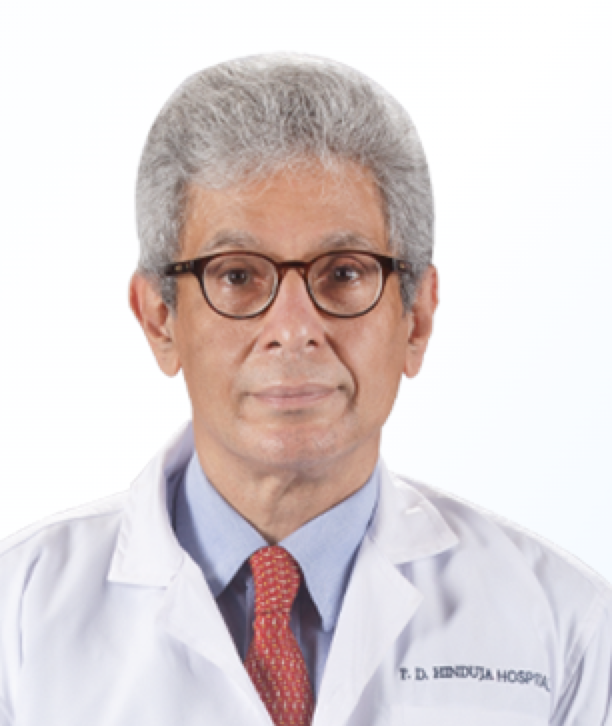 Zarir Udwadia合作论文数P. D. Hinduja National Hospital and Medical Research Centre7Hesseling Anneke C合作论文数7
 Paul H Mason合作论文数7Fisher Dina合作论文数7Hasan Tasnim合作论文数7
 Nhung Nguyen合作论文数Faculty of Technology;University of Bielefeld;Faculty of Technology, University of Bielefeld7
 Giovanni Battista Migliori合作论文数Maugeri6Khanh B Luu合作论文数6
 Dorothy Drabarek合作论文数6Le Thi Ngoc Anh合作论文数6NGUYEN BINH合作论文数6Giovanni Sotgiu合作论文数6
 Nguyen Nhat Linh合作论文数Global Tuberculosis Programme, World Health Organization6
 Vitali Sintchenko合作论文数School of Health Sciences, Faculty of Medicine and Health, The University of Sydney6Shannon McKinn合作论文数School of Public Health, Faculty of Medicine and Health, The University of Sydney6Akkerman Onno合作论文数6
 Emma Mcbryde合作论文数Centre for Clinical Research, The University of Queensland;Faculty of Health, Medicine and Behavioural Sciences, The University of Queensland6
 Rupak Singla合作论文数L.R.S. Institute of Tuberculosis and Respiratory Diseases6Sy Dinh Ngoc合作论文数6




