Head and neck non-melanoma skin cancers (H&N NMSCs) account for most head and neck malignancies. While primary treatment comprises surgery, adjuvant radiation is recommended in advanced tumors. Radiation oncology practice patterns for resected locally advanced (rLA) and locoregional (rLR) H&N NMSCs have not been well characterized. Using data from the Institute for Clinical Evaluative Sciences (ICES) between 2003 and 2019, we conducted a longitudinal, population-based study characterizing disease incidence, survival outcomes, and radiation utilization patterns. Among 2962 rLA and 1055 rLR cases, rLA incidence rose more than tenfold compared to population growth; however rLR incidence remained stable. Radiation oncology consultations occurred in 29.6% of rLA and 50.7% of rLR patients. Increased age, multiple cancers at diagnosis, non-rural demographic, and higher SES were observed to be correlated to receipt of adjuvant radiation treatment. Only 19.4% of rLA and 37.95 of rLR disease received adjuvant RT, which is much lower than expected based on international guidelines. Five-year overall survival (OS) was 69% (95% confidence interval (CI): 67-71%) for rLA and 68% (95% CI: 65-71%) for rLR disease. These findings highlight the burden of advanced H&N NMSC, low rates of radiation utilization and the need for improving referral pathways and guideline adherence.
BACKGROUND:Immigrants are susceptible to marginalization within health care systems, and breast reconstruction after mastectomy is a procedure prone to disparities in delivery. We sought to measure differences in immediate and delayed reconstruction between immigrant and nonimmigrant females with breast cancer in urban Ontario, Canada. METHODS:We conducted a retrospective population-based study using linked administrative databases held at ICES. We included female patients with stage I to III breast cancer, diagnosed from January 2010 through April 2016, who were treated with mastectomy. We excluded those with in situ disease only, missing staging data, another cancer diagnosis, no provincial health coverage, or rural residence. We categorized patients as immigrants if they arrived in Canada from 1985 onward. We compared the proportions of immigrants and nonimmigrants who underwent breast reconstruction. RESULTS:We identified 2174 immigrants and 12 052 nonimmigrants. Immigrants were younger (mean age 53.3 yr v. 62.2 yr) and more often had stage III disease (32.8% v. 29.7%). They were less likely to undergo reconstruction (odds ratio [OR] 0.54, 95% confidence interval [CI] 0.48 to 0.62). In stratified analyses by age (< 50 yr and ≥ 50 yr), compared with nonimmigrants, the odds ratio for reconstruction was 0.51 (95% CI 0.44 to 0.60) in immigrants younger than 50 years and 1.12 (95% CI 0.94 to 1.30) in those aged 50 years and older. The difference between groups was more pronounced for delayed (OR 0.48, 95% CI 0.41 to 0.56) than immediate (OR 0.83, 95% CI 0.68 to 1.00) reconstruction. Immigrants were less likely to undergo reconstruction regardless of disease stage. Those from East Asian or Pacific, South Asian, and sub-Saharan African regions were least likely to undergo reconstruction. CONCLUSION:Immigrant females were less likely to undergo breast reconstruction than nonimmigrant females. This study identified subgroups for further research to understand how to ensure equitable access to this important health care resource.
24 August 2026: This article published in Early View in error. The article is under embargo and will republish on September 30, 2026.
Abstract Estrogen-receptor-positive (ER+) breast cancers (BCs) make up approximately 70%-80% of BC cases and demonstrate low lymphocyte infiltration, mutational burden, and modest objective response rates to immune checkpoint blockade (ICB), making them attractive candidates for novel immunostimulatory combination therapies. Here, we employ CosMx Single Cell Imaging (SMI) technology to spatially profile the transcriptional landscape of ∼6000 targets in 9 ER+ BC patients, both pre- and post-treatment with the anti-PD-1 antibody Cemiplimab, to identify spatially resolved mechanisms of resistance and potential therapeutic targets. After quality control, ∼3.1 million cells across 18 unique tissue sections were analyzed, allowing for robust characterization of immune, stromal, and epithelial cell niches with the ability to identify rare immune cell subsets at a high resolution. Comparing relative abundances of cell types of patients pre- and post-therapy, we see a high concordance of cell-types between tissue sections of the same patient. While 8/9 patients were dominated by Luminal A/B cancer epithelial cells, one patient had purely basal cancer epithelial cells, highlighting the value in spatial transcriptomic platforms for molecular subtyping in BC patients. To define metrics of patient response to Cemiplimab therapy, we quantified changes in tumor-intrinsic inflammatory/immune pathways and leveraged spatial information to calculate changes in tumor-infiltrating lymphocytes (TILs). 3/9 patients showed increased levels of type I/II IFN signaling in the tumor epithelium, 5/9 showed no change, and 1/9 showed a sharp decrease, coinciding with a unique increase in TNF-α signaling via NF-κB. 6/9 patients showed increases in TILs following therapy, defined as the fraction of tumor cells ≤ 0.1 mm from the nearest CD8 T-cell. The patient with the most pronounced decrease in TILs was the same patient who showed reduced IFN signaling previously, indicating agreement between response indicators, and suggesting upregulation of TNFa signaling via NFkB as a resistance mechanism to T-cell invasion. Our early work provides a comprehensive spatially resolved analysis of the mechanisms through which ER+ BCs resist ICB, suggesting that spatially mapped transcriptional programs can uncover actionable resistance pathways, and guide the design of next-generation immunotherapeutic combinations for ER+ BC. Citation Format: Oliver J. De Sa, Megan Hopkins, Angel Arnaout, Arif Awan, Gregory Pond, Jane Bayani, Melanie Spears. Spatial transcriptomic mapping of ER-positive breast tumors reveals immune pathway remodeling and resistance mechanisms following anti-PD-1 therapy [abstract]. In: Proceedings of the American Association for Cancer Research Annual Meeting 2026; Part 1 (Regular Abstracts); 2026 Apr 17-22; San Diego, CA. Philadelphia (PA): AACR; Cancer Res 2026;86(7 Suppl):Abstract nr 3956.
BACKGROUND:Treatment of platinum-refractory recurrent and metastatic head and neck squamous cell carcinoma (r/mHNSCC) involves immune-checkpoint inhibitors. Time toxicity (TT) is an emerging metric with implications for patient quality of life and decision-making. We sought to evaluate TT associated with nivolumab in these patients. METHODS:This is a retrospective single-institution review of patients with platinum-refractory r/mHNSCC seen at an academic cancer center between 1 January 2018 to 31 December 2022 in Ontario, Canada. Primary outcome is TT, defined as any number of days spent undergoing cancer-related activities. RESULTS:Of 56 patients evaluated, median age was 63 years (33-85) and 84% were male. Median overall survival (OS) and grade 3 immune-toxicities were 7.6 months and 6.2%, respectively. Median TT was 24 days (1-109), accounting for 7.6% of OS. TT accounted for 14.9% of OS in poor responders. TT accounted for only 4-6% for patients who survived more than a year. CONCLUSIONS:Our study provides an important and underexplored patient-centered metric in TT, especially in the context of incurable HNSCC with abysmal survival outcome. Our findings suggest that TT varies significantly between responders and non-responders. Duration of TT should be discussed with patients in shared decision-making when discussing palliative nivolumab.
The goals of treatment for people with advanced cancer are to prolong survival and improve symptoms and health-related quality of life (HRQOL). Although many phase 3 randomised clinical trials seek to evaluate HRQOL during treatment, informing individual patients about expected HRQOL outcomes is challenging, as the common method of analysis and reporting compares averages for randomised groups, and clinicians find these data difficult to apply in clinical practice. Symptomatic patients with advanced cancer would like to know the probability that a proposed treatment might improve their survival or their dominant symptoms, and the probability of having treatment-related side-effects. When specifying HRQOL endpoints, we recommend that trialists develop HRQOL hypotheses about which dominant symptoms might be improved due to the initiation of the investigational treatment, and whether aspects of functioning and overall HRQOL will also improve despite the side-effects of the treatment. Validated, disease-specific, patient-reported outcome measures should be used to assess the relevant HRQOL concepts. Changes in HRQOL should be reported as the proportion of patients who have a specified improvement (or deterioration) in these relevant HRQOL scales (ie, as a response criterion), and harmonised standards for such a response criterion are needed.
PURPOSE:Many cancer survivors have ongoing follow-up with their oncologist(s), despite evidence that this care can be competently managed by primary care and transitioning well survivors could relieve growing pressure on cancer care systems. We analyzed population-based administrative data from Ontario, Canada, to examine rates of transition to primary care-led follow-up care during the survivorship phase, including clinical and demographic predictors associated with being transitioned. METHODS:We conducted a retrospective cohort study to describe the patterns of survivorship follow-up care among all patients with breast cancer in Ontario from 2006 to 2016. Data were derived from the Ontario Cancer Registry and other linked data sets. We defined the survivorship phase of care beginning at 2 years after initial diagnosis. Logistic regression was used to explore factors potentially prognostic of no oncology visits in each of the years after survivorship. RESULTS:Our survivorship cohort was composed of 71,719 patients with breast cancer, 42% of whom were considered to have transitioned from oncology to primary care 2 years after diagnosis. Although the number of patients having oncology visits diminished over time, a quarter of the cohort continued being seen in year 5 of survivorship. Regression analysis found older age, early cancer stage, living farther from a cancer center, not receiving radiation or chemotherapy, and high well-being to be associated with transitioning to primary care. CONCLUSION:Our findings contribute to the development of low-risk profiles among survivors to inform optimal transition from oncology to primary care. Further research examining qualitative perspectives from oncologists, cancer survivors, and primary care is also required to illuminate other sentinel factors to be considered when transitioning during follow-up.
Summary: Chronic obstructive pulmonary disease (COPD) and lung cancer are associated diseases. COPD confers a negative prognosis in NSCLC, but the clinical benefit of immune checkpoint inhibitors (ICI) in this population is unclear. A population-level analysis of patients in Ontario, Canada was performed through the ICES (formerly known as the Institute for Clinical Evaluative Sciences) administrative database. Patients with NSCLC and treated with PD-1/PD-L1 immune checkpoint inhibitors between Jan 2010 and Dec 2020 were included. Overall survival (OS) was estimated using the Kaplan-Meier method and compared using Cox proportional hazards regression. Hospitalizations and duration of treatment were compared secondarily using logistic and linear regression. A total of 4306 patients received ICI and 54% of patients had a diagnosis of COPD. Median (95% CI) OS was 9.2 (8.5–9.9) months for patients with COPD and 8.2 (7.3–8.8) for patients without COPD, which was not significantly different (adjusted hazard ratio (aHR) = 0.94, 95% CI, 0.87–1.01, P = 0.092). Similarly, the median time on treatment was not different (85 vs. 99 days, multivariable P = 0.10). However, the 90-day hospitalization rate was decreased in the COPD population (multivariable odds ratio 0.76, 95% CI 0.62–0.94, P = 0.011). Among patients with NSCLC receiving ICI, our data suggest that a diagnosis of COPD does not result in shortened treatment, poorer survival, or higher rates of hospitalization. COPD itself should not be considered a contraindication to ICI.
Background: As patients with HER2+ metastatic breast cancer (MBC) live longer and survive to experience spread of cancer to the brain, the incidence of leptomeningeal disease (LMD) is increasing. Unfortunately, patients with HER2+ LMD have a very poor prognosis with limited treatment options. Patients with LMD were excluded from the pivotal HER2CLIMB trial, which demonstrated intra-cranial activity of tucatinib, trastuzumab and capecitabine and prolonged survival among patients with HER2+ MBC. Methods: A multi-center phase II, single arm feasibility study with a safety run-in of 6 patients. The sample size will include 30 patients in total across participating centres in Ontario, Canada. Intervention: In phase 1, brain and/or spinal radiotherapy (XRT) will be administered. Areas in the brain and spine will be treated as per the discretion of the treating radiation oncologist. In phase 2, patients will commence systemic therapy between 7 days and up to 21 days after completion of brain and/or spinal XRT. Tucatinib, trastuzumab (Ogivri; MYL-1401O) and capecitabine will be administered as per the HER2CLIMB protocol; however, the addition of capecitabine may be delayed and commence during Cycle 2, at the discretion of the treating physician to allow for adequate recovery from XRT. Treatment will continue until disease progression or unacceptable toxicity. Patients who receive XRT but do not pass through the second phase of eligibility will not be counted towards the total patient number and will be followed for survival only. If >70% of enrolled patients experience one or more grade 3+ attributable AEs or SAEs, or >25% experience one or more grade 4+ attributable AEs or SAEs, these instances will be reported to the Data and Safety Monitoring Board (DSMB) in a timely fashion and will trigger review by the DSMB. The trial will continue until the DSMB reviews AE reports and decides whether or not the trial needs to be halted or terminated. Key inclusion criteria: 1. Men or women with HER2+ MBC. HER2+ status will be defined in accordance with ASCO-CAP 2018 guidelines, and can be diagnosed at any time prior to enrolment; 2. Evidence of LMD* in the brain and/or spine (either positive cerebral spinal fluid cytology and/or magnetic resonance imaging evidence of LMD). Measurable disease in the central nervous system is not required. *The diagnosis of LMD can occur at any time prior to enrolment; 3. Age 18+ at time of consent; 4. ECOG ≤ 2. Key exclusion criteria: 1. Prior whole brain radiotherapy (prior stereotactic radiosurgery for parenchymal brain metastases received ≥7 days prior to consent is permitted); 2. Prior therapy specifically directed at LMD, including prior radiotherapy or systemic therapy; 3. Prior use of tucatinib at any time prior to enrollment. Primary outcome: Overall survival (OS) from the start of XRT. Secondary outcomes: i) Time to central nervous system (CNS) progression from the start of XRT; ii) Safety and tolerability (CTCAE v.5.0); iii) Progression free survival from the start of XRT; iv) CNS specific objective response (RANO-BM); v) Extracranial objective response (RECIST v1.1); vi) Neurologic-specific quality of life (QoL) (FACT-BR v.4); vii) Overall QoL (EORTC QLQ-C30 v.3). Analyses: OS will be measured from start of XRT until the date of death (from any cause, assessed up to 3 years), or censored at the last known follow-up. Kaplan-Meier curves will be used to present the time to event data. In addition to the median and 95% confidence interval, estimates of OS at different time points from the Kaplan-Meier survival curve will be tabulated. Accrual: This study opened for enrollment at the Sunnybrook Odette Cancer Centre in December 2023 and will open at the Ottawa Hospital Cancer Centre in July 2024. To-date (July 3, 2024), 4 patients have enrolled. The expected accrual period is 18 to 24 months. Citation Format: Katarzyna J. Jerzak, Marie-France Savard, Mary-Jane Lim-Fat, Gregory Pond, Hany Soliman, Arjun Sahgal. Tucatinib, Trastuzumab and Capecitabine with brain and/or spinal radiotherapy (XRT) in patients with HER2+ metastatic breast cancer and leptomeningeal disease: A multi-centre phase II, single arm feasibility study ("CLIMB LMD"; NCT06016387) [abstract]. In: Proceedings of the San Antonio Breast Cancer Symposium 2024; 2024 Dec 10-13; San Antonio, TX. Philadelphia (PA): AACR; Clin Cancer Res 2025;31(12 Suppl):Abstract nr P3-08-22.
Background: Chimeric Antigen Receptor T-cell (CAR-T) therapy has transformed the treatment landscape for relapsed and refractory B-cell malignancies. There is limited understanding of how Canada's large geographic area impacts CAR-T delivery and treatment response. Purpose: To evaluate the impact of distance to CAR-T centre on referral-to-infusion time, T-cell harvest to CAR-T infusion (vein-to-vein) time, bridging therapy use, treatment response, overall survival (OS), and immunoglobulin replacement practices. Methods: This single-centre retrospective cohort study included adults receiving CAR-T therapy at the Juravinski Cancer Centre (JCC) in Hamilton, Ontario between January 2020 and September 2024. Prospectively collected data was gathered from a local CAR-T patient registry. Patients were assigned to 4 distanced based cohorts (<20 km, 20-59.9 km, 60-149.9 km, and ≥150 km from the JCC based on postal code), and to either a CAR-T or non-CAR-T centre (referring centre) cohort. ANOVA, Wilcox rank sum test, and chi-square tests were used to determine predictors of referral-to-infusion time, vein-to-vein time, bridging therapy use, rates of complete and partial response (CR/PR), and immunoglobulin replacement. Kaplan-Meier and log-rank tests were used to assess OS. Results: Of the 146 patients included in this study, there was no significant difference in age, disease pathology, previous lines of therapy, or CAR-T products used amongst the CAR-T centre or non-CAR-T centre cohorts. Median referral-to-infusion times did not differ between distance cohorts, <20 km, 20-59.9 km, 60-149.9 km, and ≥150 km (43, 44, 42, and 47 days; p=0.79). Median vein-to-vein times also did not differ (41, 36, 37, and 37 days; p=0.15). Bridging therapy use differed amongst distance cohorts (85.2%, 83.3%, 69.6%, and 48% (p=0.005)). There was no significant difference in CR/PR rates amongst distance cohorts (59.3%, 47.8%, 54.6%, and 60% (p=0.96)). Distance did not predict immunoglobulin replacement rates (52%, 63%, 46%, and 44% receiving immunoglobulin products; p=0.55) or median duration of replacement (124, 135, 75, and 114 days; p=0.16). 53%, 57%, 67%, and 45% were documented as eventually discontinuing immunoglobulin products (p=0.69). 2-year OS was not significantly different amongst distance cohorts (57.5%, 37.5%, 42.7%, and 75.6% (p=0.079). Amongst treatment centre cohorts, median referral-to-infusion times were shorter in patients referred from a CAR-T versus a non-CAR-T centre (38 vs. 46 days; p=0.0071). Vein-to-vein times did not differ between CAR-T and non-CAR-T centre cohorts (37 vs. 36 days; p=0.84). CR/PR rates also did not differ between CAR-T and non-CAR-T centre cohorts (53.9% vs. 54.5%; p=0.96). More patients received bridging therapy in the CAR-T compared to the non-CAR-T centre cohort (92.3% vs. 66.4%; p=0.002). There was no significant difference in immunoglobulin use (58% vs. 50%; p=0.43) or median duration of replacement (154 vs. 133 days; p=0.89) in the CAR-T versus non-CAR-T centre cohorts; although more patients discontinued immunoglobulin replacement in the non-CAR-T centre cohort (34% vs. 58%; p=0.02). There was no significant difference in 2-year OS between CAR-T and non-CAR-T centre cohorts (43.8% vs. 54.5% p=0.84). Conclusions: Vein-to-vein time, treatment response, immunoglobulin replacement, and 2-year OS did not significantly differ amongst CAR-T centre and non-CAR-T centre cohorts, supporting the feasibility of CAR-T delivery across large geographic areas. Shorter referral-to-infusion times in the CAR-T centre cohort were likely due to singular physicians acting as both lymphoma and CAR-T providers, which did not affect vein-to-vein times. Patients residing further away or referred from non-CAR-T centres were less likely to require bridging therapy for disease control, suggesting that distant centres are referring a more stable patient population. Patients referred from non-CAR-T centres had higher immunoglobulin discontinuation rates, which may reflect centre-to-centre practice pattern variation. Future research comparing other CAR-T centres with large geographic disparities would be beneficial.
BACKGROUND:Locally advanced unresectable or metastatic head and neck squamous cell carcinoma carries a poor prognosis with limited palliative systemic treatment options. We sought to evaluate clinic-pathological characteristics associated with favorable responses to palliative-intent immunotherapy. METHODS:A retrospective cohort study was conducted of adult patients with recurrent or metastatic head and neck squamous (rmHNSCC) cell carcinoma at the Juravinski Cancer Center from 1 January 2018 to 31 December 2022. Baseline demographic and disease characteristics, treatment delivered, and outcome data were collected. RESULTS:A total of 96 patients were identified. Median age was 61 years (75.9% male). The most common primary was oropharyngeal. The majority of patients were platinum-ineligible or refractory (61.5%). The median overall survival was 12.6 months (95% CI 6.3-15.4), and median PFS was 5.3 months (95% CI 3.8-7.8). After univariate and multivariate analyses, the systemic immune-inflammation index (SII), albumin, and BMI were identified as independently significant prognostic factors for survival. CONCLUSION:SII, albumin, and BMI were the strongest independent prognostic factors of overall survival in rmHNSCC patients treated with palliative immunotherapy. Future validation studies would be important, given these are inexpensive, noninvasive tests and may be potentially modifiable patient factors.
Small datasets are common in health research. However, the generalization performance of machine learning models is suboptimal when the training datasets are small. To address this, data augmentation is one solution. Augmentation increases sample size and is seen as a form of regularization that increases the diversity of small datasets, leading them to perform better on unseen data. We found that augmentation improves prognostic performance for datasets that: have fewer observations, with smaller baseline AUC, have higher cardinality categorical variables, and have more balanced outcome variables. No specific generative model consistently outperformed the others. We developed a decision support model that can be used to inform analysts if augmentation would be useful. For seven small application datasets, augmenting the existing data results in an increase in AUC between 4.31
e23023 Background: Oncologic drug development is costly and protracted, often exceeding $2 billion USD and spanning over a decade. Window-of-Opportunity (WOO) clinical trials offer a novel, time-efficient approach for evaluating therapeutic strategies in treatment-naïve or recurrent cancer patients. Despite their potential, WOO trials face barriers such as low patient accrual and challenges associated with engaging early-stage cancer patients. We propose a structured patient partner (PP) model to enhance the design and execution of WOO trials, aimed at addressing accrual barriers and improving trial relevance and feasibility for trial participants. Methods: The Ontario Institute for Cancer Research (OICR) WOO Network implemented a five-step framework—acknowledge, appoint, apply, assess, and adjust—to facilitate meaningful PP engagement in WOO trials. This approach involved identifying and appointing PPs to specific trials aligned with their lived experience and expertise, providing comprehensive onboarding and training, and integrating their feedback into key trial components, including protocols, informed consent documents, and recruitment strategies. Patient engagement was evaluated annually over a three-year period (2022–2025) using the validated Patient Engagement in Research Scale (PEIRS-22). Results: Over three years, ten PPs contributed to nine WOO trials with 6, 7 and 6 PIERS assessments reported in 2022-2024 respectively. Each year, the PIERS feedback was used to determine refinements to improve the PP model. The median (IQR) overall engagement score was 87.5% (79.5%-95.5%), 85.2% (80.7%-97.7%) and 93.2% (79.8%-99.7%) by year respectively. Median scores across each of the 7 domains remained relatively constant across all three years, with the largest absolute improvement occurring in the general experience domain (22.5 to 25.5) and team environment domain (6.5 to 8.0), and no domain decreasing by more than 0.5 points. Conclusions: Meaningful engagement of PPs in clinical trials requires a deliberate, structured approach that integrates them at critical stages of the trial lifecycle, combined with robust evaluation mechanisms to identify areas for improvement to drive continuous refinement. Future efforts will prioritize careful evaluation of the impact of successful PP engagement on improving trial accrual outcomes.
BACKGROUND:While the distribution of frailty status in patients with multiple myeloma (MM) has been documented at a single time point, there is limited data examining how frailty changes over time in this population. PATIENTS AND METHODS:Patients aged > 18 years initiating treatment for newly diagnosed or relapsed MM between Aug 2021 and Jul 2023 across 3 sites in Ontario, Canada were enrolled. Frailty assessments were conducted at two time points (baseline and 12-months) using 4 frailty categorization tools: 1) the IMWG frailty index, 2) the Simplified frailty index, 3) the Mayo frailty index, and 4) the Fried frailty phenotype. At baseline and the 12-month follow-up, the frequency and proportion of patients were calculated for both frailty categorization (i.e., non-frail, frail) and continuous frailty scores (i.e., scores 0-5). RESULTS:A total of 116 patients with newly diagnosed or relapsed MM were evaluated for frailty assessments at baseline and after a 12-month follow-up, using 4 different frailty indices. Changes in frailty status across the cohort varied from 13.8% to 37.1%, due to differences in how frailty was defined between each frailty index. In comparison, changes in continuous frailty score across the cohort varied from 20.7% to 51.7%. A total of 17.2% of patients experienced a reduction in gait speed of at least 0.1 m/s. CONCLUSION:This study demonstrates the dynamic nature of frailty highlighting that a one-time baseline frailty measurement may not be adequate. Additionally, continuous frailty scores may be more sensitive to early improvements/deteriorations in frailty that may go undetected using categorical frailty assessments.
Ionizing radiotherapy (RT) can potentially enhance anti-tumour responses to immune checkpoint inhibitors. In doses of 6-9Gy/fraction, RT releases free cytosolic DNA which upregulates cyclic GMP-AMP synthase pathways (cGAS-STING) and increases tumor infiltrating CD8+ T-lymphocytes, inflammatory cytokines, programmed-death ligand 1 (PD-L1) expression, and antigen presentation. However >12Gy/fraction RT may paradoxically upregulate TREX1, degrade cytosolic DNA and lead to immunosuppression. We conducted a WOO trial to explore an immunomodulating dose of RT with anti-PD-L1 in patients with MIBC. Eligible patients had histologically confirmed urothelial carcinoma AJCC stage T2-T4aN0, planned for radical cystectomy, ECOG PS 0-2, and ineligible or refused neoadjuvant cisplatin-based chemotherapy. Patients received a single 8-Gy fraction of RT to bladder followed 4 days later by durvalumab 1500mg IV q3week x3. Cystectomy was performed 7-35 days after last durvalumab. Primary endpoint was pathological complete response (pCR: ypT0N0). Secondary endpoints were safety, pathological response (pCR: ypTisN0), recurrence-free survival, overall survival, and tumor/blood correlatives. Transurethral resection of bladder tumor (TURBT) and cystectomy samples were profiled using the Oncomine Comprehensive Assay Plus (DNA), Ion AmpliSeq (RNA), and GeoMx Digital Spatial Profiling (protein). 14 patients were enrolled with clinical stage T2 (n=9), T3 (n=3), and T4 (n=2). 5 (36%) had multifocal disease, 7 (50%) had associated carcinoma in situ, 4 (29%) had prior intravesicular therapy, and 11 (79%) had optimal TURBT prior to cystectomy. All patients received 8Gy RT and 3 cycles of durvalumab. Durvalumab-related grade 1-2 adverse events (AE) were hypothyroidism (2), fatigue (1), shoulder pain (1), alkaline phosphatase increase (1), AST elevation (1), and pruritis (1). RT related grade 1-2 AEs were fatigue (2), dysuria (2), and rash (1). There were no related grade 3+ adverse events or surgical delays due to RT or durvalumab. PCR was obtained in 7/14 (50%); PR was demonstrated in 8/14 (57%) and more likely to occur in patients with multifocal disease and optimal TURBT. Luminal TCGA subtype, DNA damage repair gene alterations and high tumor mutational burden (≥10 mut/Mb) were enriched in PR (75%, 50% and 50% respectively) compared with non-PR (33%, 17%, and 33%). The 12 and 18-month landmark survival for PR vs non-PR was 83.3 vs 62.5% and 83.3 vs 31.5% respectively. Immune modulating doses of RT and durvalumab were associated with a high pCR and PR rates with excellent tolerability. Further exploration of hypofractionated bladder RT schemes with anti-PD-L1 are warranted. Megan Hopkins, Deepak Dinakaran, Aly-Khan A. Lalani, Naveen S. Basappa, Melissa Huynh, Drashti Jain, Vida Talebian, Marc Walsh, Gregory R. Pond, Ricardo Ferandes, Ilias Cagiannos, Scott Morgan, Mark Corkum, Dominick Bosse, Martin N. Reaume, Ana-Alicia Beltran-Bless, Christina Canil, Melanie Spears, Michael Ong. RADIANT: A window of opportunity trial exploring preoperative immunomodulatory radiotherapy and durvalumab prior to radical cystectomy in patients with cisplatin-ineligible muscle-invasive bladder carcinoma [abstract]. In: Proceedings of the American Association for Cancer Research Annual Meeting 2025; Part 2 (Late-Breaking, Clinical Trial, and Invited Abstracts); 2025 Apr 25-30; Chicago, IL. Philadelphia (PA): AACR; Cancer Res 2025;85(8_Suppl_2):Abstract nr CT128.
Clinico-pathologic (including nomograms) and genomic tools are widely used to determine prognosis and predict benefit from treatment in early breast cancer (EBC). However, little is reported on patient perceptions of these tools and whether they enhance understanding of their individual risk of recurrence or benefits from therapy. Patients with EBC were surveyed to evaluate the use of prognostic/predictive tools in clinical practice and their self-reported recurrence risk. Their actual risk of local, contralateral and distant recurrence was estimated using the INFLUENCE 2.0 tool. Information was also collected on key aspects that patients wanted these tools to address, as well as the anticipated benefits that would make receiving chemotherapy worthwhile from their perspective. Completed surveys were received from 210 patients. Despite the use of NHS PREDICT 2.1 in 50
 Guru P. Sonpavde合作论文数Department of Medical Oncology, Dana-Farber/Harvard Cancer Center, Dana-Farber Cancer Institute115
 Lillian Siu (萧丽欣)合作论文数Cancer Clinical Research Unit, Princess Margaret Cancer Centre;University of Toronto;Ontario Institute for Cancer Research;Princess Margaret Hospital69
 Mark Clemens合作论文数Division of Medical Oncology, The Ottawa Hospital Cancer Centre;Department of Medicine, University of Ottawa;Cancer Therapeutics Program, Ottawa Hospital Research Institute67
 Vandermeer Lisa合作论文数59
 Hsien Seow合作论文数Cancer Care Ontario (D.D., S.K., H.A., C.S.), Toronto, Ontario;Palliative Care Medicine Program, Queen's University;and Mississauga Halton Community Care Access Center (V.V.),;and Bloomberg School of Public Health (H.S.),, Johns Hopkins University;Queen's University, Johns Hopkins University48
 Eric Xueyu Chen合作论文数Leslie Dan Faculty of Pharmacy, University of Toronto;Cancer Clinical Research Unit, Princess Margaret Cancer Centre, University Health Network47
 Ian Tannock合作论文数Temerty Faculty of Medicine, University of Toronto47
 Andrea Necchi合作论文数Urological Research Institute, IRCCS San Raffaele Hospital and Scientific Institute;Department of Medical Oncology, Università Vita-Salute San Raffaele;Ospedale San Raffaele41
 Mark Norman Levine合作论文数Escarpment Cancer Research Institute, Faculty of Health Sciences, McMaster University;Centre for Medicinal Cannabis Research, Faculty of Health Sciences, McMaster University39
 Joaquim Bellmunt合作论文数Harvard Medical School;Bladder Cancer Center, Dana Farber Cancer Institute38
 John Hilton合作论文数Department of Medicine, Faculty of Medicine, University of Ottawa;Ottawa Hospital Cancer Centre37
 Amit M Oza合作论文数Division of Medical Oncology and Hematology, University Health Network;Department of Medicine, University of Toronto;Princess Margaret Hospital, University of Toronto33
 Gunter Niegisch合作论文数Med Fac, Heinrich Heine Univ30
 Toni Choueiri合作论文数Lank Center for Genitourinary (GU) Oncology, Dana-Farber Cancer Institute;Harvard Medical School;Brigham and Women's Hospital30
 Malcolm J Moore合作论文数Department of Medical Oncology and Hematology, Princess Margaret Cancer Centre, University of Toronto30
 Giuseppe Di Lorenzo合作论文数Università degli Studi del Molise30
 Matthew Galsky合作论文数The Tisch Cancer Institute, Icahn School of Medicine at Mount Sinai;Graduate School of Biomedical Sciences, Icahn School of Medicine at Mount Sinai29Mian Hira S合作论文数28
 Peter Ellis合作论文数Faculty of Health Sciences, McMaster University28Janette Vardy合作论文数School of Medicine, Faculty of Medicine and Health, The University of Sydney27Anand Swaminath合作论文数27
 Srikala Sridhar合作论文数Department of Medicine, University of Toronto;Princess Margaret Cancer Center24
 Sebastien Hotte合作论文数Division of Medical Oncology, Department of Oncology, Faculty of Health Sciences, McMaster University;Juravinski Cancer Centre24
 Brian Hutton合作论文数School of Epidemiology and Public Health, Faculty of Medicine, University of Ottawa;Ottawa Hospital Research Institute;Royal Ottawa Institute of Mental Health Research24
 Jonathan Sussman合作论文数Department of Oncology, McMaster University23
 Limor Helpman合作论文数Sackler Faculty of Medicine, Tel-Aviv University23Eric Winquist合作论文数London Health Sciences Centre23Laurie Elit合作论文数22Melanie Spears合作论文数Department of Laboratory Medicine and Pathobiology, Temerty Faculty of Medicine, University of Toronto21
 Jonathan E. Rosenberg合作论文数Division of Solid Tumor Oncology, Memorial Sloan Kettering Cancer Center;Joan & Sanford I. Weill Medical College, Cornell University21
 Theos Tsakiridis合作论文数Faculty of Health Sciences, McMaster University20John R. Goffin合作论文数Juravinski Cancer Centre, McMaster University19Haryana Dhillon合作论文数School of Psychology, Faculty of Science, The University of Sydney18
 Janet Dancey合作论文数Department of Oncology, School of Medicine, Queen's University;Canadian Cancer Trials Group, Queen's University18
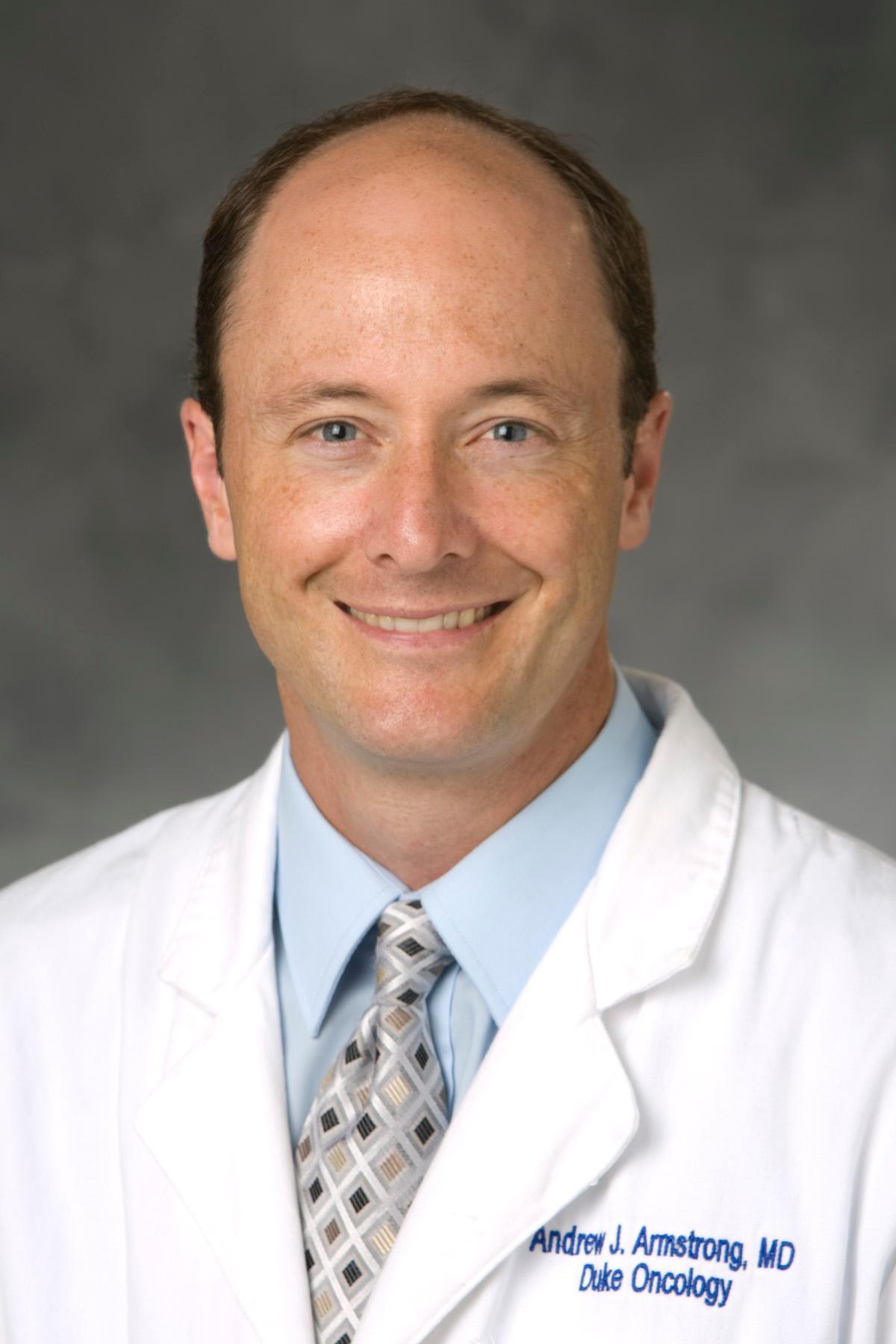 Andrew John Armstrong合作论文数Department of Medicine, School of Medicine, Duke University18Angel Arnaout合作论文数17
 Neeraj Agarwal合作论文数Fred Hutchinson Cancer Research Center, University of Washington;Harborview Medical Center, University of Washington;Yoshio Inoue, Multicare Regional Cancer Center;Huntsman Cancer Institute, University of Utah;Sumanta K. Pal, City of Hope;Norris Comprehensive Cancer Center, University of Southern California;Ajjai Alva, University of Michigan;Karmanos Cancer Center, Wayne State University;Elaine T. Lam, University of Colorado;Morisani College of Medicine, University of South Florida;Hollings Cancer Center, Medical University of South Carolina;British Columbia Cancer Agency, University of British Columbia;Nicholas J. Vogelzang, Comprehensive Cancer Centers of Nevada;University of Texas Health Science Center at San Antonio;University of Washington, University of Texas Health Science Center at San Antonio17
 Terry Ng合作论文数17
 Juanita M. Crook合作论文数Department of Surgery, Faculty of Medicine, University of British Columbia;Cancer Centre for the Southern Interior17C Curran合作论文数16Carol Stober合作论文数16
 Katarzyna Jerzak合作论文数Institute of Medical Science, Temerty Faculty of Medicine, University of Toronto;Sunnybrook Health Science Centre16
 Jane Bayani合作论文数Department of Laboratory Medicine and Pathobiology, Temerty Faculty of Medicine, University of Toronto16
 Ming-Sound Tsao合作论文数Princess Margaret Cancer Centre;Department of Laboratory Medicine and Pathobiology, University of Toronto;Department of Medical Biophysics, University of Toronto16
 Arif Ali Awan合作论文数15
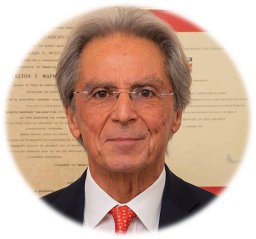 Christos Markopoulos合作论文数School of Medicine, National and Kapodistrian University of Athens15
 John M.S. Bartlett合作论文数Department of Laboratory Medicine & Pathobiology, Temerty Faculty of Medicine, University of Toronto;Diagnostic Development, Ontario Institute for Cancer Research;The University of Edinburgh15
 Ulka Vaishampayan合作论文数Rogel Cancer Center, University of Michigan15
 Sukhbinder Dhesy-Thind合作论文数Faculty of Health Sciences, McMaster University15




