At deep-sea hydrothermal vents, magmatically driven rock-water reactions in the crust generate gases and other reduced compounds that subseafloor microorganisms use for chemolithoautotrophy. In this study, microbial autotrophs from three diffuse flow hydrothermal vents at Axial Seamount in 2013 and 2014 were isotopically labeled using RNA stable isotope probing, targeting subseafloor autotrophic mesophiles (30°C), thermophiles (55°C), and hyperthermophiles (80°C). We constructed taxonomic and functional profiles of active chemolithoautotrophs, examined population distributions across sites, and linked primary producers to their specific metabolic strategies within the subseafloor community. Dominant autotrophs exhibited hydrogen-dependent dissimilatory metabolisms, such as sulfur and nitrate reduction and methanogenesis, as well as microaerophilic sulfide oxidation even at 80°C, consistent with fluid chemistries at each site. While hydrogenotrophic methanogenic archaea (Methanothermococcus) were restricted in their distribution and activity, hydrogenotrophic sulfur and nitrate reducers from the Aquificota (Thermovibrio) and Campylobacterota (Nautiliaceae, Hydrogenimonas, and Desulfurobacteriaceae) were consistently active and present at all sites and years at both the population and community levels. Hydrogenase transcripts were significantly differentially expressed, and diverse hydrogenases were found in metagenome-assembled genomes of Aquificota members, highlighting the importance and versatility of their hydrogen utilization strategies, which likely contribute to their cosmopolitan distribution across geochemically disparate subseafloor sites. Together, this study provides new insights into the functional dynamics and distribution of key subseafloor autotrophic microbial communities in young oceanic crust at deep-sea hydrothermal vents. IMPORTANCE:Deep-sea hydrothermal vents are hotspots for life in the dark ocean, where rich animal ecosystems are supported by microbial primary producers utilizing the abundant chemical energy supplied by high-temperature water-rock reactions. Despite increasing knowledge about the geochemistry and microbiology of deep-sea hydrothermal vents, there is still a gap in our understanding of the key microbial players who fix much of the carbon at these sites, especially in the productive subseafloor. In this study, stable isotope probing was used to label active microbial autotrophs in diffuse flow venting fluids from three sites over 2 years and was combined with metatranscriptomic sequencing to identify their specific metabolic strategies. This research highlights the microbial community composition, function, gene regulation, and population dynamics that enable hydrothermal ecosystems to persist.
Sunlight driven transformations of plastics to dissolved organic carbon (DOC) is an important fate for plastic pollution in the ocean; however, the impact on microbial communities, including their abilities to adapt and metabolize plastic photo-products, is less understood. In this study, we characterized the photoreactivity of four common single-use plastic materials—polyethylene (PE), polyethylene terephthalate (PET), polylactic acid (PLA), and polystyrene (PS). The aromatic polymers (PS and PET) were notably more photoreactive than the aliphatic polymers (PE and PLA). PET and PS were photodegraded into compositionally similar DOC, and coastal microbial communities readily and similarly adapted their structure and function to metabolize the PET and PS photo-products. Comparative metagenomic analysis revealed that the compositionally similar photo-products uniformly affected metabolism of aromatics and carboxylic acids. Collectively, our findings indicate that coastal marine microbes are genetically equipped to readily metabolize PET and PS photo-products, suggesting these degradation products are less likely to persist and that strategies to enhance photodegradation may prove effective at mitigating plastic pollution.
The aquifer in subseafloor igneous basement is a massive, continuous microbial substrate, yet sparingly little is known about life in this habitat. The work to date has focused largely on describing microbial diversity in young basement (<10 Ma) at oceanic spreading regions and ridge flanks, where the basaltic crust is still porous and fluid flow through it is active. While the prevailing belief used to be that fluid flow through older parts of the seafloor was non-existent, recent heat flow models predict that fluid moves through subseafloor basement >65 Ma, and that seamounts can act as mid-plate conduits for fluids into and out of the subsurface aquifer in older crustal settings. Here we test the hypothesis that microbial life exists in subseafloor basement >65Ma using samples collected from the Louisville Seamount Chain via seafloor drilling. Cell biomass was heterogeneous in nature and ranged from below detection to ∼10 4 cells cm -3 . Bacterial 16S rRNA genes from core samples and enrichment incubations are dominated by lineages putatively carrying out hydrocarbon oxidation and nitrogen, sulfur and metal redox processes. Samples from two different seamounts were statistically different, indicating some degree of biogeography. Archaea were not detected via quantitative polymerase chain reaction, indicating they are rare in the Louisville subsurface. Taken together, the data indicate that microbial life is indeed present in subseafloor igneous basement >65 Ma, which significantly expands the range of the subseafloor biosphere where microbial life is known to exist. Impact Statement The aquifer in subseafloor igneous basement is the largest continuous microbial substrate on Earth, but it is difficult to access and therefore understudied. We here collected samples from the Louisville Seamount Chain using seafloor drilling to determine if microbial life exists in the >65 Ma subseafloor basement made at these seamounts. A low biomass environment dominated by Bacteria potentially capable of using the Fe and S inherent in subseafloor basalt was detected, including Bacteria that were revived in enrichment experiments. This discovery expands the range of seafloor where confirmed microbial life exists and indicates the interior of seamounts is habitable.
Modern microbial mats are potential analogues for Proterozoic ecosystems, yet only a few studies have characterized mats under low-oxygen conditions that are relevant to Proterozoic environments. Here, we use protein-stable isotope fingerprinting (P-SIF) to determine the protein carbon isotope (δ13C) values of autotrophic, heterotrophic, and mixotrophic organisms in a benthic microbial mat from the low-oxygen Middle Island Sinkhole, Lake Huron, USA (MIS). We also measure the δ13C values of the sugar moieties of exopolysaccharides (EPS) within the mat to explore the relationships between cyanobacterial exudates and heterotrophic anabolic carbon uptake. Our results show that Cyanobacteria (autotrophs) are 13C-depleted, relative to sulfate-reducing bacteria (heterotrophs), and 13C-enriched, relative to sulfur oxidizing bacteria (autotrophs or mixotrophs). We also find that the pentose moieties of EPS are systematically enriched in 13C, relative to the hexose moieties of EPS. We hypothesize that these isotopic patterns reflect cyanobacterial metabolic pathways, particularly phosphoketolase, that are relatively more active in low-oxygen mat environments, rather than oxygenated mat environments. This results in isotopically more heterogeneous C sources in low-oxygen mats. While this might partially explain the isotopic variability observed in Proterozoic mat facies, further work is necessary to systematically characterize the isotopic fractionations that are associated with the synthesis of cyanobacterial exudates. IMPORTANCE The δ13C compositions of heterotrophic microorganisms are dictated by the δ13C compositions of their organic carbon sources. In both modern and ancient photosynthetic microbial mats, photosynthetic exudates are the most likely source of organic carbon for heterotrophs. We measured the δ13C values of autotrophic, heterotrophic, and mixotrophic bacteria as well as the δ13C value of the most abundant photosynthetic exudate (exopolysaccharide) in a modern analogue for a Proterozoic environment. Given these data, future studies will be better equipped to estimate the most likely carbon source for heterotrophs in both modern environments as well as in Proterozoic environments preserved in the rock record.
Seasonal changes in light and physicochemical conditions have strong impacts on cyanobacteria, but how they affect community structure, metabolism, and biogeochemistry of cyanobacterial mats remains unclear. Light may be particularly influential for cyanobacterial mats exposed to sulphide by altering the balance of oxygenic photosynthesis and sulphide-driven anoxygenic photosynthesis. We studied temporal shifts in irradiance, water chemistry, and community structure and function of microbial mats in the Middle Island Sinkhole (MIS), where anoxic and sulphate-rich groundwater provides habitat for cyanobacteria that conduct both oxygenic and anoxygenic photosynthesis. Seasonal changes in light and groundwater chemistry were accompanied by shifts in bacterial community composition, with a succession of dominant cyanobacteria from Phormidium to Planktothrix, and an increase in diatoms, sulphur-oxidizing bacteria, and sulphate-reducing bacteria from summer to autumn. Differential abundance of cyanobacterial light-harvesting proteins likely reflects a physiological response of cyanobacteria to light level. Beggiatoa sulphur oxidation proteins were more abundant in autumn. Correlated abundances of taxa through time suggest interactions between sulphur oxidizers and sulphate reducers, sulphate reducers and heterotrophs, and cyanobacteria and heterotrophs. These results support the conclusion that seasonal change, including light availability, has a strong influence on community composition and biogeochemical cycling of sulphur and O2 in cyanobacterial mats.
Some microscopic organisms grow together to build structures known as microbial mats. These mats are formed from several layers with different colors, and their structure depends on environmental conditions such as sunlight, humidity, and available food. Microbial mats are found in oceans, lakes, and coastal lagoons, as well as in extreme environments like deserts, polar regions, and hot springs. The study of fossils indicates that microbial mats were a common form of life on early Earth, and they have persisted on our planet ever since! Therefore, the study of modern mats helps us to understand microbial life in the past, and how they might help to regulate the Earth’s climate. Scientists believe that microbial mats can prosper on rocky planets like Earth, so they are studying mats in different terrestrial environments to help them to recognize evidence indicating the presence of mats on other worlds.
Cyanobacterial mats profoundly influenced Earth's biological and geochemical evolution and still play important ecological roles in the modern world. However, the biogeochemical functioning of cyanobacterial mats under persistent low-O2 conditions, which dominated their evolutionary history, is not well understood. To investigate how different metabolic and biogeochemical functions are partitioned among community members, we conducted metagenomics and metatranscriptomics on cyanobacterial mats in the low-O2, sulfidic Middle Island sinkhole (MIS) in Lake Huron. Metagenomic assembly and binning yielded 144 draft metagenome assembled genomes, including 61 of medium quality or better, and the dominant cyanobacteria and numerous Proteobacteria involved in sulfur cycling. Strains of a Phormidium autumnale-like cyanobacterium dominated the metagenome and metatranscriptome. Transcripts for the photosynthetic reaction core genes psaA and psbA were abundant in both day and night. Multiple types of psbA genes were expressed from each cyanobacterium, and the dominant psbA transcripts were from an atypical microaerobic type of D1 protein from Phormidium. Further, cyanobacterial transcripts for photosystem I genes were more abundant than those for photosystem II, and two types of Phormidium sulfide quinone reductase were recovered, consistent with anoxygenic photosynthesis via photosystem I in the presence of sulfide. Transcripts indicate active sulfur oxidation and reduction within the cyanobacterial mat, predominately by Gammaproteobacteria and Deltaproteobacteria, respectively. Overall, these genomic and transcriptomic results link specific microbial groups to metabolic processes that underpin primary production and biogeochemical cycling in a low-O2 cyanobacterial mat and suggest mechanisms for tightly coupled cycling of oxygen and sulfur compounds in the mat ecosystem. IMPORTANCE Cyanobacterial mats are dense communities of microorganisms that contain photosynthetic cyanobacteria along with a host of other bacterial species that play important yet still poorly understood roles in this ecosystem. Although such cyanobacterial mats were critical agents of Earth's biological and chemical evolution through geological time, little is known about how they function under the low-oxygen conditions that characterized most of their natural history. Here, we performed sequencing of the DNA and RNA of modern cyanobacterial mat communities under low-oxygen and sulfur-rich conditions from the Middle Island sinkhole in Lake Huron. The results reveal the organisms and metabolic pathways that are responsible for both oxygen-producing and non-oxygen-producing photosynthesis as well as interconversions of sulfur that likely shape how much O2 is produced in such ecosystems. These findings indicate tight metabolic reactions between community members that help to explain the limited the amount of O2 produced in cyanobacterial mat ecosystems.
The sedimentary pyrite sulfur isotope (δ34S) record is an archive of ancient microbial sulfur cycling and environmental conditions. Interpretations of pyrite δ34S signatures in sediments deposited in microbial mat ecosystems are based on studies of modern microbial mat porewater sulfide δ34S geochemistry. Pyrite δ34S values often capture δ34S signatures of porewater sulfide at the location of pyrite formation. However, microbial mats are dynamic environments in which biogeochemical cycling shifts vertically on diurnal cycles. Therefore, there is a need to study how the location of pyrite formation impacts pyrite δ34S patterns in these dynamic systems. Here, we present diurnal porewater sulfide δ34S trends and δ34S values of pyrite and iron monosulfides from Middle Island Sinkhole, Lake Huron. The sediment–water interface of this sinkhole hosts a low‐oxygen cyanobacterial mat ecosystem, which serves as a useful location to explore preservation of sedimentary pyrite δ34S signatures in early Earth environments. Porewater sulfide δ34S values vary by up to ~25‰ throughout the day due to light‐driven changes in surface microbial community activity that propagate downwards, affecting porewater geochemistry as deep as 7.5 cm in the sediment. Progressive consumption of the sulfate reservoir drives δ34S variability, instead of variations in average cell‐specific sulfate reduction rates and/or sulfide oxidation at different depths in the sediment. The δ34S values of pyrite are similar to porewater sulfide δ34S values near the mat surface. We suggest that oxidative sulfur cycling and other microbial activity promote pyrite formation in and immediately adjacent to the microbial mat and that iron geochemistry limits further pyrite formation with depth in the sediment. These results imply that primary δ34S signatures of pyrite deposited in organic‐rich, iron‐poor microbial mat environments capture information about microbial sulfur cycling and environmental conditions at the mat surface and are only minimally affected by deeper sedimentary processes during early diagenesis.
This manuscript reports on a robot called Clio that we developed to facilitate basin-scale studies of ocean microbial communities and their biochemistry, to better understand how marine microorganisms regulate ocean and Earth system environmental cycles. Clio is designed to facilitate global-scale studies of ocean biochemistry, to move vertically through the water column with high precision, and specifically to return sensor data and samples from large swaths of the ocean ranging in depths from the surface to 6,000 m. Clio is capable of flexible, precise vertical motion that few other ocean robots can perform, and none to our knowledge over this depth range. We tested Clio extensively over several years, six cruises, and 26 dives, it is now fully operational and this manuscript describes all that we did to convince ourselves this was so. In June 2019, it completed its first large-scale ocean survey, and for which this manuscript will be the first data presentation.
Vast and diverse microbial communities exist within the ocean. To better understand the global influence of these microorganisms on Earth’s climate, we developed a robot capable of sampling dissolved and particulate seawater biochemistry across ocean basins while still capturing the fine-scale biogeochemical processes therein. Carbon and other nutrients are acquired and released by marine microorganisms as they build and break down organic matter. The scale of the ocean makes these processes globally relevant and, at the same time, challenging to fully characterize. Microbial community composition and ocean biochemistry vary across multiple physical scales up to that of the ocean basins. Other autonomous underwater vehicles are optimized for moving continuously and, primarily, horizontally through the ocean. In contrast, Clio , the robot that we describe, is designed to efficiently and precisely move vertically through the ocean, drift laterally in a Lagrangian manner to better observe water masses, and integrate with research vessel operations to map large horizontal scales to a depth of 6000 meters. We present results that show how Clio conducts high-resolution sensor surveys and sample return missions, including a mapping of 1144 kilometers of the Sargasso Sea to a depth of 1000 meters. We further show how the samples obtain filtered biomass from seawater that enable genomic and proteomic measurements not possible through in situ sensing. These results demonstrate a robotic oceanography approach for global-scale surveys of ocean biochemistry.
Diatoms are among the few eukaryotes known to store nitrate (NO3 - ) and to use it as an electron acceptor for respiration in the absence of light and O2 . Using microscopy and 15 N stable isotope incubations, we studied the relationship between dissimilatory nitrate/nitrite reduction to ammonium (DNRA) and diel vertical migration of diatoms in phototrophic microbial mats and the underlying sediment of a sinkhole in Lake Huron (USA). We found that the diatoms rapidly accumulated NO3 - at the mat-water interface in the afternoon and 40% of the population migrated deep into the sediment, where they were exposed to dark and anoxic conditions for ~75% of the day. The vertical distribution of DNRA rates and diatom abundance maxima coincided, suggesting that DNRA was the main energy generating metabolism of the diatom population. We conclude that the illuminated redox-dynamic ecosystem selects for migratory diatoms that can store nitrate for respiration in the absence of light. A major implication of this study is that the dominance of DNRA over denitrification is not explained by kinetics or thermodynamics. Rather, the dynamic conditions select for migratory diatoms that perform DNRA and can outcompete sessile denitrifiers.
Microbial mats are found in a variety of modern environments, with evidence for their presence as old as the Archean. There is much debate about the rates and conditions of processes that eventually lithify and preserve mats as microbialites. Here, we apply novel tracer experiments to quantify both mat biomass addition and the formation of CaCO3. Microbial mats from Little Hot Creek (LHC), California, contain calcium carbonate that formed within multiple mat layers, and thus constitute a good test case to investigate the relationship between the rate of microbial mat growth and carbonate precipitation. The laminated LHC mats were divided into four layers via color and fabric, and waters within and above the mat were collected to determine their carbonate saturation states. Samples of the microbial mat were also collected for 16S rRNA analysis of microbial communities in each layer. Rates of carbonate precipitation and carbon fixation were measured in the laboratory by incubating homogenized samples from each mat layer with δ13C-labeled HCO3- for 24 h. Comparing these rates with those from experimental controls, poisoned with NaN3 and HgCl2, allowed for differences in biogenic and abiogenic precipitation to be determined. Carbon fixation rates were highest in the top layer of the mat (0.17% new organic carbon/day), which also contained the most phototrophs. Isotope-labeled carbonate was precipitated in all four layers of living and poisoned mat samples. In the top layer, the precipitation rate in living mat samples was negligible although abiotic precipitation occurred. In contrast, the bottom three layers exhibited biologically enhanced carbonate precipitation. The lack of correlation between rates of carbon fixation and biogenic carbonate precipitation suggests that processes other than autotrophy may play more significant roles in the preservation of mats as microbialites.
Microbial mats are multi-layered structures built by morphol. and metabolically diverse consortiums of microorganisms. In many mats, the predominant fabric and biovolume of the structures are primarily generated by Cyanobacteria, which carry out photosynthesis at or near the mat surface. Both the mat-building and mat-dwelling communities shape the morphol. and geochem. gradients with depth in the mat. After dioxygen, redox transformations of sulfur fuel mat biogeochem. and provide a useful window into understanding community structure and biogeochem. cycling in the mat. In particular, it has been shown that the top of the zone of sulfide accumulation migrates through the day in response diel light cycles: it lies at a greater depth in the day when dioxygen is produced by photosynthetic Cyanobacteria, and moves towards the surface at night when photosynthesis is no longer active and oxygen accumulation is limited by rates of diffusion through the mat surface. We analyzed sulfur isotope patterns in pore water sulfide in order to understand how different types of microbial communities and environmental conditions influence microbial-driven geochem. reactions in two Cyanobacteria-rich systems:. (1) saline microbial mats lining a shallow lagoon at Little Ambergris Cay, Turks and Caicos Islands, and. (2) benthic microbial mats underlying brackish, low-O_2 waters in Middle Island Sinkhole in Lake Huron, near Alpena, Michigan. We find that diel variations in pore water sulfide sulfur isotope gradients penetrate to depths of up to 8cm below the zone of active photosynthetic activity. This implies that, although photosynthetic activity may play a role in influencing vertical migrations of the top of the zone of sulfide accumulation, other phys., chem. and biol. processes influence sulfur cycling at greater depths. By comparing these two sites, we provide insight into how both environmental conditions and microbial communities shape biogeochem. patterns in microbial mats.
Cyanobacterial mats are widely assumed to have been globally significant hot spots of biogeochemistry and evolution during the Archean and Proterozoic, but little is known about their quantitative contributions to global primary productivity or Earth's oxygenation. Modern systems show that mat biogeochemistry is the outcome of concerted activities and intimate interactions between various microbial metabolisms. Emerging knowledge of the regulation of oxygenic and sulfide-driven anoxygenic photosynthesis by versatile cyanobacteria, and their interactions with sulfur-oxidizing bacteria and sulfate-reducing bacteria, highlights how ecological and geochemical processes can control O-2 production in cyanobacterial mats in unexpected ways. This review explores such biological controls on O-2 production. We argue that the intertwined effects of light availability, redox geochemistry, regulation and competition of microbial metabolisms, and biogeochemical feedbacks result in emergent properties of cyanobacterial mat communities that are all critical yet largely overlooked mechanisms to potentially explain the protracted nature of Earth's oxygenation.
Earth’s subsurface environment is one of the largest, yet least studied, biomes on Earth, and many questions remain regarding what microorganisms are indigenous to the subsurface. Through the activity of the Census of Deep Life (CoDL) and the Deep Carbon Observatory, an open access 16S ribosomal RNA gene sequence database from diverse subsurface environments has been compiled. However, due to low quantities of biomass in the deep subsurface, the potential for incorporation of contaminants from reagents used during sample collection, processing, and/or sequencing is high. Thus, to understand the ecology of subsurface microorganisms (i.e., the distribution, richness, or survival), it is necessary to minimize, identify, and remove contaminant sequences that will skew the relative abundances of all taxa in the sample. In this meta-analysis, we identify putative contaminants associated with the CoDL dataset, recommend best practices for removing contaminants from samples, and propose a series of best practices for subsurface microbiology sampling. The most abundant putative contaminant genera observed, independent of evenness across samples, were Propionibacterium, Aquabacterium, Ralstonia, and Acinetobacter. While the top five most frequently observed genera were Pseudomonas, Propionibacterium, Acinetobacter, Ralstonia, and Sphingomonas. The majority of the most frequently observed genera (high evenness) were associated with reagent or potential human contamination. Additionally, in DNA extraction blanks, we observed potential archaeal contaminants, including methanogens, which have not been discussed in previous contamination studies. Such contaminants would directly affect the interpretation of subsurface molecular studies, as methanogenesis is an important subsurface biogeochemical process. Utilizing previously identified contaminant genera, we found that ∼27% of the total dataset were identified as contaminant sequences that likely originate from DNA extraction and DNA cleanup methods. Thus, controls must be taken at every step of the collection and processing procedure when working with low biomass environments such as, but not limited to, portions of Earth’s deep subsurface. Taken together, we stress that the CoDL dataset is an incredible resource for the broader research community interested in subsurface life, and steps to remove contamination derived sequences must be taken prior to using this dataset.
 Gregory Dick合作论文数Department of Earth & Environmental Sciences, University of Michigan School for Environment and Sustainability;Department of Ecology and Evolutionary Biology, College of Literature, Science, and the Arts, University of Michigan;Cooperative Institute for Great Lakes Research15
 Mitchell Sogin合作论文数Marine Biological Laboratory, The University of Chicago11
 Hilary G Morrison合作论文数10
 Judith M. Klatt合作论文数Max-Planck Institute for Marine Microbiology7
 A. Murat Eren (Meren)合作论文数Helmholtz Institute for Functional Marine Biodiversity, University of Oldenburg;Alfred Wegener Institute, Helmholtz Centre for Polar and Marine Research;Max Planck Institute for Marine Microbiology;Center for Chemical Currencies of a Microbial Planet4
 Dirk De Beer合作论文数Microsensor Group, Max Planck Insttute for Marine Microbiology4Esta van Heerden合作论文数3Michael C Nelson合作论文数3Hope A Johnson合作论文数3
 Tullis Onstott合作论文数The Department of Civil and Environmental Engineering, School of Engineering and Applied Science, Princeton University3
 Jacob Waldbauer合作论文数Department of the Geophysical Sciences, The University of Chicago3
 Woo Jun Sul合作论文数Dept Syst Biotechnol, Chung Ang Univ3Maignien Loïs合作论文数Josephine Bay Paul Center for Comparative Molecular Biology and Evolution, Marine Biological Laboratory, Woods Hole, MA 02543 USA.3
 Thomas Kieft合作论文数Department of Biology, New Mexico Institute of Mining and Technology3
 Magnabosco Cara合作论文数Department of Geosciences, Princeton University Princeton3
 Stamps Blake W合作论文数Department of Microbiology and Plant Biology, University of Oklahoma3
 Joerg Graf合作论文数Department of Molecular and Cell Biology, College of Liberal Arts and Sciences, University of Connecticut Storrs3
 Jacquelynn Benjamino合作论文数3Murphy Leslie G合作论文数3
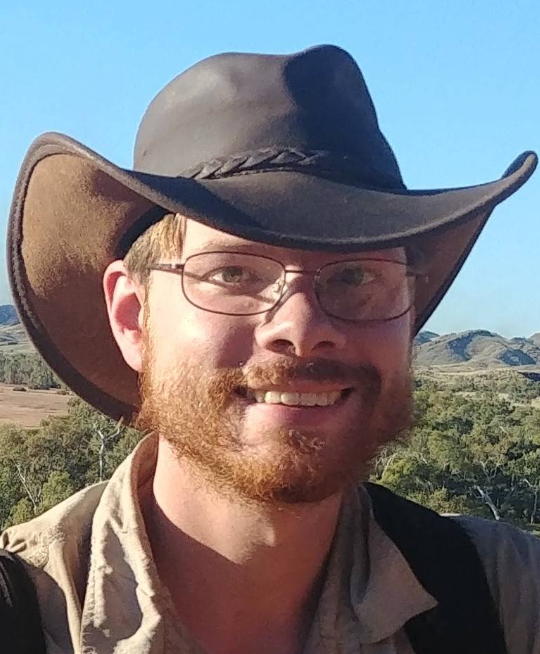 Dylan Wilmeth合作论文数Geology Department, Grand Valley State University3
 Barbara Sherwood Lollar合作论文数Department of Earth Sciences, University of Toronto;Institut de Physique du Globe de Paris, Université Paris Cité;Department of Chemical Engineering and Applied Chemistry, University of Toronto3
 Sara Kleindienst合作论文数Max Planck Institute for Marine Microbiology, 28359 Bremen, Germany3
 John R Spear合作论文数Department of Molecular;Cellular and Developmental Biology;, University of Colorado;Department of Molecular|Cellular and Developmental Biology, University of Colorado3
 William M. Berelson (William Berelson)合作论文数Department of Earth Sciences, University of Southern California3Frank A. Corsetti合作论文数Department of Earth Sciences, University of Southern California3
 Bopaiah A. Biddanda合作论文数Annis Water Resources Institute and Lake Michigan Center, Grand Valley State University3
 Samantha (Mandy) Joye合作论文数Department of Marine Sciences, Franklin College of Arts and Sciences, University of Georgia3
 Bradley Scott Stevenson合作论文数Department of Botany;University of Oklahoma;Department of Botany, University of Oklahoma3Olivia P. Paradis合作论文数2Dack Stuart合作论文数2Matthew J. Perkins合作论文数2Sarah Hendrickson合作论文数2Heather S Nunn合作论文数2Matthew Medina合作论文数2Brianna A. Alanis合作论文数2
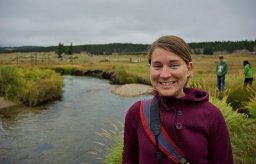 Lauren Kinsman-Costello合作论文数Kent State University2
 Kathy M Loftis合作论文数Ctr Appl Isotope Studies, Univ Georgia2Megan L Dillon合作论文数2Dawn M. Moran合作论文数2Alix Ashare合作论文数Dept Microbiol & Immunol, Geisel Sch Med Dartmouth2
 Eric Chan合作论文数Univ Texas Rio Grande Valley2Sarah Harrison合作论文数2
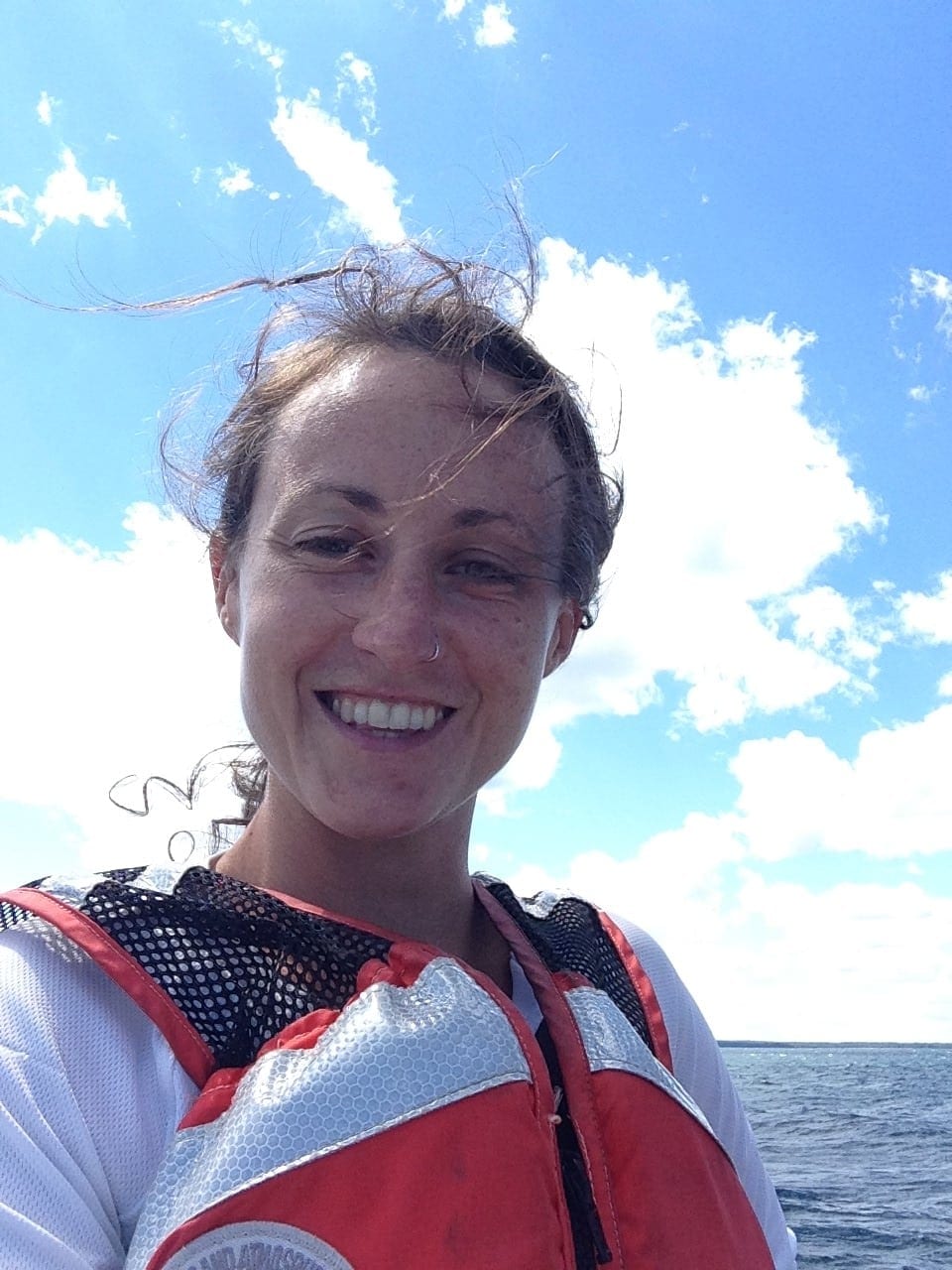 Maya Gomes合作论文数Department of Earth and Planetary Sciencesm, Krieger School of Arts & Sciences, Johns Hopkins University2
 Ann Pearson合作论文数Department of Earth and Planetary Sciences, Faculty of Arts and Sciences, Harvard University;Lab for Molecular Biogeochemistry and Organic Geochemistry, Faculty of Arts and Sciences, Harvard University2Vineis Joseph H合作论文数Josephine Bay Paul Center, Marine Biological Laboratory, Woods Hole, MA, USA.2
 Sylvan Jason B合作论文数Dept Oceanog, Texas A&M Univ2
 Sven Willger合作论文数Montana State University, University of Medicine and Dentistry of New Jersey2
 Kuloyo Olukayode合作论文数Department of Microbial, Biochemical and Food Biotechnology, University of the Free State Bloemfontein2
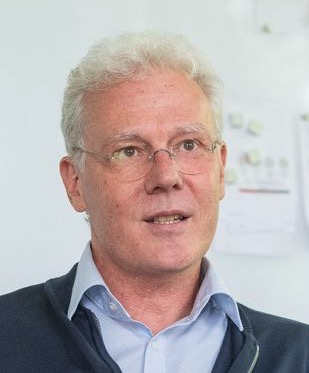 Thorsten Dittmar合作论文数Institute for Chemistry and Biology of the Marine Environment, University of Oldenburg2




