As a path tracking control (PTC) method for autonomous vehicles, nonlinear model predictive control (NMPC) offers high accuracy but limited real-time performance. Moreover, signal time delay (STD) reduces performance and may destabilize the control system. To address these issues, a forward iterative model predictive control (Bai-FIMPC) method is proposed and integrated with a multi-step STD compensation scheme. Bai-FIMPC replaces conventional global optimization with a weighted summation of multi-step feasible solutions, significantly reducing computation time while maintaining high accuracy. The multi-step STD compensation predicts states under delayed execution and feeds them into the PTC controller, thereby mitigating error accumulation. Simulation results under high-dynamic scenarios demonstrate that Bai-FIMPC achieves accuracy comparable to NMPC and LMPC, while reducing average computation time to the sub-millisecond level, close to that of real-time controllers such as proportional-integral-derivative and Stanley. Multi-step STD compensation proves broadly applicable, enabling both Bai-FIMPC and NMPC to maintain effective tracking under delay conditions. Hardware-in-the-loop and field experiments further validate that the integrated Bai-FIMPC with multi-step STD compensation completes PTC tasks with high precision and deterministic real-time performance. These results suggest that the proposed method provides a practical, scalable control framework for autonomous vehicles operating in highly dynamic, STD-affected environments.
The application of autonomous vehicles (AVs) requires a safe and efficient decision-making approach for diverse and complex traffic environments. Most existing methodologies focus on specific scenarios or tasks, and are not sufficiently effective for real-world driving situations. This paper proposes a Safety Interval Reserve (SIR) model to quantify safety time margin, which is inspired by human driving behavior. Concurrently, a SIR network is developed to parametrically delineate the changes of SIR under dynamic traffic conditions. Consequently, a SIR network based decision-making approach (DMA-SIR) is designed to unify the macro path planning and micro behavior decision-making. The macro layer optimizes the global path with considering driving efficiency, while the micro layer generates local driving behavior to ensure safety during decision-making. The DMA-SIR facilitates multi-task management through a unified model and is grounded in motion mechanism. Besides, dataset validation demonstrates the anthropomorphic characteristics of DMA-SIR. As a result, it offers an interpretable method that effectively avoid the black box problem. Finally, extensive simulations experiments are conducted using 48 complex scenarios to verify the performance of DMA-SIR. The results show that DMA-SIR can efficiently handle multi-vehicle scenarios and generate driving trajectory with significant greater efficiency, safety and comfort compared to other methods.
Heavy mining trucks are key equipment in open-pit haulage systems,where the available roadway space is often narrow in relation to the vehicle's size,resulting in extremely difficult driving.With the rapid advancement of mining intelligence,autonomous-driving technology has become an essential means of improving production efficiency to ensure operational safety and reduce operating costs.As a core component of autonomous-driving systems,path tracking control plays a decisive role in ensuring stable vehicle motion along a reference path.However,heavy mining trucks exhibit pronounced steering-mechanism constraints and significant signal transmission delays.Under the combined influence of sharp curves and long delays,path tracking systems tend to exhibit sluggish responses that rapidly increase tracking errors and even instability.Existing control methods struggle to simultaneously handle the c ompound effects of steering constraints and time delay,limiting their engineering applicability.To address the response lag caused by front-wheel steering-rate constraints in sharp-curve environments,a preview correct control(PCC)algorithm was developed by introducing the future heading of the reference path as preview information and incorporating the keypoint displacement error.The preview component improves steering proactiveness,while the correction component enhances responsiveness to current deviations to enable stable posture adjustments during curve entry,mid-curve,and exit.The PCC does not rely on complex models or high-performance computing platforms,making it suitable for the real-time operation of low-power onboard controllers.To address signal transmission delays in autonomous-driving systems,a multistep motion-compensation delay compensator is established by analyzing the PCC output structure and dynamic characteristics of a heavy mining truck to predict the vehicle's posture evolution during the delay interval and generate new control inputs that counteract the delay effects.By integrating the PCC with the delay compensator,a path tracking control system capable of simultaneously handling steering mechanism constraints and long delays was achieved for heavy mining trucks.Simulations were conducted under no-load and full-load conditions,followed by full-load field experiments.In no-load simulations at 20 km·h-1 on a U-shaped curve with a radius of 35 m,the PCC achieved a maximum displacement error of 0.0892 m,which is significantly more accurate than proportional-integral-derivative(PID)and preview PID and close to the nonlinear model predictive control(NMPC).Its average computation time was only 0.1514 ms,outperforming NMPC in terms of real-time capability.Under fully loaded conditions with a 0.4 s signal delay,the PCC combined with the delay compensator maintained the maximum displacement error within 0.1537 m,while the uncompensated PCC showed error divergence in sharp-curve sections.This demonstrates the critical role of the proposed compensation strategy in ensuring system stability under long-delay conditions.The compensator increased the average computation time by only 0.0982 ms,which had a negligible impact on real-time performance.Two sets of full-load field tests were conducted,with an actual signal delay of approximately 0.4 s.The maximum displacement errors were 0.1976 and 0.2073 m.In both tests,the vehicle navigated the sharp curve stably,without any loss of control or noticeable yaw deviations.Overall,the simulation and experimental results demonstrate that the proposed control system maintained a stable and reliable path tracking performance under significant steering-mechanism constraints and long signal delays,achieving a favorable balance between accuracy,real-time capability,and engineering deployability.Therefore,it is well suited for practical autonomous-driving applications in heavy mining trucks.
Crawler robots represent a vital subclass of mobile robots, widely deployed in unstructured field environments. On complex, uneven terrain, track slippage (TS) is almost unavoidable. In addition, signal time delay (STD) is common in sensing and actuation processes, further increasing control complexity. As a result, the coupling of TS and STD poses significant challenges to the accuracy and smoothness of path tracking control (PTC) in crawler robots. Recognizing the strengths of pure pursuit (PP), notably its robustness and straightforward structure, we set out to address the above challenges by improving the pure pursuit method. We propose a PTC method that incorporates a look-ahead heading error compensation (LHEC) algorithm and a PP controller, achieving real-time adjustment of the control inputs by calculating the heading deviation between the look-ahead point and the crawler robot and feeding it back to the control loop as a dynamic compensation signal. This method provides a robust solution to the challenges posed by TS and STD without requiring exhaustive systemic modeling, effectively leveraging the inherent ability of these factors to mitigate oscillations under specific conditions, as we found, thereby enhancing both tracking accuracy and smoothness simultaneously. According to the real-world experiment results, our control method has high accuracy, with the maximum absolute displacement error of 0.0762 m across all experiments. The proposed method can reduce the maximum absolute displacement error by at least 41.34% compared to state-of-the-art yaw-rate-compensated methods, including pure pursuit, nonlinear model predictive control, and Stanley control. Moreover, the proposed method also exhibits superior smoothness. The average yaw jerk did not exceed 13.95 rad/s3. Compared with state-of-the-art yaw rate compensation methods based on pure pursuit or Stanley control, the proposed method can reduce the average absolute yaw jerk by at least 19.55%. Furthermore, 15 sets of repeated trials on continuous curve paths in plowed dry land demonstrate that the controller maintains high consistency. By the way, this study clarifies the inherent limitations of look-ahead distance adjustment and yaw rate compensation strategies under the coupled influence of TS and STD, providing new insights for the development of robust field-robotic control.
In certain emergency maneuver scenarios, such as high-speed lane changes or collision avoidance, the trajectory-tracking controller must guarantee strict vehicle stability and maintain high control accuracy to prevent safety hazards. The strongly coupled dynamics and pronounced nonlinearities of a vehicle pose significant challenges in achieving both objectives. However, the four-wheel independently driven or steered, distributed electric-drive intelligent vehicle chassis provides a versatile platform for active safety technologies. In addition, the inherent strengths of model predictive control (MPC) in handling linear, multi-objective constraints offer theoretical support for achieving high-precision stability control. The prediction horizon determines both the step length of MPC’s receding-horizon optimization and extent of the predicted future vehicle state space, such that a longer horizon enhances control smoothness, whereas a shorter horizon improves the vehicle’s dynamic responsiveness to path-curvature variations and mitigates the control-accuracy degradation caused by accumulated model-prediction errors. To date, discussions on adaptive prediction-horizon optimization in high-speed stability MPC trajectory tracking controllers remain scarce, making it difficult to strike an optimal balance between curvature-response speed and vehicle stability. To this end, this study builds upon an integrated vehicle stability and trajectory tracking control framework, to propose an adaptive prediction horizon nonlinear model predictive control (NMPC) strategy that incorporates previewed curvature information. By leveraging a preview-based reference path curvature point sequence, the control parameters are dynamically adjusted. The proposed method enhances the controller’s responsiveness to path curvature variations and mitigates the tracking accuracy degradation caused by accumulated errors in fixed-horizon strategies during high-curvature trajectory tracking. A state-coordination optimization mechanism designed via optimization sub-objective, explicitly couples the controller to the vehicle state of the previous control cycle. This effectively suppresses the decoupling effects in multistep optimization problems induced by prediction horizon variations and minimizes the discontinuities in control inputs. Finally, the proposed algorithm was validated in a co-simulation environment built using MATLAB/Simulink and CarSim. Representative high-speed maneuvering control scenarios were selected to quantitatively assess its performance. Comparative evaluations against other methods demonstrated the superiority of the proposed algorithm: in high-speed single lane-change scenarios. The method reduced average/peak lateral deviations by 36.17%/15.25%, average/peak longitudinal deviations by 11.55%/38.58%, and average/peak heading deviations by 6.13%/25.27% compared to fixed-horizon NMPC. In high-speed double lane-change scenarios, it achieved reductions of 30.28%/29.77% (lateral), 25.07%/3.85% (longitudinal), and 11.02%/32.68% (heading). Under high-speed low-adhesion conditions (μ=0.4), the method maintained robust precision and stability with peak lateral deviation of 0.2017 m, peak longitudinal deviation of 0.9744 km/h, peak heading deviation of 1.1936°, and peak centroid sideslip angle of 1.9074°. These quantitative metrics demonstrate that adaptive predictive horizon optimization, which leverages preview curvature information and state coordination, can further improve vehicle trajectory tracking accuracy while maintaining adequate stability margins.
The control systems of mobile robots and unmanned vehicles are typical examples of time-delay systems. Time delays in these systems primarily stem from the signal transmission process. After a control signal is generated by the controller, it must travel through a communication bus to reach the actuator, where it is executed. This transmission process incurs delays due to several factors, including signal propagation time along the communication lines and the buffering and reading operations performed by the bus system. These apparently minor delays can have a significant impact on the performance and stability of control systems, particularly in high-precision applications such as path tracking. Path tracking control is a fundamental function of mobile robots and unmanned vehicles. It ensures that the controlled object follows a predefined path as accurately as possible. Recently, there has been growing interest in addressing the problem of signal time delay (STD) within path tracking control systems. However, existing research tends to focus on specific control strategies, and there is a notable dearth of comprehensive solutions with generalized applicability. Among various control strategies, nonlinear model predictive control (NMPC) has garnered considerable attention due to its ability to explicitly handle system constraints, perform multi-objective optimization, and utilize future reference trajectory information. These features render NMPC particularly well-suited to complex and dynamic control environments, such as those in which mobile robots are typically employed. Despite these advantages, research addressing the influence of STD on NMPC-based path tracking systems remains limited. This knowledge gap restricts the deployment of NMPC in real-world autonomous vehicle applications where time delays are unavoidable. To address these issues, this research proposes and validates a novel approach for mitigating the adverse effects of STD on NMPC-based path tracking control systems for car-like robots. First, we developed a path tracking control framework that can effectively isolate and analyze the influence of STD. Subsequently, the underlying mechanism through which STD affects NMPC control is examined. It was observed that STD causes a mismatch between the position of the robot used by the controller to generate control inputs and the actual position of the robot when these inputs are executed, thereby degrading control accuracy and system stability. As a solution, this study proposes an STD compensation method that extends the prediction horizon. Specifically, by keeping the iteration period constant and increasing the number of prediction steps, the predictive model can effectively accommodate the time delay introduced by STD. The number of additional prediction steps required is determined as the nearest integer to twice the ratio of STD to the control period. The proposed method is validated through both simulation and experimental studies. The results demonstrate that the presence of STD significantly affects the performance of NMPC-based path tracking systems. In particular, although NMPC without STD consideration performs well under ideal conditions, it fails to maintain accurate tracking when STD is present. In contrast, the proposed compensation method effectively reduces the impact of STD, maintaining a maximum displacement error of 0.1258 m and a maximum heading error of 0.0583 rad in systems subjected to STD of approximately 0.2 s. These findings confirm that the proposed approach enhances the robustness and reliability of NMPC path tracking control systems in realistic, delay-affected environments.
Connected Autonomous Vehicle (CAV) technology can significantly reduce the number of accidents and improve traffic efficiency. However, the current research on CAV decision-making and planning is relatively simple or focuses on idealized scenarios. This paper proposes a decision-making and planning approach: a dynamic traffic augmented Safety Interval Reserve (SIR) method (D-SIR) for CAV under mixed traffic flow. A dynamic traffic congestion rate (DTCR) is first derived based on SIR. Then, an interpretable and computationally efficient decision-making and planning approach is constructed by combining DTCR with a basic SIR network. This approach is then applied to mixed traffic with different penetration rates. Finally, the superior performance of D-SIR in terms of traffic flow efficiency, safety, and stability under different traffic volume conditions is verified through a simulation in Simulation of Urban Mobility. In addition, the impact mechanism of CAV penetration rates on mixed traffic flow was examined. The results show the following: (1) As the CAV penetration rate increases, the efficiency of mixed flow improves, and the CAV-mixed flow can effectively avoid the efficiency decline phenomenon. (2) The driving style of CAVs affects the efficiency of mixed flow differently, and the affected penetration rate range is approximately 55%75%. This study provides theoretical support and practical guidance for the promotion and application of CAV technology in mixed traffic environments.
Deep reinforcement learning has shown potential in autonomous driving decision-making. However, vehicle decision-making involves complex information, and limited state information often limits the ability of agents to make optimal decisions. We present a novel on-ramp decision-making method using the SAC (Soft Actor-Critic) algorithm, which integrates the driving intentions of surrounding vehicles. Our model captures the vehicle characteristics of the target lane and its adjacent lanes as the state space. Additionally, we develop a hybrid action space that combines discrete lateral actions with continuous longitudinal actions, enabling the agent to adapt more effectively to intricate driving scenarios. The efficacy of our approach is validated through simulations using SUMO (Simulation of Urban MObility) and real-world road datasets. Comparative analysis of experimental results illustrates that our model surpasses alternative approaches in terms of collision rate and success rate. Moreover, the model exhibits a stable success rate under various road traffic density conditions.
With the popularization of scenarios where intelligent connected vehicles (ICVs) and human-driven vehicles (HDVs) coexist, the current high-priority vehicle traffic strategy is difficult to effectively play a role in mixed traffic flow. Therefore, a reinforcement learning based method is proposed. Firstly, use SUMO to build the model. Secondly, the Proximal Policy Optimization (PPO) algorithm is adopted to adjust the longitudinal speed of ICVs, the longitudinal spacing between basic units of sparse heterogeneous mixed traffic flow, and collaborate with high-priority vehicles to change lanes and overtake. Finally, validate the model in different scenarios. The results indicate that this method is suitable for scenarios with heterogeneous mixed traffic flow and full ICVs; Compared to the lane pre-clearance strategy, this strategy reduces the passing time of high-priority vehicles by 17.39
Enhancing the operational speed and control accuracy of autonomous transport vehicles is crucial for meeting the efficiency and safety demands in cargo transportation. Although Nonlinear Model Predictive Control (NMPC), based on vehicle dynamics models and multi-point look-ahead rolling optimization, offers high precision, it suffers from poor real-time performance, making it unsuitable for medium- to high-speed conditions. Compared to two-axle vehicles, multi-axle vehicles have more complex dynamics models and constraints, which increase the computational burden of NMPC. To address these issues, a neural network-based trajectory tracking controller for multi-axle vehicles under medium- to high-speed conditions has been proposed, using NMPC as the training sample generator. The learning samples were generated by NMPC based on the dynamics and multi-point look-ahead rolling optimization of multi-axle vehicles. Additionally, to prevent the failure of the network controller due to vehicle position information deviating from the sample space under the presence of positioning errors, a sample fusion method was employed to enhance the network controller's robustness to localization disturbances. The neural network controller was obtained through offline training and validated using a MATLAB/Simulink-TruckSim co-simulation platform, where it was compared with other controllers. The simulation results indicated that the control accuracy of the neural network controller is very close to that of NMPC, with a nearly twofold improvement in real-time performance.
Car-like robots often struggle with dynamics modeling owing to the use of nonstandardized parts and the complexity of accurately determining mechanical parameters,particularly tire characteristics like lateral deflection stiffness.Consequently,most current research and applications have relied on kinematic models for control,which frequently lead to inaccuracies and mismatches.These issues result in significant errors between actual and desired paths,causing erratic oscillations in the front wheel angle and angular velocity and adversely affecting the robot's performance and smoothness.To address these issues,this paper introduces a novel approach:Feed-forward nonlinear model predictive control(FNMPC).This method is built on the principles of inverse kinematics and rolling optimization.Unlike other traditional methods,FNMPC incorporates feed-forward corner information into its predictive model,treating the front wheel angle as an additional dimension.This enhancement allows the model to better predict and correct deviations,thereby improving path-tracking accuracy.Extensive simulations conducted using Simulink and CarSim demonstrated the efficacy of the FNMPC approach.Results indicated that FNMPC significantly reduces the oscillations caused by model inaccuracies while maintaining high tracking accuracy.Specifically,FNMPC managed to keep displacement errors below 0.1106 m and heading errors within 0.1253 radians.When compared with other control strategies such as linear model predictive control,feed-forward linear model predictive control,pure tracking control,and Stanley control,FNMPC consistently demonstrated smaller and less dispersed errors,highlighting its superior performance in handling the complex dynamics of car-like robots.Moreover,FNMPC showed a remarkable improvement over traditional nonlinear model predictive control(NMPC),reducing the absolute cumulative control increment by 67.53%at its maximum values.Experimental validations using a wire-controlled car-like robot further validated FNMPC's practical benefits.In these tests,the robot under FNMPC control maintained displacement errors within 0.1624 m and heading errors within 0.1138 radians,whereas traditional NMPC lost control of entering curves.In summary,FNMPC presents a substantial advancement in controlling car-like robots,offering enhanced accuracy and smoothness over existing methods.By effectively incorporating feed-forward corner information into the predictive model,FNMPC addresses the inherent challenges in car-like robot dynamics more efficiently.This approach not only improves control performance but also offers a more reliable and accurate method that could enhance the development of car-like robotic systems.
To improve the trajectory prediction performance of human-driven vehicles in mixed traffic flow, we propose a novel interaction-aware network framework based on mixed teacher forcing GRU (Gate Recurrent Unit). Firstly, we filter and normalize the vehicle trajectory, divide it into three categories (left lane change, lane keeping, and right lane change), and build a trajectory prediction dataset. Then, we encode the historical trajectory of the target vehicle and the information about surrounding vehicles into the context vector. Next, we decode the content vector into future trajectory by mixed teaching force mode. Finally, the model is verified on the real main road datasets NGSIM US101 and I-80 and compared with the state-of-the-art model. The experimental results show that the proposed model achieves the state-of-the-art accuracy. The code can be accessed at https://github.com/ColinFanghz/MTF-GRU.git.
The integrated path tracking control (PTC) of steering and braking is crucial for enhancing the stability of autonomous vehicles under extreme conditions. In the present study, a control input dimensionality-reducing method and an asynchronous sampling method are presented to address the problem of the high computational cost of the steering and braking integrated path tracking controller (PTCer) based on model predictive control (MPC). First, based on tire friction limit and tire force utilization, the control input dimensionality-reducing method is designed and a vehicle model with reduced dimensionality of control input is derived. Second, the rolling iteration mechanism of MPC is analyzed and a variable-scale asynchronous sampling method between the control loop and prediction horizon is designed with the control horizon as the boundary. Finally, the integrated MPC-PTCer based on control input dimensionality-reducing and asynchronous sampling is designed. The real-time performance (RTP), path tracking accuracy, and vehicle stability of the proposed integrated MPC-PTC are tested and evaluated through the simulation and the hardware-in-the-loop platform. The test results of different test conditions show that the proposed integrated MPC-PTC improves the RTP by more than 70% and ensures the path tracking accuracy and lateral stability of autonomous vehicles under extreme conditions.
Reinforcement learning has demonstrated its potential in the decision-making field of autonomous driving. By engaging in trial-and-error learning and interacting with the environment, we can adapt our behavioral strategies based on reward and enhance driving decisions. Nevertheless, real-world vehicle decision-making involves intricate and diverse information, and the limited state information hinders agents from making optimal decisions, which may result in catastrophic consequences like collisions. Therefore, this paper proposes a robust deep reinforcement learning method based on the Soft Actor-Critic (SAC) algorithm for highway intelligent connected vehicle ramp merging decision-making. The model represents the vehicle features of the target lane and its adjacent lanes as an environmental state space. Additionally, a hybrid action space is designed, which combines discrete lateral actions and continuous longitudinal actions. Finally, an on-ramp simulation platform is built using actual roads and SUMO to verify the feasibility of the model. Multiple sets of comparative analysis experimental results demonstrate that the proposed method outperforms others in terms of the average reward return value, robustness value, collision rate, and success rate. Moreover, the model exhibits a stable lane change success rate under various road traffic density conditions, which indicates its robustness. The code can be obtained at https://github.com/ColinFanghz/sac-on-ramp.git .
Path tracking control techniques are commonly used in automated traveling systems for mobile equipment, where the role is to control the mobile equipment to travel along a reference path. The selection of reference points on the reference path is critical for path tracking control. However, current methods for selecting reference points face difficulties in simultaneously ensuring the accuracy and real-time performance required for path tracking control. To solve the problem, a method for selecting path tracking control reference points based on rolling prediction is proposed. The principle of this method is to predict the search range of the next control period by parameters such as the reference point of the current control period, the speed of the mobile equipment, the control period, and the mileage interval between adjacent points of the reference path. Subsequently, a localized optimization technique identifies the point on the reference path closest to the mobile equipment and is selected as the reference point. Our proposed rolling prediction method demonstrates commendable performance in ensuring path tracking control’s accuracy and real-time capabilities. In the simulation results, the absolute value of the displacement error in path tracking control does not exceed 0.1872 m. Compared with the equal-interval point selection method, the magnitude of reduction in the absolute value of displacement error can achieve at least 33.12%. Additionally, the average value of the time consumed in each control period by the rolling prediction method does not exceed 0.0709 ms and does not more than 2.87% of the average value of the total time consumed by the path tracking controller in each control period. In contrast, the existing global optimization method can occupy up to 82.36% of the total time.
Deep reinforcement learning has demonstrated its effectiveness in autonomous driving decision-making. The real-world vehicle decision-making process is complex and involves many types of information. Limitations in state information can hinder agents from making optimal decisions, increasing the risk of serious consequences like collisions. We introduce a ro-bust deep reinforcement learning methodology that incorporates driving intention recognition for the decision-making of highway autonomous vehicles during off-ramp scenarios. By using driving intention recognition results, this approach enhances driving safety. A series of experiments utilizing the SUMO and NGSIM US101 datasets support the effectiveness and feasibility of the proposed model. Comparative analytical experiments show that the model outperforms other approaches in average return value, average speed, average steps, and success rate. Additionally, the model exhibits consistent success rates under different road traffic density scenarios, highlighting its robustness. The source code is accessible at https://github.com/ColinFanghz/off-ramp-dir-DRL.it.
Car-like robots are mobile robots commonly used in manufacturing and warehousing. This type of robot has a mechanical structure similar to that of an unmanned vehicle, which uses the front wheels as steering structures. However, this type of robot has characteristics that significantly influence path tracking control relative to unmanned vehicles, such as a larger magnitude of reference path curvature, a smaller range of system constraints, and a lower degree of part standardization. Consequently, several research efforts dedicated to path tracking for car-like robots have emerged. Among the path-tracking control methods for car-like robots, model predictive control (MPC) has a tremendous advantage in dealing with system constraints. However, the existing nonlinear model predictive control (Nonlinear MPC, NMPC) has inferior real-time performance, and the linear model predictive control (LMPC) has poor accuracy. Therefore, a path-tracking control method for car-like robots with high accuracy and superior real-time performance needs to be developed. Because the reason for the low accuracy of LMPC in paths with significant curvature changes is that the response of LMPC is not timely after the curvature change, the idea of combining LMPC and feed-forward information is adopted. The basis of path-tracking controller for car-like robots is the LMPC. The reference front wheel angle at the reference path point in front of the car-like robot is obtained as a feed-forward signal through an inverse kinematic model. A feed-forward optimization objective function that conforms to the LMPC architecture is designed, and a feed-forward model predictive control (FMPC) is proposed by combining the feed-forward optimization objective function with the LMPC. The FMPC is tested by joint simulation using MATLAB and CarSim. The FMPC has high accuracy, the absolute value of the displacement error in all of the simulation results does not exceed 0.1110 m, and the absolute value of the heading error does not exceed 0.1177 rad. The accuracy of the FMPC is comparable to that of the NMPC under the same conditions, and the errors of LMPC, feed-forward control, and Stanley control are dispersed under these conditions. The FMPC also has superior real-time performance, and the solving time in each control period does not exceed 4.31 ms. Under the same conditions, the FMPC is comparable to the LMPC in terms of real-time performance and can reduce the maximum value of the solving time in each control cycle by 80.68% and the average value by 65.14% compared with the NMPC. The FMPC can also ensure that the control variables are within the system constraints and are less affected by positioning errors.
In limit conditions, autonomous vehicles face the risk of lateral instability. The integrated control of steering and braking, an important measure for improving the stability of autonomous vehicles, has been extensively studied. A novel steering and braking integrated model predictive path tracking control (PTC) based on a dimension reduction model is proposed in this study. This method aims at the dilemma of the real-time limitation of the current integrated model predictive PTC based on nonlinear vehicle dynamics in practical applications and the unsatisfactory control effect of the integrated model predictive PTC based on the linearised vehicle dynamics in limit conditions. The core concept of this study is to reduce the input dimension of the integrated controller model by designing a model dimension reduction method, thereby reducing the decision variables of the optimisation problem and improving the real-time performance. The model dimension reduction method is designed based on the optimal utilisation of tire force to ensure the control performance of the proposed integrated control method in limit conditions. The integrated control method based on the dimension reduction model is compared with several existing integrated control methods in limit conditions to demonstrate its validity and superiority. The simulation tests with Simulink and CarSim indicate that the proposed method can reduce the calculation time by more than 40 $ \% $ % on the premise of ensuring path tracking accuracy and vehicle stability in limit conditions. Moreover, the hardware-in-the-loop tests prove the practicability of the presented method.
为实现智能网联车对周围车辆运行轨迹准确地长时预测,本文提出一种混合示教解码的长短时记忆网络的车辆轨迹预测方法.首先,通过特征筛选和历史轨迹序列标注建立轨迹预测数据集;其次,构建长短时记忆网络的编码器-解码器模型,编码器将自车和周围车辆历史轨迹及道路环境信息编码为上下文向量,解码器采用混合示教的模式将上下文向量解码动态解码为未来轨迹;最后,采用真实道路数据集NGSIM US101和I-80路段验证模型的可行性.多组对比分析实验结果表明:本文所提方法在长时域预测的终点位移误差指标上的有效性和优越性,5 s的终点位移误差在2.7 m以内;并且模型在稀疏采样后的数据集上达到更高的预测准确率,5 s的位移误差在1.3 m以内.
 Yu Meng (孟宇)合作论文数School of Metallurgical Engineering, University of Science and Technology Beijing57
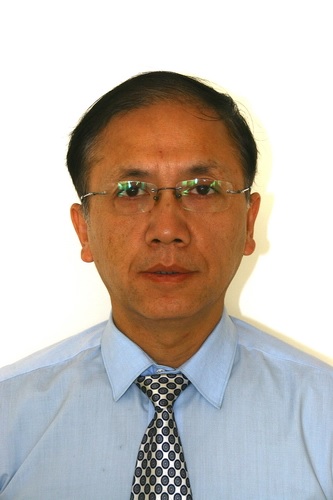 Li Liu (刘立)合作论文数School of Mechanical Engineering, University of Science and Technology Beijing38
 Guoxing Bai (白国星)合作论文数北京科技大学36
 Guodong Wang合作论文数Sch Mech Engn, Univ Sci & Technol Beijing15
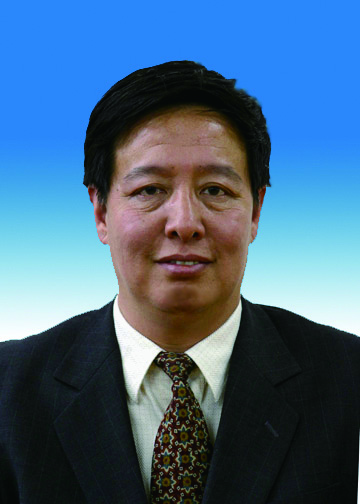 Weidong Luo (罗维东)合作论文数School of Mechanical Engineering, University of Science and Technology Beijing11
 GAN Xin (甘鑫)合作论文数7
 Tao Tang (唐涛)合作论文数School of Electronic and Information Engineering, Beijing Jiaotong University;State Key Laboratory of Rail Traffic Control and Safety, Beijing Jiaotong University7
 Fei Ma (马飞)合作论文数School of Metallurgical Engineering, University of Science and Technology Beijing7
 Kailun Li合作论文数6
 Yongduan Song (宋永端)合作论文数School of Automation, Chongqing University5Huazhen Fang合作论文数5
 Xiaofeng Xiao合作论文数3Guodong Liang合作论文数3
 Zhigang Xu (徐志刚)合作论文数School of Information Engineering, Chang'an University3
 Dongpu Cao合作论文数Waterloo Cognitive Autonomous Driving Lab, University of Waterloo3
 Fang Cao (曹芳)合作论文数School of Electronic and Information Engineering, Beijing Jiaotong University3
 Wei Li (李威)合作论文数School of Mechanical Engineering, University of Science and Technology Beijing3
 Xiangmo Zhao (赵祥模)合作论文数School of Information Engineering, Chang’an University;Xi'an University of Architecture and Technology3Jianxiu Huang合作论文数2Fengqian Dou合作论文数2ZhiPing Ma (马智萍)合作论文数2Kazerani Mehrdad合作论文数1Yu Wang合作论文数1Guoxin Dong合作论文数1Shaosong Li合作论文数1Zhenfeng Gao合作论文数1Yu WANG (汪钰)合作论文数1Zhen Wang合作论文数1
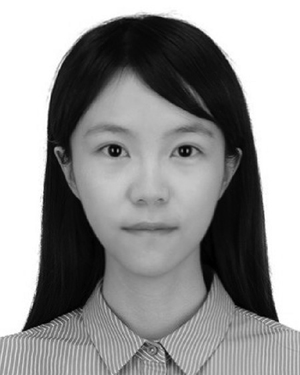 Yue Chen合作论文数1
 Liang Chen合作论文数1Wang Guo-qiang合作论文数1Ziyu Zhao合作论文数1
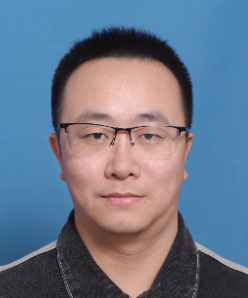 Wen Hu (胡文)合作论文数College of Mechanical and Electrical Engineering, Central South University1
 Cai Tengfei合作论文数Univ Sci & Technol Beijing, Sch Mech Engn, Beijing 100083, Peoples R China1Yang Yi (裔扬)合作论文数1
 Cui Lihua合作论文数1Xingmin Ma合作论文数USTB, Sch Comp & Commun Engn, Beijing 100083, Peoples R China1
 Xu Hao (郝旭)合作论文数School of Mechanical Engineering, University of Scence and Technalagy Beijing1
 Hamid Reza Karimi合作论文数Department of Mechanical Engineering, Politecnico di Milano1
 Haiping Du (杜海平)合作论文数School of Electrical, Computer and Telecommunications Engineering, Faculty of Engineering and Information Sciences, University of Wollongong1
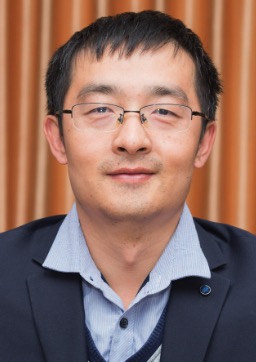 Fuhong Lin (林福宏)合作论文数School of Computer & Communication Engineering, University of Science and Technology Beijing1
 Kai Zhan (战凯)合作论文数China Academy of Machinery Science and Technology1
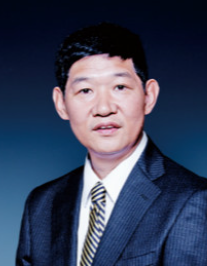 Hewu Wang (王贺武)合作论文数School of Vehicle and Mobility, Tsinghua University1
 Jun Yang (杨俊)合作论文数Mechatronic Systems Control Laboratory, School of Automation, Southeast University1
 Huan-Sheng Song (宋焕生)合作论文数School of Information Engineering, Chang'an University1
 Kun Zhao合作论文数1Lei Zhou (周磊)合作论文数Deparment of Computer Science and Engineering, Hong Kong University of Science and Technology1
 Jiangtao Xi (习江涛)合作论文数Faculty of Engineering and Information Sciences, University of Wollongong1
 Guozhong Huang (黄国忠)合作论文数Department of Safety Science and Engineering, School of Civil and Resources Engineering, University of Science and Technology Beijing;Research Institute of Macro-Safety Science, University of Science and Technology Beijing1




