We present AC-2168, an almost NIRCam-dark, millimetre-bright galaxy. The source was identified blindly in Atacama Large Millimeter/submillimeter Array (ALMA) Band-4 continuum data and remains undetected in the COSMOS-Web DR1 NIRCam catalogue. We spectroscopically confirm a redshift of z(spec) = 6 . 631 from [C II] 158 & micro;m and four tentatively detected CO lines in the data from the NOrthern Extended Millimeter Array (NOEMA) and ALMA. Modelling to near-IR to millimetre photometryyields L-IR = 1.6(-0.4)(+0.6) & times; 10(12) L-circle dot, SFR = 244(-55)(+82) M-circle dot yr(-1), M-* = 3.7(-2.6)(+12.2) & times; 10(10) M-circle dot, and A(V) = 5.4 +/- 1.6 mag. From the millimetre continuum and [C II] emission, we infer a warm interstellar medium with T-dust = 60 +/- 11 K, M-dust = 3.0(-0.5)(+0.8) & times; 10(8) M-circle dot, and M-gas = 4.1 +/- 0.8 & times; 10(10) M-circle dot. AC-2168 differs from normal UV-selected galaxies in its strong dust obscuration, yet its moderate star formation rate (SFR) at high M-*, consistent with the star-forming main sequence, distinguishes it from most blindly detected dusty star-forming galaxies dominated by intense starbursts. Its short depletion time of similar to 170 Myr, compact (similar to 1 kpc) dust-continuum size, and moderate SFR suggest a massive system caught in a rapid transition near the end of its main assembly phase, consistent with NIRSpec-based star formation histories of massive quiescent galaxies at z similar to 4-5 . We also estimate a space density of 7.8(-6.5)(+18.0) & times; 10(-6) cMpc(-3) for AC-2168-like NIRCam-dark galaxies at z similar to 6-7 , which reaches similar to 42 per cent of the abundance of massive quiescent galaxies at z similar to 4-5 . These results jointly suggest that NIRCam-dark galaxies are likely the direct progenitors of a substantial fraction of massive quiescent galaxies.
Context. While acting as a foreground for [CII] line intensity mapping (LIM) experiments, rotational CO transitions serve as valuable indicators of the physical conditions of cold gas in the interstellar media of galaxies at lower redshifts. It is also essential to study these transitions to enhance component separation methods as LIM experiments improve in sensitivity. Aims. Until now, galaxy-evolution models have been used to predict the total LIM CO signal across all transitions. This study investigates the potential of cross-correlating millimeter-wave LIM data with spectroscopic galaxy surveys to constrain individual CO line contributions. We aim to measure the CO-background spectral-line energy distribution (SLED) and the cosmic molecular gas density ρH2(z) up to z = 3. Methods. We constructed 12 light cones of 9-deg2 from the Simulated Infrared Extragalactic Sky (SIDES) simulation. By analyzing the amplitude ratios of the cross-power spectra between various CO transitions and the galaxy density field, we recovered the CO background SLED. We then combined the derived SLED with the bias-weighted line intensities to estimate ρH2(z). Finally, we assess the feasibility of measuring the CO(4–3) cross-power spectra with a CONCERTO-like experiment. Results. Using a realistic depth for a spectroscopic survey, this work accurately recovers the CO background SLED up to Jup = 6, with uncertainties ≤20%. Then, reconstructing ρH2, from millimeter-LIM experiments requires introducing an excitation correction relative to CO(1–0). We demonstrate that interloper-induced variance does not prevent precise estimation of ρH2. Using the two-star-formation-mode model of SIDES, we show that starbursts contribute significantly to the SLED at Jup ≥ 6, but they do not significantly bias the estimation of ρH2 from upper 2 ≤ Jup ≤ 6 transitions. However, CONCERTO lacks the sensitivity to detect the CO × galaxy cross-power at relevant scales, even under ideal survey conditions.
Massive galaxies provide strong tests of galaxy formation models, yet a comprehensive spectroscopic view of their properties and demographics in the early Universe has remained elusive. Here we present a JWST spectroscopic census of the 200 most massive galaxies at zspec 3-15, selected using an evolving stellar-mass threshold motivated by the halo mass function and anchored at log(Mstar)>10 at z 5. These galaxies represent the top 3
We report the discovery of an ultra-massive grand-design red spiral galaxy, named Zh & uacute;l & oacute;ng (Torch Dragon), at z(phot) = 5.2(-0.2)(+0.3) in the JWST PANORAMIC survey; it is the most distant bulge+disk galaxy candidate with spiral arms known to date. Zh & uacute;l & oacute;ng displays an extraordinary combination of properties: (1) a classical bulge centered in a large, face-on exponential stellar disk (half-light radius of R-e = 3.7 +/- 0.1 kpc) with spiral arms extending across 19 kpc; (2) a clear transition from the red, quiescent core (F150W - F444W = 3.1 mag) with a high stellar mass surface density (log(Sigma M-star/M-circle dot kpc(-2)) = 9.91(-0.09)(+0.11) to the star-forming outer regions, as revealed by spatially resolved spectral energy distribution analysis, which indicates significant inside-out galaxy growth; (3) an extremely high stellar mass for its redshift, with log(M-star/M-circle dot) = 11.03(-0.08)(+0.10), which is comparable to the Milky Way's mass, and an implied baryon-to-star conversion efficiency (& varepsilon; similar to 0.3) that is 1.5 times higher than even the most efficient galaxies at later epochs; and (4) despite an active disk, a relatively modest overall star formation rate (SFR = 66(-46)(+89) M(circle dot)yr(-1)), which is > 0.5 dex below the star formation main sequence at z similar to 5.2 and > 10 times lower than ultra-massive dusty galaxies at z = 5 - 6. Zh & uacute;l & oacute;ng shows that mature galaxies emerged much earlier than previously believed, in the first billion years after the Big Bang, through rapid galaxy formation and morphological evolution. Our finding offers key constraints for models of massive galaxy formation and the origin of spiral structures in the early Universe.
The halo model, combined with halo occupation distribution (HOD) prescriptions, is widely used to interpret cosmic infrared background (CIB) anisotropies and connect star-forming galaxies to large-scale structure. Recent implementations adopt more physical parameterizations, but it remains unclear whether these models reliably recover astrophysical quantities. We test whether current CIB halo models can constrain the star formation efficiency, η(M_h,z), and the halo mass where it peaks, M_ max, when fitted to mock data. We examine whether discrepancies arise from emission assumptions (the HOD ingredients) or from more fundamental components, such as bias and matter clustering. Using the M21 CIB HOD model within the halo framework, we fit mock CIB power spectra and star formation rate density (SFRD) data from the SIDES-Uchuu simulation, then repeat the analysis with a simplified simulation (SSU) matched to the HOD assumptions. Comparing best-fit parameters to known inputs, we find that although the M21 model fits the mock data well, it fails to recover intrinsic parameters, especially M_ max, even when applied to data generated with consistent assumptions. Emission-related quantities (SFRD, emissivity) agree within 5
Having a detailed knowledge of the intracluster medium (ICM) to infer the exact cluster physics such as the cluster dynamical state is crucial for cluster-based cosmological studies. This knowledge limits the accuracy and precision of mass estimation, a key parameter for such studies. In this paper, we conduct an in-depth analysis of cluster ACT-CL J0240.0+0116 using a multi-wavelength approach, with a primary focus on high angular resolution Sunyaev-Zeldovich (SZ) thermal component observations obtained under the NIKA2 Sunyaev-Zeldovich Large Programme (LPSZ). We create composite images using NIKA2, X-ray, and optical galaxy number density maps. The results reveal distinct signs of disturbance within the cluster with the distributions of gas and member galaxies that do not overlap. We also find suggestions of an inflow of matter onto the cluster from the southwestern direction. Ultimately, we classify the cluster as disturbed, using morphological indicators derived from its SZ, X-ray, and optical image. The cluster SZ signal is also contaminated by a strong central point source. We adopt different approaches to handling this contaminant and find the estimates of our pressure and hydrostatic mass profiles robust to the point source mitigation model. The cluster hydrostatic mass is estimated at $4.25^{+0.50}_{-0.45\, } \times 10^{14} \,\mathrm{M}_{\odot}$ for the case where the point source was masked. These values are consistent with the mass estimated using only X-ray data and with those from previous SZ studies of the Atacama cosmology telescope (ACT) survey, with improved precision on the mass estimate. Our findings strongly suggest that ACT-CL J0240.0+0116 is a disturbed cluster system, and the detailed observations and derived values serve as a compelling case study for the capabilities of the LPSZ in mapping the cluster ICM with high precision.
The PRobe far-Infrared Mission for Astrophysics (PRIMA) is a cryogenically-cooled, far-infrared (far-IR) observatory expected to begin serving the astronomical community by early 2030. The mission features two advanced instruments: PRIMAger and FIRESS. PRIMAger will operate across the mid- to far-IR spectrum, covering wavelengths from similar to 25 to 260 mu m. It will offer hyperspectral imaging in medium resolution bands (R similar to 8, using a linear variable filter) from 25 to 80 mu m, and broad band (R similar to 4) photometric and polarimetric imaging in four bands spanning 80 to 260 mu m. The capabilities of PRIMAger will enable a broad range of unique scientific programs, accessible through General Observer projects. In this paper, we present and define a PRIMAger survey over 25% of the sky, called pi-IR survey. This survey would exploit PRIMAger's hyperspectral and polarimetric modes to collect data on about 8x10(6) galaxies to z similar to 4. The R=8 spectral resolution of the PRIMAger Hyperspectral Imaging filters will enable users to study the emission of polycyclic aromatic hydrocarbons. A large sample of galaxies will be observed with the polarimetric bands of PRIMAger, allowing unique statistical information for galaxies to be harvested for the first time. (c) 2025 Society of Photo-Optical Instrumentation Engineers (SPIE)
The millimeter continuum emission from galaxies provides important information about cold dust, its distribution, its heating, and its role in the interstellar medium (ISM). This emission also carries an unknown portion of the free-free and synchrotron radiation. The IRAM 30 m Guaranteed Time Large Project, Interpreting Millimeter Emission of Galaxies with IRAM and NIKA2 (IMEGIN) provides a unique opportunity to study the origin of the millimeter emission at angular resolutions of < 18 '' in a sample of nearby galaxies. As a pilot study, we present millimeter observations of two IMEGIN galaxies, NGC 2146 (starburst) and NGC 2976 (peculiar dwarf) at 1.15 mm and 2 mm. Combined with the data taken with the Spitzer, Herschel, Planck, WSRT, and the 100 m Effelsberg telescopes, we modeled the infrared-to-radio Spectral Energy Distribution (SED) of these galaxies, both globally and at resolved scales, using a Bayesian approach to (1) dissect different components of the millimeter emission, (2) investigate the physical properties of dust, and (3) explore the correlations between millimeter emission, gas, and star formation rate (SFR). We find that cold dust is responsible for most of the 1.15 mm emission in both galaxies and at 2 mm in NGC 2976. The free-free emission emits more importantly in NGC 2146 at 2 mm. The cold dust emissivity index is flatter in the dwarf galaxy (beta = 1.3 +/- 0.1) compared to the starburst galaxy (beta = 1.7 +/- 0.1). Mapping the dust-to-gas ratio, we find that it changes between 0.004 and 0.01 with a mean of 0.006 +/- 0.001 in the dwarf galaxy. In addition, there is no global balance between the formation and dissociation of H-2 in this galaxy. We find tight correlations between the millimeter emission and both the SFR and molecular gas mass in both galaxies.
The halo model, combined with halo occupation distribution (HOD) prescriptions, is widely used to interpret cosmic infrared background (CIB) anisotropies and extract physical information about star-forming galaxies and their connection to large-scale structures. Recent CIB-specific implementations of the halo model have adopted more physical parameterizations. However, the extent to which these models can reliably recover meaningful physical parameters remains uncertain. We assessed whether the current parameterization of CIB halo models is sufficient to recover astrophysical quantities, such as star formation efficiency, eta(Mh, z), and halo mass at which the peak of star formation efficiency occurs, Mmax, when fit to mock data. We also assessed whether discrepancies arise from assumptions about galaxy emission (the HOD ingredients) or from more fundamental components in the halo model, such as bias and matter clustering. We fit the M21 CIB HOD model, implemented within the halo model framework, to mock CIB power spectra and star formation rate density (SFRD) data generated from the SIDES-Uchuu simulation, and compared the best-fit parameters to the known simulation inputs. We then repeated the analysis using a simplified version of the simulation (SSU), explicitly designed to match the HOD assumptions. A detailed comparison of model and simulation outputs was carried out to trace the origin of observed discrepancies. While the M21 HOD model provides a good fit to the mock data, it failed to recover the intrinsic parameters accurately, particularly the halo mass at which star formation efficiency peaks. This mismatch persists even when fitting data generated with the same model assumptions. We find strong agreement (within 5%) in the emission-related components (SFRD, emissivity), but observe a scale- and redshift-dependent offset exceeding 20% in the two-halo term of the CIB power spectrum. This likely arises from limitations in the treatment of halo bias and matter clustering within the linear approximation. Additionally, incorporating scatter in the SFR-halo mass relation and the spectral energy distribution (SED) templates significantly affects the shot noise (similar to 50%), but has only a modest impact (less than 10%) on the clustered component. These results suggest that recovering physical parameters from CIB clustering requires improvements to the cosmological ingredients of the halo model framework, such as adopting scale-dependent halo bias and nonlinear matter power spectra in addition to careful modeling of emission physics.
The first few billion years of cosmic history witnessed the rapid emergence of the most massive galaxies, yet their true space density, baryon assembly pathways, and early quenching mechanisms remain poorly constrained. Current surveys lack the wide-field, rest-frame FIR sensitivity needed to obtain a complete census of massive systems and to trace their cold gas, dust, and diffuse emission on galactic and circumgalactic scales. A next-generation facility with a very large aperture, wide field of view, and high mapping speed is essential to carry out deep, degree-scale rest-frame FIR surveys. Such capabilities are required to determine how common massive galaxies are, how they assemble their baryons, and what physical processes drive their early transformation and quenching.
CONCERTO (CarbON CII line in post-rEionization and ReionizaTiOn) is a low-resolution Fourier transform spectrometer dedicated to the study of star-forming galaxies and clusters of galaxies in the transparent millimeter windows from the ground. It is characterized by a wide instantaneous 18.6 arcmin field of view, operates at 130-310 GHz, and was installed on the 12-meter Atacama Pathfinder Experiment (APEX) telescope at 5100 m above sea level. CONCERTO's double focal planes host two arrays of 2152 kinetic inductance detectors and represent a pioneering instrument to meet a state-of-the-art scientific challenge. This paper introduces the CONCERTO instrument and explains its status, shows the first CONCERTO spectral maps of Orion, and describes the perspectives of the project.
Aims. High-redshift dusty star-forming galaxies (DSFGs) are proposed to be the progenitors of massive quiescent galaxies arising at cosmic noon, providing a crucial insight into the formation, assembly, and early quenching of massive galaxies in the early Universe. However, their high redshift combined with high dust obscuration adds significant difficulties to their redshift measurement, which is mandatory for detailed studies of their physical properties. Blind mm spectral scans are the most unbiased way in prinicple for obtaining accurate spectroscopic redshifts for these sources, but identifying faint molecular and atomic lines within limited telescope time for faint DSFGs is also difficult with these scans. Methods. We developed a new framework to constrain the source redshift. The method jointly accounts for the detection and/or nondetection of spectral lines and the prior information from the photometric redshift and total infrared luminosity from spectral energy distribution analysis. The method uses the estimated total infrared luminosity to predict the line fluxes at given redshifts and generates model spectra. The redshift-dependent spectral models were then compared with the observed spectra to determine the redshift. Results. We applied this joint redshift analysis method to four high- z dusty star-forming galaxy candidates selected from the NIKA2 observations of the HLSJ091828.6+514223 (HLS) field that were further observed by NOEMA with blind spectral scans. These sources only have Herschel SPIRE photometry as ancillary data. They were selected because SPIRE counterparts are faint or entirely lacking and thus favor to select the highest-redshift candidates. The method finds a spectroscopic redshift of 4 in the five NOEMA-counterpart detected sources, with z > 3. Based on these measurements, we derived the CO and [CI] lines and mm continuum fluxes from the NOEMA data and studied the properties of their interstellar medium and star formation. We find cold dust temperatures in some of the HLS sources compared to the general population of submm galaxies, which might be related to the bias introduced by the SPIRE-dropout selection. All sources except for one have a short gas-depletion time of a few hundred million years, which is typical of high- z submm galaxies. The only exception shows a longer gas-depletion time of up to a few billion years. This is comparable to the gas-depletion times of main-sequence galaxies at the same redshift. Furthermore, we identify a possible overdensity of dusty star-forming galaxies at z = 5.2 that is traced by two sources in our sample, as well as a lensed galaxy HLSJ091828.6+514223. Conclusions. We demonstrate that our method when applied to mm-selected DSFGs is able to determine the redshift accurately. This accuracy with only multiple emission lines with a low signal-to-noise ratio shows promising potential for the blind redshift search in large samples of high- z DSFGs, even in the absence of optical to near infrared photometric redshifts.
In the framework of the IMEGIN Large Program, we used the NIKA2 camera on the IRAM 30-m telescope to observe the edge-on galaxy NGC 891 at 1.15 mm and 2 mm and at a FWHM of 11.1” and 17.6”, respectively. Multiwavelength data enriched with the new NIKA2 observations fitted by the HerBIE SED code (coupled with the THEMIS dust model) were used to constrain the physical properties of the ISM. Emission originating from the diffuse dust disk is detected at all wavelengths from mid-IR to mm. while mid-lR observations reveal warm dust emission from compact H II regions. Indications of mm excess emission have also been found in the outer parts of the galactic disk. Furthermore, our SED fitting analysis constrained the mass fraction of the small (< 15 Å) dust grains. We found that small grains constitute 9.5% of the total dust mass in the galactic plane, but this fraction increases up to ~ 20% at large distances (|z| > 3 kpc) from the galactic plane.
Context . CarbON CII line in post-rEionisation and ReionisaTiOn epoch (CONCERTO) instrument is a low-resolution mapping spectrometer based on lumped element kinetic inductance detector (LEKIDs) technology, operating at 130-310 GHz. It was installed on the 12-metre APEX telescope in Chile in April 2021 and was in operation until May 2023. CONCERTO’s main goals were the observation of [CII]-emission line fluctuations at high redshift and of the Sunyaev–Zel’dovich (SZ) signal from galaxy clusters. Aims . We present the data processing algorithms and the performance of CONCERTO in continuum by analysing the data from the commissioning and scientific observations. Methods . We developed a standard data processing pipeline to proceed from the raw data to continuum maps. Using a large dataset of calibrators (Uranus, Mars, and quasars) acquired in 2021 and 2022 at the APEX telescope across a wide range of atmospheric conditions, we measured the CONCERTO continuum performance and tested its stability against observing conditions. Further, using observations on the COSMOS field and observations targeting a distant sub-millimetre galaxy in the UDS field, we assessed the robustness of the CONCERTO performance on faint sources and compared our measurements with expectations. Results . The beam pattern is characterised by an effective full width at half maximum (FWHM) of 31.9 ± 0.6″ and 34.4 ± 1.0″ for high-frequency (HF) and low-frequency (LF) bands, respectively. The main beam is slightly elongated with a mean eccentricity of 0.46. Two error beams of ~65″ and ~130″ are characterised, allowing us to estimate a main beam efficiency of ~0.52. The field of view is accurately reconstructed and presents coherent distortions between the HF and LF arrays. LEKID parameters were robustly determined for 80% of the read tones. Cross-talks between LEKIDs are the first cause of flagging, followed by an excess of eccentricity for ~10% of the LEKIDs, all located in a given region of the field of view. Of the 44 scans of Uranus selected for the absolute photometric calibration, 72.5% and 78.2% of the LEKIDs were selected as valid detectors with a probability >70%. By comparing the Uranus measurements with a model, we obtain calibration factors of 19.5±0.6 Hz Jy −1 and 25.6±0.9 Hz Jy −1 for HF and LF, respectively. The point-source continuum measurement uncertainties are 3.0% and 3.4% for the HF and LF bands, ignoring the uncertainty in the model (which is <2%). This demonstrates the accuracy of the methods we deployed to process the data. Finally, the RMS of CONCERTO maps is verified to evolve as proportional to the inverse square root of the integration time. The measured noise-equivalent flux densities (NEFDs) for HF and LF are 115±2 mJy beam −1 s 1/2 and 95±1 mJy beam −1 s 1/2 , respectively, obtained using CONCERTO data on the COSMOS field for a mean precipitable water vapour (pwv) and elevation of 0.81 mm and 55.7 deg. Conclusions . CONCERTO has unique capabilities in fast dual-band spectral mapping at ~30 arcsec resolution and with a ~18.5 arcmin instantaneous field of view. CONCERTO’s performance in continuum is perfectly in line with expectations.
The BISOU (Balloon Interferometer for Spectral Observations of the primordial Universe) project studies the viability and prospects of a balloon-borne spectrometer, pathfinder of a future space mission dedicated to the measurements of the CMB spectral distortions. A balloon concept based on a Fourier Transform Spectrometer, covering a spectral range from about 90 GHz to 2 THz, adapted from previous mission proposals such as PIXIE and FOSSIL, is being studied and modeled. Taking into account the requirements and conditions of balloon flights, we present here the instrument concept together with the results of a CNES Phase 0 study. We forecast a first detection of the CMB Compton y-distortion monopole with a signal-to-noise ratio of at least 5. We also present the future plan and work that will be the subject of a recently awarded two-year Phase A study.
We develop a new framework to constrain the source redshift. The method jointly accounts for the detection/non-detection of spectral lines and the prior information from the photometric redshift and total infrared luminosity from spectral energy distribution analysis. The method uses the estimated total infrared luminosity to predict the line fluxes at given redshifts and generates model spectra. The redshift-dependent spectral models are then compared with the observed spectra to find the redshift. Results. We apply the aforementioned joint redshift analysis method to four high-z dusty star-forming galaxy candidates selected from the NIKA2 observations of the HLSJ091828.6+514223 (HLS) field, and further observed by NOEMA with blind spectral scans. These sources only have SPIRE/Herschel photometry as ancillary data. They were selected because of very faint or no SPIRE counterparts, as to bias the sample towards the highest redshift candidates. The method finds the spectroscopic redshift of 4 in the 5 NOEMA-counterpart detected sources, with z>3. Based on these measurements, we derive the CO/[CI] lines and millimeter continuum fluxes from the NOEMA data and study their ISM and star-formation properties. We find cold dust temperatures in some of the HLS sources compared to the general population of sub-millimeter galaxies, which might be related to the bias introduced by the SPIRE-dropout selection. Our sources, but one, have short gas depletion time of a few hundred Myrs, which is typical among high-z sub-millimeter galaxies. The only exception shows a longer gas depletion time, up to a few Gyrs, comparable to that of main-sequence galaxies at the same redshift. Furthermore, we identify a possible over-density of dusty star-forming galaxies at z=5.2, traced by two sources in our sample, as well as the lensed galaxy HLSJ091828.6+514223. (abridged)
We present the first preliminary results of the project ICED, focusing on the face-on galaxy NGC4254. We use the millimetre maps observed with NIKA2 at lRAM-30m. as part of the IMEGIN Guaranteed Time Large Program. and of a wide collection of ancillary data (multi-wavelength photometry and gas phase spectral lines) that are publicly available. We derive the global and local properties of interstellar dust grains through infrared-to-radio spectral energy distribution fitting, using the hierarchical Bayesian code HerBIE. which includes the grain properties of the state-of-the-art dust model. THEMIS. Our method allows us to get the following dust parameters: dust mass, average interstellar radiation field, and fraction of small grains. Also, it is effective in retrieving the intrinsic correlations between dust parameters and interstellar medium properties. We find an evident anti-correlation between the interstellar radiation field and the fraction of small grains in the centre of NGC4254. meaning that, at strong radiation field intensities, very small amorphous carbon grains are efficiently destroyed by the ultra-violet photons coming from newly formed stars, through photo-desorption and sublimation. We observe a flattening of the anti-correlation at larger radial distances, which may be driven by the steep metallicity gradient measured in NGC4254.
In cluster cosmology, cluster masses are the main parameter of interest. They are needed to constrain cosmological parameters through the cluster number count. As the mass is not an observable, a scaling relation is needed to link cluster masses to the integrated Compton parameters Y, i.e. the Sunyaev-Zeldovich observable (SZ). Planck cosmological results obtained with cluster number counts are based on a scaling relation measured with clusters at low redshift (z<0.5) observed in SZ and X-ray. In the SZ Large Program (LPSZ) of the NIKA2 collaboration, the scaling relation will be obtained with a sample of 38 clusters at intermediate to high redshift (0.5<z<0.9) and observed at high angular resolution in both SZ and X-ray. Thanks to analytical simulation of LPSZ-like samples, we take into account the LPSZ selection function and correct for its effects. Besides, we show that white and correlated noises in the SZ maps do not affect the scaling relation estimation.
We present constraints on cosmological parameters using maps from the last Planck data release (PR4). In particular, we detail an upgraded version of the cosmic microwave background likelihood, HiLLiPoP, based on angular power spectra and relying on a physical modelling of the foreground residuals in the spectral domain. This new version of the likelihood retains a larger sky fraction (up to 75%) and uses an extended multipole range. Using this likelihood, along with low-l measurements from LoLLiPoP, we derive constraints on $\Lambda$CDM parameters that are in good agreement with previous Planck 2018 results, but with 10% to 20% smaller uncertainties. We demonstrate that the foregrounds can be accurately described in spectra domain with only negligible impact on $\Lambda$CDM parameters. We also derive constraints on single-parameter extensions to $\Lambda$CDM including $A_L$, $\Omega_K$, $N_{eff}$, and $\sum m_{\nu}$. Noteworthy results from this updated analysis include a lensing amplitude value of $A_L = 1.039 \pm 0.052$, which aligns more closely with theoretical expectations within the $\Lambda$CDM framework. Additionally, our curvature measurement, $\Omega_K = -0.012 \pm 0.010$, now demonstrates complete consistency with a flat universe, and our measurement of $S_8$ is closer to the measurements derived from large-scale structure surveys (at the 1.6$\sigma$ level). We also add constraints from PR4 lensing, making the combination the most constraining data set that is currently available from Planck. Additionally we explore adding baryon acoustic oscillation data, which tightens limits on some particular extensions to the standard cosmology.
 J. F. Macías-Pérez合作论文数Laboratoire de Physique|et de Cosmologie|Institut Polytechnique de Grenoble218A. Catalano合作论文数203
 Douglas Scott合作论文数Department of Physics & Astronomy, The University of British Columbia201
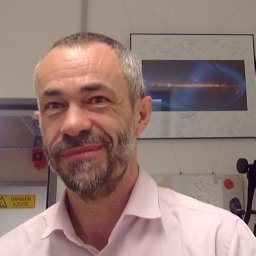 Francois-Xavier Désert合作论文数Institut de Planétologie et d'Astrophysique de Grenoble;Université Grenoble Alpes198L. Perotto合作论文数191
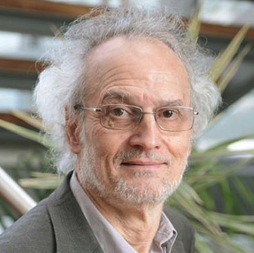 Jean-Loup Puget合作论文数Institut d'Astrophysique Spatiale, Centre National de la Recherche Scientifique;Institut d'Astrophysique Spatiale, University of Paris-Sud 11184
 Alain Benoît合作论文数Institut Néel, Centre National de la Recherche Scientifique;Centre de Recherches sur les Très Basses Températures, Centre National de la Recherche Scientifique182N. Ponthieu合作论文数178
 David L Clements合作论文数Department of Physics, Faculty of Natural Sciences, Imperial College London176
 Gianfranco De Zotti合作论文数INAF - Astronomical Observatory of Padova171
 Jean-Philippe Bernard合作论文数Centre National De La Recherche Scientifique171Etienne Pointecouteau合作论文数170
 Paolo de Bernardis合作论文数Dipartimento di Fisica, Sapienza Università di Roma170
 François Bouchet合作论文数Laboratoire d'Informatique de Paris 6, Sorbonne Université;CNRS;Institut d'Astrophysique de Paris164
 Jonathan Aumont合作论文数Institut de Recherche en Astrophysique et Planétologie158Marian Douspis合作论文数Université Paris-Saclay156
 Jacques Delabrouille合作论文数Astronomy Department, Shanghai Jiao Tong University;Laboratoire AstroParticule et Cosmologie156H. Dole合作论文数155
 Francesco Piacentini合作论文数Dipartimento di Fisica, Sapienza - Università di Roma153
 Peter Ade合作论文数152Fabio Finelli合作论文数Istituto Nazionale Dl Astrofisica, Osservatorio di Astrofsica e Scienza dello Spazio di Bologna152
 Paolo Natoli合作论文数Dipartimento di Fisica e Scienze della Terra, Università degli Studi di Ferrara152
 Jean-Michel Lamarre合作论文数Laboratoire D'Études Du Rayonnement Et De La Matière En Astrophysique Et Atmosphères, À L’Observatoire De Paris151
 Diego Herranz Muñoz合作论文数Universidad de Cantabria;Instituto de Física de Cantabria151
 Marco Bersanelli合作论文数Dipartimento di Fisica;Universita degli Studi di Milano;Dipartimento di Fisica, Universita degli Studi di Milano151L. A. Montier合作论文数151
 n mandolesi合作论文数150Eric Hivon合作论文数Institut d'Astrophysique de Paris, CNRS Délégation Paris B150
 Xavier Dupac合作论文数European Space Agency150Ganga K合作论文数149Carlo Burigana合作论文数INAF149
 Maurizio Tomasi合作论文数Laboratorio di Strumentazione Spaziale, Dipartimento di Fisica Aldo Pontremoli, Università degli Studi di Milano149
 Hannu Kurki-Suonio合作论文数Division of Particle Physics and Astrophysics, Department of Physics, Faculty of Science, University of Helsinki;Helsinki Institute of Physics, Faculty of Science, University of Helsinki149
 Patricio Vielva合作论文数Instituto de Fisica de Cantabria148Gustavo Polenta合作论文数Dipartimento di Fisica, Universitá di Roma La Sapienza148
 M. Tristram合作论文数College de France148
 Ben Wandelt合作论文数Sorbonne Université;Calda AI;Lagrange Institute, Institut Lagrange de Paris148S. Masi合作论文数147G. Rocha合作论文数147
 Andrea Zacchei合作论文数Osservatorio Astronomico di Trieste147
 Marco Frailis合作论文数Astronomical Observatory of Trieste, National Institute of Astrophysics147
 Aniello Mennella合作论文数Universitá di Milano;Dipartimento di Fisica;Dipartimento di Fisica, Universitá di Milano147
 Gianluca Morgante合作论文数147
 Alessandro Gruppuso合作论文数INAF OAS Bologna147
 Samuele Galeotta合作论文数Osservatorio Astronomico di Trieste, Istituto Nazionale di Astrofisica147
 R. Belén Barreiro合作论文数Instituto de Física de Cantabria, Joint Centre with the combined effort of Spanish National Research Council and University of Cantabria146
 Arnaud Morel合作论文数SNCF;Direction Generale de l'Aviation Civile145
 Enrico Franceschi合作论文数Osservatorio di Astrofisica e Scienza dello Spazio di Bologna, Istituto Nazionale di Astrofisica145
 James J. (Jamie) Bock合作论文数The Division of Physics, Mathematics and Astronomy, California Institute of Technology;Jet Propulsion Laboratory, California Institute of Technology145




