In this paper, we study the efficacy of government-mandated mobility restrictions on curbing urban mobility, and estimate the spatial heterogeneity in lockdown compliance. We also explore the role of cash subsidies disbursed during lockdown as well as socioeconomic differences across neighborhoods in explaining their unequal response to mobility restrictions. We rely on novel data showing changes in movements at highly disaggregated spatial units in Bogotá, before and during the first wave of the COVID-19 pandemic, matched with data on socioeconomic characteristics as well as data on Non-Pharmaceutical Interventions (NPIs) implemented in the period of analysis. We find that the general lockdown imposed in the city significantly reduced mobility (by about 41pp). When looking at the unequal response across locations, we find that low-income areas, with higher population density, informality and overcrowding, reacted less to mobility restrictions. We also find that cash subsidies were not sufficient to make compliance easier in low-income neighborhoods.
The capacity of areas within a city to comply with mobility restrictions aimed at curbing the COVID-19 pandemic is crucial to the local dynamics of the disease. In this paper, we study the efficacy of policies implemented to restrict mobility and their impact on the COVID-19 expansion, and how this impact depends on socioeconomic differences across within-city locations. To do so, we rely on unique and novel data showing changes in movements at highly disaggregated spatial levels. We use data from Bogota to explore the relationship between mobility restrictions, as one of the main Non-Pharmaceutical Interventions implemented, people’s mobility, and the expansion of the COVID 19 pandemic. Bogota implemented a general lockdown, followed by district-specific restrictions and subsidies. We find that the general lockdown imposed in the city significantly reduced mobility (by about 47%). By contrast, the marginal impact of district-specific restrictions and subsidies is found to be small. When looking at heterogeneous impact across locations, we find that poorer locations, with a higher share of informal workers, as well as those where households who have deficient infrastructure, reacted significantly less to mobility restrictions.
The YAP‐TEAD transcriptional complex is responsible for the expression of genes that regulate cancer cell growth and proliferation. Dysregulation of the Hippo pathway due to overexpression of TEAD has been reported in a wide range of cancers. Inhibition of TEAD represses the expression of associated genes, demonstrating the value of this transcription factor for the development of novel anti‐cancer therapies. We report herein the design, synthesis and biological evaluation of LM98, a flufenamic acid analogue. LM98 shows strong affinity to TEAD, inhibits its autopalmitoylation and reduces the YAP‐TEAD transcriptional activity. Binding of LM98 to TEAD was supported by 19 F‐NMR studies while co‐crystallization experiments confirmed that LM98 is anchored within the palmitic acid pocket of TEAD. LM98 reduces the expression of CTGF and Cyr61 , inhibits MDA‐MB‐231 breast cancer cell migration and arrests cell cycling in the S phase during cell division.
Remodelin is a putative small molecule inhibitor of the RNA acetyltransferase NAT10 which has shown preclinical efficacy in models of the premature aging disease Hutchinson-Gilford Progeria Syndrome (HGPS). Here we evaluate remodelin's assay interference characteristics and effects on NAT10-catalyzed RNA cytidine acetylation. We find the remodelin chemotype constitutes a cryptic assay interference compound, which does not react with small molecule thiols but demonstrates protein reactivity in ALARM NMR and proteome-wide affinity profiling assays. Biophysical analyses find no direct evidence for interaction of remodelin with the NAT10 acetyltransferase active site. Cellular studies verify that N4-acetylcytidine (ac4C) is a nonredundant target of NAT10 activity in human cell lines and find that this RNA modification is not affected by remodelin treatment in several orthogonal assays. These studies display the potential for remodelin's chemotype to interact with multiple protein targets in cells and indicate remodelin should not be applied as a specific chemical inhibitor of NAT10-catalyzed RNA acetylation.
The cyclic guanosine-3′,5′-monophosphate (cGMP)-dependent protein kinase (PKG) was identified >25 y ago; however, efforts to obtain a structure of the entire PKG enzyme or catalytic domain from any species have failed. In malaria parasites, cooperative activation of PKG triggers crucial developmental transitions throughout the complex life cycle. We have determined the cGMP-free crystallographic structures of PKG from Plasmodium falciparum and Plasmodium vivax , revealing how key structural components, including an N-terminal autoinhibitory segment (AIS), four predicted cyclic nucleotide-binding domains (CNBs), and a kinase domain (KD), are arranged when the enzyme is inactive. The four CNBs and the KD are in a pentagonal configuration, with the AIS docked in the substrate site of the KD in a swapped-domain dimeric arrangement. We show that although the protein is predominantly a monomer (the dimer is unlikely to be representative of the physiological form), the binding of the AIS is necessary to keep Plasmodium PKG inactive. A major feature is a helix serving the dual role of the N-terminal helix of the KD as well as the capping helix of the neighboring CNB. A network of connecting helices between neighboring CNBs contributes to maintaining the kinase in its inactive conformation. We propose a scheme in which cooperative binding of cGMP, beginning at the CNB closest to the KD, transmits conformational changes around the pentagonal molecule in a structural relay mechanism, enabling PKG to orchestrate rapid, highly regulated developmental switches in response to dynamic modulation of cGMP levels in the parasite.
Chromodomains in chromatin-associated proteins act as ‘readers’ of methylated lysines within histones. Structural and computational design led to the identification of UNC3866, a potent, cell-active peptide-based inhibitor of the methyllysine reading functions of CBX and CDY chromodomains. We report the design and characterization of UNC3866, a potent antagonist of the methyllysine (Kme) reading function of the Polycomb CBX and CDY families of chromodomains. Polycomb CBX proteins regulate gene expression by targeting Polycomb repressive complex 1 (PRC1) to sites of H3K27me3 via their chromodomains. UNC3866 binds the chromodomains of CBX4 and CBX7 most potently, with a Kd of ∼100 nM for each, and is 6- to 18-fold selective as compared to seven other CBX and CDY chromodomains while being highly selective over >250 other protein targets. X-ray crystallography revealed that UNC3866's interactions with the CBX chromodomains closely mimic those of the methylated H3 tail. UNC4195, a biotinylated derivative of UNC3866, was used to demonstrate that UNC3866 engages intact PRC1 and that EED incorporation into PRC1 is isoform dependent in PC3 prostate cancer cells. Finally, UNC3866 inhibits PC3 cell proliferation, consistent with the known ability of CBX7 overexpression to confer a growth advantage, whereas UNC4219, a methylated negative control compound, has negligible effects.
Ubiquitin-like with PHD and RING finger domains 1 (UHRF1) is a multidomain protein that plays a critical role in maintaining DNA methylation patterns through concurrent recognition of hemimethylated DNA and histone marks by various domains, and recruitment of DNA methyltransferase 1 (DNMT1). UHRF1 is overexpressed in various cancers, including breast cancer. The tandem tudor domain (TTD) of UHRF1 specifically and tightly binds to histone H3 di- or trimethylated at lysine 9 (H3K9me2 or H3K9me3, respectively), and this binding is essential for UHRF1 function. We developed an H3K9me3 peptide displacement assay, which was used to screen a library of 44,000 compounds for small molecules that disrupt the UHRF1-H3K9me3 interaction. This screen resulted in the identification of NV01, which bound to UHRF1-TTD with a Kd value of 5 μM. The structure of UHRF1-TTD in complex with NV01 confirmed binding to the H3K9me3-binding pocket. Limited structure-based optimization of NV01 led to the discovery of NV03 (Kd of 2.4 μM). These well-characterized small-molecule antagonists of the UHRF1-H3K9me2/3 interaction could be valuable starting chemical matter for developing more potent and cell-active probes toward further characterizing UHRF1 function, with possible applications as anticancer therapeutics.
Nat. Chem. Biol. 13, 389–395 (2017); published online 30 January 2017; corrected after print 14 June 2017 In the version of this article initially published, the keys for the graphs in Figure 5b–e incorrectly stated GDK126 instead of GSK126. The error has been corrected in the HTML and PDF versions of the article.
UHRF1 is a key mediator of inheritance of epigenetic DNA methylation patterns during cell division and is a putative target for cancer therapy. Recent studies indicate that interdomain interactions critically influence UHRF1's chromatin-binding properties, including allosteric regulation of its histone binding. Here, using an integrative approach that combines small angle X-ray scattering, NMR spectroscopy, and molecular dynamics simulations, we characterized the dynamics of the tandem tudor domain-plant homeodomain (TTD-PHD) histone reader module, including its 20-residue interdomain linker. We found that the apo TTD-PHD module in solution comprises a dynamic ensemble of conformers, approximately half of which are compact conformations, with the linker lying in the TTD peptide-binding groove. These compact conformations are amenable to cooperative, high-affinity histone binding. In the remaining conformations, the linker position was in flux, and the reader adopted both extended and compact states. Using a small-molecule fragment screening approach, we identified a compound, 4-benzylpiperidine-1-carboximidamide, that binds to the TTD groove, competes with linker binding, and promotes open TTD-PHD conformations that are less efficient at H3K9me3 binding. Our work reveals a mechanism by which the dynamic TTD-PHD module can be allosterically targeted with small molecules to modulate its histone reader function for therapeutic or experimental purposes.
Well-characterized selective inhibitors of protein arginine methyltransferases (PRMTs) are invaluable chemical tools for testing biological and therapeutic hypotheses. Based on 4, a fragment-like inhibitor of type I PRMTs, we conducted structure-activity relationship (SAR) studies and explored three regions of this scaffold. The studies led to the discovery of a potent, selective, and cell-active dual inhibitor of PRMT4 and PRMT6, 17 (MS049). As compared to 4, 17 displayed much improved potency for PRMT4 and PRMT6 in both biochemical and cellular assays. It was selective for PRMT4 and PRMT6 over other PRMTs and a broad range of other epigenetic modifiers and nonepigenetic targets. We also developed 46 (MS049N), which was inactive in biochemical and cellular assays, as a negative control for chemical biology studies. Considering possible overlapping substrate specificity of PRMTs, 17 and 46 are valuable chemical tools for dissecting specific biological functions and dysregulation of PRMT4 and PRMT6 in health and disease.
WD repeat-containing protein 5 (WDR5) is an important component of the multiprotein complex essential for activating mixed-lineage leukemia 1 (MLL1). Rearrangement of the MLL1 gene is associated with onset and progression of acute myeloid and lymphoblastic leukemias, and targeting the WDR5-MLL1 interaction may result in new cancer therapeutics. Our previous work showed that binding of small molecule ligands to WDR5 can modulate its interaction with MLL1, suppressing MLL1 methyltransferase activity. Initial structure-activity relationship studies identified N-(2-(4-methylpiperazin-1-yl)-5-substituted-phenyl) benzamides as potent and selective antagonists of this protein-protein interaction. Guided by crystal structure data and supported by in silico library design, we optimized the scaffold by varying the C-1 benzamide and C-5 substituents. This allowed us to develop the first highly potent (Kdisp < 100 nM) small molecule antagonists of the WDR5-MLL1 interaction and demonstrate that N-(4-(4-methylpiperazin-1-yl)-3'-(morpholinomethyl)-[1,1'-biphenyl]-3-yl)-6-oxo-4-(trifluoromethyl)-1,6-dihydropyridine-3-carboxamide 16d (OICR-9429) is a potent and selective chemical probe suitable to help dissect the biological role of WDR5.
Protein methyltransferases (PMTs) are a promising target class in oncology and other disease areas. They are composed of SET domain methyltransferases and structurally unrelated Rossman-fold enzymes that include protein arginine methyltransferases (PRMTs). In the absence of a well-defined medicinal chemistry tool-kit focused on PMTs, most current inhibitors were identified by screening large and diverse libraries of leadlike molecules. So far, no successful fragment-based approach was reported against this target class. Here, by deconstructing potent PRMT inhibitors, we find that chemical moieties occupying the substrate arginine-binding site can act as efficient fragment inhibitors. Screening a fragment library against PRMT6 produced numerous hits, including a 300 nM inhibitor (ligand efficiency of 0.56) that decreased global histone 3 arginine 2 methylation in cells, and can serve as a warhead for the development of PRMT chemical probes.
Nat. Chem. Biol. 11, 571–578 (2015); published online 13 July 2015; corrected online 20 August 2015 In the author list, affiliation and correspondence information for Cheryl Arrowsmith was missing. Her name should be accompanied by affiliation number 3 (signifying the Structural Genomics Consortium,University of Toronto, Toronto, Ontario, Canada) and by an asterisk indicating her status as a corresponding author.
 Masoud Vedadi合作论文数Department of Pharmacology and Toxicology, Temerty Faculty of Medicine, University of Toronto;Ontario Institute for Cancer Research52
 Cheryl Arrowsmith合作论文数Department of Medical Biophysics, Temerty Faculty of Medicine, University of Toronto;Princess Margaret Cancer Centre35
 Peter J Brown合作论文数19
 Aiping Dong合作论文数16Fengling Li合作论文数Univ Toronto, Struct Genom Consortium, Toronto, ON M5G 1L7, Canada15
 Matthieu Schapira合作论文数Department of Pharmacology and Toxicology, Temerty Faculty of Medicine, University of Toronto15
 Abdellah Allali hassani合作论文数Department of Biochemistry and Molecular Biology, Universitat Autònoma de Barcelona15Irene Chau合作论文数14Al-Awar Rima合作论文数13R. Hui合作论文数12J. Weigelt合作论文数12
 Dalia Barsyte Lovejoy合作论文数Department of Pharmacology and Toxicology, Temerty Faculty of Medicine, University of Toronto12A. Bochkarev合作论文数11Wasney Gregory A合作论文数11
 Hong Wu (吴虹)合作论文数School of Life Sciences, Peking University11I. Kozieradzki合作论文数10David Smil合作论文数University of Toronto10A. Hutchinson合作论文数9C. Bountra合作论文数9
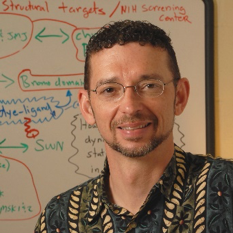 Stephen V. Frye合作论文数Lineberger Comprehensive Cancer Center, School of Medicine, The University of North Carolina at Chapel Hill;Center for Integrative Chemical Biology and Drug Discovery, University of North Carolina at Chapel Hill;Division of Chemical Biology and Medicinal Chemistry, University of North Carolina at Chapel Hill;Meryx Inc9
 Yuri Bolshan合作论文数9
 Raymond Kin-hi Hui合作论文数8
 Gennady Poda合作论文数7D. Cossar合作论文数7M. Schapira合作论文数7A.K. Wernimont合作论文数7F. Mackenzie合作论文数7A. Dong合作论文数7
 Magdalena Szewczyk合作论文数Univ Toronto, Struct Genom Consortium, Toronto, ON M5G 1L7, Canada7
 Dmitri Kireev合作论文数University of North Carolina, University of North Carolina at Chapel Hill;Tel: (919) 843-5486.;University of North Carolina, University of North Carolina at Chapel Hill7Richard Marcellus合作论文数7
 Hajian Taraneh合作论文数Structural Genomics Consortium, University of Toronto7
 Jian Jin (金坚)合作论文数School of Life Sciences and Health Engineering, Jiangnan University7Ludmila Dombrovski合作论文数7Wolfram Tempel合作论文数Structural Genomics Consortium, University of Toronto7Ekaterina Kuznetsova合作论文数7W. Tempel合作论文数6Alena Siarheyeva合作论文数6Peter Loppnau合作论文数6M. Amani合作论文数5
 Hong Zeng合作论文数5
 Mohammad Eram合作论文数Dalriada Drug Discovery5
 Feng Liu (刘峰)合作论文数College of Pharmaceutical Sciences, Suzhou Medical College, Soochow University5J. Martin Herold合作论文数5
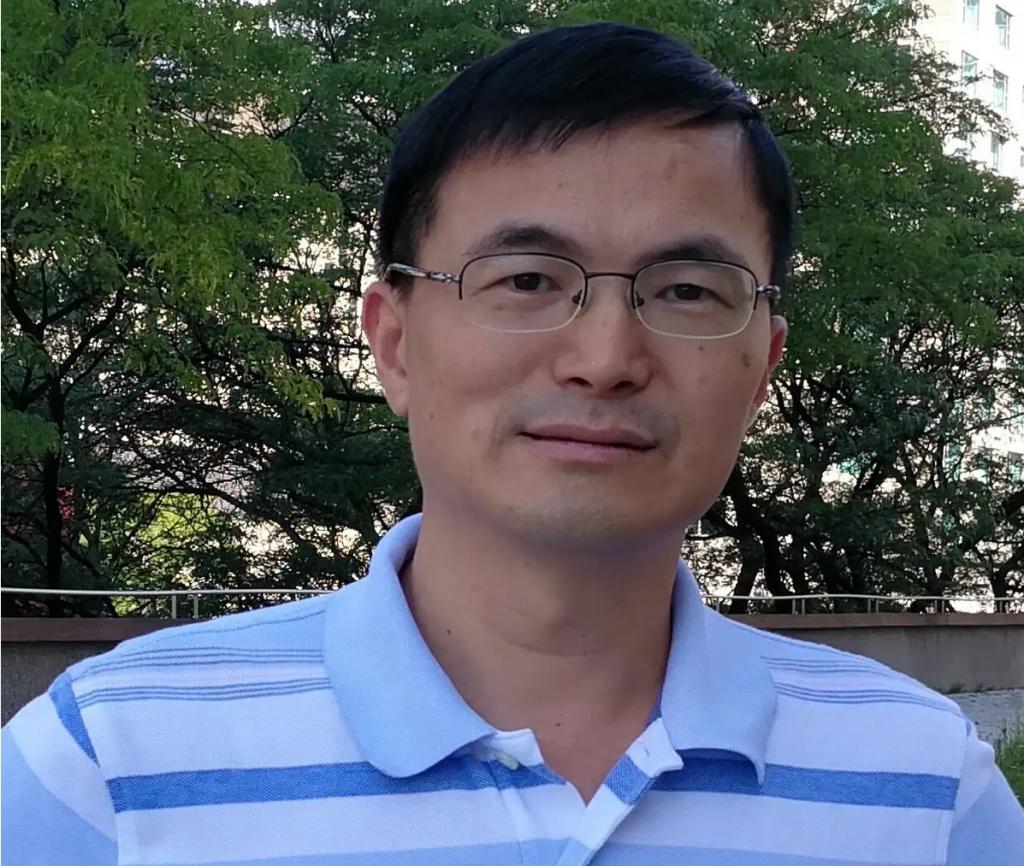 Jinrong Min (闵金荣)合作论文数School of Life Sciences, Central China Normal University5
 Hee-won Park合作论文数5H. Sullivan合作论文数4T. Hills合作论文数4W. Qiu合作论文数4




