Nutrition supplementation and exercise are the current approaches for managing sarcopenia in patients with cirrhosis. There are limited data on benefits, if any, of supplementing testosterone in cirrhosis with sarcopenia and frailty. 127 patients with cirrhosis and sarcopenia were randomized to receive either nutrition and structured exercise with intramuscular testosterone undecanoate 1000 mg administered at 0, 6, 12, 16, 20, and 24 weeks (NExT group, n = 64) or only structured exercise and nutrition (NEx group, n = 63). Of these, 102 patients completed the 24-week study period as per protocol (NExT, n = 50; NEx, n = 52). The primary endpoint was a ≥ 10
Epstein-Barr virus (EBV) DNAemia poses a significant risk to transplant recipients, leading to Post-transplant lymphoproliferative disorder (PTLD). This study aims to determine the occurrence of EBV DNAemia among liver transplant (LT) recipients and analyze its association with various clinical parameters. Retrospective data search on 801 patients who underwent LT from January 2015 to December 2024 was performed. Of these, 257 recipients with available EBV DNA test records post-transplant were included and divided into EBV DNAemia and non-EBV DNAemia group. Various pre-transplant (age, MELD/PELD score, transplant type, EBV/CMV serostatus), transplant (cold/warm ischemia time, blood transfused), and post-transplant factors (EBV DNAemia, CMV infection, rejection, and immunosuppressant) were compared in both groups using univariate and multivariate analysis. Out of 257 cases, 138 (53.7%) were adults with a median age of 29 (IQR: 4.5-47) years. EBV DNAemia group included 50 (19.5%) cases with median age 2 (IQR: 1-5) years, majority (56%) classified as high-risk. The median time of EBV DNAemia detection since LT was 319 (IQR: 190-732) days with median viral load of 3.33 (IQR: 2.85-3.80) log10 copies/mL. PTLD developed in three cases (both high/intermediate risk). Non-EBV DNAemia group included 207 (80.5%) cases, with median age of 36 (IQR: 11-49) years, primarily belonging to intermediate risk. Age and pre-transplant EBV serostatus were found to be associated with EBV DNAemia on multivariate analysis. Routine monitoring of EBV DNAemia in both adult and pediatric LT recipients, regardless of pre-transplant serostatus, is crucial for early detection and management of EBV DNAemia/associated complications.IMPORTANCEThere is a significant lack of comprehensive studies on the prevalence and clinical impact of EBV DNAemia among liver transplant (LT) recipients in India. The absence of standardized monitoring and management protocols across Indian transplant centers further adds to inconsistencies in clinical practices, leading to challenges in early detection and intervention. Existing research primarily focuses on the high-risk pediatric renal transplant recipients with limited data available for adult LT recipients. This study aims to address these gaps by providing crucial insights into EBV DNAemia among Indian LT recipients and its association with various clinical parameters.
Background: Metabolic dysfunction-associated steatotic liver disease (MASLD) was integrated into India's National Programme for Prevention and Control of Non-Communicable Diseases (NP-NCD) in February 2021; however, implementation readiness among frontline HCPs remains unassessed. We evaluated MASLD knowledge gaps, guideline awareness, and training effectiveness among HCPs across Rajasthan, India's largest state by area prior to their launch of Mission ‘Liver Smile’. Methods: A quasi-experimental, pre-post study was conducted among 2,059 HCPs — Community Health Officers (84.3%), Medical Officers (13.7%), and Specialists (2.0%) — from all 50 districts of Rajasthan attending a structured MASLD training programme at the State Institute of Health and Family Welfare, Jaipur. The intervention conducted over three days included expert-led lectures, case-based discussions, and hands-on sessions on non-invasive tools (FIB-4 scoring, waist circumference measurement etc.). Knowledge was assessed pre- and post-training using a 22-item questionnaire analyzed with paired t-test, McNemar's test, effect size measures, chi-square with Cramér's V, one-way ANOVA, and supervised machine learning. Findings: Mean knowledge scores improved from 7.43 ± 2.52 to 8.92 ± 2.85 (p < 0.001; Cohen's d = 0.46; NNT = 2.07), a 20.1% relative improvement. The largest gains were in comorbidity screening (63.1% to 78.6%), waist circumference referral thresholds (49.2% to 69.4%), and FIB-4 interpretation (35.9% to 57.6%) (all p < 0.001), while limited improvement was noted for metabolic syndrome parameters and pharmacological management. Among guideline-aware participants, 80% referred appropriately, though 20% did not despite awareness (χ² = 494.27; Cramér's V = 0.49). Machine learning identified baseline knowledge as the strongest predictor of training responsiveness. Interpretation: Structured training significantly improved MASLD-related knowledge across clinical and programmatic domains, but training alone is insufficient for guideline adoption. Concurrent system-level strengthening — including digital infrastructure upgrades, clinical decision-support tools, and refresher training — is essential. Rajasthan's Mission Liver Smile initiative offers a replicable capacity-building model for other Indian states and the WHO Southeast Asia Region.
Metabolic dysfunction-associated steatotic liver disease (MASLD) has emerged as the leading cause of chronic liver disease globally, affecting approximately 25
BACKGROUND AND AIMS:Alcohol use disorder (AUD) coexisting with cirrhosis carries high morbidity and mortality, with no approved pharmacotherapy for AUD. We evaluated the safety and efficacy of naltrexone, an opioid receptor antagonist, in patients with compensated alcohol-associated cirrhosis (AaC) and AUD. METHODS:One hundred patients with compensated AaC and DSM-5 AUD were randomised 1:1 to naltrexone (50 mg/day) or placebo for 12 weeks. The primary endpoint was point-prevalence abstinence at 12 weeks, defined as no alcohol use in the four preceding weeks. Secondary endpoints included craving (Obsessive Compulsive Drinking Scale [OCDS]-Obsessive and Compulsive subscales), lapses, relapses, and hepatic safety. Standardised psychosocial support was provided to both arms. RESULTS:Baseline characteristics were well matched between groups (mean MELD 12.6 vs. 12.7; CTP score 5.9 vs. 6.2; age 42.9 vs. 44.3 years). AUDIT and OCDS scores were comparable between groups. Abstinence at 12 weeks was significantly higher with naltrexone: 64% (32/50) versus 22% (11/50), p < 0.001; OR 10.86 (95% CI: 1.89-62.2). Naltrexone significantly reduced lapses at 3 months (28% vs. 54%, p = 0.008) and showed a trend toward fewer heavy-drinking relapses (12% vs. 28%, p = 0.07). Maintenance of abstinence at 6 months favoured naltrexone (22% vs. 8%, p = 0.09). No patient developed hepatic decompensation attributable to study medication, and no AST/ALT elevation exceeding 5× ULN was observed in either group. Mean craving scores were lower with naltrexone by week 12 than with placebo: OCDS-O score (6.63 ± 1.16 vs. 9.29 ± 1.78, p < 0.01) and OCDS-C score (6.35 ± 1.23 vs. 9.02 ± 1.86, p < 0.01). Adverse events were comparable between the groups. CONCLUSION:Naltrexone is safe and effective in patients with compensated alcohol-associated cirrhosis, achieving a threefold higher abstinence rate and significantly reducing craving compared with placebo. These findings support the use of naltrexone as a pharmacological option in patients with compensated AaC and AUD. TRIAL REGISTRATION:NCT04391764.
BACKGROUND:Frailty adversely affects post-transplant outcomes in chronic liver disease (CLD). This study evaluated the feasibility and the impact of preoperative supervised aerobic and resistance exercises (SARE) on frailty and outcomes after living donor liver transplantation (LDLT). METHODS:This single-centre randomized controlled trial assigned the LDLT recipients to standard medical therapy (SMT) or SARE+SMT for 4 weeks pre-LDLT. Liver Frailty Index (LFI), Short Physical Performance Battery (SPPB), pulmonary function tests (PFTs) and postoperative outcomes were compared. RESULTS:Sixty patients, [54 (90%) males, 26 (43.33%) alcoholic liver disease, 18 (30%) NASH, median MELDNa of 22 (19-27) and CTP A 5 (8.33%), B 22 (36.67%), C 33 (55%) were randomised (30/group)]. Baseline parameters, LFI and SPPB were comparable. At enrolment, 46(76.67%) were pre-frail, 7(11.67%) frail and 53(88.33%) were sarcopenic. Seven(11.66%) patients died during workup, four lost to follow-up and 49 underwent LDLT. In SARE arm, 40% patients attended ≥5 exercise sessions. No adverse events occurred; recurrent admissions were hinderance to study adherence. Adjusted analysis showed similar LFI (p=0.92), SPPB (p=0.71) and PFT between groups. A borderline improvement in NIV discontinuation (p=0.05) and earlier chair and bipedal ambulation (p=0.10 and p=0.09, respectively) was observed with SARE. Significant correlations were observed for POD30 LFI [MV duration- r=0.56 (p=0.00), NIV duration- r=0.509 (p=0.00), hospital stay- r=0.547 (p=0.00) and ICU stay- r=0.563 (p=0.00)], with similar statistically significant correlations for POD14 and POD30 LFI, SPPB and PFTs. CONCLUSIONS:Preoperative SARE is safe and feasible in high MELD/ Child patients. LFI, SPPB, PFT, and postoperative outcomes were comparable between groups. SARE showed borderline improvement in ambulation and NIV discontinuation. Better LFI, SPPB, PFTs predicted improved clinical outcomes.
IntroductionMetabolic dysfunction-associated steatotic liver disease (MASLD) is a growing public health concern, yet awareness remains low. This study aimed to assess MASLD awareness and identify predictors of liver testing behavior in Jaipur, India.MethodsA cross-sectional survey of 2,102 adults was conducted from October 2023 to March 2024. Participants completed a questionnaire assessing liver health knowledge, awareness, and testing history. Logistic regression analyzed predictors of liver testing.ResultsOnly 5.9% of participants had heard of fatty liver disease, with 94.0% completely unaware. Knowledge of liver functions was extremely low, with only 14.9% recognizing food digestion as a liver function. The liver testing rate was 1.8% overall. Education emerged as the strongest predictor of testing behavior, with graduates and above 8.35 times more likely to be tested than non-graduates (OR=8.35, 95% CI: 3.80-18.37, p < 0.001). Participants with higher liver function knowledge had dramatically higher testing rates of 12.9% versus 1.2% for those with low knowledge (OR=9.35, 95% CI: 4.2-20.8, p < 0.001). Employment status also significantly predicted testing (OR=5.42, 95% CI: 2.8-10.5, p < 0.001).DiscussionThis study reveals a catastrophic knowledge deficit regarding MASLD, with 94% of participants completely unaware of the condition. The strong association between education, knowledge, and testing behavior highlights a critical knowledge-to-action pathway. The extremely low overall testing rate (1.8%) indicates massive underutilization of liver health screening, particularly among unemployed and less educated individuals. These findings underscore the urgent need for comprehensive public health education on liver health, especially given India's rising MASLD prevalence and young demographic profile. Targeted interventions to improve awareness and facilitate testing access among socioeconomically disadvantaged groups are essential to address this public health crisis.
Background/Aims Hyperammonemia is a key factor in genesis and outcome of overt hepatic encephalopathy (OHE). It is caused by both reduced hepatic ammonia clearance and increased production in the gut by the bacterial urease enzyme. We studied relationship of microbial urease activity in gut and stool with ammonia metabolism and levels, and assessed the relative effectiveness of stool urease activity (SUA) in predicting OHE in cirrhosis. Methods In experimental cirrhosis, the expression of whole-body ammonia metabolic enzymes, ammonia clearance, plasma ammonia levels, and SUA were studied in rats. Live and pasteurized urease-positive bacteria, Klebsiella pneumonia (Kp), were gavaged in bowel-cleansed controls and cirrhotic rats for 7 days. Baseline SUA and normalized plasma ammonia (AMM-ULN) were analyzed in 50 hospitalized cirrhosis patients without any baseline hepatic encephalopathy (HE) and 30 healthy controls. The performance of SUA as a predictor of OHE was studied in patients after a 3-month follow-up. Results In cirrhotic rat models, there was a significant elevation of gut and SUA along with plasma ammonia levels as compared to healthy animals. Live Kp gavage substantially increased SUA and plasma ammonia in cirrhotic models but not in control animals. As compared to controls, both SUA and AMM-ULN were significantly increased in patients with cirrhosis. During follow-up, 40% of patients developed OHE. SUA (area under the receiver operating characteristic curve [AUROC]: 0.78; P = 0.003) emerged as a significant and better predictor of OHE than AMM-ULN (AUROC: 0.71; P = 0.02). Conclusion Our study underscores a direct contribution of gut urease activity to plasma ammonia levels and proposes increased SUA as a promising biomarker for predicting new-onset OHE in patients with cirrhosis.
Background:The approved immunotherapies for patients with advanced HCC are Atezolizumab and Bevacizumab. However, patients in India present late and healthcare is often available through self-financing. To rationalise the therapy, we conducted a large multicentre study to identify the baseline predictors of non-response to atezolizumab and bevacizumab in advanced unresectable HCC. Methods:A dose of atezolizumab 1200 mg and bevacizumab 15 mg/kg was used every 3 weeks from 6 centres across India. A total of 278 patients were screened, and 160 were included in the study. The study included patients with locally advanced metastatic or inoperable hepatocellular carcinoma who were at least 18 years of age and those who received <3 injections were excluded. Fifty-four percent of the included patients were BCLC-B and 46% were BCLC-C. The primary objective was to study overall survival and progression-free survival. While identifying radiological response, objective response rate and adverse effects were secondary objectives. Results:The mean age was 61.9 ± 11.7 years, 88% were male, 55% had NASH, 16.3% had hepatitis C, 18.8% had hepatitis B and the rest were alcohol. The mean Model for End-Stage Liver Disease (MELD) is 12.05 ± 4.46, Albumin-Bilirubin Score (ALBI) is -2.04 ± 0.57. Fifty-five percent received first-line and 45% as second/other line therapy. The median overall survival was 10 (95% confidence interval [CI]: 6.1-15.6) months. Progression-free survival was found to be 8 (95%CI: 5.1-14.7) months overall. Eleven (6.9%) achieved complete response, 28 (17.5%) partial response, 33 (20.6%) had stable disease and 88 (55%) had progressive disease. On multivariate analysis, CRP>1 mg/dl (P-0.007), PIVKA-II>400 mAU/mL (P-0.019), AFP>100 ng/ml (P-0.009), presence of diabetes (P-0.042) were associated with non-response to atezolizumab and bevacizumab injection. Fifty-three percent of patients developed any grade of adverse effect, and 20% developed grade 3/4 adverse events amounting to the stoppage of therapy. Conclusion:Non-response to atezolizumab and bevacizumab immunotherapy was predicted by CRP>1 mg/dl, PIVKA-II>400mAU/ml, AFP>100 ng/ml and the presence of diabetes.
Eliminating Hepatitis B by 2030 is achievable through vaccination. However, despite the safety of the Hepatitis B vaccine, vaccination coverage among adults in India is suboptimal. From April 2021 to August 2022, a study in New Delhi, India assessed Hepatitis B vaccination status, willingness to be vaccinated, and awareness of vaccination importance among adults. 7,097 participants (mean age ± SD = 43.3 ± 14 years; range = 18–99 years) were screened. 93.3
Objectives The purpose of the present study was to evaluate outcomes with radiation therapy (RT) in multimodality treatment for inoperable hepatocellular carcinoma (HCC) with portal vein tumour thrombosis (PVTT).Methods The present retrospective study included 24 patients without extrahepatic metastases. The patients had received drug eluting beads - transarterial chemoembolization (DEB-TACE) (n = 10) and systemic treatment (n = 14) before RT. The dose fractionation was 12-31.5 Gy in 3-7 fractions of 4-5 Gy to PVTT or PVTT plus the liver parenchymal tumour. All patients were advised systemic treatment with sorafenib, lenvatinib, or nivolumab after RT. After RT, patients had received DEB-TACE within 8 weeks (n = 2) or at 5-10 months (n = 3). Treatment response was evaluated as per mRECIST and PERCIST, and Kaplan-Meier survival analysis was performed.Results The disease control rate in PVTT was 50% at 3 months. The median overall survival (OS) was 10.9 months (95% CI, 0.74-21) for all patients. The 6-month, 1-year, 2-year, and 3-year OS rates were 75%, 45.8%, 25%, and 12.5%, respectively. The median OS was 30.4 months (95% CI, 12.1-48.7) versus 18.1 months (0.00-38.8) with complete or partial response versus stable or progressive disease in PVTT (P = .036). Eleven patients had a decline in Child Pugh score of 2 or more points within 3 months after RT. One patient underwent live donor liver transplantation (LDLT) and complete necrosis with no viable tumour was observed in the explant. The patient is cancer- and liver disease-free at 1 year after LDLT.Conclusions The present study showed the benefit of radiotherapy with systemic therapy and DEB-TACE in patients with HCC with PVTT.Advances in knowledge Radiotherapy as part of the multimodality treatment offers the potential to improve disease control and survival in patients with HCC with PVTT.
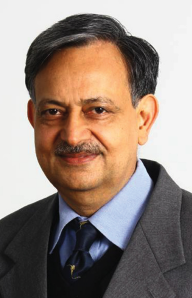 Shiv Kumar Sarin合作论文数Department of Hepatology, Institute of Liver and Biliary Sciences;Jawaharlal Nehru Center for Advanced Scientific Research252
 Rakhi Maiwall合作论文数131
 Ashok Kumar Choudhury合作论文数Institute of Liver & Biliary Sciences62
 Ankur Jindal合作论文数60
 Vinod K Arora合作论文数50
 Ankit Bhardwaj合作论文数Electron. & Commun. Dept., Indian Inst. of Inf. Technol. Design & Manuf.;c;Electron. & Commun. Dept., Indian Inst. of Inf. Technol. Design & Manuf.44
 Bihari Chhagan合作论文数Department of Pathology, Institute of Liver and Biliary Sciences (ILBS), D-1 Vasant Kunj, New Delhi 110070, India.41Jaya Benjamin合作论文数Department of Gastroenterology and Human Nutrition, All India Institute of Medical Sciences41
 Priyanka Jain合作论文数37Archana Rastogi合作论文数37Pamecha Viniyendra合作论文数Department of Hepato-Pancreatico-Biliary and Liver Transplantation Surgery, Institute of Liver and Biliary Sciences32Manoj Kumar合作论文数30Rajan Vijayaraghavan合作论文数Division of Pharmacology and Toxicology, Defence Research and Development Establishment30Manoj Kumar Sharma合作论文数27Nirupma Trehanpati合作论文数26Ekta Gupta合作论文数26
 Zhongping Duan (段钟平)合作论文数Beijing Youan Hospital, Capital Medical University24
 Kapil Jamwal合作论文数Department of Hepatology, Christian Medical College23Varsha Shasthry合作论文数22
 Barjesh Chander Sharma合作论文数22
 A. Kadir Dokmeci合作论文数22
 Meenu Bajpai合作论文数21
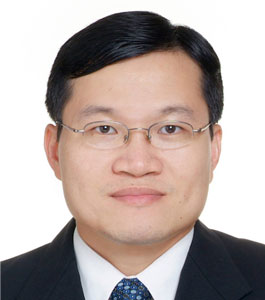 Guan Huei Lee合作论文数Yong Loo Lin School of Medicine, National University of Singapore21Laroia Shalini Thapar合作论文数21
 Lovkesh Anand合作论文数21
 C E Eapen合作论文数Department of Hepatology, Christian Medical College Vellore20
 Ajeet Singh Bhadoria合作论文数Department of Clinical Research, Institute of Liver and Biliary Sciences20
 Kalal Chetan Ramesh合作论文数Department of Hepatology, Institute of Liver and Biliary Sciences20
 Qin Ning (宁琴)合作论文数Tongji Hospital, Tongji Medical College of Huazhong University of Science & Technology20
 Sunil Taneja合作论文数Madhuraj Nursing Home20
 Saeed Sadiq Hamid合作论文数Section of Gastroenterology, Department of Medicine, Aga Khan University20Diana A. Payawal合作论文数Cardinal Santos Med Ctr19Devarbhavi Harshad合作论文数19
 Anupam Kumar合作论文数19Shasthry Sm合作论文数19
 Saggere Muralikrishna Shasthry合作论文数18
 Akash Shukla合作论文数18George K.K. Lau合作论文数18
 Amar Mukund合作论文数Department of Radiology, All India Institute of Medical Sciences18
 Puja Bhatia Kapoor合作论文数Department of Clinical Nutrition, Institute of Liver and Biliary Sciences, New Delhi, India.17Laurentius A. Lesmana合作论文数17Harsh Vardhan Tevethia合作论文数17
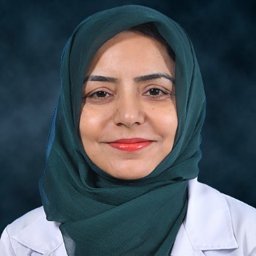 Amna Butt合作论文数Department of Medicine, The Aga Khan University Hospital17Zaigham Abbas合作论文数16
 Mamun Mahtab合作论文数Interventional Hepatology Division, Bangabandhu Sheikh Mujib Medical University;Department of Hepatology, Bangabandhu Sheikh Mujib Medical University16Vandana Saluja合作论文数16
 Man Fung Yuen (袁孟峰)合作论文数Department of Medicine, School of Clinical Medicine, The University of Hong Kong;Li Ka Shing Faculty of Medicine, The University of Hong Kong;Division of Gastroenterology and Hepatology, Queen Mary Hospital16
 Sombat Treeprasertsuk合作论文数Department of Medicine, Faculty of Medicine, Chulalongkorn University16
 Jinhua Hu (胡瑾华)合作论文数. Intensive Care Center, Chinese PLA 302 Hospital, Beijing , China16




