In October 2005, nelarabine (Arranon; GlaxoSmithKline), a nucleoside analogue, was given accelerated approval by the US FDA for the treatment of patients with T-cell acute lymphoblastic leukaemia and T-cell lymphoblastic lymphoma whose disease has not responded to treatment or has relapsed following treatment with at least two chemotherapy regimens.
In December 2005, abatacept (Orencia; Bristol-Myers Squibb), a fusion protein that selectively modulates a costimulatory signal necessary for T-cell activation, was approved by the US FDA for the treatment of patients with rheumatoid arthritis who have had an inadequate response to other drugs. It is the first selective costimulation modulator to be approved.
In May 2005, galsulfase (Naglazyme; BioMarin), a recombinant form of human N -acetylgalactosamine 4-sulfatase, was approved by the US FDA for the treatment of patients with mucopolysaccharidosis type VI, a rare lysosomal storage disorder caused by a deficiency of N –acetylgalactosamine 4-sulfatase. It is the first approved product for the treatment of mucopolysaccharidosis type VI, and has been granted orphan drug status.
Tigecycline (Tygacil;Wyeth) was approved by the US FDA for the treatment of a range of bacterial infections in June 2005. It is the first in a new generation of tetracyclines known as glycylcyclines, which have been developed to overcome the problems of resistance to earlier tetracyclines.
In April 2005, exenatide (Byetta; Amylin/Eli Lilly) was approved by the US FDA as an adjunctive therapy to improve blood-sugar control in patients with type 2 diabetes. It is the first in a new class of drugs that mimic the activity of natural glucoregulatory peptides known as incretins.
 Kirkpatrick Peter合作论文数10
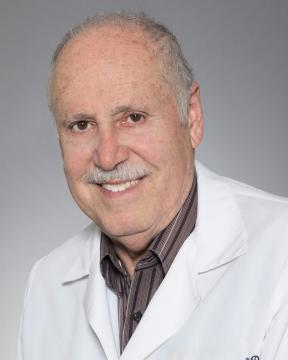 Mayer Davidson合作论文数College of Medicine, Charles R. Drew University of Medicine and Science;Mellitus Health2
 Charles Williams Flexner合作论文数Department of Otolaryngology-Head and Neck Surgery, School of Medicine, Johns Hopkins University1
 Tony Schapira合作论文数Department of Clinical Neurosciences, Institute of Neurology, University College London1
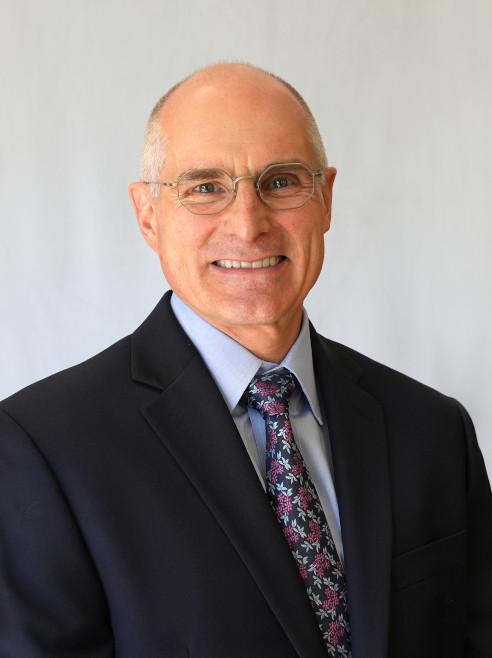 Daniel J Buysse合作论文数Department of Psychiatry, University of Pittsburgh1
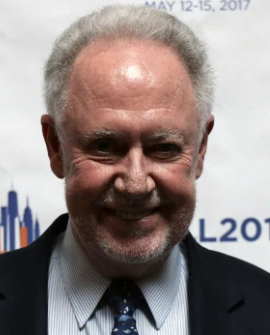 Michael J. Keating合作论文数University of Texas MD Anderson Cancer Center1
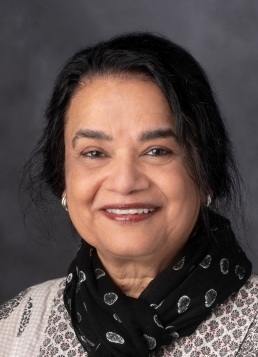 Varsha Gandhi合作论文数Department of Experimental Therapeutics, Division of Cancer Medicine, The University of Texas MD Anderson Cancer Center;Department of Leukemia, Division of Cancer Medicine, The University of Texas MD Anderson Cancer Center;Department of Translational Molecular Pathology, Division of Pathology-Lab Medicine, The University of Texas MD Anderson Cancer Center1
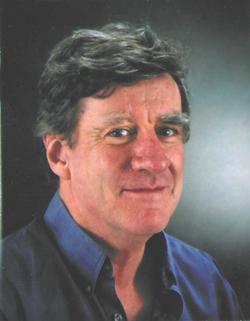 John Hopwood合作论文数Department of Paediatrics, University of Adelaide;Women’s and Children’s Hospital1
 Larry Moreland合作论文数Division of Rheumatology, School of Medicine, University of Colorado1
 Richard P. Wenzel合作论文数Department of Internal Medicine, Virginia Commonwealth University Medical Center1




