We provide a redefinition of the subfamily Ralphaudyninae, and new data on Gryllochyzeria hojjati Saboori, Zhang & Nemati, 2005 (Trombidiformes, Chyzeriidae) based on specimens ectoparasitic on Melanogryllus desertus (Pallas, 1771) (Orthoptera, Gryllidae), from Rodan city, and a new record of Nothrotrombidium sadeghii Noei & Kohansal, 2023 (Trombidiformes, Trombellidae) ectoparasitic on Dichagyris flammatra (Denis & Schifferm & uuml;ller, 1775) (Lepidoptera, Noctuidae) in Rodan, Minab, and Hajiabad cities, Hormozgan Province, Iran.
Amblyseius swirskii Athias-Henriot (Acari: Phytoseiidae) is an important generalist predator used to control several important crops' pests such as spider mites, whiteflies, and thrips. In this study, the lethal concentrations of Mentha piperita L. (Lamiaceae) and Laurus nobilis L. (Lauraceae) essential oils (EOs) were calculated on the adult stage of the Frankliniella occidentalis (Pergande) (Thysanoptera: Thripidae). The side effects of EOs were investigated on the functional response of A. swirskii on F. occidentalis 1 st instar larvae. The females of A . swirskii were exposed to sublethal concentrations (LC30 and LC50) of EOs for 12 h with the fumigant exposure method. In the control, the treatment was performed by using Triton X-100 (0.02). Treated predatory mites were selected randomly, and transferred to the experimental arenas containing 2, 4, 8, 16, 32, and 64 thrips. The predators were kept in the experimental arenas for 24 h at 25 +/- 1 degrees C, 60 +/- 10% RH, and a photoperiod of 16: 8 h (L: D). Results indicated that A . swirskii exhibited a type II functional response, regardless of EOs applications. The shortest (1.62 +/- 0.046 h) and the longest (1.91 +/- 0.049 h) handling times, were recorded in the control and the LC50 treatment of M. piperita EO, respectively. There was not a significant difference between attack rate coefficients (alpha) under sub-lethal concentrations. Based on the results, the two EOs have the potential to be used in F. occidentalis management, but their side effects on A. swirskii should be considered in IPM programs.
Background This study was conducted to investigate life table characteristics of the parasitoid species, Goniozus legneri Gordh (Hymenoptera: Bethylidae), a major gregarious larval ecto-parasitoids of the carob moth, Ectomyelois ceratoniae Zeller (Lep.: Pyralidae). Demographic parameters of G. legneri reared on two hosts, the carob moth and the flour moth, Ephestia kuehniella (Zeller) (Lepidoptera: Pyralidae), were studied under laboratory conditions using age-stage, two-sex life table. Host stage preference and the functional response of this parasitoid were also determined. Results The duration of the immature period, adult pre-ovipositional period and total pre-ovipositional period of G. legneri reared on E. kuehniella was significantly longer than that of those reared on E. ceratoniae , while fecundity and ovipositional days of the wasp were greater/longer in females reared on E. ceratoniae . There were also significant differences in intrinsic and finite rates of increase and mean generation time between wasp parasitoid reared on two hosts. Moreover, population projection indicated that the G. legneri population can grow swifter when reared on E. ceratoniae than on E. kuehniella . Based on the experiments conducted to determine the larval stage preferences of G. legneri , for both hosts, larger larvae were more preferred stages compared to smaller ones, thereby fulfilling the optimal oviposition theory. The functional responses of G. legneri to different population densities of E. kuehniella two last instar larvae were determined as type III at 25 °C and 60% RH. Conclusion The results offer valuable information on some life history attributes of G. legneri . Although G. legneri performed better on E. ceratoniae larvae than on E. kuehniella, as the use of E. ceratoniae larvae as the main host in rearing of G. legneri might be a laborious process and can increase the production costs, E. kuehniella can be used as an alternative host. Further studies are required under greenhouse and field conditions for effective use of this biocontrol agent against the carob moth.
ABSTRACT In this study, the side effects of LC30 and LC50 concentrations of Rosmarinus officinalis L. (Lamiaceae) essential oil on the life table parameters of Amblyseius swirskii Athias-Henriot (Acari: Phytoseiidae) fed on first instar Frankliniella occidentalis (Pergande) (Thysanoptera: Thripidae) larvae were determined under lab conditions. The age-stage, two-sex life table method was used to evaluate the life table parameters. The net reproductive rate (R0) (8.76, 8.68 and 6.83 eggs per individual), intrinsic rate of increase (r) (0.116, 0.116 and 0.098 day −1), finite rate of increase (λ) (1.123, 1.123 and 1.103 day −1), mean generation time (T) (18.7, 18.6 and 19.6 days) and total fecundity (19.77, 19.00, and 17.70 offspring per female) acquired for control, LC30 and LC50 applications, respectively. The findings of this study indicate that using the tested essential oil, particularly the LC30, in combination with A. swirskii can be an alternative to synthetic pesticides. However, semi-field and field studies are still needed to assess the effects of the essential oil tested on F. occidentalis and A. swirskii before incorporating into integrated pest management (IPM) strategies.
The predatory mite, Amblyseius swirskii Athias-Henriot (Acari: Phytoseiidae) is one of the most promising candidates for biological control of some economically important mites and insect pests such as spider mites, whiteflies, and thrips. Western Flower Thrips (WFT), Frankliniella occidentalis (Pergande) (Thysanoptera: Thripidae) is a severe economic pest for many crops in the world. In this study the lethal concentrations of Shirazicum thymus: Zataria multiflora Boiss (Lamiaceae) essential oil was calculated to the adult stage of the WFT. Side effects LC30 and LC50 of the essential oil were assessed on life table parameters and functional response of A. swirskii. Experiments were carried out in growth chambers at 25 ± 1 °C, 60 ± 10% RH, and 16: 8 h (Light: Dark) photoperiod. We utilized the age-stage, two-sex life table method to evaluate the life history features and population growth of A. swirskii on WFT. For assessing the functional response, the first instar of WFT was offered as prey to the adult female of A. swirskii with densities of 2, 4, 8, 16, 32, and 64. The LC50 concentration of the essential oil resulted in lower fecundity (15.05 eggs/female) in comparison with the control (19.8 eggs/female). The application of LC50 and LC30 concentrations also resulted in a significant decrease in net reproductive rate (R0) (8.9, 6.6, and 4.5 eggs per individuals), intrinsic rate of increase (rm) (0.116, 0.093, and 0.077 day -1), finite rate of increase (λ) (1.123, 1.097, and 1.079 day -1), but an increase in mean generation time (T) (18.5, 20.1, and 19.5 days) (for control, LC30, and LC50, applications, respectively). A type II functional response was detected for A. swirskii fed on WFT first instar in all treatments. Adult females of A.swirskii had the highest attack rate (a) (0.11± 0.01 h-1) and shortest handling time (1.61± 0.46h) on control treatment. In conclusion, although Z. multiflora essential oil had potential against F. occidentalis to be applied in integrated pest management programs, the lethal side effects of selected essential oil on the predatory mite, A. swirskii should be considered.
The entomopathogen Beauveria bassiana (Bals.) Vuill. (Ascomycota: Hypocreales) can colonize plants endophytically and stimulate the production of secondary plant metabolites with anti-herbivore activities. We assayed the topical virulence of B. bassiana to Aphis gossypii Glover (Hemiptera: Aphididae), the effects of cucumber inoculation with this fungus on plant metabolites, and the physiological consequences for aphids that fed on these plants. Assays were conducted with both the commercial formulation of B. bassiana, ‘Naturalis®-L’, at the recommended concentration of 1.5 ml / L (yielding a spore concentration of 2.3 × 10⁷ CFU per ml), and with a similar concentration of the isolated fungal strain. Topical application of 0.03 ml of solution per cm2, or 1 × 10³ CFU, caused 100% mortality to A. gossypii adults after seven days, whether Naturalis®-L or the isolate alone was used. The fungus grew endophytically into foliage when sprayed on cucumbers at the 2-leaf stage and concentrations of alkaloids, fl avonoids, phenols, hydrogen peroxide, and total chlorophyll were higher than in control plants 28 days after inoculation. Malondialdehyde content, plant growth, and total yield were unaffected by B. bassiana inoculation. Aphids fed on B. bassiana-inoculated plants for 24 h had reduced activities of detoxifying enzymes (glutathione-S-transferase, carboxylesterase, and acetylcholinesterase) compared to controls. Activities of digestive enzymes, (lipase, α-amylase, α-glucosidase, and aminopeptidase) were reduced in aphids from inoculated plants, which exhibited higher activities of superoxide dismutase, ascorbate peroxidase, and phenoloxidase, but lower catalase activity. Energy reserves (lipids, protein, and glycogen) were lower in aphids from inoculated plants, and they exhibited reduced fecundity, longevity, and reproductive periods, and a 50% reduction in the LC50 of pirimicarb. Thus, in addition to causing direct pathogenicity, inoculation of plants with B. bassiana negatively impacted A. gossypii physiology and reproductive performance and could usefully complement other strategies for managing cotton aphids on greenhouse cucumber. * Corresponding author; e-mail: jpmi@ksu.edu INTRODUCTION The cotton aphid, Aphis gossypii Glover (Hemiptera: Aphididae) is a polyphagous cosmopolitan pest of numerous fi eld and greenhouse crops (Ebert & Cartwright, 1997). It has the capacity for rapid population growth, causing direct feeding damage to host plants and transmitting various plant viruses (Deguine et al., 2017). Management of cotton aphids has conventionally relied on the use of synthetic insecticides (Kandil et al., 2017), which has resulted in the aphids evolving resistance to various insecticidal modes of action, and generated a need for alternative management tactics (Wang et al., 2007; Carletto et al., 2010). Eur. J. Entomol. 119: 1–11, 2022 doi: 10.14411/eje.2022.001
Water hardness can negatively affect the efficiency of pesticides. This study aimed to determine the effect of water hardness and adjuvants added to spray solution on the efficiency of insecticides. Three insecticides, namely, malathion, acetamiprid, and spiromesifen, were mixed in well water samples at 1,869, 645, and 265 mg L-1 hardness, standard, and deionized water, and applied against the second instar nymph of Bemisia tabaci using leaf dip method. In another experiment, Zero-7 at 150 ppm and Arkan at 180 ppm as additives were added to water with 1869 and 645 mg L-1 hardness, separately. LC50 values showed that the toxicity of malathion, acetamiprid, and spiromesifen was 40, 157, and 84 times less in hard water (1,869 mg L-1 hardness) than deionized water. The efficacy of malathion, acetamiprid, and spiromesifen was 13, 65, and 39 times less when they were diluted in water with 645 mg L-1 hardness than deionized water. Malathion provided 37.28 and 18.59% greater toxicity when applied in hard water containing Zero-7 and Arkan than water without the adjuvants. The efficacy of acetamiprid was, respectively, 16.93 and 18.68% greater when it was applied in hard water containing Zero-7 and Arkan compared to water without the additives. Zero-7 and Arkan in hard water enhanced the efficacy of spiromesifen by 10.26 and 13.68% compared to water without adjuvants. Generally, the toxicity of the insecticides on B. tabaci was considerably reduced at the highest levels of water hardness. In contrast, adjuvants overcame the antagonistic effects of cations in hard water.
We examined differences in the physiology and life history between dimorphs of the common pistachio psyllid, Agonoscena pistaciae (Burckhardt and Lauterer) (Hemiptera: Aphalaridae), and how they differ in elicitating host plant production of key metabolites and volatile compounds involved in the recruitment of herbivores and natural enemies. Summer morphs had higher activities of glutathione S-transferase, carboxylesterase, acetylcholinesterase, and cytochrome P450 monooxygenase, superoxide dismutase, catalase, peroxidase, phenoloxidase, and a higher total protein content compared to winter morphs, whereas the latter had higher amounts of lipid, carbohydrate, and glycogen. Winter morphs were heavier, with a higher chitin content and longer preoviposition period, but greater fecundity and longevity than summer morphs. A lower LC50 to thiamethoxam for winter morphs resulted in higher mortality following exposure to the recommended rate of this insecticide in a greenhouse trial. Feeding by winter morphs elicited more strongly the release of volatile compounds known to be attractive to other herbivores, whereas feeding by summer morphs elicited more strongly the release of volatiles implicated in the attraction of natural enemies. Feeding by psyllids increased the concentrations of nitrogenous compounds, carbohydrates, vitamins, and amino acids in plants, the winter morph eliciting larger changes and more improved host plant quality. We conclude that winter morphs are more vulnerable targets for chemical control in early spring, whereas management of summer morphs could rely more on conservation biological control.
Natural products derived from plant materials, such as wood vinegar (pyroligneous acid; PA), have shown toxicity to insects in previous studies; however, the impact of this substance on physiology and life history of stored product insects is unknown. Thus, the current study aimed to determine the effects of PA on two prominent stored product moths, Ephestia kuehniella (Zeller) (Lepidoptera: Pyralidae) and Plodia interpunctella (Hübner) (Lepidoptera: Pyralidae). LC50/24h values of PA were determined for both species and first instar larvae were fed on an artificial diet containing LC50 concentrations of PA for their entire life cycle. Final instar larvae were selected for biochemical analysis while life history parameters were assayed in female adults that emerged from treated larvae. In both species, significantly lower activities of digestive enzymes (α-amylase, protease, and lipase) and detoxifying enzymes (carboxylesterase, monooxygenase cytochrome P450, and glutathione S-transferase) were observed in treated larvae relative to untreated larvae. In contrast, antioxidant enzyme activities (superoxide dismutase, phenoloxidase, and ascorbate peroxidase) were significantly elevated in treated larvae compare to controls in both species. Moreover, larvae of both species tended to have lower levels of energy reserves, such as proteins, lipids, and carbohydrates, and adults exhibited reduced longevity, fecundity, and oviposition periods in comparison to untreated larvae. Finally, GC-MS analysis of the PA used for this study demonstrated that phenolic compounds and organic acids were the largest constituents. These results indicate that consumption of PA leads to the induction of to the antioxidant system, the inhibition of detoxification and digestion enzyme activities as well as reduced levels of energy reserves. Cumulatively, these effects resulted in reduced longevity and fecundity compared to control insects. This study expands our knowledge of the impacts of PA on physiology and life history for two prominent pests of stored products.
Micronutrients play a critical role in plant growth and development, and their deficiency can have adverse effects on plant performance. These elements can also influence plant physiological processes as they are incorporated into the molecular structure of enzymes as cofactors. In this study, the impact of a micronutrient solution containing manganese (125 ppm), iron (200 ppm), zinc (60 ppm), and copper (20 ppm) was investigated on the growth parameters, yield, and antioxidant enzyme activity of tomato (Solanum lycopersicum) plants. Greenhouse tomatoes (cultivar Jet Star F1) were irrigated with the above-mentioned concentrations of elements in a completely randomized design, with five independent biological replicates. The micronutrient treatment increased the specific activities of superoxide dismutase, ascorbate peroxidase, glutathione reductase, guaiacol peroxidase, catalase, and phenylalanine ammonia-lyase, as well as the phenol and salicylic acid contents in tomato leaves. However, the malondialdehyde level and electrolyte leakage index were unaffected. Analysis of the plant growth parameters revealed that the micronutrients increased the stem diameter, root length, number of leaves, stem height, and fruit’s fresh weight in the treated plants. Overall, our results indicated that micronutrients positively affected the growth and development of tomato plants without adverse effects on the health indices. Moreover, the application of micronutrients can magnify the antioxidant capacity of tomato plants through increasing enzyme activity, as well as the phenol and salicylic acid levels. These changes would benefit those plants under abiotic/biotic stress conditions, where elevated levels of antioxidant activities are crucial.
Crocus sativus L. (Iridaceae) known as saffron is the most commercially important medicinal food product in Iran and worldwide because of its significance for exporting commercial. However, the health of this plant is adversely threatened by abiotic and biotic stress. Bulb mite Rhizoglyphus robini Claparede (Acari: Acaridae) as abiotic stress is oligophagous and the main pest of tuber plants, commonly found in all the cultivated saffron producing areas could decrease saffron economic value. The mites tunnel through corms allowing the entry of fungal and bacterial pathogens. The widespread use of commercial pesticides in modern agriculture to protect crops from pests has caused significant public concern because of their side impacts on the environment and non-target species. Nanotechnology has been used in the production, processing, storage, packaging, and transport of agricultural products. Newly, oxide nanoparticles have been introduced as novel pesticides against pests and fertilizer. This study was conducted as an effective and environmentally-friendly method to control the growth of Rhizoglyphus robini. The lethal and sublethal effects of metal oxide nanoparticles (MNPs) including nano copper oxides (nano-CuO), nano magnesium oxide (nano-MgO), nano zinc oxide (nano-ZnO), nano titanium dioxide (nano-TiO2), and nano iron oxide (nano-Fe2O3) which their lethal concentrations ranged between 159.2 and 1036.4 mg L-1 were studied on Rhizoglyphus robini adult females. The contact effect of the tested MNPs was evaluated using the corm dip bioassay method. Assays showed that the contact toxicity of the nano-CuO treatment (229.1 mg L-1) was higher than other MNPs. To assess the sublethal effects of the MNPs, adult females were exposed to the LC25 concentration of MNPs, and life history and life-table parameters of the surviving Rhizoglyphus robini were investigated. The exposure to sublethal concentrations of the tested MNPs prolonged the egg incubation, larval period, and nymphal period significantly when compared to the control mites. Compared to other MNPs or control mite, nano-MgO and nano-TiO2 led to the longest duration of the total immature stages (11.32 and 11.32, respectively). The net reproductive rate (R0), the intrinsic rate of increase (rm), the finite rate of increase (λ), and the generation time (T) were significantly different between control and MNP treatments. The population exposed to ZnO-, MgO-, and TiO2-nanoformulations had a much lower rm value (0.164, 0.164, and 0.171 d-1, respectively) compared to the control population (0.231 d-1) and those exposed to Fe3O4- and CuO-nanoformulations (1.19 and 1.19 d-1, respectively). According to our findings, all tested MNPs, especially CuO-, ZnO-, and MgO-nano formulations, have a potential application for use in the management of Rhizoglyphus robini.
Sulfur is considered an essential macronutrient during plant growth and is found to play critical roles in xenobiotic detoxifying processes in plants. In the present study, the effects of exogenous sulfur treatment as additional fertilization on detoxifying enzyme activities and plant health indicators were investigated in eggplant (Solanum melongena) seedlings exposed to excessive doses of thiacloprid. Eggplant seedlings (cultivar Hansel F1) were irrigated with ammonium sulfate (140 mg L−1) 14 days after sowing in combination with the spraying of a 4-fold recommended dose of thiacloprid. In another treatment, seedlings received ammonium sulfate (70 mg L−1) as a minimum sulfur need in their growth in combination with a mentioned dose of thiacloprid. After 14 days of treatment, leaves were collected to determine their physiological parameters. Based on results, plant health indicators including malondialdehyde, hydrogen peroxide, and electrolyte leakage index were significantly lower in treatments that received additional amounts of sulfur than other ones. Moreover, the activities of glutathione S-transferase, glutathione reductase, glutathione peroxidase, thioredoxin reductase, and cytochrome P450 monooxygenase were higher in them. Our findings suggest that sulfur can decrease membrane permeability and increase cell viability as well as magnify their detoxification capacity which consequently leads to the reduction of oxidative damage in plants. It can be concluded that the sulfur supply in eggplant farms where thiacloprid is intensively used against sap feeder insects should be considered because it can lead to reducing potential risk to the environment by decreasing pesticide damage to host plants as non-target organisms.
The two-spotted spider mite, Tetranychus urticae Koch is one of the polyphagous pests that attack a wide range of crops. In recent decades, excessive application of synthetic acaricides has led to its resistance to pesticides and environmental pollution. However, considering the importance of the role of pesticides in controlling plant pests, it is impossible to cease using these compounds. In recent decades, new methods such as the use of plant extracts have been proposed that not only control pests but also have no residues and harmful environmental effects. Also, the use of plant extracts in combination with synthetic pesticides while controlling the pest, reduces the amount of pesticide usage. In this study, the efficacy of methanolic extracts of Zataria multiflora and Rosmarinus officinalis was investigated individually and in combination with spirodiclofen and propargite to control two-spotted spider mites. Bioassay tests were performed using the leaf dipping method. Each treatment was performed in three independent biological replications and the mortality was recorded 24 h after exposure. The 50% lethal dose (LC50) of spirodiclofen and propargite as well as methanolic extracts of Z. multiflora and R. officinalis were estimated to 1.89, 12.76, 1934.13, and 4382.07 mg/l, respectively. In addition, results of experiments related to mixing plant extracts with acaricides showed that the combination of Z. multiflora extract with spirodiclofen and propargite caused a synergistic effect with a co-toxicity coefficient of 66.66 and 55.55, respectively. However, the combination of R. officinalis extract with spirodiclofen and propargite caused an antagonistic response with −77.78 and −80.56, respectively.
Salicylic acid (SA) is a signaling molecule that can induce plant resistance to certain herbivores. Although the role of jasmonic acid in mediating mite-tomato plant interactions has been well studied, the role of salicylic acid has not. This study examined how the application of exogenous SA, via its effects on tomato plant physiology, alters the activity of mite digestive enzymes, mite energy reserves, and mite susceptibility to spirodiclofen. Enzymatic activity—including superoxide dismutase, ascorbate peroxidase, guaiacol peroxidase, polyphenol oxidase, and phenylalanine ammonia-lyase—along with contents of total phenolic, hydrogen peroxide, and total chlorophyll significantly increased in plants 24 h after treatment with 2 mM of SA. In contrast, catalase activity significantly decreased in treated plants, and malondialdehyde content was unaffected. Mites fed on tomato plants treated with SA had significantly lower glutathione S-transferase, esterase, α-amylase, and aminopeptidase activities than those fed on control plants. Energy reserve analyses demonstrated a significant decrease in contents of lipid, protein, and glycogen in mites fed on SA-treated plants, whereas carbohydrate content significantly increased. The LC50 of spirodiclofen was decreased 1.8-fold for Tetranychus urticae fed on SA-treated tomato plants compared to controls. Treatment of adult mites with 2 mM SA on leaf discs did not cause any direct mortality after 24 h. Finally, a greenhouse bioassay confirmed that spider mite mortality following exposure to spirodiclofen was significantly higher on SA plants than on control plants. Mortality of mites exposed to half of the recommended rate of spirodiclofen was similar to those exposed to the recommended rate when they were held on treated plants. These results have valuable implications for T. urticae management programs in tomato production.
Common bean (Phaseolus vulgaris L.) is a major source of proteins and one of the most important edible foods for more than three hundred million people in the world. The common bean plants are frequently attacked by spider mite (Tetranychus urticae Koch), leading to a significant decrease in plant growth and economic performance. The use of resistant cultivars and the identification of the genes involved in plant-mite resistance are practical solutions to this problem. Hence, a comprehensive study of the molecular interactions between resistant and susceptible common bean cultivars and spider mite can shed light into the understanding of mechanisms and biological pathways of resistance. In this study, one resistant (Naz) and one susceptible (Akhtar) cultivars were selected for a transcriptome comparison at different time points (0, 1 and 5 days) after spider mite feeding. The comparison of cultivars in different time points revealed several key genes, which showed a change increase in transcript abundance via spider mite infestation. These included genes involved in flavonoid biosynthesis process; a conserved MYB-bHLH-WD40 (MBW) regulatory complex; transcription factors (TFs) TT2, TT8, TCP, Cys2/His2-type and C2H2-type zinc finger proteins; the ethylene response factors (ERFs) ERF1 and ERF9; genes related to metabolism of auxin and jasmonic acid (JA); pathogenesis-related (PR) proteins and heat shock proteins.
The common pistachio psyllid, Agonoscena pistaciae Burckhardt and Lauterer (Hemiptera: Aphalaridae) is the key pest of pistachio trees in Iran. Nowadays, pistachio growers use detergents widely to control this pest in pistachio orchards. Consequently, the study was carried out to investigate the effects of applying liquid soap (Jonobgan®) 3500 ppm, dishwashing detergent (Rika®) 3500 ppm, and conventional insecticides (spirotetramat (Movento®) 300 ppm and phosalon (Zolon®) 2500 ppm, periodically on some characteristics of “Fandoghi” pistachio trees, including sodium and potassium contents of leaves and bud abscission rate over three years. The field experiments were done in a randomized complete block design with three treatments and three replications in Rafsanjan. The results showed that the application of liquid soap and dishwashing detergent caused no significant variation in sodium and potassium contents of leaves and bud abscission compared to other conventional insecticides. Therefore, detergents can be used safely to control pistachio psyllid.
It has long been hypothesized that there is a relationship between pigment content of host plant and pest densities. This study aimed to assess the amount of tomato carotenoid, chlorophyll content and leaf area damage in response to different levels of damage caused by the South American tomato pinworm, Tuta absoluta (Meyrick) (Lepodoptera: Gelechiidae). The results confirmed the effect of pest density on chlorophyll a, b, a+b, and carotenoids contents were all significant in the first year of study. During the second year, the effect of T. absoluta treatments on chlorophyll “a”, “b”, “a+b” and on carotenoids was significant. The highest and lowest values of pigment content were recorded in control and plant treatments of eight T. absoluta eggs in the first year and plant treatments of sixteen eggs in the second year, respectively. The results of leaf loss assessment demonstrated a significantly different consumed leaf area across the different densities of T. absoluta eggs in both years. The results are useful in gaining an oversight of pest density influences on tomato pigment content. By estimating the reduction of the pigments content and or reducing the green tissue of the plant and its relationship with the pest density, damage can be prevented before it reaches the economic injury level.
Abstract The nutritional status of host plants can have direct impacts on herbivore physiology and insect–plant interactions. We investigated the effect of micronutrients, including manganese, iron, zinc, and copper, on cucumber plant physiology, and on the biology and physiology of a strain of Aphis gossypii Glover selected over 12 generations to be resistant to pirimicarb. The micronutrient treatment increased the activity of superoxide dismutase, ascorbate peroxidase, guaiacol peroxidase, polyphenol oxidase, and phenylalanine ammonia-lyase in cucumber plants, and also increased levels of total phenolics, hydrogen peroxide, salicylic acid, and total chlorophyl, whereas malondialdehyde levels were unaffected. Pirimicarb-resistant cotton aphids that fed on micronutritient-amended cucumber plants expressed significantly decreased levels of acetylcholinesterase and detoxifying enzymes, specifically glutathione S-transferase, and carboxylesterase. Analysis of energy reserves in resistant A. gossypii fed on micronutritient-amended plants revealed decreases in the lipid and protein contents of aphids, whereas glycogen and carbohydrate contents showed no response. Resistant cotton aphids fed on micronutritient-amended plants showed significantly reduced fecundity, longevity, and reproductive periods, and a 1.7-fold reduction in pirimicarb LC50 compared with those fed on control plants. We conclude that micronutrient amendment negatively impacts the biological performance of insecticide-resistant cotton aphids, and diminishes their resistance to pirimicarb. Both direct effects on plant health, such as enhanced inducible defenses, and indirect effects on aphid fitness, such as reduced biological performance and detoxification abilities, were implicated. Therefore, optimization of micronutrient amendments could be a useful complement to other tactics for managing insecticide-resistant A. gossypii on cucumbers, and warrants exploration in other contexts.
Despite the economic importance of pistachio very little studies have been performed on its defense physiology. Due to lack of effective method among pest management programs, pesticides, despite their known some adverse features, is the only and last option for control of pests in pistachio orchards in most cases. The present study has been conducted to determine total phenolic, total protein content, antioxidant defense response and phenylalanine ammonia-lyase activity in the leaves of pistachio seedling induced by salicylic acid (SA). Results showed that the concentrations 1 and 4 mM of SA increased the phenolic content and PAL activity. The enhanced PAL activity led to the improvement of the quantity of phenolic compounds. In addition, the SA application showed an enhancing impact on total protein content and oxidative enzymes (catalase, guaiacol peroxidase, ascorbate peroxidase, and polyphenol oxidase) activity. In all experiments the SA elicitation effect was concentration- and time-dependent. Repeated measurement statistical analysis revealed that the maximum elicitation effect of SA occurred in 3 to 9 days after the treatment. SA effects on plant defensive systems are highly complicated, and further investigations are needed to clarify the underlying mechanisms. These results can be used in designing of integrated pest management programs of pistachio pests focusing on applying safe and environment-friendly controlling methods.
 Alireza Saboori合作论文数University of Tehran Department of Plant Protection, College of Agriculture Karaj19
 Khalil Talebi合作论文数Coll Agr & Nat Resources, Univ Tehran16
 Azadeh Zahedi Golpayegani合作论文数11
 J.P. Michaud合作论文数10
 Mohammad Homayoonzadeh合作论文数Dept Plant Protect, Univ Tehran9
 Jamasb Nowzari合作论文数College of Agriculture and Natural Resources, University of Tehran9Vahid Hosseininaveh合作论文数9
 Roya Farhadi合作论文数Faculty of Medicine, Mazandaran University of Medical Sciences8
 Arash Rasekh合作论文数Department of Plant Protection, Shahid Chamran University of Ahvaz8
 Mona Moghadasi合作论文数7
 Farhad Farhoudi合作论文数6A. Kharazi-Pakdel合作论文数6
 Reza Talaei-Hassanloui合作论文数College of Agriculture, University of Tehran6
 Sara Zarghami合作论文数Date Palm and Tropical Fruits Research Center, Horticultural Science Research Institute Agricultural Research, Education and Organization (AREEO),5
 Hossein Madadi合作论文数4
 Ehssan Torabi合作论文数Department of Plant Protection, University of Tehran4
 Marjan Seiedy合作论文数4
 Farhan Kocheili合作论文数Faculty of Agriculture, Shahid Chamran University4
 Mohammad Saeed Mossadegh合作论文数College of Agriculture, Shahid Chamran University4Maryam Kafil合作论文数3Zeinab Shirvani合作论文数3
 Hsin Chi合作论文数3
 E. Rostami合作论文数3
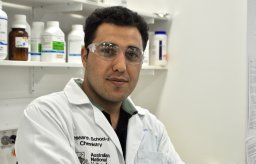 Mojtaba Esmaeily合作论文数Res Sch Chem, Australian Natl Univ3
 Samira Heydari合作论文数University College of Sciences, University of Tehran3
 Mahdiyeh Bigham合作论文数Boyce Thompson Inst Plant Res3
 Somayeh Fattah-Hosseini合作论文数Boyce Thompson Inst Plant Res3
 Döker Ismail合作论文数Agricultural Faculty, Çukurova University;Email: idoker@cu.edu.tr.;Agricultural Faculty, Çukurova University3
 Mahboob Ghamari合作论文数College of Agriculture and Natural Resources, University of Tehran3
 Goldansaz Seyed Hossein合作论文数3
 Seyed Mohammad Tabadkani合作论文数3
 Habib Abbasipour合作论文数Faculty of Agricultural Sciences, Shahed University3
 Ahmad Ashouri合作论文数Faculty of Agriculture, University of Tehran Department of Plant Protection3Eberhard a Deisenhammer合作论文数3
 Andrew Cuthbertson合作论文数CSL Limited3H. Madadi合作论文数2Abdul Hadi Hoseinzadeh合作论文数2
 Fatemeh Ehteshami合作论文数2
 m r nematollahi合作论文数Plant Protect Res Dept, Isfahan Agr & Nat Resources Res & Educ Ctr2Arsalan Jamshidnia合作论文数2
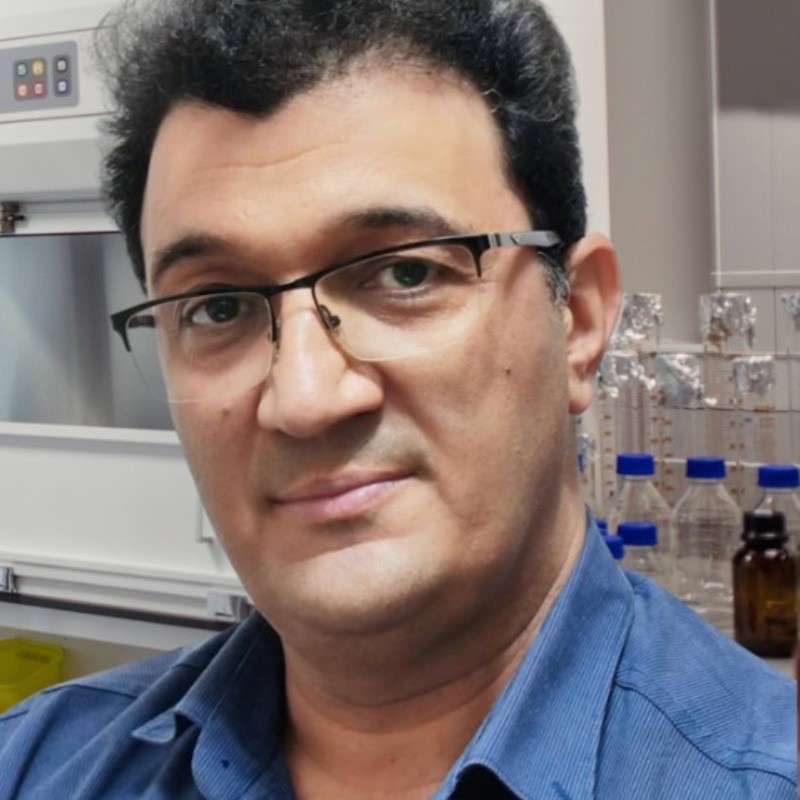 Masoud Torkzadeh-Mahani合作论文数Actozyme Innovative Solutions2
 Farrokhi S合作论文数Biological Control Research Department, Iranian Research Institute of Plant Protection2
 Reza Maali Amiri合作论文数University College of Agriculture and Natural Resources, University of Tehran2
 Aleosfoor Maryam合作论文数2Ahsaei Seyed Mohammad合作论文数2
 Ali Asghar Seraj合作论文数2Annie Enkegaard合作论文数2
 Abdolrahman Rasekh合作论文数Faculty of Mathematics and Computer Sciences, Shahid Chamran University2
 Mohammad Reza Hassani合作论文数Department of Entomology;Science and Research Branch;Islamic Azad University;Department of Entomology, Islamic Azad University2




