BACKGROUND:Cardiovascular diseases (CVD) are leading causes of morbidity and mortality among patients with cardiovascular-kidney-metabolic syndrome. Adoption of guideline-directed medical therapy remains suboptimal. Our objective was to evaluate the impact of a team-based multisite care model on improving quality and reducing disparities in patients with cardiovascular-kidney-metabolic syndrome. METHODS:We conducted a prospective clinical cohort study across 9 US sites of the Cardiometabolic Center Alliance, a network of health care organizations with a standardized approach to address CVD risk, between May 2020 and August 2024. Consecutive patients with type 2 diabetes/prediabetes and CVD and chronic kidney disease were enrolled in a clinical program with team care, structured visits, and standardized assessments. Cardiometabolic risk factor levels and proportion of adherence to guideline-directed medical therapy were assessed using longitudinal mixed-effects models accounting for clustering by site. RESULTS:Two thousand two hundred twenty-three individuals were enrolled with a mean (SD) age of 63.9 (11.2) years, 44.2% female, 84.0% White, and 62.5% noncommercially insured; 58.5% had atherosclerotic CVD, 32.6% heart failure, and 29.5% chronic kidney disease. Median follow-up was 6.8 (4.0-9.4) months. Participants had reductions in weight (mean [95% CI], -16.7 [-17.9 to -15.6] lbs), body mass index (-2.6 [-2.8 to -2.4] kg/m2), systolic (-5.8 [-7.0 to -4.6] mm Hg) and diastolic (-1.7 [-2.4 to-0.9] mm Hg) blood pressure, total cholesterol (-26.4 [-29.5 to -23.2] mg/dL), low-density lipoprotein cholesterol (-18.8 [-21.4 to -16.2] mg/dL), triglycerides (-45.1 [-54.0 to -36.3] mg/dL), fasting glucose (-30.9 [-35.4 to -26.4] mg/dL), HbA1c (-1.2 [-1.3% to -1.0%]), and insulin dose (-30.4 [-36.1 to -24.8] units/d), P<0.001 for all. Guideline-directed medical therapy increased from 31.0% to 59.6% for atherosclerotic CVD type 2 diabetes and from 33.3% to 63.8% for chronic kidney disease type 2 diabetes, P<0.001. CONCLUSIONS:The Cardiometabolic Center Alliance model is feasible and effective, leading to significant improvement in CVD risk factors and increased utilization of GDMT. Implementation and dissemination of this paradigm remains a priority to close gaps in cardiometabolic care.
The American Gastroenterological Association gathered a group of interdisciplinary experts to develop an updated Clinical Care Pathway on how to best screen for, diagnose, and treat metabolic dysfunction-associated steatotic liver disease. The complementary clinical application was also updated to reflect the changes in the clinical guidance: MASLD/MASH Clinical Care Pathway mobile application at gastro.org/MASLD.
Introduction:ApoE4 is the strongest genetic risk factor for Alzheimer's disease (AD). Emerging evidence suggests that ApoE4 increases AD risk by disrupting microglial metabolism and function. However, whether ApoE lipidation state contributes to microglial dysfunction remains poorly understood. Methods:Human microglia were treated with lipid-free or lipid-bound ApoE3 or ApoE4. Label-free live-cell holotomography and global proteomics were used to assess isoform- and lipidation-specific effects on lipid droplet dynamics, mitochondrial morphology, and microglial phenotype. Results:ApoE4 treatment resulted in fewer but enlarged lipid droplets and increased mitochondrial fragmentation compared to ApoE3, effects that were enhanced by lipid-bound ApoE4. Proteomic analyses revealed a strong type I interferon response in cells exposed to lipid-free ApoE, which was exacerbated by lipid-free ApoE4. Discussion:These findings indicate that lipid-bound ApoE4 drives metabolic reprogramming, whereas lipid-free ApoE4 promotes inflammatory signaling, identifying ApoE lipidation as a critical modifier of ApoE4-associated AD risk.
Diet and lifestyle offer the potential for achieving a healthy lifespan by reducing risk for cardiometabolic diseases and cancer, as well as maintaining cognitive health and physical function. To facilitate translation and implementation of dietary practices, we have critically reviewed the justification of the current focus on single nutrients, most notably a 10% cap for dietary saturated fat intake and argue for a more holistic food-based approach. In the newly released Dietary Guidelines for Americans, 2025-2030, the recommendation for selecting low-fat dairy foods has been changed to allow full-fat dairy food consumption in recognition of the evidence for their health benefits despite their high content of saturated fat. However, the 10% cap on total saturated fat intake has been maintained, which would require reduced saturated fat consumption from other food sources. Our analysis shows that there is considerable heterogeneity in the physiological and health effects of individual saturated fatty acids, and that the health effects of foods are determined by the food matrix and the overall nutrient profile rather than their saturated fatty acid content. We therefore conclude that the 10% cap on saturated fat intake should be replaced by food-based dietary guidelines.
Developing a path forward for sodium-glucose cotransporter (SGLT) inhibitor treatment for heart and kidney disease in people with type 1 diabetes (T1D) is essential. This article offers the perspective of experts from the fields of endocrinology, nephrology, and cardiology on available data for the efficacy and safety of SGLT inhibitors in T1D, how the far more extensive data from people with type 2 diabetes (T2D) and people without diabetes would be expected to translate to T1D, and what steps are required to advance toward regulatory approvals and clinical uptake of SGLT inhibitors in T1D for heart and kidney disease. Our conclusion is that the mechanisms driving efficacy of SGLT inhibitors for heart and kidney disease in T2D and nondiabetic disease are likely applicable to T1D and that in light of the data supporting efficacy in these populations, registrational trials in T1D might not require powering for traditional event-based outcomes and investigators may instead rely on suitable surrogate end points, allowing for more feasible trials. Investigators in these trials must also carefully collect data associated with diabetic ketoacidosis (DKA), the critical risk of SGLT inhibitor use in T1D. DKA risk mitigation is essential for SGLT inhibitor use in T1D; protocols to mitigate risk have been developed, but rigorous data on their effectiveness are lacking. We describe a roadmap to advance SGLT inhibitors for T1D heart and kidney disease, which includes the use of feasible trial designs based on surrogate end points and rigorous safety protocols to minimize DKA events.
Type 2 diabetes mellitus (T2DM) is increasingly recognized as a heterogeneous, multisystem disease that extends beyond chronic hyperglycemia to encompass cardiovascular disease, chronic kidney disease, and metabolic dysfunction-associated steatotic liver disease. Central to this expanded disease spectrum is insulin resistance arising from coordinated metabolic, inflammatory, neuroendocrine, and immune disturbances across multiple organs. Rather than a uniform defect in insulin signaling, insulin resistance represents a dynamic, tissue-specific, and stage-dependent process involving multiorgans, with substantial interorgan crosstalk. This review synthesizes contemporary mechanistic insights into the pathogenesis of insulin resistance in T2DM, integrating molecular pathways, organ-specific dysfunction, and systemic metabolic networks. Ectopic lipid accumulation, mitochondrial dysfunction, chronic low-grade inflammation, immune dysregulation, and gut dysbiosis are highlighted as convergent processes that impair insulin action and drive clinical heterogeneity. Insulin resistance is further contextualized within the cardiovascular-kidney-metabolic syndrome framework, which unifies metabolic, renal, and cardiovascular disease through shared upstream mechanisms. In addition, how contemporary glucose-lowering therapies exert benefits beyond glycemic control by targeting insulin resistance, metabolic reprogramming, and interorgan crosstalk is discussed. Collectively, insulin resistance is positioned as a central pathophysiological driver of T2DM and its complications, supporting a shift toward mechanism-based, organ-protective, and precision-oriented therapeutic strategies.
The 11th Cardiovascular Outcome Trial (CVOT) Summit: Congress on Cardiovascular, Kidney, and Metabolic Outcomes was held virtually on November 20-21, 2025. The Summit provided a multidisciplinary forum to review and discuss recent outcome trials investigating emerging pharmacological therapies targeting diseases of the cardiovascular-kidney-metabolic (CKM) continuum. This report highlights the unique developments of 2025 discussed during the Summit, including the first head-to-head CVOT (SURPASS-CVOT), the growing evidence base for combination therapies across the disease spectrum, new insights into the inflammatory component of the CKM syndrome, and relevant policy developments. The first part of this report summarizes pioneering clinical trials addressing combination therapy with finerenone and empagliflozin (CONFIDENCE), the oral glucagon-like peptide-1 (GLP-1) receptor agonists orforglipron (ATTAIN-1), and the aldosterone synthase inhibitor (ASI) baxdrostat (BaxHTN). The second part presents recent guideline and policy developments discussed by experts in endocrinology, diabetology, cardiology, nephrology, hepatology, and general practice. In addition, advances in medical technology, particularly in continuous glucose and ketone monitoring, are highlighted, as well as emerging therapies for diseases of the CKM continuum. These include pharmacological agents for a broad spectrum of metabolic disorders such as metabolic liver disease and type 1 Diabetes (T1D) alongside emphasis on the importance of early detection and innovative treatment strategies. The 12th Cardiovascular Outcome Trial Summit will be held virtually on 19-20 November 2026 (http://www.cvot.org).
Familial chylomicronemia syndrome (FCS) is a rare, recessive monogenic disorder characterized by severely elevated plasma triglyceride (TG) levels due to absent or markedly impaired lipoprotein lipase activity, leading to a greatly increased risk of acute pancreatitis. Naturally occurring very low levels of apoC-III are associated with low TG levels; thus, apoC-III is a target for TG lowering, and therapies have been developed to reduce apoC-III. Strategies to inhibit hepatic apoC-III synthesis include antisense oligonucleotides (ASOs) and small interfering RNAs (siRNAs). In the last decade, technologies have been developed to enhance hepatic delivery of these potential therapeutic agents by conjugation of the ligand triantennary N-acetyl galactosamine to ASO and siRNA for receptor-mediated uptake by hepatocytes, where apoC-III is predominantly expressed. Enhanced delivery of these pharmacological agents to the target tissue has been found to support lower and/or less frequent dosing with consequent lower total systemic exposure. One antisense agent, the ASO olezarsen, is now approved by the US Food and Drug Administration (FDA) as an adjunct to diet to lower triglycerides in adults with FCS, and the other, the siRNA plozasiran, is in late-stage clinical development. Both agents have shown effectiveness in reducing both apoC-III and TG levels across several study populations. Reduced TG, lower rates of acute pancreatitis events, and similar proportions of adverse events in placebo and treated patients were recently demonstrated in placebo-controlled phase 3 trials of patients with FCS treated with olezarsen in Balance and with plozasiran in PALISADE. This review discusses causes and consequences of FCS and the rationale and progress made in developing APOC3 RNA-targeted therapeutics for the treatment of FCS.
Cardiovascular disease (CVD) is a leading cause of morbidity and mortality in individuals with diabetes. Individuals with type 1 diabetes have a two- to fourfold higher risk of CVD in comparison with the general population, driven by an earlier onset and increased lifetime incidence of CVD events and mortality. Similarly, type 2 diabetes confers two- to threefold increased CVD risk, usually alongside metabolic syndrome, obesity, and hypertension. Despite advancements in methods for achieving glycemic control, the CVD burden remains disproportionately high in diabetes. The mechanisms driving elevated risk are complex and variably multifactorial, involving hyperglycemia, insulin resistance, dyslipidemia, inflammation, and a hypercoagulable state. Unfortunately, critical gaps in understanding persist on how these factors interact to promote CVD in type 1 versus type 2 diabetes, particularly across disease stages and age. Addressing these knowledge gaps is essential to developing targeted therapies that can effectively mitigate CVD risk. To meet this need, the National Institute of Diabetes and Digestive and Kidney Diseases, in partnership with the National Heart, Lung, and Blood Institute, recently formed the Cardiovascular Repository for Type 1 Diabetes (CaRe-T1D) program. Its mission is to elucidate the molecular and cellular pathways linking diabetes with CVD through the provision of high-quality human tissues for investigator-led analyses using cutting-edge technologies and collaborative data sharing to advance precision medicine and reduce the global burden of diabetes-associated cardiovascular complications. ARTICLE HIGHLIGHTS:CaRe-T1D established a biorepository and scientific consortium to advance research on cardiovascular complications in diabetes. The goal is to determine how cardiovascular disease differs in type 1 versus type 2 diabetes. Heart, kidney, carotid and peripheral arteries, and blood from organ donors with type 1 diabetes, with type 2 diabetes, or without diabetes will be distributed to approved investigators to address the pathogenesis of diabetic cardiovascular disease. CaRe-T1D is a resource of human cardiovascular tissue and a database with the results from tissue analysis.
Evidence-based treatment strategies for patients with cardiovascular disease and diabetes have been updated in recent years. However, substantial gaps remain between guideline recommendations and clinical practice, which justify the urgent need to improve the quality of care for patients with these conditions. The Chinese Society of Cardiology and the Chinese Society of Diabetes, in collaboration with the American Heart Association and the American Diabetes Association, designed the China Diabetes Cardiovascular project. The China Diabetes Cardiovascular project is a nationwide registry study aimed at improving the quality of care for patients with acute coronary syndrome and diabetes in China. Launched in 2021, this project has enrolled 36 hospitals across mainland China. Patients with a primary discharge diagnosis of comorbid acute coronary syndrome and diabetes will be eligible to participate. Pre-defined performance measures will be adopted to evaluate the quality of care for these patients. Multiple quality improvement strategies will be adopted, including providing monthly quality reports based on these measures, conducting a series of training courses, and distributing educational materials. A comprehensive dataset, encompassing patients’ characteristics, medical history, treatment before and during the current hospitalization, and discharge medications for secondary prevention, will be collected through a web-based data collection platform. This project has the potential to improve the quality of care and reduce the care disparities in the management of patients with these diseases. Moreover, with its comprehensive data collection, this project will provide a strong foundation for exploring key clinical questions.
Background and Objectives: Metabolic dysfunction-associated steatotic liver disease (MASLD) is a progressive liver disorder associated with metabolic risk factors such as obesity, type 2 diabetes, and cardiovascular disease. If left untreated, the accumulation of excess hepatic fat can lead to inflammation, fibrosis, cirrhosis, hepatocellular carcinoma, and ultimately liver failure. Capsaicin (CAP), the primary pungent compound in chili peppers, has previously been shown to prevent weight gain in high-fat diet (HFD)-induced obesity models. In this study, we investigated the potential of dietary CAP to prevent HFD-induced MASLD. Methods: C57BL/6 mice were fed an HFD (60% kcal from fat) with or without 0.01% CAP supplementation for 26 weeks. We evaluated CAP’s effects on hepatic fat accumulation, inflammation, and mitochondrial function to determine its role in preventing MASLD. Results: CAP acts as a potent and selective agonist of the transient receptor potential vanilloid 1 (TRPV1) channel. We confirmed TRPV1 expression in the liver and demonstrated that CAP activates hepatic TRPV1, thereby preventing steatosis, improving insulin sensitivity, reducing inflammation, and enhancing fatty acid oxidation. These beneficial effects were observed in wild-type but not in TRPV1 knockout mice. Mechanistically, CAP-induced TRPV1 activation promotes calcium influx and activates AMPK, which leads to SIRT1-dependent upregulation of PPARα and PGC-1α, enhancing mitochondrial biogenesis and lipid metabolism. Conclusions: Our findings suggest that dietary CAP prevents MASLD through TRPV1 activation. TRPV1 signaling represents a promising therapeutic target for the prevention and management of MASLD in individuals with metabolic disorders.
Most current dietary guidelines for the prevention of cardiovascular diseases (CVD) recommend the consumption of low-fat dairy in place of regular-fat dairy foods, one of the main sources of dietary saturated fatty acids (SFAs). Here, we summarize the data presented and discussions held-relating to the validity of such recommendations-between a panel of international nutrition research experts at a high-level closed workshop on "Saturated Fat in Dairy and Cardiovascular Diseases," which took place in Amsterdam on 15-16 April, 2024. The most recent evidence indicates that overall, consumption of milk, yogurt and cheese, irrespective of fat content, is neutrally associated with CVD risk. There is also no evidence yet from randomized controlled trials that consumption of regular-fat milk, yogurt, and cheese has different effects on a broad array of cardiometabolic risk factors when compared with consumption of low-fat milk, yogurt, and cheese. Thus, the body of evidence does not support differentiation between regular-fat and low-fat dairy foods in dietary guidelines for both adults and children. Strategies focusing primarily on reduction of energy-dense, nutrient-poor foods, the main source of SFAs in Western diets, rather than on the fat content of dairy foods, are more likely to benefit the population's cardiovascular health. Future research is needed to understand better the place of regular-fat and low-fat dairy foods within healthy eating patterns.
 Snell-Bergeon Janet K合作论文数Barbara Davis Ctr Childhood Diabet, Univ Colorado Denver49John E. Hokanson合作论文数48Wang Hong合作论文数43
 Marian Rewers合作论文数Barbara Davis Center for Diabetes, School of Medicine, University of Colorado;Children's Hospital Colorado43
 Bryan C Bergman合作论文数University of Colorado at Denver School of Medicine36T J Yost合作论文数35Dalan R. Jensen合作论文数35
 Leigh Perreault合作论文数Research Laboratory for Risk Management in Water Sciences, French Institute of Forestry Agricultural and Environmental Engineering (ENGREF),34
 David Maahs合作论文数Department of Pediatrics, School of Medicine, Stanford University;Department of Endocrinology, School of Medicine, Stanford University;Lucile Packard Children’s Hospital30Teri L. Hernandez合作论文数Division of Endocrinology, Metabolism, and Diabetes, University of Colorado Denver27Ira J. Goldberg合作论文数24
 Isabel R Schlaepfer合作论文数22Henry N Ginsberg合作论文数Columbia University20
 James O. Hill合作论文数University of Colorado Health Sciences Center in Denver18
 Dana Dabelea合作论文数Department of Epidemiology, Colorado School of Public Health, University of Colorado Denver;Lifecourse Epidemiology of Adiposity & Diabetes Center, Colorado School of Public Health, University of Colorado Denver17
 Kimberley D Bruce合作论文数Institute of Developmental Sciences, University of Southampton17
 Edward Melanson合作论文数Energy Metabolism Lab, Division of Endocrinology, Metabolism and Diabetes, School of Medicine, University of Colorado Anschutz Medical Campus;University of Colorado Hospital17Poirier Paul合作论文数16
 Janine A Higgins合作论文数Center for Human Nutrition, University of Colorado Health Sciences Center16Warren H. Capell合作论文数Division of Endocrinology, Metabolism, and Diabetes, University of Colorado at Denver & Health Sciences Center16G. L. Kinney合作论文数16J Ehrlich合作论文数15
 Scott M. Grundy合作论文数The University of Texas Southwestern Medical Center15
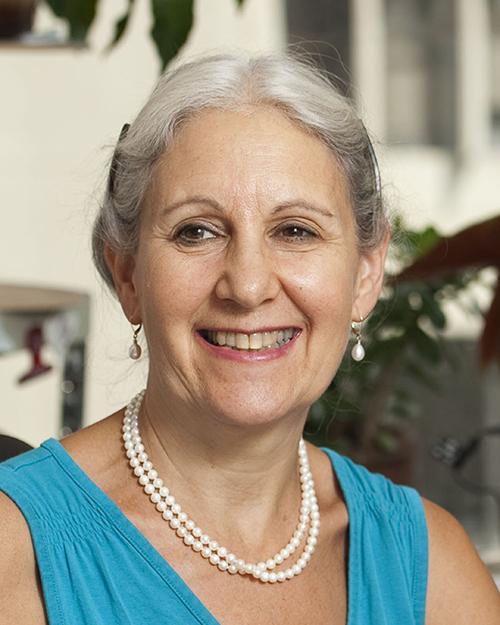 Alice H. Lichtenstein合作论文数Jean Mayer USDA Human Nutrition Research Center on Aging, Tufts University;Gerald J. and Dorothy R. Friedman School of Nutrition Science and Policy, Tufts University;Institute for Clinical Research and Health Policy Studies, Division of Clinical Care Research, Department of Medicine, Tufts University14
 Richard Hamman合作论文数University of Colorado Denver;University of Colorado Health Sciences Center14
 Satish Garg合作论文数Barbara Davis Center for Diabetes, School of Medicine, University of Colorado14
 Gregory Kinney合作论文数Department of Epidemiology, Colorado School of Public Health, University of Colorado, Anschutz Medical Campus14CN SADUR合作论文数13Km Weil合作论文数13
 Soo Lim合作论文数Division of Endocrinology and Metabolism, Seoul National University Bundang Hospital13
 Steve Daniels合作论文数Department of Epidemiology, School of Medicine, University of Colorado13
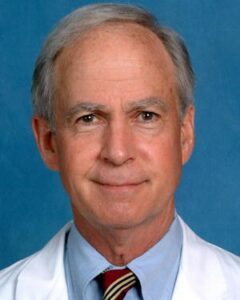 Sidney C. Smith Jr.合作论文数Division of Cardiology, Department of Medicine, School of Medicine, University of North Carolina13
 William Donahoo合作论文数Kaiser Permanente Department of Prevention13Kenneth W. Wright合作论文数13
 Kausik Ray合作论文数Department of Primary Care and Public Health, School of Public Health, Faculty of Medicine, Imperial College London12Lk Pulawa合作论文数11
 Ronald Krauss合作论文数School of Medicine, University of California, San Francisco;Aging, Metabolism and Emotion Center, University of California, San Francisco;Rausser College of Natural Resources, University of California, Berkeley11
 R. Paul Wadwa合作论文数From the Barbara Davis Center for Childhood Diabetes, University of Colorado Health Sciences Center11Matthew D. Taussig合作论文数11Terry L. Bazzarre合作论文数11
 Devon Hunerdosse合作论文数11Irene Schauer合作论文数10
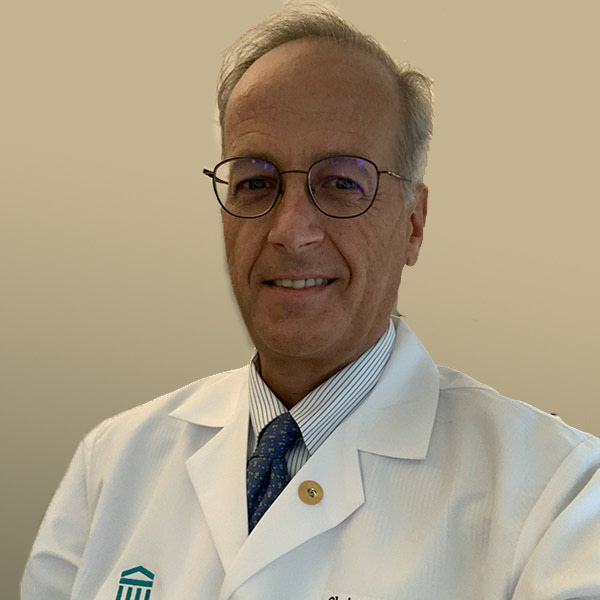 Christopher P Cannon合作论文数Harvard Medical School;Cardiovascular Division, Brigham and Women’s Hospital10
 Jorge Plutzky合作论文数Division of Cardiovascular Medicine, Brigham and Women's Hospital, Harvard Medical School10
 Barbara Howard合作论文数Center for the Study of Sex Differences in Health, Aging & Disease, Georgetown University Medical Center10Robert Pordy合作论文数10Ty Shepard合作论文数9
 Francesco Rubino合作论文数King's College London9
 Paul Zimmet AO合作论文数School of Translational Medicine, Faculty of Medicine, Nursing and Health Sciences, Monash University9




