Introduction:An Fc-mutated chimeric aglycosyl anti-CD3 monoclonal antibody (mAb), otelixizumab, has been used successfully to treat renal transplant rejection and type 1 diabetes, with reduced toxicity compared with traditional anti-CD3 therapies such as OKT3. The aim of this study was to seek preliminary safety data for otelixizumab in rheumatoid arthritis (RA). Methods:A small Phase 1 experimental medicine study was performed in six participants with RA. The primary outcome measure was safety, with a focus on first-dose cytokine release reactions and extent of CD3+ lymphopenia. Cytokine release was quantified using ELISA, and lymphocyte subsets by flow cytometry. In vitro whole blood assays were used to interrogate the mechanisms underlying the first-dose cytokine release reaction. Clinical progress following therapy was monitored as an exploratory outcome. Results:All participants experienced a moderate first-dose cytokine release reaction. There was transient lymphopenia but no T-cell depletion, and a temporary CD8+ T-cell lymphocytosis occurred in all participants. In those who completed therapy, a sustained reduction in CRP following treatment was noted. In an in vitro whole blood assay, designed to mirror in vivo cytokine release, there was a trend for reduced cytokine production in seropositive RA compared with seronegative RA, psoriatic arthritis, or healthy controls. Conclusions:At the dosing regimen used, otelixizumab was associated with an unexpected and significant first-dose reaction in participants with RA.
The field of tissue transplantation has revolutionized the treatment of patients with failing organs. Its success, thus far, has depended on combinations of immunosuppressive drugs that damp host immunity, while also imposing numerous unwanted side‐effects. There is a longstanding recognition that better treatment outcomes, will come from replacing these drugs, fully or in part, by taking advantage of tractable physiological mechanisms of self‐tolerance. The past 50 years have seen many advances in the field of self‐tolerance, but perhaps, the most tractable of these has been the more recent discovery of a subset T‐cells (Treg) whose role is to regulate or damp immunity.
We have previously demonstrated that short-term coreceptor blockade with non-lytic monoclonal antibodies enables the long-term survival of fully allogeneic embryonic stem cell (ESC) transplants in mice. Here, we describe the use of Hu-PBL humanized mice to determine whether short-term coreceptor blockade with humanized anti-human CD4 and CD8 antibodies can achieve the same outcome towards human ESC derivatives. While control Hu-PBL mice rejected allogeneic hESC-derived transplants within weeks, mice treated with coreceptor blocking antibodies held their grafts for 7 weeks, the duration of the study. Rejection in the control mice was associated with demonstrable infiltrates of human CD45 white blood cells, predominantly of CD8 T-cells, whereas anti-CD4, but not anti-CD8 antibody treated mice showed remarkably reduced lymphocyte infiltration and prolonged allograft survival, indicating that the CD4+ T-cells were crucial to the rejection process. Our results give support to the principle that short-term blockade of T-cell co-receptors can achieve long-term acceptance of regenerative cell transplants in humans.
The development of rodent monoclonal antibodies opened the door to the creation of antibodies specific to soluble and cell-surface antigens. ‘Humanized’ therapeutic antibodies have emerged as major blockbuster drugs for the treatment of cancer, immune, and inflammatory disorders—the so-called biologics. Much of this revolution was spearheaded in Cambridge, England, initiated by the research of Cesar Milstein and George Köhler at the MRC Laboratory of Molecular Biology and who, with N.K. Jerne, shared the 1984 Nobel Prize for Medicine or Physiology. As related in this personal perspective, Cambridge scientists and clinicians took up the challenge to develop the original murine antibodies into powerful pharmaceuticals that can be administered repeatedly without the dire consequences of alloimmunization. In this short chapter, two scientists who made seminal contributions to this field and remain actively engaged in its development give a personal account of how these remarkable developments came about.
The major reasons for developing human monoclonal antibodies were to be able to efficiently manipulate their effector functions while avoiding immunogenicity seen with rodent antibodies. Those effector functions involve interactions with the complement system and naturally occurring Fc receptors on diverse blood white cells. Antibody immunogenicity results from the degree to which the host immune system can recognize and react to these therapeutic agents. Thus far, there is still no generally applicable technology guaranteed to render therapeutic antibodies antigenically silent. This is not to say that the task is impossible, but rather that we need to train the immune system to help us. This can be achieved if we take advantage of natural mechanisms by which an individual can be rendered tolerant of “foreign” antigens, and as a corollary minimize the potential immunogenicity of any contaminating protein aggregates, or “aggregates” arising from antibodies complexing with their antigen. I here summarize our efforts to engineer antibodies to harness optimal effector functions, while also minimizing their immunogenicity. Potential avenues to achieve the latte are predicted from classical work showing that monomeric “foreign” immunoglobulins are good tolerogens, while aggregates of immunoglobulins ate intrinsically immunogenic. Consequently, I argue that one solution to the immunogenicity problem lies in ensuring a temporal quantitative advantage of tolerogenic non-cell-bound monomer over the cell-binding immunogenic form.
Is something other than clonal selection required to account for T-cell regulation? Inga Melchers and Klaus Eichmann show by carefully quantified studies that T-helper cells may be seen to react in a "monogamous" fashion whereas frequency analyses indicate that suppressor cells are at least polygamous if not promiscuous. Do we have a paradox here within the fundamental framework of the clonal selection theory?
Lipid metabolism plays a key role in many cellular processes. We show here that regulatory T cells have enhanced lipid storage within subcellular lipid droplets (LD). They also express elevated amounts of both isoforms of diacylglycerol acyl transferase (DGAT1 & 2), enzymes required for the terminal step of triacylglycerol synthesis. In regulatory T-cells (Tregs), the conversion of diacylglycerols to triacylglycerols serves two additional purposes other than lipid storage. First, we demonstrate that it protects T cells from the toxic effects of saturated long chain fatty acids. Second, we show that Triglyceride formation is essential for limiting activation of protein kinase C via free diacyl glycerol moieties. Inhibition of DGAT1 resulted in elevated active PKC and nuclear NFKB, as well as impaired Foxp3 induction in response to TGFβ. Thus, Tregs utilize a positive feedback mechanism to promote sustained expression of Foxp3 associated with control of LD formation.
Until recently, the prospects for harnessing immune mechanisms to fight cancer were not encouraging. The advent of monoclonal antibodies, both as diagnostics and as probes for molecular function, have been important, while the identification of dendritic cells as a major intermediary between the antigen source and T-cell activation has been crucial. Major advances in molecular biology and the creation of mutant mice lacking defined gene products have pinpointed key molecules influencing immune function. Finally, many translational efforts in vaccination, autoimmune disease, and transplantation have enabled identification of hitherto undervalued mechanisms that the immune system uses to regulate itself. A fuller understanding of self-tolerance mechanisms, tumour antigens, and the tumour microenvironment has catalysed a wide range of novel therapeutic strategies and has also allowed a re-evaluation of mechanisms underlying the benefits of past chemotherapies.
Psoriasis is a complex inflammatory skin disease affecting ∼3% of the population worldwide. Although type I interferons (IFN-I) are thought to be involved in its pathogenesis, the details of this relationship remain elusive. Here we show that in a murine model of imiquimod-driven psoriatic skin inflammation, Foxp3+ regulatory T cells (T reg cells) control inflammation severity by restraining IFN-I. Depletion of T reg cells induces IFN-I and IFN-stimulated gene expression, and leads to accumulation of CD8+ T cells in lesional skin. Mononuclear phagocytes (MNPs) were the source of IFN-I, and their depletion reversed the effect of T reg cell depletion. Blockade of IFN-I signaling abolished CD8+ T cell infiltration and excess inflammation in the skin of T reg cell–depleted mice. Depletion of CD8+ T cells attenuated pathology, confirming their role as critical effector cells downstream of IFN-I. Our results describe an unexpected role for T reg cells in restraint of an MNP–IFN-I–driven CD8+ T cell response during psoriasiform skin inflammation. These findings highlight a pathway with potential relevance for the treatment of early-stage disease.
You grew up in North-East London and joined the Department of Pathology at the University in Cambridge in 1973. What motivated you to enter a career in Pathology?My father was a General Practitioner—the “plan” was that I would take over his practice when I qualified in medicine. However, my father’s “iatrogenic” death in hospital changed my plans and I reevaluated my career, and what Clinical Medicine was able to offer at the time. I had always felt (from my Cambridge undergraduate training) that Immunology contributed a lot in understanding the pathogenesis of diseases and in providing the basis for new treatments. Thus, I “interrupted” my medical career (after qualifying) to undertake an Immunology PhD in the department of Pathology, Cambridge, UK You were a visiting scientist with the Nobel Laureate Cesar Milstein at the Laboratory of Molecular Biology in 1978. How formative was this time been for your future career? I gained much from seeing how Caesar approached science. Moreover, the hybridoma technology described by Cesar opened up huge opportunities to probe the immune system with precise antibody reagents, and to target disease-related molecules in therapy. Being there at the beginning was a fantastic opportunity and privilege. You have achieved the dream of many clinicians/scientists in bringing a therapeutic from bench-to-bedside. Can you share a few critical steps in developing Campath-1? Hard to speak of “dreams”—certainly offering treatments for unmet medical needs fulfilled one of my hopes when I entered research. Perhaps more surprising to me was the additional fulfillment to unravel mechanisms in immunity and immunological tolerance—all rendered possible through monoclonal antibody reagents. Throughout my career I found research a humbling process, and could only evaluate my performance on the basis of what we might uncover next, rather than what we might have already discovered. You mentioned critical steps: I had hypothesized on how the immune system made decisions, whether to attack and destroy, or become tolerant. Monoclonal antibodies provided tools to test these hypotheses with the view to providing short-term therapeutic interventions in immunological diseases to gain long-term benefit. We generated antibodies to both, mouse and human lymphoid cells, so that we could always run basic and clinical studies in parallel. I was able to attract a fantastic team of enthusiastic young scientists who bought into this ambitious project. Early on we focused on finding antibodies with appropriate effector functions, and “operational” rather than “precise” specificities. CAMPATH-1 emerged as one of the few antibodies that could utilize the human complement system to kill lymphocytes while sparing stem cells. In the early period, there was some pessimism about whether antibodies would be useful drugs, as they were produced in rodents, and would be rejected by humans. All that changed in the late 1980s when, in collaboration with Greg Winter, we were able to convert the rat form of CAMPATH-1 into a humanized form. This was the first humanized antibody to be injected into patients, and we believe, was a catalyst for the antibody revolution which followed. We created our own GMP manufacturing facility which allowed us to perform clinical studies based on our best academic information, rather than commercial and institutional considerations that drive the pharmaceutical industry. We were able to identify many gifted medical collaborators who were able to undertake clinical studies that guided further basic science as well as future clinical application. All this can be summarized by saying that I do not think CAMPATH-1 could have emerged through the conventional drug discovery route in Pharma, nor through professional opinion-leaders who advise them. What would you consider the ideal transplant population benefiting from the treatment with Campath-1? My experience tells me that it is too early to answer that question, as the outcome depends on how it is used. In general terms I could, at least, say “to encourage drug minimization”. While being a very effective lymphocyte depleting agent, homeostatic proliferation subsequent to Campath-1 treatment requires the ‘right’ drug combination to reboot the immune system in an optimal way. Can you speculate on an optimal immunosuppressive maintenance therapy applied with Campath-1? We are working hard on that ourselves in what we call Physician Aided Reconstitution of the Immune System (PARIS). Thus far, we know that some degree of favorable reconstitution can be achieved in rodent models; however, this needs to be a treatment that is as simple as possible based on licensed drugs with known safety profiles. Perhaps a more promising avenue is to ensure that the lymphocyte depletion is “staggered’ during the induction phase so as to be less prone to a chaotic rebound. In regard to an optimal maintenance treatment, all I can say at this stage is that we need a regimen that gives an advantage to the reconstitution of cells with strong regulatory properties over conventional immune cells. The commercialization of Campath-1 had been an exciting ‘adventure’ by itself. What have been critical steps? This has indeed been a special and very educational experience. Some key experiences included: Dealing with unfounded perceptions of opinion leaders, and heads of Pharma with evangelical opinions of what is needed. Persuading Pharma that profits can be made from short-term therapy rather than prolonged immunosuppression. Trying to maintain contact with the pharmaceutical companies to be able to express opinions and advise. CAMPATH-1H has been through numerous biotech/pharmaceutical company owners, only one of which (early on) encouraged good 2-way communications. For example, our laboratory demonstrated early on that Lemtrada could be given subcutaneously with less immediate side effects, and much more convenience to the patient. Unfortunately this patient-friendly approach has not been taken up. Understanding how Tregs Cells contribute to health disease has been another research interest. How can we best use the knowledge on Tregs Cells to induce tolerance? To early again, I think, for me to give a wise comment—but my intuition is that we need to understand the privileged microenvironments that Treg cells can establish in tissues, and investigate ways to encourage these. Perhaps we can learn a lot from studying subsets of tumors that resist immune attack. Looking back to a most productive career in immunological research what do you consider the most relevant ‘soft skills’ for a successful career in transplantation research? Indeed a good repertoire of soft skills is critical. Just to name a few: Choose the right partner in your domestic life Do not let the b…s… grind you down Run a good team and keep your colleagues fulfilled in their career/life aspirations Do not believe everything you read, but believe in scientific rigor. Keep hoping that grant-awarding bodies and journals create a milieu where scientists can adequately pursue and convey their work, without being at the mercy of a few oligarch-transients. How do you enjoy spending time away from work? What is intellectually inspiring outside of the laboratory? Not an easy question—and things change as I get older…a few key observations: As perhaps predicted—spending time with my family and admiring the way they forge their own lives keeps me intellectually stimulated; I hope that our society will find routes to support that ultimate satisfaction in as many as possible. Listening and playing music by Chopin and Liszt (although nonimmunological neurological issues are a current challenge!) Reading different views on historical events-which constantly teach me that one should always leave an element of doubt in one’s mind on any matter. Finally—a great enthusiast for DIY around the house (Do not Involve Yourself)!
 Stephen Paul Cobbold合作论文数Sir William Dunn School of Pathology, Oxford University225
 G Hale合作论文数192Geoffrey Hale合作论文数42
 Paul J. Fairchild合作论文数University of Oxford, Sir William Dunn School of Pathology41
 John Isaacs合作论文数Versus Arthritis;Faculty of Medical Sciences, Newcastle University39
 Masahide Tone合作论文数33Elizabeth A. K. Adams合作论文数31Stephen Mackinnon合作论文数30
 Luis Graca合作论文数29
 Duncan Howie合作论文数Beth Israel Deaconess Medical Center, Harvard Medical School28
 Mike R Clark合作论文数24
 Peter Friend合作论文数Nuffield Department of Surgical Sciences, Medical Sciences Division, University of Oxford22mark frewin合作论文数21michael ronald clark合作论文数20
 David Cunningham合作论文数Institute of Cancer Research, Royal Marsden NHS Foundation Trust;University of London20Lucienne Chatenoud合作论文数Service D'immunologie Biologique, Hopital Necker-Enfants Malades20
 A. H. Goldstone合作论文数University College Hospital18Sathia Thiru合作论文数18
 Karl Peggs合作论文数University College London Hospital17R.Y. Calne合作论文数17
 Kathleen F. Nolan合作论文数Sir William Dunn School of Pathology, University of Oxford17
 Panagiotis Kottaridis合作论文数Hca Healthcare Uk at Uch;University College London Hospitals NHS Foundation Trust17Rajesh Chopra合作论文数Apple Tree Partners16Scott D. Gorman合作论文数16
 Nicolas Novitzky合作论文数15H Pope合作论文数14E Adams合作论文数14M R Clark合作论文数14
 Anne Cooke合作论文数Department of Pathology, University of Cambridge;Cambridge Infectious Diseases, University of Cambridge14Helen Tighe合作论文数Dynavax Technologies Corporation14
 Premini Mahendra合作论文数NHS Trust, Univ Hosp Birmingham14P Rebello合作论文数14
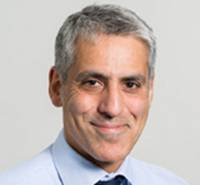 Ronjon Chakraverty合作论文数Department of Haematology, Cancer Institute, Faculty of Medical Sciences, University College London13
 Frederico S Regateiro合作论文数Sir William Dunn School of Pathology, Oxford University13
 Suparno Chakrabarti合作论文数Department of Haematology, Birmingham Children’s Hospital13
 Douglas J. Ringler合作论文数New England Regional Primate Research Center, Harvard Medical School13
 Richard Benjamin合作论文数Brigham and Women's Hospital, Harvard Medical School13K F Nolan合作论文数12DW Milligan合作论文数12Y Tone合作论文数12
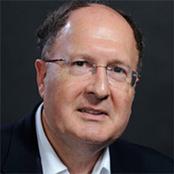 Gregory Winter合作论文数Centre for Science and Policy, University of Cambridge12
 Martin Dyer合作论文数Department of Cancer Studies and Molecular Medicine, University of Leicester;Ernest and Helen Scott Haematological Research Institute, University of Leicester;Department of Cancer Studies and Molecular Medicine, University of Leicester12
 Shimon Slavin合作论文数Biotherapy International12Valda Thomas合作论文数12
 Christopher J. E. Watson合作论文数Department of Surgery, University of Cambridge12
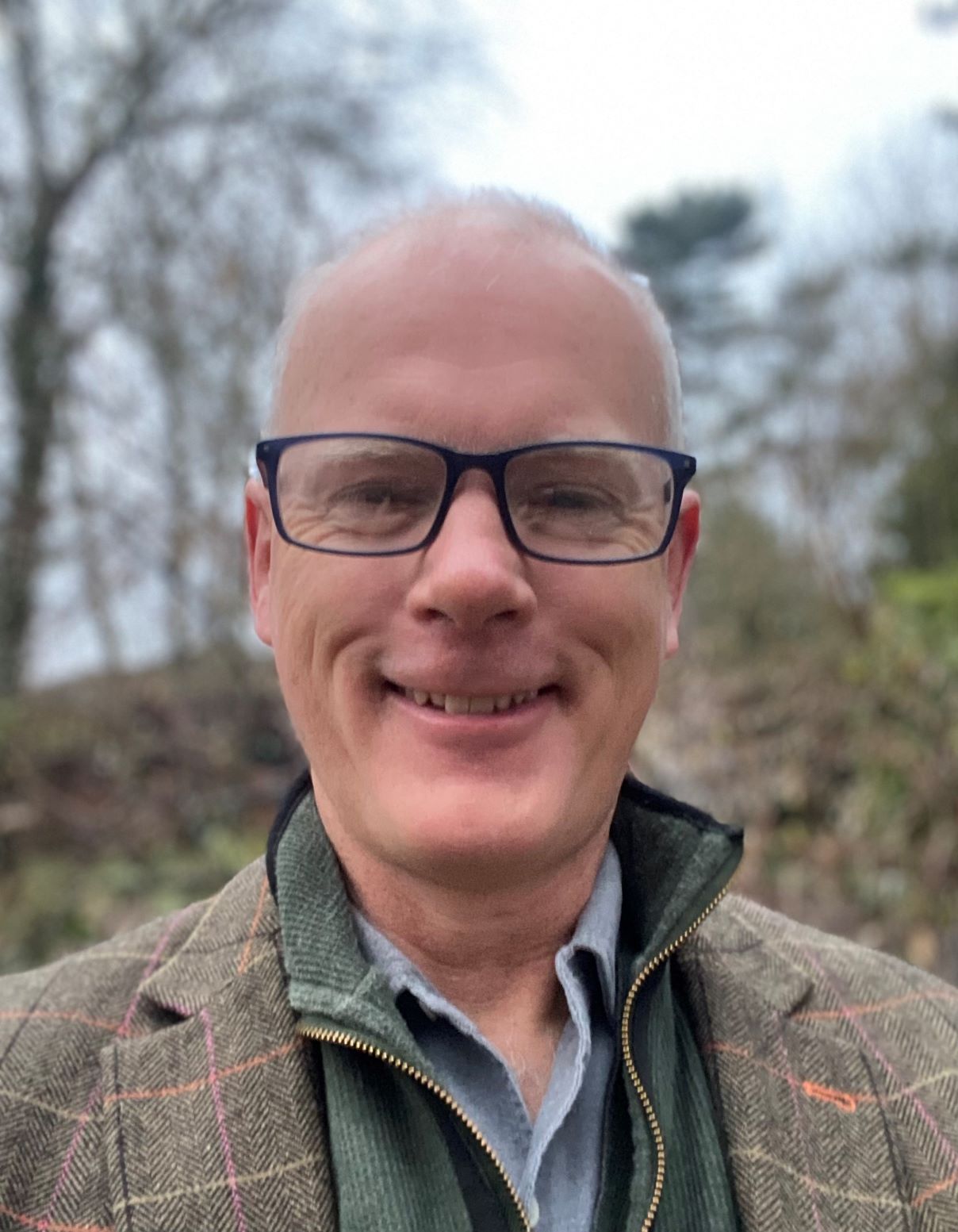 Alasdair Coles合作论文数Department of Clinical Neurosciences, University of Cambridge;School of Clinical Medicine, University of Cambridge11
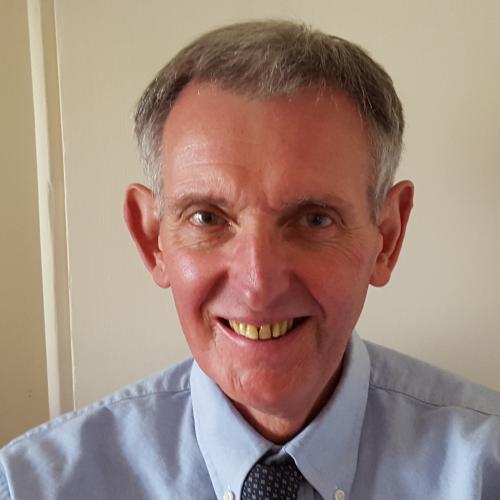 Alastair Compston合作论文数Jesus College, University of Cambridge;Department of Clinical Neurosciences, University of Cambridge11Rao Patricia E合作论文数11
 Suzanne Watt合作论文数Medical Sciences Division, Radcliffe Department of Medicine, University of Oxford11




