Introduction: The importance of preoperative risk scoring in open-heart surgery has risen in the last decades. Many scoring systems for mortality prediction before coronary artery bypass grafting surgery (CABG) have been described in all over the world. We aimed to compare the efficacy of three different well-known and commonly used mortality risk-scoring systems and to provide a more suitable scoring system for our patient population.Material-Method: A total of 2120 patients who had undergone a CABG operation in Türkiye Yüksek İhtisas Hospital Cardiovascular Surgery Clinic between January 2003 – December 2004 included in this study. The patients who had concomitant surgery with CABG operation were excluded. The in-hospital deaths and the deaths in postoperative 30 days were accepted as mortality. The patients were divided into low, moderate and high-risk groups as the risk scoring systems prerequisites. The predicted mortality rates by the risk scoring systems and the observed mortality rates were compared. Results: The observed mortality rates and the predicted mortality rates by the European System for Cardiac Operative Risk Evaluation (EuroSCORE) were similar between the groups (p>0.05). The observed mortality rates of low and moderate risk groups were significantly lower than the predicted mortality rates with Parsonnet risk scoring system (p<0.001). In the high-risk group, the observed mortality rates were not significantly different from the predicted mortality rates with the same risk scoring system (p>0.05). The predicted mortality rates with Ontario Province Risk (OPR) scoring system and observed mortality rates in the low risk group were significantly different (p<0.001). But in the moderate and high risk groups, the observed mortality rates and predicted mortality rates with the OPR were not significantly different (p>0.05). In the receiver operating characteristic curve (ROC) analysis, the area under the curve (AUC) = 0.801 for EuroSCORE, AUC = 0.737 for Parsonnet and AUC = 0.677 for OPR risk scoring systems. According to these values, the accuracy of EuroSCORE was accepted as high, Parsonnet was accepted as moderate and OPR was accepted as non-significant. Conclusion: The EuroSCORE risk scoring system results were similar to the results in the literature. It is a reliable way of risk prediction for the patients undergoing CABG surgery in our region.
OBJECTIVE:Cardiac echinococcosis is an extremely rare disease, seen worldwide. Some clinical characteristics are unknown, and treatment modalities are unclear.METHODS:41 patients diagnosed with cardiac or pericardial echinococcosis underwent surgery. We evaluated the patients echocardiographically in 8 different categories: cardiac echinococcosis lesions located within the heart, imaging appearance of each lesion, activity of the cysts, mode of cardiac echinococcosis, and number of cardiac lesions per patient. The surgical technique was reevaluated according to the intraoperative echocardiographic findings, especially according to the mode of the lesion.RESULTS:The hydatid cysts were located in the ventricular wall in 34 cases, the right atrium in 2, the noncoronary sinus Valsalva of the aorta in 1, between the aorta and the pulmonary bifurcation in 1, and in the pericardium alone in 4 cases. In 1 case, septal rupture occurred and the patient died. Relapse was seen in 1 patient who was operated on due to multiple ventricular and pericardial cysts; this patient underwent a second operation 6 years and 8 months after the initial surgery.CONCLUSION:Recent echocardiographic developments and application of intraoperative echocardiography enables a detailed classification for extirpation, and allows successful treatment.
To compare the international normalised ratio (INR) value of patients evaluated using the CoaguChek XS versus conventional laboratory methods, in the period after open‐heart surgery for mechanical valve replacement until a therapeutic range is achieved using vitamin K antagonists (VKA) together with low molecular weight heparin (LMWH).
A 38-year-old man with a gunshot in his back and angina pectoris was admitted to our hospital. There were ST elevations in inferior leads on his electrocardiogram (Fig 1) and a suspicious view of a shot in the right coronary area in the computed tomographic image. The patient was taken to surgery. The only entrance of the shot was the lateral wall of left ventricle. Intraoperative coronary angiography showed the shot in the right coronary artery, but the right coronary was intact and there were no entrance fort the shot except right coronary ostia (Fig 2). The shot was taken by right coronary arteriotomy, and an aorto-right coronary artery bypass was performed by a saphenous graft. The patient was discharged 5 d after the operation.Fig 2View Large Image Figure ViewerDownload (PPT)
Background: This study aims to investigate the effects of cardiopulmonary bypass (CPB) on acetyl salicylic acid resistance after coronary artery bypass graft (CABG) surgery. Methods: Forty consecutive patients who underwent isolated elective CABG surgery in cardiovascular surgery department were prospectively enrolled in this study. The patients were divided into two groups according to the use of CPB as on-pump group (n=20) and off-pump group (n=20). Results: Fourteen of twenty patients in the on-pump group had acetyl salicylic acid resistance, whereas only five of twenty patients in the off-pump group had acetyl salicylic acid resistance. Statistical analyses revealed that the use of CPB increased the risk of acetyl salicylic acid resistance by 46.8 fold. Conclusion: The risk of acetyl salicylic acid resistance increases in patients who undergo CABG surgery using CPB, compared to those who do not undergo surgery without CPB. Lack of sufficient standardization of the tests for acetyl salicylic acid resistance and high costs lead to this phenomenon which is underestimated among the medical community.
Objective: The aim of this study was to examine the effects of positive inotropic drugs, including adrenaline, dopamine, and dobutamine on thyroid hormone levels following open heart surgery.Methods: We analyzed free thyroid hormones (FT3 and FT4) and thyroid-stimulating hormones (TSH) in 200 consecutive patients undergoing open heart surgery. Patients were divided into 5 groups according to the inotropic drug administration as follows: Group A (n = 46) received dopamine alone; Group B (n = 40), dopamine and dobutamine; Group C (n = 36), dopamine, dobutamine, and adrenaline; Group D (n = 32), adrenaline alone; and Group E (n = 46), placebo. Procedural factors affecting thyroid hormones were recorded and included cardiopulmonary bypass (CPB) time, cross-clamping time, degree of hypothermia, and the duration and doses of positive inotropic drugs. Blood samples for hormone assays were collected before initiation of inotropic drug therapy (baseline) and postoperatively at 24, 72, and 120 hours after drug therapy.Results: FT3, FT4, and TSH levels at baseline were similar in all groups. Although there was a trend showing very slight increases in thyroid hormone levels from baseline to the 24th, 72nd, and 120th postoperative hours after drug therapy, these changes were not significant, and there were also no significant differences between the groups. There was also no significant statistical difference in CPB time, cross-clamping time, degree of hypothermia, and duration and doses of positive inotropic drugs between groups.Conclusion: Although thyroid hormone levels were affected by positive inotropic drug usage after open heart surgery, this effect was not significant and thyroid hormone levels remained within normal ranges.
Background: In this study, we investigated the protective effect of the systemic infusion of N-acetylcysteine (NAC) on spinal cord ischemia/reperfusion injury.Methods: Sixteen rabbits with a mean weight of 2.68 +/- 0.36 kg were randomly assigned either to group NAC (n=8; receiving NAC) or group C (n=8; control group). They underwent a 30-minute period of spinal cord ischemia with double-clamp technique by clamping the abdominal aorta near below the left renal artery and near above the aortic bifurcation. Fifteen minutes before clamping, rabbits received either intravenous NAC (200 mg/kg; group NAC) or normal saline (group C). The subjects were monitored for 24 hours postoperatively and neurological scores were estimated using Tarlov scoring system. In spinal cord tissue samples, levels of malondialdehyde and gluthathione were also measured.Results: The mean Tarlov score in the treated subjects was significantly higher compared to the controls (3.38 +/- 1.30 vs 0.25 +/- 0.46; p<0.001). Histopathological examination revealed that the integrity of the spinal cord was relatively preserved in the NAC group, whereas spinal cords from controls indicated evidences of acute neuronal injury. Spinal tissue malondialdehyde levels were significantly lower in the NAC group (21.57 +/- 1 vs 30.4 +/- 0.76; p<0.001), whereas glutathione levels were significantly higher (1.73 +/- 0.10 vs 1.41 +/- 0.05; p<0.001).Conclusion: In this experimental model of spinal cord injury, NAC provided clinical and histopathological improvement. It is suggested that the effects of NAC are owing to its capacity to reduce oxidative stress and enhance the antioxidant properties of the tissues.
Many mechanical complications associated with insertion, maintenance, and removal of the hemodialysis catheters have been reported in the literature. A 47-year-old man was consulted to our hospital because of an entrapped hemodialysis catheter guidewire. Computed tomographic scan revealed that the right subclavian vein was perforated by the guidewire and the wire was knotted over itself, one loop inside the vein and two loops in the extravascular site. Guidewire is pulled out from a 3-cm incision over the wire loops lateral to the right sternocleidomastoid muscle. He was discharged home on postoperative day 2 without any complication. Our suggestion is that any abnormal resistance should be immediately evaluated for the presence of any potential knots using the most appropriate imaging technique.
Carcinogenic and toxic molecules produce DNA adducts that contribute to the development of atherosclerosis. Genetic polymorphisms of xenobiotic-detoxified enzymes, which control the level of DNA adducts, may affect both enzymatic activity and individual susceptibility to coronary artery disease (CAD). In this study we investigated the effects of genetic polymorphisms of the CYP1A1*2C, GSTT1, and GSTM1 enzymes on CAD risk in a Turkish population. Genotypes were determined for 132 CAD patients and 151 healthy controls by the polymerase chain reaction/restriction fragment length polymorphism method. There were no significant differences between patients and controls in terms of CYP1A1, GSTT1, and GSTM1 genotypes. Analysis of the possible interactions between the genotypes, after adjustment for the risk factors, demonstrated that individuals carrying CYP1A1 variant GSTT1 null genotypes had an 8.907-fold increased CAD risk compared to their wild status (p<0.05). We suggest that genetic polymorphisms of xenobiotic-metabolizing enzymes could play an important role in CAD. Therefore, CYP1A1 and GSTM1 polymorphisms should be considered as important parameters for the prediction of CAD.
ÖZET Aim: The purpose of this study was to examine whether thyroid function is affected by nitric oxide donors (NOD) that are used to treat ischemia and hypertension after open-heart surgery. Patients and Methods: Fifty patients who underwent open heart surgery were included in the study. Subjects were divided into two groups, according to the NOD they received. Group A (n = 33) received nitroglycerine alone, and group B (n = 17) received nitroglycerine and nitroprusside. Among the surgery-related variables potentially affecting thyroid function, the following were examined: NOD and duration, cross-clamp period during cardiopulmonary bypass (CPB), and hypothermia temperature. Thyroid function tests (TFTs) were performed preoperatively and on postoperative days 1, 3 and 5. Results: In both groups, TFTs remained within normal limits, and values measured 24 hours after surgery were not statistically different from baseline. Increases were noted at 72 hours and further increases at 120 hours. Changes in hormone levels over time were more apparent in group A than group B. No statistical differences were found with respect to other parameters, such as CPB crossclamp duration, hypothermia temperature, or duration of drug use (p > 0.05). Conclusion: Although patients’ thyroid hormone levels remained within normal limits, NOD clearly affected these levels. It may be useful to monitor thyroid hormone levels periodically over the postoperative period, whenever NOD are used for long periods or in high doses, because of the close relationship between thyroid hormone levels and myocardial contractility. Differences in the effects of various drugs may warrant further investigation.
Surgical treatment of aortic coarctation with cardiac pathologies in adults varies according to the type and position of the pathology. A 34-year-old man with coarctation of the aorta and calcific aortic stenosis underwent simultaneous correction of both lesions through a median sternotomy. The operative technique was evaluated with a literature review.
The purpose of this study was to investigate the risk of perioperative major cerebrovascular events (MCVEs) in patients undergoing coronary artery bypass grafting (CABG) and to develop preventive therapy. After excluding the patients with marked ascending aortic atheromas and those with combined intracardiac procedures such as valve replacement and aneurysmectomy, 722 consecutive patients who had carotid artery duplex scanning (CADS) and CABG were studied. The results of the study showed the correlation of advanced age, smoking, previous major cerebrovascular event (MCVE), and severe coronary artery disease with high grade carotid artery stenosis of 80-99% (p < 0.05). A total of 13 patients had perioperative MCVE and an analysis of risk factors showed that the MCVE correlated with carotid stenosis of > 60% and reduced cardiac output requiring inotropic support (p < 0.01). Prophylactic carotid endarterectomy (CEA) in patients with 80% to 99% carotid stenosis notably decreased the incidence of MCVE (p < 0.01), and the use of the "pump off" technique instead of standard cardiopulmonary bypass decreased MCVE (p = 0.056). On the basis of these data, prophylactic carotid endarterectomy is effective in averting perioperative MCVE in subjects with carotid stenosis of 80% to 99%, and for those with 60% to 79% carotid stenosis, the pump off technique decreases MCVE.
Background: The purpose of this study was to evaluate the safety and efficacy of amiodarone in the treatment of new-onset atrial fibrillation (AF) after coronary artery bypass grafting (CABG) surgery. Methods: The study included 20 patients (15 males, 5 females; mean age 64 9 years; range 43 to 79 years) who underwent CABG surgery for ischemic heart disease and received amiodarone treatment for AF that developed in the early postoperative period. Amiodarone was administered with an initial infusion of 150 mg/10 min, followed by infusions of 1 mg/min (first 0-6 hours) and 0.5 mg/min (6-24 hours). Following completion of 1,000-1,200 mg intravenous infusions, oral administration was continued with 400 mg (2x200 mg). Results: The mean time to AF development was 21.0 +/- 23.2 hours; the onset of AF was within the first eight hours in 10 patients, and between 13 to 70 hours in the remaining patients. Eight patients (40%) converted to sinus rhythm with amiodarone treatment within a mean of 25.4 +/- 22.0 hours, while 12 patients (60%) had persistent AF. Of these, three patients (15%) underwent electrical cardioversion on the seventh day of amiodarone treatment, and three patients were discharged with AF. Mortality occurred in seven patients (35%), of whom six had persistent AF. Following the development of AF, seven patients (35%) required inotropic support, and two patients (10%) required intraaortic balloon pump insertion. Bradycardia was seen in four patients (20%) following initiation of amiodarone. Patients with persistent AF showed significantly high rates of postoperative support (p<0.05) and, albeit not significant, higher rates of bradycardia (p=0.06) and mortality (p=0.08), and longer intubation time, intensive care unit stay, and hospital stay. Conclusion: Our findings showed that amiodarone was not effective in the treatment of new-onset AF following CABG surgery and unresponsive AF was associated with increased inotropic support and mortality.
Total chronic occlusion of the left main coronary artery is a rare angiographic finding in a catheterization laboratory and its treatment rarely is reported. We describe a patient with angiographic findings of chronic total occlusion of the left main coronary artery with left coronary circulation collateralized from the right coronary artery.
A dissecting aneurysm of the intraventricular septum is an extremely rare entity. Most of these aneurysms originate from the right sinus of Valsalva and are believed to result from rupture of a Valsalva sinus aneurysm. Such cases may present with aortic insufficiency, rhythm disorders, ventriculo-septal ischemia and infectious endocarditis. In this article, we present a patient who underwent surgical intervention with a diagnosis of intraventricular septal cyst (hydatid cyst) leading to both a flow gradient through the left ventricle outflow track and dysrhythmia, without any evident dilatation or aneurysm of the sinus of Valsalva.
Abstract A dissecting aneurysm of the intraventricular septum is an extremely rare entity. Most of these aneurysms originate from the right sinus of Valsalva and are believed to result from rupture of a Valsalva sinus aneurysm. Such cases may present with aortic insufficiency, rhythm disorders, ventriculo‐septal ischemia and infectious endocarditis. In this article, we present a patient who underwent surgical intervention with a diagnosis of intraventricular septal cyst (hydatid cyst) leading to both a flow gradient through the left ventricle outflow track and dysrhythmia, without any evident dilatation or aneurysm of the sinus of Valsalva.
Cardiac lipomas are extremely rare benign tumors. We report a case of a 41-year-old man who was admitted because of cardiomegaly and a feeling of discomfort in his chest. Computed tomography and magnetic resonance imaging studies showed a large mass occupying the mediastinum and pericardial space. The patient underwent resection of a lipoma which weighed 1100 g and had a pedicle 6 cm in diameter, connected to the epicardial surface of right ventricle infundibulum.
 Cemal Levent Birincioglu合作论文数23
 Umit Kervan合作论文数Department of Cardiovascular Surgery, Yuksek Ihtisas Hospital of Turkey16
 Oguz Tasdemir合作论文数14Garip Altintas合作论文数8Ahmet Saritas合作论文数8
 Seref Alp Kucuker合作论文数Dept Cirurgia Cardiovasc, Hosp Cidade Ancara7Onurcan Tarcan合作论文数7
 Deniz Suha Kucukaksu合作论文数7Erol Sener合作论文数7Adnan Cobanoglu合作论文数7Mahmut Mustafa Ulaş合作论文数6
 Omaç Tüfekçioğlu合作论文数Department of Cardiology, Ankara City Hospital, University of Health Sciences6Kerim Cagli合作论文数6
 Ferit Cicekcioglu合作论文数Department of Cardiovascular Surgery, Turkiye Yuksek Ihtisas Hospital5Mehmet Ali Ozatik合作论文数Cardiovascular Surgery Clinic;Psychology Department;Hacettepe University;Psychology Department, Hacettepe University5
 Ahmet Tulga Ulus合作论文数4zafer iscan合作论文数4
 Faisal H. Cheema合作论文数Vianova AI;Novus Medvice;George Mason University;Virufy4
 Veli Kemal Topkara合作论文数Seymour, Paul and Gloria Milstein Division of Cardiology, Department of Medicine, Columbia University Irving Medical Center4
 Isaac George合作论文数Department of Surgery;Division of Cardiothoracic;Columbia University;College of Physicians4Timothy P. Martens合作论文数4AT Ulus合作论文数3Mustafa Balcı合作论文数3
 Ahmet Akgul合作论文数3
 Anıl Ozen合作论文数Dept Cardiovasc Surg, Ankara City Hosp3
 Cicek Omer Faruk合作论文数Department of Cardiovascular Surgery, Turkiye Yuksek Ihtisas Education and Research Hospital3
 Ertekin Utku Unal合作论文数Ufuk Üniversitesi3
 Sevuk Utkan合作论文数Department of Cardiovascular Surgery, Diyarbakir Gazi Yasargil Education and Research Hospital3Kemal Arda合作论文数Ankara Oncology Hospital, Middle East Technical University3Soner Yavas合作论文数3NC Dang合作论文数3Y. Naka合作论文数2F. Barili合作论文数2Emre Boysan合作论文数2SA Kucuker合作论文数2gokan lafci合作论文数2Mehtap Temirtürkan合作论文数2O Tarcan合作论文数2
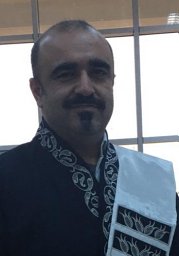 Parlar Ali Ihsan合作论文数Cardiovascular Surgery Clinic, Ahi Evren Gogus Kalp Damar Cerrahisi Education and Research Hospital2
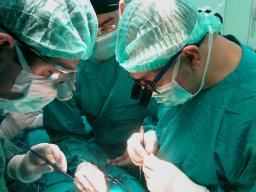 Ugursay Kiziltepe合作论文数Department of Cardiovascular Surgery, Ankara University School of Medicine Hospital2
 Birol Yamak合作论文数Cardiovascular Surgery Department, Türkiye Yüksek İhtisas Hospital of Ankara2Levent Mavioglu合作论文数Department of Cardiovascular Surgery, Evliya Celebi Hospital2S. Fehmi Katircioglu合作论文数2
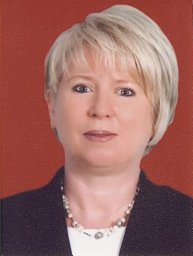 Candan Ozogul合作论文数Faculty of Medicine, Gazi University2
 Alper Uzun合作论文数Department of Biology;Northeastern University;Department of Biology, Northeastern University2Binali Mavitas合作论文数2Cagatay Tuncel合作论文数2Kerem M. Vural合作论文数2Çiğdem Özer合作论文数Faculty of Medicine, Gazi University2




