The Bayesian statistical framework provides a systematic approach to enhance the regularization model by incorporating prior information about the desired solution. For the Bayesian linear inverse problems with Gaussian noise and Gaussian prior, we propose a new iterative regularization algorithm that belongs to subspace projection regularization (SPR) methods. By treating the forward model matrix as a linear operator between the two underlying finite dimensional Hilbert spaces with new introduced inner products, we first introduce an iterative process that can generate a series of valid solution subspaces. The SPR method then projects the original problem onto these solution subspaces to get a series of low dimensional linear least squares problems, where an efficient procedure is developed to update the solutions of them to approximate the desired solution of the original problem. With the new designed early stopping rules, this iterative algorithm can obtain a regularized solution with a satisfied accuracy. Several theoretical results about the algorithm are established to reveal the regularization properties of it. We use both small-scale and large-scale inverse problems to test the proposed algorithm and demonstrate its robustness and efficiency. The most computationally intensive operations in the proposed algorithm only involve matrix-vector products, making it highly efficient for large-scale problems.
Computing posterior distributions in large-scale Bayesian linear inverse problems is challenging due to the high dimensionality of the parameter space. In this work, we develop a data-informed framework that shifts the computational focus from the parameter space to the data space. We rigorously characterize an intrinsically low-dimensional data space, establish its isometric embedding into the parameter space, and show that the prior-to-posterior update is confined to a data-informed subspace. This perspective allows posterior inference to be carried out in a reduced data-informed subspace. Based on this formulation, we propose a quotient-space Golub–Kahan bidiagonalization method to construct data-informed Krylov subspaces, and integrate empirical Bayesian inference into the iterative framework, enabling simultaneous hyperparameter estimation and posterior approximation in a matrix-free manner. Numerical experiments on representative problems support the theoretical framework and demonstrate the effectiveness of the resulting method.
Accurately predicting Tunnel Boring Machine (TBM) performance is critical in construction processes. Traditional machine learning models often struggle to achieve accurate prediction as they fail to capture both the temporal dependencies and the intricate interactions among operational features (e.g., torque, thrust), which are essential for accurate prediction of TBM performance. This paper proposes Graph-ConvNet, a new deep learning architecture that combines Graph Neural Networks (GNNs) and Convolutional Neural Networks (CNNs) to capture both temporal dependencies and feature interactions. TBM data is represented as a temporal graph, where each node corresponds to a time step and edges capture temporal dependencies between them. A Graph Neural Network (GNN) models this structure, while CNNs are applied within each node to extract feature interactions, enhancing the overall representation. Experiments on real-world TBM data demonstrate that Graph-ConvNet significantly improves prediction accuracy and robustness compared to conventional methods.
We consider the linear least squares problem with linear equality constraints (LSE problem) formulated as min_x∈ℝ^n‖Ax-b‖ _2 s.t. Cx = d . Although there are some classical methods available to solve this problem, most of them rely on matrix factorizations or require the null space of C, which limits their applicability to large-scale problems. To address this challenge, we present a novel analysis of the LSE problem from the perspective of operator-type least squares (LS) problems, where the linear operators are induced by {A,C} . We show that the solution of the LSE problem can be decomposed into two components, each corresponding to the solution of an operator-form LS problem. Building on this decomposed-form solution, we propose two Krylov subspace based iterative methods to approximate each component, thereby providing an approximate solution of the LSE problem. Several numerical examples are constructed to test the proposed iterative algorithm for solving the LSE problems, which demonstrate the effectiveness of the algorithms.
Dynamic Hand Gesture Recognition facilitates intuitive human-computer interaction, yet current deep learning approaches face challenges in efficiently integrating multi-scale features and capturing long-range temporal dependencies. These methods often rely on single-scale features or simple concatenation, lacking adaptive fusion across spatial and temporal scales. Moreover, short-term self-attention struggles to capture extended dependencies without high computational costs from global convolutions. We propose TCAF-HANet, an end-to-end framework for Dynamic Hand Gesture Recognition (DHGR) that addresses these limitations. Built on a ResNet18 backbone, TCAF-HANet extracts multi-layer spatio-temporal representations using a feature pyramid and employs the Temporal-Channel Adaptive Fusion Module (TCAF). The TCAF module unifies shallow, middle, and deep features through frame-by-frame channel mapping and adaptive resolution downsampling, integrating time-aware embeddings and predicting adaptive fusion weights via 3D convolution for time-dynamic responsiveness. The Hierarchical Temporal Attention-Convolution Module (HTAC) segments the fused output into fixed-length temporal windows, using multi-head self-attention to model short-term dynamics, enhanced by residual feedforward networks. Multi-scale Temporal Convolution (MSTCN) with varied kernel sizes aggregates window tokens to capture dependencies across multiple temporal scales efficiently. This hierarchical approach balances short-term detail and long-term continuity with reduced computational overhead. Evaluation on the NVGesture and Briareo datasets shows that TCAF-HANet achieves top-performing accuracy with an 8.2% reduction in parameters and 17.6% lower computational cost compared to standard Transformer-based models.
Integrating convolution neural networks with attention mechanism is a challenging and promising method for many computer vision tasks. In this study we propose AECPM (Attention-Enhanced Convolutional Pose Machine), an efficient and effective model for 2D hand pose estimation based on CPM by a novel embedding of attention into convolutional pose machines. Specifically, we designed a novel but simple attention-enhanced convolutional (AEConv) module to refine the extracted features from monocular RGB images. At the core of the module is the AEConv blocks and the skip connections between them. Experiments on the CMU Panoptic Dataset show that our method achieves excellent performance.
Recently, non-contact measurement methods such as laser scanning, have gained popularity in collecting discontinuous data due to their ability to generate high-resolution point clouds containing detailed information about rock surface. However, quickly and accurately extracting discontinuities from massive point clouds faces challenges. In this study, we propose an optimization algorithm based on fuzzy clustering and region growth that enables swift extraction of discontinuity information from point clouds. The proposed method employed a composite indicator to evaluate the similarity and dissimilarity of the points in a clustering group basing on the membership function matrix and the optimal clustering number could be estimated without predefining. Additionally, region growing is difficult to deal with increasingly enormous point clouds, a faster way is estimating a possible range as a search radius to avoid meaningless time-consuming in region growing. Further, the proposed methodology was implemented in Matlab to extract discontinuities from high-resolution point cloud, includes data pre-processing, optimized fuzzy clustering, and optimized region growing. Finally, particular attention was given to the sensitivity of automatic extraction in point cloud resolution and cluster number, these parameters are always special in different objects. The results showed that the optimized method performed excellent in clustering without a priori assumption of cluster number, and provided optional range of resolutions without losses of accuracy to cater to diverse requirements. The proposed method gave a new way to estimate the optimal clustering number as same as manually separated without predefining, to collect all orientations of discontinuity quickly, and to meet different needs with appropriate resolution.
Introduction: Reservoir landslides undergo large deformations during the early stages of impoundment and maintain long-term persistent deformations during the operational period of the reservoir. The management of reservoir landslides mostly focuses on the early identification, risk assessment during the large deformations, and long-sequence monitoring during long-term persistent deformations, which requires sufficient continuity and integrity of the landslide monitoring data.Methods: Taking the Wulipo (WLP) landslide in Baihetan Reservoir as example, this paper proposes a reservoir landslide monitoring method that integrates field survey, unmanned aerial vehicle (UAV) photogrammetry and global navigation satellite system (GNSS) monitoring, which can effectively eliminate the practical monitoring gaps between multiple monitoring methods and improve the continuity and completeness of monitoring data.Results and discussion: First, this study determined the initiation time of the landslide through the field investigation and collected five period of UAV data to analyze the overall displacement vector of the WLP landslide using sub-pixel offset tracking (SPOT). On the basis of the above data, we compensated for the missing data in GNSS system due to the practical monitoring vacancies by combining the field survey and the landslide-water level relationship. Based on these monitoring data, this paper points out that the WLP landslide is a buoyancy-driven landslide, and whether or not accelerated deformation will occur is related to the maximum reservoir water level. Finally, this study analyzed and discussed the applicability of UAV photogrammetry for reservoir landslide monitoring in the absence of ground control points (GCPs), and concluded that this method can be quickly and flexibly applied to the stage of large deformation of reservoir landslides.
Concrete core wall dams have emerged as a cost-effective alternative to the reconstruction of old dams. However, the flooding mechanism and flood line of these dams differ significantly from traditional earth and rockfill dams due to the concrete core wall functioning as reinforcement. This study presents model tests that simulate the overtopping failure of earth and rockfill dams with concrete core walls of various thicknesses. The hydrologic curve and two-dimensional evolution of the breach are analyzed, and mechanical analysis examines the relationship between core wall thickness and free face during core wall failure. Results indicate that the presence of the concrete core wall shifts the overtopping failure mode to the scour pit failure mode. The scour pit failure mode occurs when upstream water scours the downstream core wall to form scour holes and free faces. Continuous scouring increases the depth of the free face, ultimately causing the moment between the two sides of the core wall to exceed the bending moment of the core wall, resulting in fracture. The study provides a theoretical basis for the design of core walls for this new type of dam.
Currently, with the development of deep learning techniques and large models, designing efficient network models has become one of the hot topics in research. In the field of image super-resolution reconstruction, although deep convolutional neural networks have made significant progress, the increase in network complexity has led to an increase in computational overhead and excessive consumption of computational resources on high-performance devices (e.g., GPU). To address this issue, a network for image super-resolution reconstruction based on partial convolution (Pconv) and an improved agent attention mechanism is proposed. By reducing redundant computations and memory access, the network can more effectively extract spatial features, significantly reducing computational complexity while maintaining superior performance. Through experiments comparing recent methods on public datasets in terms of performance metrics, the proposed network model demonstrates leading results in objective quantitative measures, promising to provide a more efficient and viable solution for image super-resolution reconstruction tasks. (c) 2024 SPIE and IS&T
Developing highly accurate models for predicting the convection-diffusion-reaction (CDR) transport in hierarchical porous media with strong heterogeneities on multiple scales is crucial but not yet available. In this work, an innovative high-order multiscale computational framework is developed to capture the local and global variation characteristics of flow fields and reactant concentration at multiple scales. The homogenized solutions and macro-meso high-order solutions are established by the formal two-scale asymptotic analysis. By directly expanding the mesoscopic cell functions to the microscopic levels, the three-scale high-order models are built by assembling the meso-micro high-order expansions of mesoscopic cell functions and macro-meso low/high-order models. The present approaches follow the reverse thought process of the reiteration homogenization method, and provide a very innovative way to develop highly accurate and efficient solutions for the CDR coupling problems in multiscale porous media. The effectiveness and accuracy of the proposed multiscale models are validated by several representative cases.
A typical blasting vibration wave is a composite wave, and its attenuation law is affected by the type of dominant wave component. The purpose of the present study is to establish an attenuation equation of the peak particle velocity (PPV), taking into account the attenuation characteristics of P-, S- and R-waves in the blasting vibration wave. Field blasting tests were carried out as a case to specifically apply the proposed equation. In view of the fact that the discrete properties of rock mass will inevitably cause the uncertainty of blasting vibration, we also carried out a probability analysis of PPV uncertainty, and introduced the concept of reliability to evaluate blasting vibration. The results showed that the established attenuation equation had a higher prediction accuracy, and can be considered as a promising equation implemented on more complex sites. The adopted uncertainty analysis method can comprehensively take account of the attenuation law of blasting vibration measured on site and discrete properties of rock masses. The obtained distribution of the PPV uncertainty factor can quantitatively evaluate the reliability of blasting vibration, which is a powerful and necessary supplement to the PPV attenuation equation.
Fracture network is an important factor in the utilization of geothermal energy, its composition and structure have an important influence on the development of geothermal energy. As a component of EGS system, fractures have various forms. Therefore, this paper studies the influence of fracture morphology on reservoir heat extraction. The Voronoi is used to describe the unique network structure and is applied to geothermal development system as a form of fracture network. Therefore, a THM coupled EGS model with Voronoi fractures is established to observe its thermal extraction performance. In present work, the effects of fracture block numbers, well length, well spacing, injection mass flow rate and injection temperature on the thermal extraction performance of EGS system are numerically investigated. The results show that the model has higher production temperature when the number of Voronoi blocks is 77, and the production temperature in the 30th year is 494.01 K. The influence of the change of well spacing on the production temperature of the model is more obvious than that of the change of well length. At the same time, the longer the well length, the smaller the injection pressure, the stronger the connectivity between the injection and production wells, and the narrower the end of the injection well in the temperature diagram. Furthermore, the increase of injection mass flow rate reduces the production temperature of the model, when the injection mass flow rate increases from 80 kg/s to 140 kg/s, the production temperature decreases from 494.01 K to 450.99 K. However, because the increase of the total injection mass flow rate, the large mass flow rate still has a high heat extraction ratio. The higher the injection temperature is, the smaller the pressure difference between injection wells and production wells is. The temperature changes the permeability and liquid viscosity of the reservoir, thereby reducing the pressure difference. In addition, with the increase of injection wells, the production temperature of the model increases, and the injection pressure decreases. However, the pressure difference between injection wells and production wells increases, indicating that the pressure of production wells is large, so the production cost increases. Therefore, in the actual production situation, reasonable selection of geothermal operation parameters should consider the operation cost and the difficulty of development.
The underground powerhouse of a hydropower station, in the form of a cavern group, is generally characterized by a large scale and complicated spatial structure. During the construction phase, extensive excavation in limited underground space may cause a multi-cavern effect between adjacent caverns and thus lead to deformation and failure of the surrounding rock mass, which undoubtedly compromises cavern stability and construction safety. This paper takes the drainage gallery LPL5-1 in the Baihetan underground powerhouse (adjacent to the main powerhouse) as a case study. During the excavation of the main powerhouse, the shotcrete at the upstream arch of LPL5-1 cracked, ballooned and peeled off. After field investigation and numerical simulations, the stress evolution induced by excavation is studied and the failure mechanism is analyzed. The results indicate that the multi-cavern effect led to the surrounding rock mass failures in LPL5-1, which is related to the continuous excavation of the main powerhouse and the resultant extensive stress adjustment. During the main powerhouse excavation, a stress concentration zone was generated at the upstream arch and was intensified with the excavation progressed. The expanded stress concentration zone affected LPL5-1 and made its surrounding rock mass split, thus causing the shotcrete cracking.
The development of multimedia content continuously encourages the appearances of new multimedia applications. Meanwhile, Device to Device (D2D) is regarded as an important 5G technology that creates a direct connection between two mobile devices. We combine the content sharing traits in D2D network situations in response to the problem of massive amounts of multimedia content being distributed. As a result, in this paper, we provide a popularity‐based information mining and content placement strategy for blind popularity distribution in D2D scenarios. To analyze the cache hit performance in D2D networks under the presumption of deterministic content popularity, we first construct a D2D content caching framework. Then, we design a multiarm bandits model and suggest a single and multicache placement policy based on online learning for blind popularity in D2D networks. Finally, the experimental results demonstrate that the proposed method achieves better convergence and a better cache hit ratio than the other strategies.
In this position paper we present a novel mathematical framework for building metaverses, which is a potential way to unify reality and virtuality to create a cohesive whole universe. We argue that the nature of metaverses is inherently mathematical, and propose that the system of complex numbers could play a key role in constructing them. Specifically, we provide context for our argument and offer a supporting example, the analytic signal, to demonstrate how to construct its imaginary counterpart with the Hilbert transform to a given real signal and how to unify them to form a cohesive complex signal that facilitates the analysis of local dynamic behaviors of the signal. This framework has significant potential for building a metaverse. By leveraging the power of complex numbers, one can create a unified mathematical system that merges the physical and virtual worlds. We believe that this proposal will inspire further research and development of metaverses in this field and that our framework will contribute to the construction of a metaverse that offers unprecedented levels of interactivity and immersion.
Soft bioelectronic devices have potential in medical applications, especially comprehensive diagnoses that rely on immovable equipment to acquire multiple physiological signals. Challenges for bioelectronic devices lie in the opposite modulus demand for multifunctional integration and biocompatibility, and shape compatibility for reducing implantation trauma and covering target tissue. Here, this work reports a multifunctional bioelectronic device endowed with switchable rigidity and reconfigurable shapes by a fast thermal response shape memory polymer substrate. The customizable substrate has a melting temperature around body temperature (≈38 °C) and an ≈100 times modulus drop (from ≈100 MPa to ≈700 kPa). The switchable rigidity realizes stacked layers fabrication in the rigid state and self‐adaptive contact in the soft state. Shape reconfiguration allows the device to be implanted through small incisions and recover in limited spaces to envelop biosurfaces. Multiple physical, biochemical, and electrophysiological signal sensing functions are integrated in the device, realized by temperature and pH electrodes with linear, stable, and fast responses and a low‐impedance potential electrode. For some epilepsy and pericardial effusion types that a single physiological parameter fails to distinguish, animal experiments demonstrate efficiency in their comprehensive diagnosis with electrocorticogram assisted by brain temperature and electrocardiogram assisted by pericardial fluid pH, respectively.
In this article, we introduce a new neonatal facial expression database for pain analysis. This database, called facial expression of neonatal pain (FENP), contains 11,000 neonatal facial expression images associated with 106 Chinese neonates from two children's hospitals, i.e., the Children's Hospital Affiliated to Nanjing Medical University and Second Affiliated Hospital Affiliated to Nanjing Medical University in China. The facial expression images cover four categories of facial expressions, i.e., severe pain expression, mild pain expression, crying expression and calmness expression, where each category contains 2750 neonatal facial expression images. Based on this database, we also investigate the pain facial expression recognition problem using several state-of-the-art facial expression features and expression recognition methods, such as Gabor+SVM, LBP+SVM, HOG+SVM, LBP+HOG+SVM, and several Convolutional Neural Network (CNN) methods (including AlexNet, VGGNet, GoogLeNet, ResNet and DenseNet). The experimental results indicate that the proposed neonatal pain facial expression database is very suitable for the study of both neonatal pain and facial expression recognition. Moreover, the FENP database is publicly available after signing a license agreement (the users can contact Jingjie Yan (yanjingjie@njupt.edu.cn), Guanming Lu (lugm@njupt.edu.cn)) or Xiaonan Li (xnli@njmu.edu.cn).
Fast and accurate assessment of slope topography and geological information and understanding of slope deformation evolution are of great significance in emergency investigation and monitoring of landslides. In this study, using the geometric information contained in terrestrial laser scanning (TLS) point clouds, an automatic discontinuity identification algorithm and a quantitative overall displacement evaluation method were developed. The automatic discontinuity identification algorithm is based on a k-means fuzzy cluster, allowing fast visual identification of any discontinuity from the acquired point cloud data to obtain accurate geometric information including occurrence, spacing, and continuity. It can provide adequate assessment of potentially unstable blocks in landslides during emergency disposal. The quantitative overall displacement evaluation method characterizes the overall displacement trend of local areas based on statistics from the M3C2 algorithm results. It can be used to quantify the deformation/displacement of relatively independent blocks (or local areas of slopes) and provides technical support for multi-temporal monitoring of potentially unstable blocks during emergency landslide disposal. These methods were applied to the Baige landslide during emergency disposal in 2019. Based on a comprehensive geological survey and monitoring results, the overall remnant slope was in a relatively stable state after the Baige landslide. However, the back edge of the slope was somewhat broken, and there were two large blocks with a relatively high risk of instability. The results show that these methods can provide effective technical support for emergency investigation, monitoring, and risk assessment of large-scale landslides.
Occurrence of a reservoir landslide and its potential secondary hazards near a dam can result in significant losses and casualties, such as those that resulted from the Vajont landslide. In this study, a cataclinal rock slope in the Maoergai reservoir was taken as a case to study the characteristics of the gravitational deformation process and to analyse the potential threat. The stability of the rock slope was analysed using the limit equilibrium method, and the potential landslide movement and subsequent waves were simulated. Results indicated that lithology, geological structure, reservoir water-level changes and artificial activities all play an important role in large deformations of rock slopes that are characterized by a combination of bending–toppling and, principally, shear slip. Pre-calculations of potential threats indicated that the impact of a landslide wave would be greater at dead water levels than at the normal water level and could result in the blockage of the inlet to the water-diversion structure on the opposite right bank. These findings provide implications for the control of reservoir rock slopes: (i) serious attention should be paid to the influence of water on rock strength in the early investigation of geological disasters; and (ii) infiltration must be prevented during water-level rise. Thematic collection: This article is part of the Role of water in destabilizing slopes collection available at: https://www.lyellcollection.org/cc/Role-of-water-in-destabilizing-slopes
 Shafiq Ur Rehman合作论文数Dept Math, Univ Engn Technol41
 Wenze Shao (邵文泽)合作论文数School of Communications and Information Engineering, Nanjing University of Posts and Telecommunications33
 Qi Ge (葛琦)合作论文数School of Communications and Information Engineering, Nanjing University of Posts and Telecommunications31
 Guanming Lu (卢官明)合作论文数School of Materials Science and Engineering, Nanjing University of Posts and Telecommunications30
 Robert Forchheimer合作论文数Department of Electrical Engineering, Linköping University27
 Ulrik Söderström合作论文数Digital Media Lab, Umeå University26Jingjie Yan (闫静杰)合作论文数School of Communications and Information Engineering, Nanjing University of Posts and Telecommunications25
 Xiaogang Cheng (成孝刚)合作论文数School of Communications and Information Engineering, Nanjing University of Posts and Telecommunications;Bell Honors School, Nanjing University of Posts and Telecommunications21
 Shahrouz Yousefi合作论文数Digital Media Lab, Umeå University21
 Li Liu合作论文数19
 Farid Abedan Kondori合作论文数Digital Media Lab, Umeå University19
 Shipeng Xie (谢世朋)合作论文数School of Communications and Information Engineering, Nanjing University of Posts and Telecommunications17
 Johannes Karlsson合作论文数Umeå University17
 Muhammad Sikandar Lal Khan合作论文数16Ming Luo (罗鸣)合作论文数15Zhengrong Yao合作论文数15
 Jiawen Zhou (周家文)合作论文数College of Water Resources & Hydropower, Sichuan University14
 Alaa Halawani合作论文数Institute for Computer Science
Albert-Ludwigs-University14
Alaa Halawani合作论文数Institute for Computer Science
Albert-Ludwigs-University14 Shaohua Yu (余少华)合作论文数China Information Communication Technologies Group Corporation12Liqian Wang (王力谦)合作论文数School of Communications and Information Engineering, Nanjing University of Posts and Telecommunications11
 Bingkun Bao (鲍秉坤)合作论文数School of Computer Science, Nanjing University of Posts and Telecommunications11
 Zhihan Lyu (吕智涵)合作论文数School of Computer Science and Technology, Xidian University10
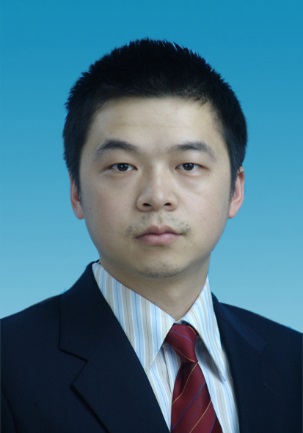 Qi Yang (杨奇)合作论文数School of Optical and Electronic Information, Huazhong University of Science and Technology10
 Bo Li (李博)合作论文数ManoMotion10
 Thomas Olofsson合作论文数9HE Zhixue (贺志学)合作论文数9
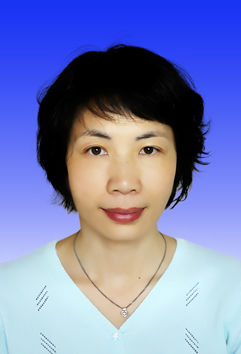 Xiaonan Li (李晓南)合作论文数南京医科大学9
 Yang Zhong合作论文数Aicadium9Keni Ren合作论文数Umeå University Sweden8Haisong Deng合作论文数8Adi Anani合作论文数8
 Anders Hedman合作论文数Division of Media Technology and Interaction Design, Department of Human Centered Technology, School of Electrical Engineering and Computer Science, KTH Royal Institute of Technology, Department of Human Centered Technology, School of Electrical Engineering and Computer Science, KTH Royal Institute of Technology8Jean-Paul Kouma合作论文数8
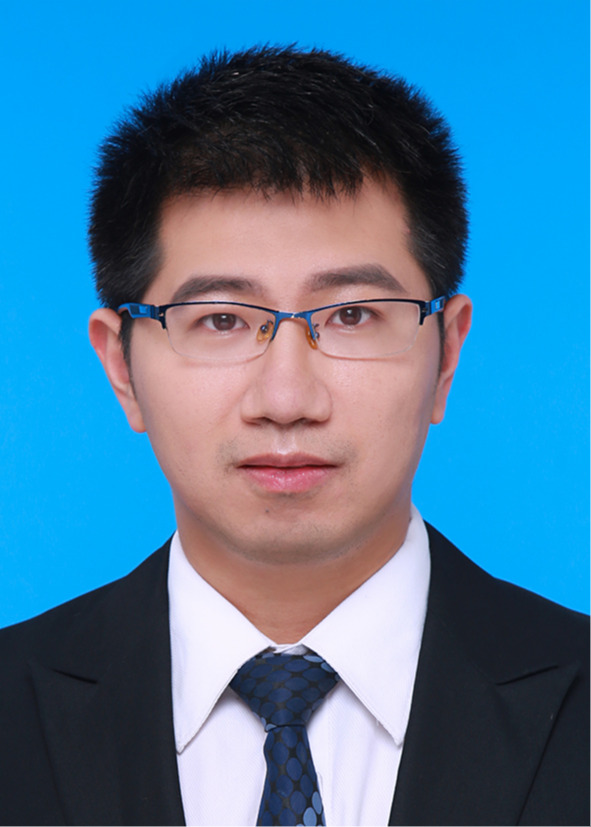 Yinji Ma (马寅佶)合作论文数School of Aeronautic Science and Engineering, Beihang University7
 Bin Yang合作论文数Hebei University of Technology, Hebei University of Technology7Tim Wark合作论文数CSIRO ICT Centre7
 Zhihui Wei (韦志辉)合作论文数School of Computer Science and Engineering, Nanjing University of Science & Technology7
 Rong Hu合作论文数6
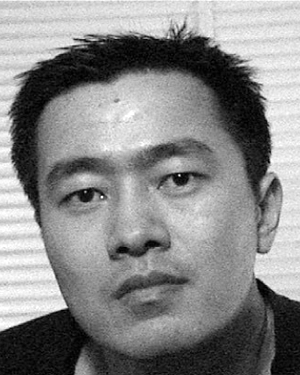 Xiang Li合作论文数6
 Jiong Sun合作论文数Inner Mongolia University, Inner Mongolia University of Technology6Apostolos Georgakis合作论文数6Le Hung Son合作论文数6
 Astrid Lundmark合作论文数Image Coding Group;Dept . of Electrical Engineering;Linkoping University6
 O. A. Lindahl合作论文数Centre for Biomedical Engineering and Physics, Umeå University6Hung-Son Le合作论文数5Xuebing Zhang合作论文数5
 Yuanyuan Liu (刘袁缘)合作论文数School of Geography and Information Engineering, China University of Geosciences5
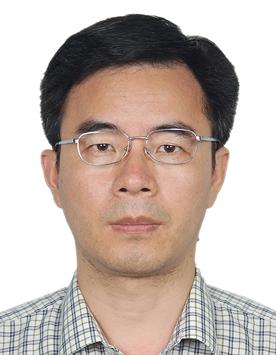 Shengzhong Feng (冯圣中)合作论文数Shenzhen Institutes of Advanced Technology, Chinese Academy of Sciences5




