The objective of the study was to characterize the virulence gene profile of MSSA and MRSA isolated from bovine mastitis.A total of 160 mastitic milk samples were collected from different regions of Jammu.Following different molecular techniques, a total of 36(37.5%)isolates were confirmed as S. aureus.These 36 S. aureus isolates were inoculated on ORSA to determine the phenotypic MRSA isolates.Only 20(55.5%)isolates were confirmed to be MRSA phenotypically.All 36 isolates were subjected to mecA gene amplification by PCR.Only 6 isolates were mecA gene positive hence MRSA.Both MRSA and MSSA isolates were screened for virulence genes viz.coagulase (coa), staphylococcal protein A(spa), clumping factor (clfA), haemolysin A(hla) and enterotoxins (eta &etb).The coa gene was present in 35(97.2%),spa in 35(97.2%),clfA in 35(97.2%),hla in 22(61.1%)and eta &etb in none of the isolates. K e y w o r d s
Pelvic abscess formation is unusual snag, accounting for today's widespread use of antibiotics. Peri-Uterine abscesses or parametritic abscesses are mostly seen in cattle on the dorsal portion of the uterine body or in the dorsal part of one uterine horn, measuring upto 30cm in diameter and frequently reported in cattle than in other species which might due to uterine manipulation involving the use of instruments in those animals. The peri-uterine abscess or para-metritic abscess is the result of inflammation in the connective tissue surrounding the uterus which is caused by the incursion of septic material from an injured place in the mucous membrane of the female International Journal of Current Microbiology and Applied Sciences ISSN: 2319-7706 Volume 9 Number 6 (2020) Journal homepage: http://www.ijcmas.com
Testicular neoplasia is rare in equines and more commonly seen in canine and feline group, testicular neoplasia arises from germ cells and sex-cord stromal elements of the testis. One such condition was seen in a six-year-old Marwari breeding stallion presented with a progressive scrotal swelling over 2-3 months. On palpation the testicle was hard and slightly tender. For confirmation of other conditions ultrasound examination was done to rule out inguinal hernia, hydrocele, abscess and haematoma around inguinal region. Unilateral orchidectomy was done on owners request to preserve the breeding status of stallion. Xylazine and butorphanol was administered as premedication for sedation followed by diazepam and ketamine and triple drip; 5% Guaifenesin + Xylazine (0.5 mg per ml + ketamine 1 mg per ml) used for induction and general anaesthesia, respectively. Grossly the testicle was multinodular with a grey-white surface and microscopic observation revealed the testicular tissue had diffuse proliferation of very large, polyhedral cells having sharp borders, vesicular nuclei and prominent nucleoli.
Background: Psychiatric disorders like depression and anxiety is frequently associated with function of hypothalamic-pituitary-thyroidal axis. Psychiatric disorders frequently mimic the symptoms of endocrinological disorders. With this background, we studied the depression and anxiety in different endocrinogical disorders. Objective: The aim of the study was to assess the depression and anxiety in patients suffering from endocrinological disorders. Method: We conducted a cross-sectional study for a period of one and half year in patients attending the Department of Medicine, Government Medical College Hospital Srinagar. General description, demographic data were recorded using the semi structured interview scale. A total of 152 cases of different endocrinological disorders were taken up for the study for one year, while Hospital Anxiety and Depression scale (HADS) was used for purpose of screening anxiety and depressive disorders in patients suffering from different endocrinogical disorders. Descriptive statistics and unadjusted 3×2×2 test chi square was conducted to determine prevalence. Results: Out of total 152 subjects, 71 were males (46.72%)), and 81 were females (53.28%) and mean age of the patients was 35.85 ± 9.475. The mean HADS score for anxiety alone, depression alone and anxiety/depression patients were 13.42, 15.7 and 25.62 respectively. On the basis of HADS screening, 96(63.157%) patients had varying degree of psychiatric co morbidity. 27 had anxiety alone, 30 had depression alone where 39 patients had anxiety and depression both. Conclusion: The findings of our study suggest that depression and anxiety is highly prevalent in diabetic patients and is largely unrecognized in the primary care setting. Most of the clinicians do not suspect this important co morbidity of endocrinological disorders in the beginning resulting in delayed diagnosis.
A total of 109 lactating does were screened for mastitis, both clinical and sub-clinical. The goats with swelling, pain, increased temperature or abnormal milk secretion were considered to have clinical mastitis while California mastitis test was used for detection of sub-clinical mastitis. Milk samples from does detected to be positive for mastitis were collected aseptically for bacterial isolation. The bacteria were identified based on standard microbiological techniques; however, confirmation of the bacterial species was done by PCR using universal primers specific for 16S rDNA followed by sequencing. Out of 109 lactating does screened, 45 (41.28%) were found positive for mastitis. Among these only seven (6.42%) exhibited clinical manifestations of mastitis while 38 does (34.86%) had subclinical mastitis. Staphylococci and Proteus mirabilis were found to be the predominant bacteria associated with mastitis. Bacillus spp. (including Bacillus cereus), E. coli, Pseudomonas aeruginosa, Citrobacter freundii and Streptococcus were also isolated from mastitic milk. Since, enteric pathogens were isolated from 40% of mastitic milk samples, it can be concluded that poor hygienic conditions could be a major factor responsible for mastitis in lactating goats.
Aim:The present study was undertaken to know the Prevalence of chicken coccidiosis in Jammu division in both organized and backyard chickens during the year 2010-11. Materials and Methods:A total of 720 faecal samples were collected from both organized farms and backyard poultry (unorganized) sector of Jammu. Results:The overall prevalence of 39.58% was recorded in the present study and five Eimeria species were identified viz., E. tenella, E. necatrix, E. maxima, E. acervulina and E. mitis.E. tenella was the predominant species in both organized and unorganized farms. Conclusion:Higher prevalence of 53.61% in unorganized (backyard poultry birds) as compared to organized birds (25.55%) was recorded.The prevalence was the highest in monsoon from both organized and unorganized managemental practices.
 Burhan Nabi合作论文数3
 Mohd Altaf Bhat合作论文数Division of Veterinary Microbiology &Faculty of Veterinary Sciences and Animal Husbandry, Sher-e-Kashmir University of Agricultural Sciences and Technology;Faculty of Veterinary Sciences and Animal Husbandry, Sher-e-Kashmir University of Agricultural Sciences and Technology2
 Taku Anil合作论文数Division of Veterinary Microbiology &Faculty of Veterinary Sciences and Animal Husbandry, Sher-e-Kashmir University of Agricultural Sciences and Technology2
 Shoib Sheikh合作论文数Department of Psychiatry, Government Medical College2Shagufta Azmi合作论文数1Aatif Rashid合作论文数1Jameel Gazi合作论文数1Munazah Shahzad合作论文数1S.K. Sharma合作论文数1Gulzar Ahmed Badroo合作论文数1Amitoz Kour合作论文数1
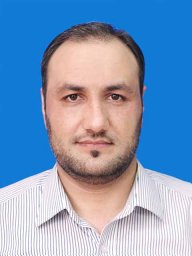 Asif Iqbal合作论文数School of Agricultural Sciences, Zhengzhou University1Ahmad Javid合作论文数School of Natural Sciences (SNS),, National University of Sciences and Technology (NUST),1Gazal Sabahat合作论文数Division of Veterinary Microbiology and Immunology, Faculty of Veterinary Sciences &Animal Husbandry, Sher-e-Kashmir University of Agricultural Sciences and Technology of Jammu1
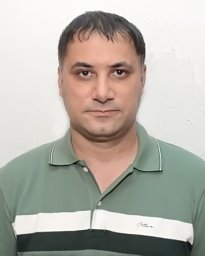 Gulzar Badroo合作论文数Division of Veterinary Microbiology &Faculty of Veterinary Sciences and Animal Husbandry, Sher-e-Kashmir University of Agricultural Sciences and Technology1Mushtaq Raheel合作论文数1
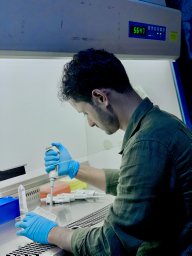 Mir Irfan Ahmad合作论文数Faculty of Veterinary Science and Animal Husbandry, Sher-e-Kashmir University of Agricultural Sciences;Technology1
 Rajinder Bhardwaj合作论文数1
 Manzoor Malik合作论文数Department of Physics;University of Kashmir;Department of Physics, University of Kashmir1




