PURPOSECombined-modality therapy (CMT) improves survival in patients with early-stage extranodal natural killer-/T-cell lymphoma (ENKTCL) compared with radiotherapy (RT) alone. However, the effect is inadequate for low-risk patients as defined by nomogram-revised risk index (NRI). As such, it remains unclear whether the survival benefits outweigh the additional costs.MATERIALS AND METHODSA Markov model was constructed to compare CMT versus RT alone for patients with early-stage ENKTCL, according to five risk groups defined by NRI model. Transition probabilities, effectiveness, and cost data were derived from the China Lymphoma Collaborative Group cohort, while health utility data were estimated from adverse effects. Life-years, costs, quality-adjusted life-years (QALYs), and incremental cost-effectiveness ratios were calculated from the perspective of Chinese payers. Evaluations for customized countries or settings can be accomplished using a web-based tool.RESULTSOver the 6-year horizon, CMT increased life-years by 5.47, 5.19, 4.82, 4.62, and 4.49 years at $517,472 US dollars (USD)/QALY, $22,871 USD/QALY, $7,865 USD/QALY, $4,598 USD/QALY, and $2,278 USD/QALY for the low-risk (NRI = 0), intermediate-low-risk (NRI = 1), intermediate-high-risk (NRI = 2), high-risk (NRI = 3), and very high-risk (NRI = 4) groups, respectively. The probabilities of cost-effectiveness at a willingness-to-pay threshold of $5,208 USD/QALY were 0.00%, 0.01%, 7.40%, 72.07%, and 99.10% for each risk group. Over the lifetime horizon, all risk groups, except for low-risk group, had a probability of over 90% of being cost-effective. Estimates were varied according to country settings, integrated through a web-based customized analysis.CONCLUSIONCMT is unlikely to be cost-effective for low-risk patients but highly likely to be cost-effective for high-risk and very high-risk patients. As for intermediate-low or intermediate-high-risk patients, the cost-effectiveness of CMT varies depending on the time horizon and willingness-to-pay threshold.
Comparison of PI3K inhibitor toxicities and their efficacies for relapsed and/or refractory indolent lymphoma treatments
Comparison of the concentrations of serum markers measured in patients with and without a response to linperlisib
INTRODUCTION Epigenetic dysregulation is frequently associated with the pathogenesis and progression of diffuse large B-cell lymphoma (DLBCL). Tucidinostat (formerly known as chidamide), a subtype-selective histone deacetylase (HDAC) inhibitor, exerts epigenetic modulation of aberrant gene expression, a hallmark of various malignancies. Phase 2 studies suggest that tucidinostat combined with R-CHOP (CR-CHOP) has promising activity in double-expressor lymphoma (DEL), a subtype characterized by MYC and BCL2 co-expression that is historically associated with poor clinical outcomes. METHODS We conducted a randomized, double-blind, placebo-controlled, phase 3 trial (DEB) to evaluate the efficacy and safety of tucidinostat plus R-CHOP in comparison with R-CHOP in previously untreated DEL patients. Patients were randomly assigned in a 1:1 ratio to receive 20 mg oral tucidinostat or matching placebo plus six cycles of R-CHOP. Patients who had complete response (CR) after combination therapy received either tucidinostat or placebo treatment, with a maximum duration of 24 weeks. The primary end point was investigator-assessed event-free survival (EFS). Secondary end points included CR rate evaluated at the end of combination treatment, progression-free survival (PFS), disease-free survival (DFS), overall survival (OS) and safety. RESULTS A total of 423 patients were enrolled and randomized, with 211 assigned to the tucidinostat group and 212 to the placebo group. At the data cutoff date (June 26, 2025), with a median follow-up of 44.9 months (95%CI, 43.8-46.6), patients receiving tucidinostat plus R-CHOP had significantly improved EFS compared with those receiving placebo plus R-CHOP. The tucidinostat group demonstrated a 28% lower risk of disease progression, relapse after CR, death, or initiation of new therapy for residual disease (stratified hazard ratio [HR], 0.72; 95% confidence interval [CI], 0.54 to 0.96; P=0.02). EFS rates favored tucidinostat at 2 years (60.3% vs 50.5%) and 3 years (56.8% vs 47.7%). The CR rate at the end of combination treatment was 73.0% (95% CI, 66.6-78.5) in the tucidinostat group versus 61.8% (95% CI, 55.1-68.1) in the placebo group, with an adjusted between-group difference of 11.1% (95% CI, 2.3-20.0; P=0.01). Overall, the tucidinostat plus R-CHOP regimen demonstrated a generally well tolerated safety profile, consistent with the known toxicity patterns of the individual agents. The incidence of ≥ grade 3 hematologic adverse events was generally higher in the tucidinostat group than the placebo group, but most patients were able to tolerate and complete the planned treatment cycles. No significant cardiac toxicity, hepatotoxicity, or nephrotoxicity were observed in both groups. CONCLUSION In previously untreated patients with DEL, the addition of tucidinostat to R-CHOP significantly improved EFS and increased the CR rate compared with R-CHOP alone, with no unexpected safety concerns. (Funded by Shenzhen Chipscreen Biosciences; ClinicalTrials.gov number, NCT04231448).
PURPOSE:Radiation therapy (RT) is an essential component in the first-line treatment of early-stage extranodal NK/T cell lymphoma (ENKTCL) who have received asparaginase (ASP)-based chemotherapy (CT), but its effects on advanced-stage disease are unclear. This study is to evaluate the potential role of adjuvant RT following ASP-based CT for advanced-stage ENKTCL. METHODS AND MATERIALS:Data for 170 patients with advanced-stage ENKTCL who received ASP-based CT from the China Lymphoma Collaborative Group database were prospectively reviewed. Initial response after CT was classified as complete response (CR), partial response (PR), stable disease (SD), and progressive disease (PD). CR and PR after CT were defined as "chemoresponsive" disease. One hundred and five patients received ASP-based CT alone (CT alone), whereas 65 patients received CT followed by RT (CT + RT). Of the 112 chemoresponsive patients achieving CR and PR after CT, 58 patients received additional RT, whereas 54 patients did not. Overall survival (OS) and progression-free survival (PFS) were estimated by the Kaplan-Meier method, and compared using the log-rank test. Univariable Cox regression analysis was initially performed to identify potential factors associated with OS and PFS. Factors with a Pvalue <.2 in univariable analysis were then included in the multivariable analysis to determine the independent prognostic factors for OS and PFS. RESULTS:CR, PR, SD, and PD following CT were 32.9%, 32.9%, 4.1%, and 30.0%, respectively. Patients who achieved CR (OS: hazard ratio [HR], 0.14, 95% CI, 0.07-0.27, P < .001; PFS: HR, 0.11, 95% CI, 0.06-0.20, P < .001) and PR (OS: HR, 0.23, 95% CI, 0.13-0.39, P < .001; PFS: HR, 0.18, 95% CI, 0.11-0.30, P < .001) had significantly higher OS and PFS than those who achieved SD and PD. The 5-year OS and PFS rates were 60.6% and 49.0% for CR and PR, with 69.5% and 63.4% for CR, and 54.2% and 39.4% for PR, respectively. The median OS and PFS for SD + PD were 8.1 and 3.6 months, respectively. In 170 patients, CT + RT versus CT alone significantly improved OS and PFS. The OS rates at 2 and 5 years were 68.7% and 60.8% for CT + RT, compared with 44.6% and 26.7% for CT alone (HR, 0.36; 95% CI, 0.21-0.60; P < .001). The corresponding PFS rates were 58.6% and 47.7% for CT + RT, compared with 33.6% and 23.0% for CT alone (HR, 0.41; 95% CI, 0.26-0.65; P < .001). Moreover, in 112 chemoresponsive patients, CT + RT significantly improved OS, with 2- and 5-year OS rates of 77.8% and 69.0% for CT + RT versus 64.5% and 48.0% for CT alone (HR, 0.43; 95% CI, 0.21-0.90; P = .020). Multivariable Cox regression analyses confirmed that radical RT versus no RT was independently associated with improved OS both in all patients (HR, 0.32; 95% CI, 0.15-0.67; P = .002) and chemoresponsive patients (HR, 0.41; 95% CI, 0.17-0.94; P = .044). CONCLUSIONS:Addition of RT to ASP-based CT provided significant survival benefits in all patients and chemoresponsive patients with advanced-stage ENKTCL.
Supplementary Method. Inclusion and exclusion criteria of the dose-escalation, dose-expansion, and clinical expansion part I of this phase 1 study.
INTRODUCTION:The current treatment regimens for Hodgkin's lymphoma (HL) are associated with high incidences of adverse events. PURPOSE:This study aimed to compare the efficacy and safety of doxorubicin + bleomycin + vincristine + dacarbazine (ABVD) and standard bleomycin + etoposide + doxorubicin + cyclophosphamide + vincristine + procarbazine + prednisone (BEACOPP) chemotherapy in the treatment of advanced stage HL. METHODS:This multicenter, randomized, parallel, open, positive control noninferiority trial was conducted from 2016 to 2019 and comprised 93 subjects who were randomized in a 1:1 ratio between the treatment (BEACOPP; n = 44) and control (ABVD; n = 49) groups. RESULTS:The primary efficacy endpoint of this trial was the objective response rate (ORR) after eight cycles of chemotherapy, which was 100.00% (36/36) in the treatment group and 95.74% (45/49) in the control group. The incidence of adverse reactions was 100% in both groups. Significant differences (P < 0.05) in the incidences of grade 3 (39/44 [88.64%] vs. 23/49 [46.94%]) and grade 4 (27/44 [61.36%] vs. 8/49 [16.94%]) adverse events were observed between the treatment and control groups, respectively. However, most of these reactions were manageable, with no serious consequences, and were reversible after discontinuation of the treatment. CONCLUSION:Both regimens had a similar ORR and were associated with a high number of adverse events. The ABVD regimen was better tolerated and safer than the standard BEACOPP regimen. This study indicates that the standard BEACOPP regimen may be considered as a treatment option for patients with advanced HL.
HLX01 (HanliKang ® ) is a rituximab biosimilar that showed bioequivalence to reference rituximab in untreated CD20-positive diffuse large B-cell lymphoma (DLBCL) in the phase 3 HLX01-NHL03 study. Here, we report the 5-year follow-up results from the open-label extension part. Patients were randomised to either rituximab plus cyclophosphamide, doxorubicin, vincristine, and prednisone (R-CHOP) or HLX01 plus CHOP (H-CHOP) every 21 days for up to six cycles. The primary efficacy endpoint was overall survival (OS), and secondary efficacy endpoint was progression-free survival (PFS). Of the 407 patients enrolled in HLX01-NHL03, 316 patients (H-CHOP = 157; R-CHOP = 159) were included in the 5-year follow-up for a median duration of 65.1 (range, 2.2–76.5) months. 96.5% of the patients had an International Prognostic Index (IPI) of 1 or 2, and 17.7% had bone marrow involvement. The 5-year OS rates were 81.0% (95% CI: 74.9–87.5%) and 75.4% (95% CI: 68.9–82.6%)( HR: 0.75, 95% CI 0.47–1.20; p = 0.23) while 5-year PFS rates were 77.7% (95% CI: 71.4–84.6%) and 73.0% (95% CI: 66.3–80.3%) (HR: 0.84, 95% CI 0.54–1.30; p = 0.43) in the H-CHOP and R-CHOP groups, respectively. Treatment outcomes did not differ between groups regardless of IPI score and were consistent with the primary analysis. H-CHOP and R-CHOP provided no significant difference in 5-year OS or PFS in previously untreated patients with low or low-intermediate risk DLBCL.
7057 Background: TQ-B3525 is a novel and selective oral PI3K α/δ inhibitor. In an earlier Phase I trial, TQ-B3525 achieved outstanding efficacy in subjects with refractory/relapsed follicular lymphoma (R/R FL) (2020 ASCO Abstract #8058). Here, we report the result from a single-arm, open-label, phase II registration study evaluating the safety and efficacy of TQ-B3525 in R/R FL patients. Methods: This phase II study included exploratory stage 1 and confirmatory stage 2. Patients with R/R FL after ≥2 lines therapies received oral 20 mg TQ-B3525 once daily in a 28-day cycle until disease progression or intolerable toxicity. Primary endpoint was independent review committee (IRC)-assessed objective response rate (ORR). Secondary endpoints were ORR by investigator assessment; the IRC- and investigator-assessed disease control rate (DCR), time to response (TTR), duration of response (DOR), progression-free survival (PFS), overall survival (OS), and safety. Results: Based on results (ORR, 88.0%; DOR, 11.8 months; PFS, 12.0 months) in 25 patients at stage 1, second stage study was initiated and included 82 patients for efficacy/safety analysis.Patients received a median of 3 prior lines, with 56.1% refractory to previous therapies; 73.2% experienced POD24 at baseline. At stage 2, ORR was 86.6% (71/82; 95% CI, 77.3%-93.1%), with 28 (34.2%) complete responses. Seven (8.5%) had stable disease for DCR of 95.1%. Median TTR was 1.8 months. Among 71 responders, median DOR was not reached; 18-month DOR rate was 51.6%. At median follow-up of 13.3 months, median PFS was 18.5 (95% CI, 10.2-not estimable) months; estimated 24-month OS rate was 86.1%. Response rates and survival data were consistent across all subgroups. Grade 3 or higher treatment-related adverse events occurred in 63 (76.8%) patients, with neutrophil count decreased (22.0%), hyperglycemia (19.5%), and diarrhea (13.4%) being common. Conclusions: TQ-B3525 exhibited favorable efficacy and manageable safety profiles, supporting its potential as a valuable treatment modality for heavily pretreated Chinese R/R/ FL patients. Clinical trial information: NCT04324879 . [Table: see text]
AbstractPurpose: Patients with peripheral T-cell lymphomas (PTCL) in the relapsed or refractory (r/r) setting have only a limited number of therapies available, and the prognosis is extremely poor. SHR2554 is an oral inhibitor against EZH2, a rational therapeutic target for lymphomas. Patients and Methods: This was a multicenter, two-part, phase I study of SHR2554 in r/r mature lymphoid neoplasms. In part I, 350 mg twice daily was established as the recommended phase II dose (RP2D) based on the findings during dose escalation and expansion; subsequently, selected lymphoma subtypes were recruited in clinical expansion cohorts to receive SHR2554 at RP2D. Here, we provide an in-depth assessment of SHR2554 at RP2D in subpopulation with r/r PTCL. Results: Twenty-eight patients were included for analysis (17 angioimmunoblastic T-cell lymphoma and 11 not otherwise specified). Eighteen (64%) patients had received ≥2 lines of previous anticancer therapies. The objective response rate was 61% [95% confidence interval (CI), 41–78]. Responses were still ongoing in 59% (10/17) of the responders; estimated median duration of response was 12.3 months (95% CI, 7.4–not reached). Median progression-free survival was 11.1 months (95% CI, 5.3–22.0), and 12-month overall survival rate was 92% (95% CI, 72–98). The most common grade 3 or 4 treatment-related adverse events were decreased platelet count [nine (32%)] as well as decreased white blood cell count, decreased neutrophil count, and anemia [four (14%) for each]. No treatment-related deaths were reported. Conclusions: This extended follow-up analysis further supports SHR2554 as a therapeutic opportunity for patients with r/r PTCL.
 Yuqin Song (宋玉琴)合作论文数Beijing Cancer Hospital, Peking University33
 Xiuhua Sun (孙秀华)合作论文数The Second Hospital, Dalian Medical University23
 Jun Zhu (朱军)合作论文数Peking University Cancer Hospital23
 Hui Zhou (周辉)合作论文数Department of Medical Oncology, Hunan Cancer Hospital17
 Li Zengjun (李增军)合作论文数17
 Zhengming Jin (金正明)合作论文数The First Affiliated Hospital of Soochow University17
 Zhiming Li (李志铭)合作论文数Cancer Institute, Cancer Center, Sun Yat-sen University of Medical Sciences16
 Dengju Li (李登举)合作论文数Tongji Hospital, Tongji Medical College of Huazhong University of Science and Technology16
 Huilai Zhang (张会来)合作论文数Tianjin Medical University Cancer Institute and Hospital16
 Yanyan Liu (刘艳艳)合作论文数郑州大学附属肿瘤医院12
 Junyuan Qi (齐军元)合作论文数12Yu Yang (杨瑜)合作论文数12
 Lugui Qiu (邱录贵)合作论文数Institute of Hematology and Blood Diseases Hospital, Chinese Academy of Medical Sciences12
 Wei Zhang (张薇)合作论文数Department of Hematology, PUMC Hospital12
 Zhen Cai (蔡真)合作论文数The First Affiliated Hospiatl, School of Medicine, Zhejiang University12Yujing Zhang合作论文数11
 Yuhuan Gao (高玉环)合作论文数Department of Hematology, The Fourth Hospital of Hebei Medical University11Yijing Li合作论文数10Su-Yu Zhu合作论文数10Jianyuan Wu合作论文数10
 Tao Wu (吴韬)合作论文数National University of Defense Technology10Mei Shi (石梅)合作论文数第四军医大学西京医院放疗科10
 Junxin Wu (吴君心)合作论文数Fujian Cancer Hospital;Interdisciplinary Institute for Medical Engineering, Fuzhou University10Yuan Zhu合作论文数10
 Ying Wang (王颖)合作论文数Cancer Hospital, Chongqing University10
 Baolin Qu (曲宝林)合作论文数Chinese PLA General Hospital10
 Huiqiang Huang (黄慧强)合作论文数Sun Yat-Sen University Cancer Center10
 Yuankai Shi (石远凯)合作论文数Cancer Hospital Chinese Academy of Medical Sciences10
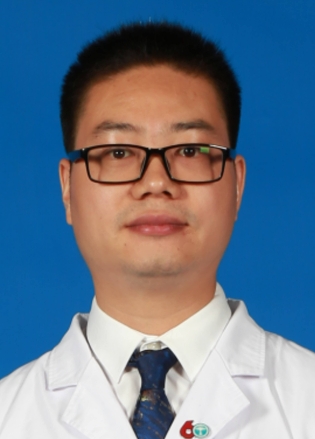 Yong Yang (杨勇)合作论文数Cancer Hospital, Chinese Academy of Medical Sciences10
 Yexiong Li (李晔雄)合作论文数Cancer Hospital Chinese Academy of Medical Sciences10
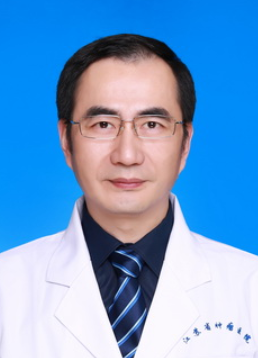 Xia He (何侠)合作论文数Jiangsu Cancer Hospital, Jiangsu Institute of Cancer Research, The Affiliated Cancer Hospital of Nanjing Medical University10Jianzhong Cao合作论文数10
 Siguo Hao (郝思国)合作论文数Xinhua Hospital Affiliated to Shanghai Jiaotong University School of Medicine10Shu-Nan Qi合作论文数10
 Liting Qian (钱立庭)合作论文数School of Medicine, Division of Life Sciences and Medicine, University of Science and Technology of China10Jie Shen合作论文数9Yanhua Huang合作论文数9Meng Wu合作论文数9Xuelan Zuo合作论文数9Chuan He合作论文数9Zhenyu Xiao合作论文数9Kunyan Li合作论文数9Huijing Wu合作论文数9ZHANG Zhi-hui合作论文数9
 Shuhua Yi (易树华)合作论文数8Lihong Liu合作论文数8LiPing Su (苏丽萍)合作论文数8
 Weijun Fu (符伟军)合作论文数中国人民解放军总医院(301医院) 泌尿外科8




