The rising incidence of colorectal cancer (CRC) in recent decades has ranked it as the third most common cause of cancer-related mortality worldwide. The goal in this study was to determine the mechanism(s) by which VERU-111 alters the immune landscape in the tumor microenvironment to facilitate suppression of CRC. We found that VERU-111 halted wound healing in human colorectal carcinoma cell lines HCT-116 and DLD-1, caused cell cycle arrest, and disrupted microtubule assembly in vitro. We found that oral administration of VERU-111 reduced tumor burden and increased colon length relative to controls in the azoxymethane (AOM) and dextran sodium sulfate (DSS)-induced murine model of CRC. We observed an increase in the number and frequency of CXCR3-expressing CD8-activated T cells and natural killer T (NKT) cells in the colon tumor microenvironment (CTM) in mice treated with VERU-111 as compared to vehicle control. VERU-111 increased the expression of NKG2D activating receptors and production of interferon-gamma (IFN-γ) ex vivo in mouse spleen-derived NK cells. Intriguingly, VERU-111 treatment reduced the frequency of macrophages and dendritic cells (DCs) expressing the programmed cell death ligand 1 (PD-L1) in the CTM and increased the frequency of macrophages, relative to controls. We also observed the induction of apoptosis by upregulation of the apoptotic markers BAX and cleaved caspase-3 (CC3), and TUNEL-positive apoptotic hotspots in tumors of mice treated with VERU-111. These findings suggest that VERU-111 effectively reduces tumor burden and suppresses CRC by recruiting effector T cells, NK cells, inducing apoptosis, and reducing myeloid cells expressing PD-L1 in CTM.
A 65-year-old man presented with painful periungual and subungual tumours that had affected multiple toenails and persisted for decades, with nail dystrophy, subungual hyperkeratosis and walking discomfort. Recognition of these Koenen tumours, together with subtle facial angiofibromas, fibrous plaques, multiple renal cysts and longstanding refractory epilepsy, supported a clinical diagnosis of tuberous sclerosis complex.
Abstract Drug resistance driven by efflux transporters and altered tubulin dynamics limits the clinical efficacy of taxanes and vincristine in high-risk neuroblastoma (NB) and castration-resistant prostate cancer (CRPC). We developed QW-5-70, a colchicine-binding-site inhibitor (CBSI), engineered to retain subnanomolar potency in both parental and drug-resistant cancer cells by evading P-glycoprotein (P-gp)-mediated efflux. QW-5-70 binds to the colchicine site, inhibits tubulin polymerization, disrupts microtubule networks, and induces mitotic arrest. Across a panel of NB and prostate cancer lines, QW-5-70 maintained subnanomolar activity and remained effective in vincristine-resistant BE2C/VCR and paclitaxel-resistant PC-3/TxR cells. Unlike vincristine and paclitaxel, its activity was unchanged by co-treatment with verapamil, suggesting its ability to circumvent P-gp-mediated drug resistance. In vitro, QW-5-70 significantly reduced colony formation and impaired migration in both parental and resistant cancer cells, and induced G2/M cell cycle arrest and mitochondrial apoptosis. In vivo, QW-5-70 significantly suppressed tumor growth in drug-resistant PC-3/TxR and BE2C/VCR xenografts, with modest weight loss and no evident histopathology in the major organs. Combination testing revealed strong quantitative synergy with DFMO in viability assays and marked increases in apoptosis with reduced clonogenic survival when paired with DFMO or the Aurora A inhibitor MLN8237. Collectively, QW-5-70 is a potent CBSI that circumvents P-gp-associated resistance, triggers mitotic arrest and apoptosis, and achieves robust antitumor activity in multidrug-resistant tumor models with acceptable tolerability, supporting its further preclinical development alone and in combination with other drugs. Citation Format: Yang Xie, Ruida Hou, Najah Albadari, Hao Chen, Darcie J. Miller, Judith Quadrozzi Gruntz, Michael L. Oldham, Mir Shahriar Kamal, Jianxiong Jiang, Zhongzhi Wu, Duane D. Miller, Wei Li. QW-5-70 targets the colchicine site to overcome multidrug resistance and shows potent antitumor activities [abstract]. In: Proceedings of the American Association for Cancer Research Annual Meeting 2026; Part 1 (Regular Abstracts); 2026 Apr 17-22; San Diego, CA. Philadelphia (PA): AACR; Cancer Res 2026;86(7 Suppl):Abstract nr 7123.
Tyrosine kinase inhibitors (TKIs) are a critical aspect of therapeutic strategy in non-small cell lung cancer (NSCLC), acting against oncogenic driver alterations including epidermal growth factor receptor (EGFR) mutations, anaplastic lymphoma kinase (ALK) gene rearrangements, ROS proto-oncogene (ROS1) fusion, etc. The clinical efficacy and safety of these agents are highly dependent on their pharmacokinetic properties, particularly metabolic pathways. Among the drug-metabolizing enzymes, cytochrome P450 3A4 (CYP3A4) plays a major role in the metabolism of many clinically used TKIs in non-small cell lung cancer (NSCLC), generating both active and inactive metabolites that significantly influence therapeutic outcomes. While the active metabolite may retain pharmacological activity, the inactive metabolites facilitate drug elimination and prevent drug accumulation in the body. In addition, several TKIs modulate CYP3A4 activity and undergo drug-drug interactions (DDIs) with other CYP3A4 inhibitors and inducers, which can significantly alter systemic drug exposure, leading to toxicity or reduced efficacy. Furthermore, interindividual variability in CYP3A4 activity driven by patient-specific factors such as age, sex, comorbidities, and genetic polymorphisms is another clinical concern that necessitates individualized dosing approaches for these TKI agents. This review summarizes CYP3A4-mediated metabolism of TKIs used in NSCLC therapy and addresses the metabolites formed, providing structural insights into metabolic hot-spots and guiding drug development, optimization, and prodrug strategies. It also discusses potential DDIs, compares the apparent in vivo CYP3A4 dependence of clinically used TKIs, and highlights the patient-related factors associated with TKIs, which are critical determinants of the individualized dosing strategy needed for an effective therapeutic response in NSCLC patients.
Abstract Introduction The global burden of colorectal cancer (CRC) has risen, positioning it as the third most common cancer worldwide. Chemotherapies are known to disrupt the composition of gut microbiota (GM) and lead to long-term health consequences for patients. How chemotherapeutic agents alter GM is not well known. We have shown that VERU-111 suppresses CRC tumors by inducing apoptosis and targeting myeloid PD-L1 expression in an AOM/DSS-induced model of CRC. Methods This study aimed to assess changes in the GM following VERU-111 treatment. We used 16S rRNA gene amplicon sequencing as well as a metagenomic study from fecal samples of different experimental groups to evaluate the alteration of GM. We also used computational tools to predict the functional potential of microbial communities based on 16S rRNA gene sequencing data. Results The administration of VERU-111 led to a restructured microbial community characterized by increased alpha and beta diversity as compared to AOM/DSS alone. Further, VERU-111 treatment significantly increased Verrucomicrobiota compared to the AOM/DSS alone. Akkermansia muciniphila was also elevated following VERU-111 treatment, which coincides with the increased CD8+ T cell population as well as reduced PD-L1-expressing macrophages in the colon as compared to control. Moreover, the relative abundance of Ruminococcus was also diminished, which is negatively correlated with immune checkpoint blockade therapy, while Muribaculum was notably increased following VERU-111 administration. An elevated abundance of Turicibacter was detected in the VERU-111-treated group compared to the control, showing a correlation with apoptotic activity and aligning well with our in vivo observations. The metagenomic study indicated that the microbial shift by VERU-111 was associated with suppression of several cancer-related pathways. Conclusion These favorable shifts in gut microbiota suggest a therapeutic dimension of VERU-111 in treating CRC and emphasize the need for further mechanistic exploration. Funding Source NIAID R01 AI140405 Topic Categories Tumor Immunology: Checkpoints, Prevention, and Treatment (TIPT)
Drug resistance driven by efflux transporters and altered tubulin dynamics limits the clinical efficacy of taxanes and vincristine in high-risk neuroblastoma (NB) and castration-resistant prostate cancer (CRPC). We developed QW-5-70, a colchicine-binding-site inhibitor (CBSI), engineered to retain low-nanomolar potency in both parental and drug-resistant cancer cells by showing minimal dependence on P-glycoprotein (P-gp)-mediated efflux. QW-5-70 binds to the colchicine site on tubulin, inhibits tubulin polymerization, disrupts microtubule networks, and induces mitotic arrest. Across a panel of NB and prostate cancer lines, QW-5-70 maintained low-nanomolar activity and remained effective in vincristine-resistant BE2C/VCR and paclitaxel-resistant PC-3/TxR cells. Unlike vincristine and paclitaxel, QW-5-70's activity and intracellular accumulation were unaffected by pharmacologic or genetic inhibition of P-gp, indicating effective circumvention of efflux-mediated resistance. In vitro, QW-5-70 significantly reduced colony formation and impaired migration in both parental and resistant cancer cells, and induced G2/M cell cycle arrest and mitochondrial apoptosis. In vivo, QW-5-70 significantly suppressed tumor growth in drug-resistant PC-3/TxR and BE2C/VCR xenografts, with modest weight loss and no evident histopathology in the major organs. Combination studies revealed a combination index (CI)-defined synergistic interactions at selected dose pairs with the ornithine decarboxylase inhibitor DFMO, and enhanced apoptotic and clonogenic suppression when combined with the Aurora A kinase inhibitor MLN8237. Collectively, QW-5-70 is a potent CBSI that circumvents P-gp-associated resistance, triggers mitotic arrest and apoptosis, and achieves significant antitumor activity in multidrug-resistant tumor models with acceptable tolerability, supporting its further preclinical development alone and in combination with other drugs.
Background:The COMPASSION-15 clinical trial demonstrated that cadonilimab plus chemotherapy significantly improved clinical benefits in human epidermal growth factor receptor 2-negative (HER2-) advanced gastric or gastroesophageal junction (G/GEJ) adenocarcinoma. Objectives:This study investigated the cost-effectiveness of cadonilimab plus chemotherapy in the first-line treatment for HER2- advanced G/GEJ adenocarcinoma from the Chinese healthcare system perspective. Design:Economic evaluation. Methods:We compared three treatment regimens based on the COMPASSION-15 trial, including chemotherapy, cadonilimab plus chemotherapy, and programmed death ligand 1 (PD-L1) test-guided treatment. A partitioned survival model was constructed at 21-day cycle lengths over a 10-year time horizon to predict total costs, life-years, quality-adjusted life-years (QALYs), and incremental cost-effectiveness ratio (ICER) under the willingness-to-pay (WTP) threshold of three times the gross domestic product per capita ($40,334.05). Model parameters were obtained from a public bid-winning database and published literature. Scenario, one-way, and probabilistic sensitivity analyses were used to test the robustness of the model. Results:In the base case, the costs of chemotherapy, PD-L1 test-guided treatment, and cadonilimab plus chemotherapy were $7,207.78, $15,776.35, and $22,294.58, with QALYs of 0.59, 0.71, and 0.79, respectively. The ICERs of PD-L1 test-guided treatment and cadonilimab plus chemotherapy were $68,751.00 and $76,120.27 per QALY. The ICERs of cadonilimab plus chemotherapy were $58,469.16 and $121,123.92 per QALY for PD-L1 combined positive score (CPS) ⩾ 5 and <5 HER2- advanced G/GEJ adenocarcinoma. The cost of cadonilimab and patient weight were the most influential model parameters. Cadonilimab plus chemotherapy had a 0.01% cost-effectiveness in China. Conclusion:Cadonilimab plus chemotherapy might be a cost-effective regimen when the unit cost of cadonilimab was $151.48 (58% discount) and $188.04 (72% discount) for overall and PD-L1 CPS ⩾ 5 advanced G/GEJ adenocarcinoma.
The TRPC3 protein plays a pivotal role in calcium signaling, influencing cell function. Aberrant TRPC3 expression is implicated in various pathologies, including cardiovascular diseases, tumors, and neurodegeneration. Despite its functional similarities with TRPC6 and TRPC7, TRPC3 exhibits distinct roles in disease contexts. Therefore, it is of paramount importance to develop a potent and selective TRPC3 antagonist with favorable drug-like properties. We employed extensive medicinal chemistry synthesis and structure-activity relationships (SARs) study. Thirty-one novel TRPC3 antagonists were designed and synthesized using the lead compound JW-65 as the scaffold. Compound 60a exhibits a 4-fold improvement in potency and displays exceptional selectivity. With favorable drug-like properties, this compound shows a heightened in vitro neuronal protective effect. Molecular modeling suggests possible modes of action between the TRPC3 protein and its antagonists. In summary, 60a holds significant promise for clinical development in conditions associated with TRPC3 dysregulation.
In the context of the “dual-carbon” strategy and the escalating challenges posed by ultra-high water-cut reservoirs, the development of green and intelligent profile control gels (PCGs) has become essential for balancing enhanced oil recovery (EOR) efficiency with environmental sustainability. In this study, a green performance evaluation framework integrating the Environmental Toxicity Index (ETI) and Carbon Footprint Intensity (CFI) is established to quantitatively assess the environmental friendliness of polymer gel systems. Representative gel types—including conventional chromium(III)–polyacrylamide(Cr(III)–PAM), citric acid–chitosan, and pH-responsive nanogels—are evaluated to reveal their structure–environment interactions. Comparative analysis shows that the Cr(III)–PAM system exhibits strong plugging capability but imposes the highest environmental burden (ETI = 1.45; CFI = 9.1 kg CO2e/kg), whereas the citric acid–chitosan system significantly reduces both toxicity (ETI = 0.42) and carbon footprint (CFI = 2.1). Meanwhile, pH-responsive nanogels demonstrate superior reservoir stability and sustainability under harsh conditions. The proposed ETI–CFI evaluation framework not only enables quantitative benchmarking of green performance but also provides a unified criterion for molecular design, material screening, and engineering application of intelligent green gels. This framework offers practical guidance for the low-carbon transformation of oilfield chemical systems, aligning innovation with sustainability objectives and supporting the realization of dual-carbon goals.
Highly potent tubulin inhibitors serve as critical payloads in several FDA-approved antibody-drug conjugates (ADCs). However, all these compounds are natural products with complex structures, which limit the ability to adjust their physicochemical properties for the optimal balance between payload release and ADC stability during systemic circulation, as well as efficient tumor penetration. Although taxanes are widely used in cancer therapy, they are unsuitable for ADCs due to insufficient potency and a high tendency to develop acquired drug resistance. Colchicine binding site inhibitors (CBSIs) are attractive alternatives, offering tunable properties and the potential to overcome multidrug resistance associated with the use of many existing tubulin inhibitors. However, most CBSIs lack sufficient potency for viable ADC applications. In our pursuit of a highly potent CBSI suitable for ADC use, we identified a novel series of sabizabulin derivatives. These compounds were evaluated in vitro across four cancer cell lines, including one with high resistance to taxanes. Among them, compound 11b emerged as the most promising one with IC50 values ranging from 0.6 nM to 1.3 nM in cancer cells, entering the potency range as a potential ADC payload. Importantly, 11b also effectively overcame taxane-associated drug resistance. Mechanistic studies confirmed that 11b directly binds to the colchicine site on tubulin, as demonstrated by its high-resolution crystal structure in a complex with tubulin protein. In vivo efficacy studies using a taxane-resistant prostate cancer xenograft model (PC-3/TxR) revealed that 11b significantly suppressed tumor growth, disrupted angiogenesis, and induced apoptosis. Together, these findings highlight 11b as a highly potent CBSI with the capability of overcoming acquired drug resistance to taxanes, suggesting its strong potential as a next-generation ADC payload.
The rising global burden of colorectal cancer (CRC) has now positioned it as the third most common cancer worldwide. Chemotherapy regimens are known to disrupt the composition of the gut microbiota and lead to long-term health consequences for cancer patients. However, the alteration of gut microbiota by specific chemotherapeutic agents has been insufficiently explored until now. The purpose of this study was to assess changes in the gut microbiota following treatment with VERU-111 as a chemotherapy agent for the treatment of CRC. We thus performed a metagenomic study using 16S rRNA gene amplicon sequencing of fecal samples from different experimental groups in the azoxymethane (AOM) and dextran sodium sulfate (DSS)-induced murine model of CRC. To predict the functional potential of microbial communities, we used the resulting 16S rRNA gene sequencing data to perform Kyoto Encyclopedia of Genes and Genomes (KEGG) pathway analysis. We found that the administration of VERU-111 led to a restructured microbial community that was characterized by increased alpha and beta diversity. Compared to the mice treated with DSS alone, VERU-111 treatment significantly increased the relative abundance of several bacterial species, including Verrucomicrobiota species, Muribaculum intestinale, Alistipes finegoldii, Turicibacter, and the well-known gut protective bacterial species Akkermansia muciniphila. The relative abundance of Ruminococcus, which is negatively correlated with immune checkpoint blockade therapy, was diminished following VERU-111 administration. Overall, this metagenomic study suggested that the microbial shift after administration of VERU-111 was associated with suppression of several metabolic and cancer-related pathways that might, at least in part, facilitate the suppression of CRC. These favorable shifts in gut microbiota suggest a novel therapeutic dimension of using VERU-111 to treat CRC and emphasize the need for further mechanistic exploration.
The rising incidence of colorectal cancer (CRC) in recent decades has ranked it as the third most common cancer and second most common cause of cancer-related mortality globally. Despite having available treatments, developing new therapies remains essential as the existing therapies are limited by resistance and/or off-target toxicity. We observed that VERU-111, a potent orally available tubulin inhibitor in vitro halts the wound healing in HCT-116 and DLD-1 cell lines and arrests the cell cycle in the G2/M phase. Next, we assessed the efficacy of VERU-111 in azoxymethane (AOM) and dextran sodium sulfate (DSS)-induced in vivo model of CRC. Oral administration of VERU-111 reduced tumor burden and increased colon length. There was a significant increase of CD8+CXCR3+ effector T cells and natural killer T (NKT) cells in the colon tumor microenvironment (CTM) in the VERU-111 group as compared to the AOM/DSS. Intriguingly, VERU-111 treatment reduced systemic and CTM macrophage infiltration as well as reduced the frequency of myeloid and dendritic cells (DCs) expressing PD-L1. We also noticed induction of apoptosis in tumors of VERU-111 treated mice, as evidenced by upregulation of apoptotic markers BAX and cleaved caspase-3. These findings suggest that VERU-111 effectively reduces tumor burden, induces effector T cells and apoptosis, as well as modulates myeloid cells expressing PD-L1 for suppression of CRC and offers promising insights to explore it further as a therapy for CRC. This study was supported by grant from NIH (NIAID R01 AI140405) Tumor Immunology: Checkpoints, Prevention, and Treatment (TIPT)
Immune receptors form higher-order complexes known as inflammasomes in animals and resistosomes in plants to mediate immune signaling. Here, we report a similar bacterial protein complex, DUF4297-HerA, which induces abortive infection to mediate anti-phage immunity by coupling nuclease and ATPase activities. Therefore, we name this defense system "Hailibu"after a hunter in a popular folk tale who sacrifices himself to save his village. Cryoelectron microscopy (cryo-EM) results reveal that DUF4297 and HerA assemble into a higher-order complex, reminiscent of apoptosome, inflammasome, or resistosome, which we refer to as an abortosome. By capturing cryo-EM structures of the pre-loading, DNA-loading, and DNA-transporting states during Hailibu abortosome processing of DNA, we propose that DNA substrates are loaded through the HerA hexamer, with adenosine triphosphate (ATP) hydrolysis providing the energy to transport DNA substrates to the clustered DUF4297 Cap4 nuclease domains for degradation. This study demonstrates the existence of analogous multiprotein complexes in innate immunity across the kingdoms of life.
The ASCENT and OptiTROP-Breast01 trials indicated that sacituzumab govitecan and sacituzumab tirumotecan significantly improved clinical benefits in metastatic triple-negative breast cancer (TNBC). This study evaluated the cost-effectiveness of trophoblast cell-surface antigen 2 (TROP2)-targeted antibody-drug conjugate (ADC) from the Chinese healthcare system perspective. A partitioned survival model with 21-day cycles was developed to simulate total costs, life-years, quality-adjusted life-years (QALYs), incremental cost-effectiveness ratio (ICER) over 10-year time horizons. Clinical data was extracted from the ASCENT and OptiTROP-Breast01 trial, costs and utilities were estimated from public bid-winning databases, local charges and published literature. The willingness-to-pay (WTP) threshold was three times gross domestic product per capita in 2024 (40,334.05). In scenario analysis, models were constructed employing network meta-analyses based on chemotherapy as the reference arm. One-way and probabilistic sensitivity analyses were implemented to examine the robustness of the model. In the base-case, the ICERs were92,593.65/LY and 122,486.54/QALY for sacituzumab tirumotecan, and348,005.00/LY and 409,219.27/QALY for sacituzumab govitecan compared with chemotherapy. Sacituzumab tirumotecan was dominant versus sacituzumab govitecan by virtue of lower costs and higher QALYs. When the unit costs of sacituzumab tirumotecan and sacituzumab govitecan were lower than475.12 per 200 mg and 141.54 per 180 mg, they would be cost-effective over chemotherapy. The utility value of progression-free survival state was the most critical role on the base-case result. Probabilistic sensitivity analyses revealed that substantial price reductions for sacituzumab tirumotecan and sacituzumab govitecan could dramatically increase the probabilities of becoming cost-effective. Sacituzumab tirumotecan and sacituzumab govitecan were unlikely to be cost-effective in previously treated metastatic TNBC. Sacituzumab tirumotecan was the preferred TROP2-targeted ADC in China.
With the drastic growth of alumina industry and the huge discharge of red mud, how to deal with red mud efficiently and economically has aroused great concern from the government and scientist worldwide. In this manuscript, an innovative process for extracting aluminum and iron from red mud via vacuum thermal reduction, alkali-leaching, and magnetic separation was suggested and proved to be feasible and effective. The theoretical calculation and experimental result demonstrate that the Fe2O3 and SiO2 in red mud can be reduced to generate Fe-Si alloy during vacuum thermal reduction and simultaneously, the sodium oxide was reduced to sodium gas, by which it can be collected in the form of Na2CO3 from the exhausted gas. Additionally, the CaO.xAl2O3, produced after the vacuum thermal reduction, can be leached in alkali liquor to recover alumina. Furthermore, Fe-Si alloy and CaCO3 in alkali-leaching slags can be separated through the magnetic separation to realize the high-value added application of iron. In this process, a 95.48% alumina recovery rate was achieved, and the yield of Fe-Si alloy attained 95.01%. Additionally, almost no secondary waste is discharged, which means that a clean and effective process is obtained and can be a potential method for industrial application of red mud.
The utilization of coal fly ash has been of great concern in recent years due to the growing awareness of waste recycling and environmental protection. Alumina recycling from coal fly ash is a good path to realize the state-of-the-art utilization of coal fly ash. The present work proposes a novel strategy for recovering alumina and producing Fe–Si alloy from coal fly ash employing Na2SO4 as the additive. The enhancing mechanism of the Na2SO4 addition on the mullite (Al6Si2O13) decomposition and alumina extraction during vacuum carbothermic reduction of coal fly ash was systematically investigated. The thermodynamic calculation results show that the theoretical decomposition temperature of mullite can be decreased from 1048 to 683 K with the assistance of Na2SO4, which means that the addition of Na2SO4 can effectively eliminate the mullite phase. Furthermore, the aggregation of Fe–Si alloy particles was enhanced efficiently in the presence of Na2SO4, which was proved to be conducive to the alumina and Fe–Si alloy separation in the subsequent magnetic separation process. As the Na2SO4 addition amounts changed from 0 to 12 wt
Ovarian cancer is the most lethal gynecological malignancy, with a 5-year survival rate of approximately 50%. The dismal prognosis is due in part to metastatic disease and acquired drug resistance to conventional chemotherapies such as taxanes. Colchicine binding site inhibitors (CBSIs) are attractive alternatives to taxanes because they could potentially achieve oral bioavailability and overcome drug resistance associated with the prolonged use of taxanes. VERU-111 is one of the most advanced CBSIs that is orally available, potent, and well tolerated and has shown good efficacy in several preclinical solid tumor models. Here, we demonstrate for the first time the in vitro potency of VERU-111 as well as its efficacy at inhibiting tumor growth and metastasis in an orthotopic ovarian cancer mouse model. VERU-111 has nanomolar potency against ovarian cancer cell lines and strongly inhibits colony formation, proliferation, invasion, and migration. VERU-111 disrupts microtubule formation to induce mitotic catastrophe and ultimately apoptosis in a concentration-dependent manner. The efficacy of VERU-111 was comparable with standard chemotherapy paclitaxel, the current first-line treatment of ovarian cancer, with no observed synergy with combination paclitaxel + VERU-111 treatment. In vivo, VERU-111 markedly suppressed ovarian tumor growth and completely suppressed distant organ metastasis. Together, these results support VERU-111 for its potential as a novel therapy for ovarian cancer, particularly for late-stage metastatic disease. SIGNIFICANCE STATEMENT: VERU-111 is an investigational new drug and has comparable efficacy as paclitaxel in suppressing tumor cell proliferation, colony formation, and migration in ovarian cancer models in vitro and has potent in vivo antitumor and antimetastatic activity in an orthotopic ovarian cancer mouse model. VERU-111 has low systemic toxicity and, unlike paclitaxel, is orally bioavailable and is not a substrate for the major drug efflux transporters, making it a promising and attractive alternative to taxane-based therapy.
 Wei Li合作论文数College of Pharmacy, University of Tennessee Health Science Center25
 Duane D. Miller合作论文数Neuroscience Institute, University of Tennessee Health Science Center;Department of Pharmaceutical Sciences, College of Pharmacy, University of Tennessee Health Science Center24
 Shanshan Deng合作论文数College of Pharmacy, University of Tennessee Health Science Center14
 Yuxi Wang (王渝西)合作论文数School of Mathematics, Sichuan University13Zhongzhi Wu合作论文数8
 Tiffany N Seagroves合作论文数Department of Biology;University of California San Diego;Department of Biology, University of California San Diego8
 Raisa I Krutilina合作论文数7Deanna N Parke合作论文数7
 Ying Li (李瑛)合作论文数College of Chemistry, Sichuan University6Ma Dejian合作论文数6
 Qing Jiang (蒋青)合作论文数College of Biomedical Engineering, Sichuan University6
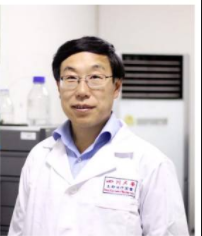 Jinliang Yang (杨金亮)合作论文数State Key Laboratory of Biotherapy, Sichuan University6
 Yongmei Xie (谢永美)合作论文数State Key Laboratory of Biotherapy, Sichuan University6Najah Albadari合作论文数College of Pharmacy, University of Tennessee Health Science Center5
 Kun Li (李坤)合作论文数College of Chemistry, Sichuan University5
 Wen Gu (谷文)合作论文数College of Chemical Engineering, Nanjing Forestry University5Minggui Xie合作论文数5
 Kinsie Arnst合作论文数4Jiaxing Wang (王佳星)合作论文数4Ji-Fa Zhang合作论文数4
 Shifa Wang (王石发)合作论文数College of Chemical Engineering, Nanjing Forestry University4Lantu Gou (勾蓝图)合作论文数State Key Laboratory of Biotherapy, Sichuan University4
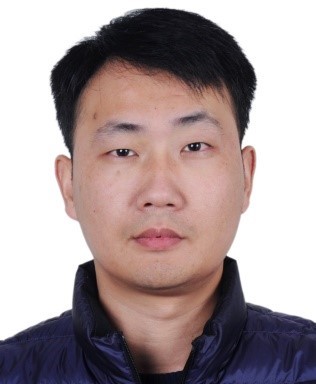 Wenzhou Yu (余文轴)合作论文数College of Materials Science and Engineering, Chongqing University4Xiaoyan Jin合作论文数4Kelli L. Hartman合作论文数3
 Udai P Singh合作论文数3Joseph Emmanuel Nyarko-Appiah合作论文数3
 Weirong Lai合作论文数3ZHANG Hua-xi合作论文数3Qiang Chen合作论文数3
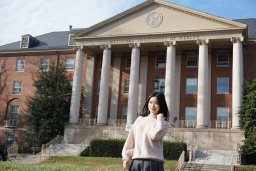 Ruixue Wang合作论文数Biotherapeutics, Biocytogen Pharmaceuticals (Beijing) Co. Ltd.3
 Feifei Xu合作论文数3Sicheng Zhang合作论文数Key Lab Mat Chem Energy Convers & Storage, Huazhong Univ Sci & Technol3Xiuli Chen合作论文数3Peng Wei合作论文数3Yi Luo合作论文数3
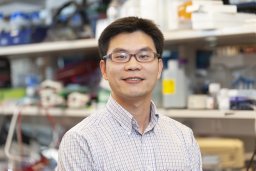 Qinghui Wang (王庆辉)合作论文数Chem Biol Program, Mem Sloan Kettering Canc Ctr3Yamei Yu合作论文数3
 Dongdong Li (李冬冬)合作论文数College of Chemical Engineering, Nanjing Forestry University3
 Liang Ouyang (欧阳亮)合作论文数State Key Laboratory of Biotherapy, Sichuan University3
 Yuqin Yao (姚于勤)合作论文数State Key Laboratory of Biotherapy, Sichuan University3
 Chao Yang (杨超)合作论文数West China Hospital of Stomatology Sichuan University3
 Bernd Meibohm合作论文数College of Pharmacy, The University of Tennessee Health Science Center3
 Bariwal Jitender合作论文数Department of Pharmaceutical Chemistry, ISF College of Pharmacy3
 Foyez Mahmud合作论文数Graduate School of Convergence Science and Technology, Seoul National University3
 Mousumi Mandal合作论文数School of Medical Science and Technology, Indian Institute of Technology Kharagpur3Lai Qinhuai合作论文数3
 Ram I. Mahato合作论文数3
 Stephen H. White合作论文数Department of Physiology & Biophysics, School of Medicine, University of California, Irvine3




