In response to the surface icing issues of infrastructure and industrial equipment in extreme low-temperature environments, this study overcomes the energy consumption and durability limitations of traditional anti-icing/de-icing technologies by developing a scalable photothermal-superhydrophobic dual-functional composite coating. The coating is constructed through a "surface-anchored assembly" strategy: graphene (Gr) with few layers is used as the photothermal conversion core, which is modified by polydopamine (PDA) and covalently bonded with octyltriethoxysilane (OTES)-modified titanium dioxide (TiO2). This is then anchored onto a semi-cured epoxy resin matrix, achieving efficient enrichment and firm binding of functional particles on the surface. The resulting coating exhibits both broad-spectrum photothermal response and mechanically stable superhydrophobic properties (static contact angle >155 degrees, - <5 degrees), significantly enhancing anti-icing/de-icing performance. Density functional theory (DFT) calculations reveal the charge transfer mechanism driven by the work function difference (Delta Phi = 0.64 eV) at the Gr-TiO2 interface, explaining the enhanced photothermal performance at the microscopic level. Moreover, the heat transfer mechanism during the anti-icing/de-icing process is analyzed through a thermal conduction model. This work provides an efficient, stable, and scalable solution for anti-icing/de-icing in extreme environments through a three-dimensional synergy of material design, process innovation, and mechanism analysis.
To address the limitations of graphitic carbon nitride (g-C3N4), including its narrow light absorption range, insufficient active sites, and rapid recombination of photogenerated carriers, in this work, Cobalt-doped porous g-C3N4 (CoCN) with a large specific surface area was prepared via a one-step water-assisted thermal polymerization method. This strategy achieves dual modulation of both the microstructure and electronic properties, significantly enhancing photocatalytic hydrogen evolution performance. The incorporation of cobalt extends the optical absorption range of g-C3N4, optimizes its bandgap structure, and induces a negative shift in the conduction band, thereby elevating the reduction potential of photogenerated electrons. Furthermore, a nickel phosphide/cobalt-doped porous graphite-phase carbon nitride (Ni2P/CoCN) composites was successfully fabricated through an argon-protected calcination process. Ni2P acts as a cocatalyst, not only supplying abundant active sites but also functioning as an electron acceptor, facilitating electron transfer from CoCN to Ni2P. This process effectively suppressed electron-hole recombination, thereby optimizing the photocatalytic hydrogen evolution performance. Ni2P/CoCN composite exhibits a remarkable hydrogen evolution rate of 1428.7 mu mol center dot g- 1 center dot h- 1, which is 41 times higher than that of pristine porous g-C3N4 (35.04 mu mol center dot g- 1 center dot h- 1), while maintaining excellent long-term stability. The synergistic combination of Ni2P, Co doping, and the porous structure is responsible for this notable improvement in performance. This work offers novel catalyst design for creating effective non-precious-metal photocatalyst.
Developing nitrogen-doped carbon materials (NCMs) with high catalytic activity and selectivity is crucial for advancing energy technologies. However, the contradictory effects of nitrogen doping on the intrinsic properties of hexagonal aromatic ring systems have hindered mechanistic research and materials design. Herein, we leverage graphdiyne (GDY) as a platform to design three distinct nitrogen-containing monomers, enabling the preparation of NCMs with precisely defined nitrogen configurations (triazinic-N in tz-GDY, pyrazinic-N in pz-GDY, and pyridinic-N in py-GDY). This approach ensures atomic-level control over nitrogen speciation and structural clarity, effectively addressing the challenge of multiple nitrogen species coexisting in conventional NCMs. The results demonstrate that tz-GDY exhibits superior bifunctional activity in oxygen redox reactions, with an electron transfer number of 3.21 in the oxygen reduction reaction (ORR) compared to 2.45 for pz-GDY and 2.20 for py-GDY. Density functional theory (DFT) calculations reveal that the progressively stronger electron-withdrawing effect from pyridinic-N (py-GDY) to pyrazinic-N (pz-GDY) to triazinic-N (tz-GDY) accounts for the variations in the ORR electron transfer number and overall catalytic performance. This research provides a comprehensive mechanistic understanding of nitrogen doping in hexagonal aromatic carbon materials for oxygen redox reactions and highlights GDY's exceptional potential as a molecular-level design platform for advanced electrocatalysts.
The application of halide perovskites in photocatalysis is severely limited by structural instability in polar solvents, such as dissolution and lattice degradation. Herein, we investigate the intrinsic stability in ethanol polar solvent of heterovalent metal cation-substituted perovskite derivative Cs2AgBiBr6 via density functional theory (DFT) calculations, exhibiting the suppressed ethanol-induced bond relaxation with a smaller Cs-Br bond length variation compared to that of CsPbBr3. Substantial interfacial electron transfer in CsPbBr3-ethanol promotes Pb-Br bond dissociation, whereas Cs2AgBiBr6 exhibits negligible electronic perturbation. Moreover, experimental evidences demonstrate better stability of Cs2AgBiBr6 after long-term exposing to ethanol, light, and Ar/air atmospheres. Based on this, we construct Cs2AgBiBr6/CdS heterojunction for photocatalytic ethanol dehydrogenation reaction. Through modification with Rh cocatalyst, which achieves a hydrogen evolution rate of 49.15 mmol & centerdot;g-1 & centerdot;h-1, AQY of 22.5%, and TOF of 197.5 h-1 over 60 h. At 60 degrees C, the ethanol dehydrogenation rate further increase to 277.35 mmol & centerdot;g-1 & centerdot;h-1 and TOF of 1114.5 h-1. Mechanistically, the Rh sites and heterojunction interface synergistically govern hydrogen evolution and ethanol oxidation pathways, facilitating C-H/O-H bond activation and regulating product selectivity. Our work not only provides new insights into perovskite stability but also expands their applicability in polar solvent-based photocatalysis.
The experimental and kinetic modeling investigation of the pyrolysis of 2-Chloroacetophenone (CN) were studied by single pulse shock tube in the temperature range of 1084-1706 K. Twelve pyrolysis products were identified and quantified, such as carbon monoxide, acetylene, hydrogen chloride, benzene, chlorobenzene, etc. As pyrolysis temperature over 1377 K, the concentration of acetylene exhibited a substantial increase, whereas the concentrations of benzene and chlorobenzene declined. The overall rate constant for pyrolysis of CN was found to be k = 10(3.15 +/- 0.11) & sdot; e(- 18201.21 +/- 2083.61) / RT. A detailed kinetic model of CN pyrolysis process was developed and validated against the results of experiments and theoretical calculations. The dissociation reactions of the C-Cl bond, and the H-abstraction reactions on the branched chain, were the main channels of CN decomposition by calculations.
ZrCuSiAs-type materials have garnered significant interest in thermoelectrics (TE). In the current study, the crystal structure, thermal and electronic transport properties, and TE performance of the nanolayered BaFMgSb compound are investigated using first-principles calculations in combination with Boltzmann transport theory. The nanolayered BaFMgSb compound exhibits a direct band gap of 1.21 eV, with pronounced band degeneracy and a convergence phenomenon in the valence band, which contributes to a high Seebeck coefficient. The weak interactions between the [Ba2F2]2+ and [Mg2Sb2]2- layers, coupled with strong intralayer interactions, facilitate favorable electronic transport properties. A lattice thermal conductivity of 0.78 W/mK is achieved for the BaFMgSb compound with the incorporation of four-phonon scattering at 900 K. Meanwhile, the BaFMgSb compound demonstrates an excellent Seebeck coefficient and high electrical conductivity. Based on multiple carrier scattering mechanisms, the p-type doped BaFMgSb compound achieves an optimal dimensionless figure of merit (ZT) of 2.41 at 900 K. This work not only provides multifaceted insights into the thermal and electronic transport performance of the nanolayered BaFMgSb compound but also offers theoretical guidance for the design of layered TE materials.
Lithium-sulfur (Li-S) batteries have long been hindered by the lithium polysulfides (LiPSs) shuttle effect, poor intrinsic conductivity, and sluggish sulfur redox kinetics. This study introduced a defect engineering approach utilizing high-pressure torsion (HPT) to fabricate a topological insulator (TI) Bi2Te3−x characterized by a tellurium vacancy (VTe)-rich defect conglomerate, serving as an efficient electrocatalytic modifier for separators in Li-S batteries. Unlike conventional chemical procedures, HPT technology can concurrently accomplishs grain refining, the development of strained lattice structures, and the establishment of a uniform high-density VTe network solely by physical processes. The optimized electronic structure and abundant VTe active sites confer Bi2Te3−x with robust LiPSs adsorption and outstanding electrocatalytic activity. The 0.8 GPa Bi2Te3−x has the optimal vacancy concentration, attaining an ideal equilibrium between LiPSs trapping and catalytic conversion kinetics. The Li-S batteries with 0.8 GPa Bi2Te3−x@PP separators delivered an initial discharge capacity of 857.8 mAh/g at 1 C and exceptional cycling stability, characterized by a minimal degradation rate of 0.0473 % per cycle across 1000 cycles. In addition, the abundant defects in 0.8 GPa Bi2Te3−x provided a large number of lithium-philic sites on the lithium anode side, guiding the uniform deposition of Li+, and achieved a stable cycle of the lithium anode for 500 h. Promising performance was sustained under elevated sulfur loading circumstances and in pouch cell architecture, confirming practical application potential. This study presents an innovative method for defect engineering in Li-S battery electrocatalysts, demonstrating the feasibility and effectiveness of defect regulation.
Thermoelectric (TE) materials enable direct heat-to-electricity conversion, vital for alleviating energy crises. However, the inherently high lattice thermal conductivity (kappa l) of CaMg2Sb2 severely limits further TE performance optimization. In current work, a nanolayered Ca2Mg2Cd2Sb4 superlattice is constructed via precise alternating stacking of CaMg2Sb2 and CaCd2Sb2 sublayers, driven by a pronounced contrast in ionization degree between the highly ionized [Mg2Sb2]2- layer (76.6%) and the weakly ionized [Cd2Sb2]2- layer (32.8%). Using first-principles calculations, machine-learning interatomic potentials, and Boltzmann transport theory, the thermal and electronic transport, and TE performance were systematically evaluated. In the Ca2Mg2Cd2Sb4 superlattice, alternating insulating [Mg2Sb2]2- and conductive [Cd2Sb2]2- layers induces interfacial decoupling, substantially enhancing phonon scattering while preserving efficient carrier transport. The pronounced four-phonon scattering is enhanced at elevated temperatures, further reducing kappa l to 0.43 W m-1 K-1 at 700 K. The Ca2Mg2Cd2Sb4 superlattice exhibits an anisotropic electronic structure that effectively balances carrier mobility and Seebeck coefficient (S), thereby optimizing the power factor (PF). Consequently, the optimal dimensionless figure-of-merits (ZTs) for n-type and p-type Ca2Mg2Cd2Sb4 superlattices reach 1.68 and 1.38 at 700 K, respectively. The findings establish Ca2Mg2Cd2Sb4 as a high-performance TE material and demonstrate ionization degree-driven layered structural engineering as an effective strategy for decoupling phonon and carrier transport in advanced thermoelectrics.
Background: Developing efficient, eco-friendly metal-free catalysts is critical for peroxymonosulfate (PMS)-based advanced oxidation treating persistent organic pollutants in water. Methods: Herein, a hierarchically porous KOH-modified biochar (750 degrees C-0.50KBC) was synthesized via one-step impregnation-pyrolysis using Spartina alterniflora. Characterization, batch impact factor tests, EPR detection, and quenching experiments were systematically conducted. Significant Findings: The optimized catalyst possessed a large specific surface area (1474.43 m2/g) and a typical micro-mesoporous structure. Under optimal conditions, it removed 97.7% of 30 mg/L 4-CP and achieved 85.24% mineralization within 1 h, accompanied by strong anti-interference capacity. Synergistic radical (center dot OH, SO4 center dot- , O2 center dot- ) and non-radical (1O2) pathways contributed to effective oxidation and reduced effluent toxicity. This study provides a green and feasible approach for purifying phenolic wastewater.
Biomass-derived biochar is a promising supercapacitor (SC) electrode material, but its performance is often limited by inadequate porosity and insufficient oxygen-containing functional groups when prepared via singlestep pyrolysis. Herein, we propose a synergistic strategy combining KOH activation with electrooxidation to fabricate functional coconut shell biochar. KOH activation at 800 degrees C creates highly porous biochar, which is subsequently electrooxidized under ambient conditions. The biochar oxidation reaction (BOR) exhibits a 150 mV lower overpotential at 10 mA cm-2 compared to the oxygen evolution reaction. When coupled with hydrogen evolution reaction, the system achieves a hydrogen production rate more than four times that of conventional water electrolysis. Prolonged electrooxidation facilitates the formation of micropores and their transformation into mesopores. Comprehensive characterization shows that the combined pyrolysis-electrooxidation approach endows the biochar with an exceptionally high specific surface area of up to 2067.92 m2 g-1, along with abundant oxygen-containing functional groups. When employed as an SC electrode, the electrochemically-modified biochar delivers a maximum specific capacitance of 394.1 F g-1 at 1 A g-1. Theoretical calculations further confirm enhanced K+ adsorption capacity and improved charge transfer kinetics in the modified biochar. This work offers a novel avenue for designing high-performance biochar-based materials for energy storage.
In the current work, the modulation of orbital splitting and lone pair electrons (LPEs) activity in strain-driven BiAgSeO superlattice is systematically investigated through first-principles calculations and Boltzmann transport theory. Tensile strain induces pronounced distortions within the BiAgSeO superlattice, triggering significant d-orbital splitting of Ag+ ion, which drives the reconstruction of electron density across the [Ag2Se2]2- layer. Specifically, the electron density of Se2- ion increases significantly with the rising strain, while the enhanced distortion of the [Bi2O2]2+ layer strengthens the anharmonic vibration of Bi3+ ion. Coupling between the Bi-O and Ag-Se coordination environments further amplifies the orbital splitting magnitude of Ag+ ion, establishing a synergistic coupling of "electron density redistribution, enhanced LPEs repulsion, intensified coordination polyhedron distortion, and amplified orbital splitting" within the BiAgSeO superlattice. This strain-driven cascade suppresses phonon transport and reduces the lattice thermal conductivity from 1.14 to 0.86 W m- 1 K- 1 at 300 K. This work not only elucidates the fundamental physicochemical mechanisms governing the stressstrain modulation of phonon transport in BiAgSeO superlattice but also establishes a versatile strategy for the continuous and reversible regulation of thermal dynamics in layered superlattice systems.
With the rapid development of commercialization, the progress of lithium-sulfur (Li-S) batteries has also encountered some severe issues, including low electrical conductivity, shuttle effect of LiPSs, volume changes during charge and discharge, which lead to serious battery capacity attenuation, poor cycle stability and other problems. In order to overcome these problems, a new barrier layer based on multifunctional covalent triazine frameworks (CTFs) is designed as a separator for Li-S battery. This barrier layer can alleviate the shuttle effect by means of the electrostatic interaction between the frameworks and Li+ and S-x(2-). Therefore, the Li-S battery with ionic polymer-functionalized separators has shown remarkably improvements in electrochemical performances. A high initial capacity of 816.4 mAh g(-1) is observed at 1C. Furthermore, after 500 cycles, its capacity retention rate reached 66%. This study emphasizes that the multifunctional constraints between the separator and polysulfides can suppress the shuttle, thus providing a promising strategy for the construction of Li-S batteries.
Two-dimensional MgAl 2 Se 4 selenide exhibits intrinsically low lattice thermal conductivity originating from strong phonon anharmonicity, high-frequency phonon scattering, and intrinsic bonding asymmetry.
In this study, La doping is employed to increase the concentration of oxygen vacancies in La-CeO2, consequently enhancing its surface reactivity. A 0D/2D Zn0.25Cd0.75S/La-CeO2 S-scheme heterojunction is constructed to improve photocatalytic hydrogen evolution. DFT calculations and experimental studies indicate that La doping decreases the bandgap and lowers the work function of CeO2, hence promoting charge redistribution and enhancing H* adsorption/desorption. The internal electric field formed by the S-Scheme heterojunction effectively promotes the separation of photogenerated carriers, maintains high redox activity, and thereby improves the reaction kinetics. The optimal Zn0.25Cd0.75S/La-CeO2 exhibits a superior H2 evolution rate of 10.34 mmol g-1 h-1, approximately 3.9 times higher than that of pristine Zn0.25Cd0.75S.
By rationally designing and modifying the interfacial structures within layered chalcogenides, interface engineering serves as a methodology to effectively separate electron-phonon transport pathways, thereby reducing lattice thermal conductivity (κl) while preserving electrical transport, which leads to a significant improvement in thermoelectric (TE) performance. Herein, a first-principles calculation on structure, stability, phonon transport, electronic transport, and TE properties of interface-engineered Sb2SnSe superlattice is performed. Heyd-Scuseria-Ernzerhof (HSE06) functional calculations verify that Sb2SnSe superlattice is an indirect band gap semiconductor with a narrow band gap of 0.13 eV. Elastic constants, ab initio molecular dynamics (AIMD) simulation and phonon dispersion confirm excellent mechanical, dynamic, and thermal stabilities. Benefiting from the asymmetric layered configuration, stereochemically active Sb 5 s lone-pair electrons, and strong lattice anharmonicity, the Sb2SnSe superlattice exhibits an ultralow κl of 0.34 m−1 K−1 at 300 K, where phonon propagation is primarily obstructed by high-order four-phonon scattering. Sb2SnSe superlattice exhibits promising TE performance with optimal ZT values of 0.98 (n-type, 400 K) and 0.39 (p-type, 300 K). This work highlights that α-antimonene/SnSe intercalation superlattice can effectively enhance anharmonic phonon scattering and optimize electronic transport simultaneously, providing a new interface-engineering route for developing high-efficiency SnSe-based TE materials.
This investigation unveils an innovative densification methodology wherein ultrafine diamond crystallites function as principal carbonaceous feedstock for synthesizing reaction-bonded silicon carbide matrices exhibiting minimal metallic retention, representing paradigmatic departure from conventional approaches relying on graphite sources by exploiting exceptional reactivity of nondiamond precursors during molten silicon penetration into tailored preforms. Strategic incorporation of submicron-sized diamond particles within porous green body architecture fundamentally alters thermodynamic landscape of carbothermic reduction, establishing unprecedented pathways for achieving near-complete phase transformation while simultaneously suppressing residual silicon entrapment within intergranular regions, thereby distinguishing this work from established processing protocols typically yielding substantial free-silicon fractions compromising structural reliability. Thermal analysis revelations demonstrate exhaustive conversion of diamond-derived carbon necessitates precisely calibrated temperature profiles exceeding conventional thresholds due to inherently sluggish dissolution velocities characterizing sp³-hybridized carbon allotropes when exposed to siliceous melts, wherein systematic elevation beyond fifteen hundred fifty degrees Celsius facilitates accelerated carbon atom liberation enabling rapid carbide nucleation at advancing solidification fronts. Microscopic examinations reveal optimized protocols generate hierarchically organized networks featuring continuous ceramic skeletons interspersed with discretely distributed silicon pockets occupying less than three volume percent, with remarkable reduction stemming from enhanced localized carbon availability where densely packed diamond agglomerates serve as concentrated reservoirs sustaining prolonged activity throughout infiltration duration. Resultant microstructure exhibits superior homogeneity manifesting as uniformly distributed equiaxed grains embedded within minimally disrupted matrices devoid of significant porosity clusters, while architectural refinement directly correlates with diminished defect populations typically plaguing inadequately infiltrated components. Comprehensive mechanical evaluations substantiate reduced residual silicon concentrations profoundly augment load-bearing capabilities through strengthened ceramic framework integrity, with flexural strength improvements approaching thirty-five percent alongside hardness values exceeding twenty-four gigapascals for optimally processed specimens.
The development of efficient non-precious metal catalysts is of critical importance for advancing water splitting technology. Through rational morphological engineering, key parameters such as specific surface area, the density of exposed active sites, and mass transport pathways can be simultaneously optimized, thereby directly enhancing reaction kinetics. In this study, self-supported Ni3S2 nanoarrays were synthesized via a sequential pretreatment and sulfidation strategy, utilizing nickel foam as both the nickel source and the growth substrate. The resulting nanoarray structure proved to be an efficient and durable electrocatalyst for water splitting. In 1.0 M KOH solution, the overpotential of the HER (69 mV) approaches that of Pt/C, whilst the OER overpotential (199 mV) outperforms RuO2, yielding an overall water splitting voltage of 1.54 V (10 mA cm- 2). The same excellent catalytic activity was also exhibited in simulated seawater with overpotentials of 98 and 225 mV for HER and OER, respectively. The main reason for the enhanced catalyst activity is attributed to the unique nanoarray morphology that exposes a larger electrochemically active specific surface area and provides abundant active sites. More importantly, there is a strong coupling between nickel foam substrate and Ni3S2 nanoarrays catalyst. The strong Ni-S chemical bond formed during the hydrothermal preparation much improves the catalytic activity, electronic conductivity and structural stability.
Layered superlattice thermoelectric (TE) materials provide an effective pathway for decoupling electronic and thermal transport, but their electrical transport performance is often limited by the intrinsically wide bandgaps of most layered materials. In this work, a van der Waals (vdW) superlattice design strategy based on orbital engineering is proposed. Through an orbital-separated band inheritance mechanism, the SnZrS2Se2 superlattice effectively integrates the electronic structure advantages of its two components (SnS2 and ZrSe2) and reduces the bandgap to 0.98 eV, thereby enabling efficient carrier excitation at low carrier concentrations while maintaining a relatively high Seebeck coefficient. Meanwhile, weak interlayer vdW interactions and slight lattice mismatch significantly enhance lattice anharmonicity and promote multiscale phonon scattering. Based on a two-channel model that explicitly incorporates both propagating phonons and diffusons, the SnZrS2Se2 superlattice achieves low lattice thermal conductivity in the range of 0.5–0.69 W/mK at 900 K. Combined with electronic transport calculations incorporating multiple carrier scattering mechanisms, the maximum Figure of merit (ZT) of the SnZrS2Se2 superlattice reaches 2.57 at 900 K under n-type doping conditions. This work establishes that orbital-engineered vdW superlattices can achieve synergistic regulation of electronic structure and phonon transport suppression, providing important theoretical guidance and a design paradigm for the development of wide-bandgap layered superlattice TE materials.
Electrocatalytic glycerol oxidation reaction (GOR) replacing anodic oxygen evolution reaction while coupling cathodic hydrogen evolution reaction (HER) possesses great effect to reduce energy consumption for producing hydrogen and enhance the applied value of anodic product in anion exchange membrane electrolyzer (AEME). However, the overall productivity for anodic and cathodic products is poor due to the difficult C-H bond activation of intermediates during GOR and strong adsorption of OH* intermediates during HER. Here, we realize the phase-selective synthesis of Ni4B3, Ni2B, and Ni3B interstitials and reveal the relationship between activity and atomic arrangement. Ni3B as bifunctional GOR and HER catalysts in AEME obtains 95.4 % formic acid selectivity at 99.9 % glycerol conversion, generates 63.1 L H2 for 57 h under the condition of 0.5 A cm(-2), 5.0 M KOH, and 1.0 M glycerol. Ni3B exhibits strong atomic orbit hybridization between Ni(d) and B(s,p), promoting the desorption of OH* intermediates and thus enhancing the catalytic performance for HER. Besides, B atoms near Ni atom of Ni3B are easily dissolved out during GOR, which facilitates the surface reconstruction and forms a thicker BOx-decorated NiOOH layer, further improving the lattice oxygen reactivity, thus accelerating the C-H bond activation of glyceraldehyde intermediates and enhancing catalytic activity.
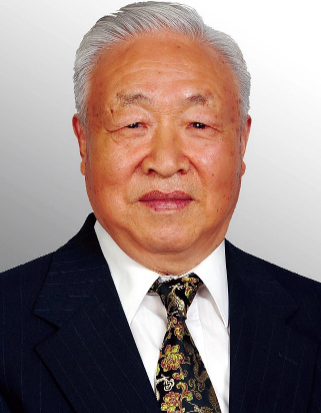 Rongshun Wang (王荣顺)合作论文数Faculty of Chemistry, Northeast Normal University72
 Xiumei Pan (潘秀梅)合作论文数School of Chemistry, Northeast Normal University42
 Shuwei Tang合作论文数34
 Jingyu Sun合作论文数Institute of Functional Material Chemistry, Northeast Normal University30
 Yizhen Tang合作论文数26
 Zhongmin Su (苏忠民)合作论文数College of Chemistry, Jilin University;State Key Laboratory of Supramolecular Structure and Materials, Jilin University23Xiujuan Jia合作论文数22
 Jingping Zhang (张景萍)合作论文数School of Chemistry, Northeast Normal University20Ya-Ru Pan合作论文数20
 Jingyao Liu (刘靖尧)合作论文数College of Chemistry, Jilin University;The Institute of Theoretical Chemistry, Jilin University19
 Yingfei Chang (常鹰飞)合作论文数Faculty of Chemistry, Northeast Normal University18
 Zhao Wang (王昭)合作论文数School of Physical Science and Technology, Guangxi University15
 Haiming Xie (谢海明)合作论文数School of Chemistry, Northeast Normal University15Feng-Di Wang合作论文数14Fang Wang合作论文数13
 Yulong Liu (刘玉龙)合作论文数School of Chemistry, Northeast Normal University10Zhenhua Liu合作论文数9
 Pengjun Liu (刘鹏军)合作论文数9
 Domoina Holiharimanana合作论文数8
 Yiying Zhao (赵一英)合作论文数China Academy of Engineering Physics8Zhang Wanqiao合作论文数8Yunju Zhang合作论文数8Tong Zhang合作论文数7Hongwei Gong (巩宏伟)合作论文数School of Public Health, Jilin University7Manqi Li合作论文数6Tian Gao合作论文数6Junmei Ma合作论文数6Feiyi Liao (廖非易)合作论文数Inst Mat, China Acad Engn Phys6Jingdong Feng合作论文数6
 Lizhu Hao (郝立柱)合作论文数School of Mathematics and Statistics, Northeast Normal University6
 Zesheng Li (李泽生)合作论文数School of Chemistry and Chemical Engineering, Beijing Institute of Technology6Shiyao Liu合作论文数5Haipeng Di合作论文数5Min Zhao (赵岷)合作论文数5Li Yuhan合作论文数5
 Junkai Zhang合作论文数5
 Yongqing Qiu (仇永清)合作论文数Faculty of Chemistry, Northeast Normal University5You-Jun Liu合作论文数5Chen Zhao合作论文数4Mingyang Xin合作论文数4Xiaoying Hou合作论文数4
 Xiaoyuan Zheng合作论文数4Zhi Ying合作论文数4Da Wan合作论文数4
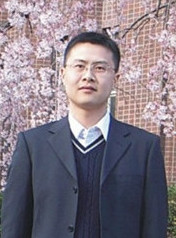 Can Cui (崔灿)合作论文数School of Science, Zhejiang Sci-Tech University4
 Jing Liang (梁静)合作论文数Applied Chemistry and Engineering Research Institute, Nankai University4
 Xiaosi Su (苏小四)合作论文数College of New Energy and Environment, Jilin University4
 Jia Liu (刘佳)合作论文数School of Chemistry, Northeast Normal University4
 Shengyu Zhang (张晟瑀)合作论文数College Of Construction Engineering, Jilin University4




