JPEG image forensics has become a critical area of research due to the increasing prevalence of compressed images and their vulnerability to tampering. This paper provides a comprehensive survey of three major tasks within JPEG image forensics: JPEG Compression Detection (JCD), JPEG Quantization Step Estimation (JQE), and the Application of JPEG Features (AJF). We explore the key features and techniques for detecting compression traces and estimating quantization parameters, emphasizing their applicability in both forensic analysis and anti-forensic strategies. JCD focuses on identifying JPEG compression artifacts, while JQE estimates the specific quantization steps used during compression. AJF, with its broad scope, supports diverse applications such as tampering detection, image recovery, and anti-forensics. We also examine the interrelationships between these tasks and discuss the challenges that hinder the field’s progress, including issues related to multi-compression scenarios, quality factor dependence, and the growing need for robust, generalizable methods. Finally, we propose benchmarks for evaluating the robustness of forensic models against adversarial attacks and multi-format compression schemes, while highlighting emerging trends and future research directions, including the integration of multi-modal information and advancements in deep learning-based solutions.
Joint Photographic Experts Group (JPEG) quantization steps estimation aims to reveal the compressed history of the images, which can serve as an essential component and powerful technique to support forensics. Nowadays, various deep learning-based estimation methods have been proposed to achieve higher accuracy. However, due to supposing the ideal secure conditions of estimation, their robustness against deliberate attacks (especially adversarial attacks) has not been thoroughly studied, which poses a significant threat to their reliability. To address this issue, as the first attempt, we investigate the robustness of deep learning-based estimation methods against adversarial attacks, which can significantly deteriorate estimation accuracy without noticeable distortion. Specifically, we introduce a generation-based adversarial attack framework and propose two types of anti-forensic attacks, Direct Attack (DA) and Preemptive Attack (PA), to craft adversarial examples on double and single compressed images. To maximize the attack ability, we study the effect of regression and classification objectives on the adversarial property and design a joint loss function for stable and smooth optimization. Extensive experiments prove that the proposed DA and PA can achieve a high attack ability with low perturbation magnitude and satisfactory visual quality. More importantly, the generated adversarial examples present superior transferability across different estimation models and datasets, which proves the generality of the proposed method and also reveals the vulnerability of the existing deep learning-based estimation methods towards adversarial examples. Our code will be publicly available soon.
It is crucial to detect double JPEG compression images in digital image forensics. When detecting recompressed images, most detection methods assume that the quantization table in the JPEG header is safe. The method fails once the quantization table in the header file is tampered with. Inspired by this phenomenon, this paper proposes a double JPEG compression anti-detection method based on the generative adversarial network (GAN) by modifying the quantization table of JPEG header files. The proposed method draws on the structure of GAN to modify the quantization table by gradient descent. Also, our proposed method introduces adversarial loss to determine the direction of the modification so that the modified quantization table can be used for cheat detection methods. The proposed method achieves the aim of anti-detection and only needs to replace the original quantization table after the net training. Experiments show that the proposed method has a high anti-detection rate and generates images with high visual quality.
With the rapid development of the diffusion models, numerous exquisitely generated images have significantly increased the risk of image misuse and abuse. Despite various AI parties and companies having devoted themselves to embedding watermarks into the generated images to curb the potential detriments, the isolated embedding from the generation process makes the watermarks vulnerable to watermark removal networks. To address this issue, we propose a novel generative image watermark scheme, dubbed Diffusion Visible Watermark (DVW), which can generate watermarked images in one step without additional training or fine-tuning of the diffusion models. Specifically, DVW introduces a masked distribution alignment strategy to fuse the watermark distribution with a Gaussian noise distribution. By iterative denoising the fused aligned distribution with the pretraining diffusion models, the watermarked images with coordinated and unified distribution can be generated with natural robustness against removal. In addition, we design and integrate a dynamic transparency module to adaptively control the watermark coverage degree for better visual quality. Comprehensive experiments and analysis are conducted on two representative kinds of diffusion models, GLIDE and StableDiffusion, to prove the superior and generic robustness of our DVW against watermark removal without sacrificing the generation ability of the diffusion models.
Deep neural networks have achieved excellent performance in various research and applications, but they have proven to be susceptible to adversarial examples. Generating adversarial examples can help identify the vulnerability of the deep neural networks and further enhance the robustness and reliability of these models. However, the existing adversarial attacks can hardly achieve the balance between robustness and imperceptibility, which is not trustworthy in social networks. To solve these problems, we propose adaptive adversarial perturbation (AAP) to improve the universal robustness of the adversarial examples while ensuring imperceptibility. To optimize the imperceptibility of the perturbation, we design a noise visibility function (NVF) to reflect the features of the original images based on the human visual system (HVS). By further calculating a coefficient matrix based on the NVF, the perturbation intensity of different pixels can be adjusted dynamically to improve the robustness. The experimental results prove that the proposed method alleviates the trade-off between robustness and imperceptibility, and outperforms existing attack methods in both one-step and iterative ways. Our method makes the adversarial attack more reliable and applicable in social networks.
The quantization step is a crucial parameter in JPEG compression, that can reveal the compression history of a JPEG image. Estimating the quantization steps for single compressed and recompressed images is attracting considerable interest in the field of image forensics and steganalysis. Several effective methods have been proposed, but the performance of these methods still needs to be improved on small-sized and low-quality images. To solve the above problems, feature enrichment is performed on images in the frequency domain, resulting in clustering discrete cosine transform (DCT) coefficients of the same frequency. Then, we construct a hierarchical connection within the residual blocks of the network to represent multi-scale features, enabling the network to learn deep features of the image. At the same time, we use multiple small-sized convolution kernels instead of one large-sized convolution kernel to minimize the impact of block artifacts. Based on the above two ideas, we construct a network model, Res2Net-C, to discover information about the quantization steps in the frequency domain. The integration of multi-channel information of color images is achieved by multi-channel convolution, and the quantization steps of the chrominance and luminance channels of the color images are estimated. The experimental results show that the accuracy of the proposed method for estimating the quantization steps is 29.97% better than that of the existing algorithm with a single compressed dataset and 4.87% better than that of the existing algorithm with a recompressed image dataset. In addition, the method has good performance with mixed datasets that contain both single compressed and recompressed images.
Detection of aligned double Joint Photographic Experts Group (JPEG) compressed images is a crucial area of research within the field of digital image forensics. The detection tasks for aligned double JPEG compression can be categorized into two sub-tasks, namely detecting double JPEG images with the same quantization matrix (DJSQM) or double JPEG images with different quantization matrices (DJDQM). Existing methods for one of these sub-tasks may not be effective for the other. To address this issue, a novel approach is proposed by recompressing both DJDQM and DJSQM using modified quantization coefficients. The perturbation in the recompression process results in a perturbed error image, which is valid for both DJDQM and DJSQM. Subsequently, the relative change rate is used to combine the perturbed error image, the original error image, and the quantization error to derive the interference error and the interference quantization error. The interference error and interference quantization error further expand the difference between single and double compressed images by preserving the general validity of the original image information. Furthermore, the recompression process of DJDQM and DJSQM results in the conversion of truncation and rounding errors at the pixel level, which can be represented by the pixel state map. The pixel state map characterizes the differing transformation relationships between single and double compressed images and provides additional valid features, thereby enhancing the performance of the proposed method. The empirical results demonstrate that the proposed method outperforms existing methods on detecting aligned double JPEG compressed images.
Detection of color images that have undergone double compression is a critical aspect of digital image forensics. Despite the existence of various methods capable of detecting double Joint Photographic Experts Group (JPEG) compression, they are unable to address the issue of mixed double compression resulting from the use of different compression standards. In particular, the implementation of Joint Photographic Experts Group 2000 (JPEG2000) as the secondary compression standard can result in a decline or complete loss of performance in existing methods. To tackle this challenge of JPEG+JPEG2000 compression, a detection method based on quaternion convolutional neural networks (QCNN) is proposed. The QCNN processes the data as a quaternion, transforming the components of a traditional convolutional neural network (CNN) into a quaternion representation. The relationships between the color channels of the image are preserved, and the utilization of color information is optimized. Additionally, the method includes a feature conversion module that converts the extracted features into quaternion statistical features, thereby amplifying the evidence of double compression. Experimental results indicate that the proposed QCNN-based method improves, on average, by 27% compared to existing methods in the detection of JPEG+JPEG2000 compression.
In wireless communication systems assisted by Reconfigurable Intelligent Surface (RIS), Channel Situation Information (CSI) is the prerequisite and foundation for effectively regulating beamforming. A training sequence optimization channel estimation method based on Kalman filtering is proposed for RIS assisted MISO communication systems under time-varying conditions. Firstly, the Linear Minimum Mean Squared Error (LMMSE) method is used to estimate the CSI of the cascaded channel. Secondly, based on the obtained CSI, the reflection matrix of RIS and the training sequence transmitted by the base station were jointly optimized to minimize the mean square error of the original channel estimation. Finally, in order to fully utilize the temporal correlation of the channel, prior information of the channel was considered, and Kalman filter (KF) was adopted to further improve the accuracy of channel estimation. The simulation results demonstrate that the proposed channel estimation method has better performance compared to various benchmark methods.
Nowadays, users upload numerous photos to social network platforms to share their daily lives. These photos contain numerous personal information, which can be easily captured by intelligent algorithms. To improve privacy security, we aim to form a protection mechanism by exploiting adversarial examples, which can mislead and disrupt intelligent algorithms. However, the existing adversarial attack lacks the study on recoverability and reversibility, which makes them unable to serve as an effective protection mechanism. To address this issue, we propose a recoverable generative adversarial network to generate self-recoverable adversarial examples. By modeling the adversarial attack and recovery as a united task, our method can minimize the error of the recovered examples while maximizing the attack ability, resulting in better recoverability of adversarial examples. To further boost the recoverability of these examples, we exploit a dimension reducer to optimize the distribution of adversarial perturbation. The experimental results prove that the adversarial examples generated by the proposed method present superior recoverability, attack ability, and robustness on different datasets and network architectures, which ensure its effectiveness as a protection mechanism in social networks.
With the rapid development and application of Internet technology in recent years, the issue of information security has received more and more attention. Digital steganography is used as a means of secure communication to hide information by modifying the carrier. However, steganography can also be used for illegal acts, so it is of great significance to study steganalysis techniques. The steganalysis technology can be used to solve the illegal steganography problem of computer vision and engineering applications technology. Most of the images in the Internet are color images, and steganalysis for color images is a very critical problem in the field of steganalysis at this stage. Currently proposed algorithms for steganalysis of color images mainly rely on the manual design of steganographic features, and the steganographic features do not fully consider the internal connection between the three channels of color images. In recent years, advanced steganography techniques for color images have been proposed, which brings more serious challenges to color image steganalysis. Quaternions are a good tool to represent color images, and the transformation of quaternions can fully exploit the correlation among color image channels. In this paper, we propose a color image steganalysis algorithm based on quaternion discrete cosine transform, firstly, the image is represented by quaternion, then the quaternion discrete cosine transform is applied to it, and the coefficients obtained from the transformation are extracted to design features of the coeval matrix. The experimental results show that the proposed algorithm works better than the typical color image steganalysis algorithm.
As Joint Photographic Experts Group (JPEG) compression is widely used in image processing and computer vision, the detection of JPEG forgery has become an important issue in digital image forensics, and many related works have been reported. However, these works all assume that the quantization table in the JPEG header file is real, and corresponding research is carried out based on this assumption. This assumption leaves a potential flaw for those wise forgers to confuse or even invalidate the current JPEG forensics detectors. Taking double JPEG compression forensics as an example, if the quantization table in the header file is modified, it will cause the algorithm to fail. However, the tampering of header files not only brings negative effects, it can also improve the forensics performance of the algorithm. According to our analysis and experiments, increasing the step in the quantization table in the header file can lead to the failure of the forensics algorithm, and reducing the step in the quantization table in the header file can improve the performance of the existing algorithm. Based on this observation, we propose a general forensics and anti-forensics model by replacing the quantization table in the header file. The experimental results on the UCID database show that the scheme is effective for obfuscating and improving the three typical double JPEG compression forensics work.
Joint photographic experts group (JPEG) compression is widely used in image processing and computer vision. Detecting double compressed JPEG images is a common problem in forensics and detecting compressed images with the same quantization matrix remains a challenging task. However, most existing methods were designed for detection in grayscale images and cannot fully use the unique characteristics of color images (such as the relationship between channels and color information). In addition, the performance of existing methods is unsatisfactory for low JPEG quality factors and in cross detection experiments. To solve these problems, we analyze the stability of a color image to obtain the convergence error and transposition error. According to the convergence characteristics of color JPEG images, the continuous compression by the same quantization matrix can make the JPEG image tend to be stable. The final stable state and the convergence process are determined by the number of compressions of the original image. Thus, continuously compressed JPEG images can be regarded as a continuous frame to obtain the convergence error. As the color image converges, its ability to resist interference decreases. To reflect the changes in anti-interference ability, the transposition operation is used to disturb the color JPEG image to obtain the transposition error. In addition, quaternion mapping is used to retain the relationship between continuously compressed JPEG images and enlarge the influence caused by transposition operation. In our experiments on several image databases, the proposed method outperforms existing methods in different settings.
Person re-identification (re-ID) tackles the problem of matching person images with the same identity from different cameras. In practical applications, due to the differences in camera performance and distance between cameras and persons of interest, captured person images usually have various resolutions. This problem, named Cross-Resolution Person Re-identification, presents a great challenge for the accurate person matching. In this paper, we propose a Deep High-Resolution Pseudo-Siamese Framework (PS-HRNet) to solve the above problem. Specifically, we first improve the VDSR by introducing existing channel attention (CA) mechanism and harvest a new module, i.e., VDSR-CA, to restore the resolution of low-resolution images and make full use of the different channel information of feature maps. Then we reform the HRNet by designing a novel representation head, HRNet-ReID, to extract discriminating features. In addition, a pseudo-siamese framework is developed to reduce the difference of feature distributions between low-resolution images and high-resolution images. The experimental results on five cross-resolution person datasets verify the effectiveness of our proposed approach. Compared with the state-of-the-art methods, the proposed PS-HRNet improves the Rank-1 accuracy by 3.4%, 6.2%, 2.5%,1.1% and 4.2% on MLR-Market-1501, MLR-CUHK03, MLR-VIPeR, MLR-DukeMTMC-reID, and CAVIAR datasets, respectively, which demonstrates the superiority of our method in handling the Cross-Resolution Person Re-ID task. Our code is available at https://github.com/zhguoqing.
Detection of double Joint Photographic Experts Group (JPEG) compression is an important part of image forensics. Although methods in the past studies have been presented for detecting the double JPEG compression with a different quantization matrix, the detection of double JPEG compression with the same quantization matrix is still a challenging problem. In this paper, an effective method to detect the recompression in the color images by using the conversion error, rounding error, and truncation error on the pixel in the spherical coordinate system is proposed. The randomness of truncation errors, rounding errors, and quantization errors result in random conversion errors. The pixel number of the conversion error is used to extract six-dimensional features. Truncation error and rounding error on the pixel in its three channels are mapped to the spherical coordinate system based on the relation of a color image to the pixel values in the three channels. The former is converted into amplitude and angles to extract 30-dimensional features and 8-dimensional auxiliary features are extracted from the number of special points and special blocks. As a result, a total of 44-dimensional features have been used in the classification by using the support vector machine (SVM) method. Thereafter, the support vector machine recursive feature elimination (SVMRFE) method is used to improve the classification accuracy. The experimental results show that the performance of the proposed method is better than the existing methods.
With the increasing amount of splicing images, many detection schemes of splicing images are proposed. In this paper, a splicing detection scheme for color image based on the quaternion discrete cosine transform (QDCT) is proposed. Firstly, the proposed quaternion Markov features are extracted in QDCT domain. Secondly, the proposed quaternion Markov features consist of global and local quaternion Markov, which utilize both magnitude and three phases to extract Markov features by using two different ways. In total, 2916-D features are extracted. Finally, the support vector machine (SVM) is used to detect the splicing images. In our experiments, the accuracy of the proposed scheme reaches 99.16% and 97.52% in CASIA TIDE v1.0 and CASIA TIDE v2.0, respectively, which exceeds that of the existing schemes.
In order to extend the detection of JPEG compressed color images to solve the real-life problem, three-class classification forensics of JPEG compressed color images with the same quantization matrix is proposed. Since the previous methods treat detection of JPEG compressed color images as binary classification and JPEG compression with the same quantization matrix leaves slight tracks, three-class classification forensics of JPEG compressed color images with the same quantization matrix is a new and challenging problem. In this paper, two aspects are considered to solve this problem. First, if images are compressed, rounding and truncation error will occur. Thus, preprocessing of images is performed to extract error to highlight statistical difference which can help to classify. Second, the support vector machine (SVM) algorithm is originally designed for the binary classification problem, so dealing with a three-class problem, it is necessary to reconstruct a suitable three-class classifier. Besides, convolutional neural network (CNN) parallelly deal with three channels of the color image. The relationship of the three channels is terminated. However, quaternion convolutional neural network (QCNN) which utilizes quaternion algebra not only is directly used to three-class classification but also retain the relationship between three channels. Experimental results demonstrate that the proposed method achieves good performance and is better than the state-of-the-art approaches investigated.
A full metal housing antenna for tablet to cover the GPS and WLAN b/g/a bands(1565-1585,2412-2484 and 4920-5825 MHz) is presented. The cavity is created by the enclosed volume of PCB and metal housing of the tablet. The cavity is properly excited by a flat exciting element w ith dimensions of only 36×4mm~2 positioned at an open slot betw een PCB and metal housing at the tablet’s top surface. Among many excited cavity mode resonances,the ones close to the target frequency bands w ere selected and properly adjusted by adding grounding vias and shorting strip based on the E field distributions. This unique cavity mode excited antenna has measured-6dB return loss bandw idth of 1500-1600MHz,2380-2500 MHz,4580-5960 MHz and the average efficiencies for all the three bands are over 50%. Therefore,it overcomes the efficiency degradation issue that traditional IFA or monopole antennas are facing at the full metal housing environment.
Jitterbug is a typical delay-based covert timing channel and supplies reliable covert communication in a passive manner. The existing entropy-based detection scheme based on training samples may suffer from model mismatching, which results in detection performance deterioration. In this paper, a new detection method for Jitterbug based on partial entropy test is proposed. A fixed binning strategy without training samples is used to obtain bins distribution feature. The first-order entropy is calculated for several sets of partial successive bins and the weighted mean is used to calculate the final entropy value to distinguish Jitterbug from legitimate traffic. Furthermore, the influence of detection performance caused by network jitter is also discussed. Experimental results show that the proposed detection method achieves high detection performance and is less affected by network jitter.
Jitterbug is a passive network covert timing channel supplying reliable stealthy transmission. It is also the basic manner of some improved covert timing channels designed for higher undetectability. The existing entropy-based detection scheme based on training sample binning may suffer from model mismatching, which results in detection performance deterioration. In this paper, a new detection method based on the feature of Jitterbug covert channel traffic is proposed. A fixed binning strategy without training samples is used to obtain bins distribution feature. Coefficient of variation (CV) is calculated for several sets of selected bins and the weighted mean is used to calculate the final CV value to distinguish Jitterbug from normal traffic. Furthermore, the timing window parameter of Jitterbug is estimated based on the detected traffic. Experimental results show that the proposed detection method can achieve high detection performance even with interference of network jitter, and the parameter estimation method can provide accurate values after accumulating plenty of detected samples.
 Xiangyang Luo (罗向阳)合作论文数Information Engineering University;Henan Province Key Laboratory of Cyberspace Situation Awareness14
 Bin Ma合作论文数10
 Jinsheng Sun (孙金生)合作论文数School of Automation, Nanjing University of Science and Technology4
 Yuewei Dai (戴跃伟)合作论文数Nanjing University of Information Science & Technology3
 Guangjie Liu (刘光杰)合作论文数School of Electronics & Information Engineering, Nanjing University of Information Science & Technology3
 Jiangtao Di (翟江涛)合作论文数School of Electronics & Information Engineering, Nanjing University of Information Science & Technology3
 Hao Wu合作论文数Department of Electronic Engineering and Information Science, University of Science and Technology of China3
 Jiawei Zhang合作论文数Department of Computer Science, University of California, Davis;Information Fusion and Mining Laboratory, University of California, Davis3
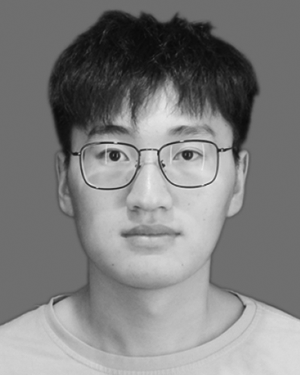 Qilin Yin合作论文数2
 Yuhui Zheng (郑钰辉)合作论文数School of Computer, Qinghai Normal University2Lin Yuan合作论文数1Xiaoli Jiang合作论文数1Jian Li合作论文数1Jianjian Xin合作论文数1Renfeng Liu合作论文数1
 Ping Wang合作论文数Inst Interdisciplinary Res, Jianghan Univ1
 Zhicheng Dong (董志诚)合作论文数1
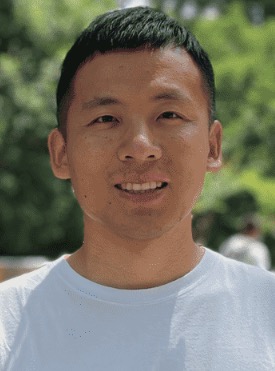 Xuelong Hu (胡雪龙)合作论文数School of Management, Nanjing University of Posts and Telecommunications1XiaoJun Tang (唐小俊)合作论文数1
 Sunil Jha合作论文数Faculty of Sciences, Adani University1
 Tingqiu Li (李廷秋)合作论文数School of Naval Architecture, Ocean and Energy Power Engineering, Wuhan University of Technology1
 Guangli Yang (杨广立)合作论文数School of Communication & Information Engineering, Shanghai University1
 Weiwei Liu (刘威威)合作论文数School of Computer Science, Wuhan University1Pandeli Temarel合作论文数1
 Bin Wu (吴斌)合作论文数Beijing University of Technology1
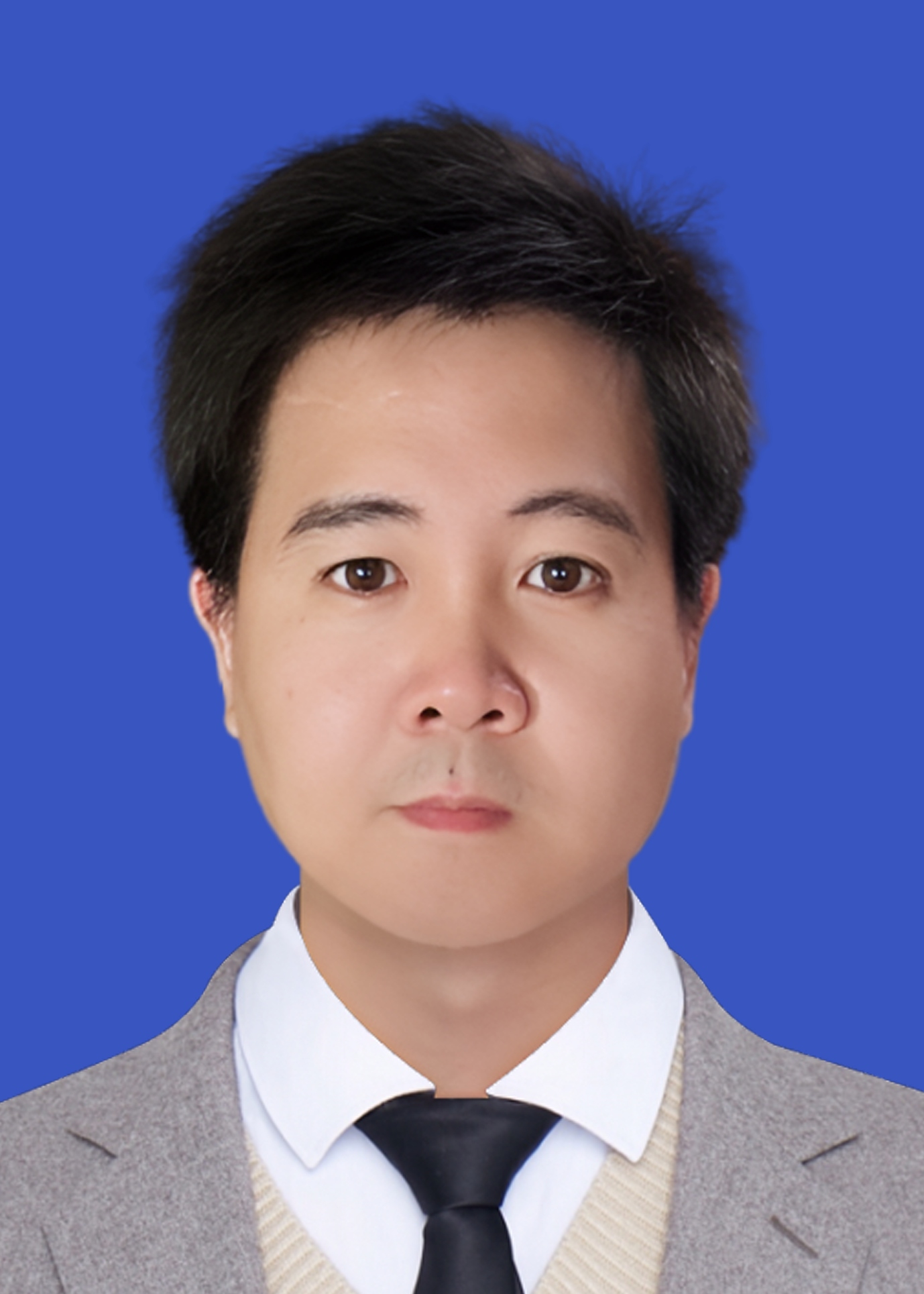 Guoqing Zhang (张国庆)合作论文数School of Computer Science, Nanjing University of Information Science and Technology1Bin Li (李斌)合作论文数College of Electronics and Information Engineering, Shenzhen University1
 Shi Jin (金石)合作论文数School of Information Science and Engineering, Southeast University1
 Shengyong Chen (陈胜勇)合作论文数School of Computer Science and Engineering, Tianjin University of Technology1
 Yongle Wu (吴永乐)合作论文数Beijing University of Posts and Telecommunications1Yun Q. Shi合作论文数Department of Electrical and Computer Engineering ; New Jersey Institute of Technology (NJIT)1
 Yun-Qing Shi合作论文数Department of Electrical and Computer Engineering, New Jersey Institute of Technology1




