The Model for End-stage Liver Disease Sodium (MELD-Na) score predicts mortality in liver transplant candidates. MELD 3.0 has been proposed as an improved model for estimating mortality risk. This study evaluated MELD 3.0's predictive accuracy for short-term mortality among Turkish liver transplant candidates and compared its performance with MELD and MELD-Na scores. Patients listed both for deceased donor transplants and living donor transplants were analyzed in the study. The discriminative abilities of MELD, MELD-Na, and MELD 3.0 scores were assessed using the area under the receiver operating characteristic curve (AUROC). Comparisons between AUROC values used the DeLong test. The most predictive cutoff for MELD 3.0 was determined using the Youden index. Transplant-free survival was analyzed using the Kaplan-Meier method, with survival curves compared using the log-rank test. A total of 1689 patients were included in this nationwide, multicenter study. Hepatitis B was the leading cause of cirrhosis (29%, n=491), followed by metabolic dysfunction-associated steatohepatitis (20%, n=335). For 3-month mortality, MELD 3.0 had the highest AUROC (0.753), followed by MELD-Na (0.747) and MELD (0.725). The most predictive cutoff values were 18 for MELD and 21 for MELD-Na and MELD 3.0. Both MELD-Na and MELD 3.0 outperformed MELD ( p <0.001), but showed no significant difference between them ( p =0.17). MELD 3.0 and MELD-Na demonstrated superior performance to MELD in predicting 3-month mortality among Turkish liver transplant candidates, though their predictive accuracy was comparable. Further refinements are needed to enhance MELD 3.0's clinical utility.
BACKGROUND AND AIMS:Primary sclerosing cholangitis recurrence (rPSC) after liver transplantation (LT) is common; however, the factors contributing to rPSC are poorly understood. This study aimed to identify the risk factors for rPSC after LT and determine whether donor type affects rPSC. METHODS:A multicenter retrospective cohort analysis was conducted on 174 patients with PSC who underwent LT between January 2000 and January 2024. Multivariable Cox models were used to evaluate risk factors for rPSC. The rPSC risk for living donor liver transplantation (LDLT) and deceased donor liver transplantation (DDLT) recipients was compared using Kaplan-Meier survival curves and log-rank tests. RESULTS:Of the 174 recipients, 144 (83%) underwent LDLT and 30 (17%) underwent DDLT. Sixty-four (37%) had inflammatory bowel disease (IBD) prior to LT. Thirty-three patients (19%) had rPSC after LT. The median time to rPSC was 28 months (IQR 6-252). Patients with rPSC were younger at the time of PSC diagnosis, and had a higher prevalence of biliary complications after LT and concomitant IBD than those without recurrence. Multivariable Cox regression identified LDLT (HR 3.92, 95% CI 1.06-14.51, p = 0.041), biliary complications (HR 2.18, 95% CI 1.05-4.54, p = 0.037), IBD (HR 2.42, 95% CI 1.20-4.89, p = 0.013), and acute cellular rejection (HR 2.43, 95% CI 1.08-5.48, p = 0.032) as independent risk factors for rPSC. CONCLUSIONS:This multicenter study identified LDLT, acute cellular rejection, IBD, and biliary complications as independent risk factors for rPSC. These findings underscore the need for individualized post-transplant surveillance and provide important considerations for graft selection and perioperative management in patients with PSC, particularly in settings where LDLT is predominant.
Hepatocellular carcinoma (HCC) remains a major health burden in Asia. Advances in antiviral therapies are reshaping the etiological landscape of HCC. This study evaluated temporal shifts in HCC etiology across Asian countries and their clinical implications. This multinational study analyzed 6,261 newly diagnosed HCC patients registered in the APASL Hepatology/Oncology Consortium (A-HOC) from 19 centers across seven Asian countries and regions between 2013 and 2023. Data on demographics, tumor characteristics, etiology, and treatment patterns were collected. Etiologies included hepatitis B virus (HBV), hepatitis C virus (HCV), alcoholic liver disease (ALD), metabolic dysfunction-associated fatty liver disease (MAFLD), MAFLD plus excess alcoholic intake (MAFLD + eAL), autoimmune liver disease, cryptogenic, and others. Temporal trends and regional variations were assessed. In many countries, HBV remained predominant (43.3
Background: Autoimmune hepatitis (AIH) is an important indication for liver transplantation (LT), but recurrence affects over 30% of recipients, threatening long-term survival. Current strategies to prevent recurrence and progressive graft fibrosis remain suboptimal, with limited evidence to guide selection of immunosuppressive regimens. We aimed to develop a dynamic, individualized, artificial intelligence–powered model for post-transplant recurrent AIH. Methods: We conducted a multicenter, retrospective cohort study of 706 patients who underwent LT for AIH between January 1987 and June 2020 at 33 centers in North America, South America, Europe, and Asia. We trained 4 predictive machine learning models—Logistic Regression, Random Forest, XGBoost, and Gradient Boost—to predict recurrent AIH (rAIH) using 62 clinical and laboratory variables, including demographic, biochemical features, and immunosuppressive drugs up to 1-year post-transplant. Feature importance was assessed using SHapley Additive exPlanations (SHAP) to enable interpretability at both individual and population levels. Results: AIH recurred in 16.5% of patients after LT. SHAP analysis identified younger age at LT, higher necroinflammatory activity in the explanted liver, and elevated MELD score at LT as key predictors of rAIH in the overall population. Tacrolimus-based therapy was associated with a lower risk of recurrence, while cyclosporine use conferred a higher risk. The addition of long-term prednisone to a regimen of tacrolimus and mycophenolate mofetil did not provide additional protective effect against rAIH. Conclusions: Our AI-powered clinical decision model provides personalized prediction of post-transplant rAIH. While it offers insight into modifiable and non-modifiable predictors, prospective validation is required before informing immunosuppressive decisions.
Hepatitis C virus (HCV) infection remains a major indication for liver transplantation (LT) worldwide despite the availability of highly effective direct-acting antivirals (DAAs). Reinfection of the graft is almost universal in viremic patients at the time of LT; however, long-term real-world data from predominantly living-donor programs in the DAA era are limited. We evaluated long-term patient and graft outcomes, identified predictors of post-transplant HCV recurrence, and assessed the impact of pre- and post-transplant antiviral strategies in a high-volume transplant center. In this single-center retrospective cohort study, 98 adults underwent primary LT for HCV-related cirrhosis and/or hepatocellular carcinoma between 2007 and 2022. Demographic, clinical, virological, histological and therapeutic data were obtained from electronic records. Outcomes included overall survival, HCV recurrence-free survival, HCV recurrence, fibrosing cholestatic hepatitis (FCH), graft failure, and sustained virological response (SVR). Predictors of recurrence were examined using univariate and multivariable logistic regression, and predictors of mortality were evaluated using Cox proportional-hazards models. Model discrimination for recurrence was assessed using receiver-operating characteristic (ROC) analysis. An exploratory propensity score–matched analysis assessing pre-transplant DAA exposure was performed and is reported in the Supplementary Appendix due to the very small treated subgroup (n = 8). The cohort included 59 women (60.2
Hepatitis D virus (HDV) infection remains a major cause of liver failure in Türkiye, yet post-transplant outcomes and recurrence predictors are not well defined. This study aimed to evaluate long-term outcomes and risk factors for HDV recurrence following liver transplantation in a high-volume transplant center. We retrospectively analyzed 182 patients who underwent liver transplantation for HDV-related liver disease between 2010 and 2024. Clinical, virological, and survival data were compared between patients with and without HDV recurrence. Kaplan–Meier survival and Cox regression analyses were performed to identify independent predictors of recurrence. HDV recurrence occurred in 12 patients (6.6
This multicenter retrospective study analyzed 336 patients (236 adults, 100 children) who underwent liver transplantation (LT) for acute liver failure (ALF) between 2002 and 2019 across 14 centers in Türkiye. The aim was to evaluate pretransplant factors influencing short-term posttransplant survival. Median MELD and PELD scores were 31 and 30, respectively. The most common ALF etiologies were viral, indeterminate, and drug-induced causes. Living donor liver transplantation (LDLT) was more common in children (86.0%) than adults (57.2%). Mean posttransplant survival was 166±9 months in children and 117±6 months in adults. In adults, LDLT significantly improved survival compared to deceased donor LT (DDLT), with survival of 135 vs. 89 months (p=0.0012). Although pediatric LDLT recipients had longer mean survival than DDLT recipients (167 vs. 132 months), this difference was not statistically significant (p=0.5959). Three-month mortality was associated with low albumin and grade 4 hepatic encephalopathy (HE) in children. In adults, independent predictors of early mortality included DDLT, serum sodium >140 mEq/L, MELD >35, pH <7.3, and grade 4 HE. Our data suggest that LDLT may offer a survival advantage, particularly in adults with ALF. Identifying pretransplant risk factors is essential for improving early outcomes and guiding clinical decision-making.
Background & Aims:A significant proportion of patients with variant syndromes (VSs), namely autoimmune hepatitis/primary biliary cholangitis or autoimmune hepatitis/primary sclerosing cholangitis, require liver transplantation (LT) despite treatment. The frequency of disease recurrence and the effect on graft survival are yet to be clarified. The aim of this international, multicentric, retrospective study is to evaluate the risk factors associated with recurrence and the impact of the disease recurrence after LT on graft and patient survival. Methods:We evaluated 166 patients undergoing LT for VS in 33 centers in North America, South America, Europe, and Asia. Clinical data before and after LT, biochemical data within the first 12 months after LT, and immunosuppression after LT were analyzed to identify patients with a higher risk of recurrence of autoimmune disease based on a histological and radiological diagnosis. Cumulative probabilities of graft and overall survival after LT were calculated using a semi-Markov model. Results:The autoimmune pattern of recurrence resembled the original VS in 19 cases (61%). Recurrence of autoimmune liver disease (rALD) after LT was observed in 23% and 33% of patients after 5 and 10 years, respectively. Increased alkaline phosphatase (hazard ratio [HR] 1.60, 95% confidence interval [CI] 1.13-2.25, p <0.01) and alanine aminotransferase (HR 1.25, 95% CI 1.01-1.53, p = 0.03) at 12 months after LT and acute rejection (HR 3.58, 95% CI 1.60-7.73, p <0.01) were associated with a higher risk of VS recurrence, whereas the use of predniso(lo)ne was associated with a reduced risk (HR 0.30, 95% CI 0.14-0.64, p <0.01). After adjusting for alanine aminotransferase and alkaline phosphatase at 12 months, the use of predniso(lo)ne was found to be independently and negatively associated with recurrent disease. The rALD was found to be significantly associated with graft loss and patient survival in the multivariate Cox regression analysis with a time-dependent covariate. The 5- and 10-year probabilities of graft survival were 68% and 41% in patients with recurrent VS compared with 83% and 60% in patients without recurrent disease, respectively (p = 0.01). The overall survival was significantly reduced in patients with recurrent disease (p = 0.01), with event probability at 5 and 10 years of 75% and 49% vs. 84% and 60% in patients without recurrence, respectively. Conclusions:rALD after LT is frequent and is associated with elevation in liver enzymes within the first year after LT and rejection episodes. According to our data, VS recurrence appears to be associated with poorer graft and patient survival. Further studies are needed to explore strategies that can prevent VS recurrence or mitigate its potential impact. Impact and implications:This study investigated the recurrence of autoimmune liver diseases (rALD) in patients transplanted for variant syndromes (VSs) and its effect on graft and patient survival. The findings reveal a significant association between rALD and poorer graft and overall survival, highlighting the need for preventive strategies. This research is crucial for transplant physicians and healthcare providers, as it underscores the impact of early liver enzyme monitoring and tailored immunosuppressive therapy on long-term outcomes. These insights can inform more effective post-LT management protocols, potentially improving patient prognosis.
Background and Aims: Ornidazole, a nitroimidazole antibiotic, is widely used for protozoal and anaerobic infections and is generally considered safe. However, ornidazole-induced liver injury (OILI) is an underrecognized yet potentially severe adverse reaction. This multicenter study aims to characterize the clinical features, histopathology, and outcomes of OILI to improve the awareness and management of this rare entity worldwide. Methods: We conducted a retrospective analysis of 101 patients with OILI from eight tertiary centers between 2006 and 2023. Cases were included based on liver enzyme elevations temporally linked to ornidazole and the exclusion of other causes. Causality was assessed using the Roussel Uclaf Causality Assessment Method (RUCAM) score. Clinical data, laboratory parameters, autoantibody profiles, histology, treatments, and outcomes were evaluated. Results: OILI was classified as highly probable in 42.6% of cases (n = 43), probable in 51.5% of cases (n = 52), and possible in 5.9% (n = 6) of cases. The predominant pattern was acute hepatocellular injury (83.2%) (n = 84). Autoimmune-like hepatitis occurred in 5% of cases (n = 5), with ANA positivity in 16.8% of cases (n = 17). Corticosteroids were used in 24.8% of cases (n = 25) and were associated with higher ANA positivity and a 20% (n = 5) relapse rate post-discontinuation. Recovery was achieved in 87.7% of cases (n = 88), while 7.9% of cases (n = 8) required liver transplantation and 4% (n = 4) died. Conclusions: Ornidazole can cause serious idiosyncratic liver injury, including autoimmune phenotypes, and should be considered in the differential diagnosis of acute hepatitis. Given the notable risk of liver failure and death, early recognition, drug discontinuation, and close monitoring are essential. In select cases, corticosteroids and plasmapheresis may be beneficial, though the evidence remains limited.
Artemisia absinthium (wormwood) is a widely used herbal product believed to possess hepatoprotective and anti-inflammatory properties; however, its volatile component, thujone, may cause hepatotoxicity under certain conditions. Reports ofA. absinthium-induced liver injury in humans are extremely rare. We describe two cases of toxic hepatitis following A. absinthium use with contrasting clinical outcomes. The first patient, a 24-year-old woman, consumed 5 g daily for six consecutive days to enhance lactation and recovered completely with supportive treatment. The second patient, a 52-year-old man, used approximately 10 g twice daily for one week to relieve urinary complaints, developed acute liver failure, underwent liver transplantation, and subsequently died. To our knowledge, these are the first documented human cases of A. absinthium-associated hepatotoxicity. These cases highlight the potential hepatotoxic risk of uncontrolled herbal use and emphasize the need for further studies to define its hepatotoxic potential.
Background/Aims:Mushroom intoxication poses a considerable public health risk due to its potential for severe toxicity and fatality. This study aims to investigate demographic trends, diagnostic locations, and mortality rates of patients with mushroom intoxication. Materials and Methods:This retrospective cohort study utilized data from the National Electronic Database of the Turkish Ministry of Health. The study focused on patients without chronic liver disease or prior liver transplantation presenting with mushroom intoxication between 2018 and 2023. Demographic information, diagnostic locations, and mortality rates were analyzed, considering a six-year period to ensure even seasonal distribution. Results:Among 30459 individuals admitted with mushroom intoxication, 44.75% were male, with a mean age of 45.84 years. The Black Sea, Marmara, and Central Anatolia regions had the highest number of cases, with specific cities like Tokat, Bolu, Yozgat, and Kastamonu having the highest rates per 100,000 population in 2022. Mushroom intoxication predominantly occurred in May, June, October, and November. Hospitalization occurred in 8.9% of cases, with a 6.6% mortality rate within 90 days and 1.3% progressing to liver transplantation. Notably, mushroom intoxication cases increased by 130% in the first half of 2023, particularly in May and June, correlating with increased rainfall. Conclusion:Mushroom intoxication is a serious public health issue, with morbidity and mortality influenced by climate factors. The study highlights a significant increase in cases in the first half of 2023, potentially linked to heightened rainfall and climate change.
Background and Aim:Although there are a few studies reporting transplantation for celiac disease (CD), there are no studies reporting long-term outcomes after transplantation in CD patients. Therefore, we aimed to report the long-term outcomes of patients who underwent liver transplantation (LT) for CD in our high-volume liver transplantation center. Materials and Methods:Our study was a single-center, retrospective study and included 28 CD patients who underwent LT at Inonu University. CD diagnosis was made based on anti-tissue transglutaminase or anti-endomysium antibody positivity and/or duodenal biopsy results. Results:The 1-, 3-, 5-, and 10-year survival rates after transplantation were 92.9%, 92.9%, 84.4%, and 75%, respectively. The most striking finding in the study was the high frequency of biliary complications. Another important finding was the significant difference in body mass index (BMI) between pre-transplant and post-transplant (p<0.001). The incidence of rejection and recurrence was 39.1% and 25%, respectively. The number of patients with high anti-tissue transglutaminase (anti-TTG) levels after transplantation decreased significantly (p<0.001). Conclusion:Our study suggests that the frequency of post-transplant biliary complications is very high in CD patients and that LT had positive effects on BMI and anti-tissue transglutaminase levels.
Aim HCV is a major indication for liver transplantation (LT) in Europe, America, Australia and Japan. Virological recurrence after HCV-related LT is almost inevitable.We aimed to presantation long-term outcomes of patients LT due to hepatitis C. Materials and Methods We included 98 patients who had LT because of HCV-related liver disease at XXXXXXX University Faculty of Medicine between 2007 and 2022. The survival and recurrence rates of HCV patients and the factors that affected survival and recurrence were investigated. Treatment responses, long-term outcomes in patients had recurence were also analyzed. Results The average post-transplant survival time of 98 patients who had LT due to HCV was 11.91 ± 0.56 years, and 1, 3, 5,10-year survival rates were 95.7%, 88.3%, 82.2% ,75%.The HCV recurrence rate after transplantation was 50%. HCV-RNA positivity and HCV treatment before transplantation were statistically significant factors affecting recurrence. In recurrent patients, the highest rate of sustained virological response at 6 months (100%) was achieved with Maviret (100 mg glecaprevir − 40 mg pibrentasvir). We didn’t find any difference in survival rates between those with and without recurrence.Our findings suggest that survival rates after LT in HCV patients are satisfactory. Conclusion In addition, these results suggest that although the recurrence rate after transplantation is high, with effective treatments, patients with recurrence have a long survival time similar to patients without recurrence.
Background and Aim: Several tumor and non-tumor factors affect the prognosis of hepatocellular carcinoma (HCC) patients. This study aimed to investigate the effects of hepatitis B virus (HBV) viral load on tumor and non-tumor factors in patients with HBV-associated HCC. Materials and Methods: Patients with hepatitis B and HCC who presented Transplantation Institute, were included in our study. Patients were divided into two groups according to the presence or absence of HBV-DNA, and it was determined whether there were differences between these two groups with respect to tumor and non-tumor parameters. Results: Comparison of serum alanine aminotransferase (ALT), gamma-glutamyl transferase (GGT), hepatitis B surface antigen (HBsAg), and C-reactive protein (CRP) levels between HBV-DNA negative and positive patients showed significant differences (respectively p<0.01, p<0.01, p<0.05, and p<0.05). A major finding was a very significant difference between the two patient groups in terms of portal vein invasion (PVI) and venous invasion (p<0.001 and p<0.01, respectively). However, there was no significant difference in metastasis or lymph node involvement between HBV-DNA negative and positive patients. Conclusion: Our findings suggest that HBV viral load plays an important role in PVI in HCC patients, and there is a significant relationship between HBV viral load and inflammation.
Objective:Our aim was to present the results of endoscopic retrograde cholangiopancreatography (ERCP) after living donor liver transplantation (LDLT) between February 2015 and June 2021.Methods:Clinical data included LDLT indications, time to perform ERCP after LDLT, number of ERCP procedures, indications for ERCP, and all treatment outcomes, including ERCP, percutaneous, and surgical interventions. We compared the obtained data with our previous study published by our team in 2018, which included 446 patients who underwent ERCP for biliary complications after LDLT between 2005 and 2015.Results:We performed ERCP in 283 of 1506 patients with LDLT who underwent duct-to-duct anastomosis during transplantation and then developed biliary complications. Our endoscopic success rates were 60.9% and 71.0% in the previous and present studies, respectively.Conclusions:Our findings suggest that the success rate of endoscopic treatment of biliary complications in patients with LDLT increases in correlation with the increasing experience of clinicians treating these patients.
The lymphatic system is critical in body fluid homeostasis. Although lymphatic vascular expansion prevents the development of ascites and oedema in the early stages of liver cirrhosis, compensatory mechanisms cannot achieve this in the advanced stages due to lymphatic dysfunction. A 36-year-old male patient, who had been followed up for cryptogenic cirrhosis for 15 years, had been complaining of excessive swelling in his legs for the last 4 years. Excessive swelling in the legs was accompanied by skin rashes and ulcers, and the leg skin had an orange peel appearance characteristic of lymphedema. Bilateral lower extremity artery and venous system colour Doppler ultrasonography showed that the vascular structures of the right lower extremity arterial and venous system were open, and the flow rate, direction and spectrum were normal. The patient, who could not undergo liver transplantation due to organ limitations, died due to sepsis following lymphedema-induced wound infection. In conclusion, this case suggests that lymphedema should be considered in the presence of oedema in cases of decompensated cirrhosis, and the necessary conservative treatments should be applied.
Intestinal barrier dysfunction in acute pancreatitis (AP) may progress to systemic inflammatory response syndrome (SIRS) and multi-organ failures by causing bacterial translocation. Larazotide acetate (LA) is a molecule that acts as a tight junction (TJ) regulator by blocking zonulin (Zo) receptors in the intestine. In our study, we aimed to investigate the effects of LA on intestinal barrier dysfunction and bacterial translocation in the AP model in rats. Thirty-two male Sprague-Dawley rats were divided into 4 groups; control, larazotide (LAR), AP, and AP + LAR. The AP model was created by administering 250 mg/100 g bm l-Arginine intraperitoneally 2 times with an hour interval. AP + LAR group received prophylactic 0.01 mg/mL LA orally for 7 days before the first dose of l-Arginine. For intestinal permeability analysis, fluorescein isothiocyanate-dextran (FITC-Dextran) was applied to rats by gavage. The positivity of any of the liver, small intestine mesentery, and spleen cultures were defined as bacterial translocation. Histopathologically damage and zonulin immunoreactivity in the intestine were investigated. Compared to the control group, the intestinal damage scores, anti-Zo-1 immunoreactivity H-Score, serum FITC-Dextran levels and bacterial translocation frequency (100
 Murat Aladag合作论文数Department of Gastroenterology, Inonu University38
 Yilmaz Bilgic合作论文数34
 Sezai Yilmaz合作论文数Medical Faculty, Inonu University24
 Yuksel Seckin合作论文数Department of Gastroenterology and Biochemistry Turgut Ozal Tip Merkezi, Inonu University23Yasir Furkan Cagin合作论文数22
 Ramazan Idilman合作论文数Department of Gastroenterology, Ankara University Medical School22
 Ali Caliskan合作论文数21Melih Karincaoglu合作论文数Department of Gastroenterology and Biochemistry Turgut Ozal Tip Merkezi, Inonu University20Murat Akyildiz合作论文数17Zeki Karasu合作论文数Gastroenterology Department, Ege University Hospital16
 Mesut Akarsu合作论文数16
 Fulya Gunsar合作论文数Edge University Medical School16Hale Gokcan合作论文数15Meral Akdogan合作论文数Department of Gastroenterology, Turkiye Yuksek Ihtisas Training and Research Hospital15
 Cumali Efe合作论文数Dept Gastroenterol, Hacettepe Univ14
 Kabaçam Gökhan合作论文数School of Medicine, Ankara University14
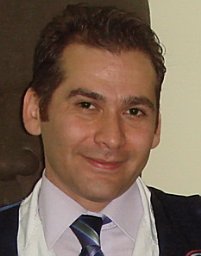 Ilker Turan合作论文数Department of Gastroenterology, Ege University14Fatih Hilmioglu合作论文数13
 Sami Akbulut合作论文数12Murat Kiyici合作论文数Dept Gastroenterol, Uludag Univ11Haydar Adanir合作论文数Dept Gastroenterol, Akdeniz Univ11Erdogan Mehmet Ali合作论文数School of Medicine, Inonu University11
 Dinc Dincer合作论文数10Demirel Ulvi合作论文数10Bulent Yildirim合作论文数9Yahya Atayan合作论文数9
 Gencdal Genco合作论文数School of Medicine, Ege University9Ramazan Kutlu合作论文数9
 Oguzhan Yıldırım合作论文数8
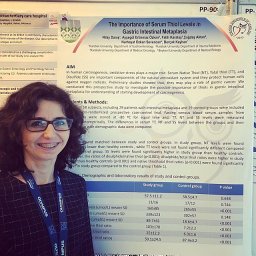 Nilay Danış合作论文数Karabuk Univ8
 Volkan Ince合作论文数Liver Transplantation Institute, İnönü University8Burak Isik合作论文数Medical Faculty, Inonu University8Derya Arı合作论文数7Zeynep Melekoglu Ellik合作论文数7Vatansever Sezgin合作论文数Department of Gastroenterology, Katip Celebi University Ataturk Training and Research Hospital7
 Adali Gupse合作论文数Goztepe Training and Research Hospital, Istanbul Medeniyet University7
 Ellina Lytvyak合作论文数7Sedat Yilmaz合作论文数Department of Internal Medicine, Gulhane Military School of Medicine7
 Baris Otlu合作论文数Tıp Fakültesi, Temel Tıp Bilimleri, Inonu University7Ulus Salih Akarca合作论文数Department of Gastroenterology, Ege University Medical School7
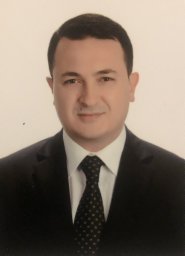 Fatih Guzelbulut合作论文数7Engin Ataman合作论文数6Feyza Gunduz合作论文数6Huseyin Alkim合作论文数Department of Gastroenterology, Sisli Etfal Education and Research Hospital6
 Osman Saglam合作论文数6
 Thomas D Schiano合作论文数Icahn School of Medicine at Mount Sinai6
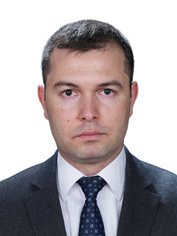 Fatih Ozdemir合作论文数Liver Transplantation Institute, İnönü University6
 Anand Kulkarni合作论文数6
 Shiv Kumar Sarin合作论文数Department of Hepatology, Institute of Liver and Biliary Sciences;Jawaharlal Nehru Center for Advanced Scientific Research6




