Recent advances in deep research systems enable large language models to retrieve, synthesize, and reason over large-scale external knowledge. In medicine, developing clinical guidelines critically depends on such deep evidence integration. However, existing benchmarks fail to evaluate this capability in realistic workflows requiring multi-step evidence integration and expert-level judgment. To address this gap, we introduce MedProbeBench, the first benchmark leveraging high-quality clinical guidelines as expert-level references. Medical guidelines, with their rigorous standards in neutrality and verifiability, represent the pinnacle of medical expertise and pose substantial challenges for deep research agents. For evaluation, we propose MedProbe-Eval, a comprehensive evaluation framework featuring: (1) Holistic Rubrics with 1,200+ task-adaptive rubric criteria for comprehensive quality assessment, and (2) Fine-grained Evidence Verification for rigorous validation of evidence precision, grounded in 5,130+ atomic claims. Evaluation of 17 LLMs and deep research agents reveals critical gaps in evidence integration and guideline generation, underscoring the substantial distance between current capabilities and expert-level clinical guideline development. Project: https://github.com/uni-medical/MedProbeBench
Electronic health records (EHRs) are a rich source of real-world clinical data, but turning them into valid analyses remains slow, brittle, and expert-intensive. Although recent AI agents can answer medical questions and use tools, automating full EHR workflows remains difficult because small planning or execution errors can invalidate otherwise plausible analyses. Here we present HealthFlow, a multi-agent framework that converts prior EHR analyses into structured, governed experience for planning under dataset-specific and methodological constraints. We also introduce EHRFlowBench, a rigorously curated benchmark of EHR analysis tasks derived from 51,280 peer-reviewed papers. Across EHRFlowBench and four established benchmarks (MedAgentBoard, MedAgentsBench, HLE, and CureBench), HealthFlow consistently outperforms strong baselines in generating valid clinical artifacts and completing complex EHR analysis pipelines. These results show that governed reuse of prior analytical experience improves robustness in health data science and opens a promising path to automating open-ended EHR analysis.
Scientific discovery increasingly requires AI systems that can reason over scientific evidence of heterogeneous modalities, interact with scientific tools and environments, and sustain progress across long task horizons. We present Intern-S2-Preview, a series of scientific agentic foundation models designed to support multimodal scientific understanding, reasoning, generation, and long-horizon tasks. The training pipeline begins with scientific multimodal pre-training over rendered scientific documents, interleaved image-text data, and diverse scientific corpora. Starting from the pretrained checkpoint, we apply a unified post-training pipeline consisting of supervised fine-tuning, scalable multi-task reinforcement learning (RL), black- and white-box agentic RL, and on-policy distillation. This pipeline is supported by practical techniques that improve rollout and training stability and efficiency, including partial rollout with off-policy correction, adaptive length regularization, online speculative decoding, robust multi-task optimization, and trace-aware experience assembly for agentic tasks. At the architecture level, Intern-S2-Preview-397B extends time series modelling from efficient long-sequence understanding to numerical forecasting, while Memory Decoder is studied as a separate memory-augmented path for rapid scientific specialization without modifying the frozen 397B backbone. Evaluations across scientific, multimodal, agentic, and general-purpose benchmarks show that Intern-S2-Preview-397B achieves competitive or leading results in multiple settings. The time series modules improve scientific signal understanding and forecasting on SciTS, while the separate Intern-MemDec-4B extension improves the Biology-Instructions average score from 56.92 to 60.32 without modifying the frozen 397B backbone.
Medical image quality assessment (Med-IQA) is a prerequisite for clinical AI deployment, yet multimodal large language models (MLLMs) still fall substantially short of human experts, particularly when required to provide descriptive assessments with clinical reasoning beyond simple quality scores. However, improving them is hindered by the high cost of acquiring descriptive annotations and by the inability of one-time data collection to adapt to the model's evolving weaknesses. To address these challenges, we propose MedQ-Engine, a closed-loop data engine that iteratively evaluates the model to discover failure prototypes via data-driven clustering, explores a million-scale image pool using these prototypes as retrieval anchors with progressive human-in-the-loop annotation, and evolves through quality-assured fine-tuning, forming a self-improving cycle. Models are evaluated on complementary perception and description tasks. An entropy-guided routing mechanism triages annotations to minimize labeling cost. Experiments across five medical imaging modalities show that MedQ-Engine elevates an 8B-parameter model to surpass GPT-4o by over 13
Representation learning of Whole slide image (WSI) is fundamental to computational pathology, enabling tasks such as tumor subtyping, survival prediction, and cancer grading. Existing methods typically tile WSIs into thousands of small patches and aggregate patch features into slide-level embeddings, but this patch-centric paradigm suffers from redundancy and suboptimal spatial modeling. Built upon these patch-level embeddings, Multiple Instance Learning (MIL) methods overfit to scattered discriminative patches, graph-based models mainly capture local neighborhoods, and prototype-based approaches often ignore spatial coherence and under-represent rare tissue patterns. To address these challenges, we propose MorphoNet, a Morphological structure learning Network that captures long-range spatial tissue relationships while extracting informative morphological patterns. The key idea of MorphoNet is Morphological Sub-Region Grouping (MSRG), which clusters spatially adjacent patches with similar appearance into compact sub-region embeddings, reducing redundancy and forming semantically coherent morphological units. Sub-region graph is then constructed and processed by a lightweight Graph Neural Network (GNN) to model contextual dependencies and derive slide-level representations. Importantly, MSRG is a plug-and-play module that can be integrated into MIL, graph-based, and prototype-based pipelines, consistently improving their performance. Experiments on ten public benchmarks demonstrate that MorphoNet achieves superior performance on tumor subtyping and survival prediction. Our code is available at https://github.com/fuying-wang/MorphoNet.
Mental health has become a critical global concern, and many individuals now turn to conversational agents for support when facing emotional distress and complex health problems. In these high-stakes and emotionally sensitive settings, patients' self-descriptions are often long, fragmented, and interweave medical facts with psychological needs, lifestyle concerns, and urgent safety questions. Large Language Model (LLM)–based assistants must therefore not only answer clinical questions, but also accurately uncover the multiple underlying intentions that drive a patient's request, as a prerequisite for empathetic and trustworthy interaction. In this work, we propose MIRA, a multi-intention recognition and planning framework designed to understand complex patient intentions in mental health–related consultations. MIRA first introduces a two-stage intention recognition module that decomposes verbose queries into clinically aligned sub-queries using semantic matching with medical intent prototypes, including intents such as medical psychological support and lifestyle guidance. Next, a Dynamic Intent Orchestration (DIO) agent leverages clinical dependency modeling to plan execution sequences that respect medical best practices and safety considerations. Based on this plan, a multi-agent collaboration system with a Hierarchical Progressive Decision-making (HPD) agent synthesizes evidence across sequential diagnostic stages to generate context-aware advice that is suitable for emotionally sensitive scenarios. We evaluate MIRA on several real-world medical dialogue benchmarks. Both automated metrics and expert physician evaluations show that MIRA consistently outperforms existing different baselines in intent comprehension, clinical planning, and overall response quality.
Recent video generation models are increasingly framed as world models. Many physical processes can unfold in more than one valid way. Therefore, a world model should reproduce not only a plausible trajectory, but also the distribution of possible behaviors under the same initial observation and action. We call this distribution-level requirement probabilistic alignment. However, existing evaluations largely assess individual-video plausibility and do not test whether repeated generations recover the correct distribution. This raises a central question: how far are current video generators from probabilistically aligned world modeling? To answer it, we formalize probabilistic alignment as a distributional criterion for world models and introduce PAWBench, a benchmark for evaluating video generators as stochastic samplers of world dynamics. We further introduce PAWEval, an outcome-level protocol that converts repeated video rollouts into empirical distributions over possible physical behaviors. Across 50 scenarios and eleven current systems, no model consistently matches the reference probabilities while recovering the range of valid behaviors. Having established this gap, we test whether language prompts, initial noise sampling, or model training can reshape the model's predictive distribution. We believe our work can serve as a foundation for future efforts to move towards probabilistically aligned world modeling.
Spatial Transcriptomics (ST) merges the benefits of pathology images and gene expression, linking molecular profiles with tissue structure to analyze spot-level function comprehensively. Predicting gene expression from histology images is a cost-effective alternative to expensive ST technologies. However, existing methods mainly focus on spot-level image-to-gene matching but fail to leverage the full hierarchical structure of ST data, especially on the gene expression side, leading to incomplete image-gene alignment. Moreover, a challenge arises from the inherent information asymmetry: gene expression profiles contain more molecular details that may lack salient visual correlates in histological images, demanding a sophisticated representation learning approach to bridge this modality gap. We propose HyperST, a framework for ST prediction that learns multi-level image-gene representations by modeling the data's inherent hierarchy within hyperbolic space, a natural geometric setting for such structures. First, we design a Multi-Level Representation Extractors to capture both spot-level and niche-level representations from each modality, providing context-aware information beyond individual spot-level image-gene pairs. Second, a Hierarchical Hyperbolic Alignment module is introduced to unify these representations, performing spatial alignment while hierarchically structuring image and gene embeddings. This alignment strategy enriches the image representations with molecular semantics, significantly improving cross-modal prediction. HyperST achieves state-of-the-art performance on four public datasets from different tissues, paving the way for more scalable and accurate spatial transcriptomics prediction.
Document parsing is a fundamental task in multimodal understanding, supporting a wide range of downstream applications such as information extraction and intelligent document analysis. Benefiting from strong semantic modeling and robust generalization, VLM-based end-to-end approaches have emerged as the mainstream paradigm in recent years. However, these models often suffer from substantial inference latency, as they must autoregressively generate long, full-page sequences when processing long-form documents. While recent hybrid methods mitigate this issue via region-level parallel decoding with VLMs, independent region decoding loses full-page context and might weaken global coherence. To address this issue, we propose Hierarchical Speculative Decoding (HSD), a two-stage local-to-global framework for document parsing. HSD first employs a lightweight pipeline drafter to predict region partitions and generate coarse drafts for each region. The first stage verifies the generated region-level drafts in parallel for efficiency, while the second stage further performs page-level verification on these refined outputs to preserve full-page coherence. Experimental results show that HSD achieves a near-lossless 2.7x speedup with HunyuanOCR on OmniDocBench v1.5 and up to 7.04x speedup on long-document parsing tasks, demonstrating the effectiveness of the proposed method. The code is available at https://github.com/whlscut/HSD.
Despite impressive performance on standard benchmarks, multimodal large language models (MLLMs) face critical challenges in real-world clinical environments where medical images inevitably suffer various quality degradations. Existing benchmarks exhibit two key limitations: (1) absence of large-scale, multidimensional assessment across medical image quality gradients and (2) no systematic confidence calibration analysis. To address these gaps, we present MedQ-Deg, a comprehensive benchmark for evaluating medical MLLMs under image quality degradations. MedQ-Deg provides multi-dimensional evaluation spanning 18 distinct degradation types, 30 fine-grained capability dimensions, and 7 imaging modalities, with 24,894 question-answer pairs. Each degradation is implemented at 3 severity degrees, calibrated by expert radiologists. We further introduce Calibration Shift metric, which quantifies the gap between a model's perceived confidence and actual performance to assess metacognitive reliability under degradation. Our comprehensive evaluation of 40 mainstream MLLMs reveals several critical findings: (1) overall model performance degrades systematically as degradation severity increases, (2) models universally exhibit the AI Dunning-Kruger Effect, maintaining inappropriately high confidence despite severe accuracy collapse, and (3) models display markedly differentiated behavioral patterns across capability dimensions, imaging modalities, and degradation types. We hope MedQ-Deg drives progress toward medical MLLMs that are robust and trustworthy in real clinical practice.
Reinforcement learning with verifiable rewards (RLVR) drives multimodal reasoning, but answer-level correctness does not guarantee that a vision-language model grounds its predictions in visual evidence. Existing visual-intervention methods contrast policy behavior on original and modified images, yet assign supervision by the type of intervention rather than its observed effect. This assumption fails: identical operators produce heterogeneous outcomes across samples. We propose SIVA-RL, a Sensitivity-Invariance Visual Alignment framework that replaces operator-conditioned regularization with sample-wise, outcome-conditioned supervision. SIVA-RL constructs localized interventions through token-aligned, distance-constrained within-image PatchSwap. A frozen audit policy then scores each clean-intervention pair, and the observed reward drop becomes soft routing weights. Large-drop pairs drive sensitivity alignment, low-drop pairs drive clean-anchored invariance alignment, and ambiguous pairs are down-weighted. This design decouples intervention construction from supervision assignment and is compatible with both GRPO and DAPO backbones. Across nine multimodal reasoning benchmarks spanning mathematical, logical, and vision-dependent tasks, SIVA-RL improves 3B and 7B models over matched RL baselines in every setting. It yields an 8.79 percentage-point gain on vision-dependent reasoning and up to 14.9
Automatic extraction of vessel skeletons is crucial for many clinical applications. However, achieving topologically faithful delineation of thin vessel skeletons remains highly challenging, primarily due to frequent discontinuities and the presence of spurious skeleton segments. To address these difficulties, we propose TopoVST, a topology-fidelitious vessel skeleton tracker. TopoVST constructs multi-scale sphere graphs to sample the input image and employs graph neural networks to jointly estimate tracking directions and vessel radii. The utilization of multi-scale representations is enhanced through a gating-based feature fusion mechanism, while the issue of class imbalance during training is mitigated by embedding a geometry-aware weighting scheme into the directional loss. In addition, we design a wave-propagation-based skeleton tracking algorithm that explicitly mitigates the generation of spurious skeletons through space-occupancy filtering. We evaluate TopoVST on two vessel datasets with different geometries. Extensive comparisons with state-of-the-art baselines demonstrate that TopoVST achieves competitive performance in both overlapping and topological metrics. Our source code is available at: https://github.com/EndoluminalSurgicalVision-IMR/TopoVST.
Brain diseases, such as Alzheimer's disease and brain tumors, present profound challenges due to their complexity and societal impact. Recent advancements in brain foundation models have shown significant promise in addressing a range of brain-related tasks. However, current brain foundation models are limited by task and data homogeneity, restricted generalization beyond segmentation or classification, and inefficient adaptation to diverse clinical tasks. In this work, we propose SAM-Brain3D, a brain-specific foundation model trained on over 66,000 brain image-label pairs across 14 MRI sub-modalities, and Hypergraph Dynamic Adapter (HyDA), a lightweight adapter for efficient and effective downstream adaptation. SAM-Brain3D captures detailed brain-specific anatomical and modality priors for segmenting diverse brain targets and broader downstream tasks. HyDA leverages hypergraphs to fuse complementary multi-modal data and dynamically generate patient-specific convolutional kernels for multi-scale feature fusion and personalized patient-wise adaptation. Together, our framework excels across a broad spectrum of brain disease segmentation and classification tasks. Extensive experiments demonstrate that our method consistently outperforms existing state-of-the-art approaches, offering a new paradigm for brain disease analysis through multi-modal, multi-scale, and dynamic foundation modeling.
Multimodal large language models (MLLMs) have advanced clinical tasks for common conditions, but their performance on rare diseases remains largely untested. In rare-disease scenarios, clinicians often lack prior clinical knowledge, forcing them to rely strictly on case-level evidence for clinical judgments. Existing benchmarks predominantly evaluate common-condition, single-image settings, leaving multimodal and multi-image evidence integration under rare-disease data scarcity systematically unevaluated. We introduce MMRareBench, to our knowledge the first rare-disease benchmark jointly evaluating multimodal and multi-image clinical capability across four workflow-aligned tracks: diagnosis, treatment planning, cross-image evidence alignment, and examination suggestion. The benchmark comprises 1,756 question-answer pairs with 7,958 associated medical images curated from PMC case reports, with Orphanet-anchored ontology alignment, track-specific leakage control, evidence-grounded annotations, and a two-level evaluation protocol. A systematic evaluation of 23 MLLMs reveals fragmented capability profiles and universally low treatment-planning performance, with medical-domain models trailing general-purpose MLLMs substantially on multi-image tracks despite competitive diagnostic scores. These patterns are consistent with a capacity dilution effect: medical fine-tuning can narrow the diagnostic gap but may erode the compositional multi-image capability that rare-disease evidence integration demands.
Existing medical image restoration (Med-IR) methods are typically modality-specific or degradation-specific, failing to generalize across the heterogeneous degradations encountered in clinical practice. We argue this limitation stems from the isolation of Med-IR from medical image quality assessment (Med-IQA), as restoration models without explicit quality understanding struggle to adapt to diverse degradation types across modalities. To address these challenges, we propose MedQ-UNI, a unified vision-language model that follows an assess-then-restore paradigm, explicitly leveraging Med-IQA to guide Med-IR across arbitrary modalities and degradation types. MedQ-UNI adopts a multimodal autoregressive dual-expert architecture with shared attention: a quality assessment expert first identifies degradation issues through structured natural language descriptions, and a restoration expert then conditions on these descriptions to perform targeted image restoration. To support this paradigm, we construct a large-scale dataset of approximately 50K paired samples spanning three imaging modalities and five restoration tasks, each annotated with structured quality descriptions for joint Med-IQA and Med-IR training, along with a 2K-sample benchmark for evaluation. Extensive experiments demonstrate that a single MedQ-UNI model, without any task-specific adaptation, achieves state-of-the-art restoration performance across all tasks while generating superior descriptions, confirming that explicit quality understanding meaningfully improves restoration fidelity and interpretability.
Policy gradient algorithms for language models optimize the same objective $J(θ) = \mathbb{E}*{τ\sim p*θ(τ)}[R(τ)]$, which has exactly two factors: the trajectory probability $p_θ(τ)$ and the reward $R(τ)$. Every method from REINFORCE to PPO to GRPO and their descendants modifies one or both factors to address a specific failure in the preceding formulation. Existing surveys organize these methods by domain or chronology, which obscures the rationale behind each design choice and the precise location of its intervention within the gradient estimator. This survey revisits the landscape of LLM policy optimization from $J(θ)$ on first principles and uses the trajectory side, induced by $p_θ(τ)$, and the reward side, induced by $R(τ)$, as the two axes along which methods are located. It covers the path from REINFORCE and PPO to GRPO, as well as post-GRPO variants, Agentic RL, and GRPO-OPD. The resulting framework is unified, diagnostic, and extensible: it analyzes methods from a shared objective, identifies which side each method modifies and why, and applies the same trajectory and reward axes across these settings. Across these settings, the framework also exposes compound failures that no single-side fix resolves and that therefore require joint design of the trajectory side and the reward side. The boundary cases and coupled failures identified by this map mark where existing solutions run out and provide a principled starting point for designing the next generation of LLM policy optimization algorithms.
Medical image analysis increasingly relies on the integration of multiple imaging modalities to capture complementary anatomical and functional information, enabling more accurate diagnosis and treatment planning. Achieving aligned feature representations across these diverse modalities is therefore important for effective multimodal analysis. While contrastive language-image pre-training (CLIP) and its variant have enabled image-text alignments, they require explicitly paired data between arbitrary two modalities, which is difficult to acquire in medical contexts. To address the gap, we present Multimodal Medical Image Binding with Text (M3Bind), a novel pre-training framework that enables seamless alignment of multiple medical imaging modalities through a shared text representation space without requiring explicit paired data between any two medical image modalities. Specifically, based on the insight that different images can naturally bind with text, M3Bind first fine-tunes pre-trained CLIP-like image-text models to align their modality-specific text embedding space while preserving their original image-text alignments. Subsequently, we distill these modality-specific text encoders into a unified model, creating a shared text embedding space. Experiments on X-ray, CT, retina, ECG, and pathological images on multiple downstream tasks demonstrate that M3Bind achieves state-of-the-art performance in zero-shot, few-shot classification and cross-modal retrieval tasks compared to its CLIP-like counterparts. These results validate M3Bind's effectiveness in achieving cross-image-modal alignment for medical analysis.
Despite significant advancements in general AI, its effectiveness in the medical domain is limited by the lack of specialized medical knowledge. To address this, we formulate GMAI-VL-5.5M, a multimodal medical dataset created by converting hundreds of specialized medical datasets with various annotations into high-quality image-text pairs. This dataset offers comprehensive task coverage, diverse modalities, and rich image-text data. Building upon this dataset, we develop GMAI-VL, a 7B-parameter general medical vision-language model, with a three-stage training strategy that enhances the integration of visual and textual information. This approach significantly improves the model's ability to process multimodal data, supporting accurate diagnoses and clinical decision-making. Experiments show that GMAI-VL achieves state-of-the-art performance across various multimodal medical tasks, including visual question answering and medical image diagnosis.
Musculoskeletal diseases are among the leading causes of disability worldwide and create the greatest global need for rehabilitation. Because recovery, remodelling and degeneration often unfold over months to years, musculoskeletal care requires longitudinal management that repeatedly integrates evolving patient evidence, external medical knowledge and stage-specific functional goals. In routine practice, this evidence is fragmented across visits, departments and hospital systems, limiting individualized, evidence-based care. Here we report OrthoPilot, a clinical artificial intelligence system powered by a large language model that integrates hospital data streams with authoritative external knowledge for continuous musculoskeletal management. OrthoPilot autonomously retrieves real-time imaging, laboratory, pathology and order data and converts evolving patient states into evidence-based decisions from admission diagnosis to rehabilitation planning. We established a specialist-validated benchmark from real-world electronic health records spanning 1,000 disease codes. In a reader study across the complete care pathway, OrthoPilot was compared with 81 orthopaedic physicians and surpassed experts with 25 years of experience in diagnostic reasoning, clinical decision-making and management planning. It also outperformed all evaluated intelligent systems across 60 external clinical centres. In a prospective study of 1,870 complex cases, OrthoPilot increased full-chain management success by 10.6
Real-world MRI reconstruction systems face the open-world challenge: test data from unseen imaging centers, anatomical structures, or acquisition protocols can differ drastically from training data, causing severe performance degradation. Existing methods struggle with this challenge. To address this, we propose BiasRecon, a bias-calibrated adaptation framework grounded in the minimal intervention principle: preserve what transfers, calibrate what does not. Concretely, BiasRecon formulates open-world adaptation as an alternating optimization framework that jointly optimizes three components: (1) frequency-guided prior calibration that introduces layer-wise calibration variables to selectively modulate frequency-specific features of the pre-trained score network via self-supervised k-space signals, (2) score-based denoising that leverages the calibrated generative prior for high-fidelity image reconstruction, and (3) adaptive regularization that employs Stein's Unbiased Risk Estimator to dynamically balance the prior-measurement trade-off, matching test-time noise characteristics without requiring ground truth. By intervening minimally and precisely through this alternating scheme, BiasRecon achieves robust adaptation with fewer than 100 tunable parameters. Extensive experiments across four datasets demonstrate state-of-the-art performance on open-world reconstruction tasks.
 Yu Qiao (乔宇)合作论文数Multimedia Laboratory, Shenzhen Institutes of Advanced Technology, Chinese Academy of Sciences;Shanghai AI Laboratory;Shenzhen University of Advanced Technology63
 Ye Jin (金野)合作论文数Pattern Recognition and Intelligent System Research Center, School of Computer Science and Technology, Faculty of Computing, Harbin Institute of Technology45
 Yanzhou Su合作论文数35
 Zhongying Deng (邓重英)合作论文数Centre for Vision, Speech and Signal Processing, University of Surrey;IFlyTek-Surrey Joint Research Center on Artificial Intelligence33
 Hany Elsheikha合作论文数School of Veterinary Medicine and Science, Faculty of Medicine and Health Sciences, The University of Nottingham32
 Ziyan Huang合作论文数Institute of Medical Robotics, Shanghai Jiao Tong University32
 Xingquan Zhu (朱兴全)合作论文数Shanxi Agricultural University;Shanxi Academy of Agricultural Sciences26Bin Fu合作论文数Shenzhen Institutes of Advanced Technology, Chinese Academy of Sciences23Lihao Liu合作论文数21
 Yiqing Shen (沈逸卿)合作论文数Department of Computer Science, The Johns Hopkins University20
 Ying Chen (陈莹)合作论文数Biomedical AI Laboratory, Xiamen University;Shanghai Artificial Intelligence Laboratory18JianFa Yang (杨建发)合作论文数16Fengcai Zou (邹丰才)合作论文数16
 Lixu Gu (顾力栩)合作论文数School of Biomedical Engineering, Shanghai Jiao Tong University;Institute of Medical Robotics, Shanghai Jiao Tong University15
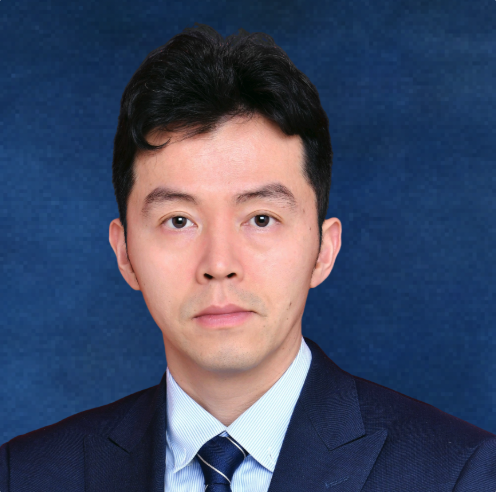 Shaoting Zhang (张少霆)合作论文数Qing Yuan Research Institute, School of Computer Science, Shanghai Jiao Tong University15Haoyu Wang合作论文数14
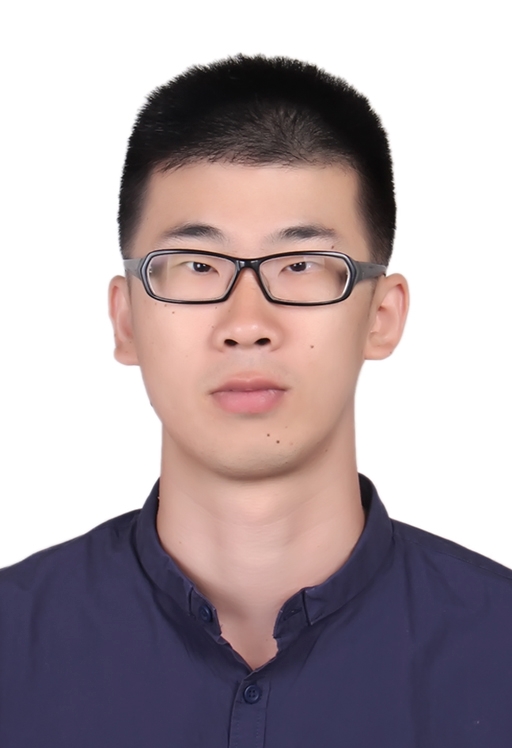 Jun Ma (马骏)合作论文数College of Agronomy and Biotechnology, China Agricultural University13Chunlin Zhang (张春林)合作论文数12
 Wenhai Wang (王文海)合作论文数Multimedia Laboratory, The Chinese University of Hong Kong12
 Yun Gu (顾运)合作论文数School of Automation and Intelligent Sensing, Shanghai Jiao Tong University;Institute of Medical Robotics, Shanghai Jiao Tong University11
 Shixiang Tang (唐詩翔)合作论文数SenseTime11Jin Ye合作论文数10DeGuang Wu (吴德光)合作论文数10
 Zongyuan Ge (戈宗元)合作论文数Faculty of Engineering, Monash University;Faculty of Information Technology, Monash University10
 Wenqi Shao (邵文琪)合作论文数Shanghai AI Lab10
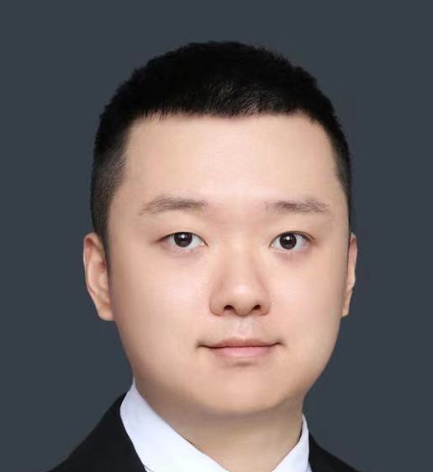 Xiaohong Liu (刘笑宏)合作论文数John Hopcroft Center for Computer Science, Shanghai Jiao Tong University10
 Feilong Tang合作论文数Monash University;Mohamed Bin Zayed University of Artificial Intelligence9
 Wenlong Zhang合作论文数Shanghai AI Lab9Tianbin Li合作论文数9Bintao Zhai合作论文数9
 Wen-Bin Zheng合作论文数9
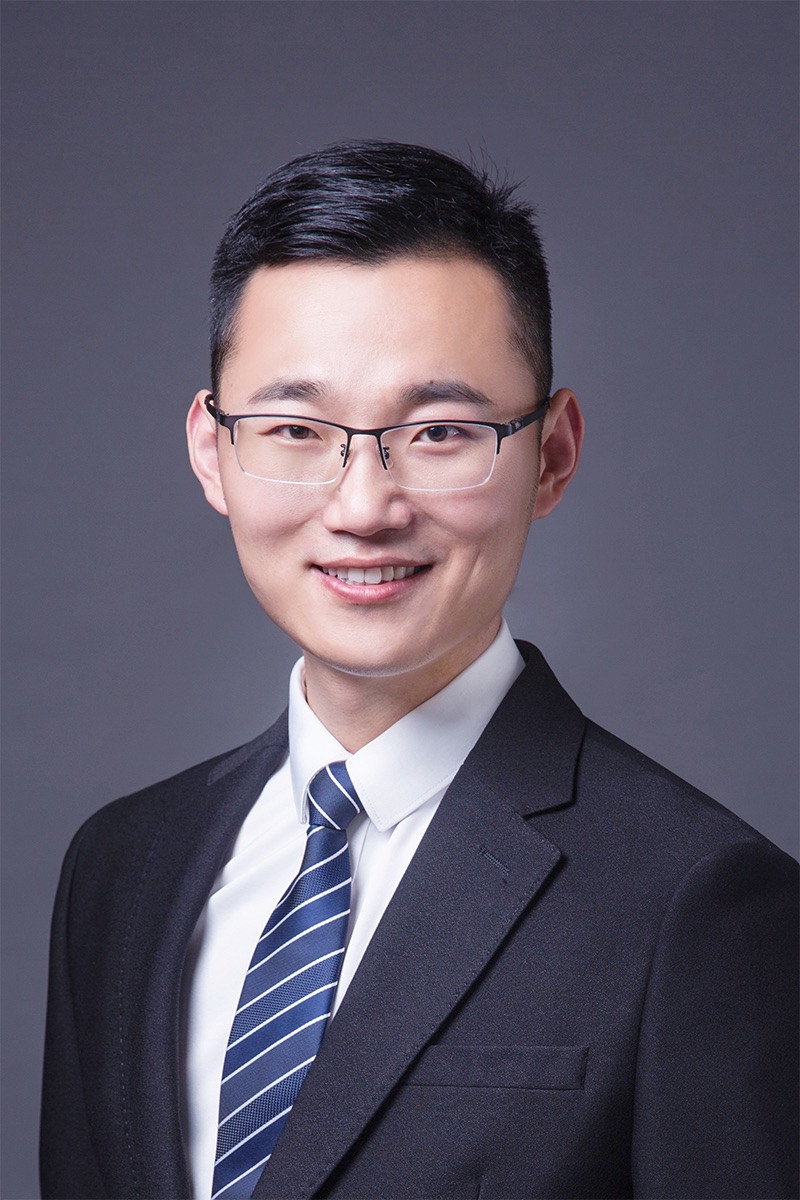 Hongming Shan合作论文数Institute of Science and Technology for Brain-inspired Intelligence, Fudan University9
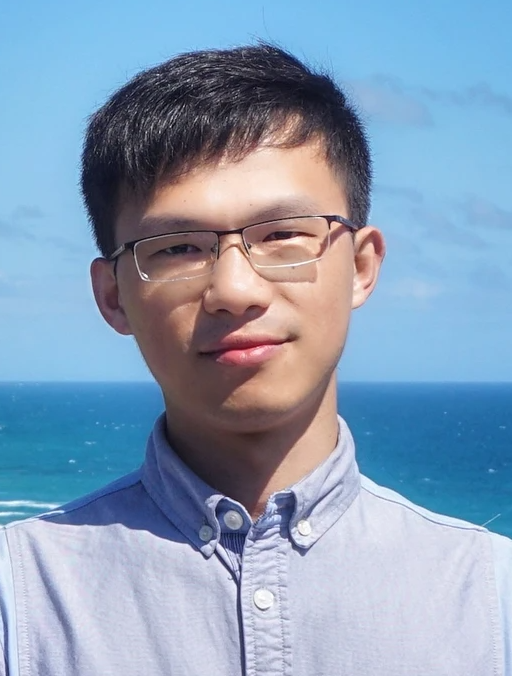 Conghui He (何聪辉)合作论文数Shanghai AI Laboratory9Erfei Cui合作论文数8LI Zhe (李喆)合作论文数8
 Zhe Chen (陈喆)合作论文数Department of Computer Science and Technology, Nanjing University;Shanghai AI Laboratory8
 Wei Li合作论文数8Yang Zou合作论文数8
 Fanfan Shu (舒凡帆)合作论文数8Wang Jin-Lei合作论文数8
 Fu-Kai Zhang合作论文数8
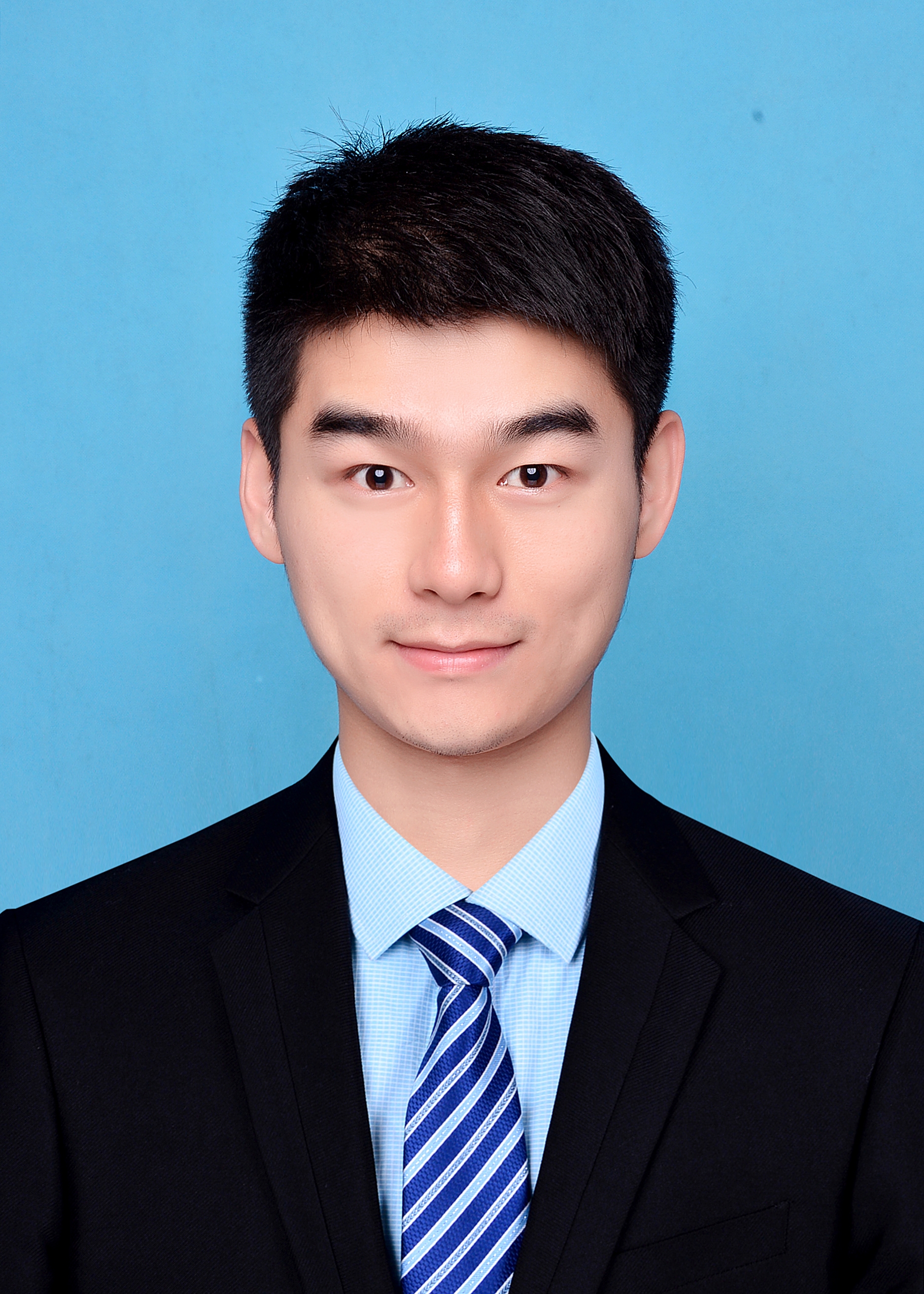 Lei Bai (白磊)合作论文数Shanghai AI Laboratory8
 Yuanfeng Ji (纪源丰)合作论文数Department of Computer Science, Faculty of Engineering, The University of Hong Kong;Stanford University8
 Haodong Duan (段浩东)合作论文数ByteDance8
 Tong Lu (路通)合作论文数National Key Laboratory for Novel Software Technology, Department of Computer Science and Technology, Nanjing University7
 Yihao Liu合作论文数Shanghai Artificial Intelligence Laboratory7Shi-Chen Xie合作论文数7




