Background: Integrating value-based care into medical education poses a significant challenge to academic medical institutions. Studies show that incorporating high value care education early in medical training is critical for fostering cost-conscious care. Although prior initiatives have incorporated principles of high value care into the clinical setting, there are limitations in improving the critical thinking of student clinicians at the individual level. However, student-run clinics offer a unique, hands-on opportunity for medical students to apply high value care and quality improvement principles to improve patient care. Methods: Medical students collaborated with the University of Florida College of Medicine’s (UFCOM) Equal Access Clinic Network (EACN) and the UFCOM administration to design and host a High Value Care Competition. The competition prompted participants to develop project proposals that improve value-based care delivery at EACN. Results: Six teams and one individual (17 students) participated in the first iteration of the competition. A survey administered one week following the competition reflected that the majority of the teams were inspired to think more critically about the healthcare system and connect with like-minded students, faculty, and stakeholders. Surveys administered after nine months reflected progress in project implementation, attesting to the success of the High Value Care Competition in increasing student involvement with value-based care. Project redundancy, lack of stakeholder engagement, and external time pressures were identified as obstacles. Conclusions: This study engaged students in considering value-based care, with most participants reporting increased system awareness and collaboration. Future iterations will focus on arranging a pre-competition consultation with EACN stakeholders, and connecting teams with faculty mentorship. We intend to offer this competition as an optional capstone project for students interested in the Health Systems Science curriculum, as well as expand the competition to other student-run health programs at the university.
Purpose Medical student mistreatment is pervasive, yet whether all physicians have a shared understanding of the problem is unclear. The authors presented professionally designed trigger videos to physicians from 6 different specialties to determine if they perceive mistreatment and its severity similarly. Method From October 2016 to August 2018, resident and attending physicians from 10 U.S. medical schools viewed 5 trigger videos showing behaviors that could be perceived as mistreatment. They completed a survey exploring their perceptions. The authors compared perceptions of mistreatment across specialties and, for each scenario, evaluated the relationship between specialty and perception of mistreatment. Results Six-hundred fifty resident and attending physicians participated. There were statistically significant differences in perception of mistreatment across specialties for 3 of the 5 scenarios: aggressive questioning (range, 74.1%–91.2%), negative feedback (range, 25.4%–63.7%), and assignment of inappropriate tasks (range, 5.5%–25.5%) (P ≤ .001, for all). After adjusting for gender, race, professional role, and prior mistreatment, physicians in surgery viewed 3 scenarios (aggressive questioning, negative feedback, and inappropriate tasks) as less likely to represent mistreatment compared with internal medicine physicians. Physicians from obstetrics–gynecology and “other” specialties perceived less mistreatment in 2 scenarios (aggressive questioning and negative feedback), while family physicians perceived more mistreatment in 1 scenario (negative feedback) compared with internal medicine physicians. The mean severity of perceived mistreatment on a 1 to 7 scale (7 most serious) also varied statistically significantly across the specialties for 3 scenarios: aggressive questioning (range, 4.4–5.4; P < .001), ethnic insensitivity (range, 5.1–6.1; P = .001), and sexual harassment (range, 5.5–6.3; P = .004). Conclusions Specialty was associated with differences in the perception of mistreatment and rating of its severity. Further investigation is needed to understand why these perceptions of mistreatment vary among specialties and how to address these differences.
Dementia is a common disease worldwide and is largely underdiagnosed. A timely diagnosis of dementia is beneficial for both the patient and family for many reasons, and exclusion and treatment of other mimics of dementia are crucial to avoid long-term consequences. Making a diagnosis of dementia requires attention to subtle cues from both patients and other informants, as often patients and family members will not notice early signs and symptoms. Although universal screening is not recommended by the USPSTF, screening in high-risk populations is recommended by many organizations. Screening with the Mini-Cog and AD8 combined is a highly sensitive way to identify patients with dementia, and confirmation testing can be performed with the MoCA or MMSE. Specific subtypes of dementia, including Alzheimer's disease, vascular dementia, Lewy body dementia, frontotemporal dementia, and others, sometimes can be differentiated by unique physical examination findings. Timely referral to dementia specialists is useful in the management of this group of diseases. However, as the aging population grows and access to specialists is often limited, it is important for all physicians to understand how to make a diagnosis of dementia.
Introduction The National Resident Matching Program (NRMP) requires all Match participants to adhere to a strict code of conduct known as the Match Participation Agreement, yet Match violations continue to occur. We sought to determine how interview experiences, including Match violations, impact applicants' perceptions and rankings of residency programs. Methods An electronic survey was sent to all accredited medical school Deans of Student Affairs and Association of American Medical Colleges Student Representatives for distribution to fourth-year medical students. Questions assessed pressures that residency programs placed on applicants during interview season and their impact on applicants. Both quantitative and qualitative data were collected. Results Of the 433 included respondents, 31.2% (n = 135) reported breaches of the NRMP Match Participation Agreement. Of those, 63% (n = 85) had a negative perception of the violating programs, and 37.8% (n = 51) were less likely to rank those programs highly. Violations included asking applicants about the locations of their other interviews (60.3%, n = 261), pressuring applicants to reveal their ranking (24.0%, n = 104), explicitly requesting applicants to reveal their ranking (6.5%, n = 28), asking applicants to provide a commitment before Match day (3.9%, n = 17), and other behavior that was felt to ignore the spirit of the Match (16.4%, n = 71). Implying that applicants would match into a program if they ranked it highly (37.2%, n = 161) was received positively by 65.2% (n = 105) of applicants experiencing this breach, with 42.2% (n = 68) ranking the program more highly. Three major themes impacting applicants' impressions of residency programs emerged from the qualitative data: interview experience, professionalism, and post-interview communication (PIC). Respondents overwhelmingly agreed that PIC should either be eliminated or that programs should set clear expectations for PIC. Conclusions Match violations continue to occur, despite the NRMP Match Participation Agreement. With the notable exception of communication implying that applicants would match into a program, applicants overwhelmingly view programs that commit these violations negatively and often rank these programs lower as a result.
Purpose Medical educators use key features examinations (KFEs) to assess clinical decision making in many countries, but not in U.S. medical schools. The authors developed an online KFE to assess third-year medical students' decision-making abilities during internal medicine (IM) clerkships in the United States. They used Messick's unified validity framework to gather validity evidence regarding response process, internal structure, and relationship to other variables. Method From February 2012 through January 2013, 759 students (at eight U.S. medical schools) had 75 minutes to complete one of four KFE forms during their IM clerkship. They also completed a survey regarding their experiences. The authors performed item analyses and generalizability studies, comparing KFE scores with prior clinical experience and National Board of Medical Examiners Subject Examination (NBME-SE) scores. Results Five hundred fifteen (67.9%) students consented to participate. Across KFE forms, mean scores ranged from 54.6% to 60.3% (standard deviation 8.4-9.6%), and Phi-coefficients ranged from 0.36 to 0.52. Adding five cases to the most reliable form would increase the Phi-coefficient to 0.59. Removing the least discriminating case from the two most reliable forms would increase the alpha coefficient to, respectively, 0.58 and 0.57. The main source of variance came from the interaction of students (nested in schools) and cases. Correlation between KFE and NBME-SE scores ranged from 0.24 to 0.47 (P < .01). Conclusions These results provide strong evidence for response-process and relationship-to-other-variables validity and moderate internal structure validity for using a KFE to complement other assessments in U.S. IM clerkships.
Purpose The clinical skills needed to practice high-value care (HVC) are core to all medical disciplines. Medical students form practice habits early, and HVC instruction is essential to this formation. The purpose of this study was to describe the state of HVC instruction and assessment in internal medicine clerkships and identify needs for additional curricula. Method In 2014, the Clerkship Directors in Internal Medicine conducted its annual survey of 121 U.S. and Canadian medical schools. The authors evaluated a subset of questions from that survey asking clerkship directors about the perceived importance of HVC instruction, type and amount of formal instruction and assessment, achievement of student competence, prioritization of topics, and barriers to curriculum implementation. Descriptive statistics were used to summarize responses, and chi-square tests were used to examine associations between response categories. Results The overall response rate was 77.7% (94/121). The majority (85; 91.4%) agreed that medical schools have a responsibility to teach about HVC across all phases of the curriculum. Of respondents, 31 (32.9%) reported their curricula as having some formal instruction on HVC, and 66 (70.2%) felt the amount was inadequate. Highest-priority topics for inclusion included overuse of diagnostic tests and treatments, defining value and its application to clinical reasoning, and balancing benefit and harm. Only 11 (17.8%) assessed students' competence in HVC. Conclusions Internal medicine clerkship directors reported that HVC is insufficiently taught and assessed in medical school, despite relevance to practice. Developing generalizable curricular materials, faculty development, and dedicated curricular time may enhance HVC education.
The purpose of the fourth year of medical school remains controversial. Competing demands during this transitional phase cause confusion for students and educators. In 2014, the Association of American Medical Colleges (AAMC) released 13 Core Entrustable Professional Activities for Entering Residency (CEPAERs). A committee comprising members of the Clerkship Directors in Internal Medicine and the Association of Program Directors in Internal Medicine applied these principles to preparing students for internal medicine residencies. The authors propose a curricular framework based on five CEPAERs that were felt to be most relevant to residency preparation, informed by prior stakeholder surveys. The critical areas outlined include entering orders, forming and answering clinical questions, conducting patient care handovers, collaborating interprofessionally, and recognizing patients requiring urgent care and initiating that care. For each CEPAER, the authors offer suggestions about instruction and assessment of competency. The fourth year of medical school can be rewarding for students, while adequately preparing them to begin residency, by addressing important elements defined in the core entrustable activities. Thus prepared, new residents can function safely and competently in supervised postgraduate settings.
PurposeAlthough residents trust interns to provide patient care, little is known about how trust forms.MethodUsing a multi-institutional mixed-methods study design, the authors interviewed (March-September 2014) internal medicine (IM) residents in their second or third postgraduate year at a single institution to address how they develop trust in interns. Transcript analysis using grounded theory yielded a model for resident trust. Authors tested (January-March 2015) the model with residents from five IM programs using a two-section quantitative survey (38 items; 31 rated 0 = not at all to 100 = very much; 7 rated 0 = strongly disagree to 100 = strongly agree) to identify influences on how residents form trust.ResultsQualitative analysis of 29 interviews yielded 14 themes within five previously identified factors of trust (resident, intern, relationship, task, and context). Of 478 residents, 376 (78.7%) completed the survey. Factor analysis yielded 11 factors that influence trust. Respondents rated interns' characteristics (reliability, competence, and propensity to make errors) highest when indicating importance to trust (respective means 86.3 [standard deviation = 9.7], 76.4 [12.9], and 75.8 [20.0]). They also rated contextual factors highly as influencing trust (access to an electronic medical record, duty hours, and patient characteristics; respective means 79.8 [15.3], 73.1 [14.4], and 71.9 [20.0]).ConclusionsResidents form trust based on primarily intern-and context-specific factors. Residents appear to consider trust in a way that prioritizes interns' execution of essential patient care tasks safely within the complexities and constraints of the hospital environment.
PurposeTo obtain feedback from internal medicine residents, a key stakeholder group, regarding both the skills needed for internship and the fourth-year medical school courses that prepared them for residency. This feedback could inform fourth-year curriculum redesign efforts.MethodAll internal medicine residents taking the 2013-2014 Internal Medicine In-Training Examination were asked to rank the importance of learning 10 predefined skills prior to internship and to use a dropdown menu of 11 common fourth-year courses to rank the 3 most helpful in preparing for internship. The predefined skills were chosen based on a review of the literature, a national subinternship curriculum, and expert consensus. Chi-square statistics were used to test for differences in responses between training levels.ResultsOf the 24,820 internal medicine residents who completed the exam, 20,484 (83%) completed the survey, had complete identification numbers, and consented to have their responses used for research. The three skills most frequently rated as very important were identifying when to seek additional help and expertise, prioritizing clinical tasks and managing time efficiently, and communicating with other providers around care transitions. The subinternship/acting internship was most often selected as being the most helpful course in preparing for internship.ConclusionsThese findings indicate which skills and fourth-year medical school courses internal medicine residents found most helpful in preparing for internship and confirm the findings of prior studies highlighting the perceived value of subinternships. Internal medicine residents and medical educators agree on the skills students should learn prior to internship.
Although residents trust interns to provide patient care, little is known about how trust forms.Using a multi-institutional mixed-methods study design, the authors interviewed (March-September 2014) internal medicine (IM) residents in their second or third postgraduate year at a single institution to address how they develop trust in interns. Transcript analysis using grounded theory yielded a model for resident trust. Authors tested (January-March 2015) the model with residents from five IM programs using a two-section quantitative survey (38 items; 31 rated 0 = not at all to 100 = very much; 7 rated 0 = strongly disagree to 100 = strongly agree) to identify influences on how residents form trust.Qualitative analysis of 29 interviews yielded 14 themes within five previously identified factors of trust (resident, intern, relationship, task, and context). Of 478 residents, 376 (78.7%) completed the survey. Factor analysis yielded 11 factors that influence trust. Respondents rated interns' characteristics (reliability, competence, and propensity to make errors) highest when indicating importance to trust (respective means 86.3 [standard deviation = 9.7], 76.4 [12.9], and 75.8 [20.0]). They also rated contextual factors highly as influencing trust (access to an electronic medical record, duty hours, and patient characteristics; respective means 79.8 [15.3], 73.1 [14.4], and 71.9 [20.0]).Residents form trust based on primarily intern- and context-specific factors. Residents appear to consider trust in a way that prioritizes interns' execution of essential patient care tasks safely within the complexities and constraints of the hospital environment.
Abstract This is a series of 10 modules developed to instruct residents how to teach within the constraints of a busy workday. The content emphasizes the application of teaching principles to common occurrences in an inpatient setting, such as oral presentations, reviewing progress notes, working up a new patient, and performing physical examinations. They are designed to have minimal didactic content and focus more on promoting discussions and providing skills practice. They are intended to be adapted to meet individual programs' needs and can also supplement existing resident-as-teacher programs. The authors have used these modules successfully at their own institutions and have received positive feedback from program directors who have used these modules successfully at their own institutions. They have been used as part of a formal resident-as-teacher program (both longitudinal programs and limited half-day workshops) and have been used to reinforce concepts later in training. The cases have also been incorporated into locally-developed modules as springboards for small-group discussion and skills practice.
The fourth year of medical school remains controversial, despite efforts to reform it. A committee from the Clerkship Directors in Internal Medicine and the Association of Program Directors in Internal Medicine examined transitions from medical school to internship with the goal of better academic advising for students. In 2013 and 2014, the committee examined published literature and the Web sites of 136 Liaison Committee on Medical Education-accredited schools for information on current course offerings for the fourth year of medical school. The authors summarized temporal trends and outcomes when available.Subinternships were required by 122 (90%) of the 136 schools and allow students to experience the intern's role. Capstone courses are increasingly used to fill curricular gaps. Revisiting basic sciences in fourth-year rotations helps to reinforce concepts from earlier years. Many schools require rotations in specific settings, like emergency departments, intensive care units, or ambulatory clinics. A growing number of schools require participation in research, including during the fourth year. Students traditionally take fourth-year clinical electives to improve skills, both within their chosen specialties and in other disciplines. Some students work with underserved populations or seek experiences that will be henceforth unavailable, whereas others use electives to "audition" at desired residency sites. Fourth-year requirements vary considerably among medical schools, reflecting different missions and varied student needs. Few objective outcomes data exist to guide students' choices. Nevertheless, both medical students and educators value the fourth year of medical school and feel it can fill diverse functions in preparing for residency.
For decades, the internal medicine (IM) subinternship has served as a critical interface between undergraduate and graduate medical education. As such, the vast majority of U.S. medical schools offer this rotation to help students prepare for post-graduate training. Historically an experiential rotation, a formal curriculum with specific learning objectives was eventually developed for this course in 2002. Since then, graduate medical education (GME) has changed significantly with the regulation of duty hours, adoption of competency-based education, and development of training milestones and entrustable professional activities. In response to these and many other changes to residency training and medical practice, in 2010, the Association of Program Directors in Internal Medicine (APDIM) surveyed its members—with input from the Clerkship Directors in Internal Medicine (CDIM) Subinternship Task Force—to determine which core skills program directors expected from new medical school graduates. The results of that survey helped to inform a joint CDIM-APDIM committee’s decision to re-evaluate the goals of the IM subinternship in an effort to enhance the transition from medical school to residency. This joint committee defined the minimum expectations of what constitutes an IM subinternship rotation, proposed recommended skills for IM subinterns, and discussed challenges and future directions for this crucial course.
The fourth year of medical school remains controversial, despite efforts to reform it. A committee from the Clerkship Directors in Internal Medicine and the Association of Program Directors in Internal Medicine examined transitions from medical school to internship with the goal of better academic advising for students. In 2013 and 2014, the committee examined published literature and the Web sites of 136 Liaison Committee on Medical Education-accredited schools for information on current course offerings for the fourth year of medical school. The authors summarized temporal trends and outcomes when available.Subinternships were required by 122 (90%) of the 136 schools and allow students to experience the intern's role. Capstone courses are increasingly used to fill curricular gaps. Revisiting basic sciences in fourth-year rotations helps to reinforce concepts from earlier years. Many schools require rotations in specific settings, like emergency departments, intensive care units, or ambulatory clinics. A growing number of schools require participation in research, including during the fourth year. Students traditionally take fourth-year clinical electives to improve skills, both within their chosen specialties and in other disciplines. Some students work with underserved populations or seek experiences that will be henceforth unavailable, whereas others use electives to "audition" at desired residency sites. Fourth-year requirements vary considerably among medical schools, reflecting different missions and varied student needs. Few objective outcomes data exist to guide students' choices. Nevertheless, both medical students and educators value the fourth year of medical school and feel it can fill diverse functions in preparing for residency.
BACKGROUND:Key features examinations (KFEs) have been used to assess clinical decision making in medical education, yet there are no reports of an online KFE-based on a national curriculum for the internal medicine clerkship. What we did: The authors developed and pilot tested an electronic KFE based on the US Clerkship Directors in Internal Medicine core curriculum. Teams, with expert oversight and peer review, developed key features (KFs) and cases.EVALUATION:The exam was pilot tested at eight medical schools with 162 third and fourth year medical students, of whom 96 (59.3%) responded to a survey. While most students reported that the exam was more difficult than a multiple choice question exam, 61 (83.3%) students agreed that it reflected problems seen in clinical practice and 51 (69.9%) students reported that it more accurately assessed the ability to make clinical decisions.CONCLUSIONS:The development of an electronic KFs exam is a time-intensive process. A team approach offers built-in peer review and accountability. Students, although not familiar with this format in the US, recognized it as authentically assessing clinical decision-making for problems commonly seen in the clerkship.
Competency-based medical education increasingly recognizes the importance of observation, feedback, and reflection for trainee development. Although bedside rounds provide opportunities for authentic workplace-based implementation of feedback and team-based reflection strategies, this relationship has not been well described. The authors sought to understand the content and timing of feedback and team-based reflection provided by bedside teachers in the context of patient-centered bedside rounds.
Purpose The use of bedside rounds in teaching hospitals has declined, despite recommendations from educational leaders to promote this effective teaching strategy. The authors sought to identify reasons for the decrease in bedside rounds, actual barriers to bedside rounds, methods to overcome trainee apprehensions, and proposed strategies to educate faculty. Method A qualitative inductive thematic analysis using transcripts from audio-recorded, semistructured telephone interviews with a purposive sampling of 34 inpatient attending physicians from 10 academic U.S. institutions who met specific inclusion criteria for “bedside rounds” was performed in 2010. Main outcomes were themes pertaining to barriers, methods to overcome trainee apprehensions, and strategies to educate faculty. Quotations highlighting themes are reported. Results Half of respondents (50%) were associate or full professors, averaging 14 years in academic medicine. Primary reasons for the perceived decline in bedside rounds were physician- and systems related, although actual barriers encountered related to systems, time, and physician-specific issues. To address resident apprehensions, six themes were identified: build partnerships, create safe learning environments, overcome with experience, make bedside rounds educationally worthwhile, respect trainee time, and highlight positive impact on patient care. Potential strategies for educating faculty were identified, most commonly faculty development initiatives, divisional/departmental culture change, and one-on-one shadowing opportunities. Conclusions Bedside teachers encountered primarily systems- and time-related barriers and overcame resident apprehensions by creating a learner-oriented environment. Strategies used by experienced bedside teachers can be used for faculty development aimed at promoting bedside rounds.
 Elnicki D Michael合作论文数13Mark J. Fagan合作论文数Division of General Internal Medicine, Rhode Island Hospital12
 Jennifer R Kogan合作论文数7Karen E. Hauer合作论文数7Raymond Wong合作论文数6
 Walter Kernan合作论文数General Internal Medicine, Internal Medicine, Yale School of Medicine, Yale University6Gary S. Ferenchick合作论文数6
 Paul A. Hemmer合作论文数Department of Medicine, Uniformed Services University of the Health Sciences F. Edward Hébert School of Medicine6Colleen M. Rafferty合作论文数5
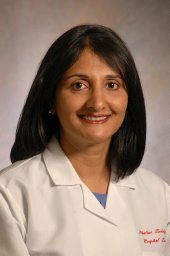 Shalini Reddy合作论文数John H. Stroger Hospital, Cook County Health5
 Brian S Heist合作论文数5
 Meenakshy K Aiyer合作论文数5
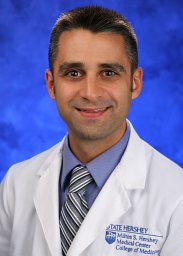 Gonzalo Jed D合作论文数Penn State Coll Med5Duffy Briar L合作论文数5
 Liselotte Dyrbye合作论文数Division of Community Internal Medicine, Department of Medicine, Mayo Clinic5Gregory C. Kane合作论文数5
 Steven J. Durning合作论文数School of Medicine, Uniform Services University of Health Sciences4
 Anne G Pereira合作论文数4Emily Stewart合作论文数3
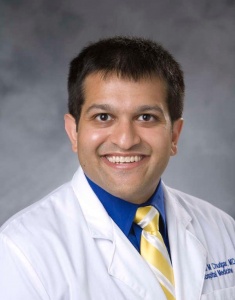 Saumil Mahendra Chudgar合作论文数Department of Medicine, Duke University School of Medicine3
 Vineet Arora合作论文数Pritzker School of Medicine, The University of Chicago3
 Susan Hingle合作论文数3
 Thai Vu合作论文数3David Hatem合作论文数3
 L. James Nixon合作论文数Department of Pediatrics, University of Minnesota Medical School3
 Cynthia Ledford合作论文数3
 Valerie J Lang合作论文数Proteomics Unit, CIC bioGUNE3
 Melissa Fischer合作论文数3
 Maria Cannarozzi合作论文数University of South Florida College of Medicine3Martin Muntz合作论文数2Geoffrey Gordon合作论文数2Daniel Henry合作论文数2
 Adam Kelly合作论文数2Alex J Mechaber合作论文数2Calvin L Chou合作论文数2
 Auguste Fortin合作论文数General Internal Medicine, Internal Medicine, Yale School of Medicine, Yale University2Blatt Benjamin合作论文数2
 Kirk Bronander合作论文数2Jena Anupam B合作论文数2Prochaska Meryl合作论文数2
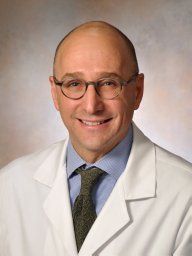 Adam Cifu合作论文数The University of Chicago2Helmer Drew A合作论文数2
 Eva M Aagaard合作论文数2
 Thomas S. Inui合作论文数Regenstrief Institute for Health Care, School of Medicine, Indiana University2
 Cynthia D Smith合作论文数2O'Sullivan Patricia S合作论文数2Salvit Cori合作论文数2
 Arlene Weissman合作论文数2
 David Meltzer合作论文数Center for Health and the Social Sciences, The University of Chicago;Department of Medicine, Harris School of Public Policy, The University of Chicago;Department of Economics, The University of Chicago2




