The role of autologous stem cell transplantation (ASCT) is central in AL amyloidosis and continues to be defined in the era of newer therapies. To evaluate contemporary patient selection, practice patterns, and outcomes, we conducted a retrospective, multicenter study across nine tertiary referral centers, including 1047 patients with AL amyloidosis who underwent ASCT between 2010 and 2020. Most patients (67.9%) received full-dose melphalan conditioning, and 66.5% received pre-ASCT induction therapy, predominantly proteasome inhibitor-based regimens. Day-100 all-cause mortality was 3.0%, representing a substantial improvement compared with historical cohorts. Post-ASCT hematological responses were satisfactory in 75.4% of patients. Among patients with paired assessments, ASCT deepened responses in 56.3% who had not achieved a complete response with induction therapy. With a median follow-up of 5.1 years, the median overall survival was 6.3 years. Independent predictors of inferior survival included age ≥60 years, bone marrow plasma cells ≥20%, pre-ASCT dFLC ≥40 mg/L, elevated cardiac biomarkers, lambda-restricted disease, reduced eGFR and reduced-dose conditioning. In this contemporary cohort, ASCT for AL amyloidosis demonstrated low early mortality, high rates of deep hematologic response, and durable survival in carefully selected patients. These findings support its role as an effective consolidative strategy, while its optimal positioning alongside emerging therapies requires further study.
Background:Plasma cell dyscrasia (PCD) is a rare but important cause of end stage kidney disease (ESKD). Kidney transplant is the treatment of choice in patients with ESKD. However, the complexity of PCD care and risk of disease recurrence poses challenges to kidney transplant candidacy and outcomes. We examined the current clinical practice patterns of clinicians who care for patients with PCD and identified barriers to kidney transplantation for patients with PCD. Methods:A web-based survey was developed and distributed from January to July 2024 to kidney transplant clinicians (American Society of Transplant (AST) members), hematologists (PCD experts), and onco-nephrologists. Results:Seventy clinicians (50 transplant nephrologists, 18 hematologists, and two surgeons) from 42 transplant centers in the US participated in the survey. Clinical practice patterns pre and post kidney transplant for patients with PCD are highly variable among institutions, and only 36% reported having a protocol for pre- and post-transplant management for patients with PCD. Particularly, the requirement for pre-transplant hematologic remission criteria, induction and maintenance immunosuppression regimens and protocols for prophylaxis and screening for opportunistic infection are areas of future study. Clinicians listed lack of data and practice guidance as well as communication challenges among multiple specialties especially hematology and kidney transplant clinicians as notable barriers. Conclusions:Our study identified the highly variable current practice patterns when evaluating and managing patients with PCD for kidney transplant. Our findings emphasize the need for collecting and sharing clinical data to support standardized practices and serve as a basis for the upcoming multi-societal management recommendation for kidney transplant for patients with PCD.
No FDA approved drugs exist for relapsed/refractory (RR) AL Amyloidosis. CAR-T is a novel approach. We report safety and efficacy from the first 23 pts in NEXICART-2, the first U.S. clinical trial of any CAR-T in RR AL Amyloidosis.NEXICART-2 (NCT06097832) is a single-arm, multi-site U.S. Phase 1/2 trial of autologous BCMA-targeted CAR-T NXC-201 in RR AL Amyloidosis. It will enroll 40 pts. Pts have been exposed to bortezomib and anti-CD-38 antibody with persistent or relapsed disease with measurable disease (dFLC >5mg/dl or dFLC >2mg/dl with abnormal k:l ratio, or M-spike >0.5g/dl). LD was Flu/Cy. Primary endpoint is complete hematologic response (CR) (Palladini 2012, 2020, 2021). Cardiac, renal and hepatic responses were assessed by consensus criteria (Comenzo 2012; Palladini 2014).23 pts (13 F, 10 M), median (med) age 66 yrs (range: 49 – 82) included. Med follow-up 168 days (range 63 – 463). Med prior lines 4 (range: 1 - 12); 12 (52%) prior stem cell transplant. Med dFLC 5.7 mg/dl (range: 2.0 – 31.0). Med NT-proBNP 323 ng/L (range: 61 - 2,017). 61% (14/23) cardiac disease (Diagnosis: Mayo stage I, II, IIIa, IIIb N=1,7,5,1; Enrollment: I, II, IIIa N=5,6,3, respectively). NYHA was I (N=6) and II (N=8). 30% (7/23) kidney disease, med 3g/24h (range 2 – 10g) proteinuria.3, 20 pts received 150, 450 million CAR+T cells, respectively. Grade 1/2 (N=13/5) cytokine release syndrome (CRS) in 18 pts. CRS onset day 1/2/3 (N=13/2/3), med duration 1 day (range: 1-5). No ICANs or neurotoxicity of any kind was observed. Adverse events included neutropenia (grade 2/3/4 (N=2/10/10). 1 pt with pre-existing stage 4 chronic kidney disease prior to enrollment died 6 months after dosing due to dialysis catheter infection (deemed unrelated to drug). 3 pts with ≥ grade 3 infections, 1 grade 3 febrile neutropenia (4 days); 2 with pre-existing atrial fibrillation had transient arrythmias responsive to beta-blockers. No other cardiac toxicity or decompensation.96% pts (22/23) normalized pathologic disease markers (involved FLC or M-spike) after NXC-201, med 7 days (range: 7 – 53), all with reduction of dFLC to <1 mg/dL. 17/20 MRD negative in bone marrow at day 25 (flow cytometry or clonoSEQ 10-5 or 10-6 sensitivity). MRD not yet available for 3 pts. 4 pts had a cardiac organ response and 2 improved NYHA from II to I. 2 and 1 pt had renal, liver organ responses, respectively. 1 pt with pre-existing stage 4 CKD prior to enrollment had renal progression; no cardiac progressions. As of the data cutoff, 20/23 pts treated with NXC-201 are in VGPR/CR, 3 PR/low dFLC PR; no hematologic progressions. All pts with >1 year follow-up (N = 3) remain in CR. Updated results will be communicated at presentation.In the first 23-pt U.S. CAR-T trial in RR AL Amyloidosis, we show NXC-201 can be given safely and results in rapid and deep hematologic responses in all pts treated. The novel anti-BCMA CAR-T NXC-201 may fill an unmet medical need for RR AL pts.
Liver involvement in light chain amyloidosis (AL) is seen in 10-20% of patients and is associated with poor prognosis. The goal of this study was to assess the prognostic impact of the hepatic response criteria. AL patients diagnosed between 2010 and 2015 with liver involvement [serum alkaline phosphatase (AP) >1.5 upper reference limit (URL)] who achieved hematological response were included. Hepatic response was defined as >50% reduction (or normalization) of AP from baseline. Hepatic response was assessed at 6, 12, and 24-months after therapy initiation and at best response. Overall survival (OS) was assessed from time of therapy initiation. Hepatic response was evaluated in 116 patients. The median baseline serum AP was X2.6 URL. Hematological very good partial response (VGPR) or better was achieved in 69% of patients. AP decreased with time, with a median reduction of 22%, 34%, and 53% at 6-, 12-, and 24-months, respectively, and a median AP reduction of 56% at the time of best response. The median time to hepatic response was 13.3 months and was longer for patients undergoing autologous stem cell transplantation. Achievement of hepatic response, particularly as early as 12 months, and at best response, was associated with improved survival, independent of other prognostic factors. Predictors of hepatic response include higher baseline AP level, lower total bilirubin, hematological ≥VGPR, and cardiac and renal responses, when applicable. Hepatic response measured by the change in alkaline phosphatase is a prognostic factor in patients with AL amyloidosis.
Kidney disease affects approximately half of patients with multiple myeloma (MM), and kidney failure is associated with poor prognosis. Kidney transplantation is rarely pursued in MM owing to concerns of relapse, infection, and allograft rejection. However, advances in therapy, including B-cell maturation antigen-directed chimeric antigen receptor (CAR) T-cell therapy, have led to deep and durable hematologic responses, creating new opportunities for transplantation in select patients. We report a 71-year-old man with stage III MM and high-risk cytogenetics [del(17p)] who developed end-stage kidney disease requiring hemodialysis during his treatment course. Despite multiple lines of therapy, he had never achieved a deep remission until he received ciltacabtagene autoleucel (cilta-cel) CAR T-cell therapy, which led to minimal residual disease (MRD)-negative disease status. One year following CAR T-cell therapy, he underwent living donor kidney transplantation with basiliximab induction, and tacrolimus/mycophenolate maintenance immunosuppression. His course was complicated by hypogammaglobulinemia, cytopenia, BK viremia, and acute rejection, all managed with immunosuppression adjustment and supportive therapies. At 17 months post-transplant, allograft function remains stable (creatinine 1.8 mg/dL), and he has achieved an MRD-negative, complete hematologic remission. This case highlights both the feasibility and the challenges of kidney transplantation after CAR T-cell therapy in MM.
Abstract Ciltacabtagene autoleucel (cilta-cel), an anti-B-cell maturation antigen (BCMA) chimeric antigen receptor T-cell (CAR-T) therapy, was approved in 2022 for heavily pretreated relapsed/refractory multiple myeloma (RRMM). This study evaluates the safety and efficacy of cilta-cel in RRMM patients reported to the Center for International Blood and Marrow Transplant Research registry between March 2022 and December 2023 who met commercial release specifications. Among 595 patients, median age was 64 years, 57% were male, and 70% had ≥1 comorbidity. Extramedullary disease and marrow plasma cell burden ≥ 50% were present in 13% and 14% of patients, respectively. The median number of prior lines of therapy was 7 and 8% had received prior BCMA-directed therapy. Median follow-up was 12 months (range, 1–25 months). Cytokine release syndrome occurred in 80% (≥ grade 3: 4%) and immune effector cell–associated neurotoxicity syndrome (ICANS) in 22% (≥ grade 3: 4%). Non-ICANS neurotoxicity was seen in 5% (n = 31), including Parkinsonism in 2.7% (n = 16) and cranial nerve palsies in 2.5% (n = 15), primarily cranial nerve VII (n = 12/15). Infections occurred in 47% and treatment-related mortality was 5%. The best overall response rate was 87%, with ≥ very good partial response rate in 75%, and ≥ complete response rate in 35%. Estimated 12-month progression-free and overall survival were 73% (95% CI: 68–77%) and 85% (95% CI: 81–88%), respectively. This represents the largest standard-of-care (SOC) study of cilta-cel in RRMM patients to date. Despite advanced disease and high comorbidity burden, cilta-cel demonstrated favorable safety and efficacy, supporting its use in clinical practice.
Systemic immunoglobulin light-chain amyloidosis is a rare but life-threatening plasma cell disorder characterized by the production of misfolded monoclonal light chains that deposit as amyloid fibrils, leading to pathologic tissue remodeling and progressive multiorgan dysfunction. Despite substantial therapeutic advances, delayed diagnosis remains common because of nonspecific presentations and the need for coordinated hematologic, pathologic, and organ-specific evaluation. The introduction of daratumumab-based regimens has transformed frontline therapy, whereas advances in cytogenetic profiling, measurable residual disease assessment, and transplantation strategies have informed risk-adapted management. Emerging treatments, including BCL-2-targeted therapy, bispecific antibodies, chimeric antigen receptor T-cell therapy, and possibly fibril-directed approaches, further expand the therapeutic landscape. This review summarizes contemporary concepts in the pathobiology, diagnosis, and management of systemic light-chain amyloidosis, with an emphasis on practical diagnostic algorithms, evolving response assessment, and remaining challenges in achieving durable organ recovery and sustained survival.
Introduction: Ciltacabtagene autoleucel (cilta-cel) and idecabtagene vicleucel (ide-cel) are two chimeric antigen receptor (CAR) T-cell products targeting B-cell maturation antigen (BCMA) that have recently been approved for the treatment of relapsed/refractory multiple myeloma (RRMM) with 1-2 prior lines of therapy, based on the results of CARTITUDE-4 and KarMMa-3 trials. While daratumumab (dara) refractoriness is predictive of inferior outcomes with subsequent therapies, not all patients enrolled in these pivotal trials were refractory to this anti-CD38 monoclonal antibody. Therefore, we conducted a single-center retrospective cohort study comparing the clinical outcomes of RRMM patients who received BCMA-directed CAR T-cell therapy based on their dara refractoriness status. Methods: Our analysis included all patients with RRMM who received ide-cel, cilta-cel, or orvacabtagene autoleucel (orva-cel) between April 2018 and November 2023. All patients were dara exposed and divided into two groups according to their dara refractoriness status: dara refractory (DR) and dara non-refractory (DN). Refractory disease was defined according to IMWG criteria as disease that did not respond to therapy (failing to achieve a partial response or better) or as progressive disease within 60 days of the last administered dose. Key outcomes of interest included progression-free survival (PFS), overall survival (OS), overall response rate (ORR), and incidence of cytokine release syndrome (CRS) and immune effector cell-associated neurotoxicity syndrome (ICANS). Survival outcomes were calculated from the date of infusion. Response categories were determined per IMWG consensus definitions. CRS/ICANS were graded based on ASTCT criteria. Results: Of 127 patients included (41% female, age range: 37-86 years) in the analysis, 28 (22%) were considered DN at the time of CAR T-cell infusion. In the DR group (n=99), 41.4% patients received cilta-cel, 31.3% patients received ide-cel, and 27.3% patients received orva-cel. In the DN group (n=28), 50% patients received cilta-cel, 32.1% patients received ide-cel, and 17.9% patients received orva-cel. All patients except one in the DN group were triple class exposed. The analyzed groups (DR vs DN) had comparable rates of patients with ECOG performance status >0 (68.7% vs 60.7%) and high-risk cytogenetic abnormalities (70.7% vs 71.4%), including del(17p)/TP53 mutation, t(4;14), t(14;16), t(14;20), 1q gain/amp and/or del(1p) by FISH analysis. In contrast, the DR group had higher rates of extramedullary disease (EMD) (46.5% vs 28.6%), prior BCMA-directed therapy (24.2% vs 7.1%), prior T-cell-redirecting therapy (13.1% vs 3.6%), high tumor burden (defined as ≥50% bone marrow plasma cells) (28.3% vs 14.3%), and a higher median number of prior lines of therapy (6 vs 4). With a median follow-up of 12 months (range: 1-72 months) for the entire population, best ORR was 77.7% (40% sCR/CR, 22% VGPR, 15% PR) in the DR group vs 85.7% (50% sCR/CR, 14% VGPR, 21% PR) in the DN group. The 12-month PFS was 38% (95% CI: 28-not reached [NR]) in the DR group vs 57% (95% CI: 37-NR) in the DN group (HR: 0.6, p=0.08). The 12-month OS was 74% (95% CI: 64-NR) in the DR group and 86% (95% CI: 68-NR) in the DN group (HR: 0.56, p=0.18). CRS and ICANS rates were similar between the two groups: 74.7% (4% grade ≥3) and 13.1% (2% grade ≥3), respectively, in the DR group, and 78.6% (4% grade ≥3) and 21.4% (0% grade ≥3), respectively, in the DN group. Conclusion: A majority of patients treated with BCMA-directed CAR T for RRMM in this single-center experience were dara refractory. Despite more prior lines of therapy and higher rates of EMD, high tumor burden, prior BCMA-directed therapy, and prior T-cell-redirecting therapy; the DR group showed comparable efficacy outcomes to DN group. Longer follow up with more patients, as well as details of efficacy and safety outcomes with univariate and multivariate analysis will be presented at the meeting.
Introduction: High-dose melphalan followed by autologous stem cell transplantation (HDM/ASCT) remains a cornerstone of multiple myeloma (MM) therapy. While safe and effective, HDM/ASCT involves a substantial increase in short-term healthcare utilization. Studies of healthcare utilization often omit modern forms of remote healthcare utilization, including electronic messages sent to physicians' offices. We sought to evaluate the frequency of these remote unscheduled healthcare interactions (rUHIs) and identify factors predictive of remote healthcare utilization in this MM patient population. Methods: We retrospectively analyzed data from MM patients undergoing HDM/ASCT at a high-volume transplant center. To reduce the risk of confounding bias, data were restricted to only patients treated after 04/01/2022, when the frequency of new COVID-19 infections saw minimal acute increases, until the data cutoff of 07/02/2024. To ensure consistency in care, only patients from a single physician were selected for analysis. Patient demographics and disease characteristics were collected, along with incidence and cause of rUHIs identified by manual chart review by investigators with nursing experience. rUHIs were defined as any form of unscheduled contact between patients and the physician's office that did not involve an in-person visit or scheduled telehealth appointment. This included messages sent to the physician via online patient portals as well as telephone calls to the physician's office. Data were collected for 90 days from the time of cell infusion. Statistical analyses were performed using individual, 2-sided, unpaired t-tests as well as linear regression analysis and confirmed with multivariate analysis. Results: We identified 100 patients undergoing HDM/ASCT during the observation period. Among these the median age was 63, 57% were men, 88% received HDM/ASCT as part of their first line of treatment, 28% underwent ASCT in the outpatient setting (with 9 of these patients ultimately requiring inpatient admission), 75% of patients received their prior MM-directed care at the same center as their ASCT. A median of 4 rUHIs were identified among the population (0 – 20), with the majority due to patient education (19%), care logistics (17%), symptoms of infection (12%), dermatologic symptoms (9%), or GI symptoms (7%). Less than 9% of rUHIs led to escalation of care to in-person assessment. Several characteristics predicted rUHIs. Patients with pre-admission ECOG scores of 1 had a 2.1-fold increase in rUHIs compared to those with ECOG scores of 0 (P = 0.0001). High HCT-CI scores were associated with increased rUHIs, with each additional HCT-CI point associating with a 9.9% increase in rUHIs (P = 0.016). Compared to patients referred for HDM/ASCT by in-center MM specialists, individuals referred for HDM/ASCT from outside the transplant center oncologist had a 1.8-fold increase in rUHI incidence (P = 0.006). Finally, despite having fewer total days as outpatients during the 90-day follow-up period, patients who received HDM/ASCT as inpatients had a 2.1-fold increased number of rUHIs compared to those who received HDM/ASCT as outpatients (P = 5x10⁻⁵). When incorporating these four features into multivariate analysis, only HCT-CI score was no longer significantly associated with rUHI incidence. Several variables were not associated with increased rUHIs, including patient gender, age, ISS/RISS stage, cytogenetic risk, melphalan dose, incidence of engraftment syndrome, or number of stem cells infused. Conclusion: Modern technology has allowed for increased remote contact between patients and their physicians' offices. The most common reasons for remote contact were to address education gaps and to review care logistics. In our cohort, rUHIs rarely lead to escalation of care to an unplanned in-person visit, supporting their use for addressing low acuity issues. Markers of patient fitness, including low ECOG scores, low HCT-CI scores, and outpatient HDM/ASCT candidacy, were all associated with lower rUHI utilization. Patients who received induction therapy at an outside institution had increased rUHI utilization. An increased awareness of the factors associated with high rUHI usage may identify patients who require additional counseling throughout their HDM/ASCT treatment course.
Background Lenalidomide is a cornerstone of multiple myeloma (MM) treatment, but frequently causes gastrointestinal (GI) toxicity, which often manifests as diarrhea. Lenalidomide-related diarrhea (LRD) affects quality-of-life and therapeutic tolerance. A case series of 12 patients suggested bile acid (BA) malabsorption is present in LRD (PMID: 25301337). Symptom responsiveness to BA binders (colesevelam) has been described (PMID: 39300066), but the underlying mechanism of LRD is not known. Because microbial metabolism of BAs is integral to GI homeostasis, disruption of the gut microbiota and BA pool can exacerbate many GI diseases. We hypothesized gut microbiota disruption affects BA processing capacity and contributes to LRD. Methods Two prospective trials evaluating single-agent lenalidomide maintenance after front-line MM therapy were performed at our institution (NCT02538198, NCT04497961). Stool and PRO-CTCAE questionaries were collected pre-treatment (baseline) and on lenalidomide (on-len) at regular intervals. Patients submitted additional stool and PRO-CTCAE at diarrhea onset. Dietary food frequency questionaries were also collected. On-len stool samples were overlayed with PRO-CTCAE diarrhea responses and classified as on-len control (Never, Rarely) or on-len diarrhea (Occasionally, Frequently, Almost Constantly). Patients reporting diarrhea at baseline were excluded. 16S rRNA sequencing was performed on stool samples. Alpha-diversity (Simpson's reciprocal index) was modelled with a multivariable generalized estimating equation (GEE). Between-group microbial differences (beta-diversity) were defined by Bray-Curtis distance and assessed with PERMANOVA. FLORAL GEE models were used to select predictive microbial taxa. Stool BAs were quantified by LC-MS/MS and compared using linear mixed-effects models with Tukey-adjusted pairwise comparisons. PICRUSt2 was used to predict metagenomic functions. Dietary nutrient densities were compared with Wilcoxon rank-sum tests, reported as raw p-values and Benjamini-Hochberg adjusted q-values. Analyses used R and Python. Results 72 patients with MM were included. 40/72 (56%) previously underwent autologous hematopoietic cell transplantation (AHCT). 129 stool samples from 72 patients were profiled and classified as follows: baseline (N=54), on-len control (N=58), and on-len diarrhea (N=17). A GEE model (adjusted for AHCT, sex, and antibiotic exposure) revealed significantly lower alpha-diversity in on-len diarrhea samples compared to both baseline (p<0.001) and on-len control (p=0.004). Beta-diversity was significantly shifted in the on-len diarrhea group from both the baseline and on-len control groups (F=3.9, p=0.001). In a FLORAL GEE model comparing baseline and on-len diarrhea groups, Faecalibacterium and Romboutsia genera were depleted in the on-len diarrhea group. Metabolomic profiling of BAs was performed in 103/129 samples. Primary BAs, which promote BA diarrhea, were significantly enriched in on-len diarrhea samples compared to baseline, including cholate (p=0.002) and chenodeoxycholate (p=0.010). Primary BAs are metabolized into secondary BAs by microbial enzymes; secondary BA levels were similar between baseline, on-len control and on-len diarrhea groups, including deoxycholate (overall p=0.679) and lithocholate (overall p=0.250). Despite the higher primary BA load, the predicted abundance of bile salt hydrolase (BSH), which mediates the first microbial step of BA metabolism, was significantly lower in the on-len diarrhea group compared to baseline (p=0.029) and on-len control groups (p=0.030). Predicted abundance of bai operon genes, which mediate downstream processing of secondary BAs, was similar between the three groups (overall p=0.890). Analysis of dietary macronutrient density from 39/72 patients with baseline data revealed those who developed diarrhea had a trend toward higher total fat intake (p=0.059). In an analysis of nutrient subclasses, patients who did not develop diarrhea had trends toward higher intake of soluble fiber (p=0.011; q=0.085) and insoluble fiber (p=0.067; q=0.178). Conclusion Our study provides the first evidence of gut microbiota dysbiosis in patients with LRD. We reveal primary BA enrichment in patients with LRD, which correlated with disrupted microbial processing capacity. These data suggest that beyond bile acid sequestration, strategies to improve gut microbial diversity and functional capacity may warrant further study for mitigation of LRD.
Background: Ciltacabtagene Autoleucel (Cilta-cel), an anti-BCMA CAR-T cell therapy, is approved for relapsed/refractory multiple myeloma (RRMM) based upon the results of several pivotal clinical trials. Frail adults are known to be under-represented in clinical trials. To ensure cilta-cel is effectively utilized in this subgroup, there is a need to understand both the efficacy and safety of cilta-cel among frail adults treated in the real-world. Methods: We conducted a retrospective cohort study of patients (pts) with RRMM treated with standard of care cilta-cel reported to the Center for International Blood and Marrow Transplantation Research (CIBMTR). Eligible pts had received ≥4 prior lines of therapy (LOT) between Mar 2022-Aug 2024 and completed a 100-day follow up form. Frailty was defined using the simplified frailty index (Facon et al., Leukemia, 2020), incorporating age, performance status, and comorbidities (hematopoietic cell transplantation specific comorbidity index score ≥2, 1 point). Pts with a frailty score ≥2 were classified as frail. Efficacy outcomes included overall response rate (ORR), progression-free survival (PFS), and overall survival (OS). Safety outcomes included CRS, ICANS, prolonged cytopenia (>3 months), clinically significant infections, and treatment-related mortality (TRM). We used multivariable regression to assess the independent impact of frailty on outcomes, adjusting for key patient- and disease-related variables. Results: Among 595 treated pts, frailty status was available for 541, of whom 183 (33.8%) were categorized as frail and 358 (66.2%) as non-frail. Median ages were 65.5 years (range, 38 – 84; ≥70 years, 35%) in the frail group and 63 years (range, 34 -80; ≥70 years, 15.6%) in the non-frail group. Overall, median prior LOT were 7 (range 4–24), 25.1% pts had high-risk cytogenetics, and 7.6% had prior BCMA exposure with no statistically significant differences between frail and non-frail pts. At a median follow up of 12 months, the best ORR in the frail group was 82.9% versus 88.5% in non-frail pts. The 12-month PFS in frail pts was 62.7% (95% CI, 53.6-71.3%) versus 75.9% (95% CI, 70.4-81.1%) in non-frail adults (log-rank p<0.01). Similarly, the 12-month OS was 72.8% (95% CI, 64.9-80.0%) in the frail group versus 90.4% (95% CI, 86.6-93.7%) in non-frail pts (log-rank p<0.01). The 12-month TRM was 6.8% (95% CI, 3.4-11.2%) in frail pts versus 3.6% (95% CI, 1.8-6.1%) in non-frail pts (p=0.11). A total of 82 pts (15.2%) died during the follow up period (frail, n=45; non-frail, n=37). Progression was the most common cause of death in both groups (57.8% and 62.2%), followed by infections (13.3% and 8.1%). Two pts died from ICANS, and one pt died from CRS in the frail group. There were no ICANS-related deaths in the non frail group; one pt died from CRS. In terms of toxicity, 434 (80.2%) pts developed CRS, with grade 2+ CRS in 22.4% frail versus 17.9% of non-frail pts. A total of 141 patients (26.1%) developed neurotoxicity with rates of grade 2+ neurotoxicity being higher in frail (n=21, 11.5%) versus non-frail (n=18, 5%). More specifically, any-grade ICANS was noted in 32.2% of frail versus 17.6% non-frail pts. Cranial nerve palsies and parkinsonism developed among 2.6% and 2.8% of frail and non-frail pts. Rates of prolonged cytopenia were 30.6% in frail versus 21.2% in non-frail pts. Other toxicities including macrophage activation syndrome/hemophagocytic lymphohistiocytosis (3.7%) and clinically significant infections (47.0%) did not differ between frail and non-frail adults. A total of 23 pts (4.5%) developed a secondary malignancy, with no differences between frail and non-frail pts. After adjusting for patient- and disease-related factors in a multivariable model, frailty was not significantly associated with response or risk for CRS grade 2+. However, frail pts experienced significantly worse PFS (HR 1.67, 95% CI 1.16-2.40, p=0.0059) and OS (HR 2.46, 95% CI 1.57-3.87, p <0.0001). Additionally, frailty doubled the odds of developing any-grade ICANS (OR 2.01, 95% CI 1.32-3.08, p=0.0012). Conclusion: This study represents the largest cohort to-date examining outcomes of frail adults treated with cilta-cel. Frail pts experienced inferior survival and increased risk for ICANS compared to their non-frail counterparts. These findings highlight the urgent need for tailored CAR-T strategies and prospective studies focused on this vulnerable population
Aims:Cardiac impairment in AL amyloidosis is the major determinant of survival. Treatment goals include reducing circulating light chains to improve organ function. Global longitudinal strain (GLS) is an independent predictor of survival and useful for assessing cardiac function before and after therapy. This study aimed to describe GLS change from baseline to one year post-treatment, identify factors associated with GLS improvement (GLS+), and evaluate its prognostic significance. Methods and results:Ninety-seven patients with AL amyloidosis and cardiac stage II/III disease who underwent echocardiogram and haematologic evaluation at baseline and one year were included. GLS+ was defined as a 2.0%-point increase. A cardiac or B-type natriuretic peptide (BNP+) response was defined as a 30% reduction from baseline. Overall survival was measured from baseline echocardiogram to death. Of 97 patients, 62% had Stage II, 29% Stage IIIa, and 9% Stage IIIb disease. Baseline median left ventricular ejection fraction, GLS, and septal thickness were 65%, -14.9%, and 1.3 cm, respectively. GLS+ was observed in 36% of patients and BNP+ in 51%. Median overall survival was 113.4 months. The hazard ratio for survival was 0.42 in the GLS+ group and 0.46 in the BNP+ group, after adjusting for haematologic response. Conclusion:GLS improvement post-treatment confers a significant survival benefit. This study supports GLS as an important marker for risk stratification and cardiac response.
Lenalidomide maintenance after upfront autologous hematopoietic cell transplantation (aHCT) has improved progression free survival (PFS) and overall survival (OS) of patients with multiple myeloma (MM). Currently, modern induction therapies with deep responses allow patients to elect to defer aHCT. A maintenance strategy is needed after melphalan and salvage aHCT in patients previously treated with lenalidomide. Iberdomide is a next-generation CELMoD with higher potency than lenalidomide and pomalidomide, and we aimed to determine the benefit of this agent as maintenance post salvage aHCT. This phase II trial (NCT05354557) enrolled patients into two cohorts. Cohort 1: Patients within 15 months (mo) post-frontline aHCT who achieved ≤ very good partial response (VGPR) despite ≥6 mo of lenalidomide maintenance. Cohort 2: Patients undergoing salvage aHCT following progression on lenalidomide maintenance after 2-3 prior lines of therapy (LOT). All patients received iberdomide 1 mg orally on days 1–21 of 28-day cycles for up to 12 cycles, with continuation in patients without disease progression. The primary objective was to estimate the complete response (CR) rate to iberdomide treatment. Secondary objectives included estimation of measurable residual disease negativity (MRD–) by 10-5 flow cytometry, PFS, OS, and incidence of CTCAE grade 3–5 toxicities. We report the results for cohort 2 (n=15, median age of 61 years [47-74], 67% female). Patients received a median of 2 prior LOT (2-3); 73% were triple-class refractory; 66% had high-risk cytogenetics; 20% had prior aHCT and 80% had deferred upfront aHCT. Median time from MM diagnosis to aHCT was 42 mo (30-164), and median time from aHCT to treatment with iberdomide was 3.4 mo (2.8-4.9). Disease status before salvage aHCT was: 27% untreated progressive disease (PD), 13% stable disease (SD), 33% partial response (PR) and 27% VGPR. Disease status before iberdomide treatment included: 14% SD, 33% PR, 13% VGPR, 33% CR/measurable residual disease positive (CR/MRD+), and 7% CR/MRD-. At a median follow-up of 15.4 mo, all evaluable patients (n=15) are alive. 2 patients withdrew from the study (1 due to grade 1 rash and 1 due to personal preferences). 1 patient progressed before their 3-mo assessment. 8 patients discontinued treatment due to PD, with a median time to progression of 7.4 mo (3-18.6). 4 patients remain on iberdomide with responses lasting >12 mo. Best responses to iberdomide were CR/MRD- in 25% of patients (n=3), VGPR in 25% (n=3), PR in 25% (n=3) and SD in 25% (n=3). Median time to best response from initiation of iberdomide was 3.5 mo (3.2-7). Median PFS from starting iberdomide was 9.3 mo (6.7-NR). Median OS has not been reached. CTCAE grade 3 toxicities were neutropenia (n=1), maculopapular rash (n=2), and infections (n=3). There were no grade 4 or 5 toxicities. Iberdomide maintenance following salvage aHCT demonstrated clinical activity in a cohort of high-risk MM patients who had been previously treated with lenalidomide. The heterogeneity of responses in later lines of treatment was evident, as demonstrated by the subset of patients who have experienced deep and long-lasting responses to iberdomide. As patients started maintenance around 3 months after transplant, the use of iberdomide allowed for a median of more than one year prior to needing additional therapy. Treatment was generally well tolerated, with no grade 4 or 5 toxicities observed, and without new side effects other than those seen with IMiDs. Changes in immune function over time will also be reported. Overall, these outcomes support further investigation of iberdomide as a maintenance strategy for patients in the salvage setting and with lenalidomide refractoriness.
 Sergio A. Giralt合作论文数Division of Hematologic Malignancies, Memorial Sloan Kettering Cancer Center;Weill Cornell Medical College, Memorial Sloan Kettering Cancer Center236
 Hani Hassoun合作论文数226
 David Chung合作论文数Northwell Health Cancer Institute188Lesokhin Alexander M合作论文数168
 Gunjan L. Shah合作论文数David H. Koch Center for Cancer Care, Memorial Sloan Kettering Cancer Center168Mailankody Sham合作论文数Myeloma Serv, Mem Sloan Kettering Canc Ctr157Scordo Michael合作论文数151Korde Neha合作论文数150Hultcrantz Malin合作论文数Hematologiskt centrum133
 Urvi A Shah合作论文数Department of Medicine, Tufts Medical Center and Tufts University School of Medicine110
 C. Ola Landgren合作论文数Division of Myeloma, Department of Medicine, Miller School of Medicine, University of Miami;Sylvester Comprehensive Cancer Center, University of Miami95
 Saad Z. Usmani合作论文数David H. Koch Center for Cancer Care, Memorial Sloan Kettering Cancer Center95
 Oscar Lahoud合作论文数94
 Sean Devlin合作论文数Memorial Sloan Kettering Cancer Center92Kylee H. Maclachlan合作论文数Mem Sloan Kettering Canc Ctr, Dept Med, Myeloma Serv, 1275 York Ave, New York, NY 10021 USA81
 Raymond L. Comenzo合作论文数Tufts University School of Medicine79Carlyn Tan合作论文数74
 Andriy Derkach合作论文数Department of Biostatistics and Epidemiology, Memorial Sloan Kettering Cancer Center71Nikoletta Lendvai合作论文数58Vaishali Sanchorawala合作论文数54
 Sridevi Rajeeve合作论文数Tisch Cancer Institute, Icahn School of Medicine at Mount Sinai45Guenther Koehne合作论文数44
 Hamza Hashmi合作论文数41
 Morie A. Gertz合作论文数Mayo Clinic Comprehensive Cancer Center;Division of Hematology, Department of Internal Medicine, Mayo Clinic37Dhwani Patel合作论文数35
 Ahmet Dogan合作论文数Memorial Sloan Kettering Cancer Center34
 Maura Francesco合作论文数Department of Clinical Sciences and Community Health, University of Milano and Hematology 1 CTMO33Tala Shekarkhand合作论文数31
 Parastoo B. Dahi合作论文数Memorial Sloan Kettering Cancer Center30
 Benjamin Diamond合作论文数Sylvester Comprehensive Cancer Center, University of Miami29
 Michaela Liedtke合作论文数Medicine Department, Stanford University29
 Angela Dispenzieri合作论文数Comprehensive Cancer Center, Mayo Clinic;Transplant Center, Mayo Clinic28
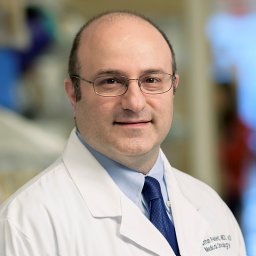 Peled Jonathan U合作论文数Department of Cell Biology, Albert Einstein College of Medicine26
 Miguel-Angel Perales合作论文数David H. Koch Center for Cancer Care, Memorial Sloan Kettering Cancer Center;Weill Cornell Medical College26Ross S. Firestone合作论文数24David Nemirovsky合作论文数24
 Stefan Schönland合作论文数University Hospital Heidelberg;UKHD24Sydney X. Lu合作论文数24
 Marcel Van Den Brink合作论文数City of Hope National Medical Center;City of Hope Cancer Center;DKMS Gemeinnützige GmbH23
 Giampaolo Merlini合作论文数Department of Molecular Medicine, University of Pavia23Eric L Smith合作论文数22
 Suzanne Lentzsch合作论文数22
 Parameswaran Hari合作论文数Department of Medicine, Medical College of Wisconsin;Clinical & Translational Science Institute, Medical College of Wisconsin;Froedtert Cancer Center, Medical College of Wisconsin21Marcelo C. Pasquini合作论文数Center for International Blood and Marrow Transplant Research, Medical College of Wisconsin21
 Ashutosh Wechalekar合作论文数University College London20
 Jeffrey Allerton合作论文数20Hoover Elizabeth合作论文数20




