IntroductionThe number of middle-aged adults living alone in South Korea is increasing, raising concerns about their physical, mental, and social health. This study explored their health concerns and perceived support needs.MethodsSemi-structured interviews were conducted with 12 adults aged 40-64 years living alone in urban and suburban areas. Purposive sampling ensured diverse experiences. Data were analyzed using deductive qualitative content analysis guided by the social-ecological model.ResultsFive themes emerged: (1) navigating aging with autonomy and avoidance, (2) seeking companionship for a healthier solitary life, (3) pursuing personal growth through community engagement, (4) recognizing the influence of residential environments, and (5) managing health through social safety nets. Participants valued independence but experienced disconnection from traditional support systems. They emphasized the importance of social relationships, supportive living environments, and the absence of caregivers as a key concern.ConclusionTailored multilevel strategies are needed to support healthy aging among middle-aged adults living alone, including strengthening social connections, addressing caregiving gaps, and improving community and residential support.
Purpose: To investigate the experiences and perceptions of traditional Korean nurses and utilize the findings for policy recommendations on how nurses can effectively practice nursing in traditional Korean hospital settings. Methods: Through purposive sampling, 12 nurses were recruited from a university-affiliated traditional Korean hospital in Seoul. Semi-structured face-to-face interviews were conducted with two focus groups between January and February 2018. Results: The results comprehensively demonstrated that traditional Korean nurses consistently struggle to build a professional self in practice environments with deficient structural support. This overarching phenomenon unfolded across three distinct yet causally interconnected themes: 1) the emotional tension between relational reward and caregiving burnout, 2) regulatory constraints and structurally reproduced unpreparedness, and 3) role erosion through institutional role ambiguity and structural exclusion. Conclusion: This study highlights nurses’ eagerness to deepen their traditional Korean nursing practice proficiency, underscoring the need for targeted interventions and comprehensive educational frameworks to address their professional challenges and aspirations.
Background/Objectives: To examine the associations between digital device-related interference and living alone with unmet healthcare needs and barrier types in a nationally representative sample of Korean adults. This study had a cross-sectional design. Methods: Data from the 2023 Korea Community Health Survey (n = 213,820) were analyzed. Weighted multivariable logistic regression analyses were used to examine the association between digital device-related interference and living alone with unmet healthcare needs. Among those with unmet healthcare needs, additional analyses examined the associations with reporting individual-level rather than external barriers. Results: Overall, 5.7% of adults reported unmet healthcare needs. Digital device-related interference was associated with higher odds of unmet healthcare needs (adjusted odds ratio [aOR] = 1.696, 95% confidence interval [CI]: 1.569-1.834), whereas digital non-use was not. Living alone was also associated with higher odds of unmet healthcare needs (aOR = 1.277, 95% CI: 1.171-1.392). Among those with unmet healthcare needs, digital interference was associated with higher odds of reporting individual-level barriers, whereas living alone was associated with lower odds. No significant interactions were observed. Conclusions: These findings suggest that unmet healthcare needs in highly digitized societies may arise through distinct behavioral and structural pathways. Therefore, public health strategies to improve healthcare access should address not only the structural barriers faced by individuals living alone but also functional disruptions related to digital device use. These findings should be interpreted in light of cross-sectional design and reliance on self-reported data.
Objective:Hypertension is a major contributor to premature mortality and global disease burden. Physical activity is a key non-pharmacological management strategy; however, adherence remains low. Health literacy may influence health behaviors, yet its association with physical activity among individuals with hypertension is unclear. This study examined the relationship between health literacy and physical activity guideline adherence in Korean adults with hypertension using nationally representative data. Methods:We conducted a secondary analysis of the 2023 Korea National Health and Nutrition Examination Survey using multistage stratified cluster sampling. Among 1420 adults with hypertension, health literacy was assessed with a 10-item scale, with scores ≥30 indicating adequacy. Physical activity adherence followed World Health Organization guidelines: at least 150 min of moderate, 75 min of vigorous activity, or an equivalent combination per week. Complex sample logistic regression analyses were performed, adjusting for sociodemographic, health, behavioral, and psychosocial covariates. Results:Adults with adequate health literacy had significantly higher odds of meeting recommended activity levels. Younger age, higher education, better self-rated health, and absence of activity restriction were also positively associated. Conclusions:Health literacy is a key determinant of physical activity in adults with hypertension. Enhancing health literacy may improve hypertension management.
This scoping review synthesizes evidence on the physical health, mental well-being, health behaviors, and overall quality of life of middle-aged adults living alone, highlighting its significance from a community health perspective. Recognizing the rapid growth of this demographic, this review evaluates the current research landscape, identifies critical gaps, and explores opportunities for targeted interventions. Following the JBI Scoping Review Guidelines, comprehensive searches were conducted in Ovid-Medline, Ovid-EMBASE, APA PsycInfo, and CINAHL Complete for studies published between 2000 and 2024 on middle-aged adults (45-64 years) living alone. Randomized and non-randomized trials and quantitative and qualitative studies were considered. Two reviewers independently screened titles and abstracts before performing full-text reviews of the articles. Data on study characteristics, participant profiles, and health-related outcomes were extracted. Of the 19,519 studies initially identified, 44 were included. The studies were categorized based on design, population characteristics, and health outcomes. The results indicate that middle-aged adults living alone experience poorer physical and mental health and engage in less favorable health behaviors than their counterparts in multi-person households. Key determinants, such as socioeconomic status, geographic location, and healthcare access, contribute to these disparities. These findings underscore the urgent need for community-based strategies to reduce social isolation, improve healthcare accessibility, and promote healthier lifestyles, thereby addressing the critical public health gaps faced by this vulnerable population.
ObjectivesThis study explored the experiences, challenges, and social dynamics of middle-aged individuals living alone in South Korea, compared with English-speaking individuals. From a public health perspective, this study examined cultural and generational factors influencing wellbeing.MethodsThis cross-sectional descriptive study used topic modeling with natural language processing to analyze YouTube video comments related to single-person households collected from 30 Korean and 88 English-language channels.ResultsDistinct cultural and generational differences emerged. Korean participants, particularly women, frequently expressed concerns about social stigma surrounding marriage and singlehood. English-speaking participants emphasized careers and personal independence. Themes included employment, financial security, travel, and food. Younger Koreans showed interest in leisure activities (mukbang, solo drinking). Older Koreans expressed concerns about economic stability and societal expectations.ConclusionUnderstanding the cultural and generational context of living alone is essential for developing public health strategies addressing social isolation, mental health, and health equity. Digital platforms function as alternative social spaces, offering insights into socially isolated individuals’ needs. Public health interventions should consider online engagement to support wellbeing and reduce health disparities in this population.
To determine the multifactorial influences that modulate adherence to diabetes management. We enrolled 9392 middle-aged adults with diabetes from the nationwide cross-sectional 2019 Korea Community Health Survey by the Korea Disease Control and Prevention Agency and stratified the cohort by four diabetes management types: none; therapeutic lifestyle-change only; medical therapy only; and therapeutic lifestyle change–medical therapy. Biological, psychological, contextual, and interpersonal predictors were used to characterize each pattern of diabetes management in the multivariable logistic regression model. The diabetes management type was associated with biological, psychological, contextual, and interpersonal predictors. Medical therapy was positively associated with sex, age, and diabetes duration and negatively associated with unfavorable psychological and interpersonal factors. Therapeutic lifestyle change among participants who were receiving medical therapy was associated with the patient’s age and diabetes duration, with similar associations as for receiving medical therapy, including the positive association with psychological factors, social participation, and contextual factors. It was higher in those who were living in an urban area, had higher education level, and were unemployed. Diabetes management constitutes a multifactorial behavioral outcome, rather than being attributable to any single factor, and each type of diabetes management was characterized by the contributions of different factors. The results suggest the need for a multidimensional approach to enhance diabetes management practice for individuals in different disease-progression stages and to improve the extent of adherence to diabetes management.
There has been a growing emphasis on data across various health-related fields, not just in nursing research, due to the increasing volume of unstructured data in electronic health records (EHRs). Natural Language Processing (NLP) provides a solution by transforming this unstructured data into structured formats, thereby facilitating valuable insights. This methodology paper explores the application of NLP in nursing, using an exemplar case study that analyzes YouTube data to investigate social phenomena among adults living alone. The methodology involves five steps: accessing data through YouTube’s API, data cleaning, preprocessing (tokenization, sentence segmentation, linguistic normalization), sentiment analysis using Python, and topic modeling. This study serves as a comprehensive guide for integrating NLP into nursing research, supplemented with digital content demonstrating each step. For successful implementation, nursing researchers must grasp the fundamental concepts and processes of NLP. The potential of NLP in nursing is significant, particularly in utilizing unstructured textual data from nursing documentation and social media. Its benefits include streamlining nursing documentation, enhancing patient communication, and improving data analysis.
This study aimed to identify frailty trajectories among older adults diagnosed with cancer, as well as the impacts of frailty trajectories on cognitive decline at an eight-year follow-up. We used longitudinal data from the Korean Longitudinal Study of Aging. A total of 173 older Korean cancer survivors were included in our analysis. Frailty and cognitive function were assessed using the multi-domain frailty index and the Korean version of the mini mental state examination, respectively. Latent class growth modeling and multivariate logistic regression were employed. Two distinct frailty trajectories were identified: "low and stable" (75.1%) and "moderate and increasing" (24.9%). Older cancer survivors in the "moderate and increasing" frailty group were 4.89 times more likely to experience cognitive decline at the eight-year follow-up than their counterparts in the "low and stable" frailty group. Periodic evaluation and timely management of frailty could contribute to preventing cognitive decline among older cancer survivors.
This study aimed to investigate quality of life (QoL) in middle-aged adults living alone and identify comprehensive biological, psychological, interpersonal, and contextual factors related to QoL using the dynamic biopsychosocial model. As a secondary analysis, this study used data from the 2017 Korea Community Health Survey conducted by the Korea Disease Control and Prevention Agency. Among the total 228,381 respondents, 10,639 middle-aged individuals aged 40–64 years from single-person households (5,036 men and 5,603 women) were included in the analysis. QoL was measured using the EuroQoL-5 Dimension (EQ-5D). The EQ-5D descriptive statistics were provided according to biological, psychological, interpersonal, and contextual factors. Considering the data structure of the multistage stratified cluster sampling method, a complex samples general linear model statistic was used to identify the predictors of QoL. QoL was lower in those who had undesirable psychological status (e.g., more depressive symptoms, poor subjective health, and higher perceived stress), less engagement in social networking (less frequent contact with friends and less frequent participation in social activities such as religious activities, friendship gathering, and leisure), and lower physical, behavioral, and socioeconomic factors. This study’s findings indicate that psychological and interpersonal factors should be addressed and prioritized to improve the QoL of middle-aged adults living alone. By providing many opportunities for easily accessible social activities that meet the needs and interests of this demographic, their QoL can be improved through strengthening social support.
Objective: To develop and evaluate the effects of an interactive coaching intervention, using a self-management mobile application, on quality of life and physical and psychological factors for colorectal cancer survivors. Methods: We developed a self-management mobile application providing social support services for post-treatment CRC survivors and evaluated its effects through baseline and post-intervention surveys. Using the biopsychosocial holistic model as the theoretical framework, automated interactive coaching technology was applied for six weeks to provide supportive services tailored for each user. To evaluate the effects of the application, self-efficacy, health practice index, depression, fear of cancer recurrence, and quality of life measures were administered to participants. A total of 34 men and 5 women were included in the analysis. Results: Participants' mean age were 54.10 years and 78% of them had been diagnosed within the last five years. There were significant increases in self-efficacy (z = 2.09, p = .04), health practice index (t = 2.35, p = .02), and quality of life (t = 2.03, p = .05). More specifically, the emotional functional score increased (z = 2.23, p = .03) while both of the total symptom score (t = 2.10, p = .04) and the fatigue symptom score (z = 2.54, p = .01) decreased after six weeks of using the mobile application. Conclusions: Interventions supporting colorectal cancer survivors' self-management are critical for addressing the challenges they face after treatment and improving their quality of life. Providing social support through mobile applications could be a good strategy in terms of usability and effectiveness.
BACKGROUND:Evaluating the needs of colorectal cancer survivors is critical for developing and providing effective supportive services; however, little is known about the specific needs of the survivors.OBJECTIVES:The aim of this study was to examine the types of social support that colorectal cancer survivors need at each treatment phase.METHODS:Data were extracted using text-mining analysis from posts on an online self-help group for colorectal cancer survivors in Korea from 2011 to 2020. Classification analysis was performed based on the frequency of terms posted, and word clouds were created.RESULTS:In the pretreatment phase, support for pain and diagnostic testing were needed. In the treatment phase, needing support for colorectal cancer treatment and managing subsequent adverse events were frequently mentioned. In the posttreatment phase, informational interventions providing information on adjusting to changes in bowel functions and preventing cancer recurrence were needed.CONCLUSIONS:There were differences in the types of social support and the number of words frequently used across phases of treatment, highlighting the need for phase-specific supportive interventions. The highest identified needs, including colorectal cancer treatment and adverse events in the treatment phase, suggest that colorectal cancer survivors need additional information about treatment within the healthcare system.IMPLICATIONS FOR PRACTICE:Colorectal cancer survivors have specific needs that vary by their treatment stage. Supportive services that reflect the needs of each treatment phase are needed to improve the physical and mental health and quality of life of colorectal cancer survivors.
This secondary analysis used data collected for the Korean Longitudinal Study of Aging from 2006 to 2018 to examine changes in life satisfaction among middle-aged adults living alone in South Korea. Individuals who were over 45 years of age, lived alone at the time of the first data collection wave, and responded at least twice to the survey over the 12-year study period were included in the final linear mixed model (N = 124). Life satisfaction increased for those who had increased assets, were widowed, and had more frequent contact with acquaintances (i.e., once a month and once a week compared with once a year). Life satisfaction decreased as the number of chronic illnesses increased for underweight individuals compared with normal weight or overweight individuals and for depressed versus non-depressed individuals. This study's findings indicate that increased social support is beneficial for middle-aged marginalized individuals, including those who are economically disadvantaged, have few social interactions, are underweight, and have chronic illnesses.
Objective:To improve the quality of life and health outcomes of an increasing number of colorectal cancer patients and their caregivers, the specific needs of both should be understood across the cancer treatment trajectory. This study attempted to identify the supportive needs of patients and caregivers during each treatment phase.Methods:Using text mining, posts from a South Korean internet self-help support group for colorectal cancer were classified by assigning labels to the terms extracted according to the poster, treatment phase, and support type. The extracted terms were then classified based on term frequency, with higher term frequency indicating higher need.Results:Both caregivers and patients showed the highest term frequencies during the treatment phase. Caregivers had more high-ranking terms that were ranked higher than patients, indicating high support needs. In addition, the terms regarding treatments and diseases were ranked high. In the pre-treatment phase, test-related needs were ranked higher for both caregivers and patients. Meanwhile, patients had more highly ranked terms in the post-treatment phase, showing their high need in this phase, especially terms related to post-treatment symptoms. Caregivers had higher term frequencies of food intake during the post-treatment phase.Conclusions:This study demonstrated that the needs of colorectal cancer patients and their caregivers were not always consistent in each treatment phase. Therefore, the needs of both patients and caregivers should be considered separately in each treatment phase and supportive interventions should be provided accordingly.
Background Little research has examined the moderating influence of posttraumatic growth (PTG) on the relationship between social support and quality of life. Objectives This study examined the relationship between social support and quality of life by the level of PTG in colorectal cancer patients with ostomies. Methods Using a cross-sectional design, colorectal cancer patients with ostomies (n = 140) were recruited using convenience sampling. The City of Hope Quality of Life–Ostomy, the Multidimensional Scale of Social Support, and the Posttraumatic Growth Inventory measured quality of life, social support, and PTG, respectively. Results Social support and PTG were positively related to psychological and social well-being. Higher social support was associated with better psychological and social well-being. Posttraumatic growth moderated the relationship between psychological and social well-being. At a low and moderate level of PTG, social support was more strongly associated with psychological and social well-being, whereas at high levels, this association was not significant. Conclusions Findings highlight the significance of social support to improve the quality of life for colorectal cancer patients with an ostomy, particularly those with low levels of PTG. Implications for Practice Screening for patients’ positive cognitive adaptations while living with an ostomy could identify those who might need further social support to improve their quality of life. Further, intensive social support programs might promote the quality of life for colorectal patients with an ostomy, which was found to be effective for those with low levels of PTG.
Background Physical activity (PA) has been shown to improve total mortality and colorectal-specific mortality risk; however, colorectal cancer (CRC) survivors have lower rates of PA compared with survivors with other types of cancers. Objective To examine the effect of PA interventions on CRC survivors. Methods A systematic review and meta-analysis were conducted to identify randomized controlled trials that met the inclusion criteria, which included an intervention designed to increase PA and more than 1 outcome of interest. Random effects of the meta-analyses were performed using Review Manager 5.3. Results Eight publications representing 7 randomized controlled trials of 803 participants were identified. All studies used a combination of behavioral change methods. Physical activity interventions significantly improved disease-specific quality of life, PA level, and maximum amount of oxygen and did not show significant improvements for fatigue and body mass index among CRC survivors. Conclusions We provided evidence that PA interventions were effective in improving disease-specific quality of life, PA level, and maximum amount of oxygen; however, they did not improve fatigue and body mass index. Further randomized controlled trials are needed to determine the optimal mode of delivering PA intervention for CRC survivors. Implications for Practice As the survival rate of patients with CRC increases, survivors of CRC need to increase PA in a community setting after completing primary treatments. Effective and efficient modes of PA intervention delivery could improve health-related outcomes and address specific barriers for CRC survivors.
This study examined gender differences in health behaviors for the risk of metabolic syndrome (MetS) among middle-aged adults using nationally representative data from the Seventh Korea National Health and Nutrition Examination Survey (2016–2018). The sample included data from 8677 middle-aged adults. The Health Practice Index measured health behaviors, including smoking, alcohol use, physical activity, sleeping, eating breakfast, working hours, nutritionally balanced diet, and mental stress. Complex sample multiple logistic regression analyses were conducted to determine the association between the Health Practice Index (HPI) and MetS. Men and women with poor or moderate HPI scores had significantly higher risks of having MetS than those with good HPI scores. Controlling for covariates, high-risk alcohol use (p < 0.001) and physical activity (p = 0.008) were associated with the risk of MetS in men and women, respectively. Men reporting alcohol use and women lacking a healthy diet were, respectively, 2.056 times (adjusted odds ratio (OR) = 2.056, 95% CI: 1.681–2.514) and 1.306 times (adjusted OR = 1.306, 95% CI: 1.075–1.587) more likely to have increased risks of MetS. Given these gender differences in health behaviors, developing tailored interventions could be beneficial in preventing MetS among middle-aged men and women.
This study examined the factors associated with triage competency among school nurses in South Korea. Using a convenience sampling method, 386 school nurses employed in elementary, middle, or high schools completed a cross-sectional survey that included a modified version of the Triage Competency Scale for emergency room nurses. Information regarding experience working in schools and hospitals, education level, school types, age, emergency nursing care certifications, school locations, and serious emergency experience at school was collected. Analyses were performed using SPSS version 25.0, independent t-tests, analyses of variance, Spearman's correlation, and ordinal logistic regression. Triage competency was higher for school nurses who were employed in metropolitan regions (odds ratio [OR] = 1.63, p = 0.017) and had serious emergency experience (OR = 1.76, p = 0.008). As the participants' experience at schools or hospitals increased by one year, their triage competency score increased by 2% (OR = 1.02, p = 0.037) and 14% (OR = 1.14, p < 0.001), respectively. These findings could be used to develop policies and educational programs that promote school nurses' triage competency. Further, they suggest the importance of establishing an organizational support system to develop guidelines and a feedback system to improve school nurses' triage competency.
Background: Intimate partner violence is a serious global social problem. While intimate partner violence is highly prevalent, few studies have examined its negative outcomes among victims in South Korea. The aim was to clarify the mediating roles of interpersonal dependency and anger on the relationship between intimate partner violence victimization and suicidal ideation. Methods: In this descriptive, cross-sectional study, 301 participants (203 women and 98 men) aged 18–65 yr completed an online questionnaire on a social networking site. Data were collected between Feb and Mar 2017 in South Korea. Structural equation modeling was used to test the fitness of the conceptual model of this study. Results: We found significant correlations between intimate partner violence victimization, interpersonal dependency, state-trait anger, and suicidal ideation. Intimate partner violence victimization influenced anger and suicidal ideation only when the victims had high interpersonal dependency. Conclusion: It is necessary to develop programs for reducing interpersonal dependency and improving anger management that are specifically targeted at intimate partner violence victims to prevent suicidal ideation.
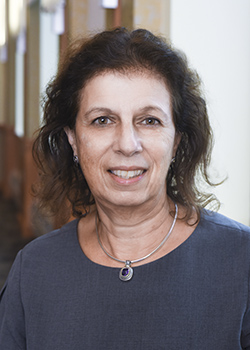 Erika Friedmann合作论文数School of Nursing, University of Maryland16
 Sue A. Thomas合作论文数13Jae Hee Yoon合作论文数9
 Hyerang Kim合作论文数Dept Nursing Sci, Howon Univ9
 Joohyun Chung合作论文数8Young-Hee Yom合作论文数5Son Youn Jung合作论文数4
 Deborah Chapa合作论文数4
 Youngmi Kang合作论文数4Hyeon-Joo Lee合作论文数3Jeewuan Kim合作论文数2Bimbola Akintade合作论文数2
 Youjin Jung合作论文数2Woltz Patricia C合作论文数2Suk Jeong Lee合作论文数2Tae-Hyun Paik合作论文数1Gi Yon Kim合作论文数1jae hee合作论文数1Karen McQuillan合作论文数1
 Donghoon Jeong合作论文数1Hee-Jin Kim合作论文数1S. H. Kim合作论文数1Dennis Hunt合作论文数1HyunHae Lee合作论文数1JaeHee Jeon合作论文数1Yoonju Lee合作论文数1Jeongmin Ha合作论文数1Ji-Su Kim合作论文数1Jeehee Han合作论文数1
 Sandra Mccune合作论文数1
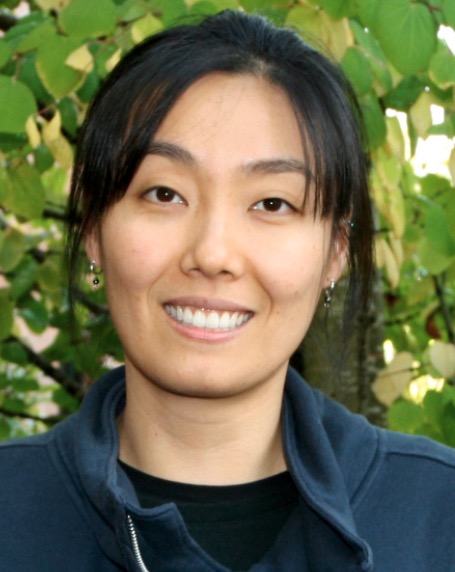 Jungmin Lee合作论文数Department of Food Science and Technology, College of Agricultural Sciences, Oregon State University1
 Robyn Gilden合作论文数1
 Hyun-Ju Seo合作论文数College of Nursing, Chungnam National University1
 Woo Eui-Jeon合作论文数Medical Proteomics Research Center, Korea Research Institute of Bioscience &amp;Biotechnology, Daejeon 305-806, Korea. ejwoo@kribb.re.kr.;Medical Proteomics Research Center, Korea Research Institute of Bioscience &amp; Biotechnology1Kim Sun-Hee合作论文数1Suhr J W合作论文数1Paul Hester合作论文数1Witherspoon Nsedu Obot合作论文数1
 Paul Thurman合作论文数1Hartung Mary Kay合作论文数1Chulhee Kim合作论文数Department of Earth Science Education, Chonbuk National University1
 Hwa-Jung Kim合作论文数Department of Microbiology and Medical Science, College of Medicine, Chungnam National University;Department of Materials Science and Engineering, Chungnam National University1
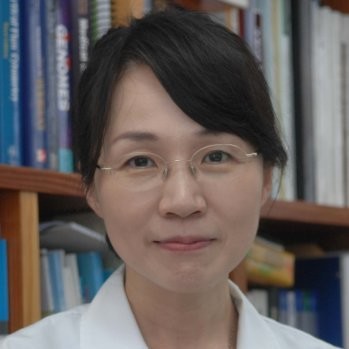 Eun-Kyeong Jo合作论文数Department of Microbiology, College of Medicine, Chungnam National University;Infection Signaling Network Research Center, School of Medicine, Chungnam National University1
 Chia-Chun Tsai合作论文数1
 Kwisoon Choe合作论文数Department of Nursing, Woosuk University1Chur Woo You合作论文数1Suck-Jun Kong合作论文数1
 Chang-Hwa Song合作论文数College of Medicine, Chungnam National University1Haing-Woon Baik合作论文数1




