The visual dubbing task aims to generate mouth movements synchronized with the driving audio, which has seen significant progress in recent years. However, two critical deficiencies hinder their wide application: (1) Audio-only driving paradigms inadequately capture speaker-specific lip habits, which fail to generate lip movements similar to the target avatar; (2) Conventional blind-inpainting approaches frequently produce visual artifacts when handling obstructions (e.g., microphones, hands), limiting practical deployment. In this paper, we propose StableDub, a novel and concise framework integrating lip-habit-aware modeling with occlusion-robust synthesis. Specifically, building upon the Stable-Diffusion backbone, we develop a lip-habit-modulated mechanism that jointly models phonemic audio-visual synchronization and speaker-specific orofacial dynamics. To achieve plausible lip geometries and object appearances under occlusion, we introduce the occlusion-aware training strategy by explicitly exposing the occlusion objects to the inpainting process. By incorporating the proposed designs, the model eliminates the necessity for cost-intensive priors in previous methods, thereby exhibiting superior training efficiency on the computationally intensive diffusion-based backbone. To further optimize training efficiency from the perspective of model architecture, we introduce a hybrid Mamba-Transformer architecture, which demonstrates the enhanced applicability in low-resource research scenarios. Extensive experimental results demonstrate that StableDub achieves superior performance in lip habit resemblance and occlusion robustness. Our method also surpasses other methods in audio-lip sync, video quality, and resolution consistency. We expand the applicability of visual dubbing methods from comprehensive aspects, and demo videos can be found at https://stabledub.github.io.
Knowledge Graphs (KGs) can serve as reliable knowledge sources for question answering (QA) due to their structured representation of knowledge. Existing research on the utilization of KG for large language models (LLMs) prevalently relies on subgraph retriever or iterative prompting, overlooking the potential synergy of LLMs' step-wise reasoning capabilities and KGs' structural nature. In this paper, we present DoG (Decoding on Graphs), a novel framework that facilitates a deep synergy between LLMs and KGs. We first define a concept, well-formed chain, which consists of a sequence of interrelated fact triplets on the KGs, starting from question entities and leading to answers. We argue that this concept can serve as a principle for making faithful and sound reasoning for KGQA. To enable LLMs to generate well-formed chains, we propose graph-aware constrained decoding, in which a constraint derived from the topology of the KG regulates the decoding process of the LLMs. This constrained decoding method ensures the generation of well-formed chains while making full use of the step-wise reasoning capabilities of LLMs. Based on the above, DoG, a training-free approach, is able to provide faithful and sound reasoning trajectories grounded on the KGs. Experiments across various KGQA tasks with different background KGs demonstrate that DoG achieves superior and robust performance. DoG also shows general applicability with various open-source LLMs.
Improving context faithfulness in large language models is essential for developing trustworthy retrieval augmented generation systems and mitigating hallucinations, especially in long-form question answering (LFQA) tasks or scenarios involving knowledge conflicts. Existing methods either intervene LLMs only at inference without addressing their inherent limitations or overlook the potential for self-improvement. In this paper, we introduce GenDiE (Generate, Discriminate, Evolve), a novel self-evolving framework that enhances context faithfulness through fine-grained sentence-level optimization. GenDiE combines both generative and discriminative training, equipping LLMs with self-generation and self-scoring capabilities to facilitate iterative self-evolution. This supports both data construction for model alignment and score-guided search during inference. Furthermore, by treating each sentence in a response as an independent optimization unit, GenDiE effectively addresses the limitations of previous approaches that optimize at the holistic answer level, which may miss unfaithful details. Experiments on ASQA (in-domain LFQA) and ConFiQA (out-of-domain counterfactual QA) datasets demonstrate that GenDiE surpasses various baselines in both faithfulness and correctness, and exhibits robust performance for domain adaptation.
Robust evaluation is critical for deploying trustworthy retrieval-augmented generation (RAG) systems. However, current LLM-based evaluation frameworks predominantly rely on directly prompting resource-intensive models with complex multi-stage prompts, underutilizing models' reasoning capabilities and introducing significant computational cost. In this paper, we present RAG-Zeval (RAG-Zero Evaluator), a novel end-to-end framework that formulates faithfulness and correctness evaluation as a rule-guided reasoning task. Our approach trains evaluators with reinforcement learning, facilitating compact models to generate comprehensive and sound assessments with detailed explanation in one-pass. We introduce a ranking-based outcome reward mechanism, using preference judgments rather than absolute scores, to address the challenge of obtaining precise pointwise reward signals. To this end, we synthesize the ranking references by generating quality-controlled responses with zero human annotation. Experiments demonstrate RAG-Zeval's superior performance, achieving the strongest correlation with human judgments and outperforming baselines that rely on LLMs with 10-100 times more parameters. Our approach also exhibits superior interpretability in response evaluation.
With the rise of Speech Large Language Models (SpeechLLMs), two dominant approaches have emerged for speech processing: discrete tokens and continuous features. Each approach has demonstrated strong capabilities in audio-related processing tasks. However, the performance gap between these two paradigms has not been thoroughly explored. To address this gap, we present a fair comparison of self-supervised learning (SSL)-based discrete and continuous features under the same experimental settings. We evaluate their performance across six spoken language understanding-related tasks using both small and large-scale LLMs (Qwen1.5-0.5B and Llama3.1-8B). We further conduct in-depth analyses, including efficient comparison, SSL layer analysis, LLM layer analysis, and robustness comparison. Our findings reveal that continuous features generally outperform discrete tokens in various tasks. Each speech processing method exhibits distinct characteristics and patterns in how it learns and processes speech information. We hope our results will provide valuable insights to advance spoken language understanding in SpeechLLMs.
Large language models (LLMs) often struggle to provide up-to-date information due to their one-time training and the constantly evolving nature of the world. To keep LLMs current, existing approaches typically involve continued pre-training on new documents. However, they frequently face difficulties in extracting stored knowledge. Motivated by the remarkable success of the Feynman Technique in efficient human learning, we introduce Self-Tuning, a learning framework aimed at improving an LLM's ability to effectively acquire new knowledge from unseen raw documents through self-teaching. Specifically, we develop a Self-Teaching strategy that augments the documents with a set of knowledge-intensive tasks created in a self-supervised manner, focusing on three crucial aspects: memorization, comprehension, and self-reflection. Additionally, we introduce three Wiki-Newpages-2023-QA datasets to facilitate an in-depth analysis of an LLM's knowledge acquisition ability concerning memorization, extraction, and reasoning. Extensive experimental results on various models, e.g., Llama2-7B reveal that Self-Tuning consistently exhibits superior performance across all knowledge acquisition tasks and excels in preserving previous knowledge.
Dysarthric speech reconstruction (DSR) aims to convert dysarthric speech into comprehensible speech while maintaining the speaker's identity. Despite significant advancements, existing methods often struggle with low speech intelligibility and poor speaker similarity. In this study, we introduce a novel diffusion-based DSR system that leverages a latent diffusion model to enhance the quality of speech reconstruction. Our model comprises: (i) a speech content encoder for phoneme embedding restoration via pre-trained self-supervised learning (SSL) speech foundation models; (ii) a speaker identity encoder for speaker-aware identity preservation by in-context learning mechanism; (iii) a diffusion-based speech generator to reconstruct the speech based on the restored phoneme embedding and preserved speaker identity. Through evaluations on the widely-used UASpeech corpus, our proposed model shows notable enhancements in speech intelligibility and speaker similarity.
This paper proposes a novel semi-supervised TTS framework, QS-TTS, to improve TTS quality with lower supervised data requirements via Vector-Quantized Self-Supervised Speech Representation Learning (VQ-S3RL) utilizing more unlabeled speech audio. This framework comprises two VQ-S3R learners: first, the principal learner aims to provide a generative Multi-Stage Multi-Codebook (MSMC) VQ-S3R via the MSMC-VQ-GAN combined with the contrastive S3RL, while decoding it back to the high-quality audio; then, the associate learner further abstracts the MSMC representation into a highly-compact VQ representation through a VQ-VAE. These two generative VQ-S3R learners provide profitable speech representations and pre-trained models for TTS, significantly improving synthesis quality with the lower requirement for supervised data. QS-TTS is evaluated comprehensively under various scenarios via subjective and objective tests in experiments. The results powerfully demonstrate the superior performance of QS-TTS, winning the highest MOS over supervised or semi-supervised baseline TTS approaches, especially in low-resource scenarios. Moreover, comparing various speech representations and transfer learning methods in TTS further validates the notable improvement of the proposed VQ-S3RL to TTS, showing the best audio quality and intelligibility metrics. The trend of slower decay in the synthesis quality of QS-TTS with decreasing supervised data further highlights its lower requirements for supervised data, indicating its great potential in low-resource scenarios.
We present MELLE, a novel continuous-valued token based language modeling approach for text-to-speech synthesis (TTS). MELLE autoregressively generates continuous mel-spectrogram frames directly from text condition, bypassing the need for vector quantization, which is typically designed for audio compression and sacrifices fidelity compared to continuous representations. Specifically, (i) instead of cross-entropy loss, we apply regression loss with a proposed spectrogram flux loss function to model the probability distribution of the continuous-valued tokens; (ii) we have incorporated variational inference into MELLE to facilitate sampling mechanisms, thereby enhancing the output diversity and model robustness. Experiments demonstrate that, compared to the two-stage codec language model VALL-E and its variants, the single-stage MELLE mitigates robustness issues by avoiding the inherent flaws of sampling vector-quantized codes, achieves superior performance across multiple metrics, and, most importantly, offers a more streamlined paradigm. The demos of our work are provided at https://aka.ms/melle.
In addition to conventional text-to-speech (TTS) systems, conversational TTS systems need to infer the appropriate speaking style on the basis of the current conversational scenario and the dependencies within the context. These dependencies specifically include the interrelationships among speakers as well as the multimodal information present in the context at both the global scale (i.e., the utterance level) and the local scale (i.e., the word level). However, current context modeling techniques in conversational TTS focus only on global-scale modeling of textual information, disregarding the modeling of speaker dependencies and other fine-grained and multimodal features in context. In this paper, we propose several context modeling techniques to enhance context modeling and the inference of speaking styles in conversational TTS. We propose approaches inspired by DialogueRNN and DialogueGCN to capture inter- and intraspeaker dependencies through textual and acoustic features in conversations. We further propose an approach based on a multiscale relational graph convolutional network (MSRGCN) to learn the fine-grained dependencies at the local scale. The experimental results demonstrate the effectiveness of our proposed context modeling techniques compared with traditional methods in conversational TTS systems. The contributions of modeling multimodal information and multiscale dependencies are further demonstrated in ablation studies.
Contrastive learning across various augmentations of the same utterance can enhance speaker representations' ability to distinguish new speakers. This paper introduces a supervised contrastive learning objective that optimizes a speaker embedding space using label information from training data. Besides augmenting different segments of an utterance to form a positive pair, our approach generates multiple positive pairs by augmenting various utterances from the same speaker. However, employing contrastive learning for speaker verification (SV) presents two challenges: (1) softmax loss is ineffective in reducing intra-class variation, and (2) previous research has shown that contrastive learning can share information across the augmented views of an object but could discard task-relevant nonshared information, suggesting that it is essential to keep nonshared speaker information across the augmented views when constructing a speaker representation space. To overcome the first challenge, we incorporate an additive angular margin in the contrastive loss. For the second challenge, we maximize the mutual information (MI) between the squeezed low-level features and speaker representations to extract the nonshared information. Evaluations on VoxCeleb, CN-Celeb, and CU-MARVEL validate that our new learning objective enables ECAPA-TDNN to identify an embedding space that exhibits robust speaker discrimination.
Early detection of neurocognitive disorders (NCDs) is crucial for timely intervention and disease management. Given that language impairments manifest early in NCD progression, visual-stimulated narrative (VSN)-based analysis offers a promising avenue for NCD detection. Current VSN-based NCD detection methods primarily focus on linguistic microstructures (e.g., lexical diversity) that are closely tied to bottom-up, stimulus-driven cognitive processes. While these features illuminate basic language abilities, the higher-order linguistic macrostructures (e.g., topic development) that may reflect top-down, concept-driven cognitive abilities remain underexplored. These macrostructural patterns are crucial for NCD detection, yet challenging to quantify due to their abstract and complex nature. To bridge this gap, we propose two novel macrostructural approaches: (1) a Dynamic Topic Model (DTM) to track topic evolution over time, and (2) a Text-Image Temporal Alignment Network (TITAN) to measure cross-modal consistency between narrative and visual stimuli. Experimental results show the effectiveness of the proposed approaches in NCD detection, with TITAN achieving superior performance across three corpora: ADReSS (F1=0.8889), ADReSSo (F1=0.8504), and CU-MARVEL-RABBIT (F1=0.7238). Feature contribution analysis reveals that macrostructural features (e.g., topic variability, topic change rate, and topic consistency) constitute the most significant contributors to the model's decision pathways, outperforming the investigated microstructural features. These findings underscore the value of macrostructural analysis for understanding linguistic-cognitive interactions associated with NCDs.
Disentangled speech representation learning for speaker verification aims to separate spoken content and speaker timbre into distinct representations. However, existing variational autoencoder (VAE)-based methods for speech disentanglement rely on latent variables that lack semantic meaning, limiting their effectiveness for speaker verification. To address this limitation, we propose a diffusion-based method that disentangles and separates speaker features and speech content in the latent space. Building upon the VAE framework, we employ a speaker encoder to learn latent variables representing speaker features while using frame-specific latent variables to capture content. Unlike previous sequential VAE approaches, our method utilizes a conditional diffusion model in the latent space to derive speaker-aware representations. Experiments on the VoxCeleb and CN-Celeb datasets demonstrate that our method effectively isolates speaker features from speech content using pre-trained speech representations. The learned embeddings are robust to language mismatches since the speaker embeddings become content-invariant after content removal. Additionally, we design contrastive learning experiments showing that our training objective can enhance the learning of speaker-discriminative embeddings without relying on classification-based loss.
In this study, we propose a simple and efficient Non-Autoregressive (NAR) text-to-speech (TTS) system based on diffusion, named SimpleSpeech. Its simpleness shows in three aspects: (1) It can be trained on the speech-only dataset, without any alignment information; (2) It directly takes plain text as input and generates speech through an NAR way; (3) It tries to model speech in a finite and compact latent space, which alleviates the modeling difficulty of diffusion. More specifically, we propose a novel speech codec model (SQ-Codec) with scalar quantization, SQ-Codec effectively maps the complex speech signal into a finite and compact latent space, named scalar latent space. Benefits from SQ-Codec, we apply a novel transformer diffusion model in the scalar latent space of SQ-Codec. We train SimpleSpeech on 4k hours of a speech-only dataset, it shows natural prosody and voice cloning ability. Compared with previous large-scale TTS models, it presents significant speech quality and generation speed improvement. Demos are released.
Fine-tuning a pre-trained Transformer model (PTM) for speech applications in a parameter-efficient manner offers the dual benefits of reducing memory and leveraging the rich feature representations in massive unlabeled datasets. However, existing parameter-efficient fine-tuning approaches either adapt the classification head or the whole PTM. The former is unsuitable when the PTM is used as a feature extractor, and the latter does not leverage the different degrees of feature abstraction at different Transformer layers. We propose two solutions to address these limitations. First, we apply speaker prompt tuning to update the task-specific embeddings of a PTM. The tuning enhances speaker feature relevance in the speaker embeddings through the cross-attention between prompt and speaker features. Second, we insert adapter blocks into the Transformer encoders and their outputs. This novel arrangement enables the fine-tuned PTM to determine the most suitable layers to extract relevant information for the downstream task. Extensive speaker verification experiments on Voxceleb and CU-MARVEL demonstrate higher parameter efficiency and better model adaptability of the proposed methods than the existing ones.
Functional magnetic resonance imaging (fMRI) is essential for developing encoding models that identify functional changes in language-related brain areas of individuals with Neurocognitive Disorders (NCD). While large language model (LLM)-based fMRI encoding has shown promise, existing studies predominantly focus on healthy, young adults, overlooking older NCD populations and cognitive level correlations. This paper explores language-related functional changes in older NCD adults using LLM-based fMRI encoding and brain scores, addressing current limitations. We analyze the correlation between brain scores and cognitive scores at both whole-brain and language-related ROI levels. Our findings reveal that higher cognitive abilities correspond to better brain scores, with correlations peaking in the middle temporal gyrus. This study highlights the potential of fMRI encoding models and brain scores for detecting early functional changes in NCD patients.
The long speech sequence has been troubling language models (LM) based TTS approaches in terms of modeling complexity and efficiency. This work proposes SoCodec, a semantic-ordered multi-stream speech codec, to address this issue. It compresses speech into a shorter, multi-stream discrete semantic sequence with multiple tokens at each frame. Meanwhile, the ordered product quantization is proposed to constrain this sequence into an ordered representation. It can be applied with a multi-stream delayed LM to achieve better autoregressive generation along both time and stream axes in TTS. The experimental result strongly demonstrates the effectiveness of the proposed approach, achieving superior performance over baseline systems even if compressing the frameshift of speech from 20 ms to 240 ms (12 x). The ablation studies further validate the importance of learning the proposed ordered multi-stream semantic representation in pursuing shorter speech sequences for efficient LM-based TTS.
We propose an ontology-grounded approach to Knowledge Graph (KG) construction using Large Language Models (LLMs) on a knowledge base. An ontology is authored by generating Competency Questions (CQ) on knowledge base to discover knowledge scope, extracting relations from CQs, and attempt to replace equivalent relations by their counterpart in Wikidata. To ensure consistency and interpretability in the resulting KG, we ground generation of KG with the authored ontology based on extracted relations. Evaluation on benchmark datasets demonstrates competitive performance in knowledge graph construction task. Our work presents a promising direction for scalable KG construction pipeline with minimal human intervention, that yields high quality and human-interpretable KGs, which are interoperable with Wikidata semantics for potential knowledge base expansion.
Zero-shot text-to-speech (TTS) synthesis aims to clone any unseen speaker's voice without adaptation parameters. By quantizing speech waveform into discrete acoustic tokens and modeling these tokens with the language model, recent language model-based TTS models show zero-shot speaker adaptation capabilities with only a 3-second acoustic prompt of an unseen speaker. However, they are limited by the length of the acoustic prompt, which makes it difficult to clone personal speaking style. In this paper, we propose a novel zero-shot TTS model with the multi-scale acoustic prompts based on a neural codec language model VALL-E. A speaker-aware text encoder is proposed to learn the personal speaking style at the phoneme-level from the style prompt consisting of multiple sentences. Following that, a VALL-E based acoustic decoder is utilized to model the timbre from the timbre prompt at the frame-level and generate speech. The experimental results show that our proposed method outperforms baselines in terms of naturalness and speaker similarity, and can achieve better performance by scaling out to a longer style prompt.
Multi-talker speech recognition and target-talker speech recognition, both involve transcription in multi-talker contexts, remain significant challenges. However, existing methods rarely attempt to simultaneously address both tasks. In this study, we propose a pioneering approach to empower Whisper, which is a speech foundation model, to tackle joint multi-talker and target-talker speech recognition tasks. Specifically, (i) we freeze Whisper and plug a Sidecar separator into its encoder to separate mixed embedding for multiple talkers; (ii) a Target Talker Identifier is introduced to identify the embedding flow of the target talker on the fly, requiring only three-second enrollment speech as a cue; (iii) soft prompt tuning for decoder is explored for better task adaptation. Our method outperforms previous methods on two- and three-talker LibriMix and LibriSpeechMix datasets for both tasks, and delivers acceptable zero-shot performance on multi-talker ASR on AishellMix Mandarin dataset.
 Zhiyong Wu (吴志勇)合作论文数Shenzhen International Graduate School, Tsinghua University106
 Xixin Wu (吳錫欣)合作论文数65
 Xunying Liu (刘循英)合作论文数Department of Systems Engineering and Engineering Management, The Faculty of Engineering, The Chinese University of Hong Kong46
 Shiyin Kang合作论文数Beijing Kunlun Tech Co Ltd39
 Kun Li合作论文数22
 Lianhong Cai (蔡莲红)合作论文数Department of Computer Science and Technology, Tsinghua University22
 Shoukang Hu合作论文数Sony Research18Wai-Kit Lo合作论文数18
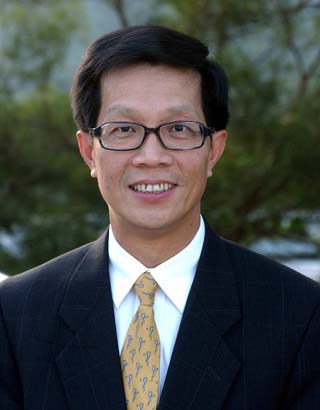 Pak-Chung Ching (程伯中)合作论文数Department of Electronic Engineering,The Chinese University of Hong Kong17
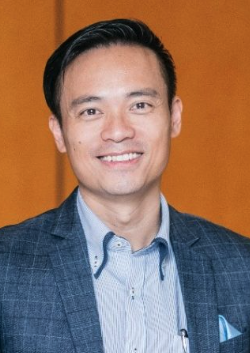 Kelvin Kam-Fai Tsoi (蔡錦輝)合作论文数The Jockey Club School of Public Health and Primary Care, Faculty of Medicine, The Chinese University of Hong Kong;Stanley Ho Big Data Decision Analytics Research Centre, The Chinese University of Hong Kong;The Jockey Club Institute of Ageing, The University of Chinese University14Runnan Li (李润楠)合作论文数13
 Ka Ho Wong合作论文数13
 Man-Wai Mak (麥文偉)合作论文数Department of Electronic and Information Engineering, Faculty of Engineering, The Hong Kong Polytechnic University13
 Dan Su合作论文数Tencent AI Lab13
 Jianwei Yu (余建伟)合作论文数Shenzhen Universtiy13
 Shun Lei合作论文数Shenzhen International Graduate School, Tsinghua University;Tencent AI Lab12
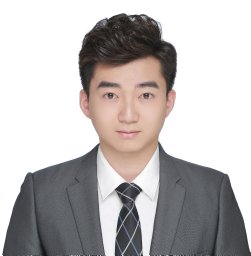 Changhe Song合作论文数12
 Yixuan Zhou合作论文数12
 Yong-Hong Kuo合作论文数Department of Industrial and Manufacturing Systems Engineering, Faculty of Engineering, The University of Hong Kong11
 Lifa Sun合作论文数SpeechX Ltd.11
 Mengzhe Geng合作论文数National Research Council Canada10
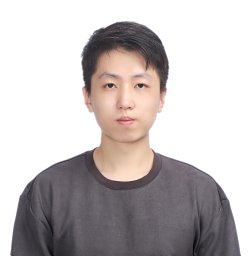 Shansong Liu合作论文数The Chinese University of Hong Kong10
 Xurong Xie (谢旭荣)合作论文数Institute of Software, Chinese Academy of Sciences;University of Chinese Academy of Sciences10Wai-Kim Leung合作论文数9
 Xueyuan Chen合作论文数9
 Haohan Guo合作论文数School of Computer Science, Northwestern Polytechnical University9
 Jiawen Kang合作论文数Human-Computer Communications Laboratory, Chinese University of Hong Kong9Jingbei Li合作论文数9
 Jun Chen (陈鋆)合作论文数Shenzhen International Graduate School, Tsinghua University8
 Liyang Chen合作论文数8
 Xu Li (李旭)合作论文数School of Instrument Science and Engineering, Southeast University8
 Dong Yu (俞栋)合作论文数Tencent AI Lab8Xiaojun Qian合作论文数8
 Wai Lam (林偉)合作论文数Department of Systems Engineering and Engineering Management, The Chinese University of Hong Kong8Deyi Tuo合作论文数Tencent AI Lab, Shenzhen, Peoples R China7
 Jingyan Zhou合作论文数Chinese University of Hong Kong7Hao Wang合作论文数7
 Max W. Y. Lam合作论文数TikTok7
 Frank K. Soong合作论文数Microsoft Research Asia7Tien-Ying Fung合作论文数7Tianhua Zhang合作论文数The Chinese University of Hong Kong6Felix C. H. Chan合作论文数6Boshi Tang合作论文数6Xiaoquan Ke合作论文数6
 Lingwei Meng合作论文数Univ Chinese Acad Sci, Sch Artificial Intelligence, Beijing 100049, Peoples R China6
 Mingyu Cui合作论文数Chinese Univ Hong Kong, Hong Kong 999077, Peoples R China6
 Dongchao Yang合作论文数The Chinese University of Hongkong6Disong Wang合作论文数6Yishuang Ning合作论文数6




