Noninvasive brain stimulation (NIBS) treatments have gained considerable attention as potential therapeutic intervention for psychiatric disorders. The identification of reliable biomarkers for predicting clinical response to NIBS has been a major focus of research in recent years. Neuroimaging techniques, such as electroencephalography (EEG) and functional magnetic resonance imaging (MRI), have been used to identify potential biomarkers that could predict response to NIBS. However, identifying clinically actionable brain biomarkers requires robustness. In this systematic review, we aimed to summarize the current state of brain biomarker research for NIBS in depression, focusing only on well-powered studies (N ≥ 88) and/or studies that aimed at independently replicating previous findings, either successfully or unsuccessfully. A total of 220 studies were initially identified, of which 18 MRI studies and 18 EEG studies met the inclusion criteria. All focused on repetitive transcranial magnetic stimulation treatment in depression. After reviewing the included studies, we found the following MRI and EEG biomarkers to be most robust: 1) functional MRI-based functional connectivity between the dorsolateral prefrontal cortex and subgenual anterior cingulate cortex, 2) functional MRI-based network connectivity, 3) task-induced EEG frontal-midline theta, and 4) EEG individual alpha frequency. Future prospective studies should further investigate the clinical actionability of these specific EEG and MRI biomarkers to bring biomarkers closer to clinical reality.
The frequently reported high theta/beta ratio (TBR) in the electroencephalograms (EEGs) of children with attention-deficit/hyperactivity disorder (ADHD) has been suggested to include at least two distinct neurophysiological subgroups, a subgroup with high TBR and one with slow alpha peak frequency, overlapping the theta range. We combined three large ADHD cohorts recorded under standardized procedures and used a meta-analytical approach to leverage the large sample size (N = 417; age range: 6–18 years), classify these EEG subtypes and investigate their behavioral correlates to clarify their brain-behavior relationships. To control for the fact that slow alpha might contribute to theta power, three distinct EEG subgroups (non-slow-alpha TBR (NSAT) subgroup, slow alpha peak frequency (SAF) subgroup, not applicable (NA) subgroup) were determined, based on a halfway cut-off in age- and sex-normalized theta and alpha, informed by previous literature. For the meta-analysis, Cohen's d was calculated to assess the differences between EEG subgroups for baseline effects, using means and standard deviations of baseline inattention and hyperactivity-impulsivity scores. Non-significant, small Grand Mean effect sizes (-0.212 < d < 0.218) were obtained when comparing baseline behavioral scores between the EEG subgroups. This study could not confirm any association of EEG subtype with behavioral traits. This confirms previous findings suggesting that TBR has no diagnostic value for ADHD. TBR could, however, serve as an aid to stratify patients between neurofeedback protocols based on baseline TBR. A free online tool was made available for clinicians to calculate age- and sex-corrected TBR decile scores (Brainmarker-IV) for stratification of neurofeedback protocols.
Background and objective: Repetitive transcranial magnetic stimulation (rTMS) is a safe and effective treatment for major depressive disorder (MDD); however, this treatment currently lacks reliable biomarkers of treatment response. TMS-evoked potentials (TEPs), measured using TMS-electroencephalography (TMS-EEG), have been suggested as potential biomarker candidates, with the N100 peak being one of the most promising. This study investigated the association between baseline N100 amplitude and 1 Hz right dorsolateral prefrontal cortex (RDLPFC) accelerated rTMS (arTMS) treatment in MDD. Methods: Baseline TMS-EEG sessions were performed for 23 MDD patients. All patients then underwent 40 sessions of 1 Hz R-DLPFC (F4) arTMS over 5 days and a follow-up TMS-EEG session one week after the end of theses arTMS sessions. Results: Baseline N100 amplitude at F4 showed a strong positive association (p p < .001) with treatment outcome. The association between the change in N100 amplitude (baseline to follow-up) and treatment outcome did not remain significant after Bonferroni correction (p p = .06, corrected; p = .03, uncorrected). Furthermore, treatment responders had a significantly larger mean baseline F4 TEP amplitude during the N100 time frame compared to non-responders (p p < .001). Topographically, after Bonferroni correction, F4 is the only electrode at which its baseline N100 amplitude showed a significant positive association (p < .001) with treatment outcome. Limitations: Lack of control group and auditory masking. Conclusion: Baseline N100 amplitude showed a strong association with treatment outcome and thus demonstrated great potential to be utilized as a cost-effective and widely adoptable biomarker of rTMS treatment in MDD.
Both 10 Hz repetitive transcranial magnetic stimulation (rTMS) as well as 18 Hz deep TMS (dTMS) constitute effective, FDA-approved TMS treatment protocols for depression. However, not all patients experience sufficient symptom relief after either of these protocols. Biomarker-guided treatment stratification could aid in personalizing treatment and thereby enhancing improvement. An individual alpha frequency (iAF)-based EEG-biomarker, Brainmarker-I, can differentially stratify patients to depression treatments. For instance, an iAF close to 10 Hz was associated with better improvement to 10 Hz rTMS, possibly reflecting entrainment of endogenous oscillations to the stimulation frequency. Accordingly, we examined whether 18 Hz dTMS would result in better improvement in individuals whose iAF lies around 9 Hz, a harmonic frequency of 18 Hz. Curve fitting and regression analyses were conducted to assess the relation between iAF and improvement. For treatment stratification purposes, correlations with iAF-distance to 10 Hz compared 18 Hz dTMS (N = 114) to 10 Hz rTMS (N = 72). We found a robust quadratic effect, indicating that patients with an iAF around 9 Hz exhibited least symptom improvement (r2=0.126, p<.001). Improvement correlated positively with iAF-distance to 10 Hz (p=.003). A secondary analysis in 20 Hz figure-of-eight data confirmed this direction. A significant interaction of iAF-distance and stimulation frequency between 10 and 18 Hz datasets emerged (p=.026). These results question entrainment of endogenous oscillations by their harmonic frequency for 18 Hz, and suggest that 10 Hz and 18 Hz TMS target different subgroups of depression patients. This study adds to iAF stratification, augmenting Brainmarker-I with alternative TMS protocols (18 Hz/20 Hz) for patients with a slower iAF, thereby broadening clinical applicability and relevance of the biomarker.
Background and objective: High frequency (HF) left dorsolateral prefrontal cortex (L-DLPFC) rTMS has been reported to induce mild, transient bradycardia in patients with major depressive disorder (MDD), measured using electrocardiography (ECG). Low frequency (LF) rTMS has distinct advantages compared to HF rTMS and our previous investigation of a similar design suggested that heart rate (HR) may have biomarker potential for LF rTMS in MDD patients. Our previous study supported the utilization of HR biomarkers for LF-rTMS in MDD and thus this exploratory replication study aims to further investigate, in a different cohort and with a different coil, the effect of 1Hz right hemisphere (R)-DLPFC rTMS on the HR of MDD patients, as well as the potential of using HR as a simple, scalable biomarker to predict rTMS treatment response. Methods: 24 participants underwent 30 sessions of accelerated 1Hz R-DLPFC rTMS within 7 days after the baseline ECG session, followed by 20-25 once-a-day sessions 7 days after. The Beck Depression Inventory-II score was used as the primary outcome measure. Results: HR significantly decreased during the first 3 min of the rTMS period. Resting HR, HR during rTMS, and the degree of HR reduction were not significantly associated with treatment outcome. Conclusion: The results of the current study remain in concordance in trend with that of our previous study despite the use of a less accurate rTMS coil. Therefore, this study further supports the biomarker potential of HR for LF-rTMS in MDD patients.
Biomarkers predicting treatment outcome in major depressive disorder could enhance clinical improvement. Here this observational and prospective accuracy study investigates whether an age- and sex-normalized electroencephalography biomarker, based on the individual alpha frequency (iAF), can successfully stratify patients to different interventions such as repetitive transcranial magnetic stimulation (rTMS) and electroconvulsive therapy (ECT). Differential iAF directions were explored for sertraline, as well as rTMS ( N = 196) and ECT ( N = 41). A blinded out-of-sample validation (EMBARC; N = 240) replicated the previously found association between low iAF and better sertraline response. The subgroup of patients with an iAF around 10 Hz had a higher remission rate following 10 Hz rTMS compared with the group level, while the high-iAF subgroup had highest remission to 1 Hz rTMS and the low-iAF subgroup to ECT. Blinded out-of-sample validations for 1 Hz ( N = 39) and ECT ( N = 51) corroborated these findings. The present study suggests a clinically actionable electroencephalography biomarker that can successfully stratify between various antidepressant treatments.
Major depressive disorder (MDD) is a highly prevalent psychiatric disorder, but chances for remission largely decrease with each failed treatment attempt. It is therefore desirable to assign a given patient to the most promising individual treatment option as early as possible. We used a polygenic score (PGS) informed electroencephalography (EEG) data-driven approach to identify potential predictors for MDD treatment outcome. Post-hoc we conducted exploratory analyses in order to understand the results in depth. First, an EEG independent component analysis produced 54 functional brain networks in a large heterogeneous cohort of psychiatric patients (n = 4,045; 5-84 yrs.). Next, the network that was associated to PGS for antidepressant-response (PRS-AR) in an independent sample (n = 722) was selected: an age-related posterior alpha network that explained >60 % of EEG variance, and was highly stable over recording time. Translational analyses were performed in two other independent datasets to examine if the network was predictive of psychopharmacotherapy (n = 535) and/or repetitive transcranial magnetic stimulation (rTMS) and concomitant psychotherapy (PT; n = 186) outcome. The network predicted remission to venlafaxine (p = 0.015), resulting in a normalized positive predicted value (nPPV) of 138 %, and rTMS + PT - but in opposite direction for women (p = 0.002) relative to men (p = 0.018) - yielding a nPPV of 131 %. Blinded out-of-sample validations for venlafaxine (n = 29) and rTMS + PT (n = 36) confirmed the findings for venlafaxine, while results for rTMS + PT could not be replicated. These data suggest the existence of a relatively stable EEG posterior alpha aging network related to PGS-AR that has potential as MDD treatment predictor.
BACKGROUND:Attention-deficit/hyperactivity disorder is characterized by neurobiological heterogeneity, possibly explaining why not all patients benefit from a given treatment. As a means to select the right treatment (stratification), biomarkers may aid in personalizing treatment prescription, thereby increasing remission rates.METHODS:The biomarker in this study was developed in a heterogeneous clinical sample (N = 4249) and first applied to two large transfer datasets, a priori stratifying young males (<18 years) with a higher individual alpha peak frequency (iAPF) to methylphenidate (N = 336) and those with a lower iAPF to multimodal neurofeedback complemented with sleep coaching (N = 136). Blinded, out-of-sample validations were conducted in two independent samples. In addition, the association between iAPF and response to guanfacine and atomoxetine was explored.RESULTS:Retrospective stratification in the transfer datasets resulted in a predicted gain in normalized remission of 17% to 30%. Blinded out-of-sample validations for methylphenidate (n = 41) and multimodal neurofeedback (n = 71) corroborated these findings, yielding a predicted gain in stratified normalized remission of 36% and 29%, respectively.CONCLUSIONS:This study introduces a clinically interpretable and actionable biomarker based on the iAPF assessed during resting-state electroencephalography. Our findings suggest that acknowledging neurobiological heterogeneity can inform stratification of patients to their individual best treatment and enhance remission rates.
Background and objectiveRepetitive transcranial magnetic stimulation (rTMS) is an effective and safe treatment for major depressive disorder (MDD). rTMS is in need of a reliable biomarker of treatment response. High frequency (HF) dorsolateral prefrontal cortex (DLPFC) rTMS has been reported to induce significant changes in the cardiac activity of MDD patients. Low frequency DLPFC rTMS has many advantages over HF-DLPFC rTMS and thus this study aims to further investigate the effect of low frequency 1 Hz right hemisphere (R)-DLPFC rTMS on the cardiac activity of MDD patients, as well as the potential of using electrocardiogram (ECG) parameters as biomarkers of treatment outcome.MethodsBaseline ECG sessions were performed for 19 MDD patients. All patients then underwent 40 sessions of accelerated 1 Hz R-DLPFC rTMS one week after the baseline session.ResultsHeart rate (HR) significantly decreased from the resting period to the first and third minute of the 1 Hz R-DLPFC rTMS period. Resting HR was found to have a significant negative association with treatment outcome. Prior to Bonferroni correction, HR during stimulation and the degree of rTMS-induced HR reduction were significantly negatively associated with treatment outcome. No significant changes were observed for the heart rate variability (HRV) parameters.LimitationsSample size (n = 19); the use of electroencephalography equipment for ECG; lack of respiration monitoring; relatively short recording duration for HRV parameters.ConclusionThis novel study provides further preliminary evidence that ECG may be utilized as a biomarker of rTMS treatment response in MDD.Trial registrationClinicalTrials.gov Identifier: NCT04376697.
Although effective in major depressive disorder (MDD), repetitive transcranial magnetic stimulation (rTMS) is costly and complex, limiting accessibility. To address this, we tested the feasibility of novel rTMS techniques with cost-saving opportunities, such as an open-room setting, large non-focal parabolic coils, and custom-built coil arms. We employed a low-frequency (LF) 1 Hz stimulation protocol (360 pulses per session), delivered on the most affordable FDA-approved device. MDD participants received an initial accelerated rTMS course (arTMS) of 6 sessions/day over 5 days (30 total), followed by a tapering course of daily sessions (up to 25) to decrease the odds of relapse. The self-reported Beck Depression Inventory II (BDI-II) was used to measure severity of depression. Forty-eight (48) patients completed the arTMS course. No serious adverse events occurred, and all patients reported manageable pain levels. Response and remission rates were 35.4% and 27.1% on the BDI-II, respectively, at the end of the tapering course. Repeated measures ANOVA showed significant changes of BDI-II scores over time. Even though our protocol will require further improvements, some of the concepts we introduced here could help guide the design of future trials aiming at increasing accessibility to rTMS.
•There are no validated and scalable biomarkers for response prediction in MDD.•Heart rate variability (HRV) has shown promise in some antidepressant studies.•We tested the role of HRV for outcome prediction to accelerated 1 Hz rTMS in MDD.•A linear mixed effects model did not show association between HRV and outcomes.•Other approaches using cardiac biomarkers might prove useful.
Attention-deficit/hyperactivity disorder (ADHD) is characterized by neurobiological heterogeneity, possibly explaining why not all patients benefit from a given treatment. As a means to select the right treatment (stratification), biomarkers may aid in personalizing treatment prescription, thereby increasing remission rates.The present study introduces a clinically interpretable and actionable, age- and sex-standardized biomarker based on individual alpha peak frequency (iAPF) assessed during resting-state electroencephalography (EEG). The biomarker was developed in a heterogeneous sample (N=4249), and stratifies patients with a higher iAPF to Methylphenidate (MPH; N=336) and those with a lower iAPF to Neurofeedback (NFB; N=136), resulting in a predicted gain in normalized remission of 17-30%. Blinded out-of-sample validation studies for MPH (N=58) and NFB (N=96) corroborated these findings, yielding a predicted gain in stratified normalized remission of 36% and 29%, respectively.These findings suggest that acknowledging neurobiological heterogeneity can inform stratification of patients to their individual best treatment and enhance remission rates.
Background: Repetitive transcranial magnetic stimulation (rTMS) is an effective intervention for major depressive disorder (MDD). Completing a full treatment course, however, is costly and time-consuming. Biomarkers of clinical outcome such as baseline resting-state brain activity measured with electroencephalography (EEG) may spare people futile treatment and conserve limited clinical resources. Additionally, investigating changes in EEG power post-treatment could provide insights into the working mechanism of rTMS. Methods: 39 MDD patients received 6 daily sessions of accelerated low-frequency (LF) rTMS over the right dorsolateral prefrontal cortex (DLPFC) for 5 days followed by a tapering course of 25 once-daily sessions. Resting-state EEG and heart rate (HR) measures were acquired immediately before and after a single rTMS session at 3 different timepoints: baseline, one week after the final accelerated session, and upon completion of the tapering course. The primary clinical outcome measure was the Beck Depression Inventory II (BDI-II). Results: High relative baseline theta power in prefrontal areas and high baseline HR were associated with poorer clinical outcome. HR decreased acutely at the beginning of the patients’ first rTMS session but this effect was not associated with treatment outcome. Limitations: The main limitations were small sample size and a lack of sham and healthy control group. Conclusion: Our results suggest that high relative theta power at baseline may be a marker of poorer response to right-sided LF rTMS. If validated, this easily applicable measure could inform rTMS protocol choice for the individual, thereby potentially speeding up patient recovery and saving clinical resources.
Despite a variety of different treatment options for major depressive disorder (MDD), many patients do not experience adequate symptom relief.Moving from the standard one-size-fits-all treatment prescription towards stratifying patients to different interventions by means of biomarkers, could aid in increasing clinical remission.We recently developed a clinically implementable and easily interpretable biomarker (Brainmarker-I) based on the individual alpha peak frequency (iAPF) measured during resting-state electroencephalography (EEG) in a large heterogeneous dataset (N¼4249), and conducted blinded out-ofsample validations in two independent samples, successfully predicting remission to different pharmaceutical and non-pharmaceutical interventions of attention-deficit/hyperactivity-disorder.Next, we applied Brainmarker-I to several datasets to predict remission to different MDD treatments including rTMS (10Hz left DLPFC and 1Hz right DLPFC) and pharmaceutical interventions (sertraline, escitalopram, venlafaxine).Positive predictive values (PPVs) were employed to indicate the direction of treatment stratification.Normalized PPVs were calculated to improve comparability of predicted increase in remission rates across datasets.As demonstrated in earlier work, an iAPF close to the stimulation frequency of 10Hz at the site of stimulation best predicted remission to 10Hz rTMS, with an increase in predicted normalized remission rate (normalized PPV) of 24%.A relatively lower iAPF suggested an increased likelihood of remission to sertraline, while individuals with a relatively higher iAPF were more likely to remit to 1Hz rTMS.Escitalopram and venlafaxine were exploratively examined in the same way, and results are discussed.Here we present a transdiagnostic treatment stratification biomarker that is capable of predicting differential treatment outcome in patient subgroups, and that is ready for implementation in clinical practice.Brainmarker-I represents a first step from a one-size-fits-all treatment approach towards personalized psychiatry in depression treatment.
BACKGROUNDRepetitive transcranial magnetic stimulation (rTMS) is an effective intervention in major depressive disorder (MDD) but requires daily travel to a treatment clinic over several weeks. Shorter rTMS courses retaining similar effectiveness would thus increase the practicality and scalability of the technique, and therefore its accessibility.OBJECTIVEWe assessed the feasibility of a novel 5 day accelerated 1 Hz rTMS protocol. We hypothesized that this novel rTMS protocol would be safe and well-tolerated while shortening the overall treatment course.METHODSWe conducted a prospective, single-arm, open-label feasibility study. Thirty (30) participants received a one-week (5 days) accelerated (8 sessions per day, 40 sessions total) course of 1 Hz rTMS (600 pulses per session, 50-minute intersession interval) over the right dorsolateral prefrontal cortex (R-DLPFC) using a figure-of-eight coil at 120% of the resting motor threshold (rMT). Depression severity was assessed on the Beck Depression Inventory-II (BDI-II) and 17-item Hamilton Rating Scale for Depression (HRSD-17).RESULTSResponse and remission rates 1 week after treatment were 33.3% and 13.3% respectively and increased to 43.3% and 30.0% at 4 weeks after treatment. No serious adverse events occurred. All participants reported manageable pain levels.CONCLUSION1 Hz rTMS administered 8 times daily for 5 days is safe and well-tolerated. Efficacy at the end of the course was similar to a standard daily course of 1 Hz rTMS, and there appears to be an additional delayed effect. Further validation in a randomized trial is required.ClinicalTrials.gov Identifier:NCT04376697
Widespread adoption of repetitive transcranial magnetic stimulation (rTMS) in the treatment of major depressive disorder (MDD) has been impeded by high complexity and operational costs, decreasing accessibility.
Although effective in treatment-resistant depression (TRD) and superior in tolerability to medication, repetitive transcranial magnetic stimulation (rTMS) is currently burdened by high costs of equipment acquisition, operation and technical complexity, precluding its widespread use [[1]Milev R.V. Giacobbe P. Kennedy S.H. Blumberger D.M. Daskalakis Z.J. Downar J. et al.Canadian Network for mood and anxiety treatments (CANMAT) 2016 clinical guidelines for the management of adults with major depressive disorder.Can J Psychiatr. 2016; 61: 561-575https://doi.org/10.1177/0706743716660033Crossref PubMed Scopus (220) Google Scholar]. Simplifying the treatment technique could facilitate more widespread uptake of rTMS in community settings. To this end, we investigated a non-cooled parabolic coil that is less expensive than cooled figure of eight (Fo8) coils and allow simplified positioning because of its central opening and wide stimulation area. Between August 2018 and June 2019, 43 TRD patients completed at least fifteen (15) sessions of 1 Hz right-sided dorsolateral prefrontal cortex (DLPFC) rTMS at our clinic using a MagPro R30 and a MMC-140 parabolic coil (MagVenture, Farum, Denmark). Patient selection process is described in our previous reports [[2]Feffer K. Fettes P. Giacobbe P. Daskalakis Z.J. Blumberger D.M. Downar J. 1Hz rTMS of the right orbitofrontal cortex for major depression: safety, tolerability and clinical outcomes.Eur Neuropsychopharmacol. 2017; https://doi.org/10.1016/j.euroneuro.2017.11.011Crossref PubMed Scopus (31) Google Scholar,[3]Miron J.-P. Feffer K. Cash R.F.H. Derakhshan D. Kim J.M.S. Fettes P. et al.Safety, tolerability and effectiveness of a novel 20 Hz rTMS protocol targeting dorsomedial prefrontal cortex in major depression: an open-label case series.Brain Stimul. 2019; 12: 1319-1321https://doi.org/10.1016/j.brs.2019.06.020Abstract Full Text Full Text PDF PubMed Scopus (9) Google Scholar]. All patients provided informed consent and this study was approved by the Research Ethics Board of the University Health Network. Patients underwent once-daily right DLPFC-rTMS, with the center of the coil over F4 (calculated using a right-flipped adjusted BeamF3 algorithm [[4]Mir-Moghtadaei A. Caballero R. Fried P. Fox M.D. Lee K. Giacobbe P. et al.Concordance between BeamF3 and MRI-neuronavigated target sites for repetitive transcranial magnetic stimulation of the left dorsolateral prefrontal cortex.Brain Stimul. 2015; 8: 965-973https://doi.org/10.1016/j.brs.2015.05.008Abstract Full Text Full Text PDF PubMed Scopus (84) Google Scholar]) for 15–30 sessions, 5 times/week (1 Hz, 60 s on and 30 s off, 6 trains, 8.5 min total stimulation time, 360 pulses/day [[5]Brunelin J. Jalenques I. Trojak B. Attal J. Szekely D. Gay A. et al.The efficacy and safety of low frequency repetitive transcranial magnetic stimulation for treatment-resistant depression: the results from a large multicenter French RCT.Brain Stimul. 2014; 7: 855-863https://doi.org/10.1016/j.brs.2014.07.040Abstract Full Text Full Text PDF PubMed Scopus (56) Google Scholar]), at 120% of resting motor threshold for the hand muscles. Patients completed a Beck Depression Inventory - II (BDI-II) before every treatment session. Response was defined as an improvement of ≥50% from baseline; remission was defined as a final treatment score ≤12 [[6]Riedel M. Möller H.-J. Obermeier M. Schennach-Wolff R. Bauer M. Adli M. et al.Response and remission criteria in major depression--a validation of current practice.J Psychiatr Res. 2010; 44: 1063-1068https://doi.org/10.1016/j.jpsychires.2010.03.006Crossref PubMed Scopus (165) Google Scholar]. Overall, 43 patients underwent treatment (mean course length 22.4 ± 5.9 sessions) for a total 979 sessions in this series. Regarding baseline characteristics, mean age was 40.6 ± 13.3, with 63% female patients. Mean pre-treatment BDI-II was 36.4 ± 10.0. Number of previous failed medication trials averaged 1.8 ± 1.5, and length of current episode 37.5 ± 54.9 months. 42 patients had a diagnosis of unipolar depression, 1 patient had bipolar depression and 20 (46.5%) patients had a comorbid anxiety disorder. No serious adverse events occurred. All patients experienced manageable pain levels, with reported VAS scores ranging from 1 to 7 (VAS scale 1–10, 10 = maximum tolerable pain). First-session mean pain rating was 6.5 ± 1.9, decreasing to 5.0 ± 2.4 by the final session. No patient discontinued prematurely due to pain or any other adverse symptoms such as headache, fatigue or vertigo. Mean motor threshold (MT) was 37.2 ± 9.0% of maximal stimulator output. Average treatment intensity (120% of MT) was 44.1 ± 9.0%, with 2.3 ± 3.8 days to reach target intensity. Sixteen of the 43 patients (37.2%) achieved response (≥50% improvement from baseline) and 10/43 (23.3%) achieved remission (mean improvement, 32.9% ± 31.8). Responders showed steady improvement to maximal effect at their final week of treatment (Fig. 1A). An Epanechnikov kernel with bandwidth of 15%, probability density estimate of the percent improvement revealed a trimodal distribution of outcomes (Fig. 1B), with a notch near 50% improvement, distinguishing a responsive subgroup (50–70%) from a non-responsive subgroup (20–30%), similar to our previous reports [[3]Miron J.-P. Feffer K. Cash R.F.H. Derakhshan D. Kim J.M.S. Fettes P. et al.Safety, tolerability and effectiveness of a novel 20 Hz rTMS protocol targeting dorsomedial prefrontal cortex in major depression: an open-label case series.Brain Stimul. 2019; 12: 1319-1321https://doi.org/10.1016/j.brs.2019.06.020Abstract Full Text Full Text PDF PubMed Scopus (9) Google Scholar]. Another notch around 0% distinguished non-responders from a third group having experienced slight deterioration (−10 to −20%) with treatment. Comparing deteriorating with non-deteriorating patients using independent-samples t-test and logistic regression analysis wielded no statistically significant differences (p < 0.05) in baseline characteristics (sex, age, comorbid anxiety, duration of the depressive episode and number of medication). No association was also found between these and response (p < 0.05). To our knowledge, this is the first case series investigating the use of a parabolic coil with 1 Hz stimulation in patients with MDD. The current results are superior to what was reported in one of our recently published study [[3]Miron J.-P. Feffer K. Cash R.F.H. Derakhshan D. Kim J.M.S. Fettes P. et al.Safety, tolerability and effectiveness of a novel 20 Hz rTMS protocol targeting dorsomedial prefrontal cortex in major depression: an open-label case series.Brain Stimul. 2019; 12: 1319-1321https://doi.org/10.1016/j.brs.2019.06.020Abstract Full Text Full Text PDF PubMed Scopus (9) Google Scholar] and in the classic and highly cited meta-analysis of high-frequency (HF) rTMS by Berlim et al. [[7]Berlim M.T. van den Eynde F. Tovar-Perdomo S. Daskalakis Z.J. Response, remission and drop-out rates following high-frequency repetitive transcranial magnetic stimulation (rTMS) for treating major depression: a systematic review and meta-analysis of randomized, double-blind and sham-controlled trials.Psychol Med. 2014; 44: 225-239https://doi.org/10.1017/S0033291713000512Crossref PubMed Scopus (274) Google Scholar]. While encouraging, those results are below what was reported in a large randomized controlled trial (RCT) by our group [[8]Blumberger D. Vila-Rodriguez F. Thorpe K. Feffer K. Noda Y. Giacobbe P. et al.Effectiveness of theta burst versus high-frequency repetitive transcranial magnetic stimulation in patients with depression (THREE-D): a randomised non-inferiority trial.The Lancet. 2018; 391: 1683-1692https://doi.org/10.1016/S0140-6736(18)30295-2Abstract Full Text Full Text PDF PubMed Scopus (260) Google Scholar]. The main goal of this study was to test the use of this novel coil design. With conventional Fo8 coils, targeting requires expertise, since scalp landmarks are hidden under the coil. Due to its central opening, this coil allows for direct visualization of the landmarks, and hence easier placement (Fig. 1C). This could potentially facilitate the delivery of rTMS in a wider range of settings. The use of 1 Hz stimulation likewise facilitates more widespread use of rTMS since it can be delivered on inexpensive stimulators. Of note, the magnetic field is weaker in the central area of the parabolic coil, where the opening is located (Fig. 1D). This raises the possibility that centering the coil over DLPFC could in fact lead to less DLPFC stimulation and more stimulation of adjacent regions such as lateral orbitofrontal cortex. Notably, stimulation of this area with rTMS [[2]Feffer K. Fettes P. Giacobbe P. Daskalakis Z.J. Blumberger D.M. Downar J. 1Hz rTMS of the right orbitofrontal cortex for major depression: safety, tolerability and clinical outcomes.Eur Neuropsychopharmacol. 2017; https://doi.org/10.1016/j.euroneuro.2017.11.011Crossref PubMed Scopus (31) Google Scholar] and intracortical electrodes [[9]Rao V.R. Sellers K.K. Wallace D.L. Lee M.B. Bijanzadeh M. Sani O.G. et al.Direct electrical stimulation of lateral orbitofrontal cortex acutely improves mood in individuals with symptoms of depression.Curr Biol. 2018; : 1-25https://doi.org/10.1016/j.cub.2018.10.026Abstract Full Text Full Text PDF Scopus (44) Google Scholar] has been shown to decrease depressive symptoms. Another study has also shown efficacy of larger coils in TRD [[10]Levkovitz Y. Isserles M. Padberg F. Lisanby S.H. Bystritsky A. Xia G. et al.Efficacy and safety of deep transcranial magnetic stimulation for major depression: a prospective multicenter randomized controlled trial.World Psychiatry. 2015; 14: 64-73https://doi.org/10.1002/wps.20199Crossref PubMed Scopus (176) Google Scholar]. Placement of the parabolic coil more medially, to enhance stimulation of DLPFC proper, may be worth future study. An interesting and novel observation is the presence of patients who seem to have experienced a deterioration in their mood with this protocol. This was not seen in previous studies [[2]Feffer K. Fettes P. Giacobbe P. Daskalakis Z.J. Blumberger D.M. Downar J. 1Hz rTMS of the right orbitofrontal cortex for major depression: safety, tolerability and clinical outcomes.Eur Neuropsychopharmacol. 2017; https://doi.org/10.1016/j.euroneuro.2017.11.011Crossref PubMed Scopus (31) Google Scholar,[3]Miron J.-P. Feffer K. Cash R.F.H. Derakhshan D. Kim J.M.S. Fettes P. et al.Safety, tolerability and effectiveness of a novel 20 Hz rTMS protocol targeting dorsomedial prefrontal cortex in major depression: an open-label case series.Brain Stimul. 2019; 12: 1319-1321https://doi.org/10.1016/j.brs.2019.06.020Abstract Full Text Full Text PDF PubMed Scopus (9) Google Scholar]. If replicated, this could warrant another study to determine if there are any predictors of this trajectory of outcome. Limitations of this case series include the use of only patient-rated scales, heterogeneity of comorbidities and medications, and are similar to another case series from our group [[3]Miron J.-P. Feffer K. Cash R.F.H. Derakhshan D. Kim J.M.S. Fettes P. et al.Safety, tolerability and effectiveness of a novel 20 Hz rTMS protocol targeting dorsomedial prefrontal cortex in major depression: an open-label case series.Brain Stimul. 2019; 12: 1319-1321https://doi.org/10.1016/j.brs.2019.06.020Abstract Full Text Full Text PDF PubMed Scopus (9) Google Scholar]. In summary, this series suggests that 1 Hz right DLPFC-rTMS delivered with parabolic coils is safe, well tolerated, and effective in MDD patients with mild to moderate TRD. Although the positioning of this coil might bear future optimization, the simplicity of the technique and its applicability via low-cost equipment could greatly expand the reach of rTMS beyond specialized centers in developed countries. Given the widespread global burden of MDD, more affordable, scalable, and simplified rTMS techniques could markedly enhance the delivery and overall impact of the technique on patient health around the world. HV and FM report no conflicts of interest. JPM reports research grants from the Brain & Behavior Research Foundation NARSAD Young Investigator Award and salary support for his graduate studies from the Branch Out Neurological Foundation . JD reports research grants from CIHR , the National Institute of Mental Health , Brain Canada , the Canadian Biomarker Integration Network in Depression , the Ontario Brain Institute , the Weston Foundation , the Klarman Family Foundation , the Arrell Family Foundation , and the Buchan Family Foundation , travel stipends from Lundbeck and ANT Neuro, in-kind equipment support for investigator-initiated trials from MagVenture, and is an advisor for BrainCheck, TMS Neuro Solutions, and Restorative Brain Clinics. DMB has received research support from the CIHR , NIH , Brain Canada and the Temerty Family through the CAMH Foundation and the Campbell Research Institute . He received research support and in-kind equipment support for an investigator-initiated study from Brainsway Ltd., and he is the principal site investigator for three sponsor-initiated studies for Brainsway Ltd. He received in-kind equipment support from Magventure for investigator-initiated research. He received medication supplies for an investigator-initiated trial from Indivior. He has participated in an advisory board for Janssen. In the last 5 years, ZJD has received research and equipment in-kind support for an investigator-initiated study through Brainsway Inc and Magventure Inc. His work was supported by the Ontario Mental Health Foundation (OMHF) , the Canadian Institutes of Health Research (CIHR) , the National Institutes of Mental Health (NIMH) and the Temerty Family and Grant Family and through the Centre for Addiction and Mental Health (CAMH) Foundation and the Campbell Institute .
ABSTRACTBACKGROUNDRepetitive transcranial magnetic stimulation (rTMS) is effective in major depressive disorder (MDD). However, technical complexity and operational costs might have been barriers for its wide use and implementation in some jurisdictions, thereby decreasing accessibility.OBJECTIVEOur main goal was to test the feasibility of a novel rTMS protocol optimized for practicality, scalability and cost-effectiveness. We hypothesized that our novel rTMS protocol would be simple to implement and well-tolerated, but less costly and allow for more treatment capacity.METHODSTreatment was administered in an open-room setting, allowing a single technician to attend to multiple patients. Large non-focal parabolic coils held by custom-built arms allowed simple yet efficient and accurate placement. We employed a low-frequency (LF) 1 Hz stimulation protocol (360 pulses per session), delivered on the most affordable FDA-approved devices. MDD participants received an initial accelerated rTMS course (arTMS) of 6 sessions/day over 5 days (30 total), followed by a tapering course of daily sessions (up to 25) to decrease the odds of relapse. The self-reported Beck Depression Inventory II (BDI-II) was used to measure severity of depression.RESULTSForty-eight (48) patients completed the arTMS course. No serious adverse events occurred, and all patients reported manageable pain levels. Response and remission rates were 35.4% and 27.1% on the BDI-II, respectively, at the end of the tapering course.CONCLUSIONIf rTMS could be delivered for lower cost at higher volume, while preserving efficacy, safety and tolerability, it could warrant further investigation of this treatment as a first-line intervention in MDD.TRIAL REGISTRATIONClinicalTrials.gov Identifier: NCT04376697
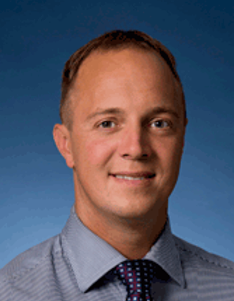 Jonathan Downar合作论文数Institute of Medical Science, Temerty Faculty of Medicine, University of Toronto;Department of Psychiatry, Temerty Faculty of Medicine, University of Toronto;MRI-Guided rTMS Clinic, University Health Network;Toronto Western Research Institute11
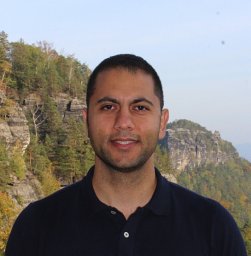 Farrokh Mansouri合作论文数Institute of Biomaterials and Biomedical Engineering, University of Toronto10
 Jeff Daskalakis合作论文数Institute of Medical Science, Temerty Faculty of Medicine, University of Toronto10
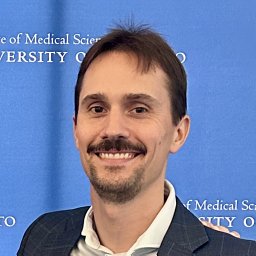 Jean-Philippe Miron合作论文数Département de Neurosciences, Université de Montréal;and.;Département de Neurosciences, Université de Montréal10
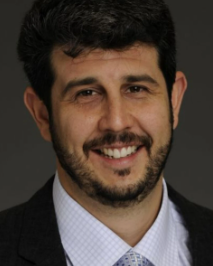 Daniel Blumberger合作论文数Temerity Centre for Therapeutic Brain Intervention, Temerty Faculty of Medicine, University of Toronto;Department of Psychiatry, Temerty Faculty of Medicine, University of Toronto;Late-Life Mood Disorders Clinic, Centre for Addiction and Mental Health, University of Toronto10
 Martijn Arns合作论文数Brainclinics Diagnostics Nijmegen10
 Linsay Fox合作论文数9Molly Hyde合作论文数9
 Jack Sheen合作论文数8
 Hanneke Van Dijk合作论文数Institute for Clinical Neuroscience and Medical Psychology, Heinrich-Heine University7Ryan Zhou合作论文数6
 Alexander T. Sack合作论文数Faculty of Psychology and Neuroscience, Maastricht University5Sinjin Dees合作论文数4
 Fidel Vila-Rodriguez合作论文数Department of Psychiatry, Faculty of Medicine, The University of British Columbia4
 Evian Gordon合作论文数Total Brain4Renée Rouwhorst合作论文数3Thomas Russell合作论文数3
 Veronique Desbeaumes Jodoin合作论文数3
 Arsalan Mir-Moghtadaei合作论文数Krembil Res Inst, Univ Hlth Network3Roger deBeus合作论文数3
 John Griffiths合作论文数Department of Psychiatry, Temerty Faculty of Medicine, University of Toronto;Krembil Centre for Neuroinformatics, Centre for Addiction and Mental Health3
 van Wingen Guido合作论文数Amsterdam Neurosci, Univ Amsterdam3
 Eugene Arnold合作论文数Nisonger Center, The Ohio State University;Department of Psychiatry and Behavioral Health, College of Medicine, The Ohio State University3
 Rien Breteler合作论文数3
 Sven Stuiver合作论文数2
 Amourie Prentice合作论文数2Rosalinde van Ruth合作论文数2
 Nikita van der Vinne合作论文数2
 M. Brunovsky合作论文数National Institute of Mental Health;Third Medical Faculty, Charles University;National Institute of Mental Health, Charles University2
 Mayuresh Korgaonkar合作论文数School of Health Sciences, Faculty of Medicine and Health, The University of Sydney2
 Kristi Griffiths合作论文数School of Health Sciences, Faculty of Medicine and Health, The University of Sydney2
 Sandra Loo合作论文数Brain Research Institute, University of California, Los Angeles2
 Giorgia Michelini合作论文数Institute of Psychiatry, King's College London2
 Diego Pizzagalli合作论文数Harvard Brain Science Initiative, Harvard Medical School, Harvard University;Laboratory for Affective and Translational Neuroscience, Center for Depression, Anxiety and Stress Research, McLean Hospital2Damiaan Denys合作论文数2
 Sebastian Olbrich合作论文数Department of Psychiatry, University Hospital Leipzig2
 Jeroen A. Van Waarde合作论文数Alysis Zorggroep, Rijnstate Hospital2
 Donna Palmer合作论文数2
 Chris Baeken合作论文数1Victoria Middleton合作论文数1Nancy Donachie合作论文数1Bieke De Wilde合作论文数1Hannah Meijs合作论文数1
 Frank Mazza合作论文数Department of Physiology, University of Toronto1
 Christophe Longpre-Poirier合作论文数1
 Debby Klooster合作论文数Dept Elect Engn, Univ Technol Eindhoven1
 Davide Momi合作论文数Krembil Ctr Neuroinformat, Ctr Addict & Mental Hlth CAMH1
 Elie Bou Assi合作论文数Department of Neuroscience, University of Montreal1
 Iris Van Oostrom合作论文数1




