Analyzing periodic human motion from videos is vital for applications such as action recognition and healthcare. In gait analysis, models must capture subtle phase-specific motion patterns. However, processing entire sequences often introduces noise and reduces accuracy. We propose FilterNet, a frameselection framework that identifies phase-relevant frames to improve temporal modeling and enhance discriminative representation. On a clinical gait video dataset, FilterNet achieves 74.5% accuracy, 75.2% precision, and 74.3% F1-score, outperforming baseline methods. Though demonstrated in a medical context, the framework is broadly applicable to other periodic motion analysis tasks. Code is available at: https://github.com/ChenKaiXuSan/ FilterNet_ASD_PyTorch.
Repeated sit-to-stand practice is an important rehabilitation strategy for individuals with trunk and lower limb impairments; however, its implementation is often limited by fall risk, patient fatigue, and the physical burden on assisting staff. This prospective single-center feasibility study evaluated the safety and feasibility of sit-to-stand training using Qolo, a motor-free, gas-spring-assisted sit-to-stand training device, in 40 clinically selected individuals with trunk and lower limb impairments. All sessions were performed under physiatrist supervision. The primary feasibility endpoint was completion of at least three intervention sessions using Qolo. A total of 181 sessions were conducted, and in this clinically selected, supervised cohort, 36 participants achieved the primary endpoint, yielding a feasibility rate of 90.0% (95% confidence interval, 76.9–96.0%). The median number of sessions was 4 per participant, with 48 sit-to-stand repetitions per session and 134 repetitions per participant. Participant-reported fatigue was descriptively higher after training, whereas perceived fatigue among primary assisting staff remained low. No intervention-related adverse events, falls, or skin injuries were observed in this supervised feasibility study. Thirteen device-related problems were recorded, most of which involved the Qolo–tablet connection rather than the assistive mechanism, indicating important usability and reliability issues for further refinement. These findings support the early feasibility of Qolo-assisted sit-to-stand training in this small, clinically selected, supervised, heterogeneous cohort. Further controlled studies are warranted to evaluate clinical effectiveness, sustained adherence, staff workload, device reliability, and safety under routine clinical use.
Background and Objectives: The hybrid assistive limb (HAL) is a wearable robotic device used for rehabilitation that assists the voluntary movements of the user by detecting muscle action potentials and driving actuators positioned next to the hip and knee joints. Although upper-limb HAL training has been studied for brachial plexus injury (BPI), its electrophysiological influence remains unclear. The purpose of this study was to assess the electrophysiological influences of upper-limb HAL-assisted biofeedback (BF) training during elbow flexion rehabilitation in patients with BPI. Methods: Five patients with BPI (average age, 37.2 years) were enrolled after undergoing elbow flexor reconstruction through intercostal nerve-to-musculocutaneous nerve transfer. All participants received outpatient elbow flexion training with the upper-limb HAL at frequencies ranging from once weekly to once monthly. All patients started upper-limb HAL training when re-innervation was observed, and a biceps brachii muscle strength of grade 1 was achieved. Muscle activity was measured using surface electromyography in five patients during upper-limb HAL training, when the biceps brachii muscle strength was graded as Medical Research Council grades 1 and 2, to compare activity with and without HAL. Results: In five patients, electromyographic activity of the biceps brachii during elbow flexion reached 74.9 ± 22.7% of maximal contraction while using the HAL device, compared with 60.3 ± 16.7% without HAL assistance, indicating significantly greater muscle activation during HAL-assisted movement. Conclusions: Robotic BF training for elbow flexion with the upper-limb HAL may serve as a high-quality electromyographic rehabilitation approach for patients recovering from BPI.
Background: Drop finger may occur in patients with C7 and/or C8 cervical radiculopathy caused by cervical spondylosis. Although surgical decompression of the affected nerve roots is performed in patients with drop finger refractory to conservative treatment, postoperative recovery of drop finger is often unsatisfactory. Furthermore, no effective rehabilitation strategy for improving drop finger has yet been established. Methods: Here, we report a patient with drop finger who underwent a novel postoperative rehabilitation program. A 64-year-old man presented with drop finger of the left hand caused by left C7 and C8 radiculopathy and underwent cervical foraminotomy. For postoperative rehabilitation, we applied the single-joint Hybrid Assistive Limb (HAL), a wearable robotic suit. The patient underwent a total of 21 sessions of metacarpophalangeal HAL training, which assisted voluntary flexion and extension movements of the metacarpophalangeal joints, and 6 sessions of wrist abduction HAL training, which assisted ulnar-direction wrist abduction movements. Results: As a result, improvement in the left-sided drop finger was achieved. In this case, the use of HAL enabled voluntary motor training within the normal range of motion of the fingers and wrist even during the early postoperative phase, when sufficient neurological recovery had not yet been achieved. Conclusions: This successful motor experience may have facilitated the reacquisition of normal movement patterns, thereby contributing to improvement in drop finger.
This research aims to leverage clinical knowledge to guide gait classification for the automated diagnosis of Adult Spinal Deformity (ASD) from monocular gait videos. While ASD is associated with characteristic gait abnormalities, existing models often neglect anatomically meaningful features, limiting their clinical applicability. To overcome this, this research introduce a framework that integrates clinician-informed attention maps, which encode expert knowledge about diagnostically important joints and motion patterns. These maps guide the spatiotemporal focus of a CNN-based backbone, enabling the model to attend to clinically relevant gait cues. Experiments conducted on a gait dataset demonstrate that our approach outperforms traditional baselines in both accuracy and interpretability. This validates the effectiveness of incorporating medical priors to enhance gait-based diagnosis and highlights the potential of our method as a non-invasive and explainable screening tool. Code and models available at: https://github.com/ChenKaiXuSan/KnowledgeGuided-ASD_PyTorch
Visual information shapes spatial perception and body representation in human augmentation. However, the perceptual consequences of viewpoint-height changes produced by sensor-display geometry are not well understood. To address this gap, we developed an interface that maps a waist-mounted stereo fisheye camera to an eye-level viewpoint on a head-mounted display in real time. Geometric and timing calibration kept latency low enough to preserve a sense of agency and enable stable untethered walking. In a within-subject study comparing head- and waist-level viewpoints, participants approached adjustable gaps, rated passability confidence (1-7), and attempted passage when confident. We also recorded walking speed and assessed post-task body representation using a questionnaire. High gaps were judged passable and low gaps were not, irrespective of viewpoint. At the middle gap, confidence decreased with a head-level viewpoint and increased with a waist-level viewpoint, and walking speed decreased when a waist-level viewpoint was combined with a chest-height gap, consistent with added caution near the decision boundary. Body image reports most often indicated a lowered head position relative to the torso, consistent with visually driven rescaling rather than morphological change. These findings show that a waist-mounted interface for mobile viewpoint-height transformation can reliably shift spatial perception.
OBJECTIVE:Motor impairments caused by central nervous system (CNS) disorders lead to significant loss of functional independence in activities of daily living. The Hybrid Assistive Limb (HAL) is a wearable robotic device that augments voluntary movement and promotes CNS recovery via interactive biofeedback. We aimed to evaluate the feasibility and safety of HAL-assisted rehabilitation across inpatient and outpatient settings in patients with diverse CNS disorders. DESIGN:Non-randomized, single-arm study SETTING: Single-center study PARTICIPANTS: This study enrolled 229 patients with CNS-related motor impairment between July 2014 and March 2024. INTERVENTIONS:Participants received HAL-assisted rehabilitation using bilateral-leg, single-leg, or single-joint HAL devices based on their clinical presentation. MAIN OUTCOME MEASURES:The primary outcomes were feasibility and safety, evaluated by adverse event profile, treatment discontinuation rates, intervention exposure (duration and session frequency), and applicability. RESULTS:In total, 238 HAL intervention episodes were analyzed (229 patients; mean age, 54.1 ± 20.1 years). No serious adverse events were identified. At least one adverse event occurred in 20 of 238 intervention episodes (8.4%), comprising a total of 23 adverse events. All events were mild and resolved with conservative management or observation without the permanent discontinuation of HAL therapy. The mean number of HAL sessions was 10.5 ± 9.5, with a mean intervention duration of 105.9 ± 163.4 days. The frequency of intervention episodes with adverse events differed significantly according to diagnostic category and HAL device type but not according to the clinical setting. HAL-assisted rehabilitation was successfully implemented across multiple CNS disorders in inpatient and outpatient settings, demonstrating clinical feasibility in heterogeneous rehabilitation settings. CONCLUSION:HAL-assisted rehabilitation was associated with no serious adverse events and a low incidence of minor adverse events. These findings indicated an acceptable safety profile and supported the feasibility of HAL-assisted rehabilitation across diverse CNS disorders and care settings.
The Hybrid Assistive Limb (HAL) is a wearable cyborg system that uses surface bioelectrical signals to assist movement at the same time as the wearer's voluntary effort. This review explains its control principles and assesses the clinical evidence relevant to orthopaedic rehabilitation. Published clinical studies of HAL in orthopaedic rehabilitation were reviewed narratively and grouped by device configuration and clinical indication. Across spinal cord injury and post-operative compressive myelopathy, training with the HAL lower-limb type was associated with improvements in walking speed, endurance, balance, trunk function and gait coordination. After total knee arthroplasty, the HAL single-joint and lower-limb types were associated with earlier gains in knee extension, less extension lag and pain, and better walking measures. In older adults, the HAL lumbar type supported repeated sit-to-stand and other hip-extension tasks, and improvements in mobility were reported. Upper-limb applications allowed assisted joint practice using weak residual muscle activity. Kinematic, electromyographic, motor-unit and cortical findings suggest that assistance linked to voluntary effort may influence sensorimotor activity during training. HAL offers a distinctive approach to orthopaedic rehabilitation by turning residual bioelectrical activity into well-timed movement assistance and repeated sensory feedback. Available studies suggest that this approach can increase opportunities for voluntary, task-specific practice and may help to improve walking, joint movement and functional mobility in spinal and musculoskeletal conditions. These findings support the continued clinical development and evaluation of HAL as a rehabilitation option that responds to the user's intention.
We propose a wearable soft robot that assists with individualized scapula adduction and abduction for thoracic stretching in respiratory rehabilitation. Although thoracic stretching is known to be effective for respiratory rehabilitation, the range of motion of older adult patients narrows with age, and long-term external aid by physical therapists is required. The proposed robot consists of a soft and shoulder-wearable brace and cable-pulling mechanism to apply rotational torque on shoulders, resulting in stretching the thorax and scapulae. We designed the pulling mechanism by modeling the humeral head trajectory during stretching by a therapist and reproducing it with two linear actuators pulling the right and left shoulders simultaneously, based on position control aimed at achieving a target tension. The main results of validation experiments with older adults confirmed that the robot-assisted stretching was able to perform scapular stretching similar to that of a physical therapist.
Knee osteoarthritis (OA) is a common degenerative joint condition in older adults, and pain often limits engagement in conventional exercise therapy. We report three cases of patients with Kellgren-Lawrence (KL) grade 3 KO who underwent rehabilitation using the Hybrid Assistive Limb Single Joint Type (HAL-SJ), a wearable robotic device that supports voluntary knee movement based on bioelectrical signals from muscle activity. All patients completed 10 training sessions over five weeks with no serious adverse events. The intervention was well tolerated, and no clinically significant deterioration in symptoms was observed during the training period. Knee pain decreased in two cases and remained unchanged in one case. These cases suggest that HAL-assisted knee training is feasible and safe for patients with moderate knee OA and may offer potential clinical benefits.
Wheelchair users face health risks from prolonged sitting and social barriers owing to the vertical gap between their seated position and standing able-bodied individuals. We present Qolo, a novel standing mobility device equipped with passive exoskeletons for intuitive sit-to-stand transitions. Three prototypes were iteratively evaluated with 13 unique participants with spinal cord injury (SCI) from cervical to lumbar levels (C5-L3): Qolo-1 (n = 4), Qolo-2 (n = 12), and Qolo-3 (n = 5), with 3 participants completing all three evaluations. The safety and feasibility of standing transitions were assessed, and no adverse events were reported. Success rates improved from 50% with Qolo-1 to 91.7% with Qolo-2. Participants with complete thoracic injuries who struggled with Qolo-1 succeeded with Qolo-2 using increased spring assistance. Qolo-3 achieved dual sitting and standing mobility using an integrated seating system. Forward trunk lean activates spring assistance, providing intuitive control without electric motors. This iterative development through collaboration among rehabilitation physicians, engineers, and wheelchair end-users enabled application to a broader range of injury levels. The exoskeletal mechanism proved safe and feasible for individuals with complete thoracic SCI (T4-T11) and incomplete cervical or lumbar SCI, addressing the unmet need for accessible standing mobility in daily activities. Trial registration: UMIN Clinical Trials Registry, UMIN000016357. Registered on 28 January 2015.
Postoperative C5 palsy is a common complication of cervical spine surgery. Inadequate recovery from C5 palsy can result in significant impairment of activities of daily living. However, no effective treatment has been established for persistent cases. In the present report, we describe a novel therapeutic approach using the Hybrid Assistive Limb (HAL) in a patient with severe, prolonged postoperative C5 palsy. The patient was a 46-year-old man who developed severe right C5 palsy following cervical spine surgery performed 41 months earlier. Despite undergoing conventional rehabilitation, no improvement was observed, and the muscle strength of the right deltoid and biceps remained at manual muscle testing (MMT) grade 2. HAL training, using both shoulder and elbow devices, was initiated at our institution. Training was conducted once weekly for a total of 106 sessions over 21 months. At baseline, the right shoulder range of motion was limited to 50° in flexion and 35° in abduction. With HAL-assisted training, flexion improved to 150° and abduction improved to 95° by the final (106th) session and further increased to 165° and 170°, respectively, at long-term follow-up. Deltoid strength, assessed using handheld dynamometry, increased from 3.5 Nm/kg at baseline to 28.5 Nm/kg after training. In this case, a long-term therapeutic program incorporating shoulder and elbow HAL training successfully improved severe and prolonged postoperative C5 palsy to a functionally useful level. This case highlights the potential effectiveness of HAL therapy for treatment-resistant postoperative C5 palsy.
Rehabilitation of upper extremity (UE) impairments after stroke requires regular evaluation, with standard methods typically being time–consuming and relying heavily on manual assessment by therapists. In our study, we propose automating these assessments using electromyography (EMG) as a core indicator of muscle activity, correlating passive and active EMG signals with clinical motor impairment scores. UE motor function in 25 patients was evaluated using the Fugl–Meyer Assessment for UE (FMA–UE), the Modified Ashworth Scale (MAS), and the Brunnstrom Recovery Stages (BRS). EMG data were processed via feature extraction and linear discriminant analysis (LDA), with 10-fold cross–validation for binary classification based on clinical score thresholds. The LDA classifier accurately distinguished impairment categories, achieving area under the receiver operating characteristic curve (AUC–ROC) scores of 0.897 ± 0.272 for FMA–UE > 33, 0.981 ± 0.103 for FMA–UE > 44, 0.890 ± 0.262 for MAS > 0, 0.968 ± 0.130 for BRS > 3, and 0.987 ± 0.085 for BRS > 4. Notably, resting–state EMG alone yielded comparable classification performance. These findings demonstrate that EMG–driven assessments can reliably classify motor impairment levels, offering a pathway to objective clinical scoring that can streamline rehabilitation workflows, reduce therapists’ manual burden, and prioritize patient recovery over assessment procedures.
Background/Objectives: A 68-year-old man presented with progressive walking difficulty that developed into spastic paraplegia. This condition was a long-term consequence of a lightning strike injury sustained at the age of 22 years. His symptoms progressively deteriorated, eventually requiring double crutches for ambulation at approximately 40 years of age. A physical evaluation prior to hybrid assistive limb (HAL) training revealed a T10 level neurological injury and an American Spinal Cord Injury Association impairment scale grade D. Here, we aimed to evaluate the therapeutic effects of novel gait training with an HAL in this patient with chronic and progressive neural damage caused by a lightning strike. Methods: The HAL training program is composed of two sections. In the first section, one month of gait training with HAL was conducted across 10 sessions, with 2–3 sessions weekly. The second section followed 6 months later. A final evaluation was performed three months after the second section. Results: Electromyographic and kinematic evaluation showed that the HAL gait training inhibited abnormal antagonistic muscle activation in his lower extremities, especially after the first section. Our results collectively indicate that the repeated HAL gait training improved the gait pattern of this patient. Conclusions: Our results suggest that HAL gait training may improve the gait pattern in patients with delayed progressive spastic paraplegia, as observed in this case. In addition, a longer intervention period is recommended to facilitate better adaptation to HAL training. Hence, neurorehabilitation with an HAL could be an innovative treatment approach for delayed progressive spastic paraplegia.
The past few years have seen an exponential growth of the robot-assisted rehabilitation field and new technological developments allowing the integration of the user’s intention through detection of physiological information. The inclusion of motor intention is thought to be promising for motor rehabilitation and to facilitate neuroplasticity potentially by stimulating the cortical circuitry more than, or at least differently from, non-voluntary passive motion. Yet, contrasting results are reported in the literature. We aimed here to investigate the importance of the integration of motor intention on cortical activity using functional near-infrared spectroscopy (fNIRS) by comparing the active use of an assistive exoskeleton targeting the shoulder with passive use and unassisted motion. We recorded the activity of the bilateral frontal and parietal cortices of 20 healthy individuals during an arm raising task. Active robot assistance showed similar activity patterns to unassisted motion with the exception of a greater activation of the prefrontal region. Correlates of intention could be confirmed by an activation of the supplementary motor area in active-assisted and unassisted but not passive condition. Activation of the contralateral primary sensorimotor regions did not differ between passive and active conditions but activity of the ipsilateral hemisphere and secondary regions was reduced during passive motion. Our results provide arguments in favor of the integration of the user’s intention through physiological signals for rehabilitation, in favor of the investigation of secondary and ipsilateral regions, and in favor of the use of fNIRS to investigate differences in cortical correlates of passive and active motion.
No studies have elucidated the dynamic spinal balance in patients with dropped head syndrome (DHS) categorized by global spinal alignment. We investigated the differences in dynamic spinal balance and corresponding muscle activity during prolonged walking in patients with DHS based on their global spinal alignment. Three-dimensional gait analysis combined with electromyography was conducted to evaluate kinematic spinal parameters during walking, including the sagittal vertical axis (SVA) in the cervical (C-SVA), thoracic (T-SVA), and lumbar (L-SVA) regions, along with the muscle activity. Patients were divided into two groups based on C7 SVA from standing whole spine radiographs: SVA + and SVA–. Parameter changes were compared between the first and final laps of prolonged walking in each group. Twenty-eight patients were included (11 in the SVA + group and 17 in the SVA– group). In the SVA + group, prolonged walking caused a significant increase in T-SVA and L-SVA (P = 0.002, 0.014), with no compensatory increase in paraspinal muscle activity. In the SVA– group, C-SVA and T-SVA increased significantly (P = 0.002), with a decrease in cervical paraspinal muscle activity (P = 0.009). Three-dimensional gait analysis with electromyography highlighted the distinct pathophysiological mechanisms in patients with DHS, as determined by their global spinal alignment. In the SVA + group, gait-induced thoracolumbar imbalance increased without compensatory activation of the lumbar paraspinal muscle. Conversely, in the SVA– group, gait-induced cervicothoracic imbalance increased without compensatory activation in cervical paraspinal muscle activity. These findings suggest that although DHS presents with similar symptoms, it may involve different underlying pathophysiologies depending on the global spinal alignment.
OBJECTIVE:To assess the feasibility, safety, and efficacy of hybrid assistive limb (HAL) training in patients with varying levels of gait impairment caused by ossification of the posterior longitudinal ligament (OPLL) or ligamentum flavum (OLF). DESIGN:Prospective study. SETTING:July 2014 to May 2019; in - and out-patient rehabilitation unit. Participants: Twenty-five patients with varying levels of ossified lesions and acute, subacute, or chronic postoperative OPLL or OLF. INTERVENTIONS:Ten HAL training sessions (sixty min) in total; three times per week (acute/subacute patients) or one time per two months (chronic patients). OUTCOME MEASURES:Walking Index for Spinal Cord Injury, American Spinal Injury Association (ASIA) Impairment Scale, ASIA motor score, Functional Independence Measure (FIM) motor score for activities of daily living, Berg Balance Scale, and Japanese Orthopedic Association score. Walking capabilities, including gait speed, step length, and cadence, were assessed using 10-meter and 2-minute walking tests (10/2MWT). RESULTS:All patients completed 10 HAL training sessions without severe adverse events. In the acute/subacute group, all measures showed significant improvements, except the 2MWT. In the chronic group, the gait speed, step length, and ASIA motor, FIM motor, and 2MWT scores significantly improved. Baseline and after-10-sessions estimated marginal means were compared for the acute, subacute, and chronic groups. All items were significant in the acute/subacute groups. In the chronic group, gait speed, step length, ASIA motor score, and 2MWT results were significant. CONCLUSION:HAL treatment is feasible, safe, and effective in patients with different degrees of ossified lesions, specifically in those with OPLL or OLF.Trial Registration: UMIN000014336.
Background: Standing has medical and psychosocial benefits for people with lower limb impairments; however, systemic, logistical, and economic barriers often limit opportunities to stand in daily life. This study explored how users perceive standing and standing-assistive technologies. Methods: This study used a mixed-methods approach: in-person interviews (n = 18) and a nationwide web-based survey (n = 125; 74.4% male, mean age 52.2 ± 13.9 years, diagnoses: spinal cord injury 37.6%, cerebrovascular disease 27.2%, and cerebral palsy 16.8%). Results: Participants described the psychosocial values of standing, such as feeling more confident and being able to interact with others at eye level. The web survey revealed that most participants believed that standing was beneficial for health (76.8%) and task efficiency (76.0%), although only 49.6% showed an interest in standing wheelchairs. The multivariate analysis revealed that ongoing standing training was the strongest predictor of positive perceptions of health benefits, task efficiency, and interest in standing wheelchairs. Younger participants showed a greater interest in standing wheelchairs. The reported barriers include a lack of awareness, high costs, and difficulty in accessing training. Conclusions: These findings suggest the need for a user-centered design and improved support systems to integrate standing into the daily lives of people with mobility impairments.
Background/Objectives: Standing training is essential for individuals with spinal cord injury (SCI), yet maintaining regular practice after acute rehabilitation remains challenging. To address the need for more practical and accessible standing equipment, we developed a novel spring-assisted standing training device designed to overcome barriers to regular standing practice. This study aimed to assess the safety and feasibility of our newly developed device in individuals with SCI. Methods: Six participants with chronic SCI (neurological level of injury T4-L3, American Spinal Injury Association Impairment Scale A-C; 2 females, mean age 41.7 ± 13.4 years) underwent a single session using our chair-based device incorporating passive gas spring mechanisms. We designed this device to enable independent sit-to-stand transitions without electrical power or complex controls. Primary outcomes included safety (adverse events) and feasibility (number of repetitions, Modified Borg Scale). Changes in Modified Ashworth Scale (MAS) scores were assessed as exploratory measures. Results: All participants successfully completed training without adverse events. Repetitions ranged from 5 to 60 (median 37), with Modified Borg Scale ratings of 0–4. Notably, the participant with T4 complete injury performed the training without requiring trunk orthosis, demonstrating the device’s inherent stability. MAS sum scores showed a reduction from median 8.75 to 4.25, though this did not reach statistical significance (p = 0.13). Conclusions: Our newly developed spring-assisted standing training device proved safe and feasible for individuals with SCI, including those with complete thoracic injuries. The device successfully enabled independent sit-to-stand transitions with low perceived exertion, potentially addressing key barriers to regular standing practice and offering a practical rehabilitation solution.
We introduce a hybrid deep learning model for recognizing hand gestures from electromyography (EMG) signals in subacute stroke patients: the one-dimensional convolutional long short-term memory neural network (CNN-LSTM). The proposed network was trained, tested, and cross-validated on seven hand gesture movements, collected via EMG from 25 patients exhibiting clinical features of paresis. EMG data from these patients were collected twice post-stroke, at least one week apart, and divided into datasets A and B to assess performance over time while balancing subject-specific content and minimizing training bias. Dataset A had a median post-stroke time of 16.0 ± 8.6 days, while dataset B had a median of 19.2 ± 13.7 days. In classification tests based on the number of gesture classes (ranging from two to seven), the hybrid model achieved accuracies ranging from 85.66% to 82.27% in dataset A and from 88.36% to 81.69% in dataset B. To address the limitations of deep learning with small datasets, we developed a novel bilateral data fusion approach that incorporates EMG signals from the non-paretic limb during training. This approach significantly enhanced model performance across both datasets, as evidenced by improvements in sensitivity, specificity, accuracy, and F1-score metrics. The most substantial gains were observed in the three-gesture subset, where classification accuracy increased from 73.01% to 78.42% in dataset A, and from 77.95% to 85.69% in dataset B. In conclusion, although these results may be slightly lower than those of traditional supervised learning algorithms, the combination of bilateral data fusion and the absence of feature engineering offers a novel perspective for neurorehabilitation, where every data segment is critically significant.
 Kenji Suzuki合作论文数University of Tsukuba89
 Yamazaki Masashi合作论文数61
 Yoshiyuki Sankai (山海嘉之)合作论文数Cyberdyne;Graduate School of Systems & Information Engineering, University of Tsukuba56
 Shimizu Yukiyo合作论文数53
 Yasushi Hada合作论文数Department of Rehabilitation Medicine, Teikyo University School of Medicine47Kubota Shigeki合作论文数Graduate School of Comprehensive Human Sciences, University of Tsukuba41
 Masao Koda合作论文数34Kousei Miura合作论文数30Marushima Aiki合作论文数30
 Tomoyuki Ueno合作论文数23
 Modar Hassan合作论文数23
 Hiroki Watanabe合作论文数22Tetsuya Abe合作论文数22
 Hiroaki Kawamoto合作论文数University of Tsukuba20
 Akira Matsumura合作论文数19Noguchi Hiroshi合作论文数18
 Toru Funayama合作论文数17Tomoyuki Asada合作论文数University of Tsukuba11Takahashi Hiroshi合作论文数11Masashi Yamazaki合作论文数10Kotaro Sakashita合作论文数9Ayumu Endo合作论文数9Chun Kwang Tan合作论文数Univ Tsukuba, Artificial Intelligence Lab, Tsukuba, Ibaraki, Japan9
 Fujii Kengo合作论文数*Department of Spine and Orthopedic Surgery, Japanese Red Cross Medical Center;Tokyo Metropolitan Cancer and Infectious Diseases Center, Komagome Hospital;Tokyo Metropolitan Cancer and Infectious Diseases Center, Komagome Hospital9Kentaro Mataki合作论文数University of Tsukuba8Katsuya Nagashima合作论文数8
 Hiroshi Kumagai合作论文数Graduate School of Medical Sciences, Kitasato University8
 Diego Felipe Paez Granados合作论文数School of Engineering, Swiss Federal School of Technology in Lausanne7Yuji Matsumaru合作论文数Department of Neurosurgery, University of Tsukuba7
 Alain Berthoz合作论文数Laboratoire de Physiologie de la Perception et de l'Action7Kojiro Hyodo合作论文数6Fumihiko Eto合作论文数6
 Yoshihiko Nakamura (中村仁彦)合作论文数Technische Universitat Munchen;Department of Mechno-Informatics, School of Information Science and Technology, University of Tokyo6
 Akira Matsushita合作论文数6Akihiro Kanamori合作论文数6
 Eiichi Ishikawa合作论文数6Hideo Tsurushima合作论文数5Naoya Kikuchi合作论文数Faculty of Medicine, University of Tsukuba5
 Eguchi, Y.合作论文数5
 Kousaku Saotome合作论文数Center for Cybernics Research, University of Tsukuba.5
 Masakazu Hirokawa合作论文数University of Tsukuba5Kosuke Okuno合作论文数4Santiago Price Torrendell合作论文数4Masaya Kajiwara合作论文数4
 Maxwell Kennard合作论文数4Yosuke Shibao合作论文数4
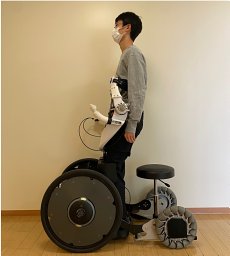 Yang Chen合作论文数Grad Sch Syst Informat Engn Computat Visual Sci Lab, Univ Tsukuba4
 Masaki Matsubara合作论文数Faculty of Library Information and Media Science, University of Tsukuba4




