Compared with transplanted tumors, autochthonous tumors are difficult to cure using experimental radiation therapy in mice. Here we analyzed differences in immune-related gene expression profiles between mouse fibrosarcomas subcutaneously induced by 3-methylcholanthrene (3MC) and their corresponding transplanted tumors. The immune genes examined were Pd1, Pdl1, Pdl2, Cd3d, Cd8a, Cd8b, Ifnγ, Itga2, Gzmb, and Foxp3. Among 12 tumors, one was non-transplantable and showed a benign phenotype with an abundance of DX5+ natural killer cells and CD8+ T cells together with increased IFNγ expression and mRNA levels of all immune genes except for Itga2. The other 11 transplantable tumors showed increased expression of Pd1, Pdl1, Pdl2, Cd3d, Cd8b, and Ifnγ following transplantation into syngeneic mice. These effects of transplantation highlight the relevance of immune gene expression status to the curability of tumors.
Causal networks are important for understanding disease signaling alterations. To reveal the network pathways affected in the epithelial-mesenchymal transition (EMT) and cancer stem cells (CSCs), which are related to the poor prognosis of cancer, the molecular networks and gene expression in diffuse- and intestinal-type gastric cancer (GC) were analyzed. The network pathways in GC were analyzed using Ingenuity Pathway Analysis (IPA). The analysis of the probe sets in which the gene expression had significant differences between diffuse- and intestinal-type GC in RNA sequencing of the publicly available data identified 1099 causal networks in diffuse- and intestinal-type GC. Master regulators of the causal networks included lenvatinib, pyrotinib, histone deacetylase 1 (HDAC1), mir-196, and erb-b2 receptor tyrosine kinase 2 (ERBB2). The analysis of the HDAC1-interacting network identified the involvement of EMT regulation via the growth factors pathway, the coronavirus pathogenesis pathway, and vorinostat. The network had RNA-RNA interactions with microRNAs such as mir-10, mir-15, mir-17, mir-19, mir-21, mir-223, mir-25, mir-27, mir-29, and mir-34. The molecular networks revealed in the study may lead to identifying drug targets for GC.
The injury causes resistance in human gastric cancer (GC). This Adverse Outcome Pathway (AOP) entitled “Increases in cellular reactive oxygen species (ROS) and chronic ROS leading to human treatment-resistant gastric cancer (GC)” consists of molecular initiating event (MIE) as “Increases in cellular ROS” and “Chronic ROS”, followed by series of key events (KEs); “porcupine-induced Wnt secretion and Wnt signaling activation”, “beta-catenin activation”, “epithelial-mesenchymal transition (EMT), and adverse outcome (AO) as “human treatment-resistant GC” in the sequence. ROS has multiple roles in disease such as development and progression of cancer, or apoptotic induction causing anti-tumor effects. In this AOP, we focus on the role of sustained levels of chronic ROS to induce the therapy-resistance in human GC. EMT, which is cellular phenotypic change from epithelial to mesenchymal-like features, demonstrates cancer stem cell (CSC)-like characteristics in human GC. EMT is induced by Wnt/beta-catenin signaling, providing the rationale to have Wnt secretion and beta-catenin activation as KEs in the AOP.
4068 Background: The usefulness of combined therapy with immune checkpoint inhibitors (ICI) and chemoradiotherapy (CRT) and its potential biomarker of treatment efficacy for esophageal cancer remains unclear. We investigated the safety, efficacy, and associated biomarkers of combined therapy with ICI and definitive CRT in operable and inoperable esophageal squamous cell carcinoma (ESCC). Methods: This prospective single-arm phase 2 trial was performed at five hospitals in Japan. Patients aged 20–75 years with histologically confirmed ESCC, an ECOG PS score of 0 or 1, and adequate organ and bone marrow functions were eligible. Inoperable patients did not have distant organ metastasis. Patients did not receive any chemotherapy or surgical resection as an initial therapy. Concurrent radiotherapy (50.4 Gy/28 fractions to the primary lesion and 41.4 Gy/23 fractions to the regional LN area) consisted of 4 courses of CF (cisplatin, 75 mg/m2/day, day 1; 5-fluorouracil, 1000 mg/m2/day, days 1–4) plus nivolumab (240 mg/m2/day, every 2 weeks for up to 1 year). The primary endpoint was safety. The incidence rates of nonhematological toxicity grade ≥ 4 and pneumonitis grade ≥ 3 were ≤10% and ≤15%, respectively. The secondary endpoints included overall survival (OS), progression-free survival (PFS), complete response (CR) rate, and time to esophagectomy-free survival (EFS). Sixty patients were to be accrued, but the trial enrollment was terminated because of slow accrual. This trial was registered as jRCT1091220408. Results: Between January 2019 and September 2021, 42 patients were enrolled. Twenty-five patients had operable disease and 16 had inoperable disease. Two patients (4.8%) experienced grade 3 pneumonitis, suggesting that the primary endpoint was met. The median relative dose intensity of nivolumab was 92.4%. One-year OS, PFS, and EFS rates in all cases were 92.7%, 65.4%, and 78.0%, respectively. One-year OS, PFS, and EFS rates in operable and inoperable cases were 100%, 79.6%, and 84.0% and 81.3%, 43.8%, and 68.8%, respectively. The CR and objective response rates were 73.2% (95% confidence interval [CI]: 58.1%–84.3%) and 87.8% (95% CI: 74.5%–94.7%), respectively. The CR rates in operable and inoperable cases were 84% (95% CI: 65.3%–93.6%) and 56.3% (95% CI: 33.2%–76.9%), respectively. Immune high-active intrinsic subtype before treatment (n=4) with an expression score > 80 of 51 immune-related genes showed a high CR rate (100%, n=4), whereas the immune low-active intrinsic subtype (n=37) with an expression score < 80 showed a relatively high CR rate (70%). Conclusions: Nivolumab combined with definitive CRT provided encouraging efficacy and acceptable toxicity in patients with ESCC. Immune high-active intrinsic subtype before treatment has the potential to predict a high CR rate for this combination treatment. Clinical trial information: jRCT1091220408 .
Purpose This study aimed to assess the viability of definitive chemoradiotherapy (dCRT) as an organ-preservation strategy for remarkable responders who were downstaged to stage IA after receiving induction chemotherapy for resectable esophageal squamous cell carcinoma (ESCC). Methods and Materials Chemotherapy-naïve patients with resectable ESCC (stage IB-III, Union for International Cancer Control, International Cancer Control seventh edition) were eligible for the study. All patients received 3 cycles of docetaxel, cisplatin, and 5-FU (DCF) therapy (docetaxel 75 mg/m2 on day 1, cisplatin 75 mg/m2 on day 1, and 5-fluorouracil [5-FU] 750 mg/m2 on days 1-5, repeated every 3 weeks). Remarkable response was defined as a reduction in the tumor to T1, metastatic lymph nodes <1 cm on the short axis, and downstaging to stage IA after 3 cycles of DCF therapy. Remarkable responders then underwent dCRT, which included 2 courses of cisplatin 75 mg/m2 and 5-FU 1000 mg/m2 on days 1 to 4, repeated every 4 weeks, along with 50.4 Gy of concurrent radiation therapy. The primary endpoint was 1-year progression-free survival in remarkable responders following DCF therapy and subsequent dCRT. Secondary endpoints included 3-year overall survival (OS) and esophagectomy-free survival. Results Of the 92 patients registered, 90 were analyzed. A remarkable response to 3 courses of DCF therapy was observed in 58.4% of patients. Among these responders, 89.8% achieved a complete response after dCRT. During the median follow-up period of 33 months (range, 1-85 months), the 1-year progression-free survival was 89.8% (95% confidence interval [CI], 77.2%-95.6%, primary endpoint), and the 3-year OS was 83.7%. The 3-year OS and esophagectomy-free survival rates in the analysis group were 74.1% and 45.3%, respectively. An 18F-fluorodeoxyglucose-positron emission tomography response after 2 courses of DCF therapy was significantly associated with OS (P = .0049). Conclusions In patients with resectable ESCC, dCRT for remarkable responders downstaging to stage IA after induction chemotherapy with 3 courses of DCF therapy is a feasible treatment option and provides an optimizing organ-preservation strategy of chemotherapy-based selection.
4030 Background: The standard treatment for advanced esophageal cancer is preoperative chemoradiotherapy (CRT) followed by surgery or definitive CRT (NCCN Guideline 2022 ver5). CRT has the advantage of preserving organs and functions and the prognosis for patients achieved complete response by CRT is good. However, it is currently impossible to predict the outcomes of CRT before treatment. We have performed RNA expression analysis of pre-treatment biopsy specimens of esophageal cancer and identified several intrinsic molecular subtypes, as well as E-type (high expression of squamous markers) with good prognosis for CRT and M2-type (high expression of stromal markers) with poor prognosis for CRT (US patent No 10,969,390 B2). Herein, we performed an integrated analysis to confirm the relationship between intrinsic expression molecular subtype classification and prognosis in the pooled population from two prospective cohort studies (UMIN000043637). Methods: Two cohort studies were as follows; 1) single institute prospective cohort study conducted at National Cancer Center Hospital East (n=157, UMIN-C000000459), 2) multicenter prospective cohort study conducted at 10 institutions (n=226, UMIN000016141). A total 383 cases met inclusion criteria and the Affymetrix U331Plus 2 panel (47,104 transcripts, 38,572 genes) was used to identify E-type and M2-type. The clinical course and outcome were blinded for subtype classification. Treatment was performed as usual at each institution, and treatment details and outcomes were examined by subtype. Results: Among 383 patients, 181 and 164 patients were treated by CRT and surgery, respectively. Ninety-nine percent (n=342) were squamous cell carcinoma. Stage I/II/III/IV were 13/61/86/21 and 17/63/81/3 in CRT group and surgery group, respectively. Among them, 76 (22%), 100 (29%), 169 (49%) patients were classified as E, M2 and others, respectively. Among the patients treated by CRT, CR rate of E-type and M2-type were 62.8% (95% CI, 47.8-75.7) and 33.3% (95% CI, 21.9-47.1) (p=0.006). The 5-year progression free survival (PFS) and overall survival (OS) rates of CRT group was 50.5% (95% CI, 34.7-64.4) and 59.8% (95% CI, 42.6-73.3) for E-type vs. 23.0% (95% CI, 12.0-36.2) and 29.0% (95%CI, 16.8-42.4) for M2-type, with statistically significant difference (p=0.011, p=0.003). Cox regression analysis showed that crude HR for PFS and OS of E vs M2 were 0.50 (95% CI, 0.296-0.859, p=0.012) and 0.41 (95% CI, 0.226-0750, p=0.004), respectively. In contrast, E and M2-type did not show the survival difference in surgery group. Conclusions: For the first time in the world, we confirmed that expression molecular subtype of esophageal cancer has the potential to predict the outcomes of CRT. The results may provide precision medicine in the selection of treatment for esophageal cancer.
Supplementary Fig. S1. Nedd9 and Aurkb seed match sequences in mucAB and umuDC. Supplementary Fig. S2. Selection of cells expressing Tet-repressor protein. Supplementary Fig. S3. Microarray analysis of deregulated oncogenes. Supplementary Fig. S4. Suppression of cellular transformation with anti-mucAB shRNA. Supplementary Fig. S5. Confirmation of interaction of miR-145 with anti-miR-145. Supplementary Fig. S6. Microcolony formation over time. Supplementary Fig. S7. Comparison of tumor incidence rates between males and females, and between presence and absence of Zn.
Because activity of the epithelial–mesenchymal transition (EMT) is involved in anti-cancer drug resistance, cancer malignancy, and shares some characteristics with cancer stem cells (CSCs), we used artificial intelligence (AI) modeling to identify the cancer-related activity of the EMT-related pathway in datasets of gene expression. We generated images of gene expression overlayed onto molecular pathways with Ingenuity Pathway Analysis (IPA). A dataset of 50 activated and 50 inactivated pathway images of EMT regulation in the development pathway was then modeled by the DataRobot Automated Machine Learning platform. The most accurate models were based on the Elastic-Net Classifier algorithm. The model was validated with 10 additional activated and 10 additional inactivated pathway images. The generated models had false-positive and false-negative results. These images had significant features of opposite labels, and the original data were related to Parkinson’s disease. This approach reliably identified cancer phenotypes and treatments where EMT regulation in the development pathway was activated or inactivated thereby identifying conditions where therapeutics might be applied or developed. As there are a wide variety of cancer phenotypes and CSC targets that provide novel insights into the mechanism of CSCs’ drug resistance and cancer metastasis, our approach holds promise for modeling and simulating cellular phenotype transition, as well as predicting molecular-induced responses.
The precise mechanism of resistance to anti-cancer drugs such as platinum drugs is not fully revealed. To reveal the mechanism of drug resistance, the molecular networks of anti-cancer drugs such as cisplatin, carboplatin, oxaliplatin, and arsenic trioxide were analyzed in several types of cancers. Since diffuse-type stomach adenocarcinoma, which has epithelial–mesenchymal transition (EMT)-like characteristics, is more malignant than intestinal-type stomach adenocarcinoma, the gene expression and molecular networks in diffuse- and intestinal-type stomach adenocarcinomas were analyzed. Analysis of carboplatin revealed the causal network in diffuse large B-cell lymphoma. The upstream regulators of the molecular networks of cisplatin-treated lung adenocarcinoma included the anti-cancer drug trichostatin A (TSA), a histone deacetylase inhibitor. The upstream regulator analysis of cisplatin revealed an increase in FAS, BTG2, SESN1, and CDKN1A, and the involvement of the tumor microenvironment pathway. The molecular networks were predicted to interact with several microRNAs, which may contribute to the identification of new drug targets for drug-resistant cancer. Analysis of oxaliplatin, a platinum drug, revealed that the SPINK1 pancreatic cancer pathway is inactivated in ischemic cardiomyopathy. The study showed the importance of the molecular networks of anti-cancer drugs and tumor microenvironment in the treatment of cancer resistant to anti-cancer drugs.
BACKGROUND:Epithelial ovarian cancer (EOC) is a lethal malignant tumor, for which new treatment options are urgently required. Lipolysis-stimulated lipoprotein receptor (LSR) is widely expressed in EOC, and it is associated with poor prognosis. In this study, we developed an antibody-drug conjugate (ADC) targeting LSR as a new therapeutic approach to EOC.METHODS:We, herein, developed novel anti-LSR monoclonal antibodies (mAbs) and an LSR-ADC by conjugating monomethyl auristatin E as a payload. We subsequently evaluated the in vitro and in vivo (on xenograft models) antitumor effect of the LSR-ADC.RESULTS:An overexpression of LSR was observed not only in the primary EOC tumor but also in its lymph node and omental metastases. The EOC cell lines NOVC7-C and OVCAR3 strongly expressed LSR (as compared to ES2 cells). Both the anti-LSR mAb and the LSR-ADC were able to specifically bind to LSR-positive cells and were rapidly internalized and trafficked to the lysosomes. The LSR-ADC demonstrated a potent antitumor effect against NOVC-7C and OVCAR3, but little activity against ES2 cells. In vitro, the LSR-ADC exhibited a potent antitumor effect against NOVC-7C and OVCAR3. Moreover, in the OVCAR3 xenograft models as well as in the patient-derived xenograft models of LSR-positive EOC, the LSR-ADC significantly inhibited tumor growth. The LSR-ADC also suppressed the omental/bowel metastases in OVCAR3-Luc xenografts and improved the median survival.CONCLUSION:The developed LSR-ADC demonstrated a significant antitumor activity against LSR-positive EOC cell lines and tumors. Our preclinical data support the use of the LSR-ADC as a novel therapy for patients with LSR-positive ovarian cancer.
 Kazuhiko Aoyagi合作论文数87Fumiko Chiwaki合作论文数45Teruhiko Yoshida (吉田輝彦)合作论文数Graduate School of Medicine, The University of Tokyo41
 Masayuki Komatsu合作论文数33Hiromi Sakamoto合作论文数33Kazuyoshi Yanagihara合作论文数28Hiroshi Yokozaki合作论文数26
 Shihori Tanabe合作论文数Div Risk Assessment, Natl Inst Hlth Sci24Masaaki Terada合作论文数Genetics Division, National Cancer Center Research Institute20
 Atsushi Ochiai合作论文数Exploratory Oncology Research and Clinical Trial Center, National Cancer Center20Rie Komatsuzaki合作论文数19Naohide Oue合作论文数17
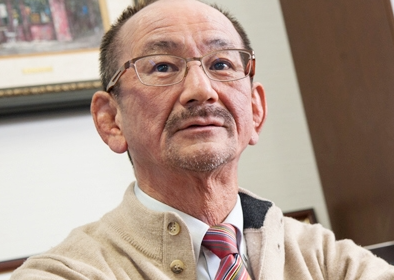 Wataru Yasui (安井弥)合作论文数Institute of Biomedical & Health Sciences, Hiroshima University;Graduate School of Biomedical & Health Sciences, Hiroshima University17
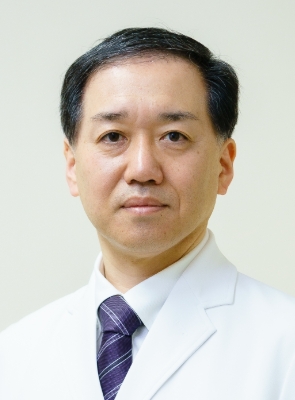 Manabu Muto (武藤学)合作论文数Department of Medical Oncology, Graduate School of Medicine, Kyoto University;Faculty of Medicine, Kyoto University16Norihisa Saeki合作论文数14Horacio Cabral合作论文数13
 Sabina Quader合作论文数Eskitis Institute and Natural Product Discovery, Griffith University13
 Takahiro Ochiya (落谷孝広)合作论文数Department of Molecular and Cellular Medicine, Institute of Medical Science, Tokyo Medical University;National Cancer Center Research Institute Section for Studies on Metastasis13
 Naoya Sakamoto合作论文数12Kazuhiro Sentani合作论文数12Ryuichi Ono合作论文数12
 Takashi Kohno (河野隆志)合作论文数Division of Genome Biology, National Cancer Center Research Institute10
 Akihiko Hirose合作论文数10
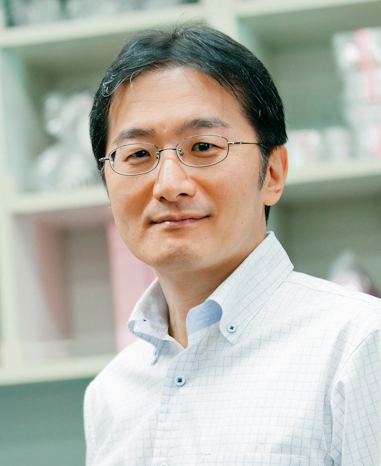 Hitoshi Ichikawa (市川仁)合作论文数Department of Clinical Genomics, Fundamental Innovative Oncology Core, National Cancer Center Research Institute10Keisuke Matsusaki合作论文数10Keiko Minashi合作论文数10
 Daisuke Aoki (青木大輔)合作论文数Department of Obstetrics and Gynecology, School of Medicine, Keio University;International University of Health and Welfare, Graduate Schooll;Akasaka Sannou Medical Center9Chikako Tanabe合作论文数9Kouji Banno合作论文数9
 Takashi Takeda合作论文数8Fumitaka Takeshita合作论文数8
 Narikazu Boku合作论文数Department of Gastrointestinal Medical Oncology, National Cancer Center Hospital;国立がん研究センター中央病院8
 Genichiro Ishii合作论文数8Katsuhiro Anami合作论文数8
 Yutaka Naito合作论文数Department of Neurology, Mie University School of Medicine8Uraoka Naohiro合作论文数7
 Yuji Tachimori (日月 裕司)合作论文数Japan Esophageal Society/Center for Cancer Treatment, Kawasaki Saiwai Hospital7Yusuke Kobayashi合作论文数School of Medicine, Department of Obstetrics and Gynecology, Keio University7Yoshitaka Kuwahara合作论文数7Takeo Fukagawa合作论文数7Tetsuya Ueda合作论文数6Hiromichi Matsushita合作论文数6Uezono Yasuhito合作论文数6Nishimura Takao合作论文数6
 Hiroshi Tanooka合作论文数6Masami Suzuki合作论文数6Kenji Ogawa合作论文数6
 Hiroyuki Daiko合作论文数Esophageal Surgery, National Cancer Center Hospital6Mami Takahashi合作论文数6




