The in vivo contribution of reactive oxygen species produced by neutrophils against Cryptococcus infection is not widely recognized. Myeloperoxidase (MPO) is a neutrophil-specific enzyme that catalyses the production of hypohalous acids such as HOCl from H2O2. This study investigated the role of MPO in immunological defence against Cryptococcus neoformans in an MPO-deficient (MPO-/-) mouse model. The survival of MPO-/- mice infected either intranasally or intravenously with C. neoformans was lower than that of identically challenged wild-type mice. The MPO-/- mice that received intranasal injection of C. neoformans had significantly larger lung fungal burdens than wild-type mice. On day 7, MPO-/- mice had a significantly higher lung concentration of interleukin (IL)-4 and lower concentrations of IL-2, IL-12p70 and interferon (IFN)-gamma than wild-type mice, suggesting a weak Th1 response in the MPO-/- mice to C. neoformans. Pathologically, the MPO-/- mice with intranasal infection showed more severe pneumonia than wild-type mice, which was associated with an increase in the levels of IL-1alpha/beta in the lungs. In addition, in MPO-/- mice, the pulmonary infection disseminated to the brain with occasional meningitis. The keratinocyte-derived cytokine (KC) level in the brain of infected MPO-/- mice was higher than that of control mice. Both intranasal and intravenous infections resulted in a higher number of fungi in the spleen of MPO-/- mice compared to wild-type, suggesting decreased resistance to C. neoformans not only in the lungs but also in the spleen in the absence of MPO. Taken together, these data suggest a major role of MPO in the response to cryptococcal infection.
Myeloperoxidase (MPO) is located within neutrophils capable of producing HOCl. To define the in vivo role of MPO, we have generated MPO-knockout (MPO-KO) mice. The mice without MPO developed normally. However, MPO-KO mice showed severely reduced cytotoxicity to various microorganisms such as Candida albicans, Aspergillus fumigatus, and Klebsiella pneumoniae, demonstrating that MPO-dependent oxidative system is important for host defense against fungi and bacteria, although the effect varies from species to species of pathogens. To compare the importance of MPO and NADPH-oxidase for host defense, MPO-KO and chronic granulomatous disease (CGD) mice were infected with different doses of C. albicans, and their infection severity was analyzed. CGD mice exhibited increased mortality and tissue fungal burden in a dose-dependent manner, whereas normal mice showed no symptoms. Interestingly, at the highest dose, the mortality of MPO-KO mice was comparable to CGD mice, but was the same as normal mice at the lowest dose. These results suggest that MPO and NADPH-oxidase are equally important for early host defense against a large inocula of Candida.
Streptomyces kasugaensis, a producer of kasugamycin, is listed as a particularly safe Streptomyces host in the Japan Guidelines for Recombinant DNA Experiments. In search of a chromogenic selectable marker usable for S. kasugaensis, melanin-synthesizing melE was constructed by placement of the operon for the melanin-synthesizing gene (melC) from Streptomyces antibioticus under the control of the promoter of the erythromycin-resistance gene (ermE) from Saccharopolyspora erythraea. Combined use of melE and the thiostrepton-resistance gene from Streptomyces azureus yielded vectors pSK216 and pSK221, derivatives of pSK2 from S. kasugaensis MB273. In S. kasugaensis and Streptomyces lividans, melE-harboring pSK216 and pSK221 induced detectable amounts of melanin pigment on agar media in marked contrast to pSK2-based pSK212 carrying melC, thereby establishing an efficient cloning system for S. kasugaensis.
ABSTRACT The occurrence of pleiotropic mutants that are defective in both antibiotic production and aerial mycelium formation is peculiar to streptomycetes. Pleiotropic mutant KSB was isolated from wild-type Streptomyces kasugaensis A1R6, which produces kasugamycin, an antifungal aminoglycoside antibiotic. A 9.3-kb DNA fragment was cloned from the chromosomal DNA of strain A1R6 by complementary restoration of kasugamycin production and aerial hypha formation to mutant KSB. Complementation experiments with deletion plasmids and subsequent DNA analysis indicated that orf5 , encoding 90 amino acids, was responsible for the restoration. A protein homology search revealed that orf5 was a homolog of rpoZ , the gene that is known to encode RNA polymerase subunit omega (ω), thus leading to the conclusion that orf5 was rpoZ in S. kasugaensis . The pleiotropy of mutant KSB was attributed to a 2-bp frameshift deletion in the rpoZ region of mutant KSB, which probably resulted in a truncated, incomplete ω of 47 amino acids. Furthermore, rpoZ -disrupted mutant R6D4 obtained from strain A1R6 by insertion of Tn 5 aphII into the middle of the rpoZ -coding region produced neither kasugamycin nor aerial mycelia, similar to mutant KSB. When rpoZ of S. kasugaensis and Streptomyces coelicolor , whose deduced products differed in the sixth amino acid residue, were introduced into mutant R6D4 via a plasmid, both transformants produced kasugamycin and aerial hyphae without significant differences. This study established that rpoZ is required for kasugamycin production and aerial mycelium formation in S. kasugaensis and responsible for pleiotropy.
Generation of oxidative products by phagocytic cells is known to be an important host defense mechanism directed toward killing of invading microorganisms. The importance of two major oxidant-producing enzymes, myeloperoxidase (MPO) and NADPH-oxidase, in in vivo fungicidal action was directly compared in genetically engineered mice. Both MPO-deficient (MPO-/-) and NADPH-oxidase-deficient (X-linked chronic granulomatous disease [X-CGD]) mice showed increased susceptibility to pulmonary infections with Candida albicans and Aspergillus fumigatus compared with normal mice, and the X-CGD mice exhibited shorter survivals than MPO-/- mice. This increased mortality of X-CGD mice was associated with a 10- to 100-fold increased outgrowth of the fungi in their organs during the first 6 days. These results suggest that superoxide (O2-) produced by NADPH-oxidase is more important than hypochlorous acid (HOCl) produced by MPO, although both oxidative products obviously contribute to the host defense against pulmonary infection with those fungi. We also observed that MPO-/-/X-CGD double knockout mice showed comparable levels of susceptibility to the X-CGD mice against C. albicans and A. funigatus, indicating that MPO is unable to play a role in host defense in the absence of NADPH-oxidase. This strongly suggests that hydrogen peroxide, the precursor of HOCl, is solely derived from O2- produced by NADPH-oxidase.
Oxygen metabolites generated by myeloperoxidase (MPO) and nicotinamide adenine dinucleotide phosphate (NADPH)-oxidase contribute to microbial killing by phagocytes. To compare the importance of the 2 enzymes for host defense, MPO-deficient (MPO(-/-)) mice and NADPH-oxidase-deficient mice with chronic granulomatous disease (CGD mice) were intraperitoneally infected with 3 different doses of Candida albicans, and their infection severity was analyzed. CGD mice had increased mortality and exhibited increased tissue fungal burden in a dose-dependent manner, whereas normal mice showed no symptoms. Of interest, at the highest dose, the mortality of MPO(-/-) mice was comparable to that of CGD mice, but at the lowest dose, it was the same as that of normal mice. At the middle dose, the number of fungi disseminated into various organs of the MPO(-/-) mice was comparable to that of the CGD mice at day 6 of infection, but it was significantly lower at day 14. These results suggest that MPO and NADPH-oxidase are equally important for early host defense against a large inoculum of Candida.
Myeloperoxidase (MPO), which is located within neutrophils capable of producing hypochlorous acid, is active in vitro against bacteria and fungi. However, MPO-deficient persons are usually healthy. To define the in vivo contribution of MPO to early host defense against pulmonary infections, MPO-deficient and control mice were intranasally infected with various fungi and bacteria, and the number of residual microorganisms in lungs was compared 48 h later. MPO-deficient mice showed severely reduced cytotoxicity to Candida albicans, Candida tropicalis, Trichosporon asahii, and Pseudomonas aeruginosa. However, the mutant mice showed a slight but significantly delayed clearance of Aspergillus fumigatus and Klebsiella pneumoniae and had comparable levels of resistance to the wild type against Candida glabrata, Cryptococcus neoformans, Staphylococcus aureus, and Streptococcus pneumoniae. These results suggest that the MPO-dependent oxidative system is important for host defense against fungi and bacteria, although the effect varies by pathogen species.
Expression of a luciferase reporter gene by Chinese hamster ovary cells under the control of the human heat shock protein (hsp) 70 gene promoter was suppressed by incubation at 37 degrees C after treatment with cycloheximide (CHX) during 42 degrees C heat shock exposure. The CHX-induced suppression of hsp gene expression induced no development of thermotolerance. However, 42 degrees C heat shock treatment without CHX followed by CHX inhibition of protein synthesis during recovery incubation at 37 degrees C induced thermotolerance expression by inducing enhanced synthesis of hsps including hsp70 in subsequent heat challenge incubation at 43 degrees C. The results demonstrated a direct correlation between suppression (induction) of stress protein gene expression and non-expression (expression) of thermotolerance. Kinetic analysis showed that the CHX suppression of hsp gene induction was greater than the CHX inhibition of protein synthesis, and that it depended on the severity of heat stress: it decreased with increasing heat stress doses. Moreover, prior feeding of the proline analog L-azetidine 2-carboxylic acid abrogated the CHX-induced suppression of hsp gene expression. In addition, CHX treatment during heat cell-killing at 43 degrees C induced protection of cells. These results were well explained by the proposed model of negative or positive control of stress protein gene expression depending on the level of free hsp70, which may be modulated by both the rate of protein synthesis and the severity of heat stress.
We found inhibitors, designated aseanostatins P1 and P5, against myeloperoxidase (MPO) release from human polymorphonuclear leukocytes (PMN). Aseanostatins were extracted from an actinomycete isolated in Thailand and purified by a series of column chromatography of charcoal and silica gel, and HPLC. Physico-chemical characterization by gas liquid chromatography and GC-MS indicated that aseanostatins were fatty acids. The active forms of aseanostatins were recovered by hydrolyzing their methyl esters after HPLC. Two components P1 and P5 with the IC50 of 0.96 and 0.54 microgram/ml to the MPO release were obtained as pure forms, indicating aseanostatin P5 was higher activity than aseanostatin P1. The component P1 was identical with 12-methyltridecanoic acid and P5 was indistinguishable to 12-methyltetradecanoic acid (ante-i-15:0). Aseanostatin P5 (1 microgram/ml) did not inhibit beta-glucuronidase release, but O2- production a little. It has no effect on chemotaxis of PMN to fMet-Leu-Phe (10(-8)M), PMN adhesion or phosphorylation of a 64-kD protein in the PMN cell-lysate system.
 Yukie Takano合作论文数6Fumiaki Kura合作论文数5Yasuaki Aratani合作论文数5
 Nobuyo N. Maeda合作论文数Department of Nutrition, Gillings School of Global Public Health, University of North Carolina at Chapel Hill;Department of Pathology & Laboratory Medicine, School of Medicine, University of North Carolina at Chapel Hill5
 Hiroyuki Koyama合作论文数4
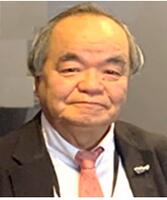 Kazuo Suzuki (鈴木和男)合作论文数Luis Pasteur Medical Research Center;Asia International Institute, Teikyo University4Haruo Watanabe合作论文数3
 Mary C Dianuer合作论文数Department of Pathology & Immunology, School of Medicine, Washington University in St. Louis;Department of Pediatrics, School of Medicine, Washington University in St. Louis3Ikuo Kojima合作论文数2
 Masayuki Kobayashi合作论文数2Akiko Ishida-Okawara合作论文数2Kano Kasuga合作论文数2Kunimoto Hotta合作论文数1Kazuo Watanabe合作论文数1Masuda K合作论文数1Hideki Koyama合作论文数1
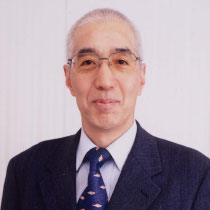 Kazunaga Yazawa合作论文数Health Food Science Division, Integrated Institute for Regulatory Science, Research Organization for Nano & Life Innovation, Waseda University;Saijukai Kaisei Hospital1Satoshi Mizuno合作论文数1Masanao Matsuo合作论文数1Akira Arisawa合作论文数1Michio Shibata合作论文数Laboratory of Genetics and Breeding, National Institute of Floricultural Science1Kazue Kawaguchi合作论文数1




