Large-scale externally mandated exit exams are common in many education systems. Exit exams are considered medium stakes when exam scores are blended with school-awarded marks to determine a final course grade. This study examined the effects of policy decisions regarding the weighting of exam and school-awarded marks when calculating a student’s final blended grade. Grade 12 teachers ( n = 343) in the Sciences and Humanities were surveyed regarding the effects of Alberta’s exit exam program on their planning and assessment practices. This study found that these exit exams had a profound impact on teacher practice at both the 50% and 30% weightings, leading to narrowing of planning and assessment practices. While a recent change in weighting contributed to a minor shift away from this practice, perceived narrowness of the exit exam’s content sample and perceived pressure related to classroom assessment outcomes were factors that mitigated this potential shift.
Active learning has experienced a recent resurgence with the advent of specialized active learning classrooms. While the fundamental theory behind active learning is anything but new, a relatively recent finding is that active learning pedagogies thrive in suitable active learning classrooms. To date, studies of active learning have focused on outcomes such as student performance. The quasi-experimental study described in this article investigated selfratings of student engagement as an outcome of active learning in active learning classrooms using a novel instrument that accounts for known factors of engagement in addition to the contribution of the learning environment—the classroom. We delineated the relative contributions of instructor, classmates, and classroom to self-rated student engagement through student surveys in both a traditional classroom and an active learning classroom in two highly similar courses with the same instructor. Our findings were that the configuration of the classroom had a direct influence on self-ratings of student engagement above and beyond instructor contributions. In this article, we describe these findings and how, with careful consideration of course design and a classroom that fits the instructor’s pedagogy, optimal levels of perceived student engagement can be achieved. This knowledge is important to future educational policy on construction and scheduling, as the resurgence of active learning in higher education increasingly reveals deficiencies in physical learning environments.
A Publication from the Inaugural Institute for Child and Youth Studies Symposium -At the Intersections of Childhood 2017: Digital, Indigenous, and Youth Issues, April 2017.
AIM:This pilot study investigated the use of acupuncture in the treatment of paediatric anxiety. METHODS:Children with anxiety, aged 8-16, were randomised to either the acupuncture or waitlist control groups. Anxiety was measured using the Hamilton Anxiety Rating Scale (HAM-A) for children and adolescents with generalised anxiety disorder and Multidimensional Anxiety Scale for Children 2nd Edition (MASC-2) self-rated and parent-rated forms. RESULTS:Twenty participants were enrolled in the study and 19 completed all the questionnaires to be included in the analysis. There were no differences in socio-demographic characteristics at baseline between the two groups. At the second assessment, the mean MASC-parent score for the acupuncture group was significantly lower than the waitlist group (65.6 (SD 15.0) compared to 81.0 (SD 11.9), P = 0.025) with an effect size = 1.13. The pre- and post-treatment comparisons were also significantly lower for both groups in the anxiety measures. In the acupuncture group, MASC-parent (P = 0.008, effect size 0.75) and the HAM-A (P < 0.001, effect size 1.4). In the waitlist group, MASC-self (P = 0.022; effect size 0.4), MASC-parent (P = 0.048; effect size 0.75) and HAM-A (P = 0.007; effect size 1.21). CONCLUSIONS:This study provided promising results on the potential use of acupuncture to treat children and adolescents with general anxiety. Future research using a randomised control trial with a sufficient sample size to control for confounders and sham (placebo) comparators is warranted.
A Publication from the Inaugural Institute for Child and Youth Studies Symposium -At the Intersections of Childhood 2017: Digital, Indigenous, and Youth Issues, April 2017.
Hypnosis has long been used as a healing practice and is still used for therapeutic purposes. Initially, hypnosis was studied in nonhuman animals and humans using electroencephalograms. New brain imaging techniques such as functional magnetic resonance imaging allow for a better understanding of neural activity patterns during hypnosis. These studies have revealed that attention and default network activity are altered in hypnosis. Specifically, activity patterns point toward a systems view of hypnosis that discounts a unitary state hypothesis. Future imaging research might be directed toward investigating these neural correlates within the framework of a two-system approach.
The rat anterior cingulate cortex (ACC) mediates effort-based decision making when the task requires the physical effort of climbing a ramp. Normal rats will readily climb a barrier leading to high reward whereas rats with ACC lesions will opt instead for an easily obtained small reward. The present study explored whether the role of ACC in cost-benefit decisions extends beyond climbing by testing its role in ramp climbing as well as two novel cost-benefit decision tasks, one involving the physical effort of lifting weights and the other the emotional cost of overcoming fear (i.e., “courage”). As expected, rats with extensive ACC lesions tested on a ramp-climbing task were less likely to choose a high-reward/high-effort arm than sham controls. However, during the first few trials, lesioned rats were as likely as controls to initially turn into the high-reward arm (HRA) but far less likely to actually climb the barrier, suggesting that the role of the ACC is not in deciding which course of action to pursue, but rather in maintaining a course of action in the face of countervailing forces. In the effort-reward decision task involving weight lifting, some lesion animals behaved like controls while others avoided the HRA. However, the results were not statistically significant and a follow-up study using incremental increasing effort failed to show any difference between lesion and control groups. The results suggest that the ACC is not needed for effort-reward decisions involving weight lifting but may affect motor abilities. Finally, a courage task explored the willingness of rats to overcome the fear of crossing an open, exposed arm to obtain a high reward. Both sham and ACC-lesioned animals exhibited equal tendencies to enter the open arm. However, whereas sham animals gradually improved on the task, ACC-lesioned rats did not. Taken together, the results suggest that the role of the ACC in effort-reward decisions may be limited to certain tasks.
We used focal brain lesions in rats to examine how dorsomedial (DMS) and dorsolateral (DLS) regions of the striatum differently contribute to response adaptation driven by the delivery or omission of rewards. Rats performed a binary choice task under two modes: one in which responses were rewarded on half of the trials regardless of choice; and another ‘competitive’ one in which only unpredictable choices were rewarded. In both modes, control animals were more likely to use a predictable lose‐switch strategy than animals with lesions of either DMS or DLS. Animals with lesions of DMS presumably relied more on DLS for behavioural control, and generated repetitive responses in the first mode. These animals then shifted to a random response strategy in the competitive mode, thereby performing better than controls or animals with DLS lesions. Analysis using computational models of reinforcement learning indicated that animals with striatal lesions, particularly of the DLS, had blunted reward sensitivity and less stochasticity in the choice mechanism. These results provide further evidence that the rodent DLS is involved in rapid response adaptation that is more sophisticated than that embodied by the classic notion of habit formation driven by gradual stimulus–response learning.
Recent studies eliminated volitional temporal preparation in single location inhibition of return (IOR) studies, but reported conflicting results regarding the contribution of volitional attention on single location IOR in detection tasks. We used a multiple location IOR paradigm to examine the contribution of voluntary attention to the typically observed finding of the greatest magnitude of IOR at the most recently cued location following multiple cues. A non-ageing foreperiod was used to eliminate volitional temporal preparation. When subjects were informed of the probability of a trial type (50% after cue 1, 25% after cue 2, and 12.5% after cue 3), typical results were observed with IOR largest at the most recently cued location and smaller for less recently cued locations on 3-cue trials. However, when subjects were informed of the frequency of a trial type (i.e., on 50 of the 100 trials, the target will appear after cue 1 etc), the results showed that IOR was equivalent at all cued locations, suggesting that IOR is fundamentally a reflexive event that can be modulated by volitional attention. (Manuscript in preparation)
 David R Euston合作论文数University of Lethbridge4
 Amy Mack合作论文数3
 Richelle Marynowski合作论文数Fac Educ, Univ Lethbridge2Wendy Takeda合作论文数1
 Robert J. McDonald合作论文数Department of Neuroscience, Faculty of Arts & Science, University of Lethbridge1Mudiayi Dominic合作论文数1VanOyen Jenn合作论文数1Hakstol Rhys合作论文数1
 Molina Leonardo A合作论文数Canadian Centre for Behavioural Neuroscience, University of Lethbridge1
 Ian Q. Whishaw合作论文数NeuroInvestigations, Inc.;Department of Neuroscience, Faculty of Arts & Science, University of Lethbridge1
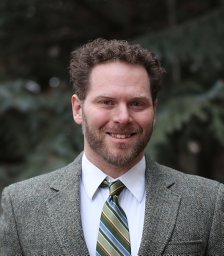 Aaron J. Gruber合作论文数Biomedical Engineering, Northwestern University1
 Ivan Skelin合作论文数Cone Neurological Research Laboratory, McGill University1
 Brenda Leung合作论文数Faculty of Medicine, University of Calgary;Alberta Children's Hospital, University of Calgary1Janice J. Snyder合作论文数1
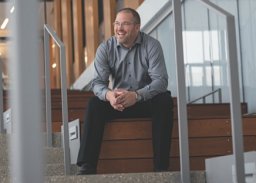 David H. Slomp合作论文数Faculty of Education, University of Ottawa1Nancy S. Hong合作论文数1




