The genetic impact of historically documented trans-Eurasian interactions in China remains poorly understood due to the scarcity of genome-wide ancient DNA data. This study presents genome-wide SNP data from 10 individuals excavated from the Jinlingnan cemetery in Zibo City, Shandong Province, dating from the Tang (618–907 AD) to the Qing (1644–1912 AD) dynasties. Although located in the agricultural heartland of eastern China rather than along major Silk Road corridors, the site provides a valuable context for investigating the integration of non-local populations into inland societies. Our analyses reveal that the Jinlingnan individuals primarily derived their ancestry from the Middle Yellow River region, showing strong genetic continuity with both contemporaneous and modern northern Chinese populations. Notably, a subset of seven individuals exhibited detectable genetic contributions from Western Eurasians or Central Asians, with proportions ranging from 1.5
Forensic SNP Genealogy (FSG) provides an innovative investigative methodology for resolving cold cases where conventional autosomal STR profiling yields no database matches and Y-STR analysis fails to provide feasible patrilineal leads. This study reports the successful integration of FSG with whole mitochondrial (mtDNA) sequencing to solve a 28-year-old cold case. FSG enabled precise pedigree reconstruction to circumscribe the target family lineage, while mitochondrial sequencing and autosomal STR profiling definitively identified the perpetrator. The integrated approach successfully reconstructed multi-generational kinship networks, established suspect identity, and provided critical genetic evidence essential for resolving the case, thereby demonstrating a potentially applicable framework for complex forensic investigations.
Understanding the genetic evolutionary history of the Daur people is academically valuable for determining how the core lineages of Mongolic-speaking and East Asian populations were formed, as the Daur represent an ancient branch of the Mongolic-speaking population. Academic research and discussion in this field focused on the genetic relationships between the Daur and ancient Khitan populations. The resulting large amounts of deep sequencing data obtained have been used to deepen our understanding of the complexity of the genetic evolution and migration-fusion history of human populations. In this review, we systematically summarize the latest progress in research on the Y chromosome and mitochondrial DNA lineages of the Daur population from 2019 to 2025. We integrated the developmental history of the Daur ethnic group with the genealogical data of key families and determined the evolutionary trajectory of the paternal and maternal genetic histories of the Daur population. This review provides a reference for subsequent research on the genetic histories of related populations.
Short tandem repeats have been essential and fundamental genetic markers used in forensic individual discrimination and paternity testing since their discovery, especially those used in the Combined DNA Index System. Nevertheless, in cases of complex kinship identification, such as full-sibling, half-sibling, and uncle-niece relationships, the combined application of additional short tandem repeat loci is necessary to reach reliable identification conclusions. In this study, we evaluated the efficiency of an updated novel short tandem repeat genotyping system for kinship identification in the Eastern Chinese Han population. This 23-plex short tandem repeat system demonstrated strong discrimination power among individuals in the target population, with a combined power of discrimination and cumulative probability of exclusion of 1-2.107 1 × 10-27 and 0.999 999 999 800, respectively. When 74 short tandem repeats were used and the threshold log10(likelihood ratio) was set to 4, the system efficiency reached 0.999 9 and 0.707 3 for simulated full-sibling and half-sibling pairs, respectively. Furthermore, in two real secondary kinship identification cases, incorporation of the novel 23-plex short tandem repeat system increased the probabilities of the prior kinship hypotheses from 154.259 5 and 1 031.699 5 to 56 597.118 4 and 134 829.791 5, respectively, yielding reliable identification conclusions. Hence, it is evident that the novel 23-plex short tandem repeat system has notable potential as a tool for forensic kinship identification in the Eastern Chinese Han population and could serve as a complementary set of short tandem repeat loci for the identification of distant kinship.
The Yellow River Bend, at the northern frontier of Chinese civilization, has witnessed frequent prehistoric interactions between populations from the Central Plains of China and the northern Steppe. However, the related prehistoric population dynamics in this region remain poorly understood. Here, we generate whole-genome data for 23 individuals from the Late Neolithic to the Bronze-Iron Age. We find that Yangshao-related ancestry from the Central Plains constituted a major component of the local gene pool. During the Late Neolithic period, the Yellow River Bend population received indispensable genetic contributions from the Mongolian Steppe. Meanwhile, the Neolithic outliers presented an unexpected genetic influence from southern China that remains throughout the Bronze-Iron Age, implying a long-distance genetic exchange between northern and southern China. Overall, our study underscores the intricate ancient population interactions between the Central Plains, the Steppe, and southern China at the Yellow River Bend since the Neolithic period.
Massively parallel sequencing (MPS), a well-established strategy for forensic DNA profiling, enables the simultaneous sequencing of multiple targeted loci of multiple samples at a single-base resolution with high coverage. In this study, we developed a novel typing system by combining solution-based hybrid capture methods with MPS to target as many as 107 short tandem repeats (STRs) and 292 single nucleotide polymorphisms (SNPs) in the Han Chinese population. Completely accurate and concordant STR genotypes were obtained when compared to typing results generated from conventional capillary electrophoresis analysis, with six loci exhibiting inferior performance due to allele dropout or even locus dropout. The locus detection success reached 85.2% for STRs at a DNA input of 10ng and 95.61% for SNPs at a DNA input of 5ng. Mixture studies substantiated the considerable potential of our system in identifying minor contributor alleles at both STR and SNP loci. Additionally, the system demonstrated full inferential abilities in distinguishing first-degree kinship from unrelated individual pairs and achieved significant effectiveness of 99.78% and 80.2% for the identification of second- and third-degree kinship, respectively. These findings indicated that our novel typing system is highly discriminative and informative when used in the Han Chinese population and would be highly efficient for use in paternity testing and complex kinship analysis.
The middle reaches of the Yellow River in the Late Neolithic period were the frontier of cultural communication between the Central Plains and the northern steppe. The remarkable sites that emerged during this period, such as Taosi, Shimao, and Lushanmao, played important roles in the formation of early Chinese civilization. Here we report ancient genomic data from 8 individuals from the three sites. Population genetics analysis revealed that the ancestries of these individuals were mainly related to the Yangshao culture populations from the Central Plains, supplemented by Northeast Asian ancestry. We also found an individual who was a genetic outlier at the Lushanmao site who carried excess Northeast Asian ancestry and harbored a genetic background similar to that of the Hongshan culture population. These findings provide a more detailed picture of genetic interactions and population migrations in northern China of Late Neolithic period and suggest potential cross-regional population interactions.
Acute liver injury (ALI) is a common clinical disease caused by sepsis, metabolic syndrome, hepatitis virus. Macrophage plays an important role in the development of ALI, which is characterized by polarization and inflammatory regulation. The polarization process of macrophages is related to membrane binding proteins and adaptors. Protein 4.1R acts as an adaptor, linking membrane proteins to the cytoskeleton, and is involved in cell activation and cytokine secretion. However, whether protein 4.1R is involved in regulating macrophage polarization and inflammation-induced liver injury remains unknown. In this study, protein 4.1R is identified with the special effect on macrophage M1 polarization. And it is further demonstrated that protein 4.1R deficiency significantly enhance glycolytic metabolism. Mechanistically, the regulation of protein 4.1R on pyruvate kinase M2 (PKM2) plays a key role in glycolysis metabolism. In addition, we found that protein 4.1R directly interacts with toll-like receptor 4 (TLR4), inhibits the activation of the AKT/HIF-1α signaling pathway. In conclusion, protein 4.1R targets HIF-1α mediated glycolysis regulates M1 macrophage polarization, indicating that protein 4.1R is a candidate for regulating macrophage mediated inflammatory response. In conclusion, we have revealed a novel function of protein 4.1R in macrophage polarization and ALI, providing important insights into the metabolic reprogramming, which is important for ALI therapy. We have revealed a novel function of protein 4.1R in macrophage polarization and ALI, providing important insights into the metabolic reprogramming, which is important for ALI therapy.
Purpose: To investigate the prevalence, severity, oral distribution, and associated risk factors of carious lesions in the primary teeth in children in Jinzhou, China, aged 7-9 years. Materials and Methods: A total of 1603 primary school students aged 7-9 years old from public and private schools in Jinzhou were recruited using multi-stage, stratified, and random sampling methods for cross-sectional studies. Carious lesions in the primary teeth of school-age children were detected and recorded according to the World Health Organization standard, and a questionnaire was collected from a parent or guardian with information on the relevant risk factors for the child. Odds ratios and 95% confidence intervals of factors related to carious lesions were estimated using binary logistic regression analysis (p<0.05). Results: The prevalence of carious lesions in the primary teeth was 74.5%, the average number of carious lesions was 3.02, and dmft was 4.08 +/- 2.74. There were 655 cases (77.1%) of dental carious lesions in boys and 546 cases (72.5%) in girls, and the difference between them was statistically significant (p<0.05). Binary logistic regression analysis showed that the mother's educational level, brushing frequency, brushing time, and consumption of soft drinks, desserts, and sweets were all associated with a higher prevalence of carious lesions (p<0.05). Conclusions: The children in our sample had a high incidence of carious lesions of the primary teeth, especially the mandibular primary molars. Social demographic factors, oral hygiene habits, and dietary habits all play an important role in the occurrence of carious lesions.
Guizhou province in China is rich in indigenous chicken breeds, playing an essential role in the genetic improvement of modern chickens. Genetic diversity has decreased in recent decades due to accelerated breeding processes and changing conservation priorities. To determine the genetic diversity and population structure of Guizhou indigenous chicken breeds, we used 55K genotyping arrays to conduct population genetic analysis on 233 individuals from 8 Guizhou indigenous breeds and 263 individuals from 9 Guizhou indigenous chicken populations. We evaluated the genetic diversity parameter (heterozygosity, proportion of polymorphic markers, and nucleotide diversity), linkage disequilibrium (LD), population structure, and genetic differentiation (FST and genetics distance). Genetic diversity results indicated that the genetic diversity of chicken breeds in Guizhou province is relatively affluent. Among Guizhou breeds, Baiyi black-bone and Guizhou yellow chicken displayed the lowest genetic diversity, as the 2 breeds exhibit lower PN and heterozygosity, the extent of linkage disequilibrium is higher. According to the LD pattern, Guizhou indigenous breeds can be divided into 3 categories. Population structure analysis showed a certain degree of genetic differentiation among local chickens in Guizhou. We argue that Chishui black-bone and Puan black-bone chickens are 2 different geographical regional groups of the same breed. In principal component analysis, individuals from the 2 groups clustered together, and the phylogenetic tree results showed that the 2 groups clustered together to form a branch independent of other breeds, and they displayed an identical pattern of ancestral lineage composition. The research results will provide a reference for protecting local chicken genetic resources in Guizhou Province and promote the protection and utilization of genetic resources.
Sancang Publishing House is mainly engaged in the publication and distribution of Chinese international open source journals. The journals cover engineering technology, mathematics and physics, humanities and society, information science, economics and management, medicine and health, agriculture, global environment and other disciplines, with the help of Internet thinking and modern Information technology, based on the scientific research needs of domestic universities and research institutions, strives to promote the exchange and dissemination of knowledge in the Chinese academic community. It can be published in journals, published papers, and published quickly. Sancang Publishing welcomes scientific research scholars to join us, participate in manuscript review, co-run journals, submit manuscripts, and grow and grow together with Chinese journals. If you have any comments or suggestions on the journal, please contact service@sciepublish.com.
Ancient trees play an important ecosystem service role in high-density cities, revealing the zonal distribution characteristics of vegetation under climate influence. The ancient trees in Guangzhou and Foshan in 2018 and 2023 were taken as study objects to explore the evolution of their spatio-temporal patterns and to analyze the spatial differentiation characteristics of their driving factors using the geographical weighted regression (GWR) model. The results showed the following: (1) The ancient trees in Guangzhou and Foshan were composed of typical subtropical evergreen broad-leaved forest communities, mainly represented by broad-leaved species of evergreen dicotyledonous plants. The dominant species mainly included Litchi chinensis, Ficus microcarpa, Canarium pimela, Ficus virens, and Dimocarpus longan. However, there was a significant difference between Guangzhou and Foshan. (2) The number of ancient trees in Guangzhou showed negative growth, while Foshan saw a significant increase. However, species diversity in both areas increased, with the highest diversity in the northeast, higher diversity in the south-central part, and lower diversity in the western and northwestern parts. (3) The maximum kernel density of ancient trees in Guangzhou and Foshan differed 22-fold, indicating a spatial distribution pattern of multiple clusters. (4) The GWR model effectively explained the driving factors of the heterogeneity of the spatial distribution of ancient trees. The results showed that artificial disturbance was the most important factor affecting the spatial distribution of ancient trees in high-density urban agglomerations in the same vegetation zone. The study clarified the characteristics of the spatial distribution and species diversity of ancient trees in the region, revealed the driving factors for the evolution of the spatial pattern of ancient trees in highly urbanized areas, and provided guidelines for policies and measures for enhancing biodiversity and conserving germplasm resources in the region.
Ancient Chang’an in the Tang Dynasty (618–907 AD) was one of the world’s largest and most populated cities and acted as the eastern end of the world-famous Silk Road. However, little is known about the genetics of Chang’an people and whether the Western Regions-related gene flows have been prevalent in this cosmopolitan city. Here, we present seven genomes from Xingfulindai (XFLD) sites dating to the Tang Dynasty in Chang’an. We observed that four of seven XFLD individuals (XFLD_1) were genetically homogenous with the Late Neolithic Wadian, Pingliangtai, and Haojiatai populations from the middle reaches of the Yellow River Basin (YR_LN), with no genetic influence from the Western Eurasian or other non-Yellow River-related lineages. The remaining three XFLD individuals were a mixture of YR_LN-related ancestry and 3–15
Objective: In this study, we aim to explore the genetic imprint of Bronze Age globalization in East Asia from a phylogeographic perspective by examining the Y-chromosome haplogroup Q1a1a-M120, and to identify key demographic processes involved in the formation of early China and the ancient Huaxia people. Methods: Over the past few decades, we have collected the sequences of 347 Y chromosomes from the haplogroup Q1a1a-M120. These sequences were utilized to analyze and reconstruct a highly revised phylogenetic tree with age estimates. And we analyzed the geographical distribution and spatial autocorrelation of nine major sub-branches of Q1a1a-M120. Finally, we observed the expansion of Q1a1a-M120 from the beginning of the Bronze Age in East Asia, along with the continuous dissemination of its sub-lineages among East Asian populations. Results: We suggest that certain sub-lineages played a significant role in the formation of states and early civilizations in China, as well as in the development of the ancient Huaxia people, who are the direct ancestors of the Han population. Overall, we propose that haplogroup Q-M120 played a role in the introduction of Bronze Age culture to the central region of East Asia. Therefore, it is haplogroup Q-M120, rather than the Western Eurasian paternal lineage, that expanded and contributed to the gene pool of the East Asian population. Conclusion: In summary, the globalization of the Bronze Age led to large-scale population replacement and admixture across various regions of Eurasia; our findings highlight the unique demographic processes that occurred in East Asia during this period.
BackgroundY-chromosome haplogroup C2a-M48-F8472, a unique paternal line in the ancient Xiongnu population, is concentrated in the modern Han people. The most closely related lineage of this paternal lineage is mainly distributed in Tungusic-, Mongolic-, and Turkic-speaking populations.AimTo investigate the formation process of this unique distribution state.Subjects and methodsIn total, 36 sequences of haplogroup C2a-M48-F8472 were analysed to generate a revised phylogenetic tree with age estimation and to explore the geographic distribution pattern.ResultsThe results suggested that northern China is likely the diffusion centre of this paternal haplogroup. This lineage is concentrated in the Liu clan ((sic)(sic)) of Han populations and may have originated in the Tuge tribe ((sic)(sic)) of Xiongnu populations. The initial expansion (similar to 2,600 years ago) and the second phase of expansion (similar to 1,570 years ago) of haplogroup C2a-M48-F8472 coincide with the earlier appearance and later disappearance of the Tuge tribe. As a sub-clade of M48, the history of F8472 suggested that ancient peoples related to Tungusic-speaking populations were intricately connected with the demographic history of populations in the Mongolian Plateau.ConclusionThe appearance of this paternal line in the Han population is helpful for understanding the mixed history of ancient and modern people in the Mongolian Plateau and Central China.
We analysed the forensic characteristics and substructure of the Handan Han population based on 36 Y-STR (short tandem repeat) and Y-SNP (single nucleotide polymorphism) markers. The two most dominant haplogroups in Handan Han, O2a2b1a1a1-F8 (17.95%) and O2a2b1a2a1a (21.51%), and their abundant downstream branches, reflected the strong expansion of the precursor of the Hans in Handan. The present results enrich the forensic database and explore the genetic relationships between Handan Han and other neighbouring and/or linguistically close populations, which suggests that the current concise overview of the Han intricate substructure remains oversimplified.
ObjectivesPrevious studies suggested that the Y-chromosome haplogroups O2-N6-B451-AM01756 and O1a-M119 are two founder lineages of proto-Austronesians at about five thousand years ago. The objective of this study was to investigate the formation of proto-Austronesians from the perspective of the paternal gene pool.Materials and methodsIn this study, we developed a highly evised phylogenetic tree with age estimates for haplogroup O2-N6 and early branches of O1a-M119 (M110, F1036, and F819). In addition, we also explored the geographical distribution of eight sub-branches of O2-N6 and O1a-M119, and spatial autocorrelation analysis was conducted for each sub-branch.ResultsThe paternal lineage combination of proto-Austronesians is a small subset of a diverse gene pool of populations from the mainland of East Asia. The distribution map and results of the spatial autocorrelation analysis suggested that the eastern coastal region of northern China is likely the source of lineage O2-N6 while the coastal region of southeastern China is likely the diffusion center of early branches of O1a-M119. We developed an evolutionary diagram for Austronesians and their ancestors in the past 18,000 years.DiscussionWe proposed that the millet farming community in North China is the common ancestor group of the Austronesians and the Han people, while the diverse ancient people in the southeast coastal areas of East Asia form the common ancestor group of the Austronesians and the East Asian mainland population. The demographic history of multiple ancestral groups of the most recent common ancestor group itself in the more ancient period is helpful to understand the deep roots of the genetic components and cultural traditions of Austronesians.
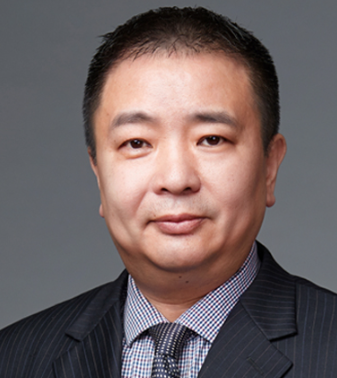 Li Jin (金力)合作论文数Department of Anthropology and Human Genetics, School of Life Sciences, Fudan University;Shanghai College of Medicine, Fudan University100
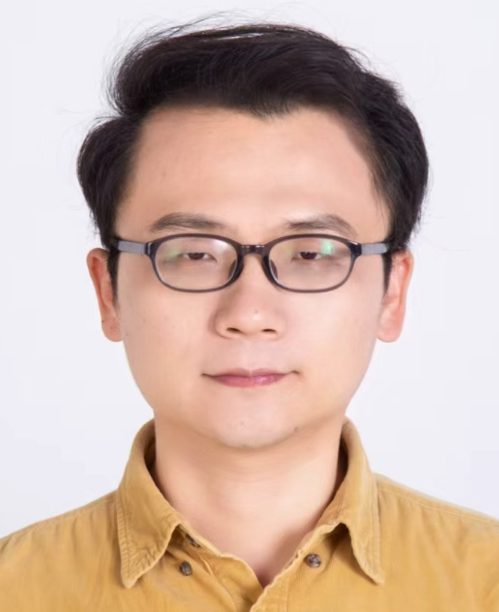 Chuan-Chao Wang (王传超)合作论文数School of Forensic Medicine and Science, Fudan University;Ministry of Education Key Laboratory of Contemporary Anthropology, School of Life Sciences, Fudan University58
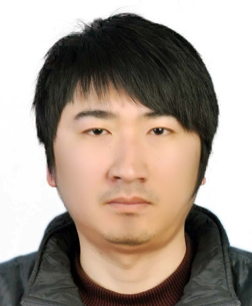 Shaoqing Wen (文少卿)合作论文数Department of Cultural Heritage and Museology, Fudan University;Ministry of Education Key Laboratory of Contemporary Anthropology, Fudan University38
 Lanhai Wei (韦兰海)合作论文数Department of Anthropology & Ethnology, School of Sociology and Anthropology, Xiamen University38
 Lingxiang Wang合作论文数24
 Zhendong Qin合作论文数23
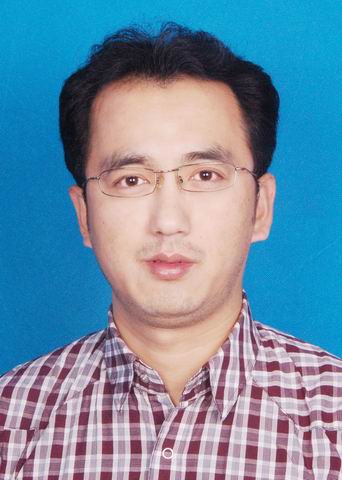 Shilin Li (李士林)合作论文数Department of Anthropology and Human Genetics, Fudan University;Ministry of Education Key Laboratory of Contemporary Anthropology, School of Life Science Fudan University, Fudan Universtiy20
 Daru Lu (卢大儒)合作论文数School of Life Sciences, Fudan University;Institute of Medical Genetics and Genomics, Fudan University20
 Jingze Tan (谭婧泽)合作论文数School of Life Sciences, Fudan University18
 Kenneth Kidd合作论文数Yale University School of Medicine16Shi Yan合作论文数15Pan-Xin Du合作论文数15
 Mingjie Su合作论文数15
 Meisen Shi (石美森)合作论文数School of Criminal Justice, China University of Political Science and Law15
 Shuhua Xu (徐书华)合作论文数School of Life Sciences, Fudan University14Judith R. Kidd合作论文数14
 Yun-Zhi Huang合作论文数12
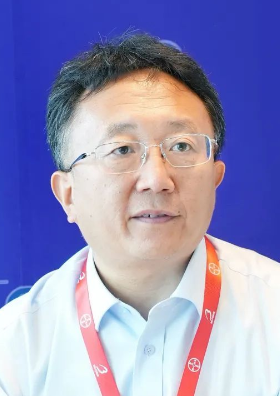 Yajun Yang (杨亚军)合作论文数School of Life Sciences, Fudan University12
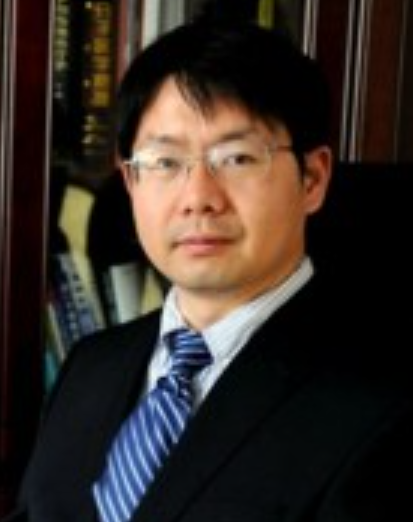 Bo Wen (文波)合作论文数School of Basic Medical, Fudan University12
 Boyan Zhou合作论文数Inst Archaeol Sci, Fudan Univ11
 Manfei Zhang (张曼菲)合作论文数School of Life Sciences and Biotechnology, Shanghai Jiao Tong University11
 Chang Sun (孙畅)合作论文数State Key Laboratory of Molecular Engineering of Polymers, Department of Macromolecular Science, Fudan University11Shangling Pan合作论文数11
 Jianzhong Jin合作论文数Institute of Genetics and Morgan-Tan International Center for Life Science, Fudan University11Longli Kang (康龙丽)合作论文数10
 Hongxiang Zheng (郑鸿翔)合作论文数School of Life Sciences, Fudan University10Andrew J. Pakstis合作论文数School of Medicine, Yale University10Chi-Zao Wang合作论文数9Xin-Zhu Tong合作论文数9Hong-Bing Yao合作论文数9Hailiang Meng合作论文数8
 Chun-Yi Sum合作论文数College of General Studies, Boston University8
 Mattison Siobhán M合作论文数Department of Anthropology and Morrison Institute for Population and Resource Studies, Stanford University8
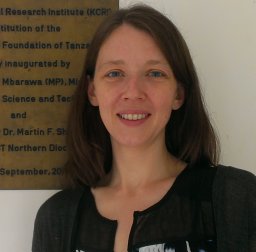 Katherine Wander合作论文数8
 Mary K. Shenk合作论文数Department of Anthropology, College of the Liberal Arts, Pennsylvania State University8Xiaoyun Cai (蔡晓云)合作论文数8
 Tami Blumenfield合作论文数8QiongYing Deng (邓琼英)合作论文数7Ji Qian合作论文数7
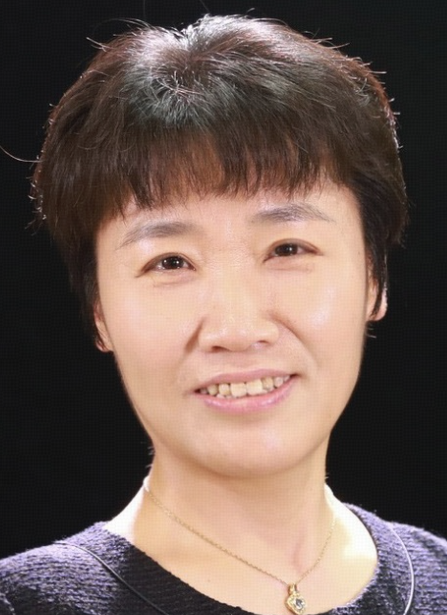 Jiucun Wang (王久存)合作论文数School of Life Sciences, Fudan University7William C. Speed合作论文数7Jianxue Xiong合作论文数6Xue Ao合作论文数6Yichen Tao合作论文数6Jin Sun合作论文数6DongNa Li (李冬娜)合作论文数6
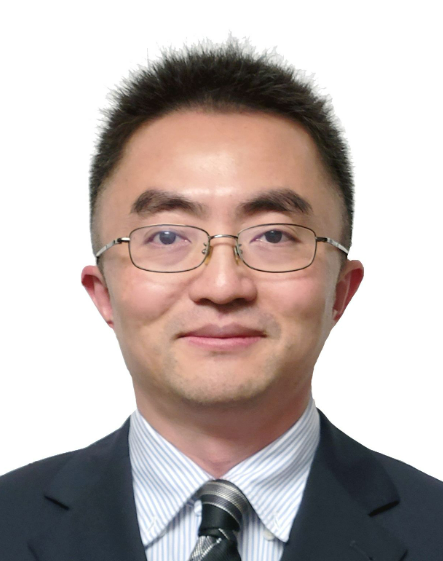 Yungang He (何云刚)合作论文数Intelligent Medicine Institute, Fudan University;Shanghai Fifth People's Hospital, Fudan University6
 Yi Wang (王毅)合作论文数Institute of Biophysics, Chinese Academy of Sciences;University of Chinese Academy of Sciences6
 Zhang Chao合作论文数Key Laboratory of Plant Resources Conservation and Sustainable Utilization, Chinese Academy of Sciences6




