Free-bending technology represents a novel manufacturing process for forming spatial tubes, enabling the fabrication of complex-axis tubes through continuous adjustment of die positions. As critical geometric parameters for describing tube shapes, curvature and torsion require precise prediction to ensure forming accuracy. This paper presents novel insights into the formation mechanism of free-bending spatial tubes by considering the dual factors of bending plane rotation and additional torque, and establishes a theoretical model for curvature-torsion prediction. To further elaborate the generation mechanisms of additional torque and twist angle—key forming parameters in the theoretical model—during bending die rotation, and their influence on the torsion of the tube axis, a physics-based fully connected neural network (FCNN) prediction model was proposed. By integrating tube material/geometric parameters with equipment process parameters, this model achieves high-accuracy predictions of curvature and torsion while maintaining strong interpretability, overcoming the limitations of intractable theoretical models. Example verification shows that its predicted curvature and torsion exhibit relative errors within 5% and 8%, respectively. Finally, forming experiments of an ellipsoidal-shaped part validated the model's effectiveness in practical manufacturing, demonstrating its capacity to guide spatial tube forming. Additionally, the model provides an alternative approach to determine key forming parameters (e.g., bending moment, torque, twist angle) with significantly higher accuracy and efficiency than traditional theoretical calculations.
This paper investigates the deformation behavior of isotropic hardening cylinders under combined tension-torsion loading within the finite deformation elastoplasticity framework. First, the deformation gradient is constructed in polar coordinates. Then, based on the additive decomposition of the deformation rate and the logarithmic objective rate, the governing equations for stress evolution are established, where the deformation characteristics are defined by prescribing the deformation mode. The finite difference method is adopted for stress updating. Combined with boundary conditions and equilibrium equations, the deformation parameters are determined through optimization methods. To validate the proposed analytical model, comprehensive numerical simulations are carried out. The comparison of results demonstrates that the proposed analytical model achieves relatively high accuracy. In general, the coupling effect between tension and torsion promotes axial elongation, and the axial normal stress presents a non-uniform distribution that decreases gradually along the radial direction with slight variation in the elastic region. However, when the deformation becomes sufficiently large, an inhibitory effect arises between the two loadings, and the distribution pattern of axial normal stress changes accordingly. Finally, by neglecting the axial force in the analytical model, the model is directly applied to the analysis of torsional deformation. The results show that axial normal stress still exists even under pure torsional deformation. The axial normal stress decreases along the radial direction and changes from tensile to compressive stress, and the tension-compression transition points under different deformation degrees approximately intersect at one point. The proposed analytical model is capable of effectively capturing the deformation behavior of elastoplastic cylinders.
Uncertainty inherently exists in the spatial tube forming process, and uncertainty quantification (UQ) of the critical wrinkling stress is crucial for precise and stable forming as well as structural safety. However, the inherent strong randomness of geometric characteristics and material mechanical properties, together with limited experimental data, increases the difficulty of UQ. Therefore, for the UQ of random wall thickness and material mechanical property deviations, a wall thickness random field, an elastic modulus interval field, and cross-correlated interval fields of plastic mechanical property parameters are constructed, respectively. In addition, geometric deflection imperfections and loads are regarded as one-dimensional random variables. As the first attempt to apply Heterogeneous Graph Neural Network (HGNN) to the spatial tube forming process considering mixed uncertainties of random field, interval fields and random variables, this study adopts a heterogeneous graph data structure to represent finite element node and element information, and constructs a Node-Element Heterogeneous Graph Neural Network (NE-HGNN) surrogate model to predict the critical wrinkling waveform and critical wrinkling stress of spatial tube forming. Mixed uncertainty propagation is realized by replacing large-scale finite element simulations. Through comparative analysis and ablation studies with a MultiHead Convolutional Neural Network, it is proved that the physical coupling behavior between deformation state and stress state can be effectively represented by heterogeneous graph topology. Finally, the proposed NE-HGNN is used to realize the uncertainty quantification of critical wrinkling stress, and the final results are verified by the theoretical analysis. This work effectively integrates the finite element mesh with mixed uncertainty information into the heterogeneous graph structure, providing a general modeling framework for data-driven forming prediction of complex spatial components considering mixed uncertainties.
Wrinkling instability of spatial tubes caused by inappropriate combinations of process parameters during free bending forming (FBF) severely restricts the forming stability. The correlation mechanism between the critical wrinkling loads (CWL) under bending-torsion coupled and the process window remains unclear, which makes it difficult to effectively control wrinkling defects of spatial tubes FBF. This study establishes a critical wrinkling analysis model under bending-torsion coupled (CWAM-CBT) of spatial tubes to calculate CWL. Based on the energy physical meaning of yielding and combined with the quadratic model of bending-torsion buckling (QM-BTB), approximate upper and lower bounds of buckling strength are proposed as the wrinkling criterion. The effects of load ratio, radius-to-thickness ratio, and tube material properties on the CWL and buckling strength are investigated. The validity of the analysis model is verified through a simplified finite element model. By combining the analysis model with finite element simulation of spatial tubes FBF, the critical wrinkling loading path of spatial tubes is constructed according to the relationship between process parameters and load ratios in the stable forming stage. The critical wrinkling loading path divides the process window into three zones, namely the wrinkling zone, the critical wrinkling zone, and the without wrinkling zone. Experiments on spatial tubes FBF have verified that the critical wrinkling loading path can accurately predict the wrinkling behavior under different process parameters, while further validating the effectiveness of the analytical model. This work enhances the in-depth understanding of the bending-torsion coupled wrinkling mechanism during spatial tubes FBF, thereby providing an effective method for the process optimization of complex spatial tube components.
Dynamically coupled multi-parameter systems with stringent physical constraints are ubiquitous in advanced manufacturing processes. Taking the free bending forming of variable curvature/torsion spatial tubes as an example, high-precision prediction of their forming states faces three fundamental challenges: capturing crossparameter coupling effects, modeling complex temporal dependencies, and enforcing physical consistency. To address these issues, this paper proposes a physics-informed adaptive multi-head attention LSTM (PAMA-LSTM) framework for temporal prediction, which establishes a closed-loop architecture integrating coupling capture, feature fusion, physical constraints, and performance optimization. A customized multi-head attention mechanism adaptively captures dynamic coupling patterns. A cross-head fusion layer integrates features and quantifies the contribution of each attention head to reduce redundancy. A physics-informed loss function integrates multihead attention weights with physical constraints as penalty terms to ensure prediction rationality. A Bayesian strategy optimizes hyperparameters to maximize overall performance. Meanwhile, the model leverages LSTM units to capture the dynamic temporal evolution of the forming process, accurately reflecting the influence of historical states on the current state. Experimental results on free bending forming demonstrate that PAMA-LSTM significantly outperforms baseline and ablation models in curvature/torsion prediction and axis reconstruction. PAMA-LSTM offers a systematic approach to integrating process mechanisms with deep learning in complex forming domains, achieving an engineering balance among accuracy, robustness, and physical consistency. It holds significant implications for intelligent manufacturing and real-time process optimization.
This paper proposes an analytical model for springback prediction in tube free bending, addressing the challenges of strain path evolution, the Bauschinger effect, and nonlinear unloading-reloading behavior. By integrating a modified Chaboche kinematic hardening law with the Yoshida-Amaishi nonlinear elasticity formulation, the complex loading-unloading phenomena in both stable and transition regions can be described effectively. A major innovation is the first-time identification and quantification of the overshoot/undershoot phenomenon occurring in transition regions. In addition, a novel strain path function is developed to describe the resulting oscillatory behavior. Systematic experimental and numerical validations demonstrate the model's accuracy, outperforming traditional isotropic approaches. The study further quantifies the influence of process parameters (e.g., die offset difference, feeding velocity) and die structural parameters (e.g., chamfer radii, dietube clearance) through multi-factor response surface analysis. This analysis reveals how these parameters affect the overshoot amplitude and the damping characteristics of the strain path. The framework advances the understanding of springback mechanisms under complex strain paths and offers a fresh analytical perspective and practical potential for parameter optimization aimed at reducing defects such as indentation.
Bending and torsion processes are commonly used for the forming of spatial tubes. However, buckling and wrinkling pose a significant challenge to the high-quality and stable forming of spatial tubes. To reveal the interaction mechanism of bending-torsion buckling (BTB) during the forming process, a quadratic model of BTB under plastic buckling instability was proposed. According to the buckling phenomena of simulation and experiment, the BTB state was divided into three zones, namely Zone I (torsion-dominated zone), Zone II (bending-torsion transition zone), and Zone III (bending-dominated zone). The characteristics of bending-torsion response changes, buckling wrinkle features, and critical load variation in the three zones were studied. Considering the complex interaction of bending and torsional buckling, an analytical method for the critical load of tubes under combined bending-torsion action has been provided. This method is based on the energy approach, incorporating pure bending and pure torsion buckling, along with the quadratic model of BTB. The effectiveness of the proposed theoretical model was verified by finite element (FE) simulation, and the influence of tube geometric characteristics, material parameters, and initial imperfection amplitude on the BTB interaction was discussed.
Existing spline partitioning methods exhibit poor applicability to the free-bending process. Addressing this limitation, this paper innovatively proposes a spline partitioning and processing method that explicitly considers the transition section. Our approach accounts for the influence of the transition section length within a pipe fitting on the axis deviation of the formed part. The method uniformly partitions the spline portion of the pipe fitting, using the maximum transition section length as the partitioning unit. Furthermore, we analyze the causes of deviation between the spliced model and the theoretical model within the spline region after partitioning. To address this deviation, we employ a combination of planar arcs, positioning chords, and variable chord angles to reconstruct the spline portion. This ensures the reconstruction error between the spliced model and the theoretical model remains within acceptable limits. Additionally, the relationship between the variation in the tangent vector angle across the spline and the vertical displacement of the bending die is derived, thereby yielding the necessary processing parameters for forming this section. Validation through application to typical parts confirms the effectiveness of this partitioning and processing method in actual pipe fitting forming.
In this paper, the equilibrium problem of incompressible hyperelastic circular tubes under combined bending and torsional deformation is studied. By using polar coordinates on the axis, a three-dimensional kinematic model of the longitudinal bending of a circular tube with wall thickness variation is established. Due to the adoption of the semi-inverse method, the displacement field specified in the model contains three unknown functions. Lagrangian and Eulerian analyses are performed on the model to determine the (first) Piola-Kirchhoff stress and Cauchy stress, clarify the equilibrium equations and boundary conditions, and thus solve for the unknown parameters in the kinematic model. In addition, the established model is validated by comparing it with the finite element (FE) results. The results show that the established model is effective and exhibits high accuracy. It describes the combined deformation of bending and torsion quite well and obtains the axial normal stress and torsional shear stress with relatively high precision. It can characterize the distribution of the wall thickness and the strain-neutral layer (SNL) after deformation with quite high precision. According to the deformation angle, the corresponding bending moment and torque are obtained, and the relative errors are all at a low level. Finally, the axial elongation rates of tubes with different specifications are analyzed, and it is found that they increase with the increase of the outer diameter or the inner diameter.
As a foundational configuration of spatial tubes, the spiral metal tube has been widely used in the industrial tube line system. Unfortunately, its precise forming remains a challenge up till now. In this paper, an improved analytical model is presented to reveal the forming mechanism of the spiral tube taking various processing parameters into account and verified by the FE simulations and four-axis free-bending (FFB) bending experiments. The method of springback prediction for the spatial configuration is given, and the transformation between four-axis and six-axis free bending process is provided. The conclusions can be drawn that the curvature radius primarily decreases with the increment of the offset, and the pitch mainly diminishes with the growth of the ratio defined as pushing velocity versus angular velocity of the panel. When the ratio is constant, the forming result remains unchanged, which is consistent with the theoretical model. Meanwhile, the evolution mechanism of forming quality is explored to provide a certain reference for the actual forming process. For the same tube configuration, reduction/thickening of wall thickness and cross-section distortion can be improved with the synchronous increase of the ratio of pushing velocity and angular velocity. It was innovatively found that the nonuniform distribution of shear stress under lower loading velocities is the dominant reason for the lower forming quality. This research effectively reveals the spiral tube forming mechanism and the evolution mechanism of forming quality, which establishes the foundation for analyzing the forming issues of complex spatial tubes in this field.
We report the helicoselective and convergent construction of indolohelicenoids with excellent efficiency and stereocontrol. This reaction proceeds through a chiral-phosphoric-acid-catalyzed enantioselective cycloaddition and eliminative aromatization sequence, which can be finely controlled by adjusting the reaction temperature. Mechanistic studies reveal that the chiral phosphoric acid cooperatively serves as both a bifunctional and Brønsted acid catalyst, enabling one-pot central-to-helical chirality conversion. Additionally, the optical properties of the synthesized indolohelicenoids were characterized to explore their potential applications in organic photoelectric materials.
Spatial tubes, known for their attributes of lightweight, large section modulus, and high strength, find extensive applications across various industries. Nevertheless, in the course of forming spatial tubes, springback poses a significant challenge in enhancing the forming quality. In this paper, the bound approximations for the combined bending and twisting of circular tubes employing the power-hardening material model are deduced innovatively. Drawing upon the boundary approximation theory, the interactive mechanism of bending and twisting is meticulously examined. The forming principles of the four-axis free-bending (FFB) are expounded. Concurrently, an innovative method for predicting springback, based on the established bound approximations within the framework of total plasticity theory, is introduced, which holds significant importance for addressing combined bending and torsion issues in engineering applications. Noteworthy findings reveal that the interaction between bending and twisting exhibits a predominant sensitivity to the hardening exponent and the higher the material has, the less pronounced the interaction will be. The augmentation of torsion contributes to mitigating the springback resulting from bending, and conversely, a similar effect is observed with the influence of bending on torsion. These findings contribute significantly to the understanding of combined bending and twisting problems. The proportionality coefficients of bending and twisting, denoted as and , are defined and investigated via comprehensive finite element (FE) simulations. Furthermore, this method of springback prediction is corroborated by FE simulations as well as the FFB experiments.
With the improvement of application requirements, the combination of precise shape and high performance of tube components has become a burning issue. This work investigates the free-bending process of 6063 aluminum alloy tubes using cross-scale numerical modeling. The cross-scale framework integrates macroscopic finite element model (FEM) and crystal plasticity finite element model (CPFEM) through strain history. CPFEM exhibits excellent agreement with the macroscopic FEM and experimental results for both the Mises stress and texture evolution. Predictions indicate that as bending deformation increases, the volume fractions of the initial Cube texture decrease, while the Goss texture component increases. The overall texture strength continuously decreases. Meanwhile, slip mode plays a critical role in texture evolution, causing similar trends in the inner and outer bend regions. Additionally, the findings from the cross-scale simulation accurately predict the detailed texture evolution of the 6063 aluminum alloy tube under various feeding speeds. The development of Goss texture in various forming regions and the formation of substructures within Goss-oriented grains are primary factors contributing to reduced tube formability, which could illustrate the primary mechanisms for variation in tube bendability effectively. The proposed cross-scale method lays the foundation for research on complex spatial tube components as well. Moreover, cross-scale simulation facilitates the prediction of macroscopic deformation and microstructural evolution in critical regions of tube components, allowing for the optimization of bending processes based on cross-scale simulation results.
The finned special-shaped tube (FSST) has better heat dissipation, compression resistance, and deformation resistance than round and square tubes, making them more suitable for meeting the application needs of new structural-functional integrated heat dissipation pipelines in high-end equipment such as aerospace engines and gas turbines. Nevertheless, the intricate cross-sectional structure of FSST makes it difficult to form, making its spatial spiral forming unachievable. In this work, firstly, the FSST spatial spiral-forming method based on three-axis free bending technology was established and its forming principle was analyzed. Secondly, Based on the Frenet framework, a workable method for characterizing the parameters of FSST spiral forming after springback was presented. Thirdly, an analytical model for solving the bending moment and torque on the FSST cross-section in fully plastic state was established during the bending-torsional coupling forming. Then, the reliability of the forming method and the accuracy of the analytical model were verified through the FE method and actual experiments. The FE model also showed good agreement with the actual experiments. Finally, the cross-sectional deformation of FSST throughout the spiral-forming process was analyzed using the FE model. In short, the present study fills a gap in the research of bending-torsional coupling forming of complex section tubes.
Free bending technology is an important bending process for forming spatial tubes with variable curvature. By continuously adjusting the position of the die, tube axis with complex shapes can be formed, so accurately obtaining process parameters is crucial for precisely forming complex tubes. According to the geometric characteristics of tubes formed by free bending technology, the tubes are divided into stable segments with constant curvature and transitional segments with variable curvature, and the process parameters and geometric parameters of the formed tubes are described by the parameter sets. In this paper, based on the knowledge base, a new acquisition strategy was proposed to obtain the process parameters of spatial tubes with variable curvature. Aim at forming transitional tubes, in order to establish an effective correlation between process and geometric parameters, a surrogate model based on SVD-RBF has been proposed to quickly predict the axis shape of the transitional tube. In addition, applying this strategy to the forming experiment of the typical tube, it was found that the shape deviation Emax/L is 0.7806
In this work, a new luminescent material of a small-molecule stilbene derivative (BABCz) containing anthracene was designed and synthesized by three simple reactions. The material was characterized by 1H-NMR, FTMS, and X-ray and tested using TGA, DSC, UV/Vis, fluorescence spectroscopy, and atomic force microscopy. The results demonstrate that BABCz has luminescence properties with good thermal stability and can be doped with 4,4′-bis(N-carbazolyl)-1,1′-biphenyl (CBP) to prepare highly uniform films, which allows the fabrication of OLED devices with ITO/Cs2CO3:BABCz/CBP:BABCz/MoO3/Al configuration. This simplest device in the sandwich structure emits green light at 6.6–12 V and has a brightness of 2300 cd/m2, indicating the potential of this material in OLED manufacturing.
Understanding the deformation behavior of high-strength TA18 titanium alloy tube (HS-TA18 tube) under warm forming conditions and the accurate description of flow stress is the basis of tube bending forming research. To this end, in this study, the HS-TA18 tube of 18 mm x 1.5 mm (out diameter x wall thickness) as the objective, uniaxial tensile tests were conducted under a wide temperature range (25 degrees C-500 degrees C). Then the macroscopic mechanical behavior and microstructure evolution were analyzed. The results show that the flow stress decreases with the increase of temperature. In the temperature range of 200-450 degrees C, the degree of decline slows down. Moreover, the effect of strain rate on flow stress is not obvious, which indicates that dynamic strain aging (DSA) occurs in this region. Dislocation slip is the dominant mechanism of plastic deformation in the studied temperature range. Although dynamic recrystallization at 500 degrees C leads to softening trend of flow stress, dynamic recovery (DRV) is still the main softening mechanism during deformation. Then, a constitutive model based on dislocation density is established, which includes common thermal and athermal stresses. In addition, back stresses associated with geometrically necessary dislocations (GNDs) and additional stress caused by DSA are also taken into account. The model is used to predict the flow stress of the HS-TA18 tube under warm forming conditions. The prediction results are in good agreement with the experimental results, indicating that the established model has excellent prediction ability.
In 3D free-bending technology, the bending forming of the tube consists of the transition section and the stable forming section. However, because of the continuous movement of the bending die and tube in the transition section, the forming mechanism of the tube in the transition zone is relatively complex and still unclear. In addition, due to the complexity of the cross-section deformation of the finned special-shaped tube (FSST), its application in the heat dissipation pipeline of aerospace vehicles is severely hindered. To address the above issues, in this paper, a 3D free-bending forming process method, which can effectively coordinate the movement of FSST and the bending die in the transition section, was proposed. Meanwhile, an analytical model of FSST bending forming was established, which can effectively characterize the elastic-plastic evolution of the FSST cross-section and match the bending radius with the cross-sectional bending moment effectively. Then, the effectiveness of the process method and analytical model was verified by finite element model (FEM), and experiments. Further, FEM and experiments were used to investigate the influence of the process parameters of the transition section on the forming radius and cross-section deformation of FSST after springback. The results from this study show that reasonable coordination of the rotation speed of the bending die and the advancing speed of FSST in the transition zone can improve the forming quality of FSST.
We report a highly efficient and diastereoselective gold and palladium sequential relay catalysis system for the synthesis of furan-fused eight-membered heterocycles. Employing a one-pot procedure, easily accessible enynamides undergo cyclization to generate azadienes in situ, which subsequently participate in diastereoselective formal [4 + 4] cycloadditions with γ-methylene-δ-valerolactones. This strategy enables the rapid and efficient construction of a series of furan-fused azacyclooctanes with diverse substituents in good yields (63-97%) and a high level of diastereoselectivity (7:1 → 20:1 dr).
 Jianjun Wu (吴建军)合作论文数School of Mechanical Engineering, Northwestern Polytechnical University13
 Wei Wu合作论文数8Zekun Yang合作论文数7
 Mengyuan Wang合作论文数7Long Liu合作论文数7
 Zongcai Zhang合作论文数4Yao-chen LIN (林姚辰)合作论文数3XU Xin-liang (徐鑫良)合作论文数2
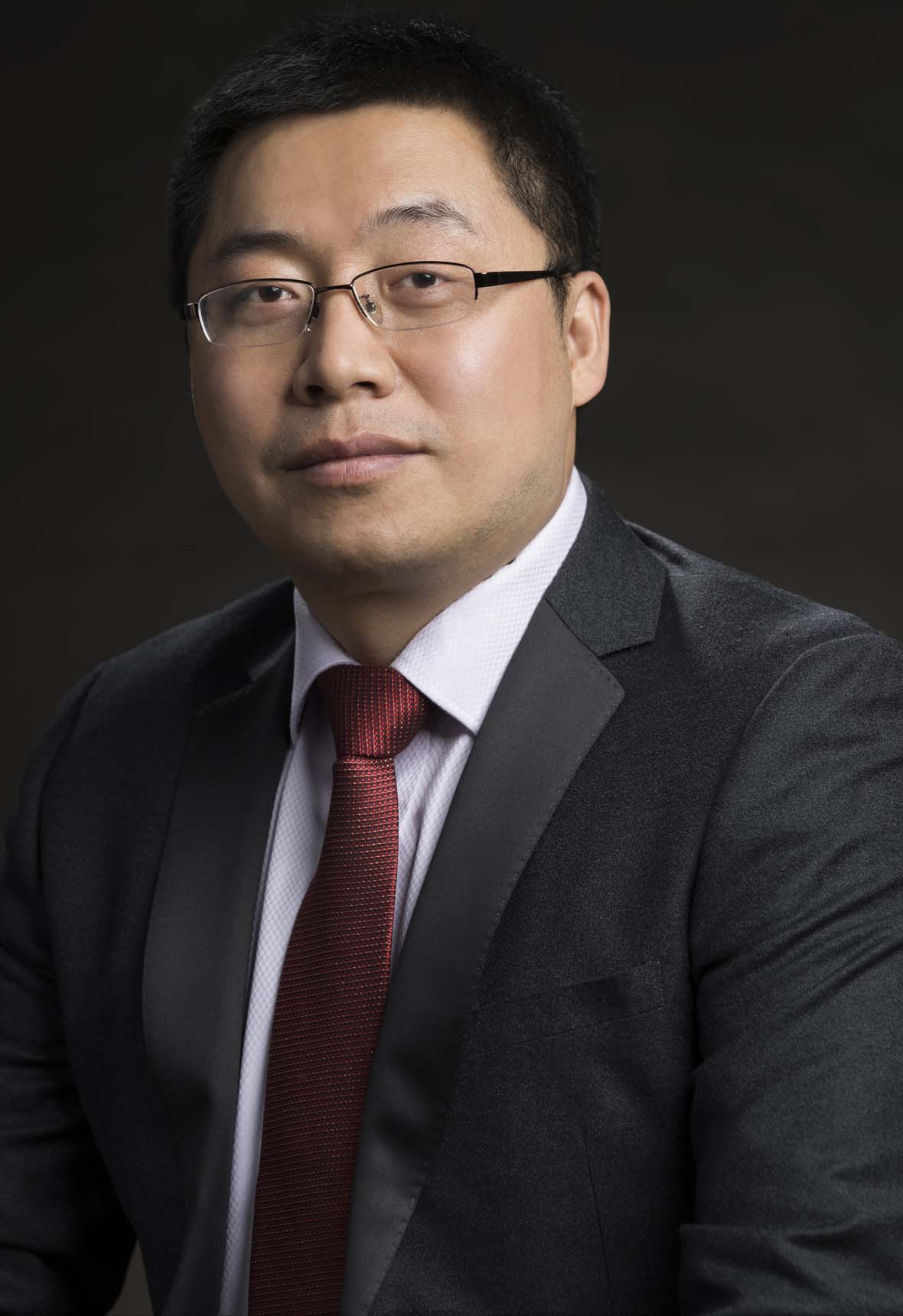 Ying Wang (王鹰)合作论文数Technical Institute of Physics and Chemistry, Chinese Academy of Sciences2
 Pengfei Wang (汪鹏飞)合作论文数Technical Institute of Physics and Chemistry, Chinese Academy of Sciences;University of Chinese Academy of Sciences2
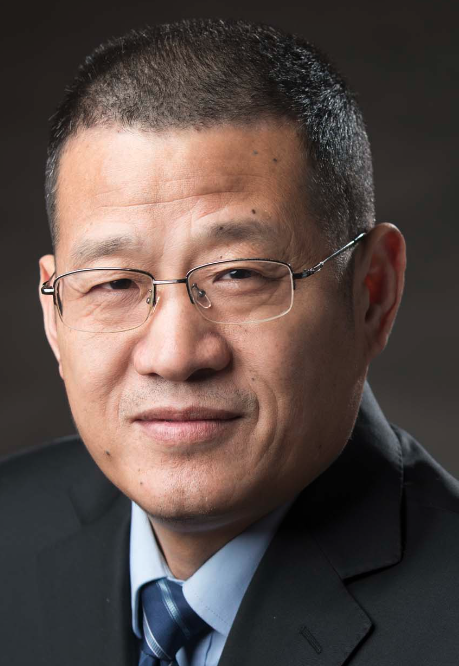 Jiechao Ge (葛介超)合作论文数Technical Institute of Physics and Chemistry, Chinese Academy of Sciences2
 Minhuan Lan合作论文数2Lingqiang Meng (孟令强)合作论文数Hospital of Stomatology, Hebei Medical University2Yuyi Wang合作论文数1Luankexin Ma合作论文数1Liang Guo合作论文数1Qin Wei合作论文数1
 Bin Liang (梁斌)合作论文数School of Civil & Environmental Engineering, Harbin Institute of Technology Shenzhen1Xianchao Du合作论文数1Wen-Lei Xu合作论文数1Zhe Lu合作论文数1Jie Chen合作论文数1
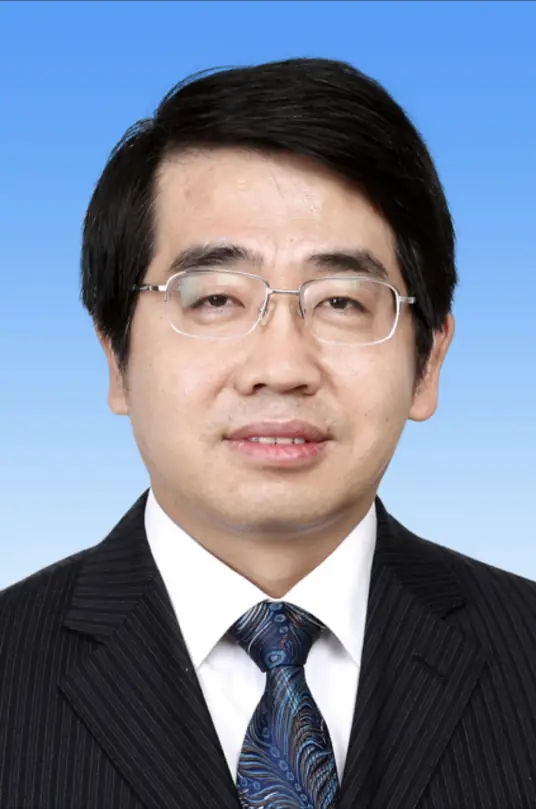 Wei Huang (黄维)合作论文数Institute of Flexible Electronics, Northwestern Polytechnical University1
 Ge Zhang (张鸽)合作论文数School of Chemistry, Northeast Normal University1
 Panyu Ren合作论文数Saarland University1
 Khattak Abdul合作论文数Sch Nanosci & Technol, Univ Chinese Acad Sci1
 Haksong Sin合作论文数1
 Huaixin Wei合作论文数School of Chemistry and Life Science, Suzhou University of Science and Technology1
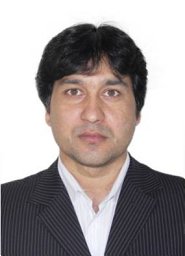 Zahid Ali Ghazi合作论文数National Centre of Excellence in Physical Chemistry, University of Peshawar1Fukang Liu (刘福康)合作论文数1Qin Wang合作论文数1
 Xue Jiang (姜雪)合作论文数School of Physics, Xidian University1Yanfei Li合作论文数1Jianhong Zhang合作论文数1Fan Xu合作论文数1Xiangnan He合作论文数1Niaz Ali Khan合作论文数1Jingjing Cui合作论文数1Yanfeng Gao合作论文数1
 Jianwei Cao合作论文数MOE Key Laboratory of Materials Physics and Chemistry in Extraordinary ConditionsShaanxi Key Laboratory of Macromolecular Science and TechnologySchool of ScienceNorthwestern Polytechnical UniversityXi'an710072PR China1Guang Hu合作论文数1
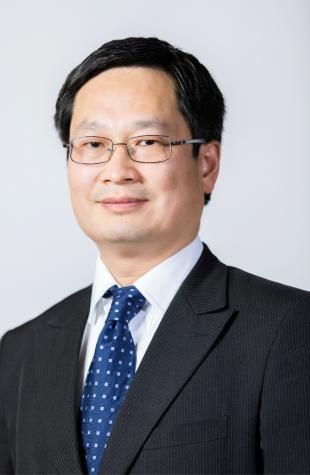 Michael Chen合作论文数Chemical Engineering, School of Engineering, The University of Edinburgh1XiaoYue Zhu (朱晓玥)合作论文数1BaoSheng Liu (刘宝胜)合作论文数1
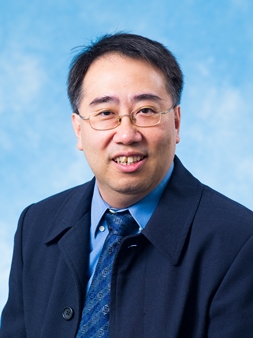 Chun-Sing Lee (李振聲)合作论文数Department of Materials Science and Engineering, College of Engineering, City University of Hong Kong1
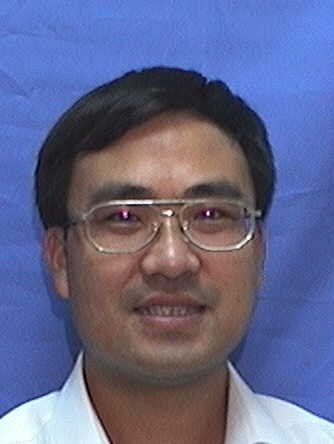 Zhongmin Xiao合作论文数School of Mechanical and Aerospace Engineering, College of Engineering, Nanyang Technological University1
 Wenji Wang (王文己)合作论文数College of Chemistry & Pharmacy, Northwest A&F University1
 Biao Zhang (张彪)合作论文数School of Flexible ElectronSchool of Flexible Electronics, Northwestern Polytechnical Universityics, Northwestern Polytechnical University1
 Xiao He (何潇)合作论文数中国科学院大学高能物理研究所1




