Chemoresistance is common in patients with biliary tract cancer (BTC) including gallbladder cancer (GBC) and cholangiocarcinoma (CC). Therefore, it is necessary to identify effective chemotherapeutic agents for BTC. In the present study, we for the first time tested the effect of farnesoid X receptor (FXR) agonists GW4064 and CDCA (chenodeoxycholic acid) in combination with cisplatin (CDDP) on increasing the chemosensitivity in BTC. Our results show that co-treatment of CDDP with FXR agonists remarkably enhance chemosensitivity of BTC cells. Mechanistically, we found that activation of FXR induced expression of small heterodimer partner (SHP), which in turn inhibited signal transducer and activator of transcription 3 (STAT3) phosphorylation and resulted in down-regulation of Bcl-xL expression in BTC cells, leading to increased susceptibility to CDDP. Moreover, the experiments on tumor-bearing mice showed that GW4064/CDDP co-treatment inhibited the tumor growth in vivo by up-regulating SHP expression and down-regulating STAT3 phosphorylation. These results suggest CDDP in combination with FXR agonists could be a potential new therapeutic strategy for BTC.
In response to oxidation stress, proteins would alter their quantity, localization and activity to prevent from oxidative damage. Our previous study already discovered that SENP3 (Sentrin/SUMO specific protease 3) sensed certain extent of oxidative stress via inhibiting degradation and then giving rise to alteration of sumolylation of transcription factors, by which tumor obtained potential of proliferation and migration. However, how SENP3 senses and makes responses to distinct extents of oxidative stress are unclear. In the present study, we treated tumor cells with different doses of hydrogen peroxide (H2O2) to mimic different extent of oxidative stress and therefore detected the quantity and localization of SENP3 and further analyzed the changes of antioxidants expression affected by SENP3. The results showed that SENP3 exhibited quick accumulation under low level of H2O2 and other levels of H2O2 in a dose independent manner. Notably, SENP3 also translocated from nucleolus to nucleoplasm upon H2O2 in dose dependent manner. Moreover, SENP3 mediated upregulation of antioxidants, peroxiredoxin 4 (Prx4), superoxide dismutase 1 (SOD1) and catalase (CAT) under different extents of oxidative stress. Taken together, SENP3 中 国 细 胞 生 物 学 学 报 储慧玲等: SENP3对不同程度氧化应激的感受和应答 947 senses oxidative stress to be endowed with quantity regulation as well as localization regulation and then makes responses via gene expression regulation of specific antioxidants, indicating that SENP3 plays a critical role in elaborate redox maintenance and possesses physiology and pathology implications.
Redox status or redox potential is one of the most important and fundamental cellular physical signs and its homeostasis affects cell function and cell life.Redox status refers to the level of reactive oxygen species (ROS) which is coordinated regulated by both of the generation system and scavenging system and in turn regulates downstream molecules,organelles and cells,such as cell proliferation,differentiation and apoptosis.So far,the redox regulation and its effects as a whole have been reported.However,only few studies showed the redox alterations and regulators of organelles or subcellular compartments,its impact on the structure and function of them,eventually the contributions to the overall response to the stress.After summarizing the general intracellular ROS generation system and ROS scavenging system,this review focuses on the specific redox regulator system in subcellular compartments and the consequences of redox changes,which will give rise to an in-depth and compre-hensive understanding of the cellular redox regulation and its impacts.
 Qiongyu Yan合作论文数2Jie Yang (杨洁)合作论文数2
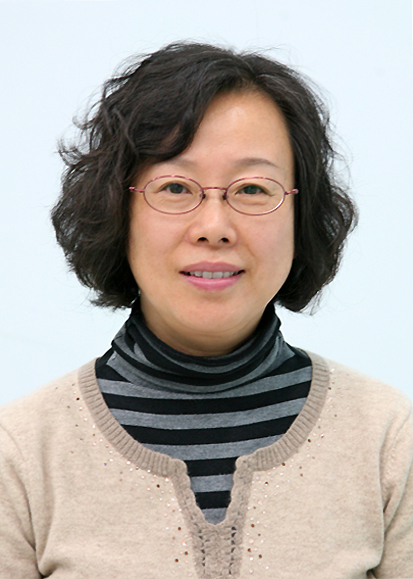 Jing Yi (易静)合作论文数School of Medicine, Shanghai Jiao Tong University2
 Wei Wang合作论文数1Ming Zhan合作论文数Shanghai Jiao Tong Univ, Sch Med, Renji Hosp, Dept Biliary Pancreat Surg, Shanghai, Peoples R China1
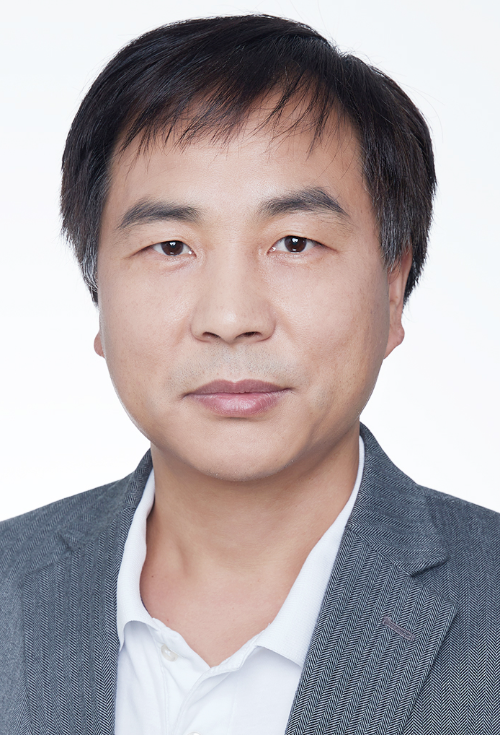 Zhaoyuan Hou (侯照远)合作论文数Department of Biochemistry and Molecular Cell Biology, School of Medicine, Shanghai Jiao Tong University1Li Qi合作论文数1Liu Ke-jia合作论文数1
 Man Mohan合作论文数St. Jude Children Research Hospital1
 Jian Wang (王坚)合作论文数Renji Hospital, School of Medicine, Shanghai Jiao Tong University1
 Wei Chen (陈伟)合作论文数The First Affiliated Hospital, Sun Yat-sen University1
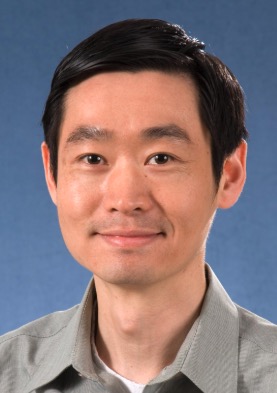 Qihong Huang合作论文数Perelman School of Medicine, University of Pennsylvania;The Wistar Institute1




