Vehicle-to-grid (V2G) technology enables effective and flexible grid frequency control (GFC) to mitigate the impact of intermittent renewable energy generation. V2G systems that aggregate electric vehicles (EVs) via cyber resources on a large scale pose a high risk of false data injection attacks (FDIA). Existing cyber-attack resilient GFC approaches involve detection, compensation, and control strategies; the resilience of the system depends not only on the robustness of the GFC strategies, but also on the accuracy of the attack detection and compensation. In addition, adversaries can generate optimized FDIA to mislead attack detectors, further challenging the improvement of the resilient GFC. Therefore, this paper proposes an adversarial generative predictive reinforcement learning (RL) scheme with cross-loss adaptation among attack detection, predictive compensation, and controls for attack-resilient V2G-based GFC. The predictive RL integrates generative adversarial learning to deduce cooptimized strategies to make complementary accommodations regarding attack detection, cross-loss adapted compensation, and predictive controls. It prevents poor performance caused by significant compensation errors resulting from inaccurate predictions or false attack detection. An IEEE-39 bus system is used to verify the scheme. The results show that the improved V2G-based GFC system lowers the chance of compensation decisions based on significant prediction errors.
Optimizing vehicle-to-grid (V2G)-based frequency regulation (FR) is challenging due to the need to coordinate dispatch control under diverse electric vehicle (EV) owner behaviors while avoiding excessive charge/discharge. This article proposes an optimized V2G dispatch control strategy for FR using nested consensus reinforcement learning (NCRL) to improve coordination among V2G resources. The strategy applies an integral reinforcement learning framework to optimally dispatch FR signals for EV clusters, while a novel nested consensus mechanism synchronizes energy consumption to prevent premature cluster withdrawal and sustain maximum FR capacity. An innovative exponential metric is developed for consensus-based power dispatch, which, by incorporating energy consumption consensus, preserves the maximum aggregated V2G FR power and enhances performance during critical grid disturbances. Compared with conventional proportional metrics, the proposed approach maximizes the available V2G FR capacity, i.e., the deliverable FR power. Simulations on the IEEE 39-bus system demonstrate that the strategy achieves intercluster consensus, maintains maximum FR capacity, and improves V2G FR performance.
The emergence of federated learning (FL) addresses the critical challenge of “data silos” caused by privacy regulations, policy constraints, and commercial confidentiality that restrict cross-source data sharing. While FL enables collaborative model training without raw data exchange, studies demonstrate that global model performance heavily relies on consistent participation of high-quality clients. However, real-world scenarios often involve heterogeneous data quality across clients, leading to unfair treatment during training and potential client dropout. This creates a participation paradox: despite FL's privacy preservation, the substantial computational costs discourage clients lacking fair compensation from sustained engagement. Motivating active and equitable collaboration therefore remains a pivotal challenge. Current fairness-enhancing approaches exhibit notable limitations. Shapley value-based contribution measurement methods, while effective for horizontal FL, fail to generalize across federated architectures. Reputation-based iterative frameworks attempt to quantify client value but suffer from subjective evaluation metrics and lack rigorous data quality assessment protocols. To overcome these limitations, we propose FedPC - a dual-phase fairness optimization framework. Server-side label-aware clustering aggregates clients with semantic similarity, while client-side personalized model training ensures task-specific adaptation. Evaluations on EMNIST and CIFAR-10 demonstrate FedPC's superiority: it achieves higher fairness scores than baseline FL methods (e.g., FedAvg, FedProx) while maintaining competitive accuracy, striking an optimal balance between collaborative equity and model efficacy.
Large-scale integration of renewable energy sources (RES) into power grids brings unpredictable intermittent power generation, leading to power grid frequency excursions. Electric vehicles (EVs) using vehicle-to-grid (V2G) technology are responsive and cost-effective, providing an effective alternative to power grid frequency regulation (FR). However, EVs inevitably use commonly shared communication networks, which are susceptible to denial-of-service (DoS) attacks, significantly degrading V2G-based FR (V2G-FR) performance. To optimize V2G-FR systems under DoS attacks, this paper proposes a multi-step predictive reinforcement learning V2G control (MPRLC) scheme. The FR performance degradation is mitigated by predicting multiple control steps blocked by DoS attacks. A reinforcement learning (RL) framework is built to achieve predictions without the need for a system model, enabling the V2G-FR controller to adapt to changes in the power system. In addition, the number of transmitted predictive control steps (NTPCS) is proposed to adapt to time-varying attack intensity, thereby further improving control performance. The effectiveness and advantages of the MPRLC have been verified on the IEEE 39-bus system. The results show that the MPRLC can effectively compensate for control signals interfered by attacks. The results also indicate that the NTPCS should increase to provide adequate compensation as attack intensity increases.
Since the development of deformation monitoring technology, various synthetic aperture radar (SAR) systems have been developed. There are two popular traditional deformation monitoring technologies including spaceborne SAR and airborne SAR. However, they both have the disadvantages such as the inability to monitor promptly, long monitoring cycles, and the micro-deformation accuracy of low. The ground-based synthetic aperture radar (GB-SAR) avoids these problems, which offers great convenience and potential for micro-deformation monitoring applications. This paper proposes a technique based on the 77 GHz frequency modulated continuous wave (FMCW) micro-deformation monitoring method for GB-SAR, which leads to a lighter, faster GB-SAR device with better monitoring accuracy. Firstly, a fusion filtering method employing wiener filtering and 2D discrete wavelet transform (2DWT) is used to remove noise in the radar echo data. Then, a GB-SAR imaging system is developed based on a back-projection (BP) algorithm, where the radar sensor scans the target scene by moving a horizontal trajectory. A modified mean filtering approach is performed for phase denoising of interferometric image. Moreover, a discrete cosine transform-based least squares (DCT-LS) method is utilized for phase unwrapping. Finally, several experiments are conducted to demonstrate effectiveness and practicability of the proposed method, and the accuracy of deformation monitoring can reach the sub-millimeter precision (1mm).
Ultra-wideband (UWB), the frequently utilized technology for indoor positioning, has been developing at a rapid pace. As a drawback, it requires dense infrastructure to reduce strong errors in complex non-line-of-sight (NLOS) scenarios. To cope with this situation, the study proposed a scheme that fuses UWB and millimeter wave (MMW) technologies. The approach provides position information through MMW radar instead of dense UWB base stations. State variables are provided for solving the target position and Extended Kalman filter (EKF), improving the localization accuracy and reducing the infrastructure deployment density.
In recent years, with the continuous development of mobile Internet, there has been an increasing demand for indoor positioning technology. Among the existing indoor positioning technologies, ultra-wideband signal technology-based positioning has garnered significant attention. Particularly, the fusion positioning approach combining Chan algorithm and Taylor algorithm is considered a relatively mature technique. However, in environments with non-line-of-sight errors indoors, the Chan algorithm exhibits poor accuracy and real-time performance. This paper proposes a message queue-based residual selection location algorithm to address this issue. Firstly, the credibility of each base station is calculated and sorted to assign weights accordingly. The base stations are then queued successively while always keeping three base stations in the queue until all base stations have been queued and subsequently removed after completion of positioning process. Finally, the obtained results are weighted and summed based on their respective weight values to derive the final result. Experimental results demonstrate that this algorithm further enhances both accuracy and real-time performance compared to the Chan-Taylor algorithm.
In recent years, the tracking and imaging of ground moving targets in Circular Synthetic Aperture Radar (CSAR) have garnered considerable interest among researchers. This paper introduces a rapid CSAR imaging strategy aimed at reducing calculation time and enhancing the focusing effect on moving targets. The proposed strategy enables real-time target search, tracking, and automatic selection of the imaging area based on the target’s real-time position.The first step involves determining the object’s motion trajectory using a combination of the target search algorithm and the Kalman filter. Subsequently, the imaging plane is selected based on the real-time position of the object. In the second step, full-aperture data is segmented into sub-apertures and then approximated as linear arrays for imaging. The final step involves sub-images fusion to produce the ultimate CSAR image.This method significantly reduces imaging time, yielding well-focused CSAR images and real-time motion trajectories of moving targets. The proposed algorithm is verified by both simulation and processing real data collected with our mmWave imager prototype utilizing commercially available 77-GHz MIMO radar sensors. Through the experimental results we verified the performance and the superiority of the our algorithm.
Circular Synthetic Aperture Radar (CSAR) has achieved remarkable success in far-field imaging for aircraft and satellites. However, its application in near-field imaging has received limited attention. This paper proposes a near-field millimeter-wave FMCW CSAR imaging system based on time-domain Frequency Modulated Continuous Wave (FMCW). Building upon the traditional Back Projection (BP) algorithm, this system integrates multiple receiving channels into a single antenna element, accurately fits complex circular trajectories, reduces the number of radar antenna elements, and lowers imaging costs, laying a solid foundation for subsequent applications of multi-channel CSAR imaging BP algorithms. This paper first introduces the imaging geometry of CSAR and then describes the relevant parameters and calculation formulas. Subsequently, it applies the BP algorithm to process multi-channel data to obtain the final imaging results. Finally, we present and compare imaging results from both simulated and measured data. The experimental results validate the correctness of the theoretical analysis and demonstrate the feasibility of the proposed system in practical applications.
Abstract This paper proposes a new elliptical dual-band antenna with a crescent slot with the advantages of compactness, lightweightness, low cost, and easy installation for 5G mmWave applications. The radiating element is obtained by Boolean manipulation of three ellipses of unequal length to short axis ratio, the resulting crescent slot defining its dual-band characteristics. The -10 dB impedance bandwidth of 23.8—31.6 GHz at 28 GHz and a bandwidth range of 36.8—40.6 GHz at 38 GHz are achieved, completely covering the currently applicable n257, n258, n260 and n261 mmWave bands and filtering out the unlicensed 31—36 GHz band. Dimensions of the single element are 10 mm by 7 mm. In addition, to reduce the interference caused by atmospheric attenuation, a conventional feeder network is combined with the designed antenna element to form a 1 × 4 line array to improve the gain. The antenna array with total dimensions of 20 × 25 mm2 is modeled in 0.254 mm thick Rogers 5880 substrate. As a result of the array configuration, 10.4 dBi gain and a 95% radiation efficiency are achieved in the 28 GHz band. Meanwhile, at the 38GHz band, the gain is 10.4 dBi and the radiation efficiency is 95%. The proposed antenna meets the 5G communication requirements well and can be a better candidate in the mmWave band range.
This paper focuses on the effects of clutter interference points and level fluctuations in the industrial liquid storage tank environment on a non-contact wide-beam radar level measurement device. The proposed algorithm combines a MIMO uniform linear array and DOA estimation, aiming to eliminate the influence of interference points in the tank and to obtain accurate level information in real-time using an angle-amplitude-distance fusion processing system. The algorithm's effectiveness and theoretical analysis are evaluated using actual measurements from milk tanks. Designed level measurement devices with centimeter-level accuracy in tank environments. The data results show that the algorithm eliminates the limitation of the beam width on the radar level meter, which is essential for the application and promotion of low-cost and miniaturized radar level meter products.
The ground-based synthetic aperture radar (GBSAR) is an all-day, all-weather, accurate and reliable deformation monitoring method. This thesis examines a set of principles and methods for millimeter-wave radar micro-deformation monitoring with 3D imaging capability, utilizing multiple inputs multiple outputs (MIMO) radar and synthetic aperture radar (SAR) technology. The experimental prototype radar employs a MIMO antenna array and emits linear frequency modulated continuous wave (FMCW) electromagnetic waves, enabling a maximum monitoring distance of approximately 200m. It is equipped with a two-dimensional precision slide rail, enabling high angular resolution in both azimuth and elevation. Experimental results demonstrate that the deformation monitoring system can achieve high-precision 3D imaging of targets and sub-millimeter deformation monitoring accuracy.
Graph Neural Networks (GNNs) are often viewed as black boxes due to their lack of transparency, which hinders their application in critical fields. Many explanation methods have been proposed to address the interpretability issue of GNNs. These explanation methods reveal explanatory information about graphs from different perspectives. However, the explanatory information may also pose an attack risk to GNN models. In this work, we will explore this problem from the explanatory subgraph perspective. To this end, we utilize a powerful GNN explanation method called SubgraphX and deploy it locally to obtain explanatory subgraphs from given graphs. Then we propose methods for conducting evasion attacks and backdoor attacks based on the local explainer. In evasion attacks, the attacker gets explanatory subgraphs of test graphs from the local explainer and replace their explanatory subgraphs with an explanatory subgraph of other labels, making the target model misclassify test graphs as wrong labels. In backdoor attacks, the attacker employs the local explainer to select an explanatory trigger and locate suitable injection locations. We validate the effectiveness of our proposed attacks on state-of-art GNN models and different datasets. The results also demonstrate that our proposed backdoor attack is more efficient, adaptable, and concealed than previous backdoor attacks.
Anchor deployment is a necessary prerequisite for achieving high-accuracy indoor localization. In order to enhance the comprehensive positioning performance, a criterion for minimizing Dilution of Precision (DoP) is proposed to measure the positioning performance. Based on this, we model the anchor deployment as an optimization problem and propose an Adaptive Dynamic Weight Position Update Gray Wolf Optimization(ADWP-GWO) algorithm to solve the multivariate dimensionality problem. Two basic anchor deployment strategies are designed and validated by real-world experiments with the TDoA localization system. The experimental results indicate that the RMSE achieved on the basis of the ADWP-GWO algorithm deployment scheme is 0.3766m is better than the triangular deployment of 0.5447m and the rectangular deployment scheme of 0.5963m. This is considered as the best deployment which realizes high-precision positioning.
In this article, a distributed charging strategy problem for plug-in electric vehicles (PEVs) with feeder constraints based on generalized Nash equilibria (GNE) in a novel smart charging station (SCS) is investigated. The purpose is to coordinate the charging strategies of all PEVs in SCS to minimize the energy cost of SCS. Therefore, we build a non-cooperative game framework and propose a new price-driven charging control game by considering the overload constraint of the assigned feeder, where each PEV minimizes the fees it pays to satisfy its optimal charging strategy. On this basis, the existence of GNE is given. Furthermore, we employ a distributed algorithm based on forward–backward operator splitting methods to find the GNE. The effectiveness of the employed algorithm is verified by the final simulation results.
With the rapid development of mobile Internet, trajectory data has become an indispensable data type in the era of big data due to its potential information. Since trajectory data of real number type cannot be directly applied to existing encoding mechanisms of local differential privacy and existing frequent item mining algorithms, we propose an approach called Private Frequent Trajectory Mining (PrivFTM). The implementation process of the algorithm is divided into three phases. Specifically, in the first phase, an adaptive spatial decomposition based on local differential privacy (PrivASD) is designed to discretize user trajectory data, while in the subsequent phase, the data collector completes the mining of candidate set and frequent items respectively according to the grouped user data. Extensive experiments performed on the two real-world datasets indicate that the performance of our PrivFTM is better than the existing algorithms.
This article considers distributed optimization by a group of agents over an undirected network. The objective is to minimize the sum of a twice differentiable convex function and two possibly nonsmooth convex functions, one of which is composed of a bounded linear operator. A novel distributed primal-dual fixed point algorithm is proposed based on an adapted metric method, which exploits the second-order information of the differentiable convex function. Furthermore, by incorporating a randomized coordinate activation mechanism, we propose a randomized asynchronous iterative distributed algorithm that allows each agent to randomly and independently decide whether to perform an update or remain unchanged at each iteration, and thus alleviates the communication cost. Moreover, the proposed algorithms adopt nonidentical stepsizes to endow each agent with more independence. Numerical simulation results substantiate the feasibility of the proposed algorithms and the correctness of the theoretical results.
Considering the widespread applications of the model predictive control (MPC), such as industrial process control and robotic operations, this paper proposes an MPC-based asynchronous distributed algorithm to solve the consensus problem of multi-agent system (MAS) by using the operator splitting method. The proposed algorithm is asynchronous, which means that all agents do not require to update and communicate simultaneously. When the positive uncoordinated step sizes satisfy the given condition, the optimal solution can be worked out by using the proposed algorithm. Moreover, all agents are allowed to set the step sizes locally based on local information. Numerical simulation validates the feasibility and effectiveness of the proposed algorithm.
Circular Synthetic Aperture Radar (CSAR) has attracted much attention in the field of high-resolution SAR imaging. In order to shorten the computation time and improve the imaging effect, in this paper, we propose a fast CSAR imaging strategy that searches the target and automatically selects the area of interest for imaging. The first step is to find the target and select the imaging center and interest imaging area based on the target search algorithm, the second step is to divide the full-aperture data into sub-apertures according to the angle, the third step is to approximate the sub-apertures as linear arrays and imaging them separately, and the last step is to perform sub-image fusion to obtain the final CSAR image. This method can greatly reduce the imaging time and obtain well-focused CSAR images. The proposed algorithm is verified by both simulation and processing real data collected with our mmWave imager prototype utilizing commercially available 77-GHz MIMO radar sensors. Through the experimental results we verified the performance and the superiority of the our algorithm.
The holding pole is a kind of special lifting machinery, which is widely used in the erection of power transmission tower. The holding pole belongs to the highrise structure, its stability problem is particularly prominent. Due to the high safety requirements, it is particularly important to conduct in-depth mechanical analysis before design, construction and application. For the holding pole, it has been adopted the balanced lifting as far as possible, however, the construction process will inevitably appear unbalanced lifting. Therefore, two working conditions for the holding pole, namely balanced lifting and unbalanced lifting, are discussed based on the Finite Element Analysis (FEA) in this paper. In addition, introducing the Sparse Residual (SR) learning method to accelerate the training of the applied Gated Recurrent Unit (GRU) network and avoid over-fitting, which can provide the advanced interfere for the unbalanced lifting through the real-time series data collected by accelerometer sensor. Finally, the experimental results from a project case verify the efficiency and robustness of proposed approaches.
 Huaqing Li (李华青)合作论文数College of Electronic and Information Engineering, Southwest University45
 Xiaofeng Liao (廖晓峰)合作论文数College of Computer Science, Faculty of Information Technology, Chongqing University19
 Yawei Shi (师亚威)合作论文数College of Environmental Sciences and Engineering, Dalian Maritime University16
 Tingwen Huang (黄廷文)合作论文数Faculty of Computer Science and Control Engineering, Shenzhen University of Advanced Technology15
 Lianghao Ji (纪良浩)合作论文数College of Computer Science and Technology, Chongqing University of Posts and Telecommunications12
 Qingguo Lv (吕庆国)合作论文数College of Computer Science, Chongqing University11
 Dawen Xia (夏大文)合作论文数College of Data Science and Information Engineering, Guizhou MInzu University10
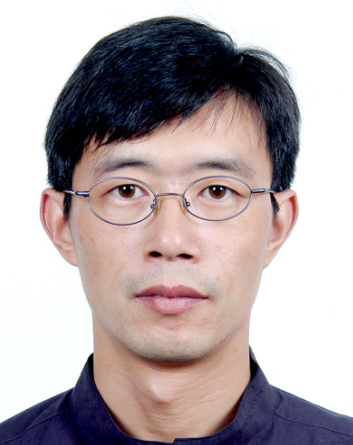 Chuandong Li (李传东)合作论文数College of Electronic and Information Engineering, Southwest University9
 Xiangzhao Wu合作论文数8
 Bo Zhou (周波)合作论文数School of Mathematical Sciences, South China Normal University8
 Guo Chen合作论文数School of Electrical Engineering and Telecommunications, University of New South Wales8Menggang Chen合作论文数6
 Qiankun Song (宋乾坤)合作论文数School of Mathematics and Statistics, Chongqing Jiaotong University;School of Science, Chongqing Jiaotong University6
 Jian Sun (孙健)合作论文数College of Electronic and information Engineering, Southwest University5
 Ziyu Sheng合作论文数4
 Lifeng Zheng合作论文数4
 Chaojie Li合作论文数School of Electrical Engineering and Telecommunications, The University of New South Wales4
 Josep M. Guerrero合作论文数Catalan Institution for Research and Advanced Studies;Department of Electronic Engineering, Universitat Politècnica de Catalunya;Det Ingeniør- og Naturvidenskabelige Fakultet, Aalborg University;Center for Research on Microgrids3
 Aqeel-ur Rehman合作论文数Hamdard University3
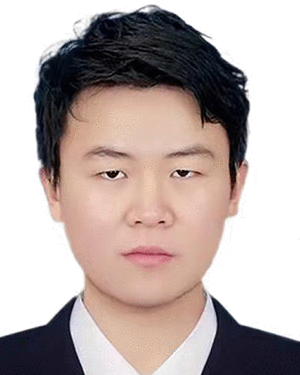 Jun Li合作论文数2
 Mohammad Shahid合作论文数Functional Inorganic Materials Lab (FIML), Aligarh Muslim University2
 Xing Liu合作论文数Wuhan University of Technology2
 Amnah Firdous合作论文数Dept Comp Sci & IT, Islamia Univ Bahawalpur2
 Shasha Yang合作论文数School of Computer Science and Technology, Chongqing University of Posts and Telecommunications, Chongqing 400065, China2
 Muhammad Zahid Abbas合作论文数2
 Salman Iqbal合作论文数Department of Computer System & Technology, Faculty of Computer Science and Information Technology, University of Malaya, Kuala Lumpur, KL, Malaysia2
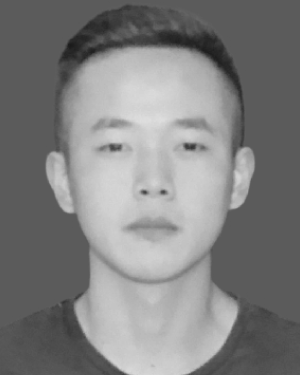 Junjie Lv合作论文数2Song Wang合作论文数Natl Univ Def Technol, Coll Informat Syst & Management, Changsha 410073, Hunan, Peoples R China2
 Sen Tan合作论文数Center for Research on Microgrids, Aalborg University2
 Lan Gao (高岚)合作论文数Information Engineering College, Capital Normal University2
 Yi Chai (柴毅)合作论文数School of Automation, Chongqing University2
 Xing He (何兴)合作论文数College of Electronic and information Engineering, Southwest University;Westa College, Southwest University2
 Xin Wang (王欣)合作论文数College of Electronic and Information Engineering, Southwest University2
 Tzu-Sung Wu合作论文数2
 Guanqiu Qi合作论文数2
 H. Abu-Rub合作论文数Texas A&M University at Qatar2
 Mansour Karkoub合作论文数Dept Mech Engn, Texas A&M Univ Qatar2Jian'an Fang合作论文数1Yan Zuo合作论文数1
 Zheng Wang (王正)合作论文数National Mobile Communications Research Laboratory, School of Information Science and Engineering, Southeast University1
 Ho-Sheng Chen合作论文数1
 Zeyu An合作论文数1Fuwen ZHENG (郑涪文)合作论文数1Wang Chuanhui合作论文数1
 Zuqing Zheng合作论文数1Jialong Tang合作论文数1
 zhen li合作论文数1




