The present study was designed to evaluate the in vitro antioxidant potential of bovine lactoferrin (bLF) and black tea polyphenols [Polyphenon-B (P-B)] as well as in vivo inhibitory effects on the development of 7,12-dimethylbenz[a]anthracene (DMBA)-induced hamster buccal pouch (HBP) carcinomas. Antioxidant activity was screened using a panel of assays including 1,1-diphenyl-2-picrylhydrazyl (DPPH), 2,2'-azinobis-(3-ethyl-benzothiazoline-6-sulfonic acid) (ABTS), hydroxyl radical anion (OH*), superoxide anion (O2*-), and nitric oxide (NO) radical scavenging assays as well as assay for reducing power. The chemopreventive potential of bLF and P-B was assessed in the HBP model based on the modulatory effects on DMBA-induced oxidative DNA damage as well as the expression of proteins associated with carcinogen activation (CYP1A1, CYP1B1), cell proliferation [cyclin D1, proliferating cell nuclear antigen (PCNA), glutathione S-transferase pi (GST-P)], angiogenesis [vascular endothelial growth factor (VEGF), VEGF receptor 1 (VEGFR1)], and invasion and metastasis [matrix metalloproteinase-9 (MMP-9) and tissue inhibitors of MMP-2 (TIMP-2)]. Both bLF and P-B showed high radical scavenging activity and reductive potential. Although administration of bLF and P-B alone suppressed DMBA-induced HBP tumors, combined administration of bLF and P-B was more effective in inhibiting HBP carcinogenesis by inhibiting oxidative DNA damage, carcinogen activation, cell proliferation, invasion, and angiogenesis. Our study suggests that the antioxidative property of bLF and P-B may be responsible for chemoprevention of HBP carcinogenesis by modulating multiple molecular targets.
The objective of this study was to evaluate the chemopreventive potential of the black tea polyphenols Polyphenon-B and BTF-35 during the preinitiation phase of 7,12-dimethylbenz[a]anthracene (DMBA)-induced hamster buccal pouch (HBP) carcinogenesis. Hamsters were divided into six groups. Animals in groups 2 and 3 received diet containing Polyphenon-B and BTF-35, respectively, 4 weeks before carcinogen administration when they were 6 weeks of age and continued until the final exposure to carcinogen. At 10 weeks of age, animals in groups 1, 2, and 3 were painted with 0.5% DMBA three times a week for 14 weeks. Animals in groups 4 and 5 were given Polyphenon-B and BTF-35 alone, respectively, as in groups 2 and 3. Animals in group 6 served as control. All the animals were sacrificed after an experimental period of 18 weeks. Phase I and phase II xenobiotic-metabolizing enzymes and 8-hydroxy-deoxyguanosine (8-OH-dG) in the buccal pouch and liver were used as biomarkers of chemoprevention. Hamsters painted with DMBA showed increased expression of 8-OH-dG and enhanced activities of phase I (CYP450; total as well as CYP1A1, 1A2, and 2B isoforms and cytochrome b5) and phase II (GST and quinone reductase) xenobiotic-metabolizing enzymes with increased immunohistochemical expression of CYP1A1, and CYP1B1 isoforms in the buccal pouch. This was accompanied by increased phase I and decreased phase II enzyme activities in the liver. Administration of Polyphenon-B and BTF-35 significantly decreased tumor incidence, oxidative DNA damage, phase I enzyme activities as well as expression of CYP1A1 and CYP1B1 isoforms, while enhancing phase II enzyme activities in the buccal pouch and liver. Our results provide a mechanistic basis for the chemopreventive potential of black tea polyphenols. Furthermore, the greater efficacy of BTF-35 in chemoprevention of HBP carcinomas via inhibition of oxidative DNA damage and modulation of xenobiotic-metabolizing enzymes may have a major impact in human oral cancer prevention.
AIMS The objective of this study was to evaluate the potential uses of relative abundance, relative activity approaches and inhibitory monoclonal antibodies (mAbs) in the characterization of CYP enzymology in early drug discovery. METHODS Intrinsic clearance estimates for the oxidation of ethoxyresorufin (a selective probe of CYP1A2 activity), tolbutamide (CYP2C9), S-mephenytoin (CYPC19), dextromethorphan (CYP2D6) and testosterone (CYP3A4) were used to determine relative activity factors (RAFs). CLint values were determined for the metabolism of 14 drugs in human liver microsomes (HLM) and for these major CYPs. The relative contribution of each individual CYP to the oxidation of each drug was then assessed using relative abundance and activity techniques in addition to inhibitory mAbs. RESULTS Relative abundance and activity methods as well as inhibitory mAbs qualitatively assigned the same CYP isoform as predominantly responsible for the clearance of each drug by HLM. Metabolism catalysed by CYP1A2, 2C9, 2D6 and 3A4 was also predicted to be quantitatively similar using both abundance and activity techniques. However, the relative contribution of the polymorphic CYP2C19 appeared to be over-estimated approximately two-fold using recombinant CYP compared with that from the HLM and mAb approach. CONCLUSIONS All three methods investigated in this study appear suitable for use in the characterization of the CYP metabolism of new chemical entities produced during early drug discovery.
A panel of 15 recombinant cytochromes P450 expressed in human B-lymphoblastoid cells was used to study debrisoquine 4-hydroxylation. Both CYP2D6 and CYP1A1 carried out the reaction. The apparent K(m) (micromolar) and V(max) (picomoles per minute per picomole of P450) for CYP2D6 were 12.1 and 18.2 and for CYP1A1 were 23.1 and 15.2, respectively. CYP1A1 debrisoquine 4-hydroxylase was inhibited by the CYP1A1 inhibitor alpha-naphthoflavone and the CYP1A1 substrate 7-ethoxyresorufin. Additionally and surprisingly, this reaction was also inhibited by quinidine and quinine, with respective IC(50) values of 1.38 +/- 0.10 and 3.31 +/- 0.14 microM, compared with those for CYP2D6 debrisoquine 4-hydroxylase of 0.018 +/- 0.05 and 3.75 +/- 2.07 microM, respectively. Anti-CYP1A1 monoclonal antibody (mAb) 1-7-1 abolished CYP1A1 debrisoquine hydroxylase and anti-CYP2D6 mAb 50-1-3 eradicated CYP2D6 debrisoquine 4-hydroxylase. Three further CYP2D6-specific reactions were tested: dextromethorphan O-demethylation, bufuralol 1'-hydroxylation, and sparteine dehydrogenation. The CYP2D6 specificity, judged by the CYP2D6/CYP1A1 activity ratios was 18.5, 7.0, 6.0, and 1.6 for dextromethorphan, bufuralol, sparteine, and debrisoquine, respectively. Thus, debrisoquine is not a specific CYP2D6 substrate and quinidine is not a specific CYP2D6 inhibitor. These findings have significant implications for the conduct of in vitro drug metabolism inhibition studies and underscore the fallacy of "specific chemical inhibitors" of a supergene family of enzymes that have overlapping substrate specificities. The use of highly specific mAbs in such studies is mandated. It is unclear as yet whether these findings have implications for the relationship between CYP2D6 genotype and in vivo debrisoquine 4-hydroxylase activity.
Hybridomas were isolated that produce 13 monoclonal antibodies (mAbs) that are specific and highly inhibitory to members of the human P450 2C subfamily, 2C8, 2C9, 2C9*2, and 2C19. Many of the mAbs to P450 2C8, 2C9, and 2C19 are specific and exhibit potent inhibitory activity (85-95%). mAb 281-1-1 specifically binds, immunoblots, and strongly inhibits the activity of P450 2C8. mAb 763-15-5 specifically binds and strongly inhibits the activity of P450 2C9. mAb 1-7-4-8 specifically binds and strongly inhibits the activity of P450 2C19. The other mAbs bind and inhibit sets and subsets of the P450 2C family. The single and the combinatorial use of the mAbs can "reaction phenotype", i.e., determine the metabolic contribution and interindividual variation of a P450 isoform for the metabolism of a drug or nondrug xenobiotic in human liver microsomes. The utility of the mAb-based analytic system was examined with the model substrates Taxol (paclitaxel), diazepam, tolbutamide, diclofenac, mephenytoin, and imipramine. The mAb system can identify drugs metabolized by a common P450 or several P450s and polymorphic P450s. The mAb system identifies drugs or drug metabolic pathways that are catalyzed by a single P450 and thus may be used for in vivo phenotyping. The mAb system can identify whether a particular drug is metabolized by a single P450 that may exhibit polymorphic expression in humans. The mAb system offers large potential for studies of cytochrome P450 function useful in drug discovery and reduces the possibility of adverse drug reactions due to polymorphisms and drug interactions.
Background/Aims: Interaction between CYP2E1, ethanol metabolites, and enhanced lipid peroxidation is linked to the pathogenesis of alcoholic liver disease. This study was conducted to compare the expression of various cytochrome enzymes and the appearance of aldehyde adducts in humans.Methods: Acetaldehyde- and lipid peroxidation-derived protein adducts and CYP2A6, 2E1, and 3A4/5 were examined immunohistochemically from liver specimens of 12 alcohol abusers with either mild (n=7) or severe (n=5) liver disease, and from nine nondrinking patients with non-alcoholic steatosis (n=4), or hepatitis (n=5).Results: Ethanol-inducible CYP2E1 was present in all alcoholic livers. While CYP2A6 in zone 3 hepatocytes was also abundant in the alcoholic patients with various degrees of liver disease, CYP3A4/5 was most prominent in alcoholic cirrhosis, The sites of CYP2E1 and CYP2A6 immunoreactivity co-localized with fatty deposits, and with the sites of acetaldehyde and lipid peroxidation-derived protein adducts, The CYP enzymes were also abundant in the centrilobular hepatocytes of patients,vith fatty liver due to obesity or diabetes.Conclusions: Alcohol-induced liver damage is associated with a generalized induction of CYP2A6, CYP2E1 and CYP3A4 and generation of acetaldehyde and lipid peroxidation-derived protein-aldehyde adducts, However, CYP induction also occurred in patients with non-alcoholic steatosis.
Three inhibitory monoclonal antibodies specific to cytochrome P450 3A4/5 (CYP3A4/5), CYP2C8/9/19 and CYP2E1, respectively, were used to assess the contribution of the P450s to the metabolism of seven substrates in liver microsomes from 18 human donors, as measured by monoclonal antibody inhibition phenotyping of the substrate conversion to product(s). Metabolism of seven substrates by recombinant cytochromes P450 and human liver microsomes was performed in the presence of monoclonal antibodies and their metabolites were analyzed by high-performance liquid chromatography (HPLC) or gas chromatography-mass spectrophotometry (GC-MS) to measure the magnitude of inhibition. Our results showed that CYP3A4/5 contributes to testosterone 6beta-hydroxylation, taxol phenol formation, diazepam 3-hydroxylation, diazepam N-demethylation, and aflatoxin B1 3-hydroxylation in human liver by 79.2%, 81.5%, 73. 2%, 34.5% and 80%, respectively. CYP2E1 contributes to chlorzoxazone 6-hydroxylation, p-nitroanisole O-demethylation, and toluene hydroxylation by 45.8%, 27.7% and 44.2% respectively, and CYP2C8/9/19 contribute to diazepam N-demethylation by 30.6%. The additive contribution (75.3%) of human CYP3A and CYP2C to diazepam N-demethylation was also observed in the presence of both anti-CYP3A4/5 and anti-CYP2C8/9/19 monoclonal antibodies. The contribution of individual P450s to the specific metabolic reaction in human liver varies greatly in the individual donors and the substrates examined. Thus, inhibitory monoclonal antibodies could play a unique role in defining the single or subfamily of cytochrome P450 that is responsible for the metabolism of specific drugs.
1. The selectivity of eight chemical inhibitors has been extensively evaluated with 10 cDNA-expressed human cytochrome P450 isoforms (CYP). The results indicate that sulphaphenazole, quinidine and alpha-naphthoflavone are selective inhibitors of CYP2C9 (IC50 = 0.5-0.7 microM), CYP2D6 (0.3-0.4 microM) and CYP1A (0.05-5 microM) respectively on the basis of the IC50, which are much lower than those of other P450 isoforms (> 10-fold). 2. Ketoconazole exhibited potent inhibition of both CYP3A4-catalysed metabolism of phenanthrene, testosterone, diazepam (IC50 = 0.03-0.5 microM) and CYP1A1-catalysed deethylation of 7-ethoxycoumarin (0.33 microM). The selectivity of ketoconazole for other P450s was highly related to the concentration used. 3. Diethyldithiocarbamate, orphenadrine and furafylline were shown separately to be less selective inhibitors of CYP2E1, CYP2B6 and CYP1A isoforms by a broad range of IC50 that overlap those observed with other P450 isoforms. 4. Furafylline, quinidine and alpha-naphthoflavone activated CYP3A4-catalysed phenanthrene metabolism by 1.7-, 2- and 15-fold respectively. 5. The selectivity of orphenadrine and ketoconazole was further examined by using inhibitory monoclonal antibodies (MAb). Inhibitory MAb specific for the individual P450 isoforms may be of greater value than chemical inhibitors.
Incubation of DB[a,l]P with microsomes from TCDD-treated MCF-7 cells produced mainly (-) anti DB[a,l]P-11,12-diol 13,14-epoxide-dAdo adducts. Addition of antibodies against CYP1A1 and CYP1B1 inhibited the formation of DNA adducts up to 88% and 51%, respectively. The level of P450 1B1 protein was dramatically elevated, but P450 1A1 protein is not detectable by blottings in MCF-7 cells treated with 5 mu M or 8 mu M DB[a,l]. MCF-7 cells treated with TCDD or B[a]P contained elevated P450 1A1 and P450 1B1. The current results demonstrate that both P450 1A1 and P450 1B1 are involved in metabolic activation of DB [a,l]P in MCF-7 cells treated with TCDD and suggest that P450 1B1 may be the major DB [a,l]P activating enzyme in MCF-7 cells treated with DB[a,l]P.
A monoclonal antibody (MAb 292-2-3) has been isolated that binds specifically to a single allele of three expressed human cytochrome P4502C9 alleles. The MAb binds to 2C9Cys144 (II), and does not bind to the wild-type 2C9Arg144 (I), or the third allele 2C9Ile-->Leu359 (III) and thus the MAb detects an allele with > 99% homology and differing from the wild-type 2C9Arg144 (I) by a single amino acid. The MAb 292-2-3 does not bind to the other 2C isoforms (2C8, 2C18, 2C19) or the other human cytochrome P450s, 1A1, 1A2, 2A6, 2B6, 2C8, 2D6, 2E1 or 3A4/5. MAb 292-2-3 inhibits the metabolism of tolbutamide, diclofenac and phenanthrene by the target 2C9Cys144 (II) allele by > 90% and does not inhibit the catalytic activity of the wild-type 2C9Arg144 (I), or 2C9Ile-->Leu359 (III) the other 2C isoforms 2C8, 2C18, 2C19, or the other non-2C human P450s listed above. The MAb 292-2-3 is thus a prototype of an ideal and extraordinarily specific reagent for the detection and measurement of the metabolic role of highly related isoforms and polymorphic alleles of human cytochrome P450s. MAbs of high specificity can also determine the amount of phenotypic expression of polymorphic alleles and their metabolic role in drug and non-drug xenobiotic metabolism in heterozygote individuals. The inhibitory MAb might also identify allele-specific substrates of polymorphic human cytochrome P450s.
Microsomal epoxide hydrolase (mEH) is a conserved enzyme that is known to hydrolyze many drugs and carcinogens, and a few endogenous steroids and bile acids. mEH-null mice were produced and found to be fertile and have no phenotypic abnormalities thus indicating that mEH is not critical for reproduction and physiological homeostasis. mEH has also been implicated in participating in the metabolic activation of polycyclic aromatic hydrocarbon carcinogens. Embryonic fibroblast derived from the mEH-null mice were unable to produce the proximate carcinogenic metabolite of 7,12-dimethylbenz[a]anthracene (DMBA), a widely studied experimental prototype for the polycylic aromatic hydrocarbon class of chemical carcinogens. They were also resistant to DMBA-mediated toxicity. Using the two-stage initiation-promotion skin cancer bioassay, the mEH-null mice were found to be highly resistant to DMBA-induced carcinogenesis. In a complete carcinogenesis bioassay, the mEH mice were totally resistant to tumorigenesis. These data establish in an intact animal model that mEH is a key genetic determinant in DMBA carcinogenesis through its role in production of the ultimate carcinogenic metabolite of DMBA, the 3,4-diol-1,2-epoxide.
Monoclonal antibodies (mAbs) 1 Kohler G Milstein C Nature. 1975; 256: 495-497 Crossref PubMed Scopus (12581) Google Scholar , 2 Harlow E Lane D Antibodies: A Laboratory Manual. Cold Spring Harbor, 1988 Google Scholar are reagents par excellence for the highly specific quantification of the amount and metabolic activity 3 Gelboin H.V Pharmacol. Rev. 1993; 45: 413-453 PubMed Google Scholar of the multiple isoforms of cytochrome P450 (P450), which collectively metabolize a multitude of drugs and non-drug xenobiotics including toxins, mutagens and carcinogens 4 Ioannides C Cytochromes P450: Metabolic and Toxicological Aspects. CRC Press, 1996 Google Scholar , 5 Rendic S Di Carlo F.J Drug Metab. Rev. 1997; 29: 413-580 Crossref PubMed Scopus (1080) Google Scholar , 6 Gonzalez F.J Cytochromes P450: Metabolic and Toxicological Aspects. in: Ioannides C CRC Press, 1996: 183-210 Google Scholar , 7 Vermeulen N.P.E Cytochromes P450: Metabolic and Toxicological Aspects. in: Ioannides C CRC Press, 1996: 183-210 Google Scholar . Drug metabolism in humans is catalysed by 12 major microsomal P450 enzymes heterogeneously distributed in liver and other tissues, and with different substrate and product specificities 4 Ioannides C Cytochromes P450: Metabolic and Toxicological Aspects. CRC Press, 1996 Google Scholar , 5 Rendic S Di Carlo F.J Drug Metab. Rev. 1997; 29: 413-580 Crossref PubMed Scopus (1080) Google Scholar . P450-directed metabolism is important with respect to the toxicity of a drug 7 Vermeulen N.P.E Cytochromes P450: Metabolic and Toxicological Aspects. in: Ioannides C CRC Press, 1996: 183-210 Google Scholar , drug–drug interactions 8 Liu J.H Lu A.Y.H Clin. Pharmacokinet. 1998; 35: 361-390 Crossref PubMed Scopus (732) Google Scholar and a drug administered to an individual that is polymorphically defective in certain P450 isoforms, such as 2D6 ( 6 Gonzalez F.J Cytochromes P450: Metabolic and Toxicological Aspects. in: Ioannides C CRC Press, 1996: 183-210 Google Scholar ). Metabolism of drugs by the same P450 can lead to toxic effects as a result of drug–drug competition for the same P450 isoform 8 Liu J.H Lu A.Y.H Clin. Pharmacokinet. 1998; 35: 361-390 Crossref PubMed Scopus (732) Google Scholar . mAbs that are specific to individual P450 isoforms can be used to determine P450 protein content by immunoblot (IB) 9 Yang T.J et al. Biochem. Pharmacol. 1998; 55: 1633-1640 Crossref PubMed Scopus (50) Google Scholar and can quantify the role of the target P450 isoform(s) in microsomes by their inhibition of substrate metabolism 9 Yang T.J et al. Biochem. Pharmacol. 1998; 55: 1633-1640 Crossref PubMed Scopus (50) Google Scholar , 10 Yang T.J et al. Drug Metab. Dispos. 1999; 27: 102-109 PubMed Google Scholar , 11 Fujino T et al. Proc. Natl. Acad. Sci. U. S. A. 1982; 79: 3682-3686 Crossref PubMed Scopus (108) Google Scholar , 12 Tassaneeyakul W et al. J. Pharmacol. Exp. Ther. 1993; 265: 401-407 PubMed Google Scholar , 13 Yang T.J et al. Pharmacogenetics. 1998; 8: 375-382 Crossref PubMed Scopus (22) Google Scholar , 14 Sai Y et al. Pharmacogenetics. 1999; 9: 229-237 PubMed Google Scholar , 15 Gelboin H.V et al. Pharmacogenetics. 1997; 7: 469-477 Crossref PubMed Scopus (31) Google Scholar , 16 Gelboin H.V et al. Chem. Res. Toxicol. 1996; 9: 1023-1030 Crossref PubMed Scopus (30) Google Scholar , 17 Gelboin H.V et al. Biochem. Pharmacol. 1995; 50: 1841-1850 Crossref PubMed Scopus (51) Google Scholar . There are large interindividual variations in P450 phenotype 18 Shimada T Yamazaki H Mimura M J. Pharmacol. Exp. Ther. 1994; 270: 414-423 PubMed Google Scholar . Thus, mAb-identified drugs, metabolized by a single P450, could be used in vivo for screening individuals for their P450 isoform phenotype. A quantitative knowledge of the P450-specific metabolism of a drug and the individual’s phenotype could determine the clinical potential, efficacy, dosage and toxicity of the drug or partner drugs.
Eight inhibitory monoclonal antibodies (MAbs) individually specific to human cytochrome P-450 (P-450) 1A1, 1A2, 2A6, 2B6, 2C subfamily (2C8, 2C9, 2C18 and 2C19), 2D6, 2E1, and 3A4/5 were used to define the role of single P-450s in the metabolism of diazepam (DZ), 7-ethoxycoumarin (7-EC), and imipramine (IMI) in human liver microsomes (HLM). The MAbs were added combinatorially to six HLM samples. With DZ as a substrate, more than 80% of temazepam (TMZ) formation was inhibited in all six samples by the addition of MAb to 3A4/5, indicating an 80% contribution of 3A4/5 to TMZ formation. Nordiazepam formation was inhibited with MAbs to 2B6 (6-23%), 2C subfamily (12-61%) and 3A4/5 (14-45%). The MAbs to 1A1, 1A2, 2A6, 2D6, and 2E1 did not inhibit TMZ or nordiazepam formation; this indicates their noninvolvement in DZ metabolism. The MAb-defined P-450 contribution to 7-EC Odeethylation in six HLM samples was 17 to 60% for 2E1, 15 to 46% for 2A6, and 5 to 22% for 1A2, reflecting the role and variation of each P-450 in this activity. MAbs to 1A1, the 2C subfamily, 2D6, and 3A4/5 did not affect 7-EC metabolism in the HLM samples. IMI is metabolized mainly to 2-hydroxyimipramine by expressed 2C19 and 2D6, and desipramine (DIM) by expressed 1A2, 2C18, 2C19 and 2D6. Expressed 1A1, 2C9, and 3A4 showed low activities for the formation of DIM. Of six HLM samples, five showed IMI hydroxylation activity (0.35-2.6 nmol/min/nmol P-450) while one (HL43) lacked hydroxylation activity. All six HLM samples showed N-deethylation activity (0.74-1.4 nmol/min/nmol P-450). The MAb-determined contribution of 2D6 and 2C19 to 2-hydroxyimipramine formation ranged from 47 to 90% and from 0 to 49%, respectively, while HL43 did not show 2-hydroxylation. The role of P-450s involved in DIM formation varied for 2C19 (13-50%), 1A2 (23-41%), and 3A4 (8-26%). These studies demonstrate a system for identifying the quantitative metabolic role of single P-450s and their interindividual variability in a tissue containing multiple P-450s. The system using inhibitory MAbs is simple, precise, and applicable to any P-450-mediated catalytic activity including that for drugs, carcinogens, mutagens, toxic chemicals and endobiotics.
Cytochrome P450 (CYP) 2A6 is an important enzyme catalysing the metabolism of many drugs, procarcinogens and promutagens. Its role in human liver metabolism of coumarin, 4-nitroanisole, 4-nitrophenol and 7-ethoxycoumarin was analysed with an inhibitory monoclonal antibody (MAb) to CYP2A6. MAbs were derived from a panel of 16 hybridomas which yielded positive enzyme-linked immunosorbent assay (ELISA) results or immunoblots against CYP2A6. The hybridomas were selected from more than 500 clones generated by the fusion of myeloma cells with spleen cells of mice immunized with purified baculovirus-expressed human CYP2A6. The MAbs obtained from four of the 16 hybridomas exhibited strong inhibitory activity to CYP2A6-catalysed phenanthrene metabolism. MAb 151-45-4 was positive and highly specific to CYP2A6 as determined by ELISA and immunoblot, and showed no cross-reactivity with recombinant human CYP 1A1, 1A2, 2B6, 2C8, 2C9, 2C19, 2D6, 2E1, 3A4 and 3A5, as tested with ELISA and immunoblot analyses. MAb 151-45-4 specifically inhibited CYP2A6-catalysed metabolism of phenanthrene, 4-nitroanisole, 4-nitrophenol, coumarin and 7-ethoxycoumarin each by 94-99% and did not inhibit their metabolism catalysed by 10 other human CYPs. The potent inhibitory effect of MAb 151-45-4 was used to define the contribution of human CYP2A6 to the metabolism of coumarin, 4-nitroanisole and 7-ethoxycoumarin in seven human liver microsome samples. Coumarin metabolism in all of the seven samples was inhibited by greater than 94% by MAb 151-45-4 which indicates that essentially all microsome mediated coumarin metabolism in human liver is catalysed only by CYP2A6. Inhibition of 4-nitroanisole and 7-ethoxycoumarin metabolism by anti 2A6 MAb ranged from 22-65% and 8-24%, respectively. The degree of inhibition defines the contribution of CYP2A6 activity to the 4-nitroanisole and 7-ethoxycoumarin metabolism in human liver and the range reflects the variability among samples. The inhibitory antibody to CYP2E1 was used to determine its role in 4-nitroanisole and 7-ethoxycoumarin metabolism in seven human liver samples. The addition of both MAbs to CYP2A6 and 2E1 to the microsome samples defined combinatorially the relative role of CYP2A6 and 2E1 in the metabolism of 4-nitroanisole and 7-ethoxycoumarin.
Human cytochrome P450 1A2 metabolizes a large number of common drugs and engages in carcinogen metabolism and activation. Baculovirus-expressed 1A2 was used to immunize mice producing hybridomas yielding monoclonal antibodies (MAbs). Three of 2050 clones assayed yielded the MAbs, MAb 26-7-5, MAb 951-5-1, MAb 1812-2-4, which were specific for 1A2 as assessed by enzyme-linked immunosorbent assay and immunoblots. The three MAbs inhibited 1A2-catalysed metabolism of phenacetin, 7-ethoxycoumarin, chlorzoxazone and phenanthrene by more than 85%. The MAbs were highly specific to 1A2 and did not inhibit 11 other human P450s. The phenancetin O-deethylation activity varied from 0.44-2.49 nmol/min/nmol P450 in eight human liver microsomes samples. MAb 26-7-5 inhibited 1A2-dependent phenacetin O-deethylation in these samples by 64-84% indicating the amount of 1A2 contribution to this reaction and in addition a role for other P450s in the O-deethylation. Independent analysis of recombinant human P450s showed that 1A1, 1A2, 2A6 and 2C19 exhibited phenacetin O-deethylation activity, with 1A1 and 1A2 being the most active followed by 2C19 and 2A6. Eight other P450s were inactive towards phenacetin O-deethylation. The role of different P450 in eight liver samples was analysed with specific individual inhibitory MAbs. Inhibitory antibodies to 1A2, 2C8/9/18/19, 2A6, 2D6, 2E1, and 1A1 were combinatorially added to the microsomes. The O-deethylation activity was inhibited by antibodies to 1A2 (64-84%), to 2C19 (4.6-20%) and to 2A6 (0-8.8%). The total activity inhibited by antibodies to P450 2E1, 2D6 and 1A1 was less than 4.5%, indicating a minor role for these P450s in phenancetin metabolism in human liver microsomes. Thus, 1A2, 2C 9 and 2A6 are the dominant P450s for phenacetin O-deethylation. These studies demonstrate the use of inhibitory MAbs to P450s for a simple and precise assessment of the quantitative role of each P450 in the metabolism of substrates, including drugs, carcinogens, mutagens, environmental chemicals and endobiotics.
The metabolic conversion of diazepam (DZ) to temazepam (TMZ, a C3-hydroxylation product of DZ) and N-desmethyldiazepam (NDZ, an N1-demethylation product of DZ) was studied using cDNA-expressed human cytochrome P450 (CYP) isozymes 1A2, 2B6, 2C8, 2C9, 2C9R144C, 2E1, 3A4, and 3A5 and human liver microsomes from five organ donors. Of the CYPs examined, 3A5, 3A4, and 2B6 exhibited the highest enzymatic activities with turnovers ranging from 7.5 to 12.5 nmol of product formed/min/nmol for the total metabolism of DZ, while 2C8, 2C9, and 2C9R144C showed lesser and moderate activities. 1A2 and 2E1 produced insignificant amounts of metabolites of DZ. The regioselectivity of CYPs was determined, and 2B6 was found to catalyze exclusively and 2C8, 2C9, and 2C9R144C preferentially the N1-demethylation of DZ to form NDZ. 3A4 and 3A5 catalyzed primarily the C3-hydroxylation of DZ, which was more extensive than the N1-demethylation. The ratios of TMZ to NDZ formed in the metabolism of DZ by 3A4 and 3A5 were approximately 4:1. Enzyme kinetic studies indicated that 2B6- and 2C9-catalyzed DZ metabolism followed Michaelis–Menten kinetics, whereas 3A4 and 3A5 displayed atypical and non-linear curves in Lineweaver–Burk plots. Human liver microsomes converted DZ to both TMZ and NDZ at a ratio of 2:1. Our results suggest that hepatic CYP3A, 2C, and 2B6 enzymes have an important role in the metabolism of DZ by human liver.
Taxotere, a promising anticancer agent, is metabolized almost exclusively in liver and excreted from bile in all species. To determine which cytochrome P450 is involved in taxotere biotransformation, 11 cDNA-expressed human cytochrome P450s were examined for their activity in the metabolism of taxotere and its derivatives. Of all P450s, cytochrome P450 3A4 and 3A5 were the most active for the oxidation of taxotere to the primary metabolite RPR104952 and for subsequent oxidation of RPR104952 to RPR111059 and RPR111026. RP70617, an epimer of taxotere was also metabolized by both P450 3A enzymes to form metabolite XII. The activity of 3A4/5 enzymes for these substrates was 4-50-fold greater than the other P450s examined. The Kms of 3A4 and 3A5 for taxotere were 0.91 and 9.28 microM, and Vmax for the formation of RPR104952 were 1.17 and 1.36 m(-1), respectively. The contribution of the 3A enzyme complex to the metabolism of taxotere in human livers from 21 individuals was assessed with the inhibitory monoclonal antibody and ranged from 64-93%. The primary oxidative metabolism of taxotere by human liver microsomes was well correlated with 3A4-dependent reactions for testosterone 6beta-hydroxylation (r2 = 0.84), taxol aromatic hydroxylation (r2 = 0.67) and aflatoxin B1 3alpha-hydroxylation (r2 = 0.63); whereas a poor correlation was found for reactions specifically catalysed by other P450s (all r2 < or =O.17). The extent of taxotere metabolism also closely correlated with levels of 3A4 enzyme in human livers quantified with immunoblot monoclonal antibody (r2 = 0.61). These results demonstrate that the P450 3A4 and 3A5 enzymes are major determinants in taxotere oxidation and suggest that care must be taken when administering this drug with other drugs that are also substrates for these enzymes.
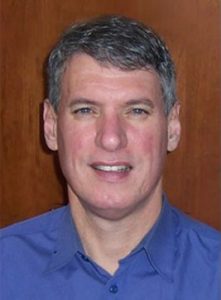 Frank J. Gonzalez合作论文数Cancer Innovation Laboratory, Center for Cancer Research, National Cancer Institute, National Institutes of Health74
 Sang S. Park合作论文数63Fred K. Friedman合作论文数National Cancer Institute, National Institutes of Health24Kristopher W. Krausz合作论文数Laboratory of Metabolism, Center for Cancer Research, National Cancer Institute, National Institutes of Health21T Aoyama合作论文数14Magang Shou合作论文数Amgen14Charles L. Crespi合作论文数13Tamie Nakajima合作论文数12Eivor Elovaara合作论文数12Kr Korzekwa合作论文数11T J Yang合作论文数11Rc Robinson合作论文数11Leutz J C合作论文数11
 David J. Waxman合作论文数Department of Biology, Boston University;School of Medicine, Boston University11
 Olavi Pelkonen合作论文数Department of Pharmacology, University of Oulu11F.J. Wiebel合作论文数11Haruko Miller合作论文数11
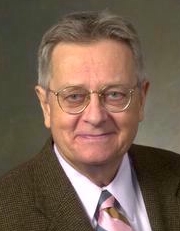 Daniel W. W Nebert合作论文数College of Medicine, University of Cincinnati10Dp Lapenson合作论文数9
 Harri Uolevi Vainio合作论文数Department of Environmental and Occupational Health, Faculty of Public Health, Kuwait University;Finnish Institute of Occupational Health9BJ SONG合作论文数8Sk Yang合作论文数8WA KHAN合作论文数8
 F. Peter Guengerich合作论文数Department of Biochemistry, School of Medicine, Vanderbilt University8Mj Coon合作论文数7Jp Hardwick合作论文数7M Pasanen合作论文数7David R. Bickers合作论文数7Eino Hietanen合作论文数7
 Hasan Mukhtar合作论文数Department of Dermatology, School of Medicine and Public Health, University of Wisconsin-Madison;School of Veterinary Medicine, University of Wisconsin-Madison7Jb Fagan合作论文数6B.W. Penman合作论文数6JV PASTEWKA合作论文数6D West合作论文数6Q Huang合作论文数6
 Helmut Bartsch合作论文数Division of Toxicology and Cancer Risk Factors, German Cancer Research Center, Heidelberg University6R. S. Wang合作论文数6Urs A. Meyer合作论文数6Y Sai合作论文数5Hannu Raunio合作论文数5T Fujino合作论文数5Jtm Buters合作论文数4OW MCBRIDE合作论文数4S Yamano合作论文数4J Deutsch合作论文数4K Nagata合作论文数4K Korzekwa合作论文数4I Goldfarb合作论文数4




