Continuous-variable (CV) quantum key distribution (QKD) allows for quantum secure communication with the benefit of being close to classical coherent communication. In recent years, CV QKD protocols using a discrete number of displaced coherent states have been studied intensively as the modulation can be directly implemented with real devices with finite resolution. Until now, experiments only calculated key rates in the asymptotic regime. Here, we present a CV QKD system using discrete modulation that is especially designed for atmospheric channels. We use polarization encoding to exploit the nonbirefringent nature of the turbulent atmosphere. This allows to expand CV QKD networks beyond the existing fiber backbone. In a laboratory demonstration with a static 3-decibel loss channel, we implemented a recently developed security proof allowing to calculate composable finite-size key rates against independently and identically distributed collective attacks. We applied the full QKD protocol including a quantum random number generator, error correction, and privacy amplification to extract secret keys.
We present the results of a search for gravitational-wave transients associated with core-collapse supernova SN 2023ixf, which was observed in the galaxy Messier 101 via optical emission on 2023 May 19, during the LIGO–Virgo–KAGRA 15th Engineering Run. We define a five-day on-source window during which an accompanying gravitational-wave signal may have occurred. No gravitational waves have been identified in data when at least two gravitational-wave observatories were operating, which covered ∼14% of this five-day window. We report the search detection efficiency for various possible gravitational-wave emission models. Considering the distance to M101 (6.7 Mpc), we derive constraints on the gravitational-wave emission mechanism of core-collapse supernovae across a broad frequency spectrum, ranging from 50 Hz to 2 kHz, where we assume the gravitational-wave emission occurred when coincident data are available in the on-source window. Considering an ellipsoid model for a rotating proto-neutron star, our search is sensitive to gravitational-wave energy 1 × 10 −4 M ⊙ c 2 and luminosity 2.6 × 10 −4 M ⊙ c 2 s −1 for a source emitting at 82 Hz. These constraints are around an order of magnitude more stringent than those obtained so far with gravitational-wave data. The constraint on the ellipticity of the proto-neutron star that is formed is as low as 1.08, at frequencies above 1200 Hz, surpassing past results.
We present results from a search for X-ray/gamma-ray counterparts of gravitational-wave (GW) candidates from the third observing run (O3) of the LIGO-Virgo-KAGRA network using the Swift Burst Alert Telescope (Swift-BAT). The search includes 636 GW candidates received with low latency, 86 of which have been confirmed by the offline analysis and included in the third cumulative Gravitational-Wave Transient Catalogs (GWTC-3). Targeted searches were carried out on the entire GW sample using the maximum-likelihood Non-imaging Transient Reconstruction and Temporal Search pipeline on the BAT data made available via the GUANO infrastructure. We do not detect any significant electromagnetic emission that is temporally and spatially coincident with any of the GW candidates. We report flux upper limits in the 15-350 keV band as a function of sky position for all the catalog candidates. For GW candidates where the Swift-BAT false alarm rate is less than 10(-3) Hz, we compute the GW-BAT joint false alarm rate. Finally, the derived Swift-BAT upper limits are used to infer constraints on the putative electromagnetic emission associated with binary black hole mergers.
Exponential losses limit the range of fiber based quantum key distribution (QKD) systems to several hundreds of kilometers [1]. In contrast, a satellite based QKD infrastructure could cover intercontinental distances and would enable world wide secure communication [2]. However, the profitability of a commercial system is highly dependent on its size, weight and power requirements. Photonic integration [3] is a well suited option as it allows the integration of all required optical components for a QKD system onto a single photonic integrated circuit (PIC). In this work, we present our CubeSat payload consisting of a PIC based sender for modulated weak coherent states as well as a quantum random number generator (QRNG). It was launched in 2024 as part of the QUBE mission [4], which aims for the demonstration of novel miniaturized building blocks for satellite quantum communication.
The magnetar SGR 1935+2154 is the only known Galactic source of fast radio bursts (FRBs). FRBs from SGR 1935+2154 were first detected by the Canadian Hydrogen Intensity Mapping Experiment (CHIME)/FRB and the Survey for Transient Astronomical Radio Emission 2 in 2020 April, after the conclusion of the LIGO, Virgo, and KAGRA Collaborations' O3 observing run. Here, we analyze four periods of gravitational wave (GW) data from the GEO600 detector coincident with four periods of FRB activity detected by CHIME/FRB, as well as X-ray glitches and X-ray bursts detected by NICER and NuSTAR close to the time of one of the FRBs. We do not detect any significant GW emission from any of the events. Instead, using a short-duration GW search (for bursts <= 1 s) we derive 50% (90%) upper limits of 10(48) (10(49)) erg for GWs at 300 Hz and 10(49) (10(50)) erg at 2 kHz, and constrain the GW-to-radio energy ratio to <= 10(14)-10(16). We also derive upper limits from a long-duration search for bursts with durations between 1 and 10 s. These represent the strictest upper limits on concurrent GW emission from FRBs.
In our work, we developed an optical CVQKD system that uses polarization-based QPSK modulation designed for atmospheric quantum communication and a corresponding post-processing pipeline including error correction and privacy amplification. In a first laboratory experiment, we applied the security statement of a recently published security proof to calculate composable key rates with a total security parameter of ε = 1e-10 in the finite size regime against i.i.d. collective attacks. We also used the post-processing pipeline to study the effect of error correction and frame errors on the actual key extraction in a finite-size system – finding that the common approach of going to high frame errors to increase the ECC efficiency β does not optimize the extractable key length.Furthermore, we deployed the system over an ad-hoc atmospheric channel of 1.7 km in Mai 2023 in the city of Jena, Germany. In a first proof-of-principle study, we were able to apply the full optical and post-processing pipeline to extract pseudo-asymptotic keys and discuss the further steps necessary to move the system to the finite-size regime. To the best of our knowledge, this is the first CVQKD demonstration over a real atmospheric channel combining both the new class of DMCVQKD security proofs without Gaussian optimality and error correction steps.
Among the various candidates for dark matter (DM), ultralight vector DM can be probed by laser interferometric gravitational wave detectors through the measurement of oscillating length changes in the arm cavities. In this context, KAGRA has a unique feature due to differing compositions of its mirrors, enhancing the signal of vector DM in the length change in the auxiliary channels. Here we present the result of a search for $U(1)_{B-L}$ gauge boson DM using the KAGRA data from auxiliary length channels during the first joint observation run together with GEO600. By applying our search pipeline, which takes into account the stochastic nature of ultralight DM, upper bounds on the coupling strength between the $U(1)_{B-L}$ gauge boson and ordinary matter are obtained for a range of DM masses. While our constraints are less stringent than those derived from previous experiments, this study demonstrates the applicability of our method to the lower-mass vector DM search, which is made difficult in this measurement by the short observation time compared to the auto-correlation time scale of DM.
The limited range of quantum key distribution (QKD) in fiber based systems led to several projects aiming for the development of a satellite based QKD infrastructure, like the conduction of quantum limited measurements from a geostationary satellite [1] or the MICIUS mission, which impressively demonstrated QKD on a global scale [2]. However, due to the high costs of satellite launches the profitability of commercial systems would benefit dramatically from further reduction in size, weight and power. Photonic integration [3] addresses these points by allowing the integration of all optical components of a QKD system on a photonic integrated circuit (PIC). In this work, we are going to demonstrate building blocks for quantum communication from space based on photonic integration technology by building a payload for the CubeSat mission QUBE [4] consisting of an integrated sender for weak coherent states as well as an integrated Quantum Random Number Generator (QRNG).
Besides discrete-variable QKD, where single photon detection is used, continuous-variable (CV) protocols are using homodyne detection and are thus promising to be compatible with existing classical coherent communication technology. Originally, the research on CV QKD protocols mostly focused on Gaussian modulation (see review [1]), where one assumes that Alice can continuously displace coherent states according to a 2D Gaussian distribution. This modulation allows the security proofs to take advance of Gaussian optimality conditions, but experimental implementations can only reach this pattern up to some finite discretization. Another approach is to directly use a discrete-modulated (DM) CV QKD protocol. Here, Alice is required to prepare a finite number of displaced coherent states, aiming for a higher experimental simplicity, with the drawback of higher theoretical complexity. Recently, new security proofs such as [2] and corresponding experiments [3,4] could show the feasibility of systems using quadrature amplitude modulation (QAM) with 64 and 256 displaced states. However, the security proof was limited to the asymptotic regime and since the experiments did not use implemented error correction codes, one could only estimate the achievable key rates, but could not generate the secret key itself. In this poster, we demonstrate experiments with a protocol with a smaller constellation size of four coherent states that share the same amplitude but are shifted by 90° in phase (QPSK modulation). We exploit a recently published security proof providing tight secret key rates for collective attacks even in the finite size regime [5]. Furthermore, we show that the QPSK data is compatible with our implemented low density parity check (LDPC) codes for binary symmetric channels. This allows us to perform the full QKD protocol from experimental quantum state exchange to classical post processing and to generate a secret key shared between Alice and Bob. For this purpose, we use a laboratory system based on polarization encoding in the Stokes parameters which is equivalent to a QPSK pattern in phase space. This scheme is designed to cope with the challenges of a turbulent atmospheric channel. While the fluctuating nature of such a channel can be targeted by sub-binning the transmission channels [6], the atmosphere is in general non-birefringent, allowing for atmospheric quantum communications [7]. [1] F. Laudenbach et al., Adv. Quantum Technol. 1, 1800011 (2018) [2] A. Denys et al., Quantum 5, 540 (2021) [3] F. Roumestan et al., arXiv:2207.11702 (2022) [4] Y. Pan et al., Optics Letters 47, 3307-3310 (2022) [5] F. Kanitschar et al., arXiv:2301.08686v1 (2023) [6] V. Usenko et al., New J. Phys. 14, 093048 (2012) [7] B. Heim et al., New J. Phys. 16, 113018 (2014)
Agile cryptography allows for a resource-efficient swap of a cryptographic core in case the security of an underlying classical cryptographic algorithm becomes compromised. Conversely, versatile cryptography allows the user to switch the cryptographic task without requiring any knowledge of its inner workings. In this paper, we suggest how these related principles can be applied to the field of quantum cryptography by explicitly demonstrating two quantum cryptographic protocols, quantum digital signatures (QDS) and quantum secret sharing (QSS), on the same hardware sender and receiver platform. Crucially, the protocols differ only in their classical postprocessing. The system is also suitable for quantum key distribution (QKD) and is highly compatible with deployed telecommunication infrastructures, since it uses standard quadrature phase-shift keying encoding and heterodyne detection. For the first time, QDS protocols are modified to allow for postselection at the receiver, enhancing protocol performance. The cryptographic primitives QDS and QSS are inherently multipartite, and we prove that they are secure not only when a player internal to the task is dishonest, but also when (external) eavesdropping on the quantum channel is allowed. In our first proof-of-principle demonstration of an agile and versatile quantum communication system, the quantum states are distributed at GHz rates. A 1-bit message may be securely signed using our QDS protocols in less than 0.05 ms over a 2-km fiber link and in less than 0.2 s over a 20-km fiber link. To our knowledge, this also marks the first demonstration of a continuous-variable direct QSS protocol.
We search for gravitational-wave signals produced by cosmic strings in the Advanced LIGO and Virgo full O3 dataset. Search results are presented for gravitational waves produced by cosmic string loop features such as cusps, kinks, and, for the first time, kink-kink collisions. A template-based search for short-duration transient signals does not yield a detection. We also use the stochastic gravitational-wave background energy density upper limits derived from the O3 data to constrain the cosmic string tension Gμ as a function of the number of kinks, or the number of cusps, for two cosmic string loop distribution models. Additionally, we develop and test a third model that interpolates between these two models. Our results improve upon the previous LIGO-Virgo constraints on Gμ by 1 to 2 orders of magnitude depending on the model that is tested. In particular, for the one-loop distribution model, we set the most competitive constraints to date: Gμ≲4×10^{-15}. In the case of cosmic strings formed at the end of inflation in the context of grand unified theories, these results challenge simple inflationary models.
Advanced LIGO and Advanced Virgo are actively monitoring the sky and collecting gravitational-wave strain data with sufficient sensitivity to detect signals routinely. In this paper we describe the data recorded by these instruments during their first and second observing runs. The main data products are the gravitational-wave strain arrays, released as time series sampled at 16384 Hz. The datasets that include this strain measurement can be freely accessed through the Gravitational Wave Open Science Center at http://gw-openscience.org, together with data-quality information essential for the analysis of LIGO and Virgo data, documentation, tutorials, and supporting software.
We report the observation of gravitational waves from two compact binary coalescences in LIGO’s and Virgo’s third observing run with properties consistent with neutron star–black hole (NSBH) binaries. The two events are named GW200105_162426 and GW200115_042309, abbreviated as GW200105 and GW200115; the first was observed by LIGO Livingston and Virgo and the second by all three LIGO–Virgo detectors. The source of GW200105 has component masses 8.9−1.5+1.2 and 1.9−0.2+0.3M⊙ , whereas the source of GW200115 has component masses 5.7−2.1+1.8 and 1.5−0.3+0.7M⊙ (all measurements quoted at the 90% credible level). The probability that the secondary’s mass is below the maximal mass of a neutron star is 89%–96% and 87%–98%, respectively, for GW200105 and GW200115, with the ranges arising from different astrophysical assumptions. The source luminosity distances are 280−110+110 and 300−100+150Mpc , respectively. The magnitude of the primary spin of GW200105 is less than 0.23 at the 90% credible level, and its orientation is unconstrained. For GW200115, the primary spin has a negative spin projection onto the orbital angular momentum at 88% probability. We are unable to constrain the spin or tidal deformation of the secondary component for either event. We infer an NSBH merger rate density of 45−33+75Gpc−3yr−1 when assuming that GW200105 and GW200115 are representative of the NSBH population or 130−69+112Gpc−3yr−1 under the assumption of a broader distribution of component masses.
We search for signatures of gravitational lensing in the gravitational-wave signals from compact binary coalescences detected by Advanced LIGO and Advanced Virgo during O3a, the first half of their third observing run. We study: 1) the expected rate of lensing at current detector sensitivity and the implications of a non-observation of strong lensing or a stochastic gravitational-wave background on the merger-rate density at high redshift; 2) how the interpretation of individual high-mass events would change if they were found to be lensed; 3) the possibility of multiple images due to strong lensing by galaxies or galaxy clusters; and 4) possible wave-optics effects due to point-mass microlenses. Several pairs of signals in the multiple-image analysis show similar parameters and, in this sense, are nominally consistent with the strong lensing hypothesis. However, taking into account population priors, selection effects, and the prior odds against lensing, these events do not provide sufficient evidence for lensing. Overall, we find no compelling evidence for lensing in the observed gravitational-wave signals from any of these analyses.
Gravitational waves enable tests of general relativity in the highly dynamical and strong-field regime. Using events detected by LIGO-Virgo up to 1 October 2019, we evaluate the consistency of the data with predictions from the theory. We first establish that residuals from the best-fit waveform are consistent with detector noise, and that the low- and high-frequency parts of the signals are in agreement. We then consider parametrized modifications to the waveform by varying post-Newtonian and phenomenological coefficients, improving past constraints by factors of similar to 2; we also find consistency with Kerr black holes when we specifically target signatures of the spin-induced quadrupole moment. Looking for gravitational-wave dispersion, we tighten constraints on Lorentz-violating coefficients by a factor of similar to 2.6 and bound the mass of the graviton to m(g) <= 1.76 x 10(-23) eV/c(2) with 90% credibility. We also analyze the properties of the merger remnants by measuring ringdown frequencies and damping times, constraining fractional deviations away from the Kerr frequency to delta(f) over cap (220) = 0.03(-0.35)(+0.38) for the fundamental quadrupolar mode, and delta(f) over cap (221) = 0.04(-0.32)(+0.27) for the first overtone; additionally, we find no evidence for postmerger echoes. Finally, we determine that our data are consistent with tensorial polarizations through a template-independent method. When possible, we assess the validity of general relativity based on collections of events analyzed jointly. We find no evidence for new physics beyond general relativity, for black hole mimickers, or for any unaccounted systematics.
In the last few decades, much effort has been made for the production of squeezed vacuum states in order to reduce quantum noise in the audio-frequency band. This technique has been implemented in all running gravitational-wave interferometric detectors and helped to improve their sensitivity. While the detectors are acquiring data for astrophysical observations, they must be kept in the operating condition, also called "science mode," that is, a state that requires the highest possible duty-cycle for all the instrumental parts and controls. We report the development of a highly automated setup for the generation of optical squeezed states, where all the required control loops are supervised by a software based on finite state machines; we took special care to grant ease of use, stability of operation, and possibility of auto-recovery. Moreover, the setup has been designed to be compatible with the existing software and hardware infrastructure of the Virgo detector. In this paper, we discuss the optical properties of this squeezing setup, the locking techniques, and the automation algorithms.
We report on gravitational wave discoveries from compact binary coalescences detected by Advanced LIGO and Advanced Virgo in the first half of the third observing run (O3a) between 1 April 2019 15:00 UTC and 1 October 2019 15:00. By imposing a false-alarm-rate threshold of two per year in each of the four search pipelines that constitute our search, we present 39 candidate gravitational wave events. At this threshold, we expect a contamination fraction of less than 10%. Of these, 26 candidate events were reported previously in near real-time through GCN Notices and Circulars; 13 are reported here for the first time. The catalog contains events whose sources are black hole binary mergers up to a redshift of ~0.8, as well as events whose components could not be unambiguously identified as black holes or neutron stars. For the latter group, we are unable to determine the nature based on estimates of the component masses and spins from gravitational wave data alone. The range of candidate events which are unambiguously identified as binary black holes (both objects $\geq 3~M_\odot$) is increased compared to GWTC-1, with total masses from $\sim 14~M_\odot$ for GW190924_021846 to $\sim 150~M_\odot$ for GW190521. For the first time, this catalog includes binary systems with significantly asymmetric mass ratios, which had not been observed in data taken before April 2019. We also find that 11 of the 39 events detected since April 2019 have positive effective inspiral spins under our default prior (at 90% credibility), while none exhibit negative effective inspiral spin. Given the increased sensitivity of Advanced LIGO and Advanced Virgo, the detection of 39 candidate events in ~26 weeks of data (~1.5 per week) is consistent with GWTC-1.
Equation (5) of the published article?(Abbott et al. 2019) is in error; it should read (Formula Presented) The upper limits on o presented in the published article are unaffected by this error.
The LIGO Scientific Collaboration and the Virgo Collaboration have cataloged eleven confidently detected gravitational-wave events during the first two observing runs of the advanced detector era. All eleven events were consistent with being from well-modeled mergers between compact stellar-mass objects: black holes or neutron stars. The data around the time of each of these events have been made publicly available through the gravitational-wave open science center. The entirety of the gravitational-wave strain data from the first and second observing runs have also now been made publicly available. There is considerable interest among the broad scientific community in understanding the data and methods used in the analyses. In this paper, we provide an overview of the detector noise properties and the data analysis techniques used to detect gravitational-wave signals and infer the source properties. We describe some of the checks that are performed to validate the analyses and results from the observations of gravitational-wave events. We also address concerns that have been raised about various properties of LIGO-Virgo detector noise and the correctness of our analyses as applied to the resulting data.
The sensitivity of gravitational wave interferometric detectors is ultimately limited by the quantum noise, which arises from the quantum nature of light and it is driven by vacuum fluctuations of the optical field entering from the dark port of the interferometer. One way to improve the sensitivity of gravitational wave interferometers is to inject squeezed vacuum into the dark port. This has been already demonstrated for the main gravitational wave detectors (GEO, Advanced LIGO and Advanced VIRGO). We are studying tricks to produce a “frequency- dependent squeezing”: a standard method is to filter the squeezed optical field with one or more optical cavities (300 m long cavities). An alternative method using a pair of squeezed EPR (Einstein-Podolsky-Rosen) entangled beams to produce frequency-dependent squeezing by a non-degenerate OPO (Optical Parametric Oscillator) will be discussed in this paper. This method promises to achieve a frequency-dependent optimization of the injected squeezed light fields without the need for an external filter cavity.
 Ettore Majorana合作论文数Dipartimento di Fisica, Sapienza Università di Roma66
 J. S. Kissel合作论文数LIGO Hanford Observatory65
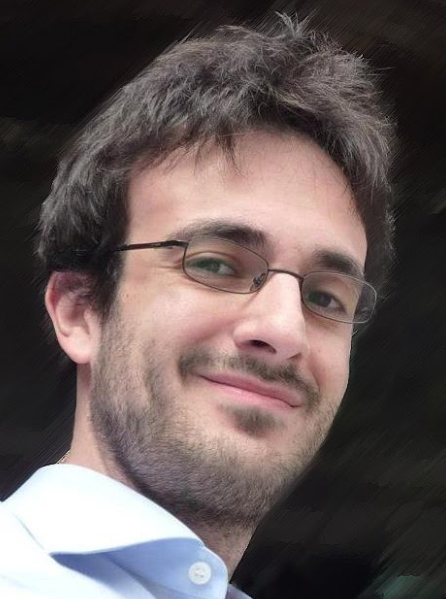 Luca Naticchioni合作论文数Istituto Nazionale di Fisica Nucleare - Sezione di Roma;Dipartimento di Fisica, Sapienza Università di Roma65
 Matteo Lorenzini合作论文数Dipartimento di Fisica, Università degli studi di Tor Vergata64
 Paola Leaci合作论文数Department of Physics, Università degli Studi di Roma "La Sapienza"64
 C. Lazzaro合作论文数64
 Giovanni Losurdo合作论文数Scuola Normale Superiore;Istituto Nazionale di Fisica Nucleare64
 Vincent Loriette合作论文数63
 Christopher Messenger合作论文数School of Physics & Astronomy, University of Glasgow63
 Maddalena Mantovani合作论文数European Gravitational Observatory63
 G. A. Nelemans (Gijs)合作论文数Department of Astrophysics, Institute for Mathematics, Astrophysics and Particle Physics, Radboud University;KU Leuven62Naoki Man合作论文数62
 Szabolcs Márka合作论文数Department of Physics, Columbia University61
 Alberto Gennai合作论文数Università di Pisa;Istituto Nazionale di Fisica Nucleare61
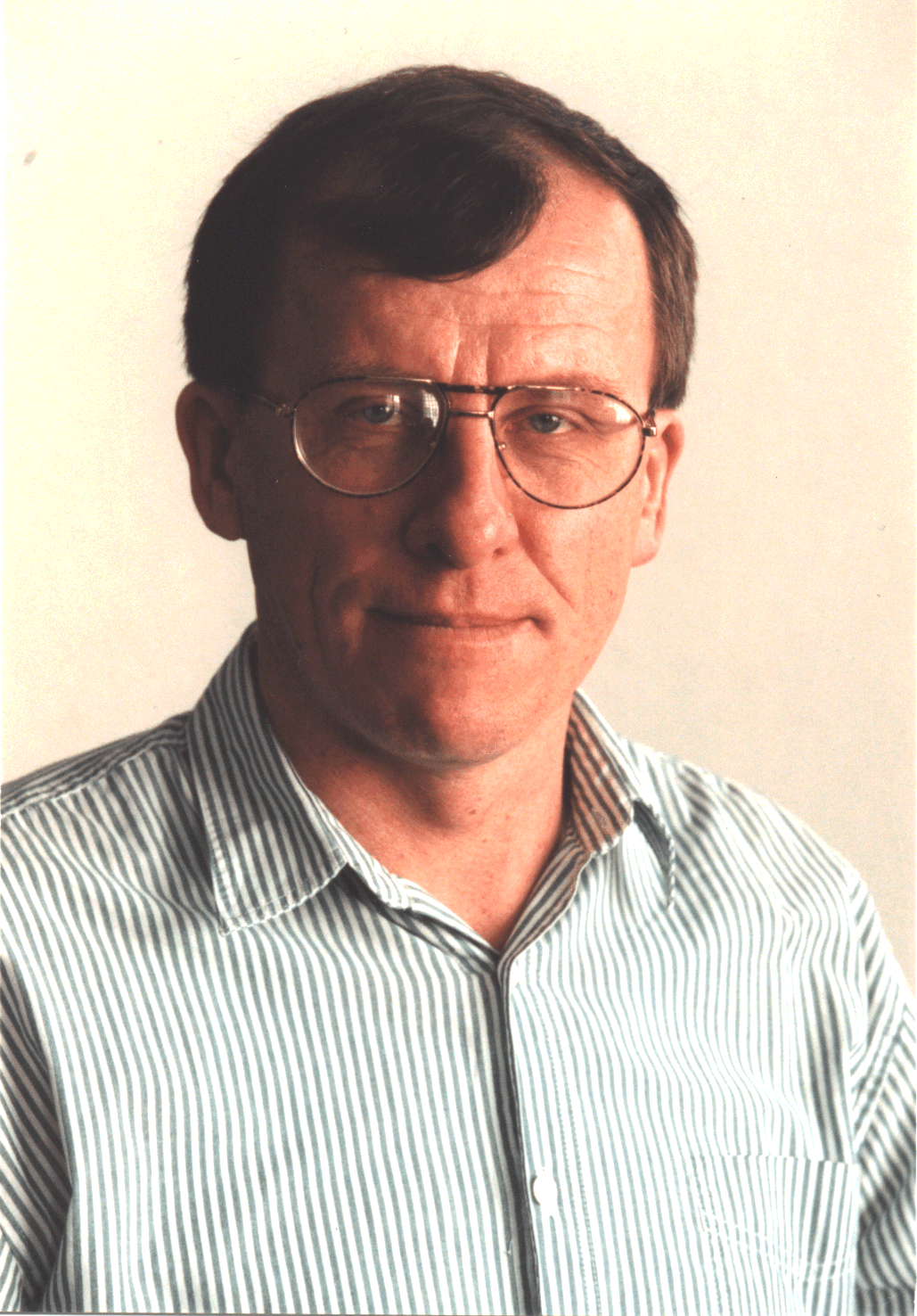 Andrzej Królak合作论文数Foundation for Development of Polish Mathematics61
 Piotr Jaranowski合作论文数Zakład Astronimii, Astrofizyki i Teorii Pola, Uniwersytet W Białymstoku61S. Di Pace合作论文数60
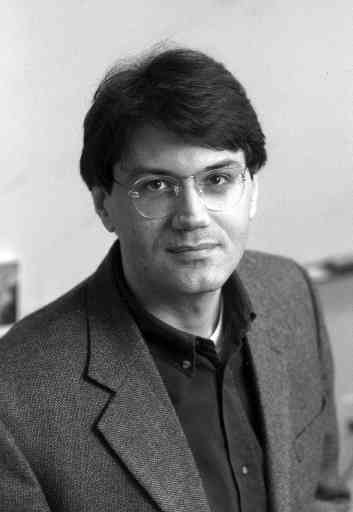 E. C. Katsavounidis合作论文数Department of Physics, Kavli Institute for Astrophysics and Space Research, Massachusetts Institute of Technology;Laser Interferometer Gravitational-wave Observatory, Massachusetts Institute of Technology60M. De Laurentis合作论文数60
 Nicolas Leroy合作论文数Université Paris-Saclay;Centre National de la Recherche Scientifique60
 M. Korobko合作论文数Universität Hamburg60Mangano V合作论文数60
 Antonios Kontos合作论文数Faculty of Applied Sciences, National Technical University of Athens60
 De Rosa Rosario合作论文数Dipartimento Di Fisica "Ettore Pancini", Università degli Studi di Napoli Federico II59J. Casanueva Diaz合作论文数Sci Pk 105, Nikhef59Farit Ya. Khalili合作论文数Faculty of Physics, Lomonosov Moscow State University59J. D. Lange合作论文数59
 Andrew Lundgren合作论文数Catalan Institution for Research and Advanced Studies;Institut de Física d'Altes Energies59
 Yuri Levin合作论文数Department of Physics, Columbia University/Monash University59Luciano Di Fiore合作论文数Università degli studi di Napoli " Federico II "59
 Paul Lasky合作论文数School of Physics and Astronomy, Monash University59
 Tjonnie Li合作论文数Department of Physics and Astronomy, Faculty of Science, KU Leuven59
 Nergis Mavalvala合作论文数Department of Physics, School of Science, Massachusetts Institute of Technology;Kavli Institute for Astrophysics & Space Research, Massachusetts Institute of Technology59M. Lormand合作论文数58A. Markosyan合作论文数58M. Manske合作论文数58G. Kuehn合作论文数58D. Moraru合作论文数58
 Samaya Nissanke合作论文数Faculty of Science, University of Amsterdam58E. Maros合作论文数58V. P. Mitrofanov合作论文数Department of Oscillations Physics, Lomonosov Moscow State University58I. Maksimovic合作论文数58
 C. Messick合作论文数University of Chicago58F. Nocera合作论文数58M. Masso-Reid合作论文数58C. V. Kalaghatgi合作论文数Sch Phys & Astron, Cardiff Univ58
 Fabien Kefelian合作论文数CNRS, Université Côte d'Azur58
 Andrew Melatos合作论文数School of Physics, Faculty of Science, The University of Melbourne58
 Meacher D合作论文数Observatoire de la Côte d'Azur, Université Nice-Sophia-Antipolis58




