OBJECTIVES:To evaluate the long-term impact of oophoropexy on pelvic pain symptoms and fertility outcomes in women with recurrent ovarian torsion. DESIGN:Retrospective case-control study. PARTICIPANTS:Thirty women who underwent oophoropexy for recurrent ovarian torsion were matched in a 1:2 ratio with 60 women who experienced a single episode of ovarian torsion treated with detorsion alone. SETTING:Tertiary university-affiliated medical center. METHODS:Demographic, clinical, surgical, and follow-up data were obtained from medical records and structured telephone interviews. Long-term outcomes included dysmenorrhea, dyspareunia, and non-menstrual pelvic pain assessed using a numeric rating scale. Reproductive outcomes were also evaluated. Conditional logistic regression was performed to account for the matched case-control design. RESULTS:Median follow-up was 48 months (IQR 16-60). Women who underwent oophoropexy had significantly higher rates of worsening dysmenorrhea (46% vs. 10%), dyspareunia (23.3% vs. 1.7%), and non-menstrual pelvic pain (36.7% vs. 11.7%) compared with controls (all p < 0.01). In adjusted conditional logistic regression accounting for the matched design, oophoropexy remained independently associated with worsening dysmenorrhea [aOR 4.11, 95% CI 1.15-14.66, p=0.030]. Fertility outcomes were comparable between groups. LIMITATIONS:The retrospective design and limited sample size may affect the generalizability of the findings, and long-term symptoms were assessed using patient-reported measures. CONCLUSIONS:Oophoropexy following recurrent ovarian torsion may be associated with long-term pelvic pain symptoms without compromising fertility. These potential risks should be discussed with patients during preoperative counselling.
OBJECTIVE:To assess agreement between a large language model (ChatGPT version 5.2) and expert gynecologists in the management of suspected retained products of conception (RPOC). METHODS:This case-based comparative agreement study included prospectively collected clinical cases from a tertiary academic medical center. Fifty-five anonymized cases of suspected RPOC were independently evaluated by three senior gynecologists using a predefined management classification system. Cases were categorized as full consensus (agreement among all three experts) or partial consensus (agreement among two experts); cases without consensus were excluded from the primary analysis. For each included case, the consensus-based expert decision served as the reference standard. ChatGPT-generated recommendations were compared with expert consensus under two conditions: blind prediction and a condition with prior exposure to expert decisions. Agreement was assessed using percent agreement and Cohen's kappa (κ). RESULTS:Of 55 cases, 50 met inclusion criteria (24 full consensus; 26 partial consensus). Mean physician agreement with the consensus reference standard was 82.7% (κ = 0.58). ChatGPT demonstrated lower concordance, with accuracy of 34.0% (κ = 0.27) under blind prediction and 54.0% (κ = 0.33) with prior exposure to expert decisions. Performance improved in full-consensus cases (58.3% to 75.0%) but remained substantially lower in partial-consensus cases (11.5% to 34.6%). CONCLUSION:In the management of suspected RPOC, ChatGPT (version 5.2) may currently be more appropriate as a supervised adjunct than as an independent clinical decision-maker.
OBJECTIVE:To evaluate whether virtual reality (VR) glasses reduce pain perception during transvaginal ultrasound (TVUS) in women with endometriosis. DESIGN:Open-label randomized controlled trial. SETTING:University-affiliated medical center. PARTICIPANTS:A total of 117 premenopausal women with a confirmed diagnosis of endometriosis. INTERVENTIONS:TVUS performed with or without the use of immersive VR glasses. RESULTS:A total of 117 women were randomized to either the VR group (n = 58) or the control group (n = 59). Although mean pain scores were not significantly different (VR: 3.2 ± 2.6 vs. control: 4.0 ± 3.0; p = 0.08), moderate-to-severe pain was reported less frequently in the VR group (33.9% vs. 55.2%; p = 0.027). In a multivariate logistic regression analysis, VR use (OR = 0.26, 95% CI: 0.10-0.63; p = 0.0027), current pain [odds ratio (OR) = 1.31, 95% CI: 1.02-1.69], and anticipated pain (OR = 1.22, 95% CI: 1.00-1.49) were shown to be independent predictors of moderate-to-severe pain during TVUS. Among women with high anticipated pain [Numeric rating scale (NRS) ≥ 4], the VR group reported significantly lower actual pain scores compared to controls [3.0 (1.0-5.0) vs. 6.0 (4.0-7.5), respectively, p = 0.037]. CONCLUSION:Use of VR during TVUS in women with endometriosis reduced the frequency of moderate-to-severe pain and mitigated the impact of anticipated pain on pain perception. VR may be a beneficial non-pharmacologic adjunct in pelvic imaging for women with endometriosis. TRIAL REGISTRATION NUMBER:NCT04711408.
This study evaluates the effectiveness of hysteroscopy in managing persistent pregnancy of unknown location (PUL) as an alternative to traditional curettage. Six patients diagnosed with PUL underwent hysteroscopy, four of them by the vaginoscopic approach and without anesthesia, and two under general anesthesia. The objective of the procedure was to locate the pregnancy, treat it, or take a tissue sample in cases of PUL where imaging studies were nonconclusive. Results showed that in five patients, hysteroscopy successfully identified and removed a gestational mass, leading to complete resolution of beta-human chorionic gonadotropin (ß-hCG) levels within 24 days. One patient was diagnosed with extrauterine pregnancy due to the absence of intrauterine gestational mass in hysteroscopy and a plateauing level of ß-hCG a day after the procedure. The findings indicate that hysteroscopy may offer a safe and more precise alternative to traditional blind curettage.
Abstract Background Relaparotomy following a cesarean delivery (CD) is an infrequent complication, with inconsistency regarding risk factors and indications for its occurrence. We therefore aimed to determine risk factors and indications for a relaparotomy following a CD at a single large tertiary center. Methods A retrospective case-control single-center study (2013–2023). We identified all women who had a relaparotomy up to six weeks following a CD (study group). Maternal characteristics, obstetrical and surgical data were compared to a control group in a 1:2 ratio. Controls were women with a CD before and immediately after each case in the study group, who did not undergo a relaparotomy. Included were CDs occurring after 24 gestational weeks. CD performed at different centers and indications for repeat surgery unrelated to the primary surgery (e.g., appendicitis) were excluded. Logistic regression was used to adjust for potential confounders. Results During the study period, 131,268 women delivered at our institution. Of them, 28,280 (21.5%) had a CD, and 130 patients (0.46%) underwent a relaparotomy. Relaparotomies following a CD occurred during the first 24 h, the first week, and beyond the first week, in 59.2%, 33.1%, and 7.7% of cases, respectively. In the multivariable logistic regression analysis, relaparotomy was significantly associated with Mullerian anomalies (aOR 3.33, 95%CI 1.08–10.24, p = 0.036); uterine fibroids (aOR 3.17, 95%CI 1.11–9.05,p = 0.031); multiple pregnancy (aOR 4.1, 95%CI 1.43–11.79,p = 0.009); hypertensive disorders of pregnancy (aOR 3.46, 95%CI 1.29–9.3,p = 0.014); CD during the second stage of labor (aOR 2.54, 95%CI 1.15–5.88, p = 0.029); complications during CD (aOR 1.62, 95%CI 1.09–3.21,p = 0.045); and excessive bleeding during CD or implementation of bleeding control measures (use of tranexamic acid, a hemostatic agent, or a surgical drain) (aOR 2.23, 95%CI 1.29–4.12,p = 0.012). Indications for relaparotomy differed depending on the time elapsed from the CD, with suspected intra-abdominal bleeding (36.1%) emerging as the primary indication within the initial 24 h. Conclusion We detected several pregnancy, intrapartum, and intra-operative risk factors for the need for relaparotomy following a CD. Practitioners may utilize these findings to proactively identify women at risk, thereby potentially reducing their associated morbidity.
OBJECTIVE:To demonstrate the use of surgical intelligence to routinely and automatically assess the proportion of time spent outside of the patient's body (out-of-body-OOB) in laparoscopic gynecological procedures, as a potential basis for clinical and efficiency-related insights. DESIGN:A retrospective analysis of videos of laparoscopic gynecological procedures. SETTING:Two operating rooms at the Gynecology Department of a tertiary medical center. PARTICIPANTS:All patients who underwent laparoscopic gynecological procedures between January 1, 2021 and December 31, 2022 in those two rooms. INTERVENTIONS:A surgical intelligence platform installed in the two rooms routinely captured and analyzed surgical video, using AI to identify and document procedure duration and the amount and percentage of time that the laparoscope was withdrawn from the patient's body per procedure. RESULTS:A total of 634 surgical videos were included in the final dataset. The cumulative time for all procedures was 639 hours, of which 48 hours (7.5%) were OOB segments. Average OOB percentage was 8.7% (SD = 8.7%) for all the procedures and differed significantly between procedure types (p < .001), with unilateral and bilateral salpingo-oophorectomies showing the highest percentages at 15.6% (SD = 13.3%) and 13.3% (SD = 11.3%), respectively. Hysterectomy and myomectomy, which do not require the endoscope to be removed for specimen extraction, showed a lower percentage (mean = 4.2%, SD = 5.2%) than the other procedures (mean = 11.1%, SD = 9.3%; p < .001). Percentages were lower when the operating team included a senior surgeon (mean = 8.4%, standard deviation = 9.2%) than when it did not (mean = 10.1%, standard deviation = 6.9%; p < .001). CONCLUSION:Surgical intelligence revealed a substantial percentage of OOB segments in laparoscopic gynecological procedures, alongside associations with surgeon seniority and procedure type. Further research is needed to evaluate how laparoscope removal affects postoperative outcomes and operational efficiency in surgery.
Study Objective Previous findings indicate that routine, automated capture and analysis of surgical video using computer vision-based surgical intelligence technology can increase adoption of safety-related practices during laparoscopic procedures. We propose that when practice adoption reaches a plateau, it can be further increased through deliberate capture of intraoperative snapshots. Here, we examined a quality intervention promoting intraoperative snapshots of both ureters after colpotomy and vault closure, aiming to improve safety in laparoscopic hysterectomy. Design Prospective and retrospective analysis of videos from laparoscopic procedures. Setting A high-volume gynecology department in a tertiary medical center. Patients or Participants All total laparoscopic hysterectomies conducted between January and April 2024 were routinely recorded and stored by a surgical intelligence platform (Theator Inc.), which indicates for each video whether the ureters had been viewed. Interventions Between January and March 2024, the surgical intelligence platform was used to routinely assess whether the ureters were viewed, in accordance with established departmental safety guidelines. In April 2024, a snapshot feature was added to the platform, enabling surgeons to manually capture still frames intraoperatively. A quality initiative was subsequently launched, incorporating snapshots of both ureters as a mandatory safety measure. Measurements and Main Results In the 3 months before snapshots were introduced, the ureters were viewed in 78.9% of the 19 laparoscopic hysterectomies conducted. Following the intervention, snapshots of ureter views were taken in all 8 of the procedures conducted, indicating 100% adoption of the safety measure. Conclusion Serving as a promising pilot, the preliminary findings collected since the recent implementation of the snapshot feature in a computer vision-based surgical intelligence platform indicate a significant increase in adoption of a key safety measure during laparoscopic hysterectomy. Continued monitoring will enable further validation and exploration of how intraoperative snapshots can contribute to surgical quality and safety.
Study Objective We aimed to evaluate the effectiveness of virtual reality (VR) as a pain modulation technique during targeted ultrasound for endometriosis. Design Prospective, open-label, randomized control trial. Setting Tertiary university-affiliated medical center. Patients or Participants 82 women undergoing targeted scan for endometriosis were randomly allocated either to the use of VR during the whole exam (n =40 , group 1) or not at all (group 2, n = 42). Interventions Virtual reality system during ultrasound examination. Measurements and Main Results The primary outcome measures included self-reported pain during the ultrasound examination. Other objectives included vital parameters as pulse rate (PR) and respiratory rate (RR) before and after the ultrasound examination. Pain and anxiety outcomes were measured as numeric rating scores (0-10) and (1-4), respectively. The demographic parameters were similar between the two groups. The mean duration for targeted ultrasound in group 1 was18 ± 2.7 vs. 19 ± 3.3 min for group 2. (p = 0.41). No statistical difference in the reported pain score was observed between groups [median (interquartile range) 3(0–6) in group 1 vs.3 (0-5.5) in group 2; p = 0.89]. Neither the vital parameters were different. Of the VR group, 78% of the patients reported the experience was pleasant and would rather to undergo the exam again with VR and 95.7 % would recommend to a friend. Conclusion VR was did not effectively reduce pain or anxiety during targeted scan for endometriosis. However, most patients define the experience pleasant willing to repeat it and would recommend it to other patients.
OBJECTIVES:To determine the feasibility and safety of resectoscopic treatment for uterine evacuation of first-trimester miscarriage. METHODS:A single-centre prospective study performed between April 2021 and October 2021 at a university-affiliated tertiary medical centre. Patients diagnosed with early miscarriage of up to 12 weeks from the last menstrual period were eligible for participation. Recruited patients underwent hysteroscopic uterine evacuation under general anaesthesia by a Versapoint 2 bipolar resectoscope 24Fr (Johnson and Johnson, Germany). RESULTS:A total of 15 patients were recruited for the study. The procedural characteristics as well as intra- and postoperative adverse events were recorded. The mean duration of the procedure was 14.3 ± 3.7 minutes. The achievement of complete evacuation was recorded in all cases, and no adverse events occurred during any procedure. Post-procedure follow-up 6 weeks after treatment was conducted by office hysteroscopy in 10 women and by ultrasonography in 4 women. One woman had conceived prior to her scheduled follow-up visit. In total, 2 (13.3%) cases of retained products of conception were diagnosed during office hysteroscopy and they were removed by the "see-and-treat" technique without anaesthesia. The diagnosis was confirmed pathologically. No intrauterine adhesions were detected and none of the women required a second hysteroscopy under anaesthesia due to retained products of conception. CONCLUSIONS:Hysteroscopic evacuation of first-trimester miscarriage by a standard resectoscope is a safe and feasible technique.
Study Objective To assess patient mobility following gynecologic oncology surgery with pedometers (digital step counters), and to characterize factors associated with reduced mobility. Design Prospective observational study. Setting Tertiary university-affiliated medical center. Patients or Participants Patients who underwent surgery at the gynecological oncology. Interventions Patients were asked to wear wristband pedometers for 72 h prior to surgery and post-surgery till discharge from hospital. Measurements and Main Results Patient's demographics, surgical, and post operative outcome were compared according to surgical complexity: low (n=54), and high (n =24) complexity surgery. Patients’ steps prior to surgery and demographics were not significantly different between the groups and were not found to be associated with patient mobility post-surgery. The average number of steps taken during the first 24 h following surgery was 956 (SD 386) in the low complexity surgery group compared to 70 (SD 38) in the high complexity surgery group, p < 0.001. The Significant difference in steps number between the groups persisted until day 4 post surgery. Length of surgery, estimated blood loss, blood transfusion, ICU admission, indwelling urine catheter day of removal, use of a drain, day of passing stool, visual analogue scale and use of opioids were all significantly increased in the high complexity compared to the low complexity surgery group. On multivariate regression analysis ICU admission, indwelling catheter day of removal and use of a drain were the only significant predictors of reduced mobility. Conclusion Monitoring ambulation is feasible and easy, attention to modifiable predictors may improve postoperative mobility with enhanced recovery.
ObjectiveThe analysis of surgical videos using artificial intelligence holds great promise for the future of surgery by facilitating the development of surgical best practices, identifying key pitfalls, enhancing situational awareness, and disseminating that information via real-time, intraoperative decision-making. The objective of the present study was to examine the feasibility and accuracy of a novel computer vision algorithm for hysterectomy surgical step identification.MethodsThis was a retrospective study conducted on surgical videos of laparoscopic hysterectomies performed in 277 patients in five medical centers. We used a surgical intelligence platform (Theator Inc.) that employs advanced computer vision and AI technology to automatically capture video data during surgery, deidentify, and upload procedures to a secure cloud infrastructure. Videos were manually annotated with sequential steps of surgery by a team of annotation specialists. Subsequently, a computer vision system was trained to perform automated step detection in hysterectomy. Analyzing automated video annotations in comparison to manual human annotations was used to determine accuracy.ResultsThe mean duration of the videos was 103 +/- 43 min. Accuracy between AI-based predictions and manual human annotations was 93.1% on average. Accuracy was highest for the dissection and mobilization step (96.9%) and lowest for the adhesiolysis step (70.3%).ConclusionThe results of the present study demonstrate that a novel AI-based model achieves high accuracy for automated steps identification in hysterectomy. This lays the foundations for the next phase of AI, focused on real-time clinical decision support and prediction of outcome measures, to optimize surgeon workflow and elevate patient care. AI-based model achieves high-accuracy surgical step detection in laparoscopic hysterectomies, paving the way for incorporation of surgical intelligence platforms in gynecology.
To determine risk factors for re-surgery following a cesarean delivery (CD). A retrospective case-control study at a single tertiary university-affiliated medical center (2013-2023). Women who had a repeat surgery up to 6 weeks of the CD (re-surgery group) were compared to a control group of women with a CD without re-surgery in a 1:2 ratio. Controls were women who had a CD before and after each case in the re-surgery group. Maternal characteristics, obstetrical and surgical data were compared. Inclusion criteria were CD occurring ≥24 gestational weeks and opening of the fascia at the repeat surgery. CD performed at different centers and indications for repeat surgery unrelated to the primary surgery (appendicitis, etc.) were excluded. Logistic regression was used to adjust for potential confounders. 1. Overall, 138,765 women delivered during the study period. Of them, 27,302 (19.7%) delivered by CD; and 101 (3.7/1,000) underwent re-surgery in the postpartum period. 2. 87/101 (86.2%) were operated by relaparotomy, and 14/101 (13.8%) by laparoscopy. The median time for re-operation was 27 hours (IQR 29-143 hours). 3. There were no significant differences between the groups regarding maternal age, body mass index, gravidity, parity, rate of previous CD, gestational diabetes mellitus, and gestational age at delivery (p > 0.05 for all). 4. There were significantly higher rates of multiple pregnancies (11.9% vs. 2.5%, p< 0.001), low molecular weight heparin (LMWH) use during pregnancy (9.9% vs. 2%,p=0.02), and hypertensive disorders of pregnancy (HDP) (13.9% vs. 4.5%,p=0.003) in the study compared to the control group. 5. In a multivariable logistic regression, multiple pregnancies, LMWH use, HDP, estimated blood loss at CD, and the use of a hemostatic dressing, were all found to be significant independent predictors of the need for re-operation following CD (Table). Several pregnancy and intra-operative risk factors can be identified for the need for re-surgery following a CD, requiring appropriate diligent care and management.
the cases, respectively.Polycystic Ovarian Syndrome (PCOS) was found in 10% (8/80) of the patients, while abnormalities in the endometrial cavity were seen in 8% (6/80) of cases.The remaining 6% (5/80) of cases had other causes, including pelvic congestion, hydrosalpinx, and the presence of uterine devices compromising endometrial integrity.Conclusions: Transvaginal ultrasound using the IDEA group protocol can assist in the differential diagnosis of endometriosis.
ObjectiveOur study’s primary aim was to compare the incidence of endometrial carcinoma in patients with a presurgical diagnosis of endometrial intraepithelial neoplasia confined to the endometrium (EIN-E) versus endometrial intraepithelial neoplasia confined to a polyp (EIN-P). Our secondary aim was to examine the difference in pathological features, prognostic risk groups and sentinel lymph node involvement between the two groups.MethodsWe conducted a retrospective cohort study between January 2014 and December 2020 in a tertiary university-affiliated medical center. The study considered the characteristics of women who underwent hysterectomy with sentinel lymph node dissection for endometrial intraepithelial neoplasia (EIN). We compared EIN-E diagnosed by endometrial sampling via dilatation curettage or hysteroscopic curettage vs EIN-P. A multivariate logistic regression analysis was used to assess risk factors for endometrial cancer.ResultsEighty-eight women were included in the study, of those, 50 were women with EIN-P (EIN-P group) and 38 were women with EIN following an endometrial biopsy (EIN-E group).The median age was 57.5 years (range; 52–68) in the EIN-P group as compared with 63 years (range; 53–71) in the EIN-E group (p=0.47). Eighty-nine percent of the women in the EIN-E group presented with abnormal uterine bleeding whereas 46% of the women in the EIN-P group were asymptomatic (p=0.001). Pathology results following hysterectomy revealed concurrent endometrial carcinoma in 26% of women in the EIN-P group compared with 47% of women in the EIN-E group (p=0.038). Multivariate analysis showed that endometrial cancer was significantly less common in the EIN-P group (overall response (OR)=0.3 95% confidence interval (CI)=0.1–0.9, p=0.03). Eighty-four percent of cancers were grade one in the EIN-P group compared with 50% in the EIN-E group (p=0.048).ConclusionsConcurrent endometrial cancer is less frequent with EIN-P than with EIN-E. The high incidence of endometrial carcinoma in both groups supports the current advice to perform hysterectomy for post-menopausal women. Our data does not support performing sentinel lymph node dissection for EIN-P that was completely resected. The benefit of sentinel lymph node dissection for women with pre-operative EIN-E is yet to be determined.
An ectopic pregnancy occurs in 1% of pregnancies and is a common indication for hospitalization and treatment, as well as a significant cause of morbidity in gynecological patients (1van Mello N.M. Mol F. Ankum W.M. Mol B.W. van der Veen F. Hajenius P.J. Ectopic pregnancy: how the diagnostic and therapeutic management has changed.Fertil Steril. 2012; 98: 1066-1073Abstract Full Text Full Text PDF PubMed Scopus (76) Google Scholar). Patients with ruptured ectopic pregnancies who are hemodynamically unstable, patients with positive embryonic cardiac activity, and patients with ß-human chorionic gonadotropin (hCG) levels above 5,000–10,000 IU/mL are usually treated surgically, whereas hemodynamically stable patients are usually followed up or treated medically (1van Mello N.M. Mol F. Ankum W.M. Mol B.W. van der Veen F. Hajenius P.J. Ectopic pregnancy: how the diagnostic and therapeutic management has changed.Fertil Steril. 2012; 98: 1066-1073Abstract Full Text Full Text PDF PubMed Scopus (76) Google Scholar). Methotrexate has become the drug of choice for hemodynamically stable patients and has been used extensively in different treatment protocols (single and multiple doses) with high rates of success and minimal side effects. This drug, a folic acid antagonist that inhibits dihydrofolate-reductase, brings about necrosis and apoptosis of trophoblasts, inducing ectopic pregnancy disruption (2Gil Y. Zubkov A. Balayla J. Cohen A. Levin I. Apoptosis versus necrosis in tubal ectopic pregnancies following methotrexate.Int J Exp Pathol. 2023; 104: 76-80Crossref PubMed Scopus (1) Google Scholar). High success rates of methotrexate in treating ectopic pregnancies were reported by Lipscomb et al. (3Lipscomb G.H. McCord M.L. Stovall T.G. Huff G. Portera S.G. Ling F.W. Predictors of success of methotrexate treatment in women with tubal ectopic pregnancies.N Engl J Med. 1999; 341: 1974-1978Crossref PubMed Scopus (304) Google Scholar) many years ago, and to this day, this iconic article serves as a benchmark for the medical treatment of ectopic pregnancies. The very high success rates reported for methotrexate have been under scrutiny because a great number of ectopic pregnancies spontaneously resolve, obviating treatment (4Cohen A. Zakar L. Gil Y. Amer-Alshiek J. Bibi G. Almog B. et al.Methotrexate success rates in progressing ectopic pregnancies: a reappraisal.Am J Obstet Gynecol. 2014; 211: 128e1-128e5Abstract Full Text Full Text PDF Scopus (30) Google Scholar). In fact, as many as 60% of hemodynamically stable patients will demonstrate spontaneous resolution by declining ß-hCG levels without any need for intervention. This idea of spontaneous resolution not only obviates treatment because treatment is unnecessary when pregnancy resolves by itself but also brings the success rates of methotrexate under the spotlight because it spuriously increases them. Treating only the viable ectopic pregnancies and withholding treatment for the spontaneously resolving ones will reduce to a significant degree the success rates of methotrexate. For example, a very high success rate (92%) was reported for ectopic pregnancies with ß-hCG levels of 2,000–4,999 IU/mL by Lipsomb et al. (3Lipscomb G.H. McCord M.L. Stovall T.G. Huff G. Portera S.G. Ling F.W. Predictors of success of methotrexate treatment in women with tubal ectopic pregnancies.N Engl J Med. 1999; 341: 1974-1978Crossref PubMed Scopus (304) Google Scholar), whereas <75% success rate was reported for the same levels of ß-hCG by Cohen et al. (4Cohen A. Zakar L. Gil Y. Amer-Alshiek J. Bibi G. Almog B. et al.Methotrexate success rates in progressing ectopic pregnancies: a reappraisal.Am J Obstet Gynecol. 2014; 211: 128e1-128e5Abstract Full Text Full Text PDF Scopus (30) Google Scholar) in true viable ectopic pregnancies. Despite these notions, even when considering only truly viable ectopic pregnancies, methotrexate success rates are high, with 91% success rates in ectopic pregnancies with ß-hCG levels between 1,000 and 1,500 IU/mL. Methotrexate, administered as an intramuscular injection, can cause significant side effects such as nausea, vomiting, stomatitis, hepatocellular damage, and others. Physicians may be reluctant also to administer this treatment when patients are breastfeeding, want to conceive within a short time, or have renal or hepatic disease. These issues mandate the search for new and effective agents that will be easy to administer, safe, and similarly effective. In this issue of Fertility and Sterility, Chowdary et al. (5Chowdary P. Hastie R. Lino T.J. Middleton A. Capes G. Humphries A. et al.Oral vinorelbine to treat women with ectopic pregnancy: a phase 1 clinical safety and tolerability study.Fertil Steril. 2023; 120: 695-696Abstract Full Text Full Text PDF Scopus (1) Google Scholar) performed a phase 1 open-label clinical safety and tolerability study of vinorelbine in the treatment of ectopic pregnancies. Vinorelbine, an oral chemotherapeutic alternative to methotrexate, was administered to patients with ectopic pregnancies. Side effects as well as success rates were determined. Because of the coronavirus disease 2019 pandemic in New Zealand, recruitment was terminated, and 14 patients were finally included. An oral dose of 60 mg/m2 vinorelbine was administered on days 0 and 4. Women were assessed clinically (history and examination) and biochemically (full blood count, urea and electrolytes, and liver function tests) on days 0, 4, 7, and 11, then weekly until the ectopic pregnancy resolved biochemically. Fifty percent of patients developed gastrointestinal upset, but none developed neutropenia or liver function abnormalities. Average inclusion (day 0) ß-hCG levels were 1,117 IU/mL, and 71.4% of patients were successfully treated without the need for surgical intervention. A careful examination of each patient generates several insights. First, treatment was successful in 6 patients (patients 1–4, 6, and 7) who demonstrated β-hCG decline immediately after day 0 of treatment. As much as it is tempting to assume that this decline in ß-hCG levels is an indication of treatment success, it is suggestive of spontaneously resolving ectopic pregnancies, and in these cases, vinorelbine was redundant. Second, viable ectopic pregnancies (plateau or increasing ß-hCG levels) were successfully treated in 3 patients (patients 8, 9, and 12), suggesting true success in treatment with vinorelbine. Third, treatment failed in 4 patients (patients 5, 10, 11, and 13) with ectopic pregnancies who had surgical intervention. One patient (patient 14) was taken to the operating theater because of rupture despite declining levels of ß-hCG. Taken together and assuming that all cases were viable ectopic pregnancies, vinorelbine was successful to a maximal degree in 9 (64% success rate) of 14 patients and minimally in only 3 true viable ectopic pregnancies with plateauing ß-hCG levels (cases 8, 9, and 12), achieving a 43% success rate. As such, it is safe to assume that success rates for vinorelbine were between 43% and 64%, with average day 0 ß-hCG levels of 1,117 IU/mL. Ectopic pregnancies have a tremendous impact on patients' lives and health. The need to find new drugs that are effective with negligible side effects and that are easily administered is warranted. Chowdary et al. (5Chowdary P. Hastie R. Lino T.J. Middleton A. Capes G. Humphries A. et al.Oral vinorelbine to treat women with ectopic pregnancy: a phase 1 clinical safety and tolerability study.Fertil Steril. 2023; 120: 695-696Abstract Full Text Full Text PDF Scopus (1) Google Scholar) succeeded in providing an alternative to methotrexate for the treatment of hemodynamically stable ectopic pregnancies. As explained above, the maximal estimation of vinorelbine's effectivity was 69% in treating ectopic pregnancies with average ß-hCG levels of 1,117 IU/mL. In comparison, methotrexate success rates in truly viable and plateauing ß-hCG ectopic pregnancies with similar ß-hCG levels are 90.7% (4Cohen A. Zakar L. Gil Y. Amer-Alshiek J. Bibi G. Almog B. et al.Methotrexate success rates in progressing ectopic pregnancies: a reappraisal.Am J Obstet Gynecol. 2014; 211: 128e1-128e5Abstract Full Text Full Text PDF Scopus (30) Google Scholar). Further large-scale studies may be undertaken to assess the efficacy, or rather, noninferiority, of vinorelbine in comparison to methotrexate. Care must be taken to include patients with only truly evolving (viable) ectopic pregnancies with preinclusion follow-up to determine decline, rise, or plateauing levels of ß-hCG and to exclude the spontaneously resolving ones. Only such measures will allow us to conclude that this drug is effective and superior, and that is so because of its ease of administration and insignificant side effects. We will then be able to determine whether vinorelbine is a magic bullet or simply nice to have. Oral vinorelbine to treat women with ectopic pregnancy: a phase 1 clinical safety and tolerability studyFertility and SterilityVol. 120Issue 3PreviewVinorelbine is a chemotherapy medication used as an oral alternative to other agents (1). Methotrexate is the only medical option available to treat ectopic pregnancy via intramuscular injection (2, 3). It is less invasive than surgery but incurs approximately a 29% risk of requiring rescue surgery (4). An oral therapy to treat ectopic pregnancy does not exist (5). Preclinical studies have identified the potential of vinorelbine as a novel tablet-only treatment for ectopic pregnancies (1). Here, we assessed the safety, toxicity, and tolerability profiles of vinorelbine when administered to women with stable ectopic pregnancies. Full-Text PDF
Methotrexate administration for the treatment of tubal ectopic pregnancies has been shown to cause tubal mass enlargement. Our hypothesis was that, by administrating Methotrexate, a local necrotic reaction occurs, leading to hematoma formation and eventually fallopian tube rupture. Salpingectomy specimens were collected, analysed and divided into three equal groups: patients who received methotrexate but who ultimately failed medical treatment, patients who had a viable ectopic pregnancy and patients with a self-resolving ectopic pregnancy that were operated due to other medical indications. The specimens were dyed using the Cleaved Caspase-3 (Asp175) Rabbit mA. Specimens were divided into three equal groups and analysed. The patients in self-resolving ectopic pregnancy group were older and had more pregnancies. Rates of apoptosis were found to be less than 1% per slide. Necrosis was not evident in any of the pathological specimens. It seems Methotrexate administration does not lead to a significant tubal necrotic reaction. Further studies are required.
Study Objective: To measure the burden of Out-of-Body events during Gynecological endoscopic procedures using a novel computer-visionbased Surgical Intelligence Platform.Design: Prospective and retrospective AI analysis of videos from laparoscopic procedures.Setting: Department of Gynecology in a Tertiary Hospital.Patients or Participants: Surgical videos from all laparoscopic surgical procedures performed throughout 2022 were included.Interventions: Videos were analyzed using a Surgical Intelligence Platform that automatically detects OOB events using AI-based models.We measured the total time for all endoscopic procedures as well as time measurements for all OOB events.Measurements and Main Results: 660 videos were analyzed.The total time for all endoscopic procedures carried out was 505.59 hours, of which 40.73 hours were OOB events (8.06%).Interestingly, more complex procedures such as laparoscopic hysterectomy and laparoscopic myomectomy (average duration 96.51 §36.93 and 78.81 §46.29 minutes, respectively) had lower proportions of OOB events (4.17% and 6.07%, respectively), whereas lower difficulty procedures (BSO, Lap Salpingectomy) had higher proportions of OOB events (16.35% and 10.19%, respectively).Conclusion: An AI-based surgical analysis tool was used to assess the occurrence and burden of OOB events in our endoscopic procedures during 2022.This analysis demonstrated that OOB events were common and time-consuming.We were able to demonstrate that a significant portion of time in endoscopic procedures is spent outside the patient's cavity.The fraction of OOB events was higher in low-complexity procedures and lower in advanced procedures, probably due to the fact that skilled surgeons are more experienced in dealing with vision-obscuring surgical events.The substantial amount of time spent OOB during procedures not only poses a risk for patients but is also significantly time-consuming in the operating room and carries important OR efficiency and financial implications for healthcare organizations.Surfacing such information should lead to data-driven innovative approaches aimed at ensuring that patients are not at risk, momentum is not lost, and efficiency is maintained during minimally invasive surgery.
 Benny Almog合作论文数42Joseph B. Lessing合作论文数38
 Aviad Cohen合作论文数Lis Hospital for Women, Tel-Aviv University29
 Boaz Almog合作论文数27A. Cohen合作论文数21Ariel Many合作论文数19Ami Amit合作论文数17R Gamzu合作论文数15David Pauzner合作论文数15Sharon Maslovitz合作论文数14Yuval Fouks合作论文数Tel Aviv University13Ziv Tsafrir合作论文数11
 Foad Azem合作论文数affiliated to the Sackler Faculty of Medicine, Tel Aviv University9Yoni Cohen合作论文数8Y. Gil合作论文数7Shinar Shiri合作论文数shirishinar1@gmail.com7Asnat Groutz合作论文数From the Weill Medical College, Cornell University7Ronni Gamzu合作论文数7amiram avni合作论文数6Israel Wagman合作论文数5
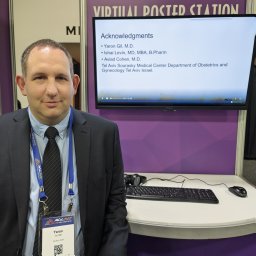 Yaron Gil合作论文数5Fainaru Ofer合作论文数5Nadav Michaan合作论文数5Ronit Almog合作论文数5Amiram Bar-Am合作论文数5L. Ostrovsky合作论文数4Shikma Bar-On合作论文数4David Gordon合作论文数4Holzer Hananel合作论文数4Salzer Liat合作论文数4Shalom-Paz E合作论文数4
 Togas Tulandi合作论文数Department of Obstetrics and Gynecology, Faculty of Medicine and Health Sciences, McGill University4Itzhak Shapira合作论文数Tel Aviv Sourasky Medical Center4Guy Bibi合作论文数4Yariv Yogev合作论文数4
 Chadi Yazbeck合作论文数hôpital Bichat–Claude-Bernard, AP–HP4J Niv合作论文数4Rita Kapustiansky合作论文数3T. Wolf合作论文数3alon shrim合作论文数3Gali Barkan合作论文数3Benjamin Almog合作论文数3Neta Solomon合作论文数3Anat Lavie合作论文数3Dotan Asselmann合作论文数Theator Inc, San Mateo, CA 94402 USA3
 Gauthier Rathat合作论文数3Satel Abed合作论文数3Amikam Uri合作论文数3Shlomo Berliner合作论文数3




