This study aims to elucidate the impact of biostimulants and fungicides on onion yield and quality, utilizing a combined experimental and molecular modeling approach. The biostimulants (Humiblack (R), Agasi (R), and Tifi (R)) and fungicides (mancozeb and metalaxyl) were applied to onion crops, resulting in significant improvements in onion quality and yield. The stability and environmental impact of mancozeb and metalaxyl alone and in conjunction with biostimulants were investigated. The stability of the fungicide mixture was assessed in ultrapure water and rainwater, revealing high resistance to hydrolysis. Solar stability assessments, conducted using a sun simulator to mimic environmental conditions, highlighted differences in stability between mancozeb and metalaxyl in the presence of biostimulants. Metalaxyl showed higher photostability owing to the benzene ring. It was also less susceptible to biostimulant effects and remained stable in solution. Density functional theory descriptors and frontier orbital analysis rationalized the higher photoreactivity of mancozeb (smaller HOMO-LUMO gap and broader orbital delocalization). At the same time, molecular dynamics simulations supported stronger solvation of mancozeb and short-range water structuring, consistent with enhanced aqueous susceptibility. The results link fungicide physicochemical properties with field performance and aqueous stability, supporting the use of the fungicide mixture together with a single biostimulant as a practical approach for balancing crop productivity and environmental persistence.
The J = 1 ← 0 fundamental rotational transition of HHe+ at 2.010 THz has been revisited using a combination of a 4 K 22-pole ion trap apparatus and a high-power frequency multiplied THz source. For the detection of the resonant absorption, three different action spectroscopic techniques have been applied, one of which is demonstrated here for the first time (ejection of the ion upon pure rotational excitation). The different methods are evaluated and compared, and improve the accuracy and precision of the former transition value by one order of magnitude to 2010.183312(8) GHz.
Cyanooxomethylium, NCCO+, a fundamental linear acylium ion, has been observed spectroscopically for the first time using action spectroscopy in ion trap apparatuses. A first low-resolution infrared spectrum was obtained between 500 to 1400 cm-1 and 2000 to 2500 cm-1 using the Free Electron Laser for Infrared eXperiments (FELIX) and the FELion apparatus, employing infrared predissociation of the weakly bound NCCO+-Ne complex. Subsequently, high-resolution studies of the bare ion were performed with the COLtrap II setup, one targeted at the CN-stretching mode ν2 around 2150 cm-1 using leak-out spectroscopy and one at the pure rotational spectrum employing a leak-out infrared/millimeter-wave double resonance approach covering transition frequencies as high as 246 GHz. Spectroscopic detection and analysis were guided by high-level quantum-chemical calculations performed at the CCSD(T) level of theory. The collected data permit accurate frequency predictions to support future astronomical searches with sensitive radio telescopes.
The inadequate existence of practical techniques for water purification poses a prominent and widespread global environmental challenge. This study aims to clarify the efficacy of xanthan application in the photocatalytic removal of nadolol, pindolol, and cefoperazone from water reservoirs. Under the influence of a simulated solar light source, xanthan exhibited significant degradation rates for pindolol (77%) and cefoperazone (91%). In contrast, nadolol's degradation efficiency was notably lower (10%). These findings suggest that the molecular structure can substantially influence the efficiency of the purification process. Computational analyses were conducted to gain a more profound understanding of the implications of molecular structure.
This research aimed to identify the plant bioregulator with lower environmental risk for improving fruit and grape production through the comprehensive field, laboratory, and computational experiments. Plant bioregulators are compounds playing a vital role in the development of plants, regulating diverse cellular processes. Among these compounds, Ormoroc and Globaryll are widely known formulations extensively applied for improving the quality of crops. However, overusing bioregulators in food production has led to their presence in different water resources, threatening to designate them as severe pollutants of natural resources. Field experiments were conducted to identify which bioregulator improves the quality of selected fruit and grape varieties. The laboratory study involved photolysis and hydrolysis experiments in pure and rain waters, aimed at studying the stability of the mentioned bioregulators under naturally occurring conditions. The laboratory experiments also included the exploration of chemical and biochemical oxygen demand. The computational analysis involved density functional theory calculations and molecular dynamics simulations in investigating how the structural characteristics of the compounds affect their local reactivity properties. The study indicates that the application of Ormoroc improves fruit and grape quality to a greater extent. However, the active component of Ormoroc is less stable under the influence of solar irradiation and water, reducing the likelihood of water pollution.
The rotationally resolved infrared (IR) spectrum of the He-H3 + complex has been measured in a cryogenic ion trap experiment at a nominal temperature of 4 K. Predissociation of the stored complex has been invoked by excitation of the degenerate ν2 mode of the H3 + sub-unit using a pulsed optical parametric oscillator system. An assignment of the experimental spectrum became possible through one-to-one correlations with bands of the spectrum theoretically predicted in Paper I [Harding et al., J. Chem. Phys. 156, 144307 (2022)]. 19 bands have been assigned and analyzed, and the energy term diagram of the lower states of this floppy molecular complex has been derived from combination differences (CDs) in the experimental spectrum. Ground state combination differences (GSCDs) reveal a large part of the energy term diagram for the He-H3 + complex in its vibrational ground state, v = 0. Experimental and theoretical term energies agree within experimental accuracy for the rotational fine structure associated with the total angular momentum quantum number J and the parity e/f as well as for the coarse spacing of the lowest K states of the complex. This favorable comparison shows that the potential energy surface (PES) calculated in Paper I is accurate. The barriers between the three equivalent global minima in this PES are relatively low and the He-H3 + complex is extremely floppy, with nearly unhindered internal rotation of the H3 + sub-unit. The resulting Coriolis interactions couple the internal and end-over-end rotation of the complex and contribute significantly to the energy terms. They are observed both in experiment and theory and are, e.g., the origin of different rotational constants for states of e and f parity. Also in this respect, experiment and theory agree very well. Despite the assignment and analysis of many bands of the extremely rich IR spectrum of He-H3 +, higher levels of excitation, including the complex stretching mode, need further attention.
THOMAS SALOMON, OSKAR ASVANY, I. Physikalisches Institut, Universität zu Köln, Köln, Germany; DIETER GERLICH, Institut für Physik, Technische Universität Chemnitz, Chemnitz, Germany; IGOR SAVIC, Department of Physics, University of Novi Sad, Novi Sad, Serbia; AD VAN DER AVOIRD, Institute for Molecules and Materials (IMM), Radboud University Nijmegen, Nijmegen, Netherlands; MICHAEL E. HARDING, Institute of Nanotechnology, Karlsruhe Institute of Technology, Karlsruhe, Germany; FILIPPO LIPPARINI, Dipartimento di Chimica e Chimica Industriale, Università di Pisa, Pisa, Italy; JÜRGEN GAUSS, Institut für Physikalische Chemie, Universität Mainz, Mainz, Germany; STEPHAN SCHLEMMER, I. Physikalisches Institut, Universität zu Köln, Köln, Germany.
In order to study collisions between ions and neutrals, a new Guided Ion Beam (GIB) apparatus, called NOVion, has been assembled and tested. The primary purpose of this instrument is to measure absolute cross sections at energies relevant for technical or inter- and circumstellar plasmas. New and improved results are presented for forming H-3(+) in collisions of H-2(+) with H-2. Between 0.1 eV and 2 eV, our measured effective cross sections are in good overall agreement with most previous measurements. However, at higher energies, our results do not show the steep decline, recommended in the standard literature. After critical evaluation of all experimental and theoretical data, a new analytical function is proposed, describing properly the dependence of the title reaction on the collision energy up to 10 eV.
The aim of the research was to provide an analytical expression for the final time and velocity at the 100 m run, taking into account realistic conditions of the run, more precisely the effect of the wind and resistance of the medium (air). Combining the polynomial model for the distance vs time with the solution of the algebraic cubic equation, such an analytical expression was derived. The expression allowed to evaluate the dependence of the final time of the race on the wind velocity. This enabled the quantification of the time effect of the mentioned influences on the final time and velocity. It is possible to calculate the dependence of the sprinter's velocity on expired running time for various wind velocities (from 0 up to ± 10 m/s) as well as determine the maximal running velocity vmax and corresponding time moment tmax. The results obtained were verified using split time data for six top sprinters: C. Lewis, M. Green, U. Bolt and F. Griffith-Joyner, E. Ashford and H. Drechsler. The results confirmed that it was possible to quantify the time effect of the influence of the wind velocity and resistance of the medium on the final time of the 100 m run. Although the applicability of the approach was tested using the data concerning top sprinters, the mathematical expressions involved are simple enough to be used by any coach to estimate the results of a sprinter under various weather conditions.
In this paper, we present experimental shift results of the dip of the Balmer H-beta line emitted from three plasma sources. The use of different sources enabled the measurements to be carried out under a wide range of plasma conditions. The electron density was in the range of (0.17-6.56) x 10(23) m(-3) and electron temperature in the range of 10,100-33,000 K. For higher electron densities, the measured dip shift shows a nonlinear dependence on the electron density. It is shown that this nonlinearity is the consequence of the asymmetry of the H-beta line. The correlation between the measured dip shift and H-beta line halfwidths shows that the dip shift can be used for plasma electron density determination. This can be useful in cases when the H-beta spectrum cannot be fully covered by the spectral apparatus. (C) 2018 Elsevier Ltd. All rights reserved.
In this paper, we present experimental Stark halfwidths of spectral lines of singly ionized oxygen and singly and double ionized silicon. The observed spectral lines were emitted from plasma produced in a small electromagnetically driven T-tube. The plasma electron density was 1.45 x 10(23) m(-3) and the electron temperature was 15 000 K. The obtained results were compared with the available experimental results of other authors, as well as with some theoretical Stark halfwidth values. The obtained results, the analysis of experimental results and the comparison with theoretical results might be of interest in astrophysics. For example, the obtained Stark halfwidths can be useful for abundance determination, the calculation of stellar opacities, the interpretation and modelling of stellar spectra, the estimation of the relative transfer through the stellar plasma, etc.
In thiswork, we present the results of an experimental study of the Stark shifts of atomic helium lines at 706.519, 728.135, 471.315, 501.568, 667.815 and 447.148 nm in the electron density range (0.6-7) x 10(23) m(-3). Stark shift is always presented together with the corresponding electron density and electron temperature. Best-fitting formulas of experimental data enable plasma electron density diagnostics with an accuracy of (15-20 per cent) in the temperature range (10 000-30 000) K. The influence of Debye shielding on the Stark shifts is carefully examined and the experimental results are compared with other experimental and theoretical data.
We present results of Stark shift measurements for He I 706.522nm (1s2p 3P20–1s3s 3S1 and 1s2p 3P10–1s3s 3S1) lines using newly constructed pulsed arc generated at the pressure of two hundreds of milibars of helium with small admixture of hydrogen. Plasma electron number density in the range (0.5–7.0)×1023m−3 was measured from the wavelength separation between the allowed He I 447.1nm (2p 3P0–4d 3D) line and its forbidden component (2p 3P0–4d 3F0), while the electron temperature in the range (15,000–20,000)K was determined from the relative intensities of Si II lines using the Boltzmann plot technique. New Stark shift measurement technique was demonstrated using line shape recording of several He I lines. The shift results for He I 706.522nm line so favorably compare with earlier lower density experimental data that best fit formula is recommended for plasma diagnostic purposes.
Complexes of the triatomic hydrogen ion with helium were synthesised in a low-temperature 22-pole rf ion trap at He number densities of up to 10(16) cm(-)(3). Absolute ternary rate coefficients for sequentially attaching He atoms have been determined from the growth of complexes with increasing storage time. The number of helium-tagged ions is significantly reduced when increasing the nominal temperature from 4 to 25 K. Competition between attachment and dissociation via collisions leads to stationary He-n-H-3(+) (n up to 9) distributions. State-specific excitation of the trapped H-3(+) ions via IR transitions significantly reduces the formation of complexes. Tuning the laser to Delta v(2) = 1 transitions in the range of 2726 cm(-)(1) leads to LIICG lines, i.e., to spectra caused by laser-induced inhibition of complex growth. In addition, almost 100 lines have been found between 2700 and 2765 cm(-)(1), which are attributed to laser-induced dissociation of the in situ formed He-H-3(+) complex ions. These lines are not yet assigned; however, their absorption strength, statistics and predissociation lifetimes provide interesting information on both the stable complexes as well as on scattering resonances in low-energy H-3(+)+He collisions. New calculations of the potential energy surface will help to analyse the dissociation spectrum. There are some indications that para-H-3(+) is enriched under the conditions of the present experiment.
Context. The Stark broadening of the spectral lines of the wavelengths 501.6, 667.8, 728.1, 388.9, 587.6, and 706.5 nm from neutral helium in plasmas are studied theoretically and experimentally.Aims. The aim of this work is to provide information about the connection between the shape and width of spectral lines and the electron density and temperature to be used as a diagnostic tool.Methods. The theoretical calculations were carried out through molecular dynamics computer simulations with noninteracting particles. The experimental measurements were done in a plasma of pure helium generated in an electromagnetically driven T-tube. The plasma diagnostics used previous results about the Stark broadening of the He I 447.1 nm and He I 492.2 nm lines and the coherence between the shape of these spectra and those obtained here. The electron temperature was obtained through a Boltzmann-plot of eight lines of Si II.Results. Several tables of width and shift are provided in a wide range of electron density and temperature. Furthermore, we supply several fitting formulas, which allow calculating the plasma electron density from the measured values of the spectral line widths. The results obtained in the laboratory and in the simulations are compared with the data from the literature.
Stark widths and shifts of 13 Ar II spectral lines in the visible part of spectrum were measured. Spectral lines were emitted from pulsed wall stabilized Ar arc plasma under atmospheric pressure. Profiles were recorded at plasma electron densities of 1.3×10²³m−3 and 1.6×10²³m−3 and plasma electron temperatures of 13,400K and 14,200K respectively. Obtained results are compared with other experimental results as well as with theoretical values. The analysis of the experimental and theoretical data is given as well.
In this paper we present an approach to obtain high current through a wall-stabilized electric arc operating at atmospheric pressure. Some of the basic plasma characteristics are presented during two different current pulses applied to the arc. Electron densities obtained by applying the current pulses were 1.3 x 10(23) m(-3) and 1.6 x 10(23) m(-3) with corresponding electron temperatures of 13 500 K and 14 100 K, respectively. As examples of plasma emission, Stark halfwidths of five spectral lines emitted from argon ions and one emitted from neutral atoms are given.
Integration of ICCD camera and spectrometer for spectroscopic purposesThis paper is concerned with a procedure of ICCD camera coupling and adjustment to the spectrometer and its application. In this way, the built instrument was calibrated and characterized. Testing of the obtained instrument performances for recording spectral lines as narrow as 0.34 nm was also peformed.
Laboratory experiments on hydrogenation and deuteration of C-3(+), C3H+ and C3H2+ in collisions with H-2 and HD have been performed from room temperature down to 15 K using a 22-pole ion-trap. At room temperature C-3(+) reacts slowly with H-2 but the reactivity increases with decreasing temperature. It has been shown that the association reaction C-3(+) + H-2 -> C3H2+ + hv can compete with the exothermic reaction C-3(+) + H-2 -> C3H+ + H. In collisions Of C-3(+) with HD, formation of C3D+ is slightly favored over C3H+ formation. A pronounced competition between various channels has been detected for deuterated variants of the C3H+ + H-2 system. Most surprising is that formation of C3HD+ is over one hundred times faster then formation Of C3H2+ in collisions Of C3H+ and HD. An tentative explanation is that the H-HD exchange takes place via an open-chain H2CCCH+ intermediate. Reactions Of C3H2+ and C3H3+ with H-2 are very slow. The formation Of C3H2D+ or C3HD2+ and finally C3HD via dissociative recombination has been discussed. The reaction C3H3+ + HD -> C3H2D+ + H-2 can be ignored in astrochernical models since the reaction rate at 15 K is very small; however, quite efficient routes have been found starting from C-3(+) and proceeding via deuterated C3H+ to C3H2+ and C3H3+. The new reaction rate coefficients are recommended to be included in astrophysical databases. Nonetheless it is still unclear how to explain the large abundance Of C3H2 and larger hydrocarbons and their deuterated variants observed in cold interstellar clouds.
 Dieter Gerlich合作论文数Technische Universitat Chemnitz12
 Stevica Djurovic合作论文数11
 Stephan Schlemmer合作论文数I. Physikalisches Institut, Mathematisch-Naturwissenschaftliche Fakultät, Universität zu Köln8Zoran Mijatovic合作论文数Faculty of Science, Department of Physics, Trg Dositeja Obradovića 4, 21000 Novi Sad, Serbia and Montenegro, Yugoslavia8R Kobilarov Kobilarov合作论文数7t gajo合作论文数6Oskar Asvany合作论文数6Lazar Gavanski合作论文数4B. Vujičić合作论文数4
 Stevan Armakovic合作论文数2
 Sanja J Armakovic合作论文数2
 Thomas Salomon合作论文数2
 Maria Savanovic合作论文数Dept Chem Biochem & Environm Protect, Univ Novi Sad2
 Andrijana Bilic合作论文数2
 Milivoje Ivkovic合作论文数Institute of Physics, University of Belgrade2
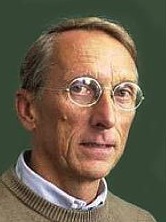 A. Van Der Avoird合作论文数Institute for Molecules and Materials, Radboud University2
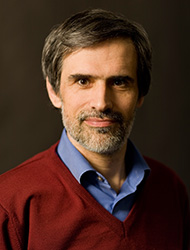 Jürgen Gauss合作论文数Department of Chemistry, Johannes Gutenberg-Universität Mainz2Michael Pavlov合作论文数2
 Filippo Lipparini合作论文数Scuola Normale Superiore di Pisa2Michael E. Harding合作论文数Institut für Physikalische Chemie, Universität Mainz2
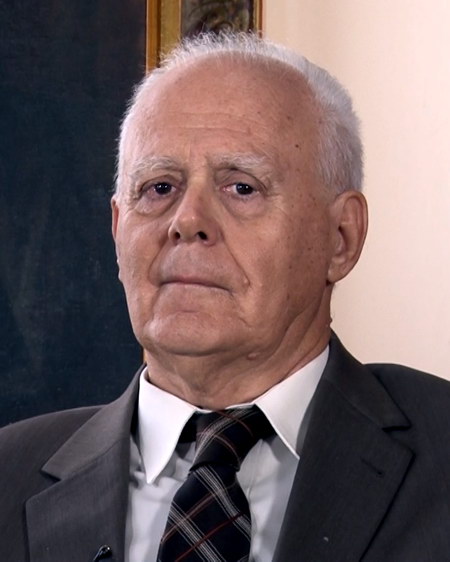 Nikola Konjević合作论文数Department of Mathematics, Physics and Geosciences, Faculty of Physics, University of Belgrade2I Ivanović合作论文数1
 Mladen Kalajdzic合作论文数1S Sorge合作论文数1Svetlana R. Lukic合作论文数1Fa Wiesel合作论文数1Zorana Trivunovic合作论文数1Stefan Brackertz合作论文数1Dragoslav Ivanisevic合作论文数1
 Ida Zahovic合作论文数Dept Biotechnol & Pharmaceut Engn, Univ Novi Sad1A Persson合作论文数1Jelena Kalajdžić合作论文数1Diego Gonzalez-Herrero合作论文数1
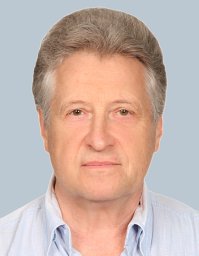 a v demura合作论文数Natl Res Ctr Kurchatov Inst1
 ivo cermak合作论文数1
 Natasa Janjic合作论文数1
 Kladar Nebojša V合作论文数Faculty of Medicine, University of Novi Sad1Jusko Pavol合作论文数1
 Oliver Ricken合作论文数1
 Maria Teresa Belmonte合作论文数1
 Jurgen Stutzki合作论文数Mathematisch-Naturwissenschaftliche Fakultät, Universitat Zu Koln1Goran Sedvall合作论文数1
 Darko Kapor合作论文数Faculty of Sciences, University of Novi Sad1F. Skuban合作论文数1
 Rolf Güsten合作论文数Max-Planck-Institut für Radioastronomie1Scott H. Decker合作论文数1Urs Ulrich Graf合作论文数1
 Lars Farde合作论文数Department of Clinical Neuroscience, Karolinska Institutet1




