We aimed to elucidate the dynamic changes in short-chain fatty acids (SCFA) produced by the gut microbiota following smoking exposure and their role in chronic obstructive pulmonary disease (COPD) pathogenesis. SCFA concentrations were measured in human plasma, comparing non-smokers (n = 6) and smokers (n = 12). Using a mouse COPD model induced by cigarette smoke exposure or elastase-induced emphysema, we modulated SCFA levels through dietary interventions and antibiotics to evaluate their effects on inflammation and alveolar destruction. Human smokers showed lower plasma SCFA concentrations than non-smokers, with plasma propionic acid positively correlating with forced expiratory volume in 1 s/forced vital capacity. Three-month smoking-exposed mice demonstrated altered gut microbiota and significantly reduced fecal SCFA concentrations compared to air-exposed controls. In these mice, a high-fiber diet increased fecal SCFAs and mitigated inflammation and alveolar destruction, while antibiotics decreased fecal SCFAs and exacerbated disease features. However, in the elastase-induced model, fecal SCFA concentration remained unchanged, and high-fiber diet or antibiotic interventions had no significant effect. These findings suggest that smoking exposure alters gut microbiota and SCFA production through its systemic effects. The anti-inflammatory properties of SCFAs may play a role in COPD pathogenesis, highlighting their potential as therapeutic targets.
Commensal bacteria affect host health by producing various metabolites from dietary carbohydrates via bacterial glycometabolism; however, the underlying mechanism of action remains unclear. Here, we identified Streptococcus salivarius as a unique anti-obesity commensal bacterium. We found that S. salivarius may prevent host obesity caused by excess sucrose intake via the exopolysaccharide (EPS) –short-chain fatty acid (SCFA) –carbohydrate metabolic axis in male mice. Healthy human donor-derived S. salivarius produced high EPS levels from sucrose but not from other sugars. S. salivarius abundance was significantly decreased in human donors with obesity compared with that in healthy donors, and the EPS–SCFA bacterial carbohydrate metabolic process was attenuated. Our findings reveal an important mechanism by which host–commensal interactions in glycometabolism affect energy regulation, suggesting an approach for preventing lifestyle-related diseases via prebiotics and probiotics by targeting bacteria and EPS metabolites. While diet is essential for daily nutrient acquisition, excessive intake of sugar-rich foods drives obesity and related health issues like diabetes. Here, the authors show that commensal bacterium S. salivarius curbs obesity by transforming dietary sugars into beneficial compounds.
Aging is associated with metabolic dysfunction and cardiovascular abnormalities. Defective nicotinamide adenine dinucleotide (NAD+) biosynthesis correlates with aging and aging-associated complications. However, the precise molecular mechanisms linking aging-associated NAD+ deficiency to cardiometabolic dysfunction remain unclear. Herein, we examined whether nicotinamide phosphoribosyltransferase (NAMPT), a key enzyme in NAD+ biosynthesis, influences vascular endothelial function and whole-body metabolic and hemodynamic homeostasis during aging. Vascular endothelial cell-specific Nampt knockout (VeNKO) mice fed a regular chow diet exhibited no cardiometabolic abnormalities, whereas male VeNKO mice fed a high-fat diet exhibited reduced angiogenesis, resulting in impaired subcutaneous adipogenesis, impaired glucose metabolism, and hemodynamic disturbances. Mechanistically, NAMPT loss attenuated NAD+-dependent deacetylase sirtuin-1 (SIRT1) and endothelial nitric oxide synthase (eNOS) signaling, impairing angiogenesis. Aged mice exhibited endothelial NAD+ depletion driven by an imbalance between NAMPT-mediated NAD+ biosynthesis and consumption, leading to impaired eNOS signaling and associated angiogenic and cardiometabolic dysfunction, similar to that observed in VeNKO mice. Nicotinamide mononucleotide administration replenished vascular endothelial NAD+ levels, improved angiogenesis, restored subcutaneous adipose tissue volume, and ameliorated aging-associated cardiometabolic dysfunction. Collectively, our findings provide mechanistic and therapeutic insights into vascular endothelial NAMPT-NAD+-SIRT1-eNOS signaling related to aging-associated cardiometabolic disorders.
Tissue-level oscillation is achieved by tissue-intrinsic clocks along with network-dependent signals originating from distal organs and organismal behavior. Yet, it remains unexplored whether maternal circadian rhythms during pregnancy influence fetal rhythms and impact long-term susceptibility to dietary challenges in offspring. Here, we demonstrate that circadian disruption during pregnancy decreased placental and neonatal weight yet retained transcriptional and structural maturation. Intriguingly, diet-induced obesity was exacerbated in parallel with arrhythmic feeding behavior, hypothalamic leptin resistance, and hepatic circadian reprogramming in offspring of chronodisrupted mothers. In utero circadian desynchrony altered the phase-relationship between the mother and fetus and impacted placental efficiency. Temporal feeding restriction in offspring failed to fully prevent obesity, whereas the circadian alignment of caloric restriction with the onset of the active phase virtually ameliorated the phenotype. Thus, maternal circadian rhythms during pregnancy confer adaptive properties to metabolic functions in offspring and provide insights into the developmental origins of health and disease.
Recently, probiotics have been investigated as potential therapeutic agents for various diseases. Clinical studies using probiotics have been conducted in humans with impaired glucose tolerance and type 2 diabetes mellitus. Chronic inflammation plays a pivotal role in initiating insulin resistance in the pathogenesis of type 2 diabetes, leading to cardiovascular diseases. Intestinal dysfunction and inflammation have been postulated to trigger systemic chronic inflammation, and it is assumed that the suppression of inflammation in the intestine is the point of activity of probiotics. Therefore, in this review, among the randomised controlled trials that evaluated the effects of probiotics in patients with impaired glucose tolerance and type 2 diabetes, we selected trials that evaluated the indices of glycaemic control and inflammation-related markers. Some trials have shown that the probiotics administration improved glycaemic indices, such as HbA1c levels, and reduced C-reactive protein levels and proinflammatory cytokines, such as IL-6, in the blood, suggesting the suppression of inflammation. Two trials showed improvements in glycaemic indices, implying that they were mediated by IL-10, an anti-inflammatory cytokine. Although a correlation between the suppression of inflammation by probiotics and improvement in glycaemic control has not been documented, one trial revealed that glycaemic control worsened, accompanied by a decrease in anti-inflammatory cytokine levels, after probiotics were discontinued. Other studies have shown that probiotics can reduce blood endotoxin levels and increase intestinal mucin production. These findings suggest that probiotic administration has enormous potential to suppress chronic inflammation in metabolic disorders, leading to improved glycaemic control. Suppression of chronic inflammation has been speculated to prevent vascular diseases in type 2 diabetes.
AIM:The ingestion of Lactiplantibacillus plantarum OLL2712 (OLL2712) cells has been shown to improve glucose metabolism by suppressing chronic inflammation in murine models and clinical studies. This study aimed to clarify the effect of OLL2712 on glycaemic control in healthy adults with prediabetes. MATERIALS AND METHODS:The study was a randomized, double-blind, placebo-controlled, parallel-group design. Adult participants with prediabetes [n = 148, glycated haemoglobin (HbA1c) range: 5.6%-6.4%, age range: 20-64 years] were assigned randomly to placebo or OLL2712 groups (n = 74/group) and administered daily for 12 weeks either conventional yogurt or yogurt containing >5 × 10⁹ heat-treated OLL2712 cells, respectively. In addition, the participants were followed for 8 weeks after the discontinuation of either yogurt. The primary outcome was the changes in HbA1c levels at weeks 12 and 16 by analysis of covariance. RESULTS:The levels of HbA1c and glycoalbumin decreased significantly in both groups at week 12 in comparison with those at week 0, but only in the OLL2712 group at week 16. HbA1c levels decreased significantly at weeks 12 and 16 in the OLL2712 group in comparison with the placebo group (p = .014 and p = .006, respectively). No significant inter- and intragroup differences in HbA1c levels were observed at week 20. CONCLUSIONS:The ingestion of OLL2712 prevents the deterioration of glycaemic control and maintains the HbA1c levels within the normal range in adults with prediabetes; yogurt probably exhibits similar effects, which may contribute to reducing the risk of developing type 2 diabetes.
Obesity and aging are major risk factors for several life-threatening diseases. Accumulating evidence from both rodents and humans suggests that the levels of nicotinamide adenine dinucleotide (NAD+), a regulator of many biological processes, declines in multiple organs and tissues with aging and obesity. Administration of an NAD+ intermediate, nicotinamide mononucleotide (NMN), replenishes intracellular NAD+ levels and mitigates aging- and obesity-associated derangements in animal models. In this human clinical study, we aimed to investigate the safety and effects of 8-week oral administration of NMN on biochemical, metabolic, ophthalmologic, and sleep quality parameters as well as on chronological alterations in NAD+ content in peripheral tissues. An 8-week, single-center, single-arm, open-label clinical trial was conducted. Eleven healthy, middle-aged Japanese men received two 125-mg NMN capsules once daily before breakfast. The 8-week NMN supplementation regimen was well-tolerated; NAD+ levels in peripheral blood mononuclear cells increased over the course of NMN administration. In participants with insulin oversecretion after oral glucose loading, NMN modestly attenuated postprandial hyperinsulinemia, a risk factor for coronary artery disease (n = 3). In conclusion, NMN overall safely and effectively boosted NAD+ biosynthesis in healthy, middle-aged Japanese men, showing its potential for alleviating postprandial hyperinsulinemia.
Obesity is associated with dysregulation in blood pressure control and whole-body glucose metabolism, but the precise underlying mechanism(s) remain unclear. Here, we generated and characterized mice with vascular endothelial-cell specific deletion of nicotinamide phosphoribosyltransferase (NAMPT), which mediates the biosynthesis of nicotinamide adenine dinucleotide (NAD + ), a key regulator of cellular energy metabolism. We found that vascular endothelial cell-specific Nampt knockout (VeNKO) mice exhibited 1) higher blood pressure (systolic blood pressure; flox/flox mice: 111 ± 2.6 mmHg, VeNKO mice: 134 ± 4.0 mmHg, p < 0.05) with cardiac hypertrophy (flox/flox mice: 5.0 mg/g-body weight, VeNKO mice: 6.1 mg/g-body weight, p < 0.05) and 2) insulin resistance with abnormal fat distribution, under high-fat diet feeding. These deleterious alterations were partially rescued by administering nicotinamide mononucleotide (NMN), a key NAD + intermediate. Taken together, our findings demonstrate that vascular endothelial NAMPT-mediated NAD + biosynthesis is involved in the regulation of blood pressure and whole-body glucose metabolism. Our study provides mechanistic and therapeutic insights into vascular endothelia NAD + biology related to obesity-associated hypertension and insulin resistance.
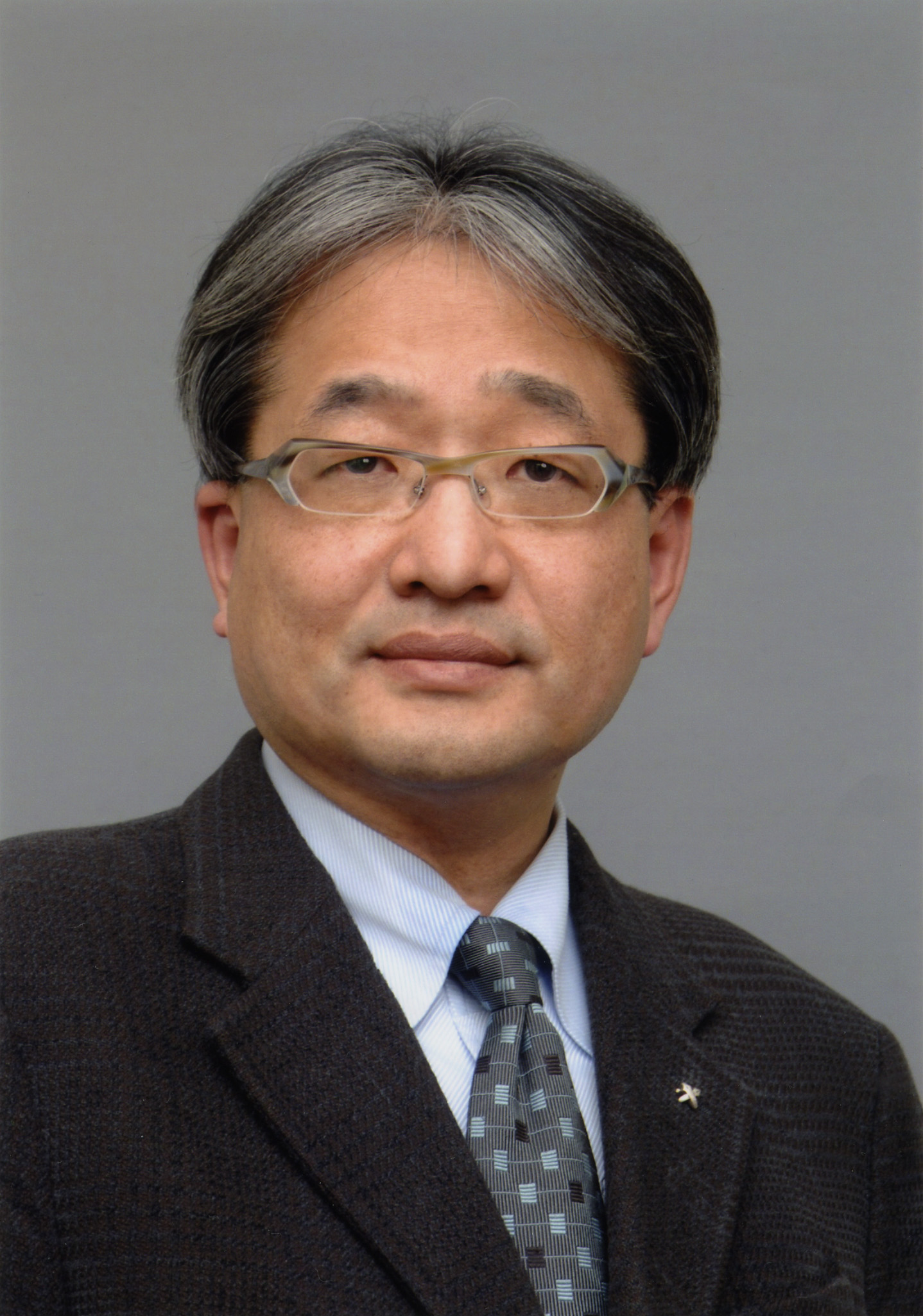 Hiroshi Ito (伊藤裕)合作论文数Center for Preventive Medicine, School of Medicine, Keio University77
 Meguro Shu合作论文数38Kawai Toshihide合作论文数37Satoru Yamada合作论文数31
 Yoshifumi Saisho合作论文数28Yoichi Oikawa合作论文数25Tanaka Masami合作论文数22Akira Shimada合作论文数16Nishimura Takeshi合作论文数13
 Keiichi Kodama合作论文数Department of Internal Medicine, Keio University School of Medicine13A Shimada合作论文数11Itoh Arata合作论文数11Ikuo Kimura合作论文数Botanical Institute, Hokkaido University11Yamada Yoshifumi合作论文数10Gaku Inoue合作论文数10Shintaro Yamaguchi合作论文数9Tanaka Kumiko合作论文数9Sekioka Risa合作论文数9Miyamoto Junki合作论文数Dept Appl Biol Sci, Tokyo Univ Agr & Technol9Koichiro Atsuda合作论文数9
 Yoshinori Nakagawa合作论文数Division of Nephrology, Endocrinology and Vascular Medicine, Tohoku University Graduate School of Medicine9Kenichiro Kinouchi合作论文数9
 Shu Wakino合作论文数8Ayumi Yoshifuji合作论文数8
 Nobuhiro Ikemura合作论文数Sch Med, Keio Univ8Yoshihiko Suzuki合作论文数8Jun Yoshino合作论文数8Nakajima Yuya合作论文数8Takao Saruta合作论文数8
 Motoaki Sano (佐野元昭)合作论文数Department of Medicine and Clinical Science, Graduate School of Medicine, Yamaguchi University8Yoshinaga Kawano合作论文数8Shotaro Kosugi合作论文数7Kazutoshi Miyashita合作论文数7Yasuhiro Watanabe合作论文数6Kazuhiro Hasegawa合作论文数6Kobayashi Nana合作论文数6Koichi Hayashi合作论文数Division of Nephrology, Endocrinology and Metabolism, Department of Internal Medicine, School of Medicine, Keio University6
 William Ridgway合作论文数Department of Internal Medicine, University of California, Davis;Division of Rheumatology, Allergy & Clinical Immunology, University of California, Davis6Masanori Mitsuishi合作论文数6Hirobumi Tokuyama合作论文数6
 Koichiro Homma合作论文数Department of Internal Medicine, Keio University School of Medicine6J Morimoto合作论文数5Taichi Nagahisa合作论文数5
 Mitsuhiro Watanabe合作论文数5Ken Nishioka合作论文数5Toshifumi Nakamura合作论文数5
 Taichi Sugizaki合作论文数5Kobayashi Sakiko合作论文数5




