AIM:To identify prioritized strategies to support improvements in early health service delivery around the diagnosis and management of cerebral palsy (CP) for both Māori and non-Māori individuals. METHOD:Using a participatory approach, health care professionals and the parents of children with CP attended co-design workshops on the topic of early diagnosis and management of CP. Health design researchers facilitated two 'discovery' (sharing experiences and ideas) and two 'prototyping' (solution-focused) workshops in Aotearoa, New Zealand. A Māori health service worker co-facilitated workshops for Māori families. RESULTS:Between 7 and 13 participants (14 health care professionals, 12 parents of children with CP across all functional levels) attended each workshop. The discovery workshops revealed powerful stories about early experiences and needs within clinician-family communication and service provision. The prototyping workshops revealed priorities around communication, and when, what, and how information is provided to families; recommendations were co-created around what should be prioritized within a resource to aid health care navigation. INTERPRETATION:There is a critical need for improved communication, support, and guidance, as well as education, for families navigating their child with CP through the health care system. Further input from families and health care professionals partnering together will continue to guide strategies to improve health care service delivery using experiences as a mechanism for change.
Participant empowerment is a core function of co-design. However, some participants might find co-design sessions disempowering if they cannot engage in activities or undertake tasks. Consequently, researchers and designers need to ensure that co-design is used in a way that is accessible to all participants regardless of impairment or disability. In this case study, we report on the accessibility of a co-design process through a series of co-design workshops with university students who experienced disabilities. While the co-design sessions explored the topic of an ‘accessible university’, participant reflections on the co-design experience brought to life the meaning of ‘accessibility’ in the context of how best to involve them in a co-design process. A flexible and negotiated approach and adapted tools improved the experience for those with accessibility challenges. Five key insights are presented to support others who wish to facilitate accessible codesign sessions.
This paper describes a case study exploring how critical design and public exhibition could be consolidated into an inclusive qualitative creative research method to engage participants in conversations about community. Past literature has acknowledged the ability of physical objects and creative methods in research to activate different lines of thinking and elicit thoughtful, in-depth responses from participants that may not have arisen through more 'traditional' methods of enquiry. Critical design, by nature, is intended to be a tool for starting discussion and debate. We employed this approach to inform the design of critical artefacts on the topic of community. These were then displayed at pop-up exhibitions in public spaces to engage members of the public in conversations on community. Responses informed future artefacts, which were exhibited again in an iterative cycle. We explored the potential of this research approach to both elicit and disseminate knowledge.
•Participatory design enables patient-centered digital health tool development.•Patient empowerment, self-management, and personalization drove adoption of digital health tools.•Patient acceptance and active involvement are pivotal for technology success.
AIM Osteoarthritis (OA) affects the wellbeing of one in 10 people in Aotearoa New Zealand, yet current healthcare delivery for these people is fragmented, un-coordinated and inconsistent. How current and future needs should be addressed has not been systematically explored. This study aimed to describe the views of interested people from the health sector regarding current and future OA health service delivery in the public health system in Aotearoa New Zealand. METHOD Data were collected via a co-design approach within an interprofessional workshop at the Taupuni Hao Huatau Kaikōiwi: Osteoarthritis Aotearoa New Zealand Basecamp symposium and analysed using direct qualitative content analysis. RESULTS The results highlighted several promising current healthcare delivery initiatives. Health literacy and obesity prevention policies featured in the thematic analysis suggesting a lifespan or systemwide approach is needed. Data highlighted a need for reformed systems that enhances hauora/wellbeing, promotes physical activity, facilitates interprofessional service delivery and collaborates across care settings. CONCLUSION Participants identified several promising healthcare delivery initiatives for people with OA in Aotearoa New Zealand. Public health policy initiatives are needed to reduce osteoarthritis risk factors. Developing future care pathways should support the diverse needs within Aotearoa New Zealand, coordinate and stratify care, value interprofessional collaboration and practice, and improve health literacy and self-management.
This paper describes the development of a creative toolkit - Things for thought – designed as a research probe that engages participants through a guided object-based exploration to help them better understand what belonging might mean to them. The toolkit draws on the Māori (indigenous people of Aotearoa New Zealand) creation narrative and uses engagement (via haptic interaction with physical objects), connection (with others by working collaboratively to subjectively identify similarities/differences), and discussion (using abstract physical objects, questions, and inclusive discussion techniques). Things for thought was designed to facilitate engagement between people from a wide range of communities. It uses Māori narrative and cultural values to help people understand and enhance connection to place and community. By using an inclusive cultural framework and a shared language (touch), an opportunity for innovative discussion around the topic of belonging, with the ultimate purpose of designing with socially inclusive communities was created. Plans are to test this toolkit in a range of settings including facilitating community discussions. We imagine that the toolkit could supplement co-creation workshops, workplace interactions, and be used in any context in which an in-depth understanding of oneself and others is useful.
Abstract For the emerging field of Design for Health (D4H) to realize its potential, it is necessary to identify and address existing challenges faced by its community. The few papers that have identified challenges and opportunities in Design for Health confirm that healthcare is a challenging environment for designers to work in. In part this is because design is often misunderstood by health professionals. This paper describes a study that sought to understand the challenges and opportunities for a future D4H Global Network as identified by workshop participants spanning different backgrounds, contexts, and countries. Qualitative data from 59 participants were collected during the D4H Symposium 2019 workshop and analysed using a thematic method. Practical constraints identified by participants included lack of resources and differing regulatory and governance frameworks which acted as barriers to building and participating in transdisciplinary projects in this space. However, participants also acknowledged that broader philosophical barriers arising as a consequence of siloed perspectives and different research paradigms between design and health were equally problematic. Despite these challenges, the overall findings were inherently optimistic as participants co-imagined broad opportunities for a future global network and collectively identified targeted solutions for ‘breaking the “normal” and “doing things differently”’.
The emerging Design for Health (D4H) field has considerable potential to identify and address existing challenges faced by healthcare systems. D4H is a challenging environment for designers (and others who desire to ‘do things differently’) to work in. D4H projects require transdisciplinary approaches, making it more difficult for those who come from different perspectives to work effectively together. This paper reflects on the challenges and opportunities of those working in the field and describes the development of a practical toolkit to support teams embarking on D4H projects.
Abstract Waiting in healthcare environments is common, and the design of waiting areas can profoundly participate in that experience. This paper describes a study drawing on Deleuze and Guattari’s notions of ‘affect’ and ‘assemblage’ to investigate a hospital waiting area: exploring how the area currently participates in the generation of affect and how it could better support human ‘becomings’. Analysis of generated observational data identified ‘affective assemblages’ that produced recurring affects encountered in the waiting area, here labelled crisis, workaday world, and episodic home. Thinking in terms of assemblages forced the analysis to direct attention to a wide variety of ‘elements’ that participate in the production of spaces and the affects encountered in this type of waiting area. These included bodies, objects, time, sounds and smells, social conventions and cultural norms. It also allowed a discussion of the effects of inter-action between affects – identifying aspects that, while initially interpreted as ‘problems’, may also be producing opportunities important to the functioning of the space. The paper concludes with a discussion of the implications for design, suggesting that analyses of ‘affective assemblages’ produces potentially fruitful ‘lines of flight’ for generating questions and possible responses that challenge notions of simply ‘solving design problems’.
We drew on the principles of co-autoethnography to explore the experiences of two multidisciplinary university-based teams engaged in design for health work: (1) a design team embedded in a hospital consisting of designers and social researchers; and (2) a person-centred rehabilitation research team of health researchers and professionals. We explored 'how might our experience of working in design for health inform how we work more effectively together?' Written reflections provided by contributors from each team and a transcript of a group discussion were analysed drawing on conventional content analysis. We identified that design for health collaborations are often surrounded by substantial challenges and tensions that are perpetuated through: (1) A clash of worlds and disciplines; and (2) Constraining systems and structures. A shared sense of excitement, hope, and passion for the possibility that a design for health collaboration brings were also identified, as was the need for risk-taking. This work will have practical utility for those commencing work in this complex, transdisciplinary space. We propose successful design for health collaborations are conditional on three core processes: (1) Understanding psychosocial contexts; (2) Building connectivity; and (3) Building capability. These should be enacted through collaborative discussion at the initiation of each new collaborative project.
The academic disciplines and practices of design and health currently operate within different spaces and draw on disparate paradigms relating to how knowledge is created and disseminated (Reay et al 2017). Whilst the value of bringing design and health together is increasingly being recognised the reality is that this can be fraught with complexity (Harris and Lyon, 2014). Within design for instance, disruption and risk are regarded as creative catalysts, which can lead to the generation of new insights. Within healthcare risk is frequently seen as a negative force and to be avoided at all costs. This interactive workshop based around a series of crafted challenges offers participants the opportunity to explore these tensions and to work together to identify different routes and ways forwards.
Background A tracheostomy is a surgically created opening through the anterior neck tissues and the trachea, into which a tube is inserted. Despite its influence on basic human needs such as respiration, communication and nutrition, little is known about the impact of tracheostomy on patients and their caregivers or what could be done to enable better care and quality of life (QoL) for these individuals. Objective The aim of this review was to better understand the current knowledge related to the experience and QoL of adults living with a tracheostomy and their caregivers so as to be able to improve these experiences. Method A systematic review of the English-language, peer-reviewed literature was conducted in PubMed, Scopus, PsychINFO, Google Scholar, and CINAHL databases. Articles were eligible if they included adult patient or lay caregiver-reported experiences of tracheostomy. Results Overall, 1080 articles were identified and 17 eligible for inclusion. Fourteen articles reported on experiences of tracheostomy patients, while three focused on those of their caregivers. Studies were conducted in the home setting (n = 5), on a hospital ward (n = 4), in an intensive care unit (n = 3), in an outpatient clinic (n = 3), in a rehab facility (n = 1), and online (n = 1). Patients and their caregivers reported a range of mostly negative experiences related to the care, support, and management of a tracheostomy, speech and communication, wellbeing and QoL, disfigurement and body image, and stigma and social withdrawal. Conclusion Few studies have published data on the patient and caregiver experiences with tracheostomy, especially in the community setting. There is a need to better understand these experiences in order to be able to formulate strategies and provide resources to improve the quality of care and overall QoL of patients with a tracheostomy and their caregivers in-hospital and in the community.
Preview this article: Designing clinical guidelines to support effective decision-making in emergency surgery, Page 1 of 1 < Previous page | Next page > /docserver/preview/fulltext/idj.23.3.02tho-1.gif
A tracheostomy is a commonly performed surgical procedure to alleviate some form of inadequate breathing. Tracheostomies may be temporary in the case of airway emergencies or may be for long-term access to airway and breathing depending on a patient's condition; in the case of the latter, this may have a major impact on a patient's life, one for which they are frequently unprepared. There is growing recognition that patients’ views of their health care experience are an important component of quality of care. Through a deeper understanding of the challenges inherent in being a tracheostomy user, we sought via a two-stage study to inform the design of products for use by individuals with permanent tracheostomies. Stage one involved 10 participants taking part in in-depth interviews to understand the lived experience of long-term tracheostomy patients. Using thematic analysis, we found participants accepted the need for a tracheostomy but were keen to return to a life pre-tracheostomy. The restrictions the current designs of tracheostomy imposed was evidenced by the time required to spend on the daily care of their stoma and tracheostomy equipment, and by the significant restrictions on activities of daily living. Findings from stage one informed subsequent co-design workshops.
ABSTRACT This paper describes the development and use of creative methods to engage young people experiencing psychosis in co-creation of an online resource to support their education and wellbeing. Engaging young people in a meaningful way, let alone those experiencing psychosis, can be challenging using traditional research methods. Throughout a series of discovery, and prototyping and evaluation workshops, we successfully engaged young people, their families/carers and clinicians in hospital and community mental health settings in enjoyable and empowering co-design activities. These co-design sessions were largely inspired by young people's extensive use of social media metaphors and were adaptable to their interests, preferences and mood. We used storytelling through emojis, a relatable persona with emotion mapping, a card sorting activity and an icebreaker that involved the group co-designing a pizza for our lunch. In the prototyping and evaluation workshops, emotion abstract sketching was used to guide the look-and-feel of the future resource. Using creative methods can enable more than just active engagement of young people with complex health issues. Engagement through creative activities can help draw out the unique experiences and perspectives of potentially vulnerable young people so that solutions that most effectively meet their needs can be explored and developed.
ABSTRACT This case study presents the first project undertaken in a recent in-hospital design collaboration – the Design for Health and Wellbeing Lab (DHW Lab). Specifically, we explore some of the challenges and opportunities associated with designing a journey map for the Adult Emergency Department, the DHW Lab's first opportunity to put co-design into practice. The intention and outcome of this project was as much about designing a journey map prototype as it was about building the interdisciplinary relationships that would help enable future successful design-led collaborations. As such, the notion of prototyping was applied to both generate artefacts to communicate care pathways to patients and families, as well as a way to build and test collaborative relationships between designers and clinical staff. The outcomes of the project resulted in new products to help patients and families negotiate a complex emergency department as well as gaining insight into how to bring people from different backgrounds together to start a design-led conversation around a culture of care within a hospital.
The similarity of team members??? mental models regarding clinical tasks is likely to influence teamwork effectiveness. There are currently a number of approaches to measuring similarity. However, they have not been applied in the complex environment of the operating room (OR), where professionals of different backgrounds must work together to achieve optimal outcomes for patients. This thesis had three objectives: 1) to develop a new empirical method for assessing the similarity of mental models in surgery, focusing on laparotomy; 2) to begin the process of validation of the new approach; and 3) to demonstrate how the new approach could be used in clinical practice. The first objective was achieved by developing a software application (Momento) to sort key tasks in order to capture the information on mental models regarding task sequence and responsibility. Momento was developed through an iterative process including literature review, exploratory observation and expert opinion. The second objective was achieved by examining the specific assumptions underlying the validity of the Momento approach. Twenty six-person OR teams, each comprising three subteams (anaesthesia, surgery and nursing) completed Momento prior to two simulated emergency laparotomies. Participants sorted 20 cards depicting key tasks, according to when in the procedure each task should be performed, and which subteam was primarily responsible for each task. The following assumptions were tested: a) similarity scores for mental models would be positively related to team familiarity scores or how familiar team members are with each other; b) similarity scores for mental models would be greater within OR subteams than between members of different subteams; c) different statistical measures used to calculate the similarity scores would yield similar results. The data provided support for all but the first validity assumption. The third objective was achieved by separately analysing data for each key task. Differences were identified in team members??? mental models for specific tasks for both responsibility and the order in which they should be performed. This may have implications for teamwork and patient safety. The Momento approach could help elucidate and align the mental models of OR team members and potentially improve teamwork and patient outcomes.
Patient safety depends on effective teamwork. The similarity of team members’ mental models - or their shared understanding–regarding clinical tasks is likely to influence the effectiveness of teamwork. Mental models have not been measured in the complex, high-acuity environment of the operating room (OR), where professionals of different backgrounds must work together to achieve the best surgical outcome for each patient. Therefore, we aimed to explore the similarity of mental models of task sequence and of responsibility for task within multidisciplinary OR teams.
INTRODUCTION: Although people with serious mental illness (SMI) have a high prevalence of physical illness, health-related quality of life (HQoL) has not been sufficiently explored.AIM: To explore the self-reported HQoL of mental health service users in New Zealand.METHODS: Responses on the Medical Outcomes Study 36 Item Short Form (SF-36) measure of HQoL from 404 adult mental health service users in a metropolitan district health board area in New Zealand were analysed and compared to a representative sample of the general population.RESULTS: Mental health service users scored significantly lower on all eight domains of the SF-36 than the general population, the largest difference being in the role limitation-emotional domain.DISCUSSION: Being female, younger than 25, obese or overweight, or of New Zealand European/Other ethnicity were associated with poorer functioning on multiple HQoL domains. Future studies should seek to understand the factors contributing to perceptions of HQoL of mental health service users in New Zealand.
The effectiveness of Mental Health Review Tribunals in providing safeguards for patients to ensure their right to be free from unjustified detention or treatment has been subject to much criticism in the literature. This article systematically reviews studies on the decision-making of such tribunals in order to synthesize the literature thematically and subject it to an assessment of methodological rigour [Hawker, S., Payne, S., Kerr, C., Hardey, M., & Powell, J. (2002). Appraising the evidence: reviewing disparate data systematically. Qualitative Health Research, 12(9), 1284]. Of the 7,845 citations initially identified, 50 papers met the inclusion criteria. Although most studies were found to have "satisfactory" methodological rigour, our assessment revealed some issues related to ethics and bias, sampling procedures, and data collection and analysis processes. Eleven prevailing themes were identified that largely relate to the shortfalls of current tribunal systems. Suggested areas for practical improvement and further research were also given. The article concludes by suggesting how future studies could be developed to cover areas in need of further research and with greater methodological rigour.
 Stephen Reay合作论文数13Guy Collier合作论文数3Jill Wrapson合作论文数3Craig Claire L合作论文数3
 Katey Thom合作论文数Centre for Mental Health Research, University of Auckland3
 Brian McKenna合作论文数The University of Auckland3
 Nicola Kayes合作论文数Centre for Person Centred Research, Auckland University of Technology;Faculty of Health and Environmental Sciences, Auckland University of Technology3Nick Hayes合作论文数2
 Niamh Patterson合作论文数School of Psychology, The University of Auckland2
 Anthony John O'Brien合作论文数Department of Psychiatry and Behavioural Science, University of Auckland2
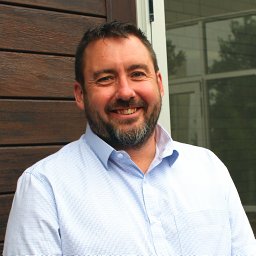 Gareth Edwards合作论文数Savannah House, Takeda Europe R&D Centre2
 Amanda Wheeler合作论文数1Sam Norman合作论文数1Reid Douglas合作论文数1Cassie Khoo合作论文数1Cassandra Khoo合作论文数1Byron Thornhill合作论文数1Kate Waterworth合作论文数1
 Valance Smith合作论文数1Helen Fisher合作论文数Sheffield Hallam University, Sheffield, United Kingdom1
 Samaneh Madanian合作论文数School of Engineering, Computer and Mathematical Science, Auckland University of Technology (AUT),1
 Ben Hudson合作论文数1
 Anna H Mackey合作论文数1
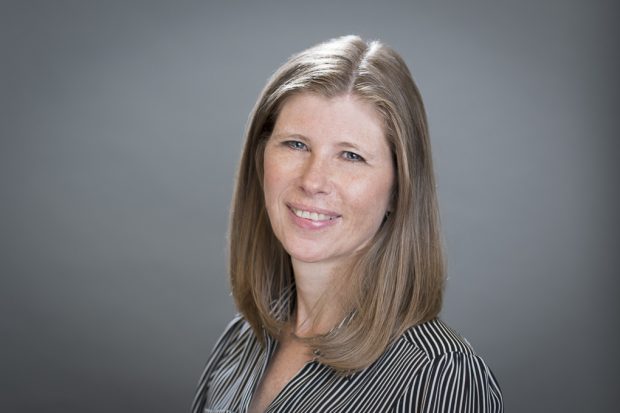 Barbara Gibson合作论文数Department of Physical Therapy, Temerty Faculty of Medicine, University of Toronto1
 Fadyl Joanna K合作论文数Health and Rehabilitation Research Centre, AUT University1
 J. Haxby Abbott合作论文数Ctr Musculoskeletal Outcomes Res, Univ Otago1
 Matt James Boyd合作论文数The Centre for Medical and Health Sciences Education, University of Auckland1Prebble Kate合作论文数School of Nursing, University of Auckland1
 Amy Chan合作论文数Centre for Addiction Research, School of Population Health, Faculty of Medical and Health Sciences, The University of Auckland1
 Daniel William O'Brien合作论文数1
 Dominic Madell合作论文数1
 Chris Frampton合作论文数Division of Health Sciences, University of Otago, Christchurch;Department of Medicine, University of Otago, Christchurch1
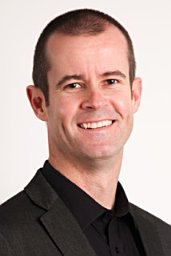 Richard Ellis合作论文数1Raymond Nairn合作论文数1Jeff Harrison合作论文数School of Pharmacy, University of Auckland1Lucy Dunbar合作论文数1Brenda Lobb合作论文数University of Auckland1
 Rebecca Grainger合作论文数Wellington School of Medicine, University of Otago;Malaghan Institute of Medical Research;Malaghan Institute of Medical Research, University of Otago1Jennifer M Weller合作论文数1
 Sian Williams合作论文数301
 Craig Webster合作论文数Centre for Medical and Health Sciences Education, Faculty of Medical and Health Sciences, University of Auckland1Ngaire Stott合作论文数Department of Surgery, School of Medicine, Faculty of Medical and Health Sciences, The University of Auckland1
 Alan Forbes Merry合作论文数Department of Anaesthesiology, School of Medicine, Faculty of Medical and Health Sciences, The University of Auckland1




