Bacteremia due to viridans group streptococci (VGS), particularly Streptococcus mitis-oralis group (SMOG), is common in neutropenic patients after hematopoietic cell transplantation (HCT) despite use of fluoroquinolone (FQ) prophylaxis. VGS bloodstream isolates in patients receiving FQ prophylaxis are typically FQ-resistant (FQ-R). This study assessed the prevalence of colonization with FQ-R SMOG prior to HCT and the risk of VGS bacteremia during neutropenia.Table 1.Baseline characteristics of patients, with stratification by colonization with FQ-R SMOG at enrollment*Patients may have more than one malignancy, therefore totals may exceed 100%.Abbreviations: CML, Chronic myeloid leukemia; IQR, Interquartile Range; MDS, Myelodysplastic syndrome; MPN, Myeloproliferative neoplasm; FQ-R SMOG, Fluoroquinolone-resistant Streptococcus mitis-oralis group.Figure 1.Proportion of patients developing VGS bacteremia, Gram-positive bacteremia, Gram-negative bacteremia, and any bacteremia during neutropenia by FQ-R SMOG colonization status.P values represent comparisons between patients with and without FQ-R SMOG colonization using Fisher’s exact test.Organisms causing non-VGS bacteremia included coagulase-negative Staphylococcus, Enterococcus faecium, Escherichia coli, and Gemella haemolysans.Abbreviations: FQ-R, Fluoroquinolone-resistant; SMOG, Streptococcus mitis-oralis group; VGS, Viridans group streptococci This is an interim report of a prospective observational study enrolling patients undergoing HCT at a New York City hospital from June 2024 to February 2025. We collected buccal, oropharyngeal, and perianal swabs (ESwabs) during the week prior to HCT. Swabs underwent selective culture by direct plating on Columbia nalidixic acid agar with levofloxacin (LVX) disks and by broth enrichment (tryptic soy broth with 2 μg/mL of LVX and 4 μg/mL of colistin) before plating. LVX resistance was confirmed by disk diffusion and species identification was determined by matrix-assisted laser desorption ionization–time of flight mass spectrometry. Patients received LVX prophylaxis during neutropenia and were followed until neutrophil recovery or up to 30 days. Among the first 38 patients enrolled, 35 (92%) underwent allogeneic HCT and 23 (61%) had received FQs within 3 months of enrollment (Table 1). Prior to HCT, 27 (71%) were colonized with FQ-R SMOG, and an additional 7 (18%) of remaining patients were colonized with FQ-R VGS species other than SMOG. Four (15%) patients with FQ-R SMOG colonization developed VGS bacteremia (all due to SMOG) compared to none without FQ-R SMOG colonization (Figure 1; p=0.3). Median time from HCT to VGS bacteremia was 6 days (interquartile range [IQR] 6-9). Compared to FQ-R SMOG-colonized patients without VGS bacteremia, those with VGS bacteremia were more likely to have previously lost ≥5 teeth (p=0.013) and had a longer median duration of neutropenia (21 vs 14 days; p=0.033). Colonization with FQ-R SMOG prior to HCT is common. In the setting of FQ prophylaxis, VGS bacteremia occurs primarily in colonized patients and is likely caused by their colonizing FQ-R strain. Screening for FQ-R SMOG prior to HCT may identify patients at risk of VGS bacteremia despite FQ prophylaxis. Markus Plate, MD, F2G: Grant/Research Support|Gilead: Grant/Research Support|Merck: Grant/Research Support John Lee, MD, Astellas: Honoraria|BioFire Diagnostics, LLC: Grant/Research Support|Calliditas: Travel support|Eurofins Viracor: Patent US-2020-0048713-A1 licensed to Eurofins Viracor Lars Westblade, PhD, Elements Materials Technology: Grant/Research Support|Hardy Diagnostics: Grant/Research Support|Melinta Therapeutics: Grant/Research Support|Selux Diagnostics: Grant/Research Support|Shionogi: Advisor/Consultant|SNIPRBIOME: Grant/Research Support Michael J. Satlin, MD, MS, AbbVie: DSMB participant|bioMerieux: Grant/Research Support|Merck: Grant/Research Support|SNIPRBiome: Grant/Research Support
Hematopoietic cell transplant (HCT) is a potentially curative treatment modality for patients with hematologic malignancies, but it can be associated with significant financial burden and toxicity due to increased medical expenditures (ie, prescription drugs). Prophylactic anti-infective medications are an essential component of allogeneic hematopoietic cell transplantation (allo-HCT) and help mitigate early post-transplant complications. Although these prophylactic anti-infective medications are essential, insurance barriers (ie, prior authorizations, denials, and high out-of-pocket costs) limit access for many patients and may result in reduced access to allo-HCT. The objective of this study was to evaluate the degree and severity of insurance barriers in a large cohort of allo-HCT recipients to characterize the patient populations and transplant types experiencing these barriers. Medical records of patients who received high-cost medications (mold-active triazoles and letermovir [LTV]) during their first allo-HCT (1/1/20 - 5/1/22) were evaluated for insurance type, ancestry/ethnicity, and stem cell source. Pharmacy records were used to analyze insurance barriers in the first 100 d post-transplant. Patients were categorized as having Minimal to None, Moderate, or Extensive barriers. In the azole (n = 287, voriconazole n = 162, posaconazole n = 64, isavuconazole n = 61) and LTV (n = 191) groups, the median age was 61 (range 19 to 81) and 61 years (range 22 to 81), respectively, with 44% female overall. In the azole group, 60% of patients had Minimal to None, 23% had Moderate, and 17% had Extensive barriers, while in the LTV group, 39% had Minimal to None, 28% had Moderate, and 33% had Extensive barriers. Seventy percent of patients had private insurance. The proportion of private vs. governmental insurance was equal in each barrier category in the azole group; however, among patients receiving LTV, those with government insurance were more likely to fall into the Extensive barrier category. Extensive insurance barriers impacted 17% (49/287) of patients prescribed high-cost azoles. Among these patients, 31% had projected costs exceeding $1000, 78% required financial assistance (20% copay assistance card, 12% drug manufacturer assistance, 62% internal financial assistance), and 80% required more than 60 min of PharmD time to coordinate financial resources to make care affordable, compared to just 1% of patients with minimal/no barriers. Among patients prescribed LTV, one-third (63/191, 33%) faced extensive insurance barriers with 57% of these patients having projected costs exceeding $1000, 98% required financial assistance (34% copay assistance card, 45% manufacturer assistance, 21% internal financial assistance), and 68% required more than 60 min of PharmD time, compared to 8% of patients with minimal/no barriers. For both the azole and LTV groups, by univariable analysis, insurance type, ancestry/ethnicity, and stem cell source were not statistically significantly associated with having moderate or extensive barriers. Approximately half of the cohort required additional financial resources to ensure access to essential post-allo-HCT azoles and LTV. Neither insurance type nor transplant characteristics predicted the level of barrier, suggesting that all patients should be assessed for financial toxicity. Pharmacists play an integral role in overcoming the insurance barriers for these high-cost medications, and work is ongoing to expand our understanding of the financial issues impacting our patients.
Evidence suggests that increases in ploidy have occurred frequently in the evolutionary history of organisms and can serve adaptive functions to specialized somatic cells in multicellular organisms. However, the sudden multiplication of all chromosome content may present physiological challenges to the cells in which it occurs. Experimental studies have associated increases in ploidy with reduced cell survival and proliferation. To understand the physiological challenges that suddenly increased chromosome content imposes on cells, we used S. cerevisiae to ask how much chromosomal DNA cells may contain and what determines this limit. We generated polyploid cells using 2 distinct methods causing cells to undergo endoreplication and identified the maximum ploidy of these cells, 32-64C. We found that physical determinants that alleviate or exacerbate cell surface stress increase and decrease the limit to ploidy, respectively. We also used these cells to investigate gene expression changes associated with increased ploidy and identified the repression of genes involved in ergosterol biosynthesis. We propose that ploidy is inherently limited by the impacts of growth in size, which accompany whole-genome duplication, to cell surface integrity.
Background: Chimeric antigen receptor (CAR) T cells have remarkable efficacy in B cell lymphomas, but most patients eventually relapse. Pre-clinical studies have shown that inhibition of the histone methyltransferase EZH2 prevents T cell exhaustion and modulates T cell activity by promoting a memory phenotype and sensitizes lymphoma to immunotherapy by inducing lymphoma immunogenicity. These effects are independent of the lymphoma EZH2 mutation status, thereby supporting the potential of EZH2 inhibition to improve CAR T cell therapy across B cell lymphoma subtypes. Methods: In this single-center phase Ib clinical trial, we administered the EZH2 inhibitor tazemetostat in patients receiving standard of care CAR T cells for diffuse large B cell, follicular, or mantle cell lymphoma (DLBCL, FL, MCL). CAR T product was collected and manufactured as standard of care; selection of CAR T product was investigator's choice. Patients received tazemetostat for a minimum of 7 days prior to CAR T collection and continued during CAR T cell manufacturing until the start of lymphodepletion. Following lymphodepletion therapy and receipt of standard of care CAR T cells, patients resumed tazemetostat at count recovery and continued for up to 6 months in patients with complete remission and up to 12 months for patients with partial remission. The primary endpoint was safety and feasibility of manufacturing CAR T cells; secondary endpoints included overall and complete response rate, progression-free and overall survival (ORR, CR, PFS, OS). Exploratory studies included immune profiling of the peripheral blood and CAR T cell product, and CAR T expansion. Results: 13 patients were enrolled, including 7 with DLBCL, 5 with FL, and 1 with MCL. Median age was 68 (range 41-84), median prior lines of therapy were 2 (range 1-4), and 85% were refractory to the last line of therapy. EZH2 mutations were present in only 2 patients (15%). 4 patients had TP53 mutation or deletion (31%), and of the 7 DLBCL patients, 4 had high-grade myc translocation (57%) and 3 were transformed from indolent lymphomas (43%). Following tazemetostat pre-treatment and bridging, 5 patients received axi-cel (38%), 5 liso-cel (38%), 2 tisa-cel (15%), and 1 brexu-cel (8%). All patients (13/13) were able to successfully complete CAR T manufacturing and receive cells. ORR was 100%, including 77% with CR for the entire population. For patients with DLBCL, the CR rate was 71% (5/7). 100% of patients with FL achieved a CR (5/5), and the patient with MCL had a PR. At a median follow up of 11 months, 54% remain progression-free and 77% remain alive. There was no signal for excess toxicity with the addition of tazemetostat. 10 patients experienced CRS (77%), with only 1 grade 3 CRS in a patient receiving brexu-cel (8%). 6 patients had immune effector cell-associated neurotoxicity syndrome (ICANS) (46%), all grades 1-2. No patients developed immune effector cell hemophagocytic syndrome (IEC-HS). 10 patients (77%) had grade 3+ neutropenia after day 30; 2 had grade 3+ anemia or thrombocytopenia (15%). 9 patients had infections (69%), including 3 grade 3 infections requiring IV antibiotics (23%). Only one patient permanently discontinued tazemetostat due to AEs. The most common AEs associated with tazemetostat were related to gastrointestinal symptoms and were almost exclusively grade 1-2. Tazemetostat had no negative impact on CAR T transduction efficiency, activation, or expansion in correlative studies. Flow cytometry of T cells from patient samples before and after the initiation of tazemetostat treatment showed significant increases in naïve CD8 T cells and memory:effector ratios, as well as a significant decrease in terminally differentiated CD4 and CD8 T cells, which are factors known to correlate with clinical efficacy and durability of CAR T remissions. Conclusion: Addition of the EZH2 inhibitor tazemetostat to the CAR T pre-collection, bridging, and post-infusion periods is feasible, and without early evidence of adverse impact on safety. Initial efficacy data is encouraging but requires additional patients and follow up. Preliminary correlative findings suggest a positive impact of tazemetostat oral administration on the endogenous immune system, tumor microenvironment, and T cell product in patients. Based on these results, additional studies of tazemetostat in combination with T cell immunotherapies are ongoing and in development.
ABSTRACT:The bone marrow represents the tumor microenvironment for many hematologic malignancies and a potentially critical site for alloimmunity after hematopoietic transplantation. Despite the importance of immune reconstitution (IR) after transplant, marrow IR data are limited, and insights are largely derived from studies of peripheral blood (PB). We investigated lymphocyte IR longitudinally in marrow (n = 110) and PB samples (n = 115) from adults undergoing allogeneic transplantation for hematologic malignancies (n = 33). This transplant cohort included a diverse representation of graft sources (mobilized PB, CD34-selected grafts, and umbilical cord blood) and degrees of HLA mismatch. Natural killer (NK) cells quickly expanded within the first 30 days after transplant in both the marrow and PB, but were then outnumbered by T cells in PB after day 100. In contrast, NK cells remained dominant in the marrow at day 100 (P < .01, paired Wilcoxon signed-rank test), and thereafter marrow T and NK cell frequencies were similar throughout year 1. Tissue-specific features after transplant included fewer regulatory T cells, more innate lymphoid cells, and increased CD69 expression on lymphocytes in the marrow compared with PB. Furthermore, day 100 PD1 (programmed cell death protein 1) expression on marrow T cells was greater in nonrelapsing patients than those who subsequently relapsed. These findings reveal persistent NK dominance of the marrow early after transplant and suggest correlations between marrow immunity and clinical transplant outcomes.
Reduced-intensity conditioning (RIC) and nonmyeloablative (NMA) conditioning are preferred for patients with non-Hodgkin lymphoma (NHL) undergoing allogeneic hematopoietic stem cell transplantation (allo-HCT). Although prior studies have suggested that higher-intensity regimens in RIC-NMA conditioning are associated with inferior outcomes in patients with NHL, the optimal conditioning regimen remains unknown. We performed a retrospective single-center analysis to determine outcomes of adult patients with B cell and T cell NHL who underwent allo-HCT and received either RIC or NMA conditioning between March 2008 and December 2019. RIC regimens included fludarabinecyclophosphamide-thiotepa-4 Gy-total body irradiation (Flu-Cy-TT-4Gy-TBI), fludarabine-melphalan (Flu-Mel), fludarabine-cyclophosphamide-4 Gy-total body irradiation (Flu-Cy-4Gy-TBI), and fludarabine-busulfan-4 (Flu-Bu-4). The NMA regimen comprised fludarabine-cyclophosphamide-2 Gy-total body irradiation (Flu-Cy-2Gy-TBI). The primary outcome was overall survival (OS); secondary outcomes included progression-free survival (PFS), nonrelapse mortality (NRM), and the incidence of acute and chronic graftversus-host-disease (GVHD). Of 279 transplants recipients (median age, 58 years), 110 received RIC (55% Flu-Mel, 38% Flu-Cy-TT-4Gy-TBI, 6% Flu-Bu-4, 1% Flu-Cy-4Gy-TBI) and 169 received NMA conditioning with Flu-Cy-2Gy-TBI. With a median of 64 months of follow-up post-allo-HCT, there was no significant difference in OS between the NMA and RIC groups (median, not reached [NR] versus 103 months; P = .1), and this was maintained on multivariable analysis. Similarly, after adjustment for all independently significant covariates (age, Karnofsky Performance Status [KPS], Hematopoietic Cell Transplantation Comorbidity Index [HCT-CI], and disease histology), the regression analysis showed no significant difference in PFS with RIC compared to NMA conditioning (hazard ratio [HR] 1.38; 95% confidence interval [CI], .92 to 2.09; P = .24). On univariable analysis, there was no significant difference in NRM between the RIC and NMA arms (100-day estimate, 10.0% versus 1.8%; P = .5). After adjustment for age, ethnicity, KPS, HCT-CI, GVHD prophylaxis, and donor source, RIC conditioning was associated with a significantly higher incidence of NRM compared to NMA conditioning (HR, 2.61; 95% CI, 1.04 to 6.52; P = .039). On multivariable analysis, compared with the NMA arm, the RIC arm had higher rates of grade II-IV (HR, 2.25; 95% CI, 1.31 to 3.86; P = .002) and grade III-IV acute GVHD (HR, 5.62; 95% CI, 2.03 to 15.6; P < .001). The findings of this study suggest that NMA conditioning with Flu-Cy-TBI-2Gy may be considered over more intensive RIC regimens for patients with NHL undergoing allo-HCT. (c) 2023 The American Society for Transplantation and Cellular Therapy. Published by Elsevier Inc. All rights reserved.
Abstract Introduction Transplant Center (TC) proficiency and comfort with CBU search and graft selection is an ongoing challenge despite evidence-based ASTCT CBU selection guidelines (Politikos et al, BBMT 2020). This can compromise utilization of CB as a stem cell source. Objectives To optimize searches and high-quality graft selection, the National Cord Blood Network created a comprehensive training module with stepwise instructions for CBU search, selection and graft acquisition using the ASTCT guidelines and NMDP’s MatchSource® application. This module will be shared with Network members in webinar format and can be utilized for individualized search coordinator training. Methods Experienced search coordinators transformed the ASTCT guideline into a user-friendly step-wise guide of the CBU search process incorporating MatchSource® functions (e.g., Antibody Specificity Risk Assessment; Allele Reveal) and adding diagrams, screenshots, prompts, and helpful tips. The approach of creating a customized list of potential units for each patient is demonstrated including how CBU not meeting pre-determined quality criteria can be “filtered-out”. Experienced CB physicians provided concise graft selection recommendations for various patient groups (e.g., high-risk leukemias, non-malignant diseases, very urgent transplants) consistent with national guidelines. Results To maximize efficiency, we divided the process as follows: • Search Coordinator Review: systematic collection of all suitable CBU in MatchSource®, after setting lower limits for TNC/CD34 cell doses, HLA-allele level match, cryopreservation volume and year of collection; • CB Physician Review: a shorter list of CBU that meet pre-determined quality criteria, including information on HLA-allele mismatches, Donor Specific Antibodies, licensure, Bank of origin and previously performed confirmatory HLA typing; • Final Graft and Back-up Selection: graft decision after reviewing the detailed characteristics of the final potential CBU list. Discussion This tool aids the selection of high-quality CB grafts and thereby could facilitate improved CB transplant outcomes. Our next step is to create a consortium of Network search coordinators and disseminate the tool nationally. Additionally, to assess the benefits of training for coordinators without extensive experience, metrics on search efficiency and “ease” of graft selection will be evaluated.
Despite the global unrelated donor (URD) registry size, the degree to which URD availability is a transplant barrier is not established. We evaluated the availability of 3,843 URDs requested for 455 diverse adult patients (predominantly with acute leukemia). URDs for non-Europeans were more likely to be domestic and had markedly lower Donor Readiness Scores. Of URDs requested for confirmatory HLA-typing (CT) alone (i.e. without simultaneous workup), 1,894/3,529 (54%) were available. Availability of domestic URDs was 45%. Donor Readiness Score was highly predictive of CT availability. Compared with Europeans (n=335), more non-European patients (n=120) had >10 URDs requested and <5 available. Of workup requests (after CT or CT-workup), <70% (604/889, 68%) were available. More non-Europeans had <2 URDs available. URD availability for CT was markedly worse for non-Europeans, with availabilities for African, non-Black Hispanic, and Asian patients of 150/458 (33%), 120/258 (47%) and 119/270 (44%), respectively, with further decrements in URD workup availability. Our data suggest the functional size of the URD pool is much smaller than appreciated, mandating major operational changes for transplant Centers and donor registries. Likelihood of donor availability should have a high priority in donor selection. Considering patient ancestry and URD Donor Readiness Scores, Centers should pursue, and registries permit, simultaneous pursuit of many URDs, and abandon futile searches. Patients should be informed about their likelihood of donor availability and alternative options. Finally, while registries should address high URD attrition and speed procurement, use of all HLA-disparate graft types is needed to facilitate timely transplantation for all.
Hematopoietic cell transplantation (HCT) and chimeric antigen receptor T cell therapy (CAR-T) recipients who develop Coronavirus disease 2019 (COVID-19) can have decreased overall survival (OS), likely due to disease-inherent and therapy-related immunodeficiency. The availability of COVID-19-directed therapies and vaccines have improved COVID-19-related outcomes, but immunocompromised individuals remain vulnerable. Specifically, the effects of severe acute respiratory syndrome coronavirus 2 (SARS-CoV-2) variant infections, including Omicron and its sublineages, particularly in HCT recipients, remain to be defined. The aim of this study was to compare the impact of SARS-CoV-2 Omicron infections in HCT/CAR-T recipients with outcomes previously reported for ancestral SARS-CoV-2 infections early in the pandemic (March to June 2020). This was a retrospective analysis of adult HCT/CAR-T recipients diagnosed with COVID-19 at Memorial Sloan Kettering Cancer Center between July 2021 and July 2022. We identified 353 patients (172 autologous HCT recipients [49%], 152 allogeneic HCT recipients [43%], and 29 CAR-T recipients [8%]), with a median time from HCT/CAR-T to SARS-CoV-2 infection of 1010 days (interquartile range, 300 to 2046 days). Forty-one patients (12%) were diagnosed with COVID-19 during the delta wave, and 312 patients (88%) were diagnosed during the Omicron wave. Risk factors associated with increased odds of COVID-19-related hospitalization were the presence of 2 or more comorbidities (odds ratio [OR], 4.9; 95% confidence interval [CI], 2.4 to 10.7; P < .001), CAR-T therapy compared to allogeneic HCT (OR, 7.7; 95% CI, 3.0 to 20.0; P < .001), hypogammaglobulinemia (OR, 2.71; 95% CI, 1.06 to 6.40; P = .027), and age at COVID-19 diagnosis (OR, 1.03; 95% CI, 1.0 to 1.05; P = .04). In contrast, infection during the Omicron variant BA5/BA4-dominant period compared to variant BA1 (OR, .21; 95% CI, .03 to .73; P = .037) and more than 3 years from HCT/CAR-T therapy to COVID-19 diagnosis compared to early infection at <100 days (OR, .31; 95% CI, .12 to .79; P = .011) were associated with a decreased odds for hospitalization. The OS at 12 months from COVID-19 diagnosis was 89% (95% CI, 84% to 94%), with 6 of 26 deaths attributable to COVID-19. Patients with the ancestral strain of SAR-CoV-2 had a lower OS at 12 months, with 73% (95% CI, 62% to 84%) versus 89% (95% CI, 84% to 94%; P < .001) in the Omicron cohort. Specific COVID-19 treatment was administered in 62% of patients, and 84% were vaccinated with mRNA COVID-19 vaccines. Vaccinated patients had significantly better OS than unvaccinated patients (90% [95% CI, 86% to 95%] versus 82% [95% CI, 72% to 94%] at 12 months; P = .003). No significant difference in OS was observed in patients infected with the Omicron and those infected with the Delta variant (P = .4) or treated with specific COVID-19 treatments compared with those not treated (P = .2). We observed higher OS in HCT and CAR-T recipients infected with the Omicron variants compared to those infected with the ancestral strain of SARS-CoV2. The use of COVID-19 antivirals, mAbs, and vaccines might have contributed to the improved outcomes. (c) 2023 The American Society for Transplantation and Cellular Therapy. Published by Elsevier Inc. All rights reserved.
Background : Double-unit cord blood transplantation (dCBT) is standard therapy for patients with acute myelogenous leukemia (AML) who do not have suitable adult donors. We & others have reported low relapse rates & high progression free survival (PFS) in dCBT recipients suggesting robust CB-derived graft-versus-leukemia effects. However, the efficacy of dCBT in high-risk AML as determined by ELN genetic risk & pre-transplant minimal residual disease (MRD) status has not been performed to date. Methods : All consecutive adult patients with AML who received first dCBT with intermediate intensity conditioning (Cy50/ Flu150/ Thio10/ TBI400) between 2014-2022 were analyzed. GVHD prophylaxis was with either Cyclosporine-A (CSA)/ Mycophenolate Mofetil (MMF) or CSA/MMF/Tocilizumab on an institutional protocol. Results : 63 patients (pts) (median age 49 years, range 23-63) were eligible for analysis (Table); 42 (67%) were CMV seropositive, 31 (49%) had non-European ancestry, & median HCT-CI was 2 (range 0-6). Most (n = 55, 87%) were in CR1, 5 (8%) in CR2, & 3 were relapsed or primary refractory at transplant (5-9% blasts). By ELN2022 genetic risk criteria, 8 pts had favorable, 29 intermediate, & 20 adverse risk AML (6 were missing ELN status). Of the 60 pts in CR, 36 were MRD- & 18 MRD+ by multicolor flow cytometry (6 had unknown/ indeterminate MRD status). Sixty-one of 63 pts engrafted for a 60-day cumulative incidence of 98% (95%CI:81-100). The median follow-up of survivors was 58 months (range 8-104 months). The 1- & 3-yr incidences of transplant-related mortality (TRM) were 13% (95%CI: 5.9-22) & 18% (95%CI: 9.6-29), respectively. The 1- & 3-year relapse incidences were 3.2% (95%CI: 0.6-9.9) & 8.6% (95%CI: 3.1-18), respectively. The 1- & 3-year OS were 87% (95%CI: 79-96) & 82% (95%CI:72-92) respectively, whereas the 1- & 3-year PFS were 84% (95%CI: 76-94) & 73% (95%CI: 63-85), respectively. When stratified by ELN2022 genetic risk, the 3-year relapse incidence was 0% in favorable, 10% (95%CI: 2.5-25) in intermediate & 13% (95%CI: 2-36%) in adverse risk AML patients. Pts with favorable risk AML had a 3-year PFS of 88% (95%CI: 67-100); the 3-year PFS was similar in patients with intermediate [68% (95%CI: 53-88)] or adverse [67% (95%CI: 48-93)] risk AML (Figure 1A). When stratified by MRD status, the 3-year relapse incidence was 8.4% (95%CI:2.1-20) in MRD- & 13% (95%CI: 1.9-34) in MRD+ patients. The 3-year PFS was similar in patients with AML in CR who were MRD- 80% (95%CI: 68-94) or MRD+ 76% (95%CI: 57-100), whereas all 3 relapsed/ refractory patients died of TRM (Figure 1B). Of 4 TP53-mutated AML patients, one relapsed, one died of TRM, & two are alive in remission. Conclusions: While retrospective, our findings highlight the low relapse rates & promising PFS in adult AML patients, including those with high risk features such as adverse-risk ELN genetic risk &/ or MRD positivity supporting robust CB-derived graft-versus-leukemia (GVL) effects. This observation, together with the mitigation of TRM in recent years due to the optimized transplant practices in adult dCBT (see Politikos et al, ASH 2023), makes intermediate intensity dCBT an attractive strategy for AML patients with a suitable dCB graft & high-risk disease. Our findings warrant prospective multi-center investigation with correlative studies to elucidate the biology of CB-derived GVL.
Background : Double-unit cord blood transplantation (dCBT) with intermediate intensity conditioning (Cy50/ Flu150/ Thio10/ TBI400cGy) and cyclosporine-A (CSA)/ mycophenolate mofetil (MMF) graft-versus-host disease (GVHD) prophylaxis has been associated with high progression-free survival (PFS) in adult patients (pts) with hematologic malignancies ( Barker JN et al, Blood Advances 2020). Now, our Center has investigated multiple refinements to further mitigate transplant-related mortality (TRM). Herein, we have analyzed transplant outcomes in these adult dCBT pts to establish an optimized dCBT platform. Methods : Consecutive adult first allograft pts with high-risk hematologic malignancies who underwent first allografts with intermediate intensity dCBT between 3/2018-8/2022 were analyzed. Optimizations involved further refined unit selection placing highest priority on unit quality (i.e. optimized banking practices) & CD34+ cell dose over HLA-match, ensuring therapeutic (CSA) levels (> 250 ng/mL) by day 0, prompt treatment of pre-engraftment syndrome (PES) & letermovir prophylaxis in CMV seropositive pts from day +7. Also, we have investigated 2 strategies to mitigate acute graft-versus-host disease (aGVHD): pts early in the study period received CSA, MMF & tocilizumab (8 mg/kg on day -1) prophylaxis ( Toci Group), whereas recent pts ( Recent Group) received CSA/ MMF with prompt therapy of clinically diagnosed aGVHD. Results : Of 74 patients (Table), 49 were in the Toci Group, & 25 in the Recent Group. Most pts were transplanted for acute leukemia (n = 55, 74%) & over half (n = 39, 53%) had non-European ancestry. Distribution of diagnoses, CMV serostatus, HCT-CI & graft characteristics were similar between the groups but Recent Group pts tended to be younger (38 vs. 47 years, p = 0.071). Toci Group pts had delayed neutrophil recovery [engraftment incidence 94% (95%CI: 87-99) at a median of 25 days (range 16-40), one graft failure], but low rates of PES (n = 19, 39%). The day-100 incidence of grade II-IV & III-IV aGVHD were 69% (95%CI: 56-82) & 10% (95%CI: 2-19), respectively. One pt (false negative CMV-serostatus) who did not receive letermovir had CMV infection. One-year TRM was 16% (95%CI: 6-27) with a 1-year relapse rate of 6% (95%CI: 3-13). TRM was due to infection (n = 3), aGVHD (n = 3, 1 with concurrent COVID-19 infection), multiorgan failure (n = 2) & graft failure (n = 1). With a median follow-up of 47 months (range 28-62), the 1-year OS was 84% (95%CI: 73-94) & 1-year PFS was 78% (95%CI: 66-89). By contrast, the engraftment incidence in Recent Group pts was 100% with a faster median neutrophil recovery of 19 days (range 11-36, p = 0.002) & all engrafted platelets at a median of 36 days (range 24-92). However, most Recent group pts developed PES [n = 20 (80%), p < 0.001] although this responded promptly to short course corticosteroids. Day 100 grade II-IV aGVHD was also higher [92% (95%CI: 81-99), p = 0.009], although grade III-IV aGVHD was low [8% (95%CI: <1-19)] & similar to tocilizumab pts. Day 100 incidence of CMV was 0%. With a median follow-up of 17 months (range 6-50), the 1-year TRM in Recent Group pts is 0% with a 1-year relapse incidence of 13% (95%CI: 7-27). Consequently, the 1-year OS & PFS are high at 96% (95%: 89-99) & 87% (95%CI: 74-99), respectively (Figure). Conclusions: Optimized dCBT with intermediate intensity conditioning, graft selection that prioritizes unit quality & CD34+ dose, CSA/ MMF prophylaxis with prompt therapy of PES & aGVHD, & letermovir CMV prophylaxis mitigates TRM in young & middle-aged adults. Thus, combined with relatively low relapse rates, the PFS & OS are high. Tocilizumab has been abandoned due to its notable association with delayed neutrophil engraftment & lack of survival advantage. Letermovir is highly effective completely preventing CMV infections & may contribute to the reduced aGVHD-related mortality recently (as compared to the pre-tocilizumab era), since avoidance of CMV antiviral therapy toxicities greatly facilitates aGVHD prevention & therapy. Given the rapid availability of cryopreserved unmanipulated CB grafts & frequent limitations of URD availability for minority populations, optimized dCBT is a highly attractive curative therapy for acute leukemias & other high-risk myeloid malignancies warranting prospective multi-center investigation.
For patients in need of allogeneic transplantation who lack an HLA-identical sibling, an 8/8 HLA allele-matched unrelated donor (URD) is a standard alternative. However, delays in URD procurement can adversely impact patient care. Recipient genotype and search assessment (MSKv1.0)-based tools can predict search prognosis for many, but both tools have lower performance in non-European ancestry patients. Using the MSKv1.0 tool, we analyzed searches from 1530 potential allograft recipients (including 863 who underwent transplantation) with the aim of creating an optimized MSKv2.0 search prognosis tool that can classify a URD search as either Good or Poor with a high level of accuracy while also limiting an ambiguous Fair search prognosis regardless of patient ancestry. By MSKv2.0, the 8/8 URD search prognosis distribution was 57% Good, 21% Fair, and 22% Poor in Europeans and 15% Good, 21% Fair, and 63% Poor in non-Europeans. Importantly, compared to MSKv1.0, the likelihood of Fair categorization was reduced to <25% with comparable Fair rates (P = .847) in both European and non-European groups. Moreover, all patients with an MSKv2.0 Good prognosis had an 8/8 URD identified, and almost all of those who underwent transplantation had an 8/8 URD (Europeans, 99%; non-Europeans, 98%; P = .504). The MSKv2.0 tool also was highly accurate at classifying Poor searches, with <10% identifying an 8/8 URD, and almost all patients who underwent transplantation (Europeans, 95%; non-Europeans, 96%) receiving an alternative donor. Using preliminary search results, MSKv2.0 accurately classifies patients by likelihood of 8/8 URD procurement, greatly facilitating triage to 8/8 URD (Good prognosis) or alternative donor (Poor prognosis) transplantations.(C) 2023 The American Society for Transplantation and Cellular Therapy. Published by Elsevier Inc. All rights reserved.
Although alternative donors extend transplant access, whether recipient ancestry affects the time to allogeneic transplant is not established. We analyzed the likelihood of clinically significant delays to allograft by patient ancestry in 313 adult patients with acute myelogenous leukemia (AML) who underwent transplantation. Non-European ancestry patients (n = 99) were more likely than Europeans (n = 214) to receive HLA-mismatched donor allografts (45% vs 24%). Overall, the median time from transplant indication to allograft was 127 days (range, 57-1683). In multivariable analysis, non-Europeans had an increased risk of prolonged indication to transplant time >180 days owing to significant delays in indication to consult >90 days and consult to transplant >120 days. Compared with recipients of HLA-matched unrelated donors (URDs), HLA-mismatched adult donor recipients were at an increased risk of delayed indication to transplant, whereas HLA-identical sibling and cord blood recipients were at a lower risk. Subanalysis showed more indication to transplant delays >180 days in non-European (44%) vs European (19%) 8/8 URD recipients. Finally, the pandemic further exacerbated delays for non-Europeans. In summary, although non-European patients with AML are less likely to receive 8/8 URDs as expected, if they do, their transplants are delayed. HLA-identical siblings and cord blood facilitate the fastest transplants regardless of patient ancestry, whereas other adult donor transplants are delayed. Strategies to mitigate referral barriers, hasten donor evaluation, and use all alternative donor sources are critical to ensure timely transplantation for patients with AML.
Introduction: The relationship between allograft patient (pt) demographics & HLA-antibody (HLA-Ab) burden, & the degree to which HLA-Ab burden impacts donor type received in the current era of “donors for all”, is not established. Methods: We examined associations between pt sex/ parity, ancestry, & HLA-Ab burden in consecutive adult allograft recipients (excluding HLA-identical siblings) with acute leukemia, MDS, or MPN, transplanted 1/2018-12/2022. We also assessed the impact of HLA-Ab burden on donor type received. We classified HLA-Ab burden by the number & intensity of class I (HLA-A, B, -C) & II (HLA-DR, -DQ, -DP) HLA-Abs. A mean fluorescence intensity (MFI) > 1,000 defined a positive HLA-Ab. Pts were classified as broadly sensitized (more than the median number of class I/ II HLA-Abs among Ab positive pts) &/or highly sensitized (MFI > 10,000 for ≥ 1 HLA-Ab). For pts with > 1 screen, the one closest to transplant was used. We hypothesized that multiparous females have the greatest HLA-Ab burden, limiting provision of haploidentical (haplo) grafts in these pts due to the rejection risk. Results: Of 672 pts [median age 60 yrs (range 29-79), 419/672 (62%) with acute leukemia, 472/672 (70%) with European ancestry], 278/672 (41%) were female of whom 54/278 (19%) were nulliparous, 52/278 (19%) uniparous & 172/278 (62%) multiparous. Overall, 367/672 (55%) received 8/8 unrelated donor (URD) & 305/672 (45%) HLA-disparate grafts [137 cord blood (CB), 88 haplo, & 80 5-7/8 URD (mmURD)]. As expected, non-European pts received 2x the proportion of HLA-disparate grafts [165/472 (35%) vs 141/200 (70%), p < .001]. Pt ancestry was not associated with HLA-Ab burden. Pt sex/ parity & HLA-Ab burden associations are shown in Table 1A & Fig. 1. Over one third [254/672 (38%)] of pts had a positive screen for class I/ II HLA-abs (median of 8 HLA-Abs of positive pts, range 1-113). In the 254 positive pts, 3,563 Abs were detected with the MFI distribution being 1,001-4,000 in 1,340/3,563 (38%), 4,001-10,000 in 874/3,563 (25%) & > 10,000 in 1,349/3,563 (38%). Of the total pt cohort, 140/672 (21%) pts were broadly &/or highly sensitized with 90/672 (13%) being both broadly & highly sensitized. Compared with males & nulliparous females, uni- & multi-parous female pts had over 2x the proportion of positive screens [117/448 (26%) vs 137/224 (61%), p < .001]. They also had more than 8x the proportion broadly & highly sensitized [17/448 (4%) vs 73/224 (33%), p < .001]. HLA-Ab burden by donor type is shown in Table 1B. Among HLA-disparate graft recipients, compared with recipients of CB & mmURDs, fewer haplo recipients had positive screens [96/217 (44%)CB/ mmURD vs 27/88 (31%) haplo, p = .029]. Less than half the proportion were broadly & highly sensitized [37/217 (17%) CB/ mmURD vs 7/88 (8%) haplo, p = .041]. Also, haplo recipients included the fewest multiparous females [16/88 (18%)] compared with making up over one quarter of 8/8 URD [98/367 (27%)], CB [36/137 (26%)], or mmURD [22/80 (28%)] transplants. Conclusion: Over 10% of transplanted pts were broadly & highly sensitized to HLA. The HLA-Ab burden was predominantly in parous females (33% of our pt cohort), most of whom had HLA-Abs with one-third of this group being both broadly & highly sensitized. Moreover, pts with a high HLA-Ab burden were the least likely to receive haplos, & thus these transplants were less common in multiparous females. These data have immediate implications for alternative donor transplant evaluations of female patients: given that HLA-Abs should be expected among parous females, in the absence of a matched adult donor, mmURD or CB may need to be considered over haplo grafts. This could compound allograft access for multiparous female pts of non-European heritage, given many will lack a fully matched adult donor & non-European pts have greatly decreased URD availability (Fingrut et al., ASH 2023). These challenges are under-appreciated in the transplant field. At initial allograft evaluation, transplant centers should obtain ancestry & parity histories & screen for HLA-Abs. In the absence of a suitable HLA-identical sibling donor, this information, together with the URD search prognosis (ie Davis et al., TCT 2023), should then guide triage to alternative donor allografts. Finally, prospective analysis of the impact of donor-specific HLA-Abs on donor selection & transplant outcomes as well as development of effective HLA de-sensitization strategies are urgently needed.
Accurate patient ancestry determination is critical in the evaluation of candidates for allogeneic bone marrow transplantation (BMT) without suitable related donors, given that patients with non-European ancestry are much less likely to have an 8 of 8 HLA – matched unrelated donor (URD) 1-4 and are more likely to suffer delays to transplant 5 which can adversely affect transplant outcomes. 6,7 It is known that recording patients with full or part non-European origins as White non-Hispanic can result in inaccurate and potentially dangerous overestimation of the likelihood of securing an 8 of 8 URD, thereby delaying pursuit of alternative – mismatched adult donors or cord blood grafts. To speed provision of allografts, our Center has developed a search prognosis tool that permits immediate estimation of the likelihood of securing an 8 of 8 URD in patients without an HLA-identical sibling. 8,9 However, the tool ’ s accuracy is greatly in fl uenced by the knowledge regarding a patient ’ s European or non-European origin. 8,9 For these reasons, our BMT Program staff evaluated ancestry in all allograft candidates without HLA – identical sibling donors. The relevance of ancestry in donor searches is explained fi rst, and then a kinship history is recorded including the patient ’ s country of origin, that of their maternal/paternal ancestors, and the patient ’ s consideration of themself as Black and/or Hispanic. Ancestry is then classi fi ed as European, African (including African American, Afro-Caribbean, and African immigrants), White Hispanic (including patients of Central/South American origin who self-identi fi ed as non-Black and
 Sergio A. Giralt合作论文数Division of Hematologic Malignancies, Memorial Sloan Kettering Cancer Center;Weill Cornell Medical College, Memorial Sloan Kettering Cancer Center177
 Miguel-Angel Perales合作论文数David H. Koch Center for Cancer Care, Memorial Sloan Kettering Cancer Center;Weill Cornell Medical College143
 Esperanza B. Papadopoulos合作论文数Memorial Sloan Kettering Cancer Center125
 Doris M. Ponce合作论文数123
 Andromachi (Machi) Scaradavou合作论文数Memorial Sloan Kettering Cancer Center117
 Sean Devlin合作论文数Memorial Sloan Kettering Cancer Center112Ann A. Jakubowski合作论文数106Sauter Craig合作论文数83James W. Young合作论文数81
 Hugo Castro-Malaspina合作论文数Center for Hematologic Malignancies, Memorial Sloan Kettering Cancer Center;Department of Medicine, Memorial Sloan Kettering Cancer Center;New York-Presbyterian Hospital-Columbia and Cornell;NYC Health and Hospitals-Bellevue72Nancy A. Kernan合作论文数71
 Marcel Van Den Brink合作论文数City of Hope National Medical Center;City of Hope Cancer Center;DKMS Gemeinnützige GmbH70
 Parastoo B. Dahi合作论文数Memorial Sloan Kettering Cancer Center70
 Maloy Molly合作论文数Memorial Sloan Kettering Cancer Center66Politikos Ioannis合作论文数Department of Neurology, Beth Israel Deaconess Medical Center65Tamari Roni合作论文数52Boglarka Gyurkocza合作论文数52
 John Wagner合作论文数Division of Blood and Marrow Transplant & Cellular Therapy, Department of Pediatrics, University of Minnesota;Medical School, University of Minnesota51Guenther Koehne合作论文数50
 Daniel Weisdorf合作论文数Division of Hematology, Oncology and Transplantation, Department of Medicine, Medical School, University of Minnesota;Clinical and Translational Science Institute, University of Minnesota48Brian C. Shaffer合作论文数45
 Richard O'Reilly合作论文数Immunology & Microbial Pathoge, Weill Cornell Graduate School of Medical Sciences, Cornell University43Marissa Lubin合作论文数41Christina Cho合作论文数39Jenna D. Goldberg合作论文数34
 Gunjan L. Shah合作论文数David H. Koch Center for Cancer Care, Memorial Sloan Kettering Cancer Center33Susan E. Prockop合作论文数Bone Marrow Transplant Service, Memorial Sloan-Kettering Cancer Center33Farid Boulad合作论文数29Eric Davis合作论文数28
 Lin Richard合作论文数26
 Hilden Patrick合作论文数Department of Epidemiology and Biostatistics, Memorial Sloan Kettering Cancer Center26Kristine Naputo合作论文数24
 Richard J. O'Reilly合作论文数Memorial Sloan Kettering Cancer Center24
 Claudio Brunstein合作论文数Department of Hematology and Oncology, Taussig Cancer Institute, Cleveland Clinic23
 Genovefa Papanicolaou合作论文数Memorial Sloan Kettering Cancer Center23
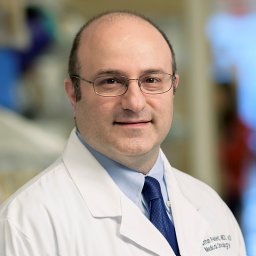 Peled Jonathan U合作论文数Department of Cell Biology, Albert Einstein College of Medicine22
 Glenn Heller合作论文数Memorial Sloan Kettering Cancer Center22Scordo Michael合作论文数22
 Todd E. Defor合作论文数University of Minnesota22Katharine C. Hsu合作论文数Bone Marrow Transplant Service, Memorial Sloan-Kettering Cancer Center22Bhatt Valkal合作论文数21
 Jeffrey Miller合作论文数Division of Hematology, Oncology and Transplantation, Medical School, University of Minnesota20Wells Deborah合作论文数20Trudy N. Small合作论文数19Te Defor合作论文数18
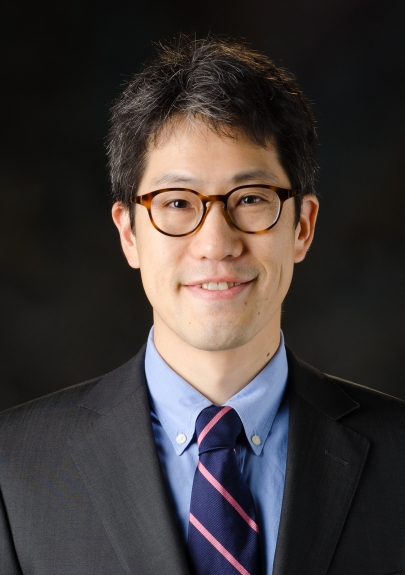 Robert R Jenq合作论文数Department of Genomic Medicine, Division of Cancer Medicine, University of Texas MD Anderson Cancer Center18Alan M. Hanash合作论文数Department of Microbiology and Immunology, University of Miami School of Medicine18Melissa Nhaissi合作论文数17Anne Marie Gonzales合作论文数17




