The Space Weather Around Young Suns (SWAYS) program was introduced in I. Davis et al. as a multiwavelength monitoring program for studying the activity and particle environments of nearby, young solar-type stars. The SWAYS program currently includes the Owens Valley Radio Observatory Long Wavelength Array (OVRO-LWA) operating between 13 and 87 MHz to search for stellar equivalents of solar type II and III bursts, which are associated with bulk plasma motion in the corona and interplanetary medium. These observations are accompanied by simultaneous photometric data from the high-precision optical instrument Flarescope to identify associated flare events. These two instruments have collectively acquired nearly 900 hr of data with approximate to 70% overlap between 2023 November through 2024 June, dedicated to six stars. Here, we present the results of this first season of the SWAYS observing campaign, which include a superflare from the star EK Draconis with no accompanying low-frequency particle flux signal. The novelty of the coordination at these specific parts of the spectrum allow us to uniquely evaluate the conditions that may have inhibited a radio detection. We find that the exceptionally hot, dense coronae of incredibly active stars may not be conducive to the development of the instabilities required for type II and III bursts, or else inspire new expectations for when we should expect to observe a signal relative to the time of the flare. This may represent the plasma-density complement to the magnetospheric limitations to observing space-weather signatures at low frequencies.
We report systematic issues commonly observed in the Hydrogen Epoch of Reionization Array observations that cause abrupt changes in power over time, resulting in temporal discontinuities. To identify these effects, we applied the Temporal Discontinuity Index and Spectral Discontinuity Index metrics, which complement existing diagnostic tools by detecting discontinuities and revealing their potential relationships to bandpass and power-related issues. Analysis of 30 data sets, each corresponding to a single observing night, shows that such systematics appear consistently in many antennas and across multiple nights. Based on these metrics, we identify three main types of discontinuity-related issues: periodic broad-band discontinuities linked to Inter-Integrated Circuit (I2C) polling, broad-band discontinuities associated with degraded post-amplifier modules (PAMs), and sudden power changes related to the digital backend of the antenna system. The second type, associated with degraded PAMs, occurs less frequently within a single night compared to the periodic polling effect, though both are broadband. The third type affects the largest number of antennas and is most prevalent in the H6C data. The width of the discontinuities related to the digital backend corresponds to the frequency range handled by a single correlator box, scaled by the number of boxes involved. Although 30 data sets were examined, this paper presents a focused analysis of four representative nights to highlight the main discontinuity issues. We also present correlations between flagging due to discontinuities and flagging caused by other failure modes to investigate how these issues are interrelated.
UNM has designed and built the Long Wavelength Array (LWA), a low frequency radio telescope made from an array of dipoles. The first LWA station (LWA1), co-located with the Very Large Array (VLA) in New Mexico, became operational in 2011 and opened unique capabilities to the US community between 10 and 88 MHz (Taylor et al. 2012 JAI, 1, 50004; Ellingson et al. 2013, IEEE TAP, 61, 2540). This was soon followed by the LWA station at Owens Valley (OVRO-LWA). Two additional LWA stations have been built in New Mexico, and two more are under construction in Arizona, and Texas (see Figure 1). All stations are designed to have commensal imaging and beamforming capabilities and to be remotely operated. By correlating the beamformed observations from the above stations we can form the LWA Swarm (Dowell, J. and Taylor, G. B., JAI, 7, 1850006, 2018) which achieves an angular resolution of $\sim 1$ arcsecond at 74 MHz and a sensitivity of $\sim 5 \mathrm{mJy}$. We will present a preliminary calibrator survey using just the LWA stations in New Mexico and California. We will also describe some of the scientific targets for the LWA Swarm starting in 2026 once it has 6 operating stations. These include detailed studies of known transient sources such as X-ray binaries and long-period pulsars. We will also conduct a survey of the galactic plane and bulge region looking for more long-period pulsars, but also millisecond pulsars that could explain the diffuse gamma-ray emission seen by Fermi toward the Galactic Center region. The survey will also look for pulsar wind nebulae, such as have recently been discovered around the old pulsar B0950+08 at 74 MHz.
The electron density of the solar corona is a fundamental parameter in many areas of solar physics. Traditionally, routine estimates of coronal density have relied exclusively on white-light observations. However, these density estimates, obtained by inverting the white-light data, require simplifying assumptions, which may affect the robustness of the measurements. Hence, to improve the reliability of coronal density measurements, it is highly desirable to explore other complementary methods. In this study, we estimate the coronal electron densities in the middle corona, between approximately 1.7 and 3.5 R circle dot, using low-frequency radio observations from the recently commissioned Long Wavelength Array at the Owens Valley Radio Observatory (OVRO-LWA). The results demonstrate consistency with those derived from white-light coronagraph data and predictions from theoretical models. We also derive a density model valid between 1.7 and 3.5 r circle dot, given by rho(r ')=1.27r '-2+29.02r '-4+71.18r '-6 , where r '=r/R circle dot , with r the heliocentric distance. OVRO-LWA is a solar-dedicated radio interferometer that provides science-ready images with low latency, making it well suited for generating regular and independent estimates of coronal densities to complement existing white-light techniques.
The brief (10 nanoseconds) transient radio emission from cosmic ray air showers carries key information about the energy and mass composition of high energy cosmic rays, but anthropogenic radio frequency interference has historically prevented radio-based cosmic ray studies from being carried out independently from other types of detectors. We describe a cosmic ray detection system for the Owens Valley Radio Observatory Long Wavelength Array that searches for radio emission from cosmic ray air showers without relying on an external trigger, and runs alongside the other observing modes of the array. The OVRO-LWA, located in Eastern California, recently completed an expansion to 352 dual-polarization antennas and new signal processing infrastructure. In order to detect cosmic rays in the presence of radio frequency interference (RFI), initial event classification and RFI rejection is performed on Field Programmable Gate Array boards, which each process a sampled voltage timeseries from both polarizations of a subarray of 32 antennas. Each board uses dedicated RFI veto antennas outside the air shower radio footprint to reject RFI events. We present the trigger design, RFI flagging strategy, and candidate cosmic rays.
FarView is a proposed low frequency radio interferometer for deployment on the lunar far side, enabled by the Moon's radio quiet environment. Operating over 1-50 MHz inaccessible from Earth, FarView will open a new observational window and promote discovery class science in cosmology, heliophysics, Galactic and exoplanet astrophysics. The primary science is measurement of the redshifted 21 cm signal from the Cosmic Dark Ages (z=30-100), identified by the Astro2020 Decadal Survey as a priority cosmology discovery area. FarView will deliver 3D tomographic measurements and precision power spectra of neutral hydrogen in a largely linear regime, enabling tests of inflationary initial conditions, primordial non Gaussianity, dark matter properties, neutrino masses, and early dark energy. The reference design consists of 100000 crossed dipole antennas in a dense core-halo configuration spanning 200 sq km. A compact 4 km core with 83000 dipoles maximizes sensitivity to large scale cosmological modes, while 20000 halo elements extending to 14 km provide angular resolution and calibration for foreground characterization. Sensitivity forecasts indicate a 10-sigma detection of the Dark Ages 21 cm power spectrum at z=30 over five years of half duty cycle lunar night observations. An FFT-based EPIC beamformer is identified as an efficient signal processing architecture. Beyond cosmology, FarView will enable interferometric imaging of low frequency solar radio bursts, advancing space weather studies. Additional capabilities include stellar space weather observations, Galactic cosmic ray tomography via free-free absorption, and searches for auroral radio emission from exoplanet magnetospheres, a probe of exoplanet habitability. FarView represents a flagship class opportunity to establish the Moon as a platform for foundational astrophysics while delivering unique observational capabilities.
We report on a search for prompt, low-frequency radio emission from the gravitational-wave (GW) merger S250206dm using the Owens Valley Radio Observatory Long Wavelength Array (OVRO-LWA). Early alerts favored a neutron-star-containing merger, making this a compelling target. Motivated by theoretical predictions of coherent radio bursts from mergers involving a neutron star, we utilized the OVRO-LWA Time Machine system to analyze voltage data recorded around the time of the event. Time Machine is a two-stage voltage buffer and processing pipeline that continuously buffers raw data from all antennas across the array’s nearly full-hemisphere instantaneous field of view, enabling retrospective beamforming, dedispersion, and fast-transient candidate identification. For this event, we analyzed a 30 minute interval beginning 3.5 minutes after the merger, which included 2 minutes of pre-alert data recovered by the ring buffer. We searched the 50% localization probability region with millisecond time resolution in the 69–86 MHz frequency band. No radio counterpart was detected above a 7 σ fluence detection threshold of ∼150 Jy ms. Using Bayesian analysis, we place a 95% confidence upper limit on the source luminosity of L _95 = 4 × 10 ^41 erg s ^−1 . These constraints start to probe the bright end of the coherent-emission parameter space predicted by jet–interstellar medium shock processes, magnetar and blitzar-like mechanisms, and recent simulation-based scenarios for neutron-star-containing mergers. This study presents the first sensitive, large-area, millisecond-timescale search for prompt low-frequency radio emission from a GW merger with the OVRO-LWA, establishing a framework in which about 10 additional events will yield stringent population-level constraints.
Strong solar activities are often accompanied by a variety of radio bursts. These radio bursts not only serve as valuable diagnostics of coronal and heliospheric processes but also as potential tools in space weather monitoring and forecasting. However, space weather applications call for the capability for low-latency and high-sensitivity radio burst recording and reporting, which has remained lacking. In this work, we present the development of a near-real-time radio burst recording and reporting system with the Owens Valley Radio Observatory's Long Wavelength Array. The system directly clips data from the real-time buffer and streams it as a live real-time radio dynamic spectrogram. The spectrograms are then fed to a deep learning-based burst identification module for type III radio bursts. The identifier is built on a You Only Look Once architecture, trained by synthetic type III radio bursts generated by using a physics-based model to achieve accurate and robust detection. This system enables continuous real-time radio spectrum streaming and the automatic reporting of type III radio bursts within similar to 10 s of their occurrence.
Strong solar activity is often accompanied by a variety of radio bursts. These bursts are valuable diagnostics of coronal and heliospheric processes and also have potential applications in space weather monitoring and forecasting. However, space weather applications require low-latency, high-sensitivity radio burst recording and reporting capabilities, which have remained limited. In this work, we present the development of a near-realtime radio burst recording and reporting system using the Owens Valley Radio Observatory Long Wavelength Array. The system directly clips data from a realtime buffer and streams them as a live radio dynamic spectrogram. These spectrograms are then processed by a deep-learning-based burst identification module for type III radio bursts. The identifier is based on a YOLO (You Only Look Once) architecture and is trained on synthetic type III radio bursts generated using a physics-based model to achieve accurate and robust detection. This system enables continuous realtime radio spectrum streaming and automatic reporting of type III radio bursts within approximately 10 seconds of their occurrence.
We present an imaging-domain search for technosignatures at decametric wavelengths with the Owens Valley Radio Observatory Long Wavelength Array, targeting ultra-narrowband continuous-wave signals between 50 and 86 MHz. We implement an offline graphics processing unit pipeline that processes raw voltage data with upchannelization to approximately 10 Hz frequency resolution, producing all-sky images for each fine channel and totaling more than 3 & times; 106 images for a single 30 s epoch. Candidate selection is performed using multikernel matched filtering across frequencies, empirical noise standardization, and false-discovery-rate control. After applying quality cuts that remove extended sources, corrupted images, and obvious radio frequency interference, three narrowband candidates with signal-to-noise ratios above 10 sigma were selected for detailed analysis. By reimaging these candidates with finer temporal and spectral resolution, we resolved their structure and found them to be inconsistent with compact celestial narrowband emitters. Consequently, we report no detection of extraterrestrial technosignatures. The representative sensitivity of the search is similar to 100 Jy per channel across the entire visible hemisphere. For an unresolved emitter, this corresponds to 10 sigma equivalent isotropic radiated power limits of about 1014 W at a distance of 10 pc and 1018 W at 1 kpc. The wide field of view and ultrafine spectral resolution of this approach enable simultaneous probing of technosignature signals from millions of stellar systems. This method further establishes a scalable framework for deeper integrations and stacked searches toward neutron star targets relevant to axion-like particle line conversion.
The Experiment to Detect the Global Epoch of reionisation 21 cm Signal (EDGES) has reported evidence for an absorption feature in the sky-averaged radio background near 78 MHz. A cosmological interpretation of this signal corresponds to absorption of 21 cm photons by neutral hydrogen at z similar to 17 . The large depth of the signal has been shown to require an excess radio background above the CMB and/or non-standard cooling processes in the IGM. Here, we explore the plausibility of a scenario in which the EDGES signal is back-lit by an excess radio background sourced from a population of radio-loud AGN at high redshift. These AGN could also explain the unexpected abundance of UV-bright objects observed at z>10 by JWST. We find that producing enough radio photons to explain the EDGES depth requires that nearly all high-z UV-bright objects down to M-UV greater than or similar to -15 are radio-loud AGN and that the UV density of such objects declines by at most 1.5 orders of magnitude between z = 10 and 20. In addition, the fraction of X-ray photons escaping these objects must be less than or similar to 1% of their expected intrinsic production rate to prevent the absorption signal being washed out by early IGM pre-heating. Re-producing the sharp boundaries of the absorption trough and its flat bottom require that the UV luminosity function, the fraction of UV light produced by AGN, and the X-ray escape fraction have fine-tuned redshift dependence. We conclude that radio-loud AGN are an unlikely (although physically possible) candidate to explain EDGES because of the extreme physical properties required for them to do so.
The precise characterization and mitigation of systematic effects is one of the biggest roadblocks impeding the detection of the fluctuations of cosmological 21 cm signals. Missing data in radio cosmological experiments, often due to radio frequency interference (RFI), pose a particular challenge to power spectrum analysis as this could lead to the ringing of bright foreground modes in the Fourier space, heavily contaminating the cosmological signals. Here we show that the problem of missing data becomes even more arduous in the presence of systematic effects. Using a realistic numerical simulation, we demonstrate that partially flagged data combined with systematic effects can introduce significant foreground ringing. We show that such an effect can be mitigated through inpainting the missing data. We present a rigorous statistical framework that incorporates the process of inpainting missing data into a quadratic estimator of the 21 cm power spectrum. Under this framework, the uncertainties associated with our inpainting method and its impact on power spectrum statistics can be understood. These results are applied to the latest Phase II observations taken by the Hydrogen Epoch of Reionization Array, forming a crucial component in power spectrum analyses as we move toward detecting 21 cm signals in the ever more noisy RFI environment.
Exoplanets with and without a magnetic field are predicted to form, behave, and evolve very differently. Therefore, there is great need to directly constrain these fields to holistically understand the properties of exoplanets including their potential habitability. This goal aligns with the Astro2020 Decadal Survey recommendations. Observing planetary auroral radio emissions is among the most promising detection methods, but decades of searching have yet to yield a conclusive detection, though promising hints are now emerging from ground-based radio telescopes. However, these ground-based efforts are fundamentally limited by Earth's ionosphere, which blocks the low-frequency signals (<10 MHz) expected from terrestrial and Neptune-like exoplanets. In this white paper, we outline a strategy to overcome this barrier by utilizing the unique environment of the Moon. We discuss how the upcoming LuSEE-Night and ROLSES pathfinder missions will study our Solar System's planets as exoplanet analogs and place the first meaningful upper limits on exoplanetary radio flux below 10 MHz. Furthermore, we explore the revolutionary potential of the proposed future lunar arrays FarView and FARSIDE. For example, FarView will be sensitive enough to study the magnetic fields of a diverse set of exoplanets (super-Earths to gas giants) and an order of magnitude more Jupiter-like planets than ground-based telescopes, providing crucial tests for dynamo theory. Most significantly, FARSIDE will be able to detect the magnetospheres of nearby terrestrial exoplanets, offering a powerful synergy with atmospheric characterization efforts by JWST and HWO to fully assess their potential habitability. By opening this unexplored low-frequency window, radio astronomy from the Moon is poised to transform the field of exoplanet magnetospheric science. [Abridged]
Decades of solar coronal observations have provided substantial evidence for accelerated particles in the corona. In most cases, the location of particle acceleration can be roughly identified by combining high spatial and temporal resolution data from multiple instruments across a broad frequency range. In almost all cases, these nonthermal particles are associated with quiescent active regions, flares, and coronal mass ejections (CMEs). Only recently, some evidence of the existence of nonthermal electrons at locations outside these well-accepted regions has been found. Here, we report for the first time multiple cases of transient nonthermal emissions, in the heliocentric range of ∼3–7 R _⊙ , which do not have any obvious counterparts in other wave bands, like white-light and extreme ultraviolet. These detections were made possible by the regular availability of high dynamic-range low-frequency radio images from the Owens Valley Radio Observatory’s Long Wavelength Array. While earlier detections of nonthermal emissions at these high heliocentric distances often had comparable extensions in the plane of sky, they were primarily associated with radio CMEs, unlike the cases reported here. Thus, these results add on to the evidence that the middle corona is extremely dynamic and contains a population of nonthermal electrons, which is only becoming visible with high dynamic-range low-frequency radio images.
Routine measurements of the magnetic field of coronal mass ejections (CMEs) have been a key challenge in solar physics. Making such measurements is important both from a space weather perspective and for understanding the detailed evolution of the CME. In spite of significant efforts and multiple proposed methods, achieving this goal has not been possible to date. Here we report the first possible detection of gyroresonance emission from a CME. Assuming that the emission is happening at the third harmonic, we estimate that the magnetic field strength ranges from 7.9 to 5.6 G between 4.9 and 7.5 R _⊙ . We also demonstrate that this high magnetic field is not the average magnetic field inside the CME, but most probably is related to small magnetic islands, which are also being observed more frequently with the availability of high-resolution and high-quality white-light images.
A major challenge in understanding the initiation and evolution of coronal mass ejections (CMEs) is measuring the magnetic field of the magnetic flux ropes (MFRs) that drive CMEs. Recent developments in radio imaging spectroscopy have paved the way for diagnosing the CMEs’ magnetic field using gyrosynchrotron radiation. We present magnetic field measurements of a CME associated with an X5-class flare by combining radio imaging spectroscopy data in microwaves (1–18 GHz) and meter waves (20–88 MHz), obtained by the Owens Valley Radio Observatory’s Expanded Owens Valley Solar Array (EOVSA) and Long Wavelength Array (OVRO-LWA), respectively. EOVSA observations reveal that the microwave source, observed in the low corona during the initiation phase of the eruption, outlines the bottom of the rising MFR-hosting CME bubble seen in extreme ultraviolet and expands as the bubble evolves. As the MFR erupts into the middle corona and appears as a white-light CME, its meter-wave counterpart, observed by OVRO-LWA, displays a similar morphology. For the first time, using gyrosynchrotron spectral diagnostics, we obtain magnetic field measurements of the erupting MFR in both the low and middle corona, corresponding to coronal heights of 0.02 and 1.83 R _⊙ . The magnetic field strength is found to be around 300 G at 0.02 R _⊙ during the CME initiation and about 0.6 G near the leading edge of the CME when it propagates to 1.83 R _⊙ . These results provide critical new insights into the magnetic structure of the CME and its evolution during the early stages of its eruption.
The Deployable Optical Receiver Aperture (DORA) experiment is a pathfinder for large-scale space-based radio interferometry with experiments addressing scalable laser communications within swarms and precision low frequency radio astronomy instruments. The collection of prototype instru-ments will characterize background noise which might limit future optical links and radio astronomy measurements. The DORA laser terminal concept uses arrays of solid state optical/ infrared sensors to form a wide-field high sensitivity detector theoretically capable of speeds up to 1 Gbps at a range of up to 1000 km between cubesats without requiring precision pointing. The freedom to rotate as needed for science or power purposes, without interrupting data transfer, will enable future swarm radio arrays of free-flying antennas operating as a single correlated array. The first DORA mission aims to test fly a silicon photomultiplier sensor and measure background light from reflected sunlight, moonlight and city lights. DORA's radio pathfinder aims to flight-test compact solid-state radio technol-ogy needed for precision low-frequency receivers targeting the cosmic dawn and epoch of reionization. Solid-state RF (radio frequency) switches and related elements which have not yet been demonstrated in space at the precision necessary have been formed into a dual-mode radio spectrometer attached to a deployable monopole antenna. A filter bank VHF (very high frequency) spectrometer provides continuous monitoring from 20 to 180 MHz spectrum in 20 MHz channels while a miniature software defined radio makes high spectral resolution scans of the same band. The satellite was built and tested by students in Arizona State University's (ASU) Low frequency Cosmology Lab and ASU's Interplanetary Initiative Lab (IPL). Vacuum testing, vibration testing, and day-in-the-life testing were all performed at ASU. The design and build began during the Covid pandemic which had many effects on the availability of people and components. As a result, late changes to payload, structure, and power systems were necessary. During testing, there were several component failures, all of which were resolved before delivery. These can ultimately be traced to late changes and provide instructive examples for future projects. DORA was aboard Northrop Grumman's 21st Cygnus flight on August 4th and was deployed on October 8th, 2024. Connection to DORA was maintained until November 27th, 2024, and on December 1st, it is estimated to have re-entered Earth's orbit. [1]
Low-frequency radio emission in the form of type II and III bursts is a direct indicator of plasma motion in the solar corona and interplanetary medium. However, detecting equivalent events on solar analogs requires thousands of observing hours and complementary multiwavelength observations to constrain the origin of the radio emission. To address this, we have begun the Study of Space Weather Around Young Suns (SWAYS), a multiwavelength program for monitoring space weather around young, solar-type stars. This program currently focuses on five solar-type stars spanning 100–800 Myr in age. It includes a dedicated observing scheme from the recently upgraded Owens Valley Radio Observatory (OVRO) Long Wavelength Array (LWA) operating at 13–86 MHz to search for stellar analogs of solar type II and III bursts. We have built the optical photometry instrument Flarescope to operate simultaneously with OVRO-LWA observations to investigate whether radio bursts are accompanied by magnetic reconnection events. We analyze the performance based on a 1 hr observation of π ^1 UMa, which shows that Flarescope can reach submillimagnitude precision through nondifferential photometry on π ^1 UMa in 60 s integration times when diffusing the light with engineered diffusers. A small field of OVRO-LWA cross-correlated data centered on π ^1 UMa reaches a noise level of 740 mJy at 10 s integration time, consistent with confusion noise. With this precision, we should be able to detect large optical flares and related radio bursts that may indicate accompanying coronal mass ejections and energetic particle events. In this paper, we present the design, framework, and performance of the SWAYS program.
An array of low-frequency dipole antennas on the lunar farside surface sensitive to frequencies ¡ 30MHz will probe for information from two of the most significant areas of astrophysics: understanding our Universe's early history during the cosmic Dark Ages and characterizing exoplanets. The Epoch of Dark Ages begins at Recombination when neutral hydrogen atoms formed, first revealed by the cosmic microwave background. This epoch is free of stars and astrophysics, so it is ideal to investigate high energy particle processes including dark matter, early Dark Energy, neutrinos, and cosmic strings. In the same band, magnetized planets produce bright, highly circularly polarized,coherent emission. This radio emission is produced at the electron gyrofrequency and thus provides a direct diagnostic of the magnetic field strength in planetary magnetospheres. Planetary magnetospheres potentially play a role in the retention of planetary atmospheres and may be a crucial ingredient for planetary habitability. This radio emission is, therefore, an important potential probe in understanding the role of magnetic fields in the habitability of exoplanets.
The Star-Planet Activity Research CubeSat (SPARCS) is a NASA-funded 6U-CubeSat mission designed to monitor ultraviolet (UV) radiation from low-mass stars. These stars' relatively high-frequency and high-energy UV flares significantly affect the atmospheres of orbiting exoplanets, driving atmospheric loss and altering the conditions for habitability. SPARCS aims to capture time-resolved photometric data in the far-UV and near-UV simultaneously to better characterize the flares and detect the strongest and rarest among them. In addition, SPARCS is testing innovative technology, such as delta-doped detectors with near 100% internal quantum efficiency and detector-integrated metal-dielectric UV bandpass filters. This mission will increase the technology readiness level of these critical components, positioning them for inclusion in future flagship missions such as the Habitable Worlds Observatory. We outline SPARCS' mission goals and provide an update as the spacecraft is completed and awaits its planned late-2025 launch to a sun-synchronous low-Earth orbit. We also highlight the critical role of small missions in providing training and leadership development opportunities for students and researchers, advancing technology for larger observatories, and share lessons learned from collaborations among academic, government, and industry partners.
 Miguel F. Morales合作论文数Department of Physics, College of Arts & Sciences, University of Washington142
 Daniel C. Jacobs合作论文数Department of Physics;Montana State University;Department of Physics, Montana State University129
 Jacqueline N. Hewitt合作论文数Department of Physics, Massachusetts Institute of Technology105
 Randall Wayth合作论文数Curtin Institute of Radio Astronomy, School of Electrical Engineering, Computing and Mathematical Sciences, Faculty of Science and Engineering, Curtin University;SKA Observatory88
 Rachel Webster合作论文数School of Physics, University of Melbourne88
 Steven J Tingay合作论文数International Centre for Radio Astronomy Research, Curtin University87
 Daniel A. Mitchell合作论文数Australia Telescope Natl Facil, CSIRO Astron & Space Sci83
 Adam Beardsley合作论文数Department of Physics, College of Science & Engineering, Winona State University82Alan E. E. Rogers合作论文数80
 Divya Oberoi合作论文数Tata Institute of Fundamental Research National Centre for Radio Astrophysics79
 Udaya Shankar Narayana Rao合作论文数Raman Research Institute79
 Nithyanandan Thyagarajan合作论文数Space & Astronomy, Commonwealth Scientific and Industrial Research Organisation (CSIRO),;National Radio Astronomy Observatory;National Radio Astronomy Observatory, Commonwealth Scientific and Industrial Research Organisation (CSIRO),77Frank H Briggs合作论文数77
 Colin J. Lonsdale合作论文数Massachusetts Institute of Technology Haystack Observatory77
 Ravi Subrahmanyan合作论文数Raman Research Institute76
 Prabu Thiagaraj合作论文数Raman Research Institute75
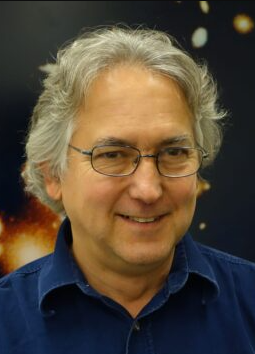 Edward Morgan合作论文数Kavli Institute for Astrophysics and Space Research, Massachusetts Institute of Technology73K. S. Srivani合作论文数73
 Lincoln J. Greenhill合作论文数Department of Astronomy, Faculty of Arts and Sciences, Harvard University;Smithsonian Astrophysical Observatory73B. J. Hazelton合作论文数72
 Rigel Cappallo合作论文数Haystack Observatory, Massachusetts Institute of Technology72
 Andrew John Williams合作论文数71Stephen Mark Ord合作论文数Swinburne University of Technology;Centre for Astrophysics and Supercomputing;Centre for Astrophysics and Supercomputing, Swinburne University of Technology70Stephen R. Mcwhirter合作论文数69
 Jonathan Charles Pober (Jonathan C Pober)合作论文数Department of Physics, Brown University68Aaron Ewall-Wice合作论文数Department of Physics, Massachusetts Institute of Technology;Department of Physics, University of California;Massachusetts Institute of Technology, University of California67
 David Kaplan合作论文数Department of Physics, College of Letters & Science, University of Wisconsin-Milwaukee67
 Josh Dillon合作论文数Department of Astronomy, University of California, Berkeley63
 Steven Furlanetto合作论文数University of California, Los Angeles63
 Avinash A. Deshpande合作论文数Raman Res Inst63Bernardi G.合作论文数62C. L. Williams合作论文数60
 Matthew Kolopanis合作论文数Department of Astronomy, University of California60
 Aaron R Parsons合作论文数Dept Astron, Univ Calif Berkeley58
 Bryan M Gaensler合作论文数Division of Physical and Biological Sciences, University of California, Santa Cruz;Department of Astronomy and Astrophysics, University of California, Santa Cruz56
 David DeBoer合作论文数Department of Astronomy, University of California, Berkeley55
 James E. Aguirre合作论文数Department of Physics and Astronomy, University of Pennsylvania54
 Adrian Liu合作论文数Department of Physics, McGill University;McGill Space Institute, McGill University53
 Steven Graham Murray合作论文数School of Earth and Space Exploration, Arizona State University52
 Richard Bradley合作论文数National Radio Astronomy Observatory52M. Johnston-Hollitt合作论文数51
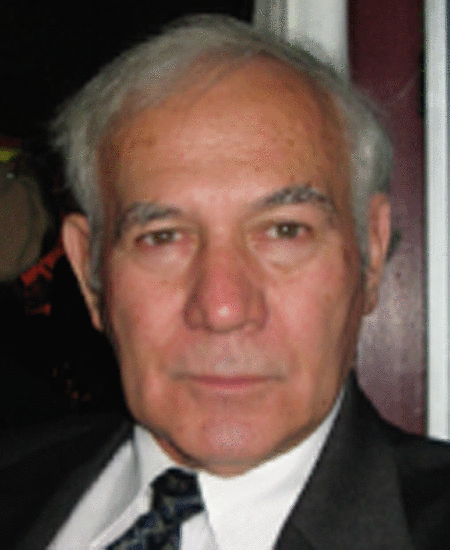 Mervyn J. Lynch合作论文数CSIRO Division of Atmospheric Research51
 Bryna Hazelton合作论文数eScience Institute, University of Washington;Department of Physics, University of Washington50David Emrich合作论文数50
 Christopher L. Carilli合作论文数Pete V. Domenici Array Science Center, National Radio Astronomy Observatory49
 Andrei Mesinger合作论文数Faculty of Sciences, Scuola Normale Superiore49Brian E. Corey合作论文数49Piyanat Kittiwisit合作论文数INAF-Istituto di Radioastronomia48
 André Offringa合作论文数Kapteyn Astronomical Institute, Faculty of Science and Engineering, University of Groningen;ASTRON Netherlands Institute for Radio Astronomy48




